النقاط الرئيسية
- تتراوح تكلفة فحص الرنين المغناطيسي في دبي بين 900 و4,500 درهم للمناطق الفردية وبين 5,000 و15,000 درهم لفحص الجسم الكامل، وتغطي معظم خطط التأمين الشاملة الفحوصات الضرورية طبياً
- يفحص الرنين المغناطيسي للجسم الكامل جسمك بالكامل من الدماغ إلى الحوض دون أي إشعاع، ويكشف الأورام وتمدد الأوعية الدموية والتشوهات العضوية وأمراض العمود الفقري قبل ظهور الأعراض
- يكشف الرنين المغناطيسي أورام الدماغ بحساسية 95-99%، وسرطان الكبد بحساسية 85-95%، وسرطان الكلى بحساسية 90-95%، رغم محدوديته في كشف سرطان الرئة وسرطانات الجهاز الهضمي
- لا يستخدم الرنين المغناطيسي أي إشعاع على عكس الأشعة المقطعية (10-30 ميلي سيفرت لكل فحص)، مما يجعله آمناً للفحوصات المتكررة والأطفال والحوامل بعد الثلث الأول
- يستغرق فحص الجسم الكامل بالرنين المغناطيسي 60 إلى 90 دقيقة وتُراجع النتائج من قبل استشاري أشعة خلال 24 إلى 48 ساعة
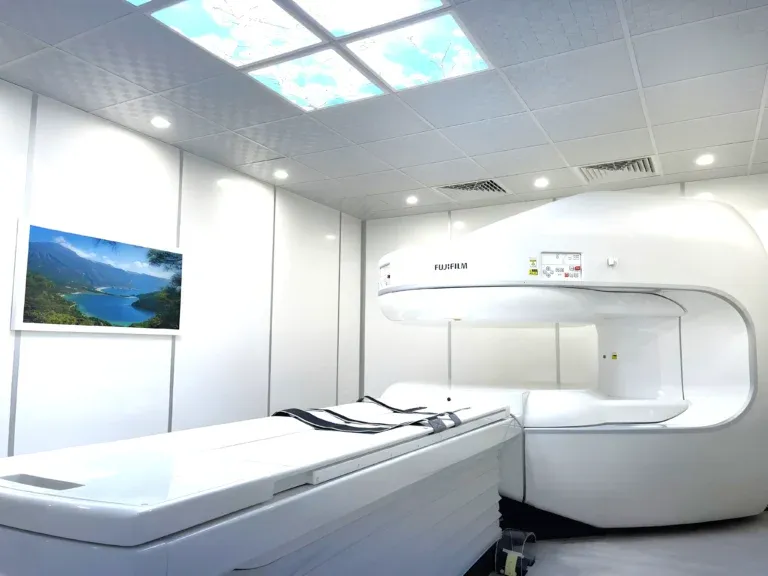
- يتوفر جهاز الرنين المغناطيسي المفتوح للمرضى الذين يعانون من رهاب الأماكن المغلقة ويعمل بكفاءة لمعظم الاحتياجات التشخيصية. لمزيد من التفاصيل، راجع دليل الرنين المغناطيسي المفتوح
سواء طلب منك طبيبك إجراء فحص رنين مغناطيسي لمنطقة محددة أو كنت تفكر في إجراء فحص الجسم الكامل بالرنين المغناطيسي كفحص صحي وقائي، يغطي هذا الدليل كل ما تحتاج معرفته. من الأسعار والتأمين إلى معدلات الكشف عن السرطان وما يحدث داخل الجهاز، جمعنا أشمل مرجع عن الرنين المغناطيسي في دبي بناءً على خبرتنا في إجراء أكثر من 1,000 فحص تشخيصي شهرياً في مركز دكتورز كلينك التشخيصي في مدينة دبي الطبية منذ عام 2013.
يغطي هذا الدليل تكاليف فحص الرنين المغناطيسي في دبي، وأنواع الرنين المغناطيسي المتاحة، وفحص الجسم الكامل، وفعالية الكشف عن السرطان مع بيانات الحساسية، ومقارنات التصوير بالرنين المغناطيسي مع الأشعة المقطعية وغيرها، ومن يجب أن يفكر في فحص الجسم الكامل، والعائد على الاستثمار من الكشف المبكر، وخطوات التحضير، وما يمكن توقعه أثناء الفحص، والتعامل مع رهاب الأماكن المغلقة، وبروتوكول DCDC، وفهم نتائجك.



ما هو الرنين المغناطيسي وكيف يعمل؟
MRI هو اختصار لـ Magnetic Resonance Imaging أي التصوير بالرنين المغناطيسي. على عكس الأشعة السينية أو الأشعة المقطعية التي تستخدم الإشعاع، يستخدم الرنين المغناطيسي مغناطيسات قوية وموجات راديو لإنشاء صور تفصيلية للأنسجة الرخوة في جسمك. جسمك يتكون في معظمه من الماء، وذرات الهيدروجين في ذلك الماء تستجيب للمجال المغناطيسي للجهاز. يكشف الجهاز تلك الاستجابات ويحولها إلى صور مقطعية مفصلة للغاية لأعضائك وأنسجتك وعظامك وأوعيتك الدموية.
هذا يجعل الرنين المغناطيسي ذا قيمة خاصة لفحص الدماغ والحبل الشوكي (كشف الأورام والسكتات الدماغية والتصلب المتعدد وغيرها من الحالات العصبية)، والمفاصل (تقييم تمزق الأربطة وتلف الغضاريف والتهاب المفاصل)، والأنسجة الرخوة (فحص العضلات والأعضاء والأوعية الدموية)، والقلب (تقييم بنية القلب ووظيفته). لا يستخدم الرنين المغناطيسي أي إشعاع، مما يجعله آمناً للفحوصات المتكررة ومثالياً للأطفال والحوامل بعد الثلث الأول من الحمل.
"تكمن القوة الحقيقية للرنين المغناطيسي في قدرته على كشف حالات صامتة سريرياً تماماً،" يوضح الدكتور أسامة الزمزمي، استشاري الأشعة في مركز DCDC. "لقد شهدت حالات كان المرضى يشعرون فيها بصحة تامة، ومع ذلك كشف الفحص عن كتلة كلوية في مرحلة مبكرة أو تمدد دماغي غير منفجر. هذه نتائج تغير حياة المرضى عند اكتشافها مبكراً."
أنواع فحوصات الرنين المغناطيسي المتاحة في دبي
تتطلب مناطق الجسم المختلفة بروتوكولات رنين مغناطيسي مختلفة محسّنة للأنسجة والحالات المحددة التي يتم تقييمها. إليك أكثر أنواع فحوصات الرنين المغناطيسي شيوعاً في دبي:
- الرنين المغناطيسي للدماغ: المعيار الذهبي للكشف عن أورام الدماغ وتقييم السكتة الدماغية والتصلب المتعدد وتمدد الأوعية الدموية وتغيرات المادة البيضاء. يمكنه تحديد أورام بحجم بضعة ملليمترات فقط. كما يقيّم الغدة النخامية وصحة الأوعية الدموية.
- الرنين المغناطيسي للعمود الفقري (العنقي، الصدري، القطني): يقيّم الانزلاق الغضروفي وضغط الحبل الشوكي وتضيق القناة الشوكية وانضغاط الأعصاب ومرض القرص التنكسي وأورام العمود الفقري. الطريقة الوحيدة التي تصور الحبل الشوكي نفسه بوضوح.
- الرنين المغناطيسي للركبة والمفاصل: يكشف تمزقات الرباط الصليبي الأمامي والغضروف الهلالي وتلف الغضاريف وإصابات الأربطة ووذمة نخاع العظم وعلامات التهاب المفاصل المبكرة. ضروري لإصابات الرياضة الشائعة لدى سكان دبي النشطين.
- الرنين المغناطيسي للبطن والحوض: يفحص الكبد والكلى والبنكرياس والطحال والغدد الكظرية والمثانة والأعضاء التناسلية. ممتاز للكشف عن الأكياس والأورام والكبد الدهني والتشوهات العضوية.
- الرنين المغناطيسي للقلب: يقيّم حجم حجرات القلب وسماكة العضلة ووظيفة الصمامات وتدفق الدم. يحدد اعتلال عضلة القلب والانصباب التاموري والتشوهات البنيوية التي قد يفوتها تخطيط صدى القلب.
- الرنين المغناطيسي للثدي: أكثر طرق التصوير حساسية للكشف عن سرطان الثدي (حساسية 90-95%)، ذو قيمة خاصة للنساء عاليات الخطورة وذوات أنسجة الثدي الكثيفة.
- الرنين المغناطيسي للجسم الكامل: فحص شامل يغطي جميع المناطق الرئيسية من الدماغ إلى الحوض في جلسة واحدة. يزداد شعبية للفحص الصحي الوقائي. راجع دليل تكلفة فحص الجسم الكامل بالرنين المغناطيسي لتفاصيل الأسعار.
ما الذي يغطيه فحص الجسم الكامل بالرنين المغناطيسي؟
يستخدم فحص الجسم الكامل بالرنين المغناطيسي بروتوكولاً منظماً متعدد التسلسلات لفحص كل منطقة رئيسية في الجسم باستخدام تسلسلات تصوير محسّنة لكل منطقة. إليك ما يغطيه فحص الجسم الكامل الشامل عادةً:
- الدماغ والرأس: يكشف الأورام وتمدد الأوعية الدموية وتغيرات المادة البيضاء وأدلة السكتة الدماغية وتشوهات الغدة النخامية
- العمود الفقري العنقي والرقبة: يقيّم الانزلاق الغضروفي وضغط الحبل الشوكي والكتل في الأنسجة الرخوة
- العمود الفقري الصدري والقطني: يحدد أمراض القرص وكسور الفقرات وانضغاط الأعصاب والحالات التنكسية
- الصدر: يقيّم القلب وهياكل المنصف والأوعية الدموية الكبرى (ملاحظة: أنسجة الرئة تُقيَّم بشكل أفضل بالأشعة المقطعية)
- البطن: يفحص الكبد والكلى والبنكرياس والطحال والغدد الكظرية والشريان الأبهر البطني بحثاً عن كتل أو أكياس أو تشوهات عضوية
- الحوض: يفحص المثانة والأعضاء التناسلية والبروستاتا (عند الرجال) والعقد اللمفاوية الحوضية
- المفاصل الرئيسية: تشمل بعض البروتوكولات الكتفين والوركين والركبتين للكشف عن تلف الغضاريف وتمزقات الشفا أو التهاب المفاصل المبكر
ما الذي يمكن لفحص الجسم الكامل بالرنين المغناطيسي كشفه؟
يتميز فحص الجسم الكامل بالرنين المغناطيسي بفعالية استثنائية في كشف تشوهات الأنسجة الرخوة التي تفوتها أدوات الفحص الأخرى. لأن الرنين المغناطيسي يوفر دقة تباين فائقة بين أنواع الأنسجة المختلفة، فإنه يكشف الحالات في مراحلها المبكرة جداً.
- الأورام والكتل: أورام حميدة وخبيثة في الدماغ والكبد والكلى والبنكرياس والثدي والبروستاتا وأعضاء الحوض
- تمدد الأوعية الدموية: انتفاخ أو ضعف جدران الأوعية الدموية في الدماغ (3-5% من السكان لديهم تمدد دماغي غير منفجر) أو الشريان الأبهر (نسبة الوفاة 80% في حالة الانفجار)
- التشوهات العضوية: أكياس الكبد والكبد الدهني (يصيب 25-30% من البالغين) وحصوات الكلى وتضخم الطحال وآفات البنكرياس وعقيدات الغدة الكظرية
- أمراض العمود الفقري: الانزلاق الغضروفي وتضيق القناة الشوكية وانضغاط الأعصاب ومرض القرص التنكسي وكسور الفقرات
- المخاوف القلبية الوعائية: تشوهات عضلة القلب ومشاكل الصمامات وأمراض الشريان الأبهر وتصلب الشرايين وتضيق الأوعية الدموية
- النتائج العصبية: آفات المادة البيضاء ومرض الأوعية الصغيرة وعلامات الخرف المبكرة وأنماط إزالة الميالين
- علامات الالتهاب والمناعة الذاتية: التهاب المفصل العجزي الحرقفي المشير إلى التهاب الفقار المقسط والتهاب الأعضاء المشير إلى حالات مناعة ذاتية والتهاب عضلة القلب
- مشاكل المفاصل والجهاز العضلي الهيكلي: تمزقات الأربطة وتلف الغضاريف ووذمة نخاع العظم وتمزقات الغضروف الهلالي وعلامات التهاب المفاصل المبكرة
فحص الجسم الكامل بالرنين المغناطيسي للكشف عن السرطان
غالباً ما تحتوي الخلايا السرطانية على محتوى مائي وخصائص نسيجية مختلفة مقارنة بالخلايا الطبيعية. يستغل الرنين المغناطيسي هذه الاختلافات لإنشاء تباين بين الأنسجة السليمة وغير الطبيعية. تعزز التقنيات المتقدمة مثل التصوير الموزون بالانتشار (DWI) القدرة على تحديد مناطق الانقسام الخلوي السريع، وهي سمة مميزة للأورام الخبيثة. عند إعطاء صبغة التباين (الجادولينيوم)، يكشف الرنين المغناطيسي أيضاً أنماط الأوعية الدموية غير الطبيعية التي تنشئها الأورام لدعم نموها.
السرطانات التي يكشفها الرنين المغناطيسي بكفاءة
- أورام الدماغ: الرنين المغناطيسي هو المعيار الذهبي بحساسية 95-99%. يمكنه تحديد أورام بحجم بضعة ملليمترات فقط.
- سرطان الكبد: الرنين المغناطيسي مع التباين عالي الحساسية (85-95%) لسرطان الخلايا الكبدية ونقائل الكبد، وغالباً يتفوق على الأشعة المقطعية.
- سرطان الكلى: يُرى سرطان الخلايا الكلوية بوضوح (حساسية 90-95%) مع القدرة على التمييز بين الأكياس الحميدة والكتل الصلبة.
- سرطان البروستاتا: يحقق الرنين المغناطيسي متعدد المعايير (mpMRI) حساسية 80-90% وأصبح أداة تشخيصية معيارية.
- سرطان الثدي: الرنين المغناطيسي هو أكثر طرق التصوير حساسية (90-95%) للكشف عن سرطان الثدي، خاصة للنساء عاليات الخطورة ذوات أنسجة الثدي الكثيفة.
- أورام العظام والأنسجة الرخوة: يوفر الرنين المغناطيسي تصويراً ممتازاً (حساسية 90-95%)، ويظهر بوضوح مدى الورم وعلاقته بالهياكل المحيطة.
- أورام الحبل الشوكي: الرنين المغناطيسي هو طريقة التصوير الوحيدة الموثوقة للكشف عن الأورام داخل الحبل الشوكي أو المجاورة له.
السرطانات التي يحد فيها الرنين المغناطيسي
- سرطان الرئة في مراحله المبكرة: العقيدات الرئوية الصغيرة (حساسية 50-70%) يُكشف عنها بشكل أفضل بالأشعة المقطعية منخفضة الجرعة بسبب الرئتين المملوءتين بالهواء وحركة التنفس.
- سرطان القولون والمستقيم: يظل تنظير القولون المعيار الأساسي. الرنين المغناطيسي مفيد لتحديد مرحلة سرطان المستقيم لكنه أقل فعالية للكشف المبكر عن السلائل.
- سرطان المعدة والمريء: التنظير الداخلي أكثر فعالية بكثير لسرطانات الجهاز الهضمي القائمة على الغشاء المخاطي.
- سرطانات الجلد: يُشخص الميلانوما وسرطانات الجلد الأخرى من خلال الفحص البصري والخزعة وليس التصوير.
| نوع السرطان | حساسية MRI | نوعية MRI | ملاحظات |
|---|---|---|---|
| أورام الدماغ | 95-99% | 90-95% | المعيار الذهبي في التصوير |
| سرطان الكبد | 85-95% | 85-90% | مع تعزيز التباين |
| سرطان الكلى | 90-95% | 85-90% | ممتاز لتوصيف الكتل |
| سرطان البروستاتا | 80-90% | 70-80% | الرنين المغناطيسي متعدد المعايير (PI-RADS) |
| سرطان الثدي | 90-95% | 70-80% | أعلى حساسية بين جميع طرق التصوير |
| نقائل العظام | 90-95% | 85-90% | متفوق على مسح العظام |
| سرطان الرئة | 50-70% | 80-85% | يُفضل CT لفحص الرئة |
قيم الحساسية والنوعية هي نطاقات تقريبية بناءً على الأدبيات المنشورة. يعتمد الأداء الفعلي على جودة المعدات وخبرة أخصائي الأشعة وخصائص الورم.
التصوير بالرنين المغناطيسي الموزون بالانتشار للجسم الكامل (WB-DWI)
WB-DWI هي تقنية متقدمة للرنين المغناطيسي تقيس حركة جزيئات الماء داخل الأنسجة. تقيد الخلايا السرطانية المكتظة حركة الماء، مما ينتج إشارة ساطعة تساعد أطباء الأشعة على تحديد الأورام الخبيثة. تظهر الدراسات أن WB-DWI يؤدي بشكل مماثل لـ PET-CT في تحديد مراحل بعض السرطانات مع تجنب التعرض للإشعاع تماماً. هذه التقنية متاحة في قسم الرنين المغناطيسي في DCDC.
من يجب أن يفكر في فحص الجسم الكامل بالرنين المغناطيسي؟
فحص الجسم الكامل بالرنين المغناطيسي ليس توصية واحدة تناسب الجميع، لكن مجموعات معينة تستفيد بشكل كبير من الفحص الشامل.
التوصيات حسب العمر
- الأعمار 30-39: فحص أساسي اختياري لكنه قيّم لإنشاء نقطة مرجعية، خاصة لمن لديهم تاريخ عائلي للسرطان أو أمراض القلب والأوعية الدموية.
- الأعمار 40-49: يُوصى بشدة كفحص أساسي. هذا هو العمر الذي تبدأ فيه الحالات المرتبطة بالعمر بالتطور بصمت. ادمجه مع تحاليل الدم الشاملة للحصول على أقصى رؤية.
- الأعمار 50 وما فوق: يُوصى بشدة بالفحص السنوي أو كل سنتين. هذه الفئة العمرية تواجه أعلى خطر للسرطانات الصامتة وتمدد الأوعية الدموية وأمراض الأعضاء.
المؤشرات الوراثية والتاريخ العائلي
الأفراد الذين يعانون من متلازمات السرطان الوراثية معرضون لخطر مرتفع بشكل كبير ويستفيدون أكثر من الفحص المنتظم. تشمل هذه طفرات BRCA1/BRCA2 (خطر سرطان الثدي والمبيض والبروستاتا)، ومتلازمة لينش (خطر سرطان القولون والمستقيم وبطانة الرحم)، ومتلازمة لي-فراوميني (أنواع متعددة من السرطان)، وداء السلائل الغدي العائلي، ومتلازمة فون هيبل-لينداو. يجب على أي شخص لديه عدة أقارب من الدرجة الأولى شُخصوا بالسرطان، خاصة في سن مبكرة، مناقشة فحص الرنين المغناطيسي مع طبيبه.
المدراء التنفيذيون والمهنيون تحت الضغط العالي
يضيف عدد متزايد من الرؤساء التنفيذيين وأصحاب الأعمال وكبار المسؤولين فحص الجسم الكامل بالرنين المغناطيسي إلى روتينهم الصحي السنوي. نمط الحياة التنفيذي الذي يجمع بين الإجهاد المزمن والعمل المكتبي المستقر لمدة 10-14 ساعة يومياً والوجبات غير المنتظمة عالية السعرات والسفر الدولي المتكرر والوقت المحدود للمواعيد الطبية يخلق عبئاً صحياً تراكمياً لم تُصمم الفحوصات العادية لاكتشافه. يسد فحص الجسم الكامل بالرنين المغناطيسي هذه الفجوة من خلال توفير تصوير مباشر للأعضاء والأنسجة التي لا تستطيع تحاليل الدم تقييمها.
المغتربون في دبي
غالباً ما يفتقر المغتربون الجدد في نظام الرعاية الصحية الإماراتي إلى استمرارية السجلات الطبية. يؤسس فحص الجسم الكامل بالرنين المغناطيسي خط أساس صحي شامل في زيارة واحدة، مما يوفر نقطة مرجعية تجعل الفحوصات المستقبلية أكثر إفادة.
مراقبة ما بعد علاج السرطان
يستخدم الناجون من السرطان فحص الجسم الكامل بالرنين المغناطيسي لمراقبة عودة المرض دون التعرض المتكرر للإشعاع، مما يسمح بإجراء فحوصات مقارنة تكشف التغيرات الدقيقة بمرور الوقت.
ما تفوته الفحوصات الصحية القياسية
تتكون معظم الفحوصات الصحية السنوية من تحاليل الدم وقياس ضغط الدم والفحص البدني وربما تخطيط القلب. على الرغم من أنها تقييمات أساسية مفيدة، إلا أن لديها نقاط عمياء كبيرة.
| نوع التقييم | ما يكشفه | ما يفوته |
|---|---|---|
| تحاليل الدم | الكوليسترول والسكر وإنزيمات الكبد وعلامات الالتهاب | الأورام وتمدد الأوعية الدموية والتغيرات البنيوية في الأعضاء |
| تخطيط القلب | اضطرابات نظم القلب | تضيق الشرايين التاجية والكتل القلبية واعتلال عضلة القلب المبكر |
| الفحص البدني | ضغط الدم ومؤشر كتلة الجسم والحالات الظاهرة | أمراض الأعضاء الداخلية والسرطان في مراحله المبكرة وتنكس العمود الفقري |
| فحص الجسم الكامل بالرنين المغناطيسي | بنية الأعضاء والأورام وتشوهات الأوعية الدموية وتغيرات الدماغ وأمراض العمود الفقري | يتطلب ربطاً سريرياً لبعض النتائج |
مقارنة طرق الفحص. يكمل فحص الجسم الكامل بالرنين المغناطيسي الفحوصات القياسية بإضافة التصوير البنيوي.
العائد على الاستثمار من الكشف المبكر
الحجة المالية للكشف المبكر من خلال الرنين المغناطيسي مقنعة. تكلفة فحص الجسم الكامل بالرنين المغناطيسي (5,000-15,000 درهم) هي جزء بسيط من تكلفة علاج المرض في مراحله المتقدمة. والأهم من ذلك، أن العواقب الشخصية للتشخيص المتأخر، بما في ذلك الإجازة الطبية الممتدة وانخفاض جودة الحياة وارتفاع معدل الوفيات، تتجاوز بكثير الاستثمار في الفحص السنوي.
| السيناريو | التكلفة التقديرية (درهم) | فترة التعافي |
|---|---|---|
| ورم في مرحلة مبكرة (مكتشف بالرنين المغناطيسي) | 50,000 – 100,000 | 2 – 4 أسابيع |
| سرطان في مرحلة متقدمة (تشخيص متأخر) | +500,000 | 6 – 12+ شهر |
| تمدد الشريان الأبهر (مكتشف قبل الانفجار) | 80,000 – 150,000 | 4 – 6 أسابيع |
| إصلاح طارئ لانفجار الشريان الأبهر | +300,000 | 3 – 6 أشهر |
| علاج مبكر للقرص (علاج طبيعي) | 20,000 – 50,000 | 4 – 8 أسابيع |
| جراحة العمود الفقري (تشخيص متأخر) | 200,000 – 400,000 | 3 – 6 أشهر |
تكاليف العلاج التقديرية التي توضح القيمة المالية للكشف المبكر من خلال فحص الرنين المغناطيسي.
هل يستحق فحص الجسم الكامل بالرنين المغناطيسي التكلفة؟
هذا أحد أكثر الأسئلة المطروحة في الطب الوقائي. يحمل المجتمع الطبي آراء متنوعة، وفهم كلا المنظورين يساعدك على اتخاذ قرار مستنير.
الحجج المؤيدة لفحص الجسم الكامل بالرنين المغناطيسي
- يكشف الحالات قبل سنوات من ظهور الأعراض، عندما يكون العلاج أكثر فعالية وأقل توغلاً
- عدم التعرض لأي إشعاع يجعله آمناً للفحص السنوي المتكرر، على عكس الأشعة المقطعية أو PET
- يؤسس خط أساس للمقارنة في الفحوصات المستقبلية، مما يجعل التغيرات الدقيقة قابلة للكشف بمرور الوقت
- يغطي أنظمة أعضاء متعددة في جلسة واحدة مدتها 60-90 دقيقة
الحجج المعارضة
- تحدث نتائج عرضية في حوالي 40% من الفحوصات، بعضها حميد لكنه يتطلب متابعة، مما قد يسبب قلقاً
- تكلفة أعلى مقارنة بطرق الفحص القياسية (5,000-15,000 درهم مقابل 500-2,000 درهم لتحاليل الدم)
- ليس كل السرطانات قابلة للكشف (سرطانات الرئة والجهاز الهضمي والجلد لديها حساسية أقل بالرنين المغناطيسي)
- قد تؤدي الإيجابيات الكاذبة إلى فحوصات أو خزعات إضافية غير ضرورية
الخلاصة: فحص الجسم الكامل بالرنين المغناطيسي أكثر قيمة للأفراد ذوي عوامل الخطر المرتفعة، بما في ذلك من تجاوزوا الأربعين، ومن لديهم تاريخ عائلي للسرطان أو أمراض القلب والأوعية الدموية، والمديرين التنفيذيين ذوي أنماط الحياة عالية الإجهاد، وأي شخص يسعى لخط أساس صحي شامل. للأفراد منخفضي الخطورة تحت سن الأربعين بدون تاريخ عائلي، قد تكون الفحوصات القياسية كافية، رغم أن فحص الرنين المغناطيسي الأساسي لا يزال يوفر قيمة مقارنة مستقبلية.
فحص الجسم الكامل بالرنين المغناطيسي مقابل الأشعة المقطعية: مقارنة شاملة
الرنين المغناطيسي والأشعة المقطعية تقنيتان متكاملتان وليستا متنافستين. لكل منهما نقاط قوة مميزة. فهم الاختلافات يساعدك أنت وطبيبك على اختيار الأداة المناسبة لكل سؤال سريري.
| العامل | فحص الجسم الكامل بالرنين المغناطيسي | الأشعة المقطعية |
|---|---|---|
| التعرض للإشعاع | لا يوجد (مجالات مغناطيسية فقط) | نعم (10-30 ميلي سيفرت لكل فحص) |
| مدة الفحص | 60-90 دقيقة | 5-15 دقيقة |
| تفاصيل الأنسجة الرخوة | ممتاز (متفوق) | جيد |
| تفاصيل العظام | جيد | ممتاز (متفوق) |
| تصوير الدماغ | المعيار الذهبي | جيد للطوارئ |
| تصوير الرئة | محدود (تشوهات الحركة) | ممتاز |
| تصوير المفاصل والأربطة | ممتاز | محدود |
| تصوير الكبد والكلى | ممتاز | جيد |
| تصوير الحبل الشوكي | ممتاز | محدود |
| التكلفة في دبي | 5,000-15,000 درهم (جسم كامل) | 1,500-4,000 درهم (جسم كامل) |
| صبغة التباين | الجادولينيوم (تفاعلات نادرة) | صبغة يودية (تفاعلات أكثر شيوعاً) |
| مخاوف رهاب الأماكن المغلقة | نعم (أنبوب مغلق أو رنين مفتوح) | قليلة (تصميم حلقة مفتوحة) |
| الغرسات المعدنية | قد يكون موانعاً | آمن عموماً |
| التوفر في الطوارئ | محدود (وقت فحص طويل) | ممتاز (نتائج سريعة) |
| أمان الفحص المتكرر | آمن جداً (بدون إشعاع) | خطر الإشعاع التراكمي |
الرنين المغناطيسي والأشعة المقطعية متكاملان. يعتمد الخيار الصحيح على السؤال السريري المطروح.
متى يكون الرنين المغناطيسي الخيار الأفضل
اختر الرنين المغناطيسي لفحص السرطان ومراقبته (بدون إشعاع للتصوير المتكرر)، وحالات الدماغ والجهاز العصبي (المعيار الذهبي)، وتقييم العمود الفقري والحبل الشوكي (الطريقة الوحيدة لتصوير الحبل الشوكي)، وإصابات المفاصل والأنسجة الرخوة (تمزقات الأربطة وتلف الغضاريف)، وتوصيف الكبد والكلى (متفوق على الأشعة المقطعية لتصنيف الآفات)، وتصوير الأطفال والحوامل (بدون إشعاع)، والفحص الصحي الاستباقي.
متى تكون الأشعة المقطعية الخيار الأفضل
اختر الأشعة المقطعية للطوارئ والإصابات (السرعة تنقذ الأرواح)، وحالات الرئة (متفوقة بكثير على الرنين المغناطيسي)، وكسور العظام (أوضح صور للعظام)، وحصوات الكلى (المعيار المعتمد)، وتقييم السكتة الدماغية الحادة (استبعاد سريع للنزيف)، والمرضى الذين لديهم موانع للرنين المغناطيسي (أجهزة تنظيم ضربات القلب وبعض الغرسات).
فحص الجسم الكامل بالرنين المغناطيسي مقابل PET-CT للسرطان
| الميزة | فحص الجسم الكامل بالرنين المغناطيسي | PET-CT |
|---|---|---|
| التعرض للإشعاع | لا يوجد | كبير (أشعة مقطعية + مادة مشعة) |
| تفاصيل الأنسجة الرخوة | ممتاز | متوسط |
| المعلومات الاستقلابية | محدود (DWI يوفر بعضاً منها) | ممتاز |
| كشف أورام الدماغ | متفوق | محدود بسبب الامتصاص الطبيعي للدماغ |
| نقائل العظام | ممتاز مع DWI | ممتاز |
| كشف عقيدات الرئة | محدود | جيد (مكون الأشعة المقطعية) |
| مناسب للفحص الوقائي | نعم (بدون إشعاع) | أقل مثالية (إشعاع) |
| مدة الفحص | 60-90 دقيقة | 2-3 ساعات (بما في ذلك فترة الامتصاص) |
| التكلفة في دبي | 5,000-15,000 درهم | 8,000-15,000 درهم |
لأغراض الفحص، يُفضل الرنين المغناطيسي لعدم وجود إشعاع. PET-CT أفضل لتحديد مراحل السرطان المعروف.
الرنين المغناطيسي مقابل الموجات فوق الصوتية مقابل الأشعة السينية
الموجات فوق الصوتية ممتازة للتصوير في الوقت الحقيقي ومراقبة الحمل والتقييم الأولي للأعضاء، لكنها توفر تفاصيل أقل من الرنين المغناطيسي للأنسجة العميقة. الأشعة السينية هي أسرع وأرخص خيار للتصوير ومثالية لكسور العظام وتقييم الصدر، لكنها توفر تفاصيل محدودة للأنسجة الرخوة وتستخدم الإشعاع. يتفوق الرنين المغناطيسي على كليهما في دقة الأنسجة الرخوة والعمق التشخيصي، ولهذا يظل طريقة التصوير المفضلة عند الحاجة إلى توصيف تفصيلي.
تكاليف فحص الرنين المغناطيسي في دبي: ما ستدفعه فعلياً
تتفاوت أسعار الرنين المغناطيسي في دبي بناءً على الجزء المراد فحصه، وما إذا كانت صبغة التباين مطلوبة، ونوع الجهاز، والمنشأة الطبية. إليك نطاقات الأسعار الحالية:
| منطقة الجسم | بدون تباين | مع تباين |
|---|---|---|
| الرنين المغناطيسي للدماغ | 900 - 3,000 درهم | 2,800 - 4,000 درهم |
| الرنين المغناطيسي للعمود الفقري (لكل منطقة) | 900 - 3,000 درهم | 2,800 - 4,000 درهم |
| الرنين المغناطيسي للركبة / الكتف | 900 - 2,500 درهم | 2,200 - 3,200 درهم |
| الرنين المغناطيسي للبطن / الحوض | 2,500 - 3,500 درهم | 3,200 - 4,500 درهم |
| الرنين المغناطيسي للقلب | 3,000 - 4,000 درهم | 3,800 - 4,500 درهم |
| الرنين المغناطيسي للجسم الكامل | 5,000 - 7,000 درهم | 8,000 - 15,000 درهم |
نطاقات أسعار الرنين المغناطيسي النموذجية في دبي (2026). تتفاوت الأسعار حسب المنشأة. لتفاصيل أسعار فحص الجسم الكامل وخيارات الباقات، راجع <a href="/blog/full-body-mri-cost-dubai" class="text-primary-600 hover:underline">دليل تكاليف الرنين المغناطيسي الشامل</a>.
ما الذي يؤثر على السعر؟ منطقة الجسم المراد فحصها (فحوصات الدماغ والقلب تتطلب بروتوكولات متخصصة)، وصبغة التباين (تباين الجادولينيوم يحسن وضوح الصورة لحالات معينة)، ونوع الجهاز (الرنين المغناطيسي المفتوح قد يكون بأسعار مختلفة)، ونوع المنشأة (الرنين المغناطيسي في المستشفيات عادةً أكثر تكلفة من المراكز التشخيصية).
كم يستغرق فحص الجسم الكامل بالرنين المغناطيسي؟
يستغرق فحص الجسم الكامل بالرنين المغناطيسي عادةً 60 إلى 90 دقيقة من وقت المسح الفعلي. الوقت الإجمالي للموعد، بما في ذلك التسجيل والتحضير والفحص نفسه، عادةً 90 دقيقة إلى ساعتين. إليك التوزيع حسب منطقة الجسم:
| منطقة الجسم | المدة التقريبية |
|---|---|
| الدماغ | 15-20 دقيقة |
| العمود الفقري العنقي | 10-15 دقيقة |
| العمود الفقري الصدري | 10-15 دقيقة |
| الصدر | 10-15 دقيقة |
| البطن والحوض | 15-20 دقيقة |
| العمود الفقري القطني | 10-15 دقيقة |
| المفاصل (كل واحد) | 10-15 دقيقة |
أوقات المناطق الفردية تقريبية. يتم فحص الجسم الكامل عبر المناطق بالتتابع.
الجدول الزمني الكامل يشمل: التسجيل وفحص السلامة (15-20 دقيقة قبل الفحص)، والفحص نفسه (60-90 دقيقة)، وتغيير الملابس بعده (5-10 دقائق). تتوفر النتائج عادةً خلال 24-48 ساعة، مع إبلاغ النتائج الأولية خلال 24 ساعة للحالات العاجلة.
كيف تستعد لفحص الرنين المغناطيسي: قائمة مرجعية كاملة
اليوم السابق
- تحقق مما إذا كان الصيام مطلوباً (عادةً لفحوصات البطن — 4-6 ساعات)
- اختر ملابس مريحة بدون معادن: بنطلون رياضي وتيشيرت قطني
- أزل المجوهرات مبكراً: الخواتم والساعات والأقراط والحلي
- تجنب الكافيين — يزيد القلق ويصعّب البقاء ساكناً
- احصل على نوم جيد ليلاً لمساعدتك على البقاء هادئاً وساكناً أثناء الفحص
يوم الفحص
- احضر قبل 15-20 دقيقة من الموعد لإكمال الأوراق واستبيانات السلامة
- أحضر خطاب الإحالة وأي أقراص تصوير سابقة
- أحضر بطاقة الهوية الإماراتية وبطاقة التأمين
- اترك المقتنيات الثمينة في المنزل أو استخدم خزانة — لا معادن في غرفة الفحص
- استخدم دورة المياه قبل الفحص (ستبقى مستلقياً لمدة 20-90 دقيقة)
ما يجب إخبار الفني به
كن صادقاً تماماً في استبيان السلامة. يمكن للمغناطيسات القوية في جهاز الرنين المغناطيسي أن تتفاعل بشكل خطير مع المعادن في جسمك. أخبرهم عن أجهزة تنظيم ضربات القلب أو الأجهزة القلبية، وزراعات القوقعة، وأي غرسات معدنية أو صفائح أو براغي أو بدائل مفاصل، ومشابك تمدد الأوعية الدموية أو الدعامات الوعائية، وتاريخ الشظايا المعدنية (من اللحام أو الخدمة العسكرية أو الحوادث)، والحمل أو احتمال الحمل، ومشاكل الكلى (مهم لقرارات التباين)، والقلق أو رهاب الأماكن المغلقة.
ما يحدث أثناء فحص الرنين المغناطيسي: خطوة بخطوة
معرفة ما يمكن توقعه بالضبط يقلل القلق بشكل كبير.
- 1. تغيير الملابس والتحضير: قد تغير إلى رداء المستشفى، رغم أن العديد من المرضى يرتدون ملابسهم الخاصة الخالية من المعادن. تُزال جميع المجوهرات والساعات ومحتويات الجيوب.
- 2. التموضع: تستلقي على طاولة مبطنة. حسب الفحص، قد يُوضع ملف خاص حول الجزء المراد تصويره. تتلقى سدادات أذن أو سماعات رأس (أجهزة الرنين المغناطيسي صاخبة) وكرة ضغط للتواصل مع الفني.
- 3. بدء الفحص: تنزلق الطاولة داخل الجهاز (أو في الرنين المغناطيسي المفتوح، تُوضع داخل الهيكل المفتوح). يراقبك الفني من خلال نافذة واتصال داخلي في جميع الأوقات.
- 4. ما تختبره: أصوات عالية (طرق ونقر وطنين — طبيعية تماماً)، والحاجة للبقاء ساكناً جداً، وربما دفء خفيف، وتسلسلات فحص تستغرق 2-7 دقائق لكل منها مع فترات راحة قصيرة بينها.
- 5. حقن التباين (إذا لزم الأمر): تتطلب بعض الفحوصات تباين الجادولينيوم عبر الوريد. قد تشعر بإحساس بارد وطعم معدني مؤقت، كلاهما طبيعي ومؤقت.
- 6. الانتهاء: تنزلق الطاولة للخارج، تلبس ملابسك، ويمكنك استئناف أنشطتك الطبيعية فوراً ما لم يُستخدم التخدير.
التعامل مع رهاب الأماكن المغلقة أثناء الرنين المغناطيسي
يعاني ما يصل إلى 37% من المرضى من بعض القلق المرتبط بالرنين المغناطيسي، لكن مع الدعم المناسب، تكمل الغالبية العظمى فحوصاتها بنجاح.
قبل موعدك
- اطلب الرنين المغناطيسي المفتوح — أكثر اتساعاً وراحة بشكل كبير
- ناقش خيارات التخدير — مهدئ فموي خفيف يؤخذ قبل الفحص يمكن أن يساعد بشكل كبير
- تمرن على تقنيات الاسترخاء — تمارين التنفس وتطبيقات التأمل في الأيام السابقة
- قم بزيارة المنشأة مسبقاً — يجد بعض المرضى أنه من المفيد رؤية الجهاز والتدرب على الاستلقاء فيه
أثناء الفحص: 6 نصائح للراحة
- أغلق عينيك قبل الدخول وأبقهما مغلقتين طوال الفحص
- ركز على التنفس البطني البطيء والعميق (4 عدات شهيق، 6 عدات زفير)
- استمع إلى الموسيقى أو بودكاست عبر السماعات المقدمة
- ارتدِ ملابس مريحة وفضفاضة بدون معادن
- تواصل مع الفني — يمكنه التحدث إليك عبر الاتصال الداخلي في أي وقت
- تذكر أنه مؤقت — معظم الفحوصات تستغرق 20-45 دقيقة للمناطق الفردية، ويمكنك التوقف في أي وقت
بروتوكول فحص الجسم الكامل بالرنين المغناطيسي في DCDC
في مركز دكتورز كلينك التشخيصي في مدينة دبي الطبية، يتبع فحص الجسم الكامل بالرنين المغناطيسي بروتوكولاً منظماً متعدد التسلسلات طُوّر على مدار أكثر من 13 عاماً وصُقل من خلال إجراء أكثر من 1,000 فحص تشخيصي شهرياً. يزورنا مرضى دوليون من جميع أنحاء العالم خصيصاً لخبرتنا في التصوير التشخيصي.
- استشارة ما قبل الفحص: يراجع أخصائي الأشعة تاريخك الطبي وتاريخك العائلي ومخاوفك المحددة لتخصيص بروتوكول التصوير.
- تسلسل متعدد المناطق: تُطبق تسلسلات تصوير مخصصة لكل منطقة في الجسم (الدماغ والعمود الفقري والصدر والبطن والحوض) للحصول على أفضل تباين ودقة.
- تقنيات متقدمة: التصوير الموزون بالانتشار (DWI) لفحص السرطان، وتسلسلات قلبية محددة عند الحاجة، وبروتوكولات مفاصل متخصصة حسب الحاجة.
- تعزيز التباين (عند الحاجة): قد يُستخدم تباين الجادولينيوم لمناطق محددة إذا أشارت التسلسلات الأولية إلى الحاجة لمزيد من التقييم.
- تقرير بقيادة استشاري: تُراجع جميع الصور ويُكتب التقرير من قبل استشاري أشعة ذي خبرة في تصوير الجسم الكامل — وليس طبيب عام أو أخصائي أشعة مبتدئ.
- استشارة النتائج: تُشرح النتائج بوضوح خلال استشارة متابعة، مع ترتيب مسارات الإحالة إذا تطلبت أي نتائج اهتمام أخصائي.
ماذا يحدث إذا وُجد شيء ما؟
إذا كشف الرنين المغناطيسي عن نتيجة مشتبه بها، يصنفها أخصائي الأشعة بناءً على خصائصها ويقدم توصية في التقرير. يتبع المسار عادةً هذه الخطوات:
- مراجعة أخصائي الأشعة: يُحلل كل صورة من قبل استشاري أشعة يصنف النتائج حسب الاستعجال والأهمية السريرية
- مناقشة متعددة التخصصات: قد تُناقش النتائج المعقدة مع الأخصائيين المعنيين (أطباء الأورام وأطباء القلب وأطباء الأعصاب) للحصول على التوجيه الأمثل
- تصوير متابعة مستهدف: تصوير رنين مغناطيسي مركّز إضافي مع تباين، أو تصوير تكميلي (أشعة مقطعية للرئتين، موجات فوق صوتية للهياكل السطحية) حسب الحاجة
- إحالة للخزعة: إذا تطلبت الآفة تشخيصاً نسيجياً، تُرتب الإحالة إلى الأخصائي المناسب
- تخطيط العلاج: للتشخيصات المؤكدة، يتعاون أخصائي الأشعة مع الطبيب المعالج لوضع خطة إدارة واضحة
من المهم ملاحظة أنه ليس كل النتائج مقلقة. العديد من النتائج العرضية حميدة وتتطلب فقط المراقبة. سيساعدك أخصائي الأشعة في وضع كل نتيجة في سياقها، مميزاً بوضوح بين النتائج التي تحتاج إلى إجراء وتلك التي هي متغيرات طبيعية.
فهم نتائج فحص الرنين المغناطيسي
بعد الفحص، يحلل طبيب متخصص (أخصائي أشعة) كل صورة. يُكمل إعداد التقرير عادةً خلال 24-48 ساعة. للحالات العاجلة، قد يتوفر التقرير في نفس اليوم أو صباح اليوم التالي. يُرسل التقرير إلى طبيبك المحيل الذي يشرح النتائج ويناقش الخطوات التالية خلال متابعتك.
يمكن للمرضى الذين يدفعون ذاتياً الحصول على النتائج مباشرة في كثير من الأحيان. يحصل المرضى المؤمن عليهم عادةً على النتائج من خلال طبيبهم المحيل. في DCDC، نقدم استشارة نتائج حيث يشرح أخصائي الأشعة أو الطبيب المحيل نتائجك بلغة واضحة.
اعتبارات خاصة
الرنين المغناطيسي أثناء الحمل
يُعتبر الرنين المغناطيسي آمناً بشكل عام أثناء الحمل، خاصة بعد الثلث الأول، لأنه لا يستخدم الإشعاع. ومع ذلك، يُتجنب تباين الجادولينيوم عادةً عند الحوامل ما لم يكن ضرورياً للغاية. أبلغي الفني دائماً إذا كنتِ حاملاً أو قد تكونين كذلك.
الرنين المغناطيسي للأطفال
يمكن للأطفال إجراء فحوصات الرنين المغناطيسي بأمان. التحدي الرئيسي هو إبقاؤهم ساكنين. تشمل الخيارات جدولة الفحص أثناء وقت النوم الطبيعي (للرضع)، واستخدام الرنين المغناطيسي المفتوح حيث يمكن لأحد الوالدين البقاء قريباً، والتخدير الخفيف للأطفال الصغار جداً أو القلقين، والتحضير بشروحات مناسبة للعمر.
الرنين المغناطيسي مع الغرسات المعدنية
العديد من الغرسات الحديثة آمنة أو مشروطة مع الرنين المغناطيسي، بما في ذلك معظم بدائل المفاصل الحديثة وزراعات الأسنان والأجهزة الجراحية. ومع ذلك، يجب عليك الإفصاح عن جميع المعادن في جسمك. قد تكون بعض أجهزة تنظيم ضربات القلب وزراعات القوقعة والأجسام المعدنية الغريبة موانع مطلقة. سيتحقق الفني من السلامة قبل المتابعة.
الرنين المغناطيسي المفتوح مقابل الرنين المغناطيسي التقليدي
الرنين المغناطيسي المفتوح ذو تصميم واسع ومفتوح مع مساحة على الجانبين، ويوفر جودة صورة ممتازة لمعظم الاحتياجات التشخيصية. وهو مثالي للمرضى الذين يعانون من رهاب الأماكن المغلقة والأطفال وكبار السن والأفراد الأكبر حجماً. يقدم الرنين المغناطيسي التقليدي المغلق أعلى دقة في الصور ومجالات مغناطيسية أقوى (1.5 إلى 3 تسلا)، والتي قد تُفضل لبعض الفحوصات المتخصصة.
لمعظم المرضى، يوفر الرنين المغناطيسي المفتوح جودة تشخيصية ممتازة مع تحسين الراحة بشكل كبير. قد يوصي طبيبك بالرنين المغناطيسي التقليدي للفحوصات المتخصصة جداً، لكن لتصوير الدماغ والعمود الفقري والمفاصل والبطن الروتيني، يعمل الرنين المغناطيسي المفتوح بشكل ممتاز. لاحظ أن فحوصات الرنين المغناطيسي المفتوح قد تستغرق وقتاً أطول قليلاً بسبب قوة المجال الأقل. للمقارنة التفصيلية والأسعار، اقرأ دليل الرنين المغناطيسي المفتوح الشامل.
تغطية التأمين لفحص الرنين المغناطيسي في دبي
تغطي معظم خطط التأمين الصحي الشاملة في دبي فحوصات الرنين المغناطيسي عندما تكون ضرورية طبياً. ستحتاج إلى إحالة من طبيب، وموافقة مسبقة من شركة التأمين (قد تستغرق 24-72 ساعة)، واستخدام منشأة ضمن شبكة التأمين للحصول على أفضل تغطية.
من بين شركات التأمين الرئيسية التي تغطي الرنين المغناطيسي عادةً: ضمان وسايكو وناس وأيتنا وبوبا وسيغنا وميتلايف. تتفاوت مستويات التغطية: الخطط الأساسية قد تغطي 50-80% بعد الحد الأدنى للمطالبة، والخطط المحسّنة غالباً تغطي 80-100% في مزودي الشبكة، والخطط المميزة عادةً توفر تغطية 100% مع حد أدنى من المشاركة. لاحظ أن فحص الجسم الكامل بالرنين المغناطيسي لأغراض الفحص الوقائي لا يغطيه التأمين عادةً — يُعتبر اختيارياً. ومع ذلك، فإن فحوصات الرنين المغناطيسي الفردية المطلوبة لدواعٍ طبية محددة تُغطى عادةً.
يمكن للمرضى الذين يدفعون ذاتياً غالباً الحصول على مواعيد رنين مغناطيسي في نفس اليوم لأنهم لا يحتاجون إلى انتظار الموافقة المسبقة من التأمين. تتضمن بعض الشركات الآن فحص الرنين المغناطيسي التنفيذي كميزة لكبار المسؤولين إلى جانب اختبار إجهاد القلب وتحاليل الدم الشاملة.
محدوديات يجب الانتباه إليها
- أنسجة الرئة: الرنين المغناطيسي أقل فعالية من الأشعة المقطعية في تقييم العقيدات الرئوية الصغيرة وحمة الرئة بسبب الواجهات بين الهواء والأنسجة وحركة التنفس
- تفاصيل القشرة العظمية: بينما يكشف الرنين المغناطيسي تشوهات نخاع العظم جيداً، قد تُرى كسور العظم القشرية الدقيقة بشكل أفضل بالأشعة المقطعية أو الأشعة السينية
- النتائج العرضية: قد يكشف الفحص الشامل عن نتائج حميدة تتطلب متابعة، مما قد يسبب قلقاً. أخصائي الأشعة ذو الخبرة يضع هذه النتائج في سياقها
- مدة الفحص: 60-90 دقيقة لفحص الجسم الكامل بالرنين المغناطيسي قد تكون صعبة للمرضى الذين يعانون من رهاب الأماكن المغلقة أو صعوبة البقاء ساكنين
- الغرسات المعدنية: بعض الغرسات المعدنية وأجهزة تنظيم ضربات القلب أو أجهزة القوقعة قد تكون موانع
- ليس بديلاً عن الفحص الخاص بالأعضاء: يظل تنظير القولون لسرطان القولون والتصوير الشعاعي للثدي لسرطان الثدي والأشعة المقطعية منخفضة الجرعة لسرطان الرئة أدوات فحص تكميلية مهمة
احجز فحص الرنين المغناطيسي في DCDC
في مركز دكتورز كلينك التشخيصي في مدينة دبي الطبية، نقدم خيارات الرنين المغناطيسي القياسي والمفتوح مع استشاريي أشعة ذوي خبرة وبروتوكولات تصوير متقدمة تشمل DWI للكشف عن السرطان ونتائج سريعة. تتوفر مواعيد في نفس اليوم غالباً للمرضى الذين يدفعون ذاتياً.
خدمات ذات صلة في DCDC
رعاية متخصصة وتشخيص متقدم في مدينة دبي الطبية
Frequently Asked Questions
خلاصة
يُعد فحص الرنين المغناطيسي من أقوى أدوات التشخيص المتاحة، حيث يوفر صوراً تفصيلية للأنسجة الرخوة في جسمك دون التعرض للإشعاع. سواء كنت بحاجة إلى فحص لمنطقة واحدة لحالة محددة أو فحص الجسم الكامل بالرنين المغناطيسي للفحص الصحي الشامل، فإن فهم التكاليف والتحضير وما يمكن للرنين المغناطيسي كشفه وما لا يمكنه كشفه وما يمكن توقعه يساعدك على اتخاذ قرارات مستنيرة بشأن صحتك.
اختيار المنشأة المناسبة أمر مهم. ابحث عن استشاريي أشعة ذوي خبرة (وليس أطباء مبتدئين يراجعون صورك)، ومعدات حديثة مع بروتوكولات متقدمة مثل التصوير الموزون بالانتشار، وخيارات الرنين المغناطيسي المفتوح للراحة، وتواصل واضح من الحجز إلى النتائج. في مركز دكتورز كلينك التشخيصي في مدينة دبي الطبية، نجري أكثر من 1,000 فحص تشخيصي شهرياً منذ 2013، ونقدم الرنين المغناطيسي القياسي والمفتوح مع تقارير بقيادة استشاريين وبروتوكولات فحص صحي شاملة تتوافق مع أعلى المعايير الدولية.
المصادر والمراجع
تمت مراجعة هذا المقال من قبل فريقنا الطبي ويستند إلى المصادر التالية:
- هيئة الصحة بدبي - لوائح التصوير التشخيصي
- وزارة الصحة ووقاية المجتمع الإماراتية - معايير التصوير التشخيصي
- الكلية الأمريكية للأشعة - إرشادات سلامة وفحص الرنين المغناطيسي
- الجمعية الإشعاعية لأمريكا الشمالية - الرنين المغناطيسي للجسم الكامل
- الجمعية الأوروبية للأشعة - بيان موقف الرنين المغناطيسي للجسم الكامل
- RadiologyInfo.org - معلومات سلامة الرنين المغناطيسي للمرضى
- الجمعية الأمريكية للسرطان - إرشادات فحص السرطان
- الشبكة الوطنية الشاملة للسرطان - فحص السرطان الوراثي
- مجلة التصوير بالرنين المغناطيسي - دراسات الرنين المغناطيسي للجسم الكامل
يتم مراجعة المحتوى الطبي على هذا الموقع من قبل أطباء مرخصين من هيئة الصحة. اطلع على سياستنا التحريرية لمزيد من المعلومات.
كتبه
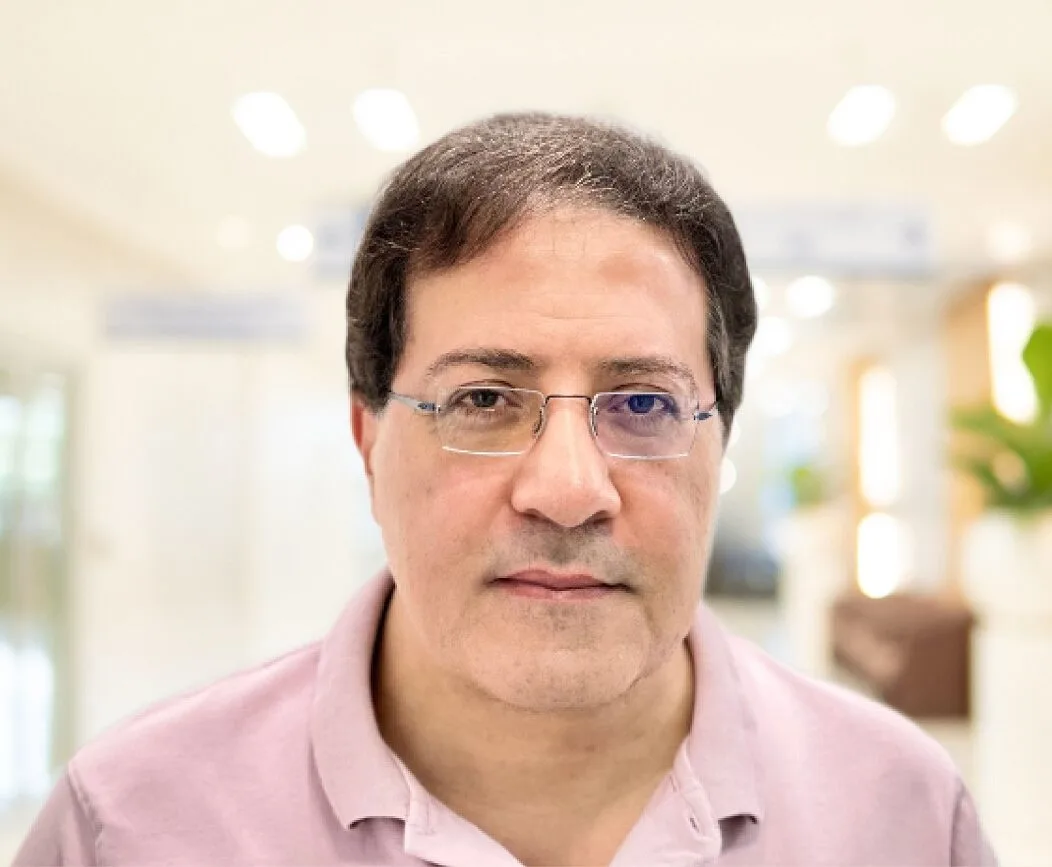
د. أسامة الزمزمي
استشاري الأشعة التشخيصية
بكالوريوس الطب والجراحة، زمالة في الأشعة التشخيصية
الدكتور أسامة الزمزمي استشاري أشعة ذو خبرة واسعة في الرنين المغناطيسي والأشعة المقطعية والموجات فوق الصوتية. متخصص في تصوير الجهاز العضلي الهيكلي والعصبي والجسم الكامل في مركز DCDC بمدينة دبي الطبية، مع أكثر من عقد من الخبرة في تفسير الفحوصات التشخيصية المعقدة.
مقالات ذات صلة
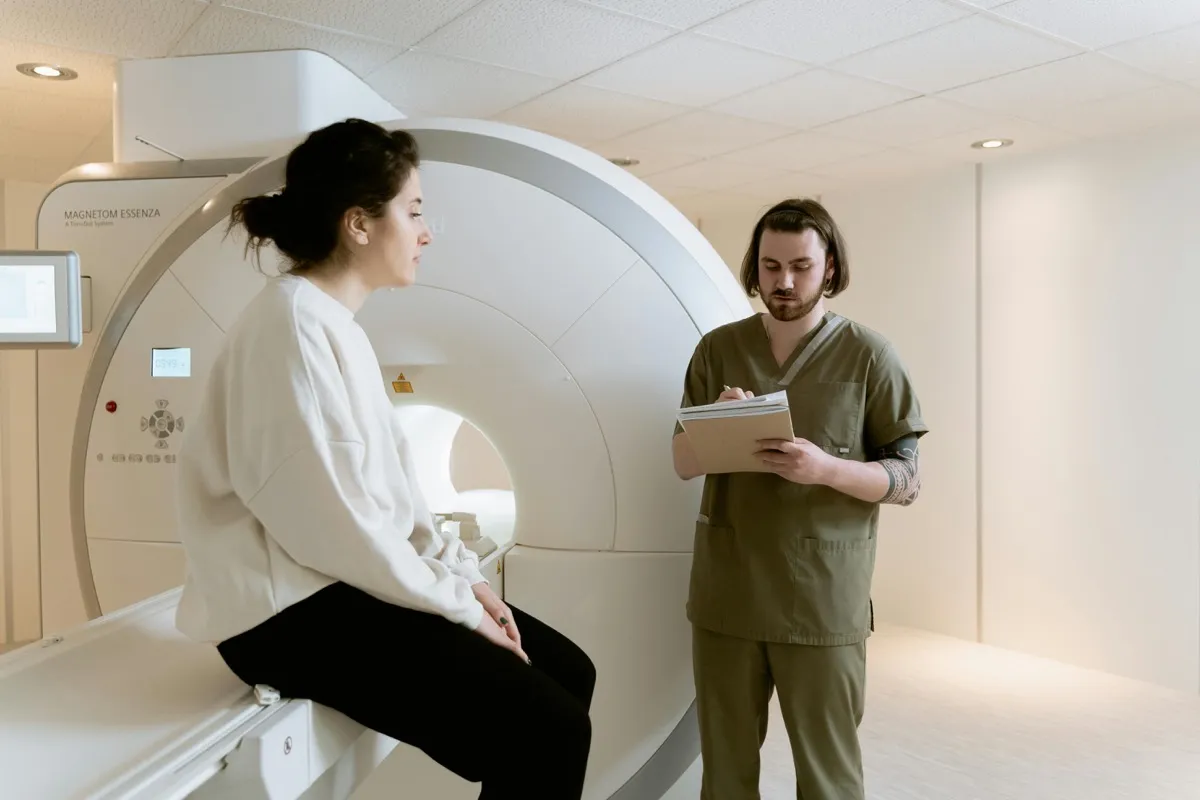
تكلفة فحص الجسم الكامل بالرنين المغناطيسي في دبي: دليل الأسعار الشامل (2026)
الرنين المغناطيسي المفتوح في دبي: التكلفة والفوائد ومن يجب أن يختاره
فحص سرطان الثدي: الدليل الشامل
More in Diagnostic Imaging

X-Ray at Home Dubai: Cost & Guide (2026)
اقرأ المزيد
Ultrasound at Home Dubai: From AED 599 (2026)
اقرأ المزيد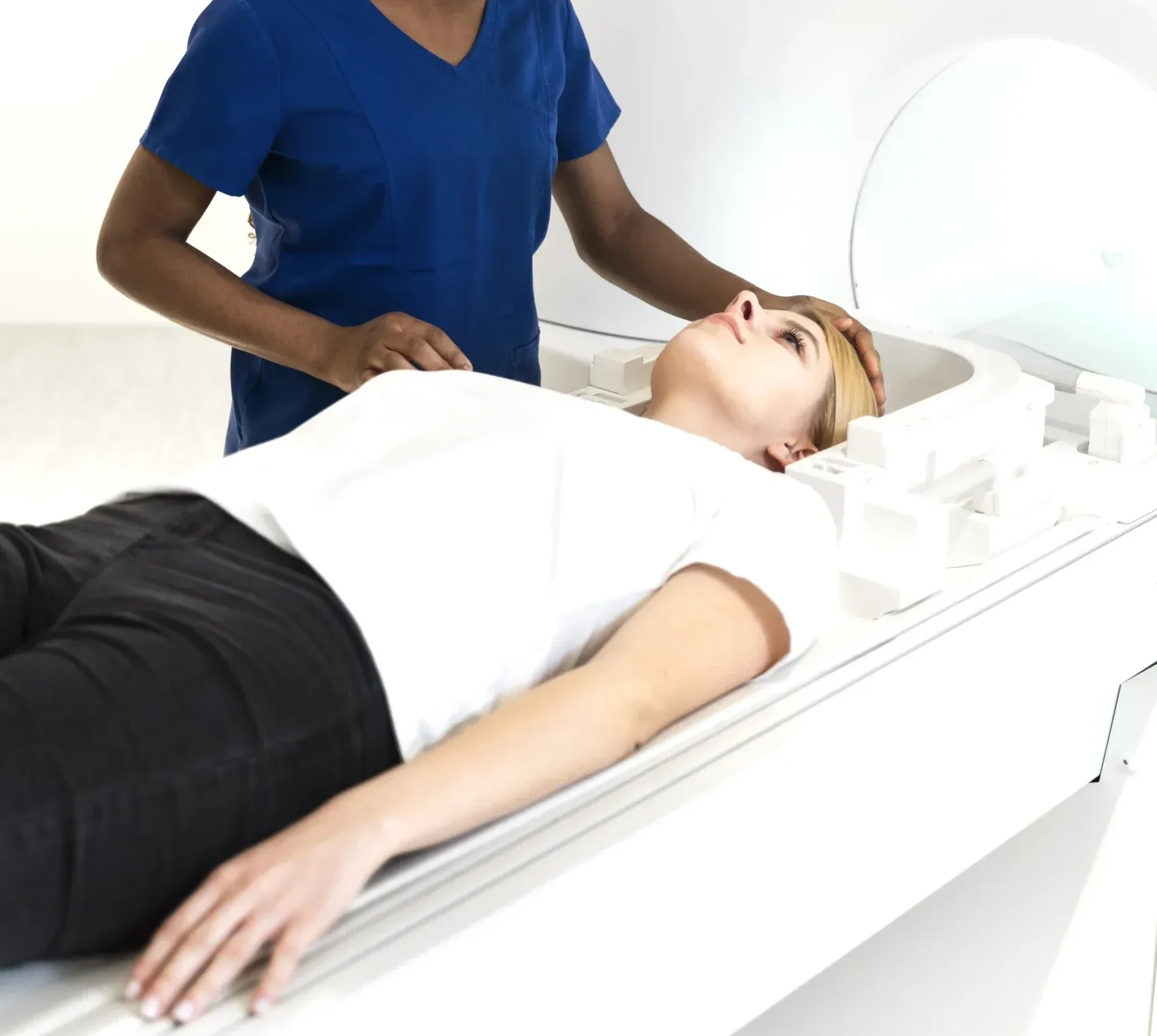
Neck MRI Dubai: What It Shows & Cost (2026)
اقرأ المزيد
X-Ray Scan Dubai: Complete Guide (2026)
اقرأ المزيد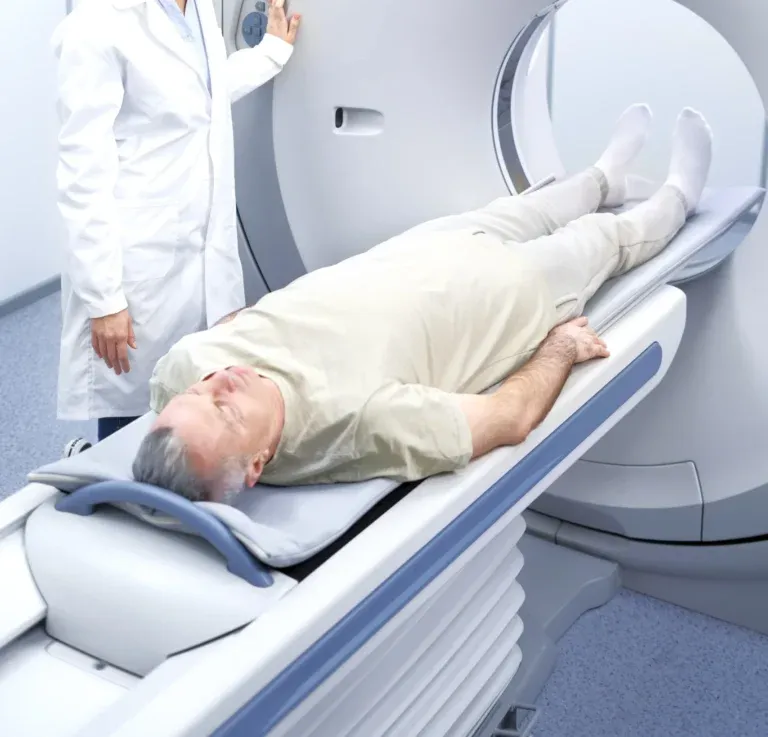
MRI vs Ultrasound Dubai: Which Scan? (2026)
اقرأ المزيد
MRI vs X-Ray Dubai: Which Scan Do You Need? (2026)
اقرأ المزيد© 2026 Doctors Clinic Diagnostic Center (DCDC), Dubai Healthcare City. Originally published at https://doctorsclinicdubai.ae/blog/complete-guide-to-mri-scan-in-dubai. All rights reserved. Unauthorized reproduction is prohibited.