
تخطيط صدى القلب في دبي
مواعيد نفس اليوم، نتائج خلال 24 ساعة، بدون إشعاع

احجز موعدك
تقييمات موثقة من مرضى مركز الأطباء التشخيصي في دبي
تقييمات موثقة وقصص حقيقية من مرضى مدينة دبي الطبية
أنا راضية جداً عن هذه العيادة الطبية. أجريت أول فحص حمل لي هنا. كان السعر معقولاً والخدمة احترافية للغاية. كان أخصائي الأشعة مرحباً ولطيفاً وجعل التجربة رائعة.
أيزان توكمانبيتوفا
أصبت ركبتي ليلة الجمعة وحصلت على موعد للرنين المغناطيسي مساء الأحد (حجزت بعد ظهر الأحد). انتظرت حوالي دقيقتين وانتهيت في أكثر من 30 دقيقة بقليل. كان الفريق رائعاً وودوداً وفعالاً.
كيرستن إيفانز
كان فريق الدكتور أسامة لطيفاً ورائعاً. بعد تجربة سيئة في مكان آخر، كان فحص الحوض هنا أكثر احترافية بكثير. تقرير ممتاز ودقيق للغاية.
ماري

تخطيط صدى القلب في دبي: تصوير القلب بالموجات الصوتية
شاهد قلبك ينبض في الوقت الفعلي بدون إشعاع
رعاية متخصصة
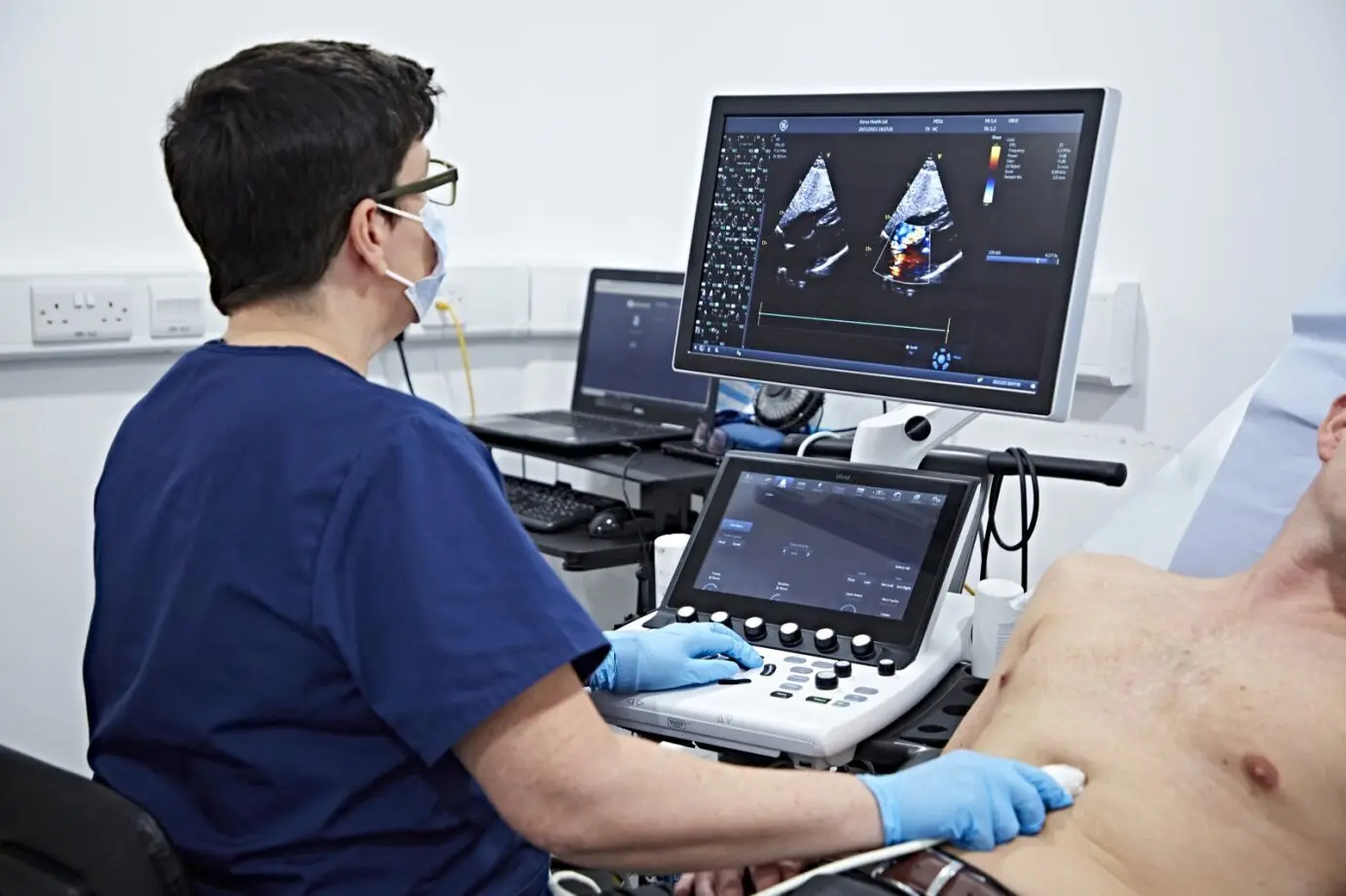
تخطيط صدى القلب في مركز DCDC بمدينة دبي الطبية
تخطيط صدى القلب احترافي في مدينة دبي الطبية. فحص القلب بالموجات الصوتية، مواعيد نفس اليوم، نتائج خلال 24 ساعة، التأمين مقبول. تصوير قلبي غير تدخلي.
رعاية متخصصة
تخطيط صدى القلب في مركز DCDC بمدينة دبي الطبية
تخطيط صدى القلب في دبي: تصوير القلب بالموجات الصوتية
شاهد قلبك ينبض في الوقت الفعلي بدون إشعاع
تخطيط صدى القلب احترافي في مدينة دبي الطبية. فحص القلب بالموجات الصوتية، مواعيد نفس اليوم، نتائج خلال 24 ساعة، التأمين مقبول. تصوير قلبي غير تدخلي.

Dr. Shahoo Mazhari
خدمات تخطيط صدى القلب لدينا
خدمات تخطيط صدى القلب الشاملة في مركز DCDC بمدينة دبي الطبية.

جميع الخدمات تقدم بواسطة متخصصين مرخصين من هيئة الصحة
من يحتاج إلى تخطيط صدى القلب
تخطيط صدى القلب احترافي في مدينة دبي الطبية. فحص القلب بالموجات الصوتية، مواعيد نفس اليوم، نتائج خلال 24 ساعة، التأمين مقبول. تصوير قلبي غير تدخلي.
Heart murmurs or abnormal heart sounds
Unexplained chest pain or shortness of breath
Monitoring after heart attack or heart disease
Valve disease assessment (stenosis, regurgitation)
Heart function check after treatment or surgery
Hypertension effects on the heart
لماذا تختار مركز DCDC لتخطيط صدى القلب
رعاية متخصصة وموثوقة
MOHAP Licensed
Accredited medical center in Dubai Healthcare City. License NIMY7VY5-240925.
Fast Results
Reports ready within 18-24 hours. Same-day for urgent cases.
Insurance Support
Direct billing with 20+ insurers. We handle pre-authorization for you.
Convenient Location
Building 64, Block A in Dubai Healthcare City. Free parking on-site.
Expert Cardiologists
Board-certified specialists in cardiac imaging and echocardiography.
Patient Experience
4.8/5 Google rating. Comfortable, non-invasive cardiac imaging.
زيارتك المريحة
عملية تخطيط بسيطة خطوة بخطوة مصممة للراحة والسرعة والدقة.
تسعير تخطيط صدى القلب
تختلف أسعار تخطيط في دبي حسب نوع الخدمة والتغطية التأمينية لـ أنواع الخدمات المختلفة.
- يختلف السعر حسب نوع الفحص وما إذا كان يتطلب صبغة
- تغطية التأمين مقبولة مع الإحالة والتحقق
- أسعار شفافة للدفع الذاتي متاحة مع عرض سعر فوري عند الطلب
التحقق من التأمين خلال دقائق • بدون رسوم مخفية • استجابة سريعة على واتساب
دليل المريض
ماذا تتوقع أثناء الفحص
تخطيط صدى القلب احترافي في مدينة دبي الطبية. فحص القلب بالموجات الصوتية، مواعيد نفس اليوم، نتائج خلال 24 ساعة، التأمين مقبول. تصوير قلبي غير تدخلي.
التأمين والموقع
شركاء التأمين
- •أكثر من 20 شركة تأمين في دبي بما في ذلك ضمان، أكسا، أدنيك وغيرها
- •دعم الموافقة المسبقة والفوترة المباشرة (حيثما ينطبق)
- •التحقق من التغطية قبل موعدك في عيادتنا بمدينة دبي الطبية
- •أسعار شفافة بدون رسوم مخفية لخدمات تخطيط صدى القلب

زرنا في مدينة دبي الطبية
مركز الأطباء التشخيصي
المبنى 64، البلوك أ، مجمع الرازي الطبي، مدينة دبي الطبية، دبي، الإمارات
قرب طريق عود ميثاء · سهولة الوصول من بر دبي، داون تاون دبي، الخليج التجاري · مواقف مجانية مخصصة متاحة
ساعات العمل
السبت-الخميس: 8 صباحاً - 10 مساءً | الجمعة: 9 صباحاً - 9 مساءً
كيف يعمل التأمين في DCDC
تحقق من التغطية
تحقق من أن خطتك تغطي تخطيط صدى القلب
احصل على إحالة
بعض شركات التأمين تتطلب إحالة من طبيب عام — يمكننا مساعدتك
الموافقة المسبقة
نتعامل مع الموافقة المسبقة مباشرة مع شركة التأمين
الفوترة المباشرة
لا دفع مقدم — نحن نفوتر شركة التأمين مباشرة
الدفع المشترك فقط
تدفع فقط أي مبلغ مشترك مطبق في العيادة
تحقق من التغطية
تحقق من أن خطتك تغطي تخطيط صدى القلب
احصل على إحالة
بعض شركات التأمين تتطلب إحالة من طبيب عام — يمكننا مساعدتك
الموافقة المسبقة
نتعامل مع الموافقة المسبقة مباشرة مع شركة التأمين
الفوترة المباشرة
لا دفع مقدم — نحن نفوتر شركة التأمين مباشرة
الدفع المشترك فقط
تدفع فقط أي مبلغ مشترك مطبق في العيادة
دليل المريض
Understanding Echocardiography: How Heart Ultrasound Works
Echocardiography uses high-frequency sound waves (ultrasound) to create real-time moving images of your heart. A transducer placed on your chest emits sound waves that bounce off your heart structures and return to the transducer as echoes. A computer processes these echoes into detailed images that show your heart beating, valves opening and closing, and blood flowing through the chambers. This is the same safe ultrasound technology used during pregnancy.
Several modes of echocardiography provide different types of information. Two-dimensional (2D) echo shows real-time cross-sectional views of the heart. M-mode provides a single-beam view that is excellent for precise measurements of chamber sizes and wall thickness. Doppler echocardiography measures the speed and direction of blood flow through the heart, which is essential for assessing valve function and detecting abnormal blood flow patterns such as regurgitation or stenosis.
Color flow Doppler adds a visual map of blood flow direction and velocity overlaid on the 2D image, making it easy to see areas of turbulent or abnormal flow. Tissue Doppler imaging measures the velocity of the heart muscle itself, providing information about how well the heart muscle relaxes and contracts. Together, these techniques give cardiologists a comprehensive assessment of cardiac structure and function in a single non-invasive examination.
Ejection fraction (EF) is one of the most important measurements obtained from an echocardiogram. It represents the percentage of blood that leaves the left ventricle with each heartbeat. A normal EF is 50 to 70 percent. An EF below 40 percent typically indicates significant heart muscle weakness and may be classified as heart failure with reduced ejection fraction (HFrEF). Serial echocardiograms allow cardiologists to track changes in EF over time, monitor response to treatment, and adjust medications accordingly.
Heart Conditions Assessed by Echocardiogram
Heart Valve Disease
Echocardiography is the primary tool for diagnosing and grading valve stenosis (narrowing) and regurgitation (leaking) affecting the mitral, aortic, tricuspid, and pulmonary valves. It guides decisions about medical management versus surgical repair or replacement.
Heart Failure
Echo measures ejection fraction and other parameters that define the type and severity of heart failure. It distinguishes between heart failure with reduced ejection fraction (HFrEF) and heart failure with preserved ejection fraction (HFpEF), which require different treatment approaches.
Cardiomyopathy
Echocardiography detects dilated cardiomyopathy (enlarged, weakened heart), hypertrophic cardiomyopathy (thickened heart muscle), and restrictive cardiomyopathy (stiffened heart muscle). It helps differentiate between types and monitor disease progression.
Pericardial Effusion
Echo can identify fluid accumulation in the sac surrounding the heart (pericardium) and assess whether the effusion is large enough to compress the heart chambers, a potentially life-threatening condition called cardiac tamponade.
Congenital Heart Defects
Echocardiography is essential for diagnosing structural heart abnormalities present from birth, such as atrial septal defect (ASD), ventricular septal defect (VSD), and patent ductus arteriosus (PDA), both in children and adults.
Left Ventricular Hypertrophy
Long-standing high blood pressure can cause the heart muscle to thicken. Echocardiography measures wall thickness and left ventricular mass, providing an objective assessment of hypertensive heart disease that helps guide blood pressure treatment intensity.
مقالات ذات صلة
Best Cardiologist Dubai: Heart Tests, ECG & Cardiac Screening
A comprehensive overview of cardiac diagnostic services available in Dubai, including echocardiography, stress testing, and when to see a cardiologist.
Cardiac Screening Dubai: Heart Checkup & Prevention Guide
How echocardiography fits into a preventive cardiac screening program, alongside ECG, blood tests, and lifestyle risk assessment.
Hypertension: The Silent Killer You Need to Know About
Understanding how long-standing high blood pressure affects the heart and why echocardiography is used to assess hypertensive heart disease.
Calcium Score Test: What Your Score Means
Learn how cardiac calcium scoring complements echocardiography in evaluating overall heart health and coronary artery disease risk.
خدمات ذات صلة
استكشف خدمات التشخيص والاستشارات الأخرى المتوفرة في عيادتنا بمدينة دبي الطبية.
الأسئلة الشائعة
أسئلة شائعة حول تخطيط صدى القلب في دبي.
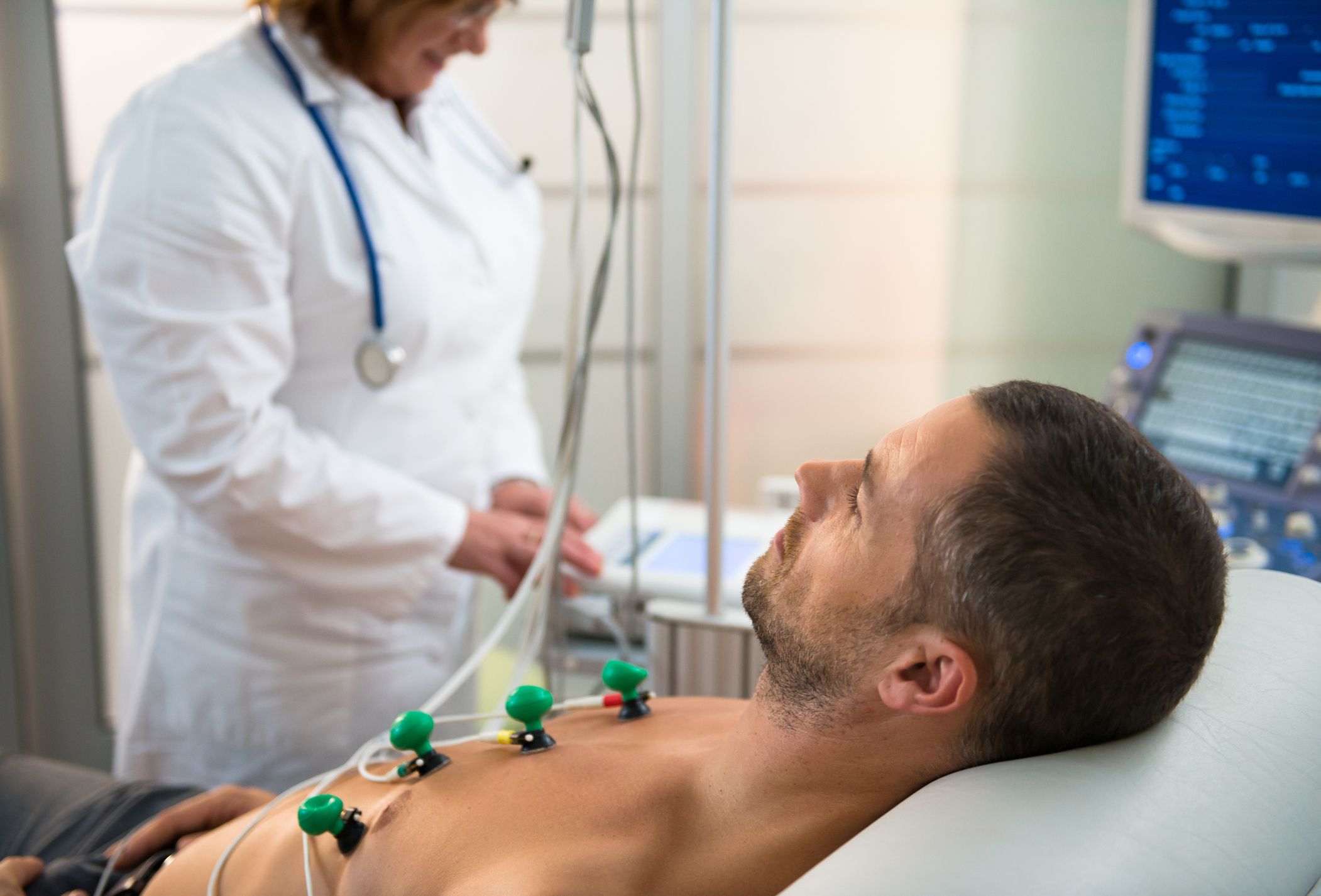
No, an echocardiogram is completely painless. The test involves applying a warm water-based gel to your chest and moving a small handheld device called a transducer across different positions on your chest wall. The transducer emits sound waves that bounce off your heart structures to create images. You may feel light pressure from the transducer, but there are no needles, injections, or radiation involved. Some patients find lying on their left side for an extended period mildly uncomfortable, but the test itself causes no pain. The sonographer may ask you to change positions or hold your breath briefly to obtain specific views of your heart.
A standard transthoracic echocardiogram typically takes 20 to 40 minutes, with most patients done in about 30 minutes. The duration depends on the complexity of findings and the number of views the sonographer needs to obtain. If your cardiologist has requested specific measurements or your heart anatomy requires additional imaging angles, the test may take slightly longer. A stress echocardiogram, which combines echo imaging with exercise or medication-induced stress, takes approximately 45 to 60 minutes in total. There is no recovery time after a standard echocardiogram, and you can resume all normal activities, including driving and exercise, immediately afterward.
No fasting is required for a standard transthoracic echocardiogram. You can eat, drink, and take your regular medications as normal before the test. However, if you are scheduled for a stress echocardiogram, you may be asked to avoid heavy meals, caffeine, and certain medications for a specified period before the test, as these can affect your heart rate response during exercise. Your booking team will provide specific preparation instructions when you schedule the appointment. For a transesophageal echocardiogram (TEE), which involves passing a probe through the esophagus, fasting for several hours beforehand is required. This type is less common and is arranged separately.
An echocardiogram provides a comprehensive assessment of your heart. It measures the size of your heart chambers (left and right atria and ventricles), the thickness of your heart walls, and how strongly your heart contracts with each beat (ejection fraction). It evaluates all four heart valves for stenosis (narrowing) or regurgitation (leaking) and uses Doppler technology to measure the speed and direction of blood flow through your heart. The test can detect structural abnormalities, fluid around the heart (pericardial effusion), blood clots within the chambers, and signs of conditions such as cardiomyopathy, congenital heart defects, and the effects of high blood pressure on heart structure.
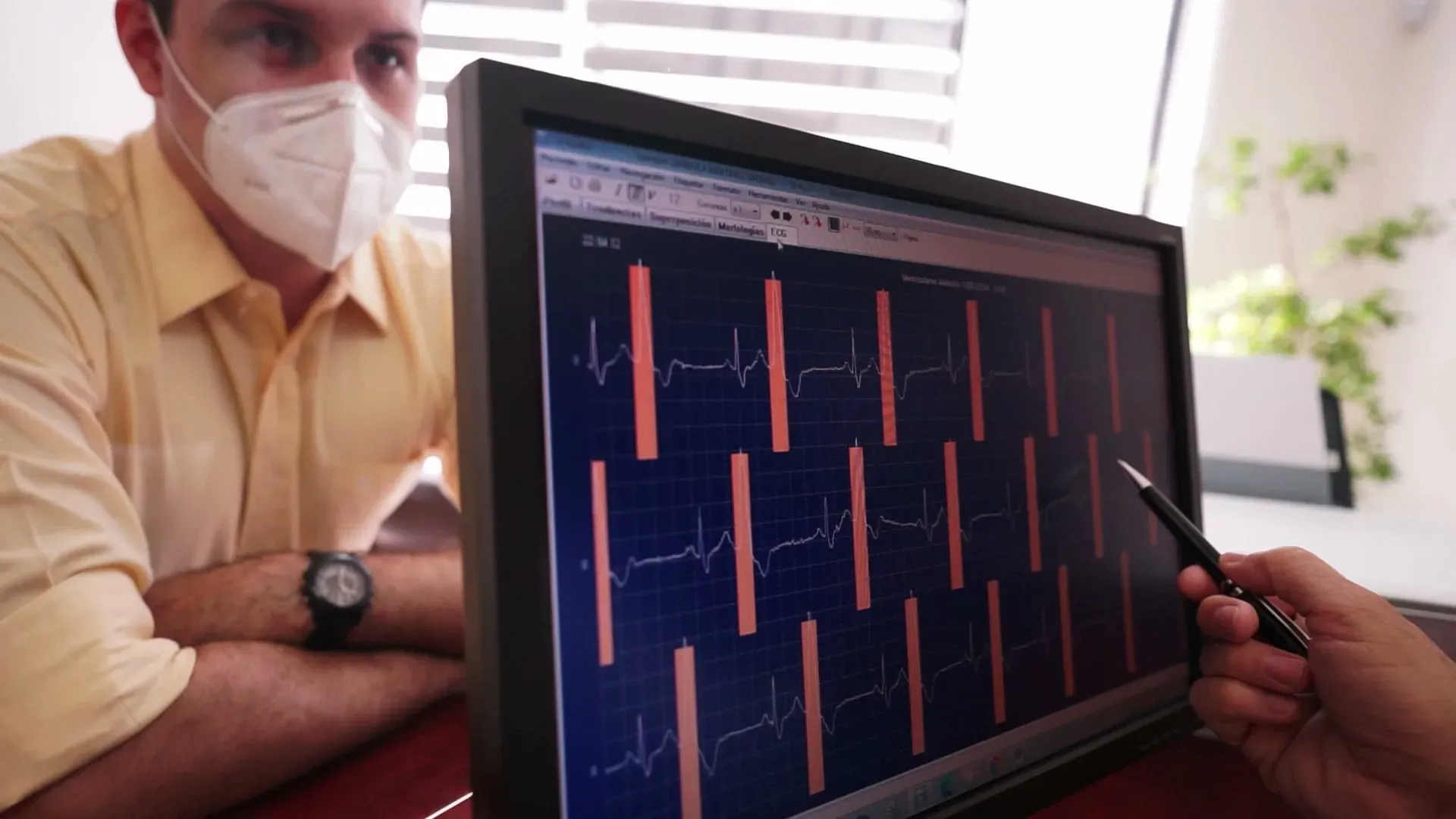
At DCDC, echocardiogram results are typically available within 18 to 24 hours. For urgent or clinically critical cases, same-day reporting is available. After your scan, the images and measurements are reviewed by a board-certified specialist cardiologist who prepares a detailed report including all key measurements, findings, and clinical interpretation. This report is sent directly to your referring physician and is also accessible through our patient portal. If your cardiologist identifies any immediately concerning findings during the review, they may contact your referring doctor sooner. We recommend scheduling a follow-up consultation with your cardiologist or referring doctor to discuss the results in detail.
Yes, a referral from a licensed physician is required for an echocardiogram, both for medical appropriateness and for insurance coverage. The referral provides the sonographer and interpreting cardiologist with important clinical context, such as your symptoms, medical history, and the specific clinical question being asked. This information is essential for accurate interpretation of the images. If you do not have a referral, our general practitioners or cardiologists at DCDC can assess your symptoms during a consultation and provide one on the same day if an echocardiogram is clinically indicated. For self-pay patients, we can also arrange a same-day consultation and echocardiogram.
Ejection fraction (EF) is the percentage of blood that your left ventricle pumps out with each heartbeat. It is one of the most important measurements obtained from an echocardiogram and serves as a key indicator of how well your heart is functioning as a pump. A normal ejection fraction ranges from 50 to 70 percent. An EF of 41 to 49 percent is considered mildly reduced, while an EF of 40 percent or below indicates significantly reduced heart function and may be classified as heart failure with reduced ejection fraction. Your cardiologist will interpret your EF in the context of your overall clinical picture, symptoms, and other echocardiographic findings.
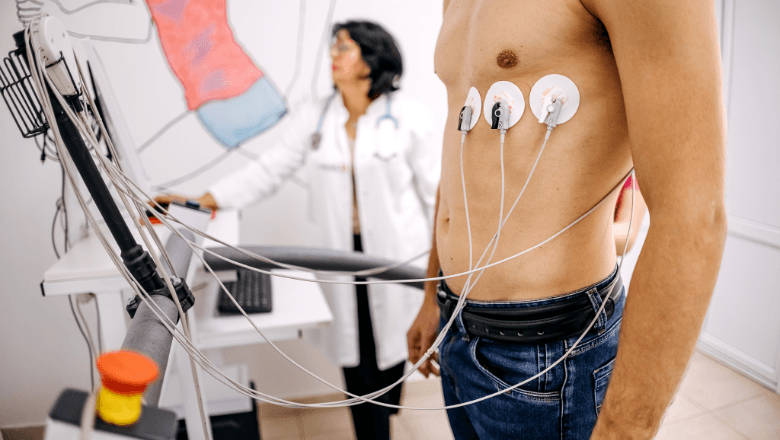
A standard echocardiogram images your heart at rest, assessing structure, valve function, chamber sizes, and ejection fraction under normal resting conditions. A stress echocardiogram adds a physical or pharmacological stress component. You either exercise on a treadmill or receive a medication that increases your heart rate, and echo images are taken before and immediately after the stress. This comparison reveals areas of the heart muscle that may not receive adequate blood supply during exertion, which can indicate coronary artery disease. A stress echo is particularly useful for evaluating chest pain during exercise, assessing known coronary artery disease, and pre-surgical cardiac risk evaluation.
الحقائق الأساسية
المراجعة والإشراف الطبي
جميع الخدمات تقدم تحت إشراف متخصصين طبيين مرخصين في منشأتنا المعتمدة من وزارة الصحة.