النقاط الرئيسية
- يستطيع NIPT الكشف عن الصبغيات الجنسية X وY وبالتالي تحديد جنس الجنين
- تحديد الجنس عبر NIPT في الإمارات محدود بالمؤشرات الطبية ولا يُجرى للاختيار الانتقائي
- دقة NIPT في تحديد الجنس تتجاوز 99% عند إجرائه في الوقت المناسب
- يُعدّ NIPT أكثر دقة من الموجات فوق الصوتية في تحديد الجنس في المراحل المبكرة
- يُعالج اختبار NIPT في DCDC وفق المبادئ التوجيهية الطبية الإماراتية
معرفة جنس طفلك أحد أكثر اللحظات المنتظرة في فترة الحمل. تقليدياً، كان على الوالدين الانتظار حتى الفحص بالموجات فوق الصوتية في منتصف الحمل عند الأسبوع 18–20 ليُحدد الفاحص جنس الطفل — وهو ليس ممكناً دائماً إذا كان وضع الطفل غير مواتٍ. اختبار NIPT (الاختبار السابق للولادة غير الجراحي) غيّر هذا الجدول الزمني جذرياً. من الأسبوع العاشر من الحمل، يمكن لسحب بسيط للدم من ذراع الأم الكشف عن جنس الطفل بدقة 99.9% — مع فحص الحالات الكروموسومية الخطيرة في آنٍ واحد. للعائلات في دبي الراغبة في المعرفة المبكرة والتخطيط المسبق أو مجرد إشباع فضولها، يُقدم NIPT إجابةً أسرع وأدق من أي طريقة غير جراحية أخرى.
يشرح هذا الدليل بالضبط كيف يُحدد NIPT الجنس من دم الأم، ولماذا هو دقيق جداً، وكيف يُقارن بتحديد الجنس عبر الموجات فوق الصوتية، وما الذي يفحصه الاختبار أيضاً، وما تتوقعه من حيث التكلفة والتوقيت في دبي. سواء كان دافعك الأساسي الفضول لمعرفة الجنس أو الفحص الكروموسومي أو كليهما، فإن فهم العلم وراء NIPT سيُساعدك على اتخاذ قرار مستنير حول ما إذا كنت ستُجري الاختبار ومتى.



كيف يُحدد NIPT جنس الطفل من دم الأم
العلم وراء تحديد الجنس بـ NIPT أنيق في بساطته. أثناء الحمل، يُطلق المشيمة شظايا صغيرة من الحمض النووي الجنيني — تُسمى الحمض النووي الجنيني الخلوي الحر (cffDNA) — إلى مجرى دم الأم. بحلول الأسبوع العاشر من الحمل، تشكّل هذه الشظايا نحو 4–13% من جميع الحمض النووي الخلوي الحر المتداول في دم الأم. سحب دم قياسي من ذراع الأم يُوفر ملايين هذه الشظايا من الحمض النووي، التي تُرتّب باستخدام تقنية التسلسل من الجيل التالي (NGS).
لتحديد الجنس، يبحث المختبر عن وجود أو غياب الحمض النووي للكروموسوم Y. الإناث لديهن كروموسومان X (XX)، بينما الذكور لديهم كروموسوم X وكروموسوم Y (XY). إذا كانت الأم XX (كما هو حال جميع الإناث بيولوجياً) واكتُشفت شظايا كروموسوم Y في دمها، فالطفل ذكر. إذا لم يُعثر على حمض نووي للكروموسوم Y، فالطفل أنثى. هذا التحليل الثنائي — وجود أو غياب مادة كروموسوم Y — هو ما يمنح NIPT دقته الاستثنائية في تحديد الجنس. لا غموض في الأساس: إما أن يكون الحمض النووي للكروموسوم Y موجوداً أو لا.
معدل الدقة 99.9% في تحديد الجنس هو الأعلى بين جميع اختبارات تحديد الجنس قبل الولادة، بما فيها الموجات فوق الصوتية. الحالات النادرة من التناقض (حيث يختلف جنس NIPT عن الجنس الفعلي عند الولادة) تُعزى في الغالب إلى أحد ما يلي: توأم منقرض (في حمل التوائم المبكر جداً حيث يُمتص أحد التوأمين)، أو انخفاض نسبة الحمض النووي الجنيني (حمض نووي جنيني غير كافٍ في دم الأم، عادةً بسبب الاختبار المبكر جداً أو مؤشر كتلة الجسم المرتفع للأم)، أو حالات كروموسومية نادرة جداً (كذكر جيني مصاب بعدم حساسية الأندروجين أو أنثى مصابة بعسر نمو الغدد التناسلية XY).
NIPT مقابل الموجات فوق الصوتية لتحديد الجنس: مقارنة واضحة
| الميزة | جنس NIPT | جنس الموجات فوق الصوتية |
|---|---|---|
| أبكر توفر | الأسبوع 10 | الأسبوع 18–20 (موثوق) |
| الدقة | 99.9% | 95–99% (تعتمد على وضع الطفل والمهارة) |
| التأثر بوضع الطفل | لا | نعم — قد يحجب الساقان المتقاطعتان أو الزاوية غير المواتية الأعضاء التناسلية |
| الطريقة | سحب دم (ذراع الأم) | تصوير الأعضاء التناسلية للجنين بالموجات فوق الصوتية |
| معلومات إضافية | فحص تثلث الصبغيات، حالات الكروموسومات الجنسية | تقييم تشريح الجنين |
| مدة التسليم | 5–10 أيام عمل | فورية (أثناء الفحص) |
| التكلفة في دبي | 999–2,500 درهم | 300–800 درهم (فحص التشريح) |
مقارنة بين NIPT والموجات فوق الصوتية لتحديد جنس الطفل
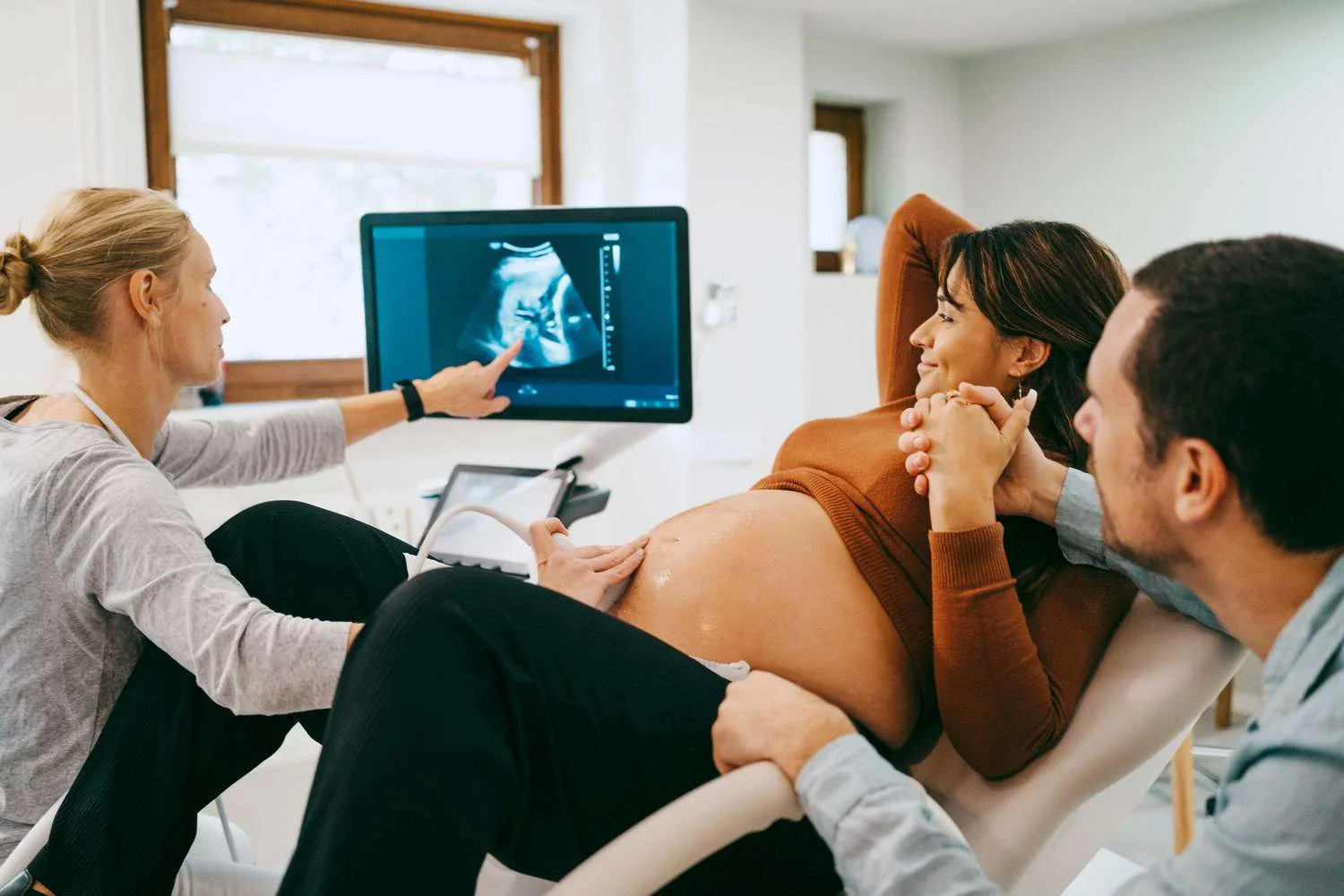
يعتمد تحديد الجنس بالموجات فوق الصوتية على الفاحص في تحديد أعضاء الجنين التناسلية بصرياً. بين الأسبوعين 12–14، يمكن لـ «نظرية النتوء» (زاوية الحديبة التناسلية) إعطاء تخمين مدروس، لكن الدقة في هذه المرحلة 70–75% تقريباً فقط. بحلول الأسبوع 16، تتحسن الدقة إلى نحو 90%. بحلول الأسبوع 18–20، يُحقق الفاحصون ذوو الخبرة دقة 95–99% — لكن فقط إذا تعاون الطفل. إذا كانت ساقا الطفل متقاطعتين أو الحبل بين الساقين أو الطفل في وضع مقعدي مع التصاق مؤخرته بجدار الرحم، فقد يكون تحديد الجنس مستحيلاً حتى في الأسبوع 20.
يُلغي NIPT جميع هذه المتغيرات. لا يعتمد على وضع الطفل أو مهارة الفاحص أو جودة صورة الموجات فوق الصوتية. يُحلل الحمض النووي — الذي إما ذكوري أو أنثوي دون أي غموض. للعائلات التي تريد معرفة الجنس مبكراً وبشكل قاطع، NIPT هو الطريقة الأفضل. مع ذلك، تظل الموجات فوق الصوتية ضرورية لتقييم تشريح الجنين (فحص القلب والدماغ والعمود الفقري والكلى والأطراف)، وستشمل معظم حالات الحمل كلاً من NIPT وفحص التشريح في منتصف الحمل بصرف النظر عما إذا كان الجنس معروفاً مسبقاً.
ما وراء الجنس: ماذا يفحص NIPT أيضاً؟
بينما تنجذب كثير من العائلات إلى NIPT أساساً لتحديد الجنس، الغرض الجوهري للاختبار هو الفحص الكروموسومي. حين تُجرين اختبار NIPT، فأنتِ لا تعرفين الجنس فحسب — بل تتلقين فحصاً شاملاً لأكثر الحالات الكروموسومية شيوعاً وأهميةً سريرياً: لمعلومات ذات صلة، راجعي دليلنا حول اختبار NIPT في دبي: التكلفة والدقة والتوقيت.
- تثلث الصبغي 21 (متلازمة داون): أكثر الحالات الكروموسومية شيوعاً، تحدث في نحو 1 من كل 700 ولادة. يكشف NIPT تثلث الصبغي 21 بحساسية 99% ومعدل إيجابية كاذبة 0.04% فقط
- تثلث الصبغي 18 (متلازمة إدواردز): حالة كروموسومية خطيرة مع نجاة محدودة. يكشفها NIPT بحساسية نحو 98%
- تثلث الصبغي 13 (متلازمة باتاو): حالة كروموسومية خطيرة مع نجاة محدودة. يكشفها NIPT بحساسية نحو 99%
- حالات الكروموسومات الجنسية: بحسب اللوحة، يمكن لـ NIPT الفحص عن متلازمة تيرنر (45,X — تصيب الإناث)، ومتلازمة كلاينفلتر (47,XXY — تصيب الذكور)، ومتلازمة Triple X (47,XXX)، ومتلازمة جاكوب (47,XYY). معدلات الكشف نحو 95%
- اللوائح الموسعة: بعض اختبارات NIPT تقدم فحصاً موسعاً للحذف الدقيق (مقاطع كروموسومية صغيرة مفقودة) كمتلازمة دي جورج (حذف 22q11.2)، ومتلازمتا برادر-ويلي/أنجلمان، وغيرها — رغم أن الدقة للحذف الدقيق أقل من تثلث الصبغيات
من المهم فهم أن NIPT هو اختبار فحص وليس اختباراً تشخيصياً. نتيجة عالية الخطورة تعني وجود احتمال متزايد للحالة، لكنها لا تؤكد التشخيص. التأكيد يستلزم إجراءً تشخيصياً — إما أخذ عينة زغابات مشيمية (CVS) في الأسابيع 11–14 أو بزل السلى في الأسابيع 15–20، وكلاهما يُحلل خلايا جنينية فعلية. غير أن معدل الإيجابية الكاذبة المنخفض جداً لـ NIPT (0.04–0.5% حسب الحالة) يعني أن الغالبية العظمى من النتائج منخفضة الخطورة مطمئنة فعلاً، والغالبية العظمى من النتائج عالية الخطورة تعكس حقاً حالة كروموسومية فعلية.
احجزي اختبار NIPT
تحديد الجنس المبكر مع فحص كروموسومي شامل من الأسبوع العاشر. احجزي اختبار NIPT في DCDC بمدينة دبي الطبية اليوم.
معرفة الجنس مبكراً: اعتبارات ثقافية في الإمارات
في الإمارات، تحمل معرفة جنس الطفل مبكراً أهمية ثقافية خاصة للعائلات الكثيرة. أصبحت احتفالات الكشف عن الجنس شائعة عبر جميع المجتمعات، وتفضل كثير من العائلات التخطيط لتزيين غرفة الطفل وشراء الملابس واختيار الأسماء مسبقاً. في بعض التقاليد الثقافية، يؤثر جنس الطفل على احتفالات العائلة وعادات تقديم الهدايا وحتى توقيت بعض التقاليد.
يُقدم NIPT هذه المعلومات بيقين في مرحلة من الحمل (الأسبوع 10–13) لا تزال فيها أمام العائلات متسع كافٍ من الوقت للتخطيط. خصوصية اختبار الدم أيضاً تعني أن العائلات الراغبة في إبقاء الجنس سراً — أو الكشف عنه فقط في مناسبة محددة — لديها تحكم كامل في المعلومة. خلافاً للموجات فوق الصوتية حيث قد يكشف الفاحص الجنس عن غير قصد أثناء تقييم التشريح، تصل نتائج NIPT في تقرير مكتوب يمكن إغلاقه وتسليمه لشخص مختار لحفل الكشف عن الجنس.
جدير بالذكر أنه في الإمارات لا توجد قيود قانونية على معرفة جنس الطفل أو الإفصاح عنه في أي مرحلة من مراحل الحمل. تحديد الجنس بـ NIPT متاح على نطاق واسع في عيادات دبي ويُقدم كجزء من رعاية ما قبل الولادة الروتينية في كثير من المرافق. في DCDC بمدينة دبي الطبية، يُقدم فريق رعاية الحمل لدينا NIPT جنباً إلى جنب مع خدمات ما قبل الولادة الشاملة، مضمونين أن معلومات الجنس تُوصَّل بحساسية ووفقاً لرغبات كل عائلة.
تكلفة اختبار جنس NIPT والتفاصيل العملية في دبي
تتفاوت تكلفة NIPT في دبي بحسب الاختبار المحدد المطلوب والمختبر المعالج للعينة. تبدأ لوائح NIPT الأساسية (التي تغطي تثلث الصبغيات 21 و18 و13 والجنس) عادةً من 999 درهماً وترتفع إلى 2,500 درهم أو أكثر للوائح الموسعة التي تشمل حالات الكروموسومات الجنسية والحذف الدقيق. أكثر اختبارات NIPT تقدماً في دبي تشمل:
- هارموني (Roche/Ariosa): أحد أكثر اختبارات NIPT توفراً في دبي. يُقدم فحص تثلث الصبغيات والجنس وتحليل الكروموسومات الجنسية الاختياري. وقت التسليم عادةً 7–10 أيام عمل
- بانوراما (Natera): الاختبار الوحيد القادر على التمييز بين الحمض النووي للأم والجنين، مما يجعله الاختيار الأفضل لأحمال التبرع بالبويضات. يُقدم أيضاً فحص ثلاثية الصبغيات ولوائح الحذف الدقيق. وقت التسليم عادةً 7–14 يوم عمل
- MaterniT21 (Sequenom/LabCorp): أول اختبار NIPT متاح تجارياً. يُقدم فحص شاملاً لتثلث الصبغيات والجنس ولوائح موسعة. وقت التسليم عادةً 5–7 أيام عمل
- NIFTY (BGI): خيار فعّال التكلفة متاح على نطاق واسع في الشرق الأوسط. يُغطي تثلث الصبغيات الأساسية والجنس بأسعار تنافسية. وقت التسليم عادةً 7–10 أيام عمل
بعض خطط التأمين في دبي تُغطي NIPT، خاصةً للنساء اللواتي تبلغن 35 سنة وما فوق أو من لديهن عوامل خطر أخرى لحالات كروموسومية (كحمل سابق مصاب بتثلث صبغي أو فحص غير طبيعي في الثلث الأول). للنساء دون 35 سنة بدون عوامل خطر، قد تتفاوت تغطية التأمين. نوصي بالتحقق من مزود التأمين قبل موعدك. في DCDC، يمكن لفريقنا تقديم المشورة بشأن تغطية التأمين والمساعدة في الحصول على الموافقة المسبقة إذا لزم الأمر.
الاختبار ذاته بسيط: سحب دم قياسي من ذراع الأم، مطابق لأي تحليل دم روتيني. لا يستلزم صياماً ولا تحضيراً خاصاً. تُرسل عينة الدم إلى المختبر حيث يُستخلص الحمض النووي الخلوي الحر ويُرتَّب ويُحلَّل. تتوفر النتائج عادةً خلال 5–14 يوم عمل بحسب المختبر. ستتضمن نتائجك تحديد الجنس مع نتائج الفحص الكروموسومي، مُقدَّمةً بـ «خطورة منخفضة» أو «خطورة مرتفعة» لكل حالة خاضعة للفحص.
متى تُجرين اختبار جنس NIPT: التوقيت المثالي
يمكن إجراء NIPT من الأسبوع العاشر من الحمل فصاعداً. لا يوجد حد أعلى — يمكن إجراؤه في أي وقت خلال الحمل. غير أن النافذة المثلى لمعظم العائلات هي الأسبوع 10–13. لا يُوصى بالاختبار قبل الأسبوع العاشر لأن نسبة الحمض النووي الجنيني (نسبة الحمض النووي الجنيني في دم الأم) قد تكون منخفضة جداً للتحليل الموثوق، مما يزيد خطر الحصول على نتيجة غير حاسمة أو «بدون نتيجة» تستلزم إعادة الاختبار. قد تجدين أيضاً أفضل وقت لـ NIPT: شرح الأسابيع 10–13 مفيداً.
عدة عوامل يمكنها التأثير على نسبة الحمض النووي الجنيني وبالتالي على موثوقية نتائج NIPT. مؤشر كتلة جسم الأم المرتفع هو العامل الأكثر تأثيراً — النساء اللواتي لديهن مؤشر كتلة يتجاوز 30 تميل إلى انخفاض نسبة الحمض النووي الجنيني لأن الحجم الأكبر للدم يُخفف الحمض النووي الجنيني. عمر الحمل المبكر جداً (قبل الأسبوع العاشر) عامل آخر. في هذه الحالات، قد يُبلّغ المختبر عن نتيجة «نسبة حمض نووي جنيني منخفضة» ويوصي بإعادة الاختبار خلال 1–2 أسبوع، حين تكون النسبة قد ارتفعت بما يكفي للتحليل الموثوق.
للعائلات الراغبة في الجمع بين NIPT وفحوصات الثلث الأول الأخرى، يناسب التوقيت جيداً. يُجرى فحص شفافية القفا (NT)، الذي يقيس السائل في مؤخرة رقبة الطفل، بين الأسبوعين 11.5 و13.5. إجراء سحب دم NIPT في الأسبوع 10–11 وفحص NT في الأسبوع 12–13 يعني أن نتائج كلا الاختبارين تتوفر في الوقت ذاته تقريباً، مانحةً صورة شاملة عن الصحة الكروموسومية لطفلك في الثلث الأول. في DCDC، ينسق فريق رعاية ما قبل الولادة توقيت هذه الفحوصات لضمان تجربة فحص سلسة في الثلث الأول.
اكتشفي جنس طفلك من الأسبوع العاشر
احجزي اختبار NIPT في DCDC بمدينة دبي الطبية. تحديد الجنس المبكر والدقيق مع فحص كروموسومي شامل.
دقة 99.9% في تحديد الجنس
خدمات ذات صلة في DCDC
رعاية متخصصة وتشخيص متقدم في مدينة دبي الطبية
الأسئلة الشائعة
الخلاصة
NIPT أداة قوية لفحص ما قبل الولادة توفر معلومات دقيقة حول الصبغيات الجنسية وحالات أخرى. في دبي، يُجرى تحديد الجنس وفق اللوائح الطبية المعمول بها.
بالنسبة للعائلات في دبي، يتوفر فحص NIPT على نطاق واسع وسهل الوصول إليه، ويقدم النتائج خلال 5-14 يوم عمل. سواء كان دافعك الأساسي هو معرفة جنس الجنين أو الاطمئنان على الكروموسومات أو كليهما، فإن فحص NIPT يقدم إجابات كانت مستحيلة دون إجراءات جراحية قبل عقد واحد فقط. لقد أحدث هذا الفحص تحولاً جذرياً في رعاية ما قبل الولادة خلال الثلث الأول من الحمل، ومنح العائلات أداة فعّالة للحصول على معلومات مبكرة والتخطيط المسبق.
في DCDC دبي هيلث كير سيتي، تُدمج خدمة فحص NIPT لدينا ضمن رعاية شاملة لما قبل الولادة. نقدم خيارات متعددة لباقات فحص NIPT، وننسّق التوقيت مع فحص الشفافية القفوية وفحوصات الثلث الأول، ونوفر استشارات حول النتائج — سواء لمعرفة الجنس أو فحص التثلث الصبغي أو كليهما. احجز فحص NIPT الخاص بك اليوم واحصل على الإجابات التي تنتظرها.
المصادر والمراجع
تمت مراجعة هذا المقال من قبل فريقنا الطبي ويستند إلى المصادر التالية:
- American College of Obstetricians and Gynecologists — Cell-Free DNA Screening
- Society for Maternal-Fetal Medicine — NIPT Guidelines
- National Society of Genetic Counselors — NIPT Position Statement
- New England Journal of Medicine — Cell-Free DNA Analysis for Noninvasive Examination of Trisomy
- Dubai Health Authority — Prenatal Screening Guidelines
يتم مراجعة المحتوى الطبي على هذا الموقع من قبل أطباء مرخصين من هيئة الصحة. اطلع على سياستنا التحريرية لمزيد من المعلومات.

كتبه
Dr. Hadi Komshi
طبيب نساء وولادة
دكتوراه في الطب، أخصائي الطب الباطني
طبيب متخصص في مركز أطباء العيادة التشخيصي (DCDC) في مدينة دبي الطبية.
مقالات ذات صلة

اختبار NIPT في دبي: كل ما تحتاج معرفته
شرح نتائج اختبار NIPT
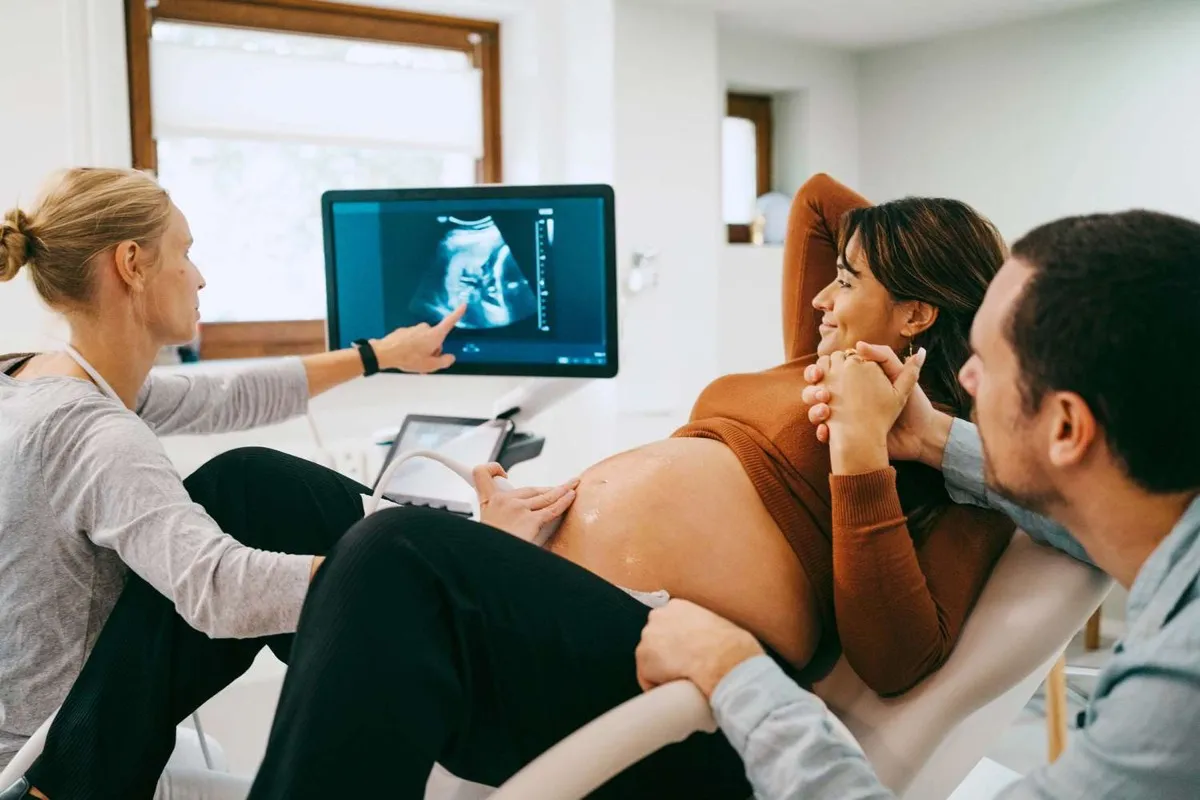
دقة NIPT: ما مدى موثوقية الاختبار؟
متى يكون أفضل وقت لإجراء NIPT؟
المزيد في Women's Health

BRCA Test: Who Should Consider Genetic Counselling?
اقرأ المزيد
Breast Cancer Awareness Month: October 2026 Dubai
اقرأ المزيد
Dense Breast Tissue: What Your Mammogram Report Means
اقرأ المزيد
Emsella After Childbirth Dubai: Postpartum Guide (2026)
اقرأ المزيد
How Emsella Works: Pelvic Floor Chair Guide Dubai (2026)
اقرأ المزيد
Pelvic Floor Physiotherapy Dubai: Who Needs It (2026)
اقرأ المزيد© 2026 Doctors Clinic Diagnostic Center (DCDC), Dubai Healthcare City. Originally published at https://doctorsclinicdubai.ae/blog/nipt-gender-test-dubai. All rights reserved. Unauthorized reproduction is prohibited.