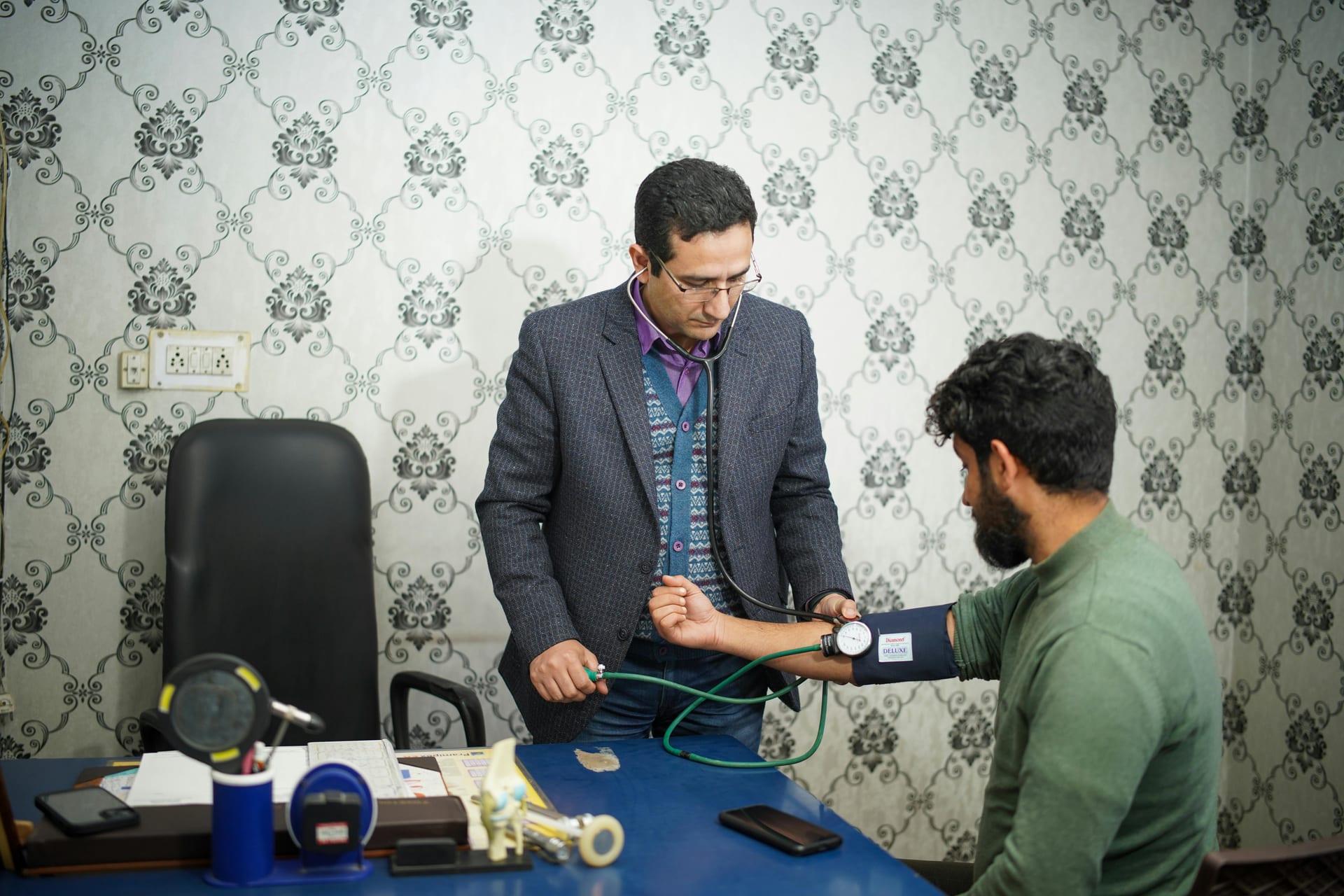
النقاط الرئيسية
- يواجه الرجال في الإمارات معدلات أعلى من أمراض القلب والسكري والسرطان في مراحل متأخرة مقارنةً بالنساء -- يعود ذلك إلى حد بعيد لتأخيرهم الفحوصات الدورية. يمكن للفحوصات السنوية ابتداءً من سن 30 اكتشاف هذه الحالات قبل سنوات من ظهور الأعراض
- بلغ معدل انتشار السكري في الإمارات 16.3% بين البالغين والرجال متضررون بصورة غير متناسبة. يكشف اختبار جلوكوز الصيام وHbA1c البسيط عن مقدمات السكري حين لا تزال قابلةً للانعكاس
- ينبغي البدء بفحص سرطان البروستات (اختبار PSA) في سن 45 لمعظم الرجال وفي سن 40 لذوي التاريخ العائلي -- يدفع الكشف المبكر معدل البقاء لخمس سنوات فوق 99%
- تقدم DCDC بمدينة دبي الطبية حزم فحص صحة الرجل من 800 درهم، بما فيها صورة دم كاملة ولوحة الدهون والجلوكوز ووظائف الكبد والكلى واستشارة طبيب -- كل ذلك بنتائج في نفس اليوم
- تبدأ مستويات التستوستيرون في الانخفاض بمعدل 1-2% سنوياً بعد سن 30. يحدد الفحص الهرموني الدوري انخفاض التستوستيرون قبل أن يُسبّب تعباً وزيادةً في الوزن وتغيرات في المزاج
- تقدم DCDC تشخيصات في زيارة واحدة -- تخطيط القلب والمعاك وتحاليل الدم كلها في موعد واحد -- مع أكثر من 20 شريكاً تأمينياً للفوترة المباشرة بما فيهم Daman وAXA وBupa
إذا كنت رجلاً يعيش في دبي ولا تتذكر آخر فحص شامل أجريته، فأنت لست وحدك -- وأنت متأخر. الرجال أقل احتمالاً بكثير من النساء في التماس رعاية صحية وقائية، ومع ذلك يواجهون معدلات أعلى لأمراض القلب والسكري وأنواع معينة من السرطان. الفحص الصحي المُخصَّص لعمرك وملف خطورتك هو أكثر الطرق فاعليةً لاكتشاف الحالات الخطيرة مبكراً حين يكون العلاج أبسط والنتائج أفضل. يشمل هذا الدليل كل فحص يحتاجه الرجل من العشرينيات حتى الخمسينيات وما بعدها، مع أسعار خاصة بدبي وخطوات عملية للفحص.
تطرح الحياة في الإمارات تحديات صحية خاصة للرجال: ثقافة عمل مستقرة وحرارة شديدة تُقيّد التمارين الخارجية لجزء كبير من العام وتناطح اجتماعي عالي السعرات وسكان متنوعون وراثياً بخطورة مرتفعة للأمراض الأيضية. سواء كنت مهنياً في الخامسة والعشرين يشعر بصحة مثالية أو مديراً في الخامسة والخمسين يتعامل مع الضغط والتاريخ العائلي، يشرح هذا الدليل تحديداً أي الفحوصات تحتاجها ولماذا تهم وما تكلفتها وأين تُجريها بكفاءة في دبي.





لماذا يهم فحص صحة الرجل في دبي
أمراض القلب السبب الأول للوفاة بين الرجال في الإمارات، ونادراً ما تُعلن عن نفسها بأعراض حتى حدث حرج كنوبة قلبية أو سكتة دماغية. يتلف السكري النوع الثاني الكلى والأعصاب والأوعية الدموية بصمت لسنوات قبل أن يشعر الرجل بالعطش أو التعب. يتطور سرطان البروستات والقولون والكبد دون ألم في مراحله المبكرة الأكثر قابليةً للعلاج. النمط واضح: الحالات التي تُشكّل أكبر خطر على صحة الرجل هي تحديداً تلك التي يكشفها الفحص الروتيني المبكر.
على الرغم من ذلك، تُظهر الدراسات باستمرار أن الرجال أقل احتمالاً بكثير من النساء في التماس الرعاية الصحية الوقائية. وجد استطلاع كليفلاند كلينيك 2023 أن 50% فقط من الرجال يتابعون الفحوصات الصحية الموصى بها مقارنةً بنحو 75% من النساء. التوقعات الثقافية حول الصلابة والميل إلى تجاهل الأعراض المبكرة ومتطلبات العمل جميعها تُسهم في نمط خطير من التأخير. في دبي حيث يُضاعف أسلوب الحياة عوامل الخطورة الأيضية، تصبح الهوة بين الحاجة والتصرف مُكلفةً بشكل خاص.
وفقاً لـ Dr. Hadeel Elnur: "كثيراً ما يؤخر الرجال الفحوصات الصحية حتى ظهور الأعراض، لكن الفحص الوقائي يكتشف حالات مثل السكري وارتفاع ضغط الدم وارتفاع الكوليسترول قبل سنوات من تسببها في أضرار. أوصي كل رجل في دبي بالبدء بالفحص السنوي في سن 30. البيانات لا لبس فيها -- الكشف المبكر ينقذ الأرواح والفحص ذاته سريع وغير مؤلم وكثيراً ما يشمله التأمين."
إحصاءات صحة الرجل في الإمارات التي ينبغيك معرفتها
الأرقام تُقدّم صورةً صارخةً لصحة الرجل في الإمارات، وتُبرز سبب كون الفحص ليس خياراً بل ضرورةً لكل ذكر بالغ يعيش في دبي.
- أمراض القلب والأوعية: تمثل أمراض القلب أكثر من 30% من جميع وفيات الذكور في الإمارات. يُصاب الرجال بأمراض الشرايين التاجية بمعدل 7-10 سنوات أبكر من النساء، وكثيرون يتعرضون لأول حدث قلبي في أربعينياتهم
- انتشار السكري: يبلغ معدل السكري بين البالغين في الإمارات نحو 16.3% (IDF 2024)، أكثر من ضعف المتوسط العالمي. يواجه الرجال من جنوب آسيا والعرب والفلبينيين خطراً وراثياً إضافياً يُضاعف عوامل نمط الحياة
- السمنة: يُصنَّف نحو 31% من البالغين في الإمارات ضمن فئة السمنة، وتُظهر لدى الرجال معدلات مرتفعة بشكل خاص من الدهون الحشوية (البطنية) -- النوع الأشد ارتباطاً بأمراض القلب والمتلازمة الأيضية
- نقص فيتامين D: على الرغم من الشمس الدائمة، يعاني 80-90% من سكان الإمارات من مستويات غير كافية من فيتامين D. لدى الرجال، يرتبط نقص فيتامين D المزمن بضعف العظام وآلام العضلات وتراجع التستوستيرون وزيادة الخطر القلبي الوعائي
- سرطان البروستات: ارتفع معدل الإصابة بسرطان البروستات في الإمارات بنحو 30% خلال العقد الماضي. يدفع الكشف المبكر عبر فحص PSA معدل البقاء لخمس سنوات فوق 99% مقارنةً بنحو 30% عند الكشف في مرحلة متقدمة
- سرطان القولون والمستقيم: أصبح سرطان القولون والمستقيم الآن ثاني أكثر أنواع السرطان شيوعاً بين الرجال في الإمارات مع ارتفاع حاد في معدلاته بين الرجال من سن 40-55. يكتشفه الفحص في مراحل تتجاوز فيها معدلات الشفاء 90%
- الصحة النفسية: الرجال في الإمارات أقل احتمالاً بكثير من النساء في التماس المساعدة للاكتئاب والقلق، ومع ذلك فإن معدلات الانتحار بين الرجال أعلى ثلاثة إلى أربعة أضعاف من النساء عالمياً. الفحص النفسي مكوّن متزايد الأهمية في تقييمات صحة الرجل الشاملة
الفحوصات الصحية الأساسية التي يحتاجها كل رجل
بصرف النظر عن العمر، تُشكّل فحوصات خط الأساس معيناً برنامج فحص صحة أي رجل. هذه الفحوصات سريعة ومتاحة على نطاق واسع ومشمولة بمعظم خطط التأمين في دبي. معاً، تفحص الحالات الأكثر احتمالاً لمس صحة الرجل وطول عمره.
- صورة دم كاملة (CBC): تفحص الأنيميا ومؤشرات العدوى واضطرابات خلايا الدم. تستغرق أقل من دقيقة للسحب وتُقدّم نظرةً شاملة على صحة الدم
- لوحة الدهون: تقيس الكوليسترول الكلي وLDL وHDL والدهون الثلاثية -- المؤشرات الرئيسية لخطر أمراض القلب والأوعية. الرجال ذوو الدهون غير الطبيعية في الثلاثينيات يواجهون خطراً مدى الحياة أعلى بكثير للنوبات القلبية والسكتة الدماغية
- جلوكوز الصيام وHbA1c: الفحوصات المعيارية الذهبية للسكري ومقدماته. يعكس HbA1c متوسط نسبة السكر في الدم على مدى 2-3 أشهر مما يجعله أكثر موثوقيةً من قراءة صيام منفردة
- اختبارات وظائف الكبد (LFTs): تفحص الكبد الدهني والتهاب الكبد وتلف الكبد المرتبط بالكحول -- جميعها في ارتفاع بين الرجال في الإمارات
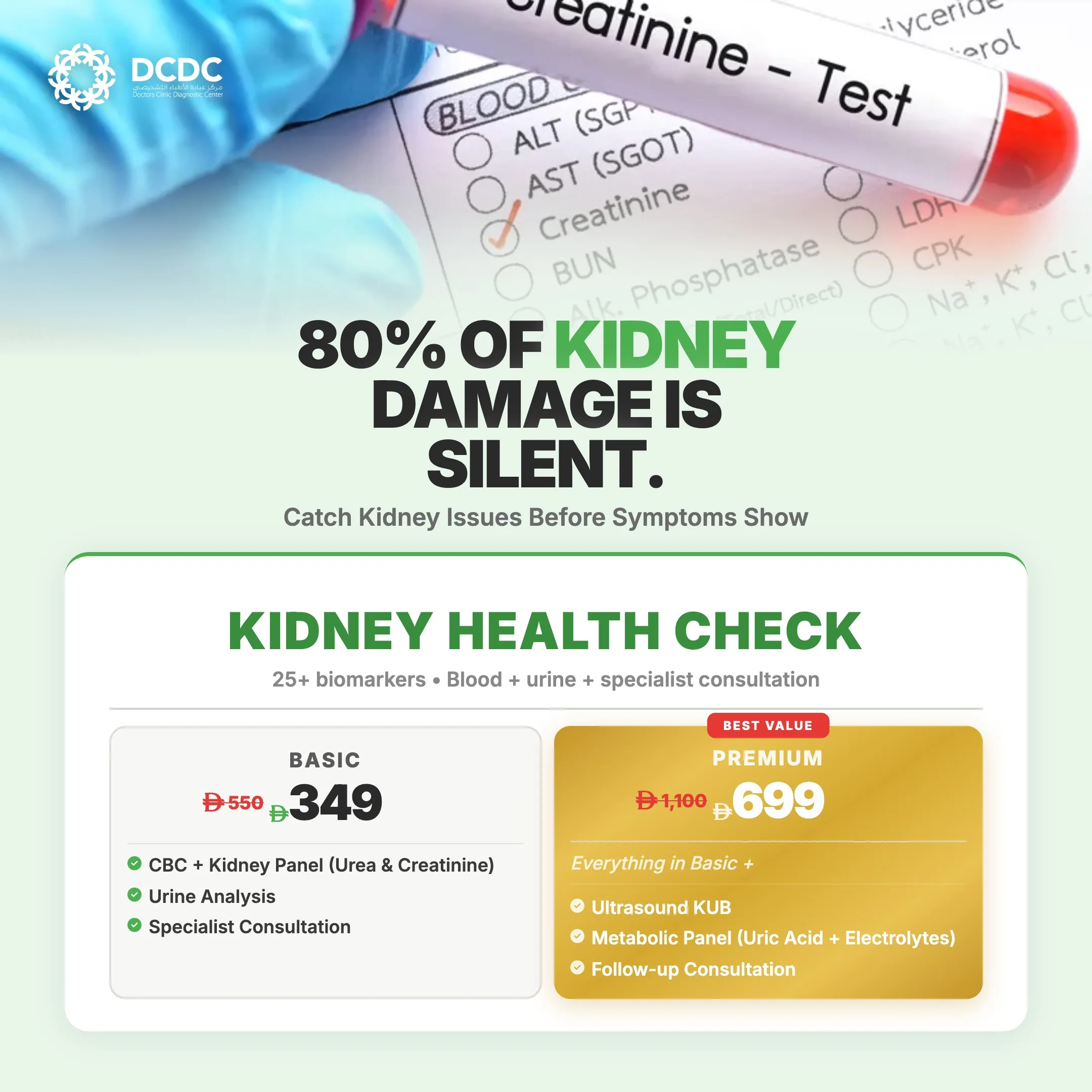
- وظائف الكلى (كرياتينين وeGFR وتحليل البول): تكشف عن تلف الكلى المبكر الذي يُسببه في الغالب السكري أو ارتفاع ضغط الدم غير المسيطر عليه
- ضغط الدم: المؤشر الحيوي الأهم للتنبؤ بخطر السكتة الدماغية والنوبة القلبية. يُسمى ارتفاع ضغط الدم 'القاتل الصامت' لأنه نادراً ما يُسبّب أعراضاً
- فيتامين D وB12: نقص كلا الفيتامينين متوطن بين سكان الإمارات ويُسبّب تعباً وآلام العظام وضعف العضلات وتغيرات معرفية
- وظائف الغدة الدرقية (TSH): يؤثر قصور أو فرط نشاط الغدة الدرقية في التمثيل الغذائي والطاقة والوزن والمزاج. كثيراً ما يُغفَل لدى الرجال لكنه متزايد الشيوع
للاطلاع على تفاصيل كل تحليل دم وكيفية التحضير وما تعنيه نتائجك، انظر دليلنا الشامل لـ تحاليل الدم في دبي.
فحص صحة الرجل حسب العمر: العشرينيات
يشعر معظم الرجال في العشرينيات بأنهم منيعون -- وإحصائياً هم في أدنى خطر للأمراض المزمنة. لكن هذا بالضبط العقد المناسب لتأسيس خطوط أساس صحية يمكن لطبيبك تتبعها طوال بقية حياتك. ارتفاع تدريجي في جلوكوز الصيام أو ارتفاع بطيء في كوليسترول LDL غير مرئي في لقطة واحدة لكنه واضح عند مقارنته بخط أساس من خمس سنوات قبله.
| الفحص | التكرار | لماذا يهم للرجال في العشرينيات |
|---|---|---|
| ضغط الدم | كل 1-2 سنة | ارتفاع ضغط الدم يُشخَّص بشكل متزايد لدى الشباب ذوي مؤشر كتلة الجسم المرتفع أو التاريخ العائلي |
| مؤشر كتلة الجسم ومحيط الخصر | سنوياً | الدهون الحشوية في العشرينيات تتنبأ بالمتلازمة الأيضية في الثلاثينيات والأربعينيات |
| صورة دم كاملة | كل سنتين | تعداد خلايا دم أساسي؛ يفحص الأنيميا والعدوى |
| جلوكوز الصيام | كل 2-3 سنوات | فحص السكري الأساسي، خاصةً للرجال ذوي الأصول الجنوبية الآسيوية أو العربية |
| لوحة الدهون | كل 3-5 سنوات (سنوياً مع تاريخ عائلي) | يُؤسّس خط أساس الكوليسترول؛ خلل الدهون المبكر قابل للتصحيح بشكل كبير |
| فيتامين D | سنوياً | نقص شبه عالمي في الإمارات؛ مرتبط بالتعب وصحة العظام والتستوستيرون |
| فحص الأمراض المنقولة جنسياً | بناءً على عوامل الخطورة | يشمل HIV والتهاب الكبد B/C للأفراد المعرضين للخطر |
| الفحص الذاتي للخصية | شهرياً (ذاتي) | سرطان الخصية يبلغ ذروته بين 20-34 سنة؛ الفحص الذاتي يكشف الكتل مبكراً |
جدول الفحص الموصى به للرجال في العشرينيات.
حتى إذا كانت جميع النتائج طبيعية، يصبح خط الأساس هذا بالغ القيمة. حين يراجع طبيبك فحوصاتك في سن 35 أو 40، يمكنه مقارنة القيم الحالية بنتائج عشرينياتك وتحديد اتجاهات لا يُلاحظها اختبار منفرد.
فحص صحة الرجل حسب العمر: الثلاثينيات
الثلاثينيات هي العقد الذي تبدأ فيه الحالات الأيضية بالظهور. تبدأ مستويات التستوستيرون في الانخفاض التدريجي، وتتراكم ضغوط العمل والعادات الخاملة، وتصبح العلامات المبكرة للسكري والكبد الدهني وأمراض القلب والأوعية قابلة للكشف في تحاليل الدم -- حتى حين تشعر بأنك بخير. كل ما في لوحة العشرينيات يستمر مع إضافات مهمة.
- HbA1c (سنوياً): أكثر دقةً من جلوكوز الصيام للكشف عن مقدمات السكري. ضروري للرجال ذوي مؤشر كتلة الجسم فوق 25 أو التاريخ العائلي للسكري
- لوحة الدهون الكاملة (سنوياً): LDL وHDL والدهون الثلاثية والكوليسترول الكلي. تصبح المراقبة السنوية مهمة مع بدء تراكم الخطر القلبي الوعائي
- اختبارات وظائف الكبد: تفحص مرض الكبد الدهني غير الكحولي (NAFLD) الذي يصيب نحو 25% من سكان الإمارات وشائع بشكل خاص لدى الرجال ذوي السمنة المركزية
- وظائف الكلى (كرياتينين وeGFR): تقييم كلوي أساسي، خاصةً للرجال ذوي خطر السكري أو ارتفاع ضغط الدم أو التاريخ العائلي لمرض الكلى
- تخطيط القلب (ECG): تسجيل إيقاع القلب الأساسي موصى به لجميع الرجال في سن 35، أو أبكر مع التاريخ العائلي لأمراض القلب أو الموت القلبي المفاجئ
- التستوستيرون (كلي وحر): ففكر في قياس أساسي حول سن 35. ينخفض التستوستيرون بنسبة 1-2% سنوياً بعد 30، والوعي المبكر يساعد على التمييز بين الشيخوخة الطبيعية وقصور الغدد التناسلية السريري
- تحليل البول: يفحص البروتين والجلوكوز في البول -- مؤشرات مبكرة لمرض الكلى والسكري قد لا تكتشفها تحاليل الدم بعد
في DCDC، يُعالج المختبر في الموقع لوحات صورة الدم الكاملة والدهون والغدة الدرقية والهرمونات والفيتامينات والحساسية والسكري والكبد والكلى -- جميعها في زيارة واحدة بنتائج في نفس اليوم للفحوصات الروتينية. هذا يعني أن طبيبك يمكنه مراجعة فحص ثلاثينياتك ومناقشة الخطوات التالية في موعد واحد فعّال.
فحص صحة الرجل حسب العمر: الأربعينيات والخمسينيات وما بعدها
الأربعينيات منعطف في صحة الرجل. يرتفع الخطر القلبي الوعائي بشكل ملحوظ ويصبح فحص السرطان ضرورياً وتتسارع التغيرات الهرمونية وتبدأ التأثيرات التراكمية لعقود من خيارات نمط الحياة بالتجلي بطرق قابلة للقياس. في الخمسينيات، لم يعد الفحص الشامل خيارياً -- إنه الفرق بين اكتشاف المشكلة مبكراً والتعامل مع أزمة.
- لوحة قلبية شاملة: تخطيط القلب والمعاك واختبار الإجهاد. ينبغي للرجال فوق 40 مع أي عامل خطورة (تدخين وسكري وارتفاع ضغط الدم وتاريخ عائلي وسمنة) إجراء تقييم قلبي كامل. تقدم DCDC الثلاثة في زيارة واحدة
- درجة الكالسيوم CT: فحص غير جراحي يُحدد كمياً تكلّس الشرايين التاجية. موصى به للرجال من سن 40-70 بخطر قلبي وسائي لتوجيه قرارات علاج الستاتين
- PSA (مستضد البروستات النوعي): ناقش فحص سرطان البروستات مع طبيبك ابتداءً من سن 45 (أو 40 إذا كنت من أصل أفريقي أو تاريخ عائلي). PSA اختبار دم بسيط يمكنه الكشف عن سرطان البروستات مبكراً
- تنظير القولون أو دم الكبسولة في البراز: يبدأ فحص سرطان القولون والمستقيم في سن 45 (وفق إرشادات USPSTF المحدّثة). الفحص السنوي بالبراز هو الحد الأدنى؛ تنظير القولون كل 10 سنوات هو المعيار الذهبي
- التستوستيرون ولوحة هرمونية: مراقبة سنوية بعد 40. يؤثر انخفاض التستوستيرون العرضي على نحو 10-25% من الرجال فوق 40 وهو قابل للعلاج عند التشخيص الصحيح
- مراقبة السكري (HbA1c وجلوكوز الصيام): يصبح الفحص السنوي ضرورياً لجميع الرجال فوق 40 بصرف النظر عن عوامل الخطورة
- فحص سرطان الرئة (50+): CT الصدر منخفض الجرعة سنوياً للرجال من سن 50-80 بتاريخ تدخين 20+ حزمة-سنة
- فحص كثافة العظام DEXA (60+): الهشاشة ليست حكراً على النساء -- يستفيد الرجال فوق 60، خاصةً ذوو التستوستيرون المنخفض أو نقص فيتامين D أو استخدام الكورتيكوستيرويدات، من فحص كثافة العظام
- فحص العيون: تفحص الجلوكوما واعتلال الشبكية السكري وتغيرات الرؤية المرتبطة بالعمر كل 1-2 سنة ابتداءً من سن 40
للرجال القلقين على الصحة الهرمونية، يشمل دليلنا المفصّل لـ اختبار التستوستيرون في دبي كل شيء من الأعراض وبروتوكولات الاختبار إلى خيارات العلاج والتكاليف.
احجز فحص صحة الرجل
احصل على فحص صحي شامل للرجل مُخصَّص لعمرك وعوامل خطورتك في DCDC بمدينة دبي الطبية. نتائج في نفس اليوم، وأكثر من 20 شريكاً تأمينياً، وموقف مجاني.
فحص صحة القلب للرجال في دبي
أمراض القلب والأوعية هي القاتل الأول للرجال في الإمارات وعالمياً. ومع ذلك فإن أمراض القلب قابلة للوقاية إلى حد بعيد حين تُحدَّد عوامل الخطورة وتُعالَج مبكراً. يتجاوز الفحص القلبي الشامل قراءة ضغط دم بسيطة ليُقيّم بنية القلب ووظيفته وصحة الشرايين والمؤشرات الكيميائية الحيوية التي تتنبأ بالأحداث المستقبلية.
في DCDC، يمكن للرجال إجراء تقييم قلبي كامل في زيارة واحدة. تشمل وحدة طب القلب في العيادة تخطيط القلب (ECG) لتحليل إيقاع القلب، وتصوير بالموجات فوق الصوتية (مَعاك) لتصوير تفصيلي لغرف القلب والصمامات وتدفق الدم، واختبار الإجهاد لتقييم أداء القلب تحت الجهد. جنباً إلى جنب مع تحاليل الدم -- لوحة الدهون وCRP عالي الحساسية وجلوكوز الصيام -- يُقدّم هذا صورةً شاملة للخطر القلبي الوعائي.
- ضغط الدم: يُفحص في كل زيارة. ارتفاع ضغط الدم هو العامل المعدَّل الأهم للسكتة الدماغية والنوبة القلبية
- لوحة الدهون: الكوليسترول الكلي وLDL وHDL والدهون الثلاثية. LDL المثالي للرجال متوسطي الخطورة أقل من 2.6 ملمول/لتر
- تخطيط القلب: اختبار غير مؤلم لخمس دقائق يكشف اضطرابات الإيقاع والنوبات القلبية الصامتة السابقة ومشاكل التوصيل الكهربائي
- تصوير بالموجات فوق الصوتية (مَعاك): أشعة فوق صوتية غير جراحية تُصوّر بنية القلب. تكشف قصور القلب وأمراض الصمامات والغرف المتوسعة
- اختبار الإجهاد بالجهد: يراقب معدل ضربات القلب وضغط الدم وتخطيط القلب أثناء الجهد الجسدي على جهاز المشي. يكشف انخفاض تدفق الدم إلى القلب الذي قد لا يكون مرئياً في الراحة
- درجة الكالسيوم CT: يُحدد كمياً رواسب الكالسيوم في الشرايين التاجية. درجة الصفر تدل على خطر منخفض جداً؛ الدرجات فوق 100 تستوجب إدارة عدوانية لعوامل الخطورة
- CRP عالي الحساسية: مؤشر دم للالتهاب يدل عند ارتفاعه على خطر قلبي وعائي متزايد حتى حين يكون الكوليسترول طبيعياً
تُفيد جمعية القلب الأمريكية بأن التعرف المبكر وعلاج عوامل الخطر القلبي الوعائي يمكنه منع ما يصل إلى 80% من النوبات القلبية والسكتات الدماغية. للرجال في دبي حيث يُثبّط الجمع بين العمل الخامل والأنظمة الغذائية عالية السعرات والحرارة الشديدة النشاط البدني، يكتسب الفحص القلبي أهمية خاصة. تبدأ استشارات طب القلب في DCDC من 250 درهم.
فحص السرطان للرجال: PSA والقولون وغيرهما
يظل السرطان من أكثر التشخيصات إثارةً للرهبة، ومع ذلك فإن كثيراً من السرطانات التي تُصيب الرجال بشكل غير متناسب قابلة للشفاء بدرجة كبيرة عند اكتشافها مبكراً. المفتاح هو اتباع إرشادات الفحص المناسب للعمر بدلاً من انتظار الأعراض التي كثيراً ما تظهر في المراحل المتقدمة فحسب.
- سرطان البروستات (اختبار PSA): اختبار دم بسيط يقيس مستويات مستضد البروستات النوعي. ارتفاع PSA قد يدل على سرطان البروستات أو تضخمه الحميد أو التهابه. يُوصى بالفحص ابتداءً من سن 45 (سن 40 مع التاريخ العائلي أو الأصل الأفريقي). عند الكشف المبكر يتجاوز معدل البقاء لخمس سنوات 99%
- سرطان القولون والمستقيم: يبدأ الفحص في سن 45 إما باختبار المناعة الكيميائي للبراز (FIT) السنوي أو تنظير القولون كل 10 سنوات. يمكن لتنظير القولون اكتشاف الأورام السابقة للخباثة وإزالتها فعلياً مانعاً السرطان. يُقلل الكشف المبكر وفيات سرطان القولون والمستقيم بما يصل إلى 68%
- سرطان الخصية: الأكثر شيوعاً في الرجال من سن 20-34. الفحص الذاتي الشهري موصى به. أي كتلة أو تورم أو تغيّر في حجم الخصية يجب أن يستدعي أشعة فوق صوتية فورية
- سرطان الرئة: يُوصى بفحص CT الصدر منخفض الجرعة للرجال من سن 50-80 مع تاريخ تدخين ملحوظ (20+ حزمة-سنة). معدل البقاء لخمس سنوات لسرطان الرئة المكتشف في المرحلة الأولى يبلغ 56% مقارنةً بأقل من 5% في المرحلة الرابعة
- سرطان الكبد: ينبغي لمرضى التهاب الكبد B أو C أو تشمع الكبد أو الكبد الدهني المزمن الفحص بـ AFP (ألفا-فيتوبروتين) بتحليل دم وأشعة فوق صوتية للكبد كل 6-12 شهراً
- سرطان الجلد: الفحص الجلدي السنوي موصى به للرجال ذوي البشرة الفاتحة أو التاريخ من الحروق الشمسية أو التعرض المفرط للشمس. تزيد الأشعة فوق البنفسجية الشديدة في الإمارات الخطر
في DCDC، تتوفر فحوصات السرطان بما فيها PSA وعلامات الأورام (AFP وCEA وCA 19-9) ودم الكبسولة في البراز كجزء من حزم صحة الرجل أو فحوصات فردية. النتائج متاحة عادةً في نفس اليوم للمؤشرات المبنية على الدم.
الصحة الهرمونية: اختبارات التستوستيرون والغدة الدرقية
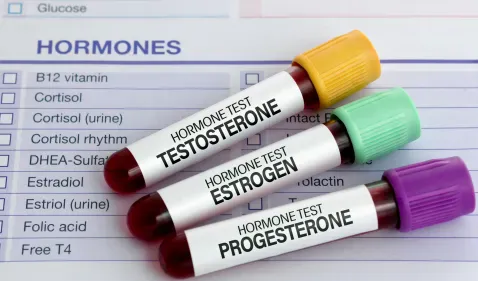
الصحة الهرمونية جانب كثيراً ما يُغفَل في رفاهية الرجل. التستوستيرون هو الهرمون الجنسي الذكوري الأساسي وانخفاضه التدريجي بدءاً من نحو سن 30 جزء طبيعي من الشيخوخة. غير أن التستوستيرون حين ينخفض تحت الحد السريري -- حالة تُسمى قصور الغدد التناسلية -- تتجاوز تأثيراته الرغبة الجنسية بكثير. انخفاض التستوستيرون مرتبط بـ التعب وفقدان كتلة العضلات وزيادة الدهون الجسدية والاكتئاب وضعف التركيز وانخفاض كثافة العظام وارتفاع الخطر القلبي الوعائي.
يُقدَّر أن 10-25% من الرجال فوق 40 لديهم مستويات تستوستيرون أقل من النطاق الطبيعي. في الإمارات حيث نقص فيتامين D والسمنة والمتلازمة الأيضية منتشرة بشكل كبير، قد يكون المعدل أعلى من ذلك. التحدي هو أن أعراض انخفاض التستوستيرون تتداخل مع الإجهاد وقلة النوم والإنهاك العام -- حالات يتقبّلها الرجال كثيراً باعتبارها 'طبيعية' بدلاً من التحقيق فيها.
- التستوستيرون الكلي: الاختبار الفحصي الأساسي. النطاق الطبيعي عادةً 8.7-29 نانومول/لتر (250-830 نانوغرام/ديسيلتر). المستويات تحت 8 نانومول/لتر تستدعي عموماً مزيداً من التحقيق
- التستوستيرون الحر: يقيس الكسر غير المرتبط النشط بيولوجياً. بعض الرجال لديهم تستوستيرون كلي طبيعي لكن تستوستيرون حراً منخفضاً بسبب ارتفاع SHBG (الغلوبولين الرابط للهرمون الجنسي)
- LH وFSH: هرمونات الغدة النخامية تساعد على التمييز بين الأسباب الأولية (خصيوية) والثانوية (نخامية) لانخفاض التستوستيرون
- البرولاكتين: ارتفاع البرولاكتين يمكنه تثبيط إنتاج التستوستيرون وقد يدل على مشكلة في الغدة النخامية
- لوحة الغدة الدرقية (TSH وT3 الحر وT4 الحر): يُعترف بخلل الغدة الدرقية بشكل متزايد لدى الرجال ويؤثر في التمثيل الغذائي والطاقة والوزن ومعدل القلب والمزاج. يمكن لقصور الغدة الدرقية بشكل خاص محاكاة كثير من أعراض انخفاض التستوستيرون
- DHEA-S والكورتيزول: هرمونات الغدة الكظرية التي تؤثر في الطاقة واستجابة الإجهاد والتوازن الهرموني الشامل
جميع الفحوصات الهرمونية متاحة في مختبر DCDC في الموقع، مع التوصية بسحب الدم فائراً في الصباح للحصول على قراءات التستوستيرون الأدق. للاطلاع على نظرة شاملة على اختبار التستوستيرون ونطاقات مرجعية ومسارات علاج، اقرأ دليلنا حول الوقاية من أمراض القلب في دبي الذي يشمل التبعيات القلبية الوعائية للخلل الهرموني بالتفصيل.
تكلفة فحص صحة الرجل في دبي (2026)
تتفاوت تكلفة فحص صحة الرجل في دبي بناءً على عمق اللوحة وما إذا كانت تشمل التصوير والمرفق. في DCDC بمدينة دبي الطبية، نقدم حزماً شفافةً ومتدرجة حتى تتمكن من اختيار مستوى الفحص الذي يتناسب مع عمرك وعوامل خطورتك وميزانيتك.
| الحزمة | نطاق السعر (درهم) | المحتويات الرئيسية | الأنسب لـ |
|---|---|---|---|
| الفحص الأساسي لصحة الرجل | من 800 | صورة دم كاملة، لوحة دهون، جلوكوز صيام، وظائف كبد/كلى، ضغط دم، مؤشر كتلة الجسم، استشارة طبيب | الرجال دون 35 بدون عوامل خطورة؛ الفحص الأول |
| حزمة الصحة القياسية | 1,500 - 2,200 | الأساسي + HbA1c وغدة درقية (TSH) وفيتامين D وB12 ودراسات الحديد وتحليل بول وتخطيط القلب | الرجال من 30-40؛ المراقبة السنوية |
| صحة الرجل التنفيذية | 2,500 - 4,000 | القياسي + لوحة تستوستيرون وPSA ومعاك القلب واختبار الإجهاد وعلامات الأورام وأشعة فوق صوتية للبطن واستشارة متخصصة | الرجال فوق 40؛ التاريخ العائلي لأمراض القلب أو السكري أو السرطان |
| التقييم الشامل للجسم الكامل المتميز | 4,500 - 6,000+ | التنفيذي + درجة كالسيوم CT ولوحة هرمونية كاملة وفحص DEXA وتصوير قلبي متقدم ومراجعة متعددة التخصصات | المديرون التنفيذيون؛ الأفراد عالي الخطورة؛ خط أساس شامل |
حزم فحص صحة الرجل في DCDC بأسعار 2026. تشمل جميع الحزم استشارة طبيب ونتائج في نفس اليوم لتحاليل الدم.
للمقارنة، تتراوح حزم صحة الرجل المماثلة في برامج المستشفيات في دبي بين 1,000 و6,000+ درهم بحسب المرفق والمحتويات. نموذج مركز التشخيص في DCDC يُبقي التكاليف أقل مع الحفاظ على الجودة المُنظَّمة من هيئة الصحة بدبي والتسليم في نفس اليوم. الفحوصات الفردية متاحة أيضاً: فحص السكري من 399 درهم، واستشارة طب القلب من 250 درهم، ولوحات الدم الفردية بأسعار تنافسية.
تُغطي معظم خطط تأمين دبي الفحوصات الصحية الوقائية السنوية. تتعامل DCDC مع أكثر من 20 شريكاً تأمينياً -- بما فيهم Daman وAXA وBupa وCigna ومجموعة عمان -- بفوترة مباشرة حتى تدفع فقط أي دفعة مشتركة منطبقة. يتحقق فريق مكتبنا الأمامي من التغطية ويتولى الموافقة المسبقة قبل موعدك.
ما يمكن توقعه في DCDC لفحص صحة الرجل
الدخول إلى فحص صحي قد يبدو مبهماً إذا لم تفعله من قبل -- أو إذا مضت سنوات على آخر فحص. في DCDC بمدينة دبي الطبية (مبنى 64، الجناح A، مجمع الرازي الطبي)، العملية مصمّمة لتكون فعّالةً ومريحةً وتحترم وقتك. إليك ما يبدو عليه زيارة فحص صحة الرجل المعتادة.
- الخطوة 1 -- الوصول والتسجيل: حضور إلى DCDC (مفتوح السبت-الخميس 8 صباحاً-10:30 مساءً، الجمعة 9 صباحاً-10 مساءً). الموقف مجاني. يتحقق فريق الاستقبال من تأمينك ويؤكد حزمتك ويُقدّم النماذج المطلوبة. متوسط وقت الانتظار من تسجيل الدخول إلى أول فحص: 15 دقيقة
- الخطوة 2 -- العلامات الحيوية والقياسات: تُسجّل الممرضة ضغط دمك ومعدل قلبك وطولك ووزنك ومؤشر كتلة الجسم ومحيط خصرك. تُتابَع هذه المؤشرات الأساسية عبر الزيارات السنوية لتحديد الاتجاهات
- الخطوة 3 -- سحب الدم (صائماً): يجمع الفني عينات دم للوحتك. حضر صائماً (8-12 ساعة، ماء فقط) للحصول على نتائج دقيقة لجلوكوز الصيام ولوحة الدهون ووظائف الكبد. السحب ذاته يستغرق أقل من 5 دقائق
- الخطوة 4 -- عينة بول: تُجمع لتحليل البول للكشف عن مرض الكلى والتهابات المسالك البولية وعلامات السكري المبكرة
- الخطوة 5 -- تخطيط القلب والفحوصات القلبية (إن أُدرجت): يُنجز تخطيط قلب 12-خيطاً غير مؤلم في أقل من 5 دقائق. إذا تضمّنت حزمتك معاكاً أو اختبار إجهاد، تُجرى في نفس الزيارة في وحدة طب القلب لدينا
- الخطوة 6 -- التصوير (إن أُدرج): بحسب حزمتك، قد يشمل ذلك أشعة فوق صوتية للبطن أو تصوير شعاعي للصدر أو تصوير تشخيصي آخر -- كله يُجرى في الموقع
- الخطوة 7 -- استشارة الطبيب: فور جاهزية نتائجك (في نفس اليوم لتحاليل الدم)، يراجع طبيب كل نتيجة معك ويشرح أي شذوذات ويُقدّم خطةً شخصيةً -- سواء تضمّنت تعديلات نمط الحياة أو دواءً أو إحالة لمتخصص
تُنجز معظم زيارات فحص صحة الرجل في DCDC في 2-3 ساعات. بنموذج تشخيصات الزيارة الواحدة، يمكنك إنجاز تخطيط القلب والمعاك وتحاليل الدم كلها في موعد واحد -- دون حاجة لزيارات متعددة. رخصة DCDC من MOHAP (رقم NIMY7VY5-240925) وتقييم 4.8/5 على Google من أكثر من 1,000 مراجعة موثّقة ونسبة رضا مرضى 98% تعكس التزامنا بالتميز السريري وتجربة المريض.
حدّد موعد فحص صحة الرجل اليوم
نتائج في نفس اليوم وتشخيصات في زيارة واحدة وأكثر من 20 شريكاً تأمينياً. احجز فحصك الصحي في DCDC بمدينة دبي الطبية -- مبنى 64، الجناح A، مجمع الرازي الطبي.
كم مرة ينبغي للرجال إجراء الفحوصات الصحية في دبي؟
تكرار الفحص الصحي يعتمد على عمرك والحالات القائمة وعوامل الخطورة. إليك إطاراً عاماً، وإن كان طبيبك قد يوصي بجدول مخصص بناءً على نتائجك وتاريخك العائلي.
- من 20-29 سنة: فحص خط أساس شامل مرة واحدة على الأقل، يعقبه فحوصات دم أساسية وقياس ضغط دم كل 2-3 سنوات إذا كانت جميع النتائج طبيعية ولا توجد عوامل خطورة
- من 30-39 سنة: الفحص الصحي السنوي موصى به لجميع الرجال. هذا العقد الذي تبدأ فيه الحالات الأيضية بالظهور، والمراقبة السنوية تلتقط تغيرات الاتجاه التي يُخفق اختبار منفرد في رؤيتها
- من 40-49 سنة: فحص شامل سنوي بما فيه التقييم القلبي وعلامات السرطان. قد يحتاج الرجال المصابون بالسكري أو ارتفاع ضغط الدم أو ذوو التاريخ العائلي إلى فحوصات محددة كل 6 أشهر
- من 50 سنة فصاعداً: فحص سنوي شامل للجسم مع توسيع فحص السرطان (PSA وتنظير القولون وCT الرئة إن انطبق). ينبغي للرجال المتعاملين مع حالات مزمنة إجراء مراقبة خاصة بالحالة كل 3-6 أشهر
- الرجال عالي الخطورة (أي عمر): ينبغي للرجال المصابين بالسكري أو أمراض القلب أو السمنة أو التاريخ العائلي القوي لأمراض السرطان أو التدخين مناقشة جدول فحص أكثر تكراراً مع طبيبهم. المراقبة المبكرة والمنتظمة هي الأداة الأقوى المتاحة
الرسالة الرئيسية بسيطة: لا تنتظر الأعراض. الحالات التي تقتل الرجال وتُعيقهم أكثر -- أمراض القلب والسكري والسرطان والسكتة الدماغية -- جميعها قابلة للكشف من خلال الفحص الروتيني قبل سنوات من تسببها في مشاكل. موعد واحد سنوياً استثمار ضئيل لعقود من إدارة صحية مستنيرة.
عوامل نمط الحياة التي تؤثر في صحة الرجل في دبي
بعيداً عن الخطورة الوراثية، تُضاعف عدة عوامل نمط حياة خاصة بالعيش في دبي أهمية الفحص المنتظم للرجال. فهم هذه العوامل يمكن أن يحفّز كلاً من الفحص والتغيير السلوكي الإيجابي.
- ثقافة العمل الخاملة: ساعات مكتبية طويلة وتنقل يعتمد على السيارة وعمل مكتبي تعني أن كثيراً من الرجال في دبي يجمعون أقل من 5,000 خطوة يومياً -- أقل بكثير من 7,500-10,000 خطوة المرتبطة بانخفاض الخطر القلبي الوعائي
- الحرارة الشديدة: درجات حرارة صيفية تتجاوز 45 درجة مئوية لمدة 5-6 أشهر تُلغي فعلياً التمارين الخارجية لمعظم السكان، مما يُفضي إلى زيادة وزن موسمية وانخفاض اللياقة القلبية الوعائية
- التناطح الاجتماعي عالي السعرات: تُسهم ثقافة المطاعم في دبي وعشاء الأعمال المتكرر في تناول سعرات زائدة، خاصةً من الكربوهيدرات المكررة والدهون المشبعة
- التدخين والشيشة: لا يزال استخدام الشيشة شائعاً بين الرجال في الإمارات. تُعرّض جلسة الشيشة الواحدة المدخّن لما يعادل 100-200 سيجارة من حيث حجم الدخان، مما يزيد بشكل كبير من خطر الرئة والقلب والأوعية
- الإجهاد والحرمان من النوم: بيئات العمل عالية الضغط وساعات العمل الطويلة والضغط المالي تُسهم في ارتفاع الكورتيزول المزمن الذي يدفع بدوره زيادة الوزن ومقاومة الإنسولين وانخفاض التستوستيرون
- استهلاك الكحول: رغم أنه أقل شيوعاً مما هو في الدول الغربية، يُسهم استهلاك الكحول بين الرجال الوافدين في دبي في الكبد الدهني وارتفاع ضغط الدم وزيادة الوزن
الفحص الصحي المنتظم لا يستعيض عن خيارات نمط الحياة الصحية، بل يعمل جنباً إلى جنب معها. الرجل الذي يمارس الرياضة ويتغذى جيداً وينام بما يكفي يستفيد أيضاً من الفحص السنوي -- لأن الوراثة والعوامل البيئية والتاريخ العائلي يمكنها إطلاق حالات لا يمنعها أي قدر من الحياة الصحية بشكل كامل.
خدمات ذات صلة في DCDC
رعاية متخصصة وتشخيص متقدم في مدينة دبي الطبية
الأسئلة الشائعة
خلاصة القول
فحص صحة الرجل ليس رفاهيةً -- إنه استراتيجية عملية مبنية على الأدلة للعيش أطول وأفضل. الحالات التي تمثل غالبية وفيات الذكور في الإمارات -- أمراض القلب والسكري والسكتة الدماغية والسرطان -- جميعها قابلة للكشف قبل سنوات من صيرورتها خطيرة. موعد سنوي واحد يمكنه تحديد ارتفاع السكر في الدم وارتفاع الكوليسترول وانخفاض التستوستيرون أو ورم مبكر الاكتشاف حين يكون التدخل أبسط وأقل تكلفةً وأكثر فاعلية. تُظهر البيانات باستمرار أن الرجال الذين يُجرون فحوصات منتظمة يعيشون أطول وينفقون أقل على الرعاية الصحية طوال حياتهم ويحتفظون بجودة حياة أعلى مقارنةً بمن ينتظرون الأعراض.
في DCDC بمدينة دبي الطبية (مبنى 64، الجناح A، مجمع الرازي الطبي)، نجعل فحص صحة الرجل فعّالاً وشاملاً. بحزم من 800 درهم ونتائج دم في نفس اليوم وتشخيصات في زيارة واحدة (تخطيط قلب + معاك + تحاليل دم في موعد واحد) وأكثر من 20 شريكاً تأمينياً بفوترة مباشرة وتقييم 4.8/5 على Google من أكثر من 1,000 مراجعة، يمكن إنجاز فحصك السنوي في صباح واحد. سواء كنت تُؤسّس أول خط أساس صحي في عشرينياتك أو تُراقب تغيرات أيضية في ثلاثينياتك أو تُدير خطر القلب في خمسينياتك، تواصل مع فريقنا لحجز فحصك. ذاتك المستقبلية ستشكرك.

كتبه
Dr. Hadeel Elnur
طبيبة عامة
MD، طب عام
Dr. Hadeel Elnur طبيبة عامة في مركز أطباء العيادة التشخيصي (DCDC) بمدينة دبي الطبية.
مقالات ذات صلة

الفحص الصحي السنوي: الاختبارات التي تحتاجها حسب العمر (2026)
تكلفة الفحص الصحي في دبي: 800-6,000 درهم حسب الحزمة (2026)
فحص التستوستيرون في دبي: التكلفة ودليل المستويات (2026)
تحاليل الدم في دبي: الأنواع والتكلفة ودليل الصيام (2026)

فحص القلب في دبي: حزم الفحص والوقاية (2026)
المزيد في Preventive Health
Premarital Screening Dubai: Tests & Cost (2026)
اقرأ المزيد
Signs of Skin Cancer: Mole Check Guide Dubai (2026)
اقرأ المزيد
Shingles Dubai: Symptoms & Prevention (2026)
اقرأ المزيد
Flu Vaccine Cost Dubai: Guide & Prices (2026)
اقرأ المزيد
HPV Vaccine Dubai: Gardasil 9 Cost & Guide (2026)
اقرأ المزيد
Hepatitis B Test Dubai: Screening Guide (2026)
اقرأ المزيد© 2026 Doctors Clinic Diagnostic Center (DCDC), Dubai Healthcare City. Originally published at https://doctorsclinicdubai.ae/blog/mens-health-screening-dubai. All rights reserved. Unauthorized reproduction is prohibited.