النقاط الرئيسية
- تُلزم هيئة الصحة بدبي (DHA) بجدول تطعيمات محدد من الولادة حتى سن المدرسة — التأخر في اللقاحات قد يُعيق التسجيل في المدارس
- تُعطى أولى اللقاحات (BCG والتهاب الكبد B) خلال 24 ساعة من الولادة في المستشفى
- بحلول عمر 18 شهرًا، يجب أن يكون طفلك قد تلقى لقاحات ضد 14 مرضًا مختلفًا بما فيها شلل الأطفال والحصبة والسعال الديكي
- يمكن للعائلات القادمة إلى دبي الحصول على جدول لقاحات لحاق في DCDC لمواءمة متطلبات هيئة الصحة بدبي
- الحمى الخفيفة والاحمرار في موضع الحقن والتقلب لمدة 1-2 أيام بعد التطعيم أمور طبيعية وليست سببًا للتخلي عن الجرعة التالية
- يُقدم DCDC الجدول الكامل للتطعيم الموصى به من هيئة الصحة بدبي مع مواعيد طب الأطفال في اليوم ذاته متى أتاحت الطاقة الاستيعابية ذلك
إذا كنت تربي طفلًا في دبي، فالتطعيمات ليست اختيارية. تشترط هيئة الصحة بدبي مجموعة محددة من اللقاحات من الولادة حتى سن المدرسة، وستطلب المدرسة دليلًا عليها قبل التسجيل. إن فهم جدول تطعيمات الأطفال الكامل في دبي يساعدك على البقاء على المسار الصحيح وتجنب الإسراع في اللحظة الأخيرة. تُغطي خدمات تطعيم الأطفال في مركز أطباء العيادة التشخيصي (DCDC) بمدينة دبي الصحية الجدول الكامل الموصى به من هيئة الصحة بدبي، من جرعات الولادة حتى منشطات سن المدرسة.
سواء أنجبت طفلك هنا أو انتقلت إلى دبي مع طفل صغير، يرشدك هذا الدليل خلال كل لقاح يحتاجه طفلك، ومتى يحتاجه، وما الذي تتوقعه. كما نتناول جداول اللحاق للعائلات الوافدة حديثًا، والآثار الجانبية الطبيعية تمامًا، ومتى يجب أن تقلق فعلًا. راجعت هذا الدليل الدكتورة هديل النور، طبيبة الرعاية الأولية في DCDC التي تتولى بانتظام استشارات طب الأطفال، لضمان أنه يعكس الممارسة السريرية الحالية في الإمارات.




لماذا يهم جدول تطعيمات الأطفال في دبي؟
التطعيم هو أكثر التدخلات في مجال الصحة العامة فاعلية على الإطلاق. في الإمارات، أدت برامج التحصين في مرحلة الطفولة إلى القضاء فعلياً على الأمراض التي كانت شائعة في السابق — إذ كان شلل الأطفال والحصبة والدفتيريا والسعال الديكي تهديدات خطيرة قبل عقود قليلة. جدول التطعيم من هيئة الصحة بدبي ليس عشوائيًا. كل لقاح موقوت ليوفر الحماية في العمر الذي يكون فيه الطفل أكثر عرضة لمرض معين.
يجعل التنوع الدولي الواسع لسكان دبي الالتزام بجدول التطعيم أمرًا بالغ الأهمية. يأتي الأطفال في المدارس والحضانات من دول ذات برامج تطعيم مختلفة وانتشار مختلف للأمراض. الطفل المُطعَّم بالكامل محمي ليس فقط بشكل فردي، بل يُسهم أيضًا في مناعة المجتمع التي تحمي الأطفال الذين لا يمكن تطعيمهم لأسباب طبية.
من الناحية العملية، تشترط مدارس دبي تقديم ما يُثبت اكتمال التطعيمات قبل التسجيل. بطاقة الصحة (سجل التطعيم) الصادرة من هيئة الصحة بدبي وثيقة إلزامية لتسجيل المدارس. إذا كانت تطعيمات طفلك غير مكتملة، ستطلب المدرسة إتمامها قبل التحاقه بالدراسة. البقاء على الجدول أسهل بكثير من اللحاق به لاحقًا.
جدول تطعيم الأطفال الإلزامي من هيئة الصحة بدبي (من الولادة إلى 18 شهرًا)
يوضح الجدول التالي الجدول الكامل للتطعيم الموصى به من هيئة الصحة بدبي للأطفال من الولادة حتى 18 شهرًا. هذا هو الجدول المتبع في العيادات الحكومية والخاصة في دبي بما فيها DCDC. كل لقاح موقوت بناءً على متى يستطيع الجهاز المناعي للطفل الاستجابة بشكل أفضل ومتى تصبح مخاطر التعرض للمرض كبيرة.
| العمر | اللقاح | الأمراض المحمية منها |
|---|---|---|
| عند الولادة (خلال 24 ساعة) | BCG | السل (TB) |
| عند الولادة (خلال 24 ساعة) | التهاب الكبد B (HB) — الجرعة الأولى | التهاب الكبد B |
| شهران | DTaP-IPV-Hib-HepB (سداسي التركيب) — الجرعة الأولى | الدفتيريا، الكزاز، السعال الديكي، شلل الأطفال، المستدمية النزلية ب، التهاب الكبد B |
| شهران | PCV13 (المكورات الرئوية) — الجرعة الأولى | أمراض المكورات الرئوية (الالتهاب الرئوي، التهاب السحايا) |
| شهران | الروتا فيروس — الجرعة الأولى (فموي) | التهاب المعدة والأمعاء بالروتا فيروس (الإسهال الشديد) |
| 4 أشهر | DTaP-IPV-Hib-HepB (سداسي التركيب) — الجرعة الثانية | الدفتيريا، الكزاز، السعال الديكي، شلل الأطفال، Hib، التهاب الكبد B |
| 4 أشهر | PCV13 (المكورات الرئوية) — الجرعة الثانية | أمراض المكورات الرئوية |
| 4 أشهر | الروتا فيروس — الجرعة الثانية (فموي) | التهاب المعدة والأمعاء بالروتا فيروس |
| 6 أشهر | DTaP-IPV-Hib-HepB (سداسي التركيب) — الجرعة الثالثة | الدفتيريا، الكزاز، السعال الديكي، شلل الأطفال، Hib، التهاب الكبد B |
| 6 أشهر | PCV13 (المكورات الرئوية) — الجرعة الثالثة | أمراض المكورات الرئوية |
| 6 أشهر | الروتا فيروس — الجرعة الثالثة (فموي، إن كان يستخدم RotaTeq) | التهاب المعدة والأمعاء بالروتا فيروس |
| 9 أشهر | الحصبة — الجرعة الأولى (منفردة، عند الاقتضاء) | الحصبة |
| 12 شهرًا | MMR — الجرعة الأولى | الحصبة، النكاف، الحصبة الألمانية |
| 12 شهرًا | جدري الماء (الحماق) — الجرعة الأولى | جدري الماء |
| 12 شهرًا | التهاب الكبد A — الجرعة الأولى | التهاب الكبد A |
| 12 شهرًا | PCV13 (المكورات الرئوية) — جرعة منشطة | أمراض المكورات الرئوية |
| 18 شهرًا | DTaP-IPV-Hib (خماسي التركيب) — جرعة منشطة | الدفتيريا، الكزاز، السعال الديكي، شلل الأطفال، Hib |
| 18 شهرًا | التهاب الكبد A — الجرعة الثانية | التهاب الكبد A |
| 18 شهرًا | MMR — الجرعة الثانية | الحصبة، النكاف، الحصبة الألمانية |
| 18 شهرًا | جدري الماء (الحماق) — الجرعة الثانية | جدري الماء |
المصدر: جدول التطعيمات الموصى به من هيئة الصحة بدبي / وزارة الصحة ووقاية المجتمع. قد تختلف أسماء العلامات التجارية المحددة والتركيبات بين العيادات. سيؤكد طبيبك المنتجات المحددة المستخدمة في موعدك.
تلاحظ الدكتورة هديل النور: «أحيانًا يقلق الآباء من عدد الحقن في زيارتي الشهرين والأربعة أشهر. لقاح السداسي التركيب هو في الواقع ميزة كبيرة — فهو يجمع ستة لقاحات في حقنة واحدة. بدونه، كان طفلك سيحتاج ست حقن منفصلة بدلًا من واحدة. لقاحات التركيب المستخدمة في دبي هي نفسها المستخدمة في أوروبا وخضعت لاختبارات أمان صارمة.»
تطعيمات سن المدرسة: الجرعات المنشطة والجرعات الإضافية
لا ينتهي جدول التطعيم عند 18 شهرًا. تُطلب عدة جرعات منشطة قبل سنوات الدراسة أو خلالها للحفاظ على المناعة طويلة الأمد. عادةً ما تكون هذه الجرعات المنشطة مطلوبة للتسجيل في المدارس في دبي ويتم التحقق منها خلال الفحوصات الطبية لدخول المدرسة.
| العمر | اللقاح | الأمراض المحمية منها |
|---|---|---|
| 4-6 سنوات (ما قبل المدرسة) | جرعة منشطة DTaP-IPV | الدفتيريا، الكزاز، السعال الديكي، شلل الأطفال |
| 4-6 سنوات (ما قبل المدرسة) | MMR — جرعة منشطة (إن لم تُعطَ الجرعة الثانية بعد) | الحصبة، النكاف، الحصبة الألمانية |
| 4-6 سنوات (ما قبل المدرسة) | جدري الماء — جرعة منشطة (إن لم تُعطَ الجرعة الثانية بعد) | جدري الماء |
| الصف الأول (عمر 6 سنوات) | OPV (لقاح شلل الأطفال الفموي) | شلل الأطفال |
| الصف السادس (عمر 11-12 سنة) | جرعة منشطة Tdap | الكزاز، الدفتيريا، السعال الديكي |
| الصف السادس (عمر 11-12 سنة) | لقاح HPV (جرعتان، بفاصل 6 أشهر) | فيروس الورم الحليمي البشري (سرطان عنق الرحم وغيره) |
| الصف الحادي عشر (عمر 16-17 سنة) | المكورات السحائية ACWY | التهاب السحايا بالمكورات السحائية |
يتم التحقق من الجرعات المنشطة لسن المدرسة خلال الفحوصات الطبية لدخول المدرسة. يُقدم DCDC الفحوصات الطبية لدخول المدرسة ويمكنه إعطاء أي جرعات منشطة فائتة خلال نفس الزيارة.
إذا كان طفلك يبدأ المدرسة في دبي ويفتقر إلى أي من هذه اللقاحات، لا تقلق. يمكن استشارة سريعة تحديد الجرعات المتبقية، ويمكننا وضع خطة لحاق تجعل طفلك جاهزًا للمدرسة في أسرع وقت ممكن. يُقدم DCDC أيضًا الفحوصات الطبية لدخول المدرسة المطلوبة من كثير من مدارس دبي.
اللقاحات الاختيارية الموصى بها للأطفال في دبي
إلى جانب الجدول الإلزامي لهيئة الصحة بدبي، يُوصى بعدة لقاحات إضافية بناءً على عوامل خطر طفلك وخطط السفر وأسلوب الحياة. هذه اللقاحات ليست مطلوبة للتسجيل في المدارس، لكنها تُوفر حماية إضافية قيّمة.
- لقاح الإنفلونزا (الأنفلونزا الموسمية): يُوصى به سنويًا لجميع الأطفال من عمر 6 أشهر وما فوق. يمكن أن تُسبب الأنفلونزا مرضًا شديدًا لدى صغار الأطفال، ويُحدَّث اللقاح كل عام ليتوافق مع السلالات المتداولة.
- لقاح المكورات السحائية B: يُغطي مرض المكورات السحائية المصلي B، الذي لا يشمله لقاح ACWY المُعطى في سن المدرسة. يُوصى به بشكل خاص للأطفال الذين يعانون من حالات مناعية معينة.
- التهاب الكبد A (الجرعة المبكرة): إذا لم يُغطَّ بالفعل في الجدول الروتيني، يُوصى بالتطعيم ضد التهاب الكبد A قبل السفر إلى المناطق الموبوءة.
- لقاح التيفوئيد: يُوصى به للأطفال الذين يسافرون إلى جنوب آسيا أو أفريقيا أو مناطق أخرى يكثر فيها التيفوئيد.
- التهاب الدماغ الياباني: للعائلات التي تسافر إلى المناطق الريفية في جنوب شرق آسيا أو شبه القارة الهندية.
إذا كانت عائلتك تسافر بشكل متكرر، يمكن لاستشارة منفصلة بشأن لقاحات السفر ضمان حماية أطفالك بما يتجاوز الجدول القياسي. يُغطي دليل لقاحات السفر لدينا متطلبات كل وجهة بالتفصيل.
اللحاق بالتطعيمات للعائلات المنتقلة إلى دبي
سكان دبي من بين الأكثر تنقلًا دوليًا في العالم. كل أسبوع تصل عائلات من دول ذات برامج تطعيم مختلفة وأسماء لقاحات مختلفة وجداول مختلفة. إذا انتقلت حديثًا إلى دبي مع أطفال، فخطوتك الأولى يجب أن تكون استشارة طب الأطفال لمراجعة تاريخ تطعيم طفلك مقابل متطلبات هيئة الصحة بدبي.
حالات شائعة نراها في DCDC:
- العائلات القادمة من المملكة المتحدة أو أوروبا: الجدول متشابه إلى حد بعيد، لكن قد تكون هناك اختلافات في التوقيت. على سبيل المثال، لا تُطعِّم المملكة المتحدة بشكل روتيني ضد التهاب الكبد B عند الولادة (وإن كان هذا يتغير)، وليس لقاح جدري الماء (الحماق) جزءًا من الجدول القياسي في المملكة المتحدة.
- العائلات القادمة من جنوب آسيا: تتبع الهند وباكستان جداول التطعيم الوطنية الخاصة بهما. بعض اللقاحات المُعطاة في الإمارات قد لا تكون قد أُعطيت، والعكس صحيح. قُدِّمت لقاحات الروتا فيروس والمكورات الرئوية في أوقات مختلفة عبر المنطقة.
- العائلات القادمة من الولايات المتحدة أو كندا: الجدول الأمريكي الشمالي مشابه جدًا لجدول هيئة الصحة بدبي، لكن تختلف أسماء العلامات التجارية. يمكننا مطابقة أنواع اللقاحات حتى عندما لا تتطابق أسماء العلامات التجارية بدقة.
- سجلات غير مكتملة: إذا فُقدت سجلات التطعيم أو لم تُوفَّر قط، يمكننا إجراء اختبارات دموية (فحوصات مصلية) للتحقق من المناعة الموجودة وتحديد اللقاحات المطلوبة فعلًا.
تشرح الدكتورة هديل النور: «لا نُعيد التطعيم دون داعٍ أبدًا. عندما تأتي عائلة بسجلات من دولة أخرى، نُقارن تاريخ طفلها مع جدول هيئة الصحة بدبي جرعةً جرعة. إذا كانت الفحوصات المصلية مطلوبة لتأكيد المناعة، يمكننا إجراء التحاليل الدموية في الموقع والحصول على النتائج خلال أيام. الهدف هو سد الفجوات الحقيقية لا تكرار ما تم بالفعل.»
فهم الآثار الجانبية للقاحات عند الأطفال
الآثار الجانبية تُقلق الآباء أكثر من أي شيء آخر يتعلق بالتطعيمات. إليك ما هو طبيعي، وما هو غير شائع، وما يستدعي الاتصال بالطبيب.
ردود الفعل الطبيعية (متوقعة وغير خطيرة)
- احمرار أو تورم أو ألم في موضع الحقن: هذا أكثر رد فعل شيوعًا. يعني أن الجهاز المناعي يستجيب. يزول عادةً خلال 2-3 أيام.
- حمى خفيفة (حتى 38.5 درجة مئوية / 101.3 فهرنهايت): شائعة بشكل خاص بعد جرعتي الشهرين والأربعة أشهر. يمكن إعطاء الباراسيتامول (بجرعات مناسبة لعمر الطفل) إذا كان الطفل يشعر بالانزعاج.
- التقلب والانفعال: قد يكون طفلك أكثر قلقًا من المعتاد لمدة 24-48 ساعة. هذا طبيعي.
- قلة الشهية: بعض الأطفال يأكلون أقل يومًا أو يومين بعد التطعيم.
- طفح خفيف: بشكل خاص بعد لقاحات MMR أو جدري الماء. يُصاب عدد صغير من الأطفال بطفح خفيف غير معدٍ بعد 1-2 أسابيع.
متى تتصل بطبيبك
- حمى تتجاوز 39 درجة مئوية (102.2 فهرنهايت) لا تستجيب للباراسيتامول
- بكاء متواصل لا يهدأ لأكثر من 3 ساعات
- تورم في الوجه أو الشفتين أو اللسان (علامات تفاعل تحسسي — نادر جدًا)
- نوبة تشنج (النوبات الحموية ممكنة لكنها نادرة جدًا وغير خطيرة على المدى البعيد)
- ترهل أو عدم استجابة أو شحوب شديد
ردود الفعل التحسسية الحادة (الحساسية المفرطة) على اللقاحات نادرة للغاية — نحو 1 في المليون جرعة. لهذا السبب تطلب العيادات منك الانتظار 15-20 دقيقة بعد التطعيم قبل المغادرة. في DCDC، نراقب كل طفل خلال فترة المراقبة هذه ولدينا بروتوكولات طوارئ جاهزة. إذا كان طفلك قد أُصيب بحمى بعد تطعيم سابق، اطلع على دليل إدارة الحمى عند الأطفال للحصول على نصائح عملية حول متى تقلق ومتى تنتظر.
تريد التحقق من حالة تطعيم طفلك؟
أحضر سجل تطعيم طفلك إلى DCDC وسنراجعه مقابل جدول هيئة الصحة بدبي خلال استشارة طب الأطفال. تتوفر مواعيد في نفس اليوم متى أتاحت الطاقة الاستيعابية ذلك. الزيارة بدون موعد مرحّب بها في عيادتنا في مدينة دبي الصحية، أو احجز عبر الإنترنت.
استشارة طب الأطفال تبدأ من 300 درهم. تحاليل دموية متاحة في الموقع إذا كانت فحوصات المناعة مطلوبة.
ما الذي تتوقعه في DCDC خلال زيارة التطعيم
نعلم أن زيارات التطعيم قد تكون مُجهِدة للآباء والأطفال على حد سواء. إليك بالضبط ما يحدث عند إحضار طفلك إلى مركز أطباء العيادة التشخيصي للتطعيم، حتى لا تكون هناك مفاجآت.
قبل الوصول
- أحضر سجل التطعيم لطفلك (بطاقة الصحة، دفتر التطعيم الدولي، أو سجلات من دولتك السابقة)
- أحضر الهوية الإماراتية لطفلك أو جواز سفره
- أحضر بطاقة التأمين إن وُجدت — يُغطي كثير من شركاء التأمين الأكثر من 20 لدينا تطعيمات الطفولة الروتينية بالفوترة المباشرة
- ألبس طفلك ملابس توفر وصولًا سهلًا للذراعين العلويين والفخذين
- إذا كان موعد رضاعة طفلك قريبًا، فكِّر في إرضاعه قُبيل الموعد — الطفل الراضي أسهل في التطعيم
في العيادة
يقع DCDC في المبنى 64، الجناح A، مجمع الرازي الطبي في مدينة دبي الصحية. لدينا مواقف مجانية مخصصة، ومتوسط وقت الانتظار 15 دقيقة. تتمتع العيادة ببيئة ملائمة للأطفال مصممة لتريح صغار المرضى.
- الخطوة 1 — التسجيل ومراجعة السجلات: سيُسجّل فريق الاستقبال زيارتك ويستدعي أي سجلات موجودة. إذا كانت هذه زيارتك الأولى، سنُنشئ ملفًا لطفلك.
- الخطوة 2 — الاستشارة مع الطبيب: ستراجع الدكتورة هديل النور أو الطبيب الحاضر تاريخ تطعيم طفلك، وتُؤكد اللقاحات المستحقة، وتتحقق من أي موانع (كالمرض الحالي أو الحساسية المعروفة)، وتُجيب على أسئلتك.
- الخطوة 3 — التطعيم: تُعطي الممرضة اللقاحات. للرضّع، تُعطى الحقن عادةً في الفخذ. للأطفال الأكبر سنًا، يُستخدم الذراع العلوي. تُعطى اللقاحات الفموية (كالروتا فيروس) عن طريق الفم. تستغرق العملية برمتها 5-10 دقائق.
- الخطوة 4 — فترة المراقبة: ستُطلب منك الانتظار 15-20 دقيقة بعد التطعيم حتى نتمكن من مراقبة أي ردود فعل فورية. هذا ممارسة معيارية عالميًا.
- الخطوة 5 — تحديث السجلات والموعد التالي: يُحدَّث سجل تطعيم طفلك، ونُجدول زيارة التطعيم التالية. ستتلقى تعليمات واضحة حول ما يجب مراقبته في المنزل.
عادةً ما تستغرق الزيارة الكاملة، من الوصول إلى المغادرة، 45-60 دقيقة. إذا كان طفلك يحتاج إلى تقييمات إضافية مثل فحص النمو أو الفحص التطوري، أو إذا كان لديك مخاوف بشأن صحته، يمكننا معالجة ذلك خلال نفس الموعد.
تكاليف تطعيم الأطفال في دبي
تختلف تكلفة تطعيمات الأطفال في دبي تبعًا لما إذا كان لديك تأمين، وأي اللقاحات مطلوبة، وما إذا كنت تزور عيادة حكومية أو خاصة. إليك نظرة عملية على التكاليف في DCDC.
- استشارة طب الأطفال: تبدأ من 300 درهم. وتشمل تقييم الطبيب ومراجعة سجل التطعيم وإعطاء اللقاحات المستحقة.
- تكاليف اللقاحات: تتفاوت أسعار اللقاحات الفردية. تُكلِّف لقاحات التركيب (كسداسي التركيب) أكثر لكل حقنة، لكنها تحل محل جرعات منفصلة متعددة، لذا كثيرًا ما تكون التكلفة الإجمالية مماثلة أو أقل.
- تغطية التأمين: تُغطي معظم خطط التأمين الكبرى في الإمارات تطعيمات الأطفال الروتينية ضمن الرعاية الوقائية. يتعامل DCDC مع أكثر من 20 شريكًا تأمينيًا بما فيهم Daman وAXA وBupa وMetLife وCigna بالفوترة المباشرة — لذا إذا كانت خطتك تُغطيها، فلن تدفع شيئًا من جيبك وقت الزيارة.
- العائلات غير المؤمَّنة: إذا لم يكن لديك تأمين أو لم تُغطِّ خطتك لقاحًا معينًا، نُقدم تسعيرًا شفافًا قبل الموعد. لا توجد رسوم مخفية.
للاطلاع على تفاصيل رسوم استشارات طب الأطفال وما تشمله، راجع دليل تكاليف طب الأطفال في دبي. تُقدم المراكز الصحية الحكومية (مراكز الرعاية الأولية التابعة لهيئة الصحة بدبي) التطعيمات بأسعار مدعومة للمواطنين الإماراتيين وبعض حاملي التأشيرات، لكن العيادات الخاصة كـDCDC تُتيح أوقات انتظار أقصر وتوفرًا في المساء وعطلات نهاية الأسبوع (نفتح من السبت إلى الخميس 8 صباحًا حتى 10 مساءً، والجمعة 9 صباحًا حتى 9 مساءً)، فضلًا عن الاستمرارية مع الطبيب ذاته.
متى يجب تأجيل التطعيم أو تجاهله
هناك أسباب حقيقية قليلة جدًا لتأجيل التطعيم، لكن على الآباء معرفتها. يجب تأجيل اللقاحات مؤقتًا في الحالات التالية:
- مرض حاد متوسط إلى شديد: إذا كان طفلك مصابًا بحمى مرتفعة (تتجاوز 38.5 درجة مئوية) أو مريضًا بشكل ملحوظ، سنُؤجل اللقاح حتى شفائه. زكام خفيف بدون حمى ليس سببًا للتأجيل.
- تفاعل تحسسي حاد معروف لجرعة سابقة: إذا كان طفلك قد أُصيب بحساسية مفرطة بعد لقاح سابق، سيُتجنب هذا اللقاح المحدد (أو مكوناته). هذا نادر للغاية.
- الأطفال المُضعَفون مناعيًا: قد يحتاج الأطفال الذين يتلقون العلاج الكيميائي أو جرعات عالية من الكورتيكوستيرويدات أو الذين يعانون من حالات نقص مناعة معينة إلى تجنب اللقاحات الحية (MMR، جدري الماء، الروتا فيروس، BCG). اللقاحات المُعطَّلة آمنة عمومًا.
- نقل حديث لمنتجات الدم: قد تحتاج اللقاحات الحية (MMR، جدري الماء) إلى تأجيل لعدة أشهر بعد تلقي منتجات الدم أو الغلوبولين المناعي.
تشمل المفاهيم الخاطئة الشائعة حول أسباب تأجيل التطعيم: المرض الخفيف بدون حمى، استخدام المضادات الحيوية، الولادة المبكرة (يجب تطعيم الأطفال المبتسرين وفق الجدول المعياري بناءً على العمر الزمني لا العمر التعديلي)، الرضاعة الطبيعية، التاريخ العائلي لردود فعل سابقة، وحساسية البيض الخفيفة (اللقاحات الحديثة تحتوي على بروتين بيض بالغ الضآلة). إذا لم تكن متأكدًا مما إذا كان ينبغي تطعيم طفلك في وقت معين، استشر طبيبك بدلًا من تجاهل الموعد.
كيف تعمل اللقاحات: شرح مبسط للآباء
فهم كيفية عمل اللقاحات يمكن أن يُخفف المخاوف. يُدخل اللقاح نسخة غير ضارة من الجرثوم (إما مُضعَّفة أو مُعطَّلة أو مجرد بروتين صغير منه) إلى جسم طفلك. يُدرك الجهاز المناعي هذا على أنه غريب ويُشن استجابة — ينتج أجسامًا مضادة ويُدرِّب خلايا مناعية متخصصة لمحاربة العدوى الحقيقية إذا تعرض طفلك لها يومًا ما.
هذا هو السبب في أن بعض اللقاحات تحتاج إلى جرعات متعددة. الجرعة الأولى تُحفّز الجهاز المناعي، بينما تُقوّي الجرعات المنشطة الاستجابة وتُطيل أمدها. فكِّر في الأمر كجلسات تدريبية لجهاز مناعة طفلك. بحلول اكتمال السلسلة الكاملة، يمتلك طفلك دفاعًا قويًا دائمًا ضد الأمراض الخطيرة.
تخضع اللقاحات الحديثة لسنوات من التجارب السريرية تشمل عشرات الآلاف من المشاركين قبل الموافقة عليها. بعد الموافقة، تستمر مراقبتها عبر أنظمة المراقبة الوطنية. اللقاحات المستخدمة في الإمارات معتمدة من وزارة الصحة ووقاية المجتمع (MOHAP) وهي نفس التركيبات المستخدمة في أوروبا وأمريكا الشمالية وغيرها من منظومات الرعاية الصحية المتقدمة.
يتساءل بعض الآباء عن سلامة الدراسات التصويرية التي قد يحتاجها أطفالهم إلى جانب التطعيمات. إذا كان طفلك يحتاج إلى أي تصوير تشخيصي، يشرح دليل سلامة التصوير التشخيصي للأطفال البروتوكولات التي نتبعها لتقليل التعرض وإبقاء طفلك آمنًا.
فيتامين D والتغذية والصحة المناعية لأطفال دبي
في حين أن اللقاحات هي ركيزة الوقاية من الأمراض، فإن الصحة العامة والتغذية السليمة لطفلك تلعبان دورًا في وظيفة المناعة أيضًا. مشكلة وثيقة الصلة بشكل خاص بالأطفال الذين يعيشون في دبي هي نقص فيتامين D. على الرغم من وفرة أشعة الشمس، يعاني كثير من الأطفال في الإمارات من مستويات فيتامين D غير كافية بسبب محدودية التعرض للهواء الطلق خلال أشهر الصيف والملابس الواقية من الشمس وأسلوب الحياة الداخلي.
يدعم فيتامين D وظيفة المناعة وتطور العظام وامتصاص الكالسيوم. يمكن لانخفاض مستوياته أن يؤثر على قدرة طفلك على مقاومة الالتهابات وقد يُسهم في التعب والنمو السيئ وتكرار المرض. توصي هيئة الصحة بدبي بمكملات فيتامين D للرضّع المرضعون رضاعة طبيعية والفحص للأطفال الأكبر سنًا الذين يُظهرون علامات النقص. يُقدم دليل نقص فيتامين D لدينا معلومات مفصلة عن العلامات والاختبارات وخيارات العلاج المتاحة في DCDC.
في DCDC، كثيرًا ما تتضمن استشارات طب الأطفال مناقشة الحالة الغذائية لطفلك ومعايير النمو وأي مكملات قد تكون مفيدة. لدينا تحاليل دموية وأشعة سينية وقدرات تصوير بالموجات فوق الصوتية للأطفال في الموقع، لذا يمكن إجراء أي فحوصات إضافية خلال نفس الزيارة دون إحالات إلى مرافق خارجية.
متابعة سجلات تطعيم طفلك في دبي
سجلات التطعيم الدقيقة ضرورية. في دبي، يُسجَّل تاريخ تطعيم طفلك عادةً في ثلاثة أماكن:
- بطاقة صحة هيئة الصحة بدبي: تُصدر عند الولادة للأطفال المولودين في دبي. تتتبع هذه البطاقة الرسمية جميع التطعيمات المُعطاة في العيادات الحكومية والخاصة المشاركة.
- السجل الطبي الإلكتروني للعيادة: يحتفظ DCDC بسجلات رقمية لجميع التطعيمات المُعطاة، يمكن الرجوع إليها مستقبلًا لتقارير الفحوصات الطبية للمدارس وخطط اللحاق.
- دفتر التطعيم الدولي: الدفتر الأصفر لشهادة التطعيم الدولية الصادر عن منظمة الصحة العالمية مفيد للعائلات التي تسافر أو قد تنتقل. نُحدِّث هذا الدفتر في كل زيارة.
إذا فقدت سجلات تطعيم طفلك، لا تقلق. قد يكون لدى عيادتك أو مستشفاك السابق نسخ في نظامه. إذا كانت السجلات غير متاحة فعلًا، يمكن للاختبارات الدموية (الفحوصات المصلية) تحديد الأمراض التي طوّر طفلك مناعة ضدها بالفعل. هذا يتجنب إعادة التطعيم غير الضرورية مع ضمان سد الفجوات الحقيقية.
للعائلات التي تخطط للسفر الدولي مع أطفال، إبقاء سجلات التطعيم محدّثة وسهلة الوصول أمر مهم. بعض الدول تشترط إثبات تطعيمات محددة للدخول. يُغطي دليل لقاحات السفر لدينا المتطلبات الخاصة بكل وجهة التي قد تنطبق على طفلك.
نصيحة الدكتورة هديل النور للآباء في دبي
«أرى كل أسبوع آباءً قلقين من التطعيمات، وهذا مفهوم تمامًا. أنت تتخذ قرارًا طبيًا لشخص لا يستطيع اتخاذه بنفسه. نصيحتي دائمًا واحدة: انظر إلى الأدلة لا إلى الضجيج. اللقاحات منعت من وفيات الأطفال أكثر من أي تدخل طبي آخر في التاريخ. الأمراض التي تمنعها — الحصبة والسعال الديكي والتهاب السحايا — ليست مجرد مزعجة. يمكن أن تكون قاتلة.»
«أكثر الأخطاء الشائعة التي أراها هو التأخر عن الجدول ثم الشعور بالإرباك من اللحاق. الحل بسيط: أحضر سجلات طفلك إلى العيادة وسنُحدد بالضبط ما هو مطلوب. سواء كان طفلك يحتاج لقاحًا واحدًا أو عشرة، نضع خطة قابلة للتنفيذ تجعله محميًا بالكامل في أسرع وقت طبيًا مناسب.»
«للعائلات التي انتقلت حديثًا إلى دبي، أشجعكم بشكل خاص على زيارة مبكرة. لا تنتظروا حتى يفرض التسجيل المدرسي الأمر. مراجعة التطعيمات الاستباقية تمنحنا الوقت لإتمام أي سلسلة متعددة الجرعات دون استعجال. وللآباء الجدد للمواليد — تهانيّ. موعد التطعيم الأول في شهرين هو أحد أهم الأشياء التي ستفعلونها لصحة طفلكم. لا تؤجلوه.»
احجز موعد تطعيم طفلك في DCDC
يُقدم مركز أطباء العيادة التشخيصي في مدينة دبي الصحية الجدول الكامل للتطعيم الموصى به من هيئة الصحة بدبي وخطط لقاحات اللحاق للعائلات الوافدة حديثًا والفحوصات الطبية لدخول المدرسة. تقييم 4.8/5 من أكثر من 1,000 مراجعة موثقة بنسبة رضا مرضى 98%. احجز عبر الإنترنت أو تفضل بزيارتنا — نفتح من السبت إلى الخميس 8 صباحًا حتى 10 مساءً، والجمعة 9 صباحًا حتى 9 مساءً.
مرخص من MOHAP (رقم الترخيص NIMY7VY5-240925). أكثر من 20 شريكًا تأمينيًا بالفوترة المباشرة. مواقف مجانية مخصصة.
خدمات ذات صلة في DCDC
رعاية متخصصة وتشخيص متقدم في مدينة دبي الطبية
الأسئلة الشائعة
خلاصة القول
جدول تطعيمات الأطفال في دبي مُصمَّم لحماية طفلك خلال السنوات التي يكون فيها أكثر عرضة للأمراض الخطيرة. كل جرعة مهمة. كل موعد مهم. التأخر يخلق نوافذ من الضعف يمكن تجنبها كليًا.
في مركز أطباء العيادة التشخيصي بمدينة دبي الصحية، نجعل العملية بسيطة قدر الإمكان. سواء كان طفلك حديث الولادة يبدأ الجدول، أو طفلًا صغيرًا تأخر عن المواعيد، أو طفلًا في سن المدرسة يحتاج إلى جرعات لحاق بعد الانتقال إلى دبي، سيضع فريقنا خطة واضحة ويرشدك في كل خطوة. مع التحاليل الدموية في الموقع والبيئة الملائمة للأطفال ومرونة ساعات العمل الممتدة، نُزيل العوائق التي تجعل الآباء يُؤجلون. جدول تطعيم طفلك هو أحد أهم الاستثمارات التي ستقوم بها في صحته. لا تتركه حتى تطلبه المدرسة.
كتبه
Dr. Hadeel Elnur
طبيبة رعاية أولية
دكتوراه في الطب، الطب العام
الدكتورة هديل النور طبيبة رعاية أولية في مركز أطباء العيادة التشخيصي (DCDC) بمدينة دبي الصحية.
مقالات ذات صلة

حمى الأطفال: متى تقلق وماذا تفعل (2026)
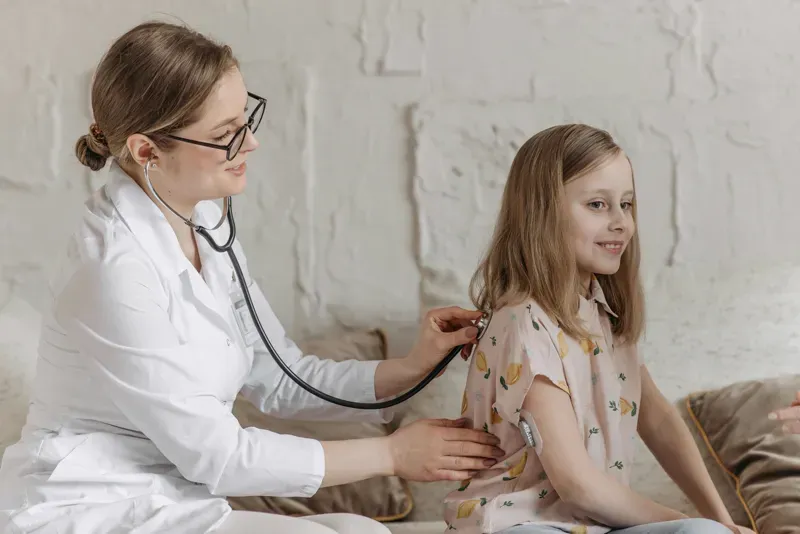
تكلفة طبيب الأطفال في دبي: تبدأ من 300 درهم (2026)
لقاحات السفر في دبي: التطعيمات المطلوبة حسب الوجهة (2026)
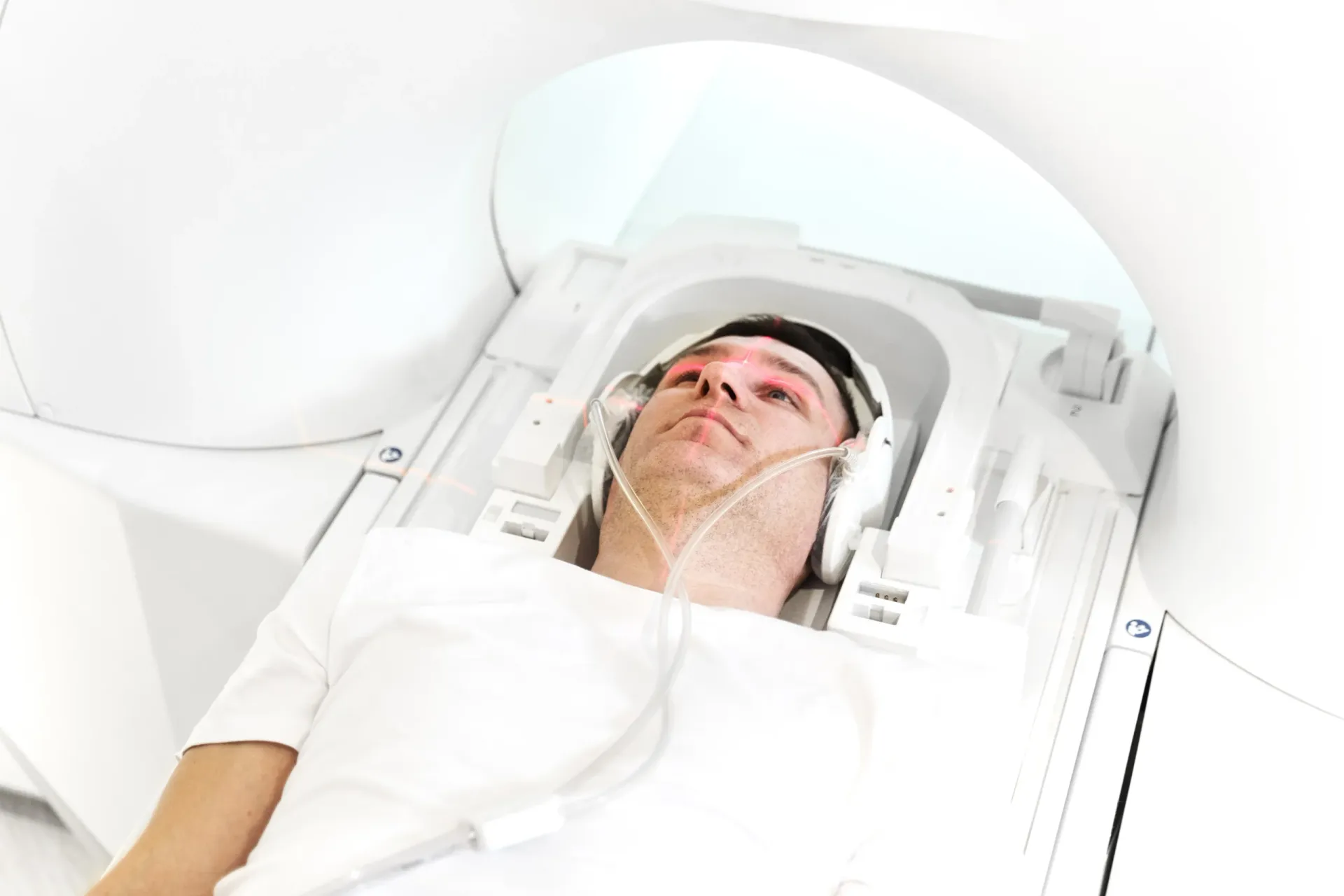
التصوير التشخيصي للأطفال: هل هو آمن؟ (2026)
نقص فيتامين D في دبي: العلامات والعلاج (2026)
المزيد في Preventive Health
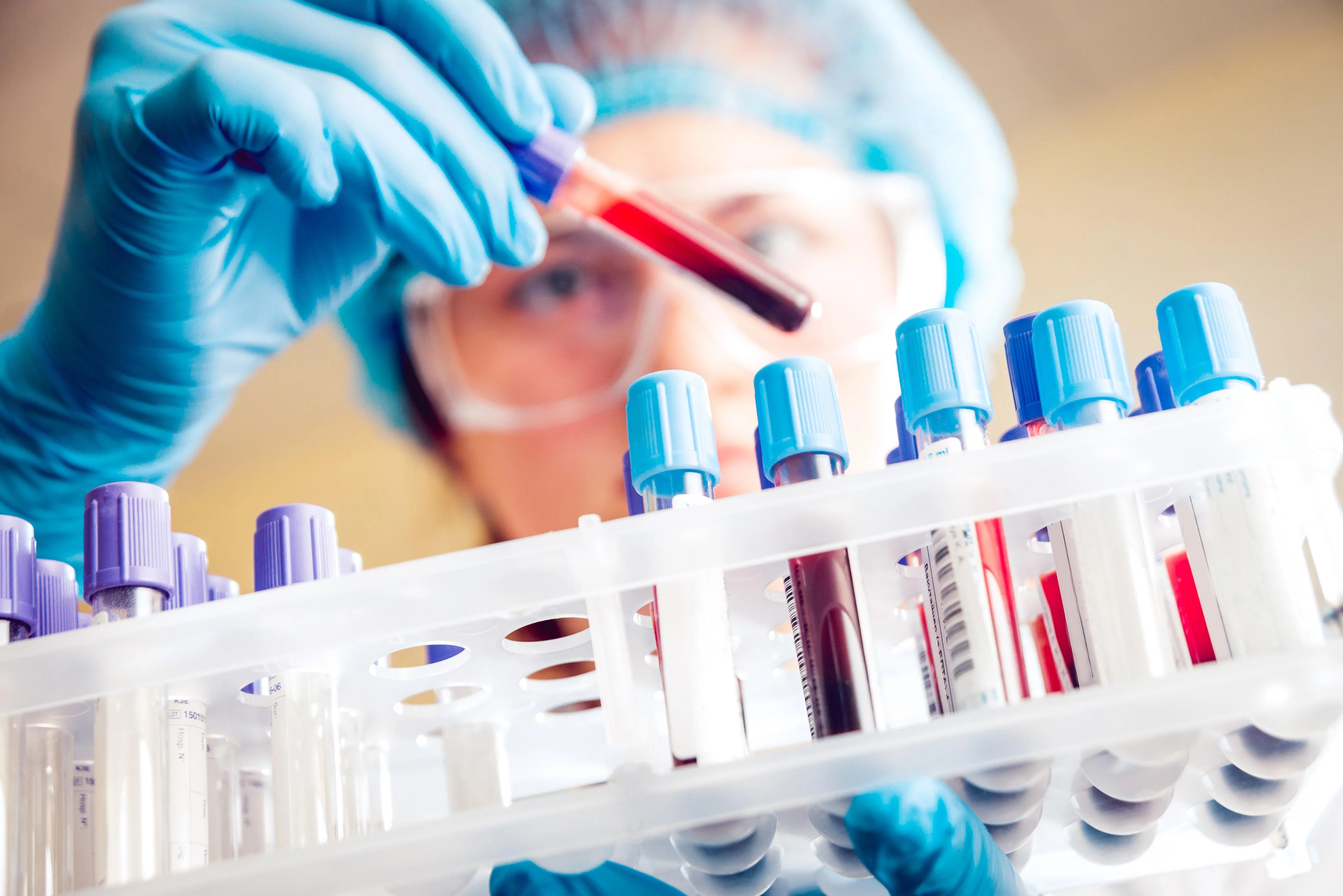
Premarital Screening Dubai: Tests & Cost (2026)
اقرأ المزيدSigns of Skin Cancer: Mole Check Guide Dubai (2026)
اقرأ المزيد
Shingles Dubai: Symptoms & Prevention (2026)
اقرأ المزيد
Flu Vaccine Cost Dubai: Guide & Prices (2026)
اقرأ المزيد
HPV Vaccine Dubai: Gardasil 9 Cost & Guide (2026)
اقرأ المزيد
Hepatitis B Test Dubai: Screening Guide (2026)
اقرأ المزيد© 2026 Doctors Clinic Diagnostic Center (DCDC), Dubai Healthcare City. Originally published at https://doctorsclinicdubai.ae/blog/child-vaccination-schedule-dubai. All rights reserved. Unauthorized reproduction is prohibited.