اہم نکات
- Lateral epicondylitis (padel elbow) is the most common padel injury, affecting up to 40% of regular players
- Ankle sprains account for roughly 25% of all padel injuries due to the sport's rapid lateral movements
- A proper 10-minute warm-up before padel reduces injury risk by 30-50% according to sports medicine research
- Most padel injuries recover with physiotherapy in 4-12 weeks; surgery is rarely needed
- Playing through pain is almost never the right choice and typically doubles recovery time
- Grip size, racket weight, and string tension directly affect elbow and wrist injury risk
- Heat and dehydration in Dubai significantly increase muscle and tendon injury risk during padel
Padel has exploded in Dubai. Courts are booked out weeks in advance, social leagues have waiting lists, and what started as a casual social sport has become intensely competitive. But with this rapid growth has come a surge in padel-related injuries, many of which could have been prevented or treated earlier. Our Sports Rehabilitation service at DCDC offers same-day appointments in Dubai Healthcare City.
This guide covers the most common injuries we see in padel players at DCDC, practical prevention strategies, realistic recovery timelines, and clear guidance on when to keep playing and when to stop. Whether you are dealing with a nagging elbow, a swollen ankle, or shoulder pain after overhead smashes, this article gives you the information you need to make good decisions about your body.
What Are the Most Common Padel Injuries?
Padel injuries fall into two categories: acute injuries from sudden movements (sprains, muscle tears) and overuse injuries from repetitive strain (tendinopathies, stress reactions). Most padel players we treat at our sports rehabilitation clinic present with overuse injuries that developed gradually over weeks or months.
| Injury | Body Area | Cause | Treatment Approach | Recovery Time |
|---|---|---|---|---|
| Lateral epicondylitis (padel elbow) | Elbow | Repetitive backhand, vibration, grip issues | Physio, eccentric exercises, PRP if chronic | 6-12 weeks |
| Ankle sprain (Grade 1-2) | Ankle | Lateral movement, sudden direction change | POLICE protocol, physio, proprioception training | 2-6 weeks |
| Rotator cuff strain | Shoulder | Overhead smashes, serving | Rotator cuff strengthening, manual therapy | 4-8 weeks |
| Knee ligament sprain | Knee | Pivoting, lunging, sudden stops | Bracing, physio, possible MRI for severe cases | 4-12 weeks |
| Wrist tendinopathy | Wrist | Repetitive gripping, off-centre hits | Splinting, eccentric exercises, load management | 4-8 weeks |
| Calf strain | Lower leg | Explosive push-off, lunging | Progressive loading, stretching programme | 2-6 weeks |
| Achilles tendinopathy | Ankle/heel | Repeated jumping and lunging | Eccentric heel drops, load management | 8-16 weeks |
| Lower back pain | Spine | Rotation with extension during smashes | Core stability, movement correction | 2-8 weeks |
Common padel injuries, causes, treatment approaches, and typical recovery timelines
How Do You Treat Padel Elbow (Lateral Epicondylitis)?
Padel elbow is functionally identical to tennis elbow. It causes pain on the outside of the elbow that worsens with gripping, twisting motions, and backhand shots. The tendons that extend your wrist become overloaded, leading to micro-tears and chronic inflammation. Without treatment, this injury can persist for months or even years.
- Phase 1 (weeks 1-2): Pain management with ice, anti-inflammatory measures, and activity modification. A counterforce brace can reduce tendon load during daily activities
- Phase 2 (weeks 2-6): Eccentric wrist extension exercises, which are the gold standard for tendon rehabilitation. Progressive grip strengthening with therapeutic putty or hand grippers
- Phase 3 (weeks 6-10): Sport-specific rehabilitation including modified padel drills. Technique review with focus on grip size, racket weight, and stroke mechanics
- Phase 4 (weeks 10-12): Gradual return to competitive play with ongoing maintenance exercises
For cases that do not respond to 8-12 weeks of physiotherapy, PRP (platelet-rich plasma) injections have shown promising results. A systematic review in the American Journal of Sports Medicine found PRP superior to corticosteroid injection for long-term tennis elbow outcomes.
What Is the Best Warm-Up Routine Before Padel?
A targeted warm-up is the single most effective injury prevention strategy for padel. Research on racket sports shows that dynamic warm-ups reduce injury incidence by 30-50%. The following 10-minute routine addresses the specific demands of padel and should be performed before every session. For related information, see our guide on ACL Injury Recovery: Rehabilitation Guide.
- 2 minutes: Light jogging with lateral shuffles and backward running to raise core temperature
- 2 minutes: Dynamic stretching including arm circles, leg swings (front-to-back and side-to-side), trunk rotations, and walking lunges
- 2 minutes: Shoulder activation with resistance band external rotations, pull-aparts, and scapular wall slides
- 2 minutes: Wrist and forearm prep including wrist circles, forearm stretches, and light gripping with a stress ball
- 2 minutes: Sport-specific movements with gentle practice swings, easy volleys, and progressive intensity rally before playing points
When Should You Play Through Pain and When Should You Stop?
This is the question every padel player asks. The answer depends on the type and severity of pain. Playing through the wrong type of pain is the fastest way to turn a two-week problem into a three-month injury. Here is a practical framework our physiotherapists use with patients.
| Scenario | Decision | Why |
|---|---|---|
| Mild muscle soreness that eases during warm-up | Safe to play | Normal delayed-onset muscle soreness (DOMS) |
| Stiffness that disappears within 10 minutes of movement | Safe to play with proper warm-up | Likely joint stiffness, not injury |
| Pain that increases as you play | Stop immediately | Tissue is being further damaged |
| Sharp pain with specific movements | Stop and seek assessment | Possible structural injury |
| Swelling in any joint | Do not play until assessed | Swelling indicates tissue damage or inflammation |
| Pain that is present the morning after playing | Reduce load, consider assessment | Overload beyond recovery capacity |
Decision framework for playing through pain during padel
How Does Equipment Affect Padel Injury Risk?
Your racket setup directly affects injury risk. Equipment choices are often overlooked as a cause of chronic pain, particularly in the elbow, wrist, and shoulder. Small adjustments can make a significant difference, especially for players dealing with recurring issues.
- Grip size: A grip that is too small forces you to squeeze harder, overloading forearm tendons. Measure your grip: the gap between your fingertips and palm should fit one finger width
- Racket weight: Heavier rackets reduce vibration but require more shoulder and elbow strength. If you have elbow or shoulder issues, consider a lighter racket (350-370g)
- Balance point: Head-heavy rackets generate more power but transfer more force to the arm. A more balanced or head-light racket reduces strain
- Overgrip: A fresh overgrip provides better absorption and reduces the need to grip tightly. Replace it every 3-5 sessions
- Shoes: Padel-specific shoes with lateral support and non-marking soles are essential. Running shoes lack the sidewall support needed for lateral movement
Padel Injury Not Getting Better?
If your padel injury has lasted more than 2 weeks or keeps coming back, book a physiotherapy assessment at DCDC Dubai Healthcare City. We treat padel injuries every day and can get you back on court safely.
How Can You Prevent Padel Injuries in Dubai's Heat?
Dubai's climate adds a layer of risk that many players underestimate. Dehydration reduces muscle elasticity and reaction time, while heat increases fatigue and impairs coordination. These factors are especially relevant for outdoor padel courts and early-evening sessions when temperatures remain high. You may also find our Tennis Elbow: Why Rest Alone Won't Fix It helpful.
- Hydrate with 500ml of water 2 hours before playing, and sip 200ml every 20 minutes during play
- Avoid playing during peak heat (11am-4pm) from May to September
- Add electrolytes to your water during summer sessions lasting over 60 minutes
- Limit match duration to 60-90 minutes during hot months instead of extended sessions
- Strength train 2-3 times per week focusing on shoulders, forearms, and lower body to build resilience
- Schedule rest days between sessions: playing 5+ times per week without adequate conditioning is a recipe for overuse injury
DCDC میں متعلقہ خدمات
دبئی ہیلتھ کیئر سٹی میں ماہرانہ دیکھ بھال اور جدید تشخیص
Frequently Asked Questions
Staying on Court: The Smart Approach to Padel
Padel is a fantastic sport that combines social interaction with genuine physical challenge. But the rapid movements, repetitive arm actions, and competitive intensity mean injuries are common, especially for players who jump in without conditioning or ignore early warning signs.
The most important takeaway is this: early treatment and proper rehabilitation consistently lead to faster recovery and lower re-injury rates. If something hurts, address it now rather than hoping it will resolve on its own. Your future padel performance depends on the decisions you make today.
ذرائع اور حوالہ جات
یہ مضمون ہماری طبی ٹیم نے جائزہ لیا ہے اور درج ذیل ذرائع کا حوالہ دیتا ہے:
- American Journal of Sports Medicine - PRP vs corticosteroid for lateral epicondylitis
- British Journal of Sports Medicine - Racket sports injury epidemiology
- International Padel Federation - Injury surveillance data
- Dubai Health Authority - Sports medicine practice standards
- Journal of Orthopaedic & Sports Physical Therapy - Eccentric exercise for tendinopathy
اس سائٹ پر طبی مواد کا جائزہ DHA لائسنس یافتہ ڈاکٹرز نے لیا ہے۔ ہماری دیکھیں تحریری پالیسی مزید معلومات کے لیے۔

تحریر
Dr. Hadi Komshi
Specialist Internal Medicine
MD, DHA-Licensed
Dr. Hadi Komshi is a DHA-licensed Internal Medicine Specialist at Doctors Clinic Diagnostic Center in Dubai Healthcare City, with extensive experience in managing acute and chronic medical conditions including musculoskeletal pain and rehabilitation.
Related Articles
Complete Guide to Physiotherapy in Dubai: Types, Costs & What to Expect

Sports Physiotherapy in Dubai: Complete Guide
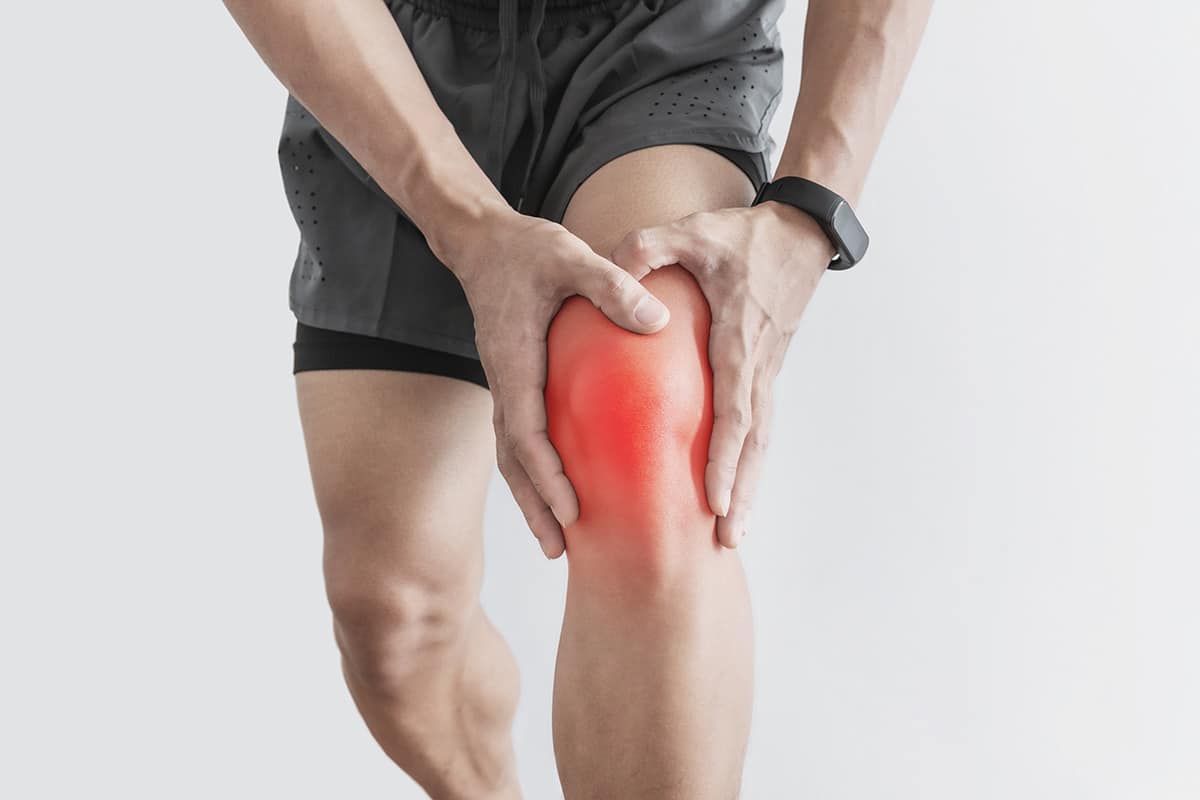
ACL Injury Recovery: Complete Rehabilitation Guide
Tennis Elbow: Why Rest Alone Won't Fix It
More in Physiotherapy
Physiotherapy Packages Dubai: Save 20%+ (2026)
مزید پڑھیں
Shoulder Pain Dubai: 7 Causes & When to Worry (2026)
مزید پڑھیں
PRP vs Cortisone Dubai: Which Injection? (2026)
مزید پڑھیں
PRP Injection for Joints Dubai: From AED 1,500 (2026)
مزید پڑھیںPhysiotherapy Cost Dubai: AED 250–500/Session (2026)
مزید پڑھیںPhysiotherapy Dubai: Types, Cost & Guide (2026)
مزید پڑھیں© 2026 Doctors Clinic Diagnostic Center (DCDC), Dubai Healthcare City. Originally published at https://doctorsclinicdubai.ae/blog/padel-injuries-dubai-treatment. All rights reserved. Unauthorized reproduction is prohibited.