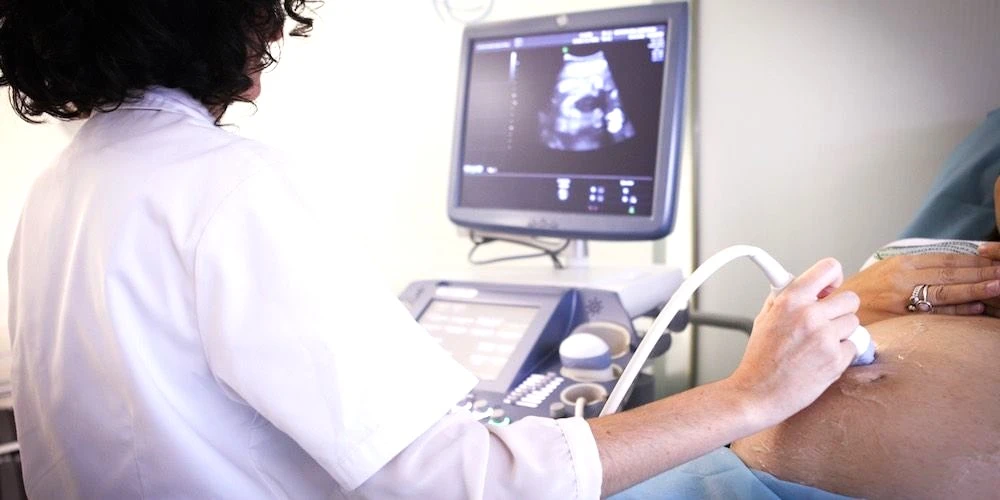
اہم نکات
- NIPT، NT سکین، ایمنیوسینٹیسس اور CVS مختلف مقاصد کی تکمیل کرتے ہیں — NIPT اور NT سکین سکریننگ ٹیسٹ ہیں جو خطرے کا اندازہ لگاتے ہیں، جبکہ ایمنیوسینٹیسس اور CVS تشخیصی ٹیسٹ ہیں جو حتمی جوابات دیتے ہیں
- NIPT کی تمام غیر جراحی سکریننگ ٹیسٹوں میں سب سے زیادہ شناخت کی شرح ہے (ڈاؤن سنڈروم کے لیے 99.5%) لیکن جب حتمی کروموسومل تشخیص کی ضرورت ہو تو یہ ایمنیوسینٹیسس کی جگہ نہیں لے سکتا
- عام قبل از پیدائش ٹیسٹنگ راستہ: NT سکین + خون کے ٹیسٹ (ہفتے 11-13) پھر NIPT اگر چاہیں (ہفتے 10 سے) پھر ایمنیوسینٹیسس یا CVS صرف اگر سکریننگ زیادہ خطرہ ظاہر کرے
- ایمنیوسینٹیسس میں 0.1-0.3% اسقاط حمل کا خطرہ ہے لیکن 100% حتمی کروموسومل تشخیص فراہم کرتا ہے
- دبئی میں لاگت کا موازنہ: NT سکین (AED 400-800)، بنیادی NIPT (AED 999-1,500)، ایڈوانسڈ NIPT (AED 2,500-4,500)، ایمنیوسینٹیسس (AED 3,000-6,000)
قبل از پیدائش ٹیسٹنگ کو سمجھنا مشکل لگ سکتا ہے۔ NIPT، NT سکین، ایمنیوسینٹیسس، CVS، ڈبل مارکر ٹیسٹ — ہر ایک کا مختلف مقصد، مختلف درستگی، مختلف وقت اور مختلف خطرات ہیں۔ یہ سمجھنا کہ کون سا ٹیسٹ کیا کرتا ہے، اور کون سا مجموعہ آپ کے حمل کے لیے صحیح ہے، باخبر فیصلے کرنے کی کلید ہے۔ یہ رہنما ہر اہم قبل از پیدائش سکریننگ اور تشخیصی ٹیسٹ کا براہ راست موازنہ کرتا ہے۔
ہر ٹیسٹ کب دستیاب ہے، یہ کیا پتا لگا سکتا ہے، کتنا درست ہے، خطرات، دبئی میں لاگت، اور — سب سے اہم — آپ کی مخصوص صورتحال کی بنیاد پر ایک عملی فیصلے کا رہنما۔ ہماری کنسلٹنٹ ماہر امراض نسواں ڈاکٹر ماریا رامیریز نے جائزہ لیا۔
Health Screening Packages
Save with our bundled screening packages — specialist consultation included


قبل از پیدائش ٹیسٹنگ کا سفر: ایک ٹائم لائن
قبل از پیدائش ٹیسٹ حمل کے مختلف مراحل میں دستیاب ہیں۔ ٹائم لائن کو سمجھنا آپ کو منصوبہ بندی میں مدد کرتا ہے۔
| ہفتہ | دستیاب ٹیسٹ | قسم |
|---|---|---|
| ہفتہ 10+ | NIPT (خون نکالنا) | سکریننگ |
| ہفتے 11-13+6 | NT سکین + ڈبل مارکر بلڈ ٹیسٹ (مشترکہ پہلے سہ ماہی سکریننگ) | سکریننگ |
| ہفتے 11-14 | CVS (کوریونک ولس سیمپلنگ) | تشخیصی |
| ہفتے 15-20 | ایمنیوسینٹیسس | تشخیصی |
| ہفتے 15-16 | کواڈروپل مارکر بلڈ ٹیسٹ (دوسرے سہ ماہی سکریننگ) | سکریننگ |
| ہفتے 18-22 | اناٹومی سکین (تفصیلی الٹراساؤنڈ) | ساختی جائزہ |
سکریننگ ٹیسٹ خطرے کا اندازہ لگاتے ہیں۔ تشخیصی ٹیسٹ حتمی جوابات فراہم کرتے ہیں۔
زیادہ تر حملوں کے لیے عام راستہ: مشترکہ پہلے سہ ماہی سکریننگ (NT سکین + خون) بنیاد کے طور پر، NIPT زیادہ درست کروموسومل سکریننگ کے لیے اگر چاہیں، اور ایمنیوسینٹیسس یا CVS صرف اگر سکریننگ نتائج زیادہ خطرہ ظاہر کریں۔
مشترکہ پہلے سہ ماہی سکریننگ (NT سکین + خون)
NT سکین کیا ہے؟
نیوکل ٹرانسلوسنسی (NT) سکین ہفتے 11 اور 13+6 کے درمیان کیا جانے والا الٹراساؤنڈ ہے۔ یہ آپ کے بچے کی گردن کے پیچھے سیال سے بھری جگہ کو ماپتا ہے۔ بڑھی ہوئی پیمائش (عام طور پر 3.0-3.5 ملی میٹر سے اوپر) کروموسومل حالات اور کچھ دل کے نقائص کے زیادہ خطرے سے وابستہ ہے۔
ڈبل مارکر بلڈ ٹیسٹ (PAPP-A + فری بیٹا-hCG)
پہلے سہ ماہی سکریننگ کا خون کا حصہ دو ہارمونز ماپتا ہے: PAPP-A اور فری بیٹا-hCG۔ ان ہارمونز کی غیر معمولی سطحیں NT پیمائش اور آپ کی عمر کے ساتھ مل کر ڈاؤن سنڈروم، ایڈورڈز سنڈروم اور پاٹو سنڈروم کا خطرے کا سکور بناتی ہیں۔
مشترکہ سکریننگ کی درستگی
جب NT سکین اور خون کے مارکرز ماں کی عمر کے ساتھ ملائے جائیں تو ڈاؤن سنڈروم کی شناخت کی شرح تقریباً 85-90% ہے جس میں ~5% غلط مثبت کی شرح ہے۔ یہ NIPT (99.5% شناخت، <0.1% غلط مثبت) سے نمایاں طور پر کم درست ہے۔
NIPT پر NT سکین کی اہم فوقیت: NT سکین آپ کے بچے کی اناٹومی کا براہ راست نظارہ فراہم کرتا ہے۔ یہ ساختی خرابیاں — خاص طور پر بڑے دل کے نقائص — پتا لگا سکتا ہے جو NIPT نہیں کر سکتا۔
NIPT (غیر جراحی قبل از پیدائش ٹیسٹنگ)
NIPT ماں کے خون سے سیل فری فیٹل DNA کا تجزیہ کرتا ہے۔ یہ کروموسومل حالات کے لیے سب سے درست غیر جراحی سکریننگ ٹیسٹ ہے۔ مکمل جائزے کے لیے ہمارا دبئی میں NIPT ٹیسٹ رہنما پڑھیں۔
NIPT کب بہتر انتخاب ہے
- جب آپ سب سے درست غیر جراحی کروموسومل سکریننگ چاہتے ہیں
- جب مشترکہ سکریننگ بارڈرلائن یا درمیانے خطرے کا نتیجہ دے
- جب آپ مشترکہ سکریننگ کی زیادہ غلط مثبت شرح سے بچنا چاہتے ہیں
- جب جلد جنس کی شناخت (ہفتے 10 سے) آپ کے لیے اہم ہو
- کسی بھی حمل کے لیے فرسٹ لائن سکریننگ ٹیسٹ کے طور پر (ACOG 2020 سفارش)
NIPT کب کافی نہیں
- جب حتمی تشخیص کی ضرورت ہو — NIPT سکریننگ ہے، تشخیصی نہیں
- جب NIPT زیادہ خطرے کا نتیجہ دے — تصدیق کے لیے ایمنیوسینٹیسس یا CVS ضروری ہے
- جب مخصوص سنگل جین حالات (سسٹک فائبروسس، سکل سیل) کا ٹیسٹ کرنا ہو جو NIPT نہیں پتا لگاتا
- جب غیر معمولی الٹراساؤنڈ نتائج ایسی حالات تجویز کریں جو NIPT کی سکریننگ سے آگے ہیں
- جب تمام کروموسومل خرابیوں کی جانچ کرنی ہو — NIPT صرف مخصوص ٹرائیسومی اور جنسی کروموسوم کور کرتا ہے
اپنے قبل از پیدائش ٹیسٹنگ اختیارات پر بات کریں
ہمارے ماہر امراض نسواں آپ کی عمر، تاریخ اور ترجیحات کی بنیاد پر فیصلہ کرنے میں مدد کریں گے۔ DCDC دبئی ہیلتھ کیئر سٹی میں قبل از پیدائش مشاورت بک کریں۔
ایمنیوسینٹیسس
ایمنیوسینٹیسس کیا ہے؟
ایمنیوسینٹیسس ایک تشخیصی طریقہ کار ہے جو ہفتے 15 سے آگے کیا جاتا ہے۔ مسلسل الٹراساؤنڈ رہنمائی میں ایک پتلی سوئی ماں کے پیٹ سے ایمنیوٹک تھیلی میں داخل کی جاتی ہے تاکہ ایمنیوٹک سیال کا چھوٹا نمونہ نکالا جا سکے۔ یہ حتمی تشخیص فراہم کرتا ہے۔
طریقہ کار قدم بہ قدم
- الٹراساؤنڈ میپنگ: آپ کا ڈاکٹر الٹراساؤنڈ سے بچے، نال اور ایمنیوٹک سیال کی محفوظ جیب کا پتا لگاتا ہے
- سوئی کا داخل ہونا: پیٹ سے ایمنیوٹک تھیلی میں پتلی سوئی داخل کی جاتی ہے — ریئل ٹائم الٹراساؤنڈ سے رہنمائی
- سیال نکالنا: تقریباً 15-20 ملی لیٹر ایمنیوٹک سیال نکالا جاتا ہے (آپ کا جسم اسے 24 گھنٹے میں بدل دیتا ہے)
- صحت یابی: آپ 15-30 منٹ آرام کرتی ہیں۔ زیادہ تر خواتین کو ماہواری جیسے ہلکے درد محسوس ہوتے ہیں
- کل وقت: سوئی والا حصہ تقریباً 1-2 منٹ لیتا ہے۔ پوری وزٹ تقریباً 30-45 منٹ
ایمنیوسینٹیسس کے خطرات
ایمنیوسینٹیسس کا بنیادی خطرہ اسقاط حمل ہے جو تقریباً 0.1-0.3% طریقہ کاروں میں ہوتا ہے۔
آپ کو ایمنیوسینٹیسس کب چاہیے
- زیادہ خطرے والا NIPT نتیجہ — سکریننگ نتیجے کی تصدیق یا تردید کے لیے
- غیر معمولی الٹراساؤنڈ نتائج
- حتمی تشخیص کی ضرورت
- مخصوص جینیاتی حالات کے لیے ٹیسٹنگ (سسٹک فائبروسس، سکل سیل وغیرہ)
- پچھلا بچہ کروموسومل حالت کے ساتھ
- دونوں والدین کسی مخصوص جینیاتی حالت کے حامل
CVS (کوریونک ولس سیمپلنگ)
CVS کیا ہے؟
CVS ایمنیوسینٹیسس جیسا تشخیصی طریقہ کار ہے لیکن پہلے کیا جاتا ہے — ہفتے 11 سے 14 کے درمیان۔
CVS بمقابلہ ایمنیوسینٹیسس
| عامل | CVS | ایمنیوسینٹیسس |
|---|---|---|
| وقت | ہفتے 11-14 | ہفتے 15-20 |
| جمع کردہ نمونہ | نال کا ٹشو (کوریونک ولائی) | ایمنیوٹک سیال (جنینی خلیات) |
| طریقہ | گریوا یا پیٹ سے | پیٹ سے |
| اسقاط حمل کا خطرہ | 0.2-0.5% | 0.1-0.3% |
| نتائج کا وقت | 1-2 ہفتے (ابتدائی 2-3 دن میں) | 2-3 ہفتے (ابتدائی 2-3 دن میں) |
| تشخیصی درستگی | ~99% (چھوٹا CPM خطرہ) | ~100% |
| بہترین | جلد حتمی تشخیص کے لیے (پہلا سہ ماہی) | معیاری حتمی تشخیص (دوسرا سہ ماہی) |
CVS جلد نتائج دیتا ہے لیکن قدرے زیادہ خطرہ رکھتا ہے۔ ایمنیوسینٹیسس حتمی تشخیص کا سنہری معیار ہے۔
براہ راست موازنہ: تمام قبل از پیدائش ٹیسٹ
| خصوصیت | NT سکین + خون | NIPT بنیادی | NIPT ایڈوانسڈ | CVS | ایمنیوسینٹیسس |
|---|---|---|---|---|---|
| قسم | سکریننگ | سکریننگ | سکریننگ | تشخیصی | تشخیصی |
| وقت | ہفتے 11-13+6 | ہفتہ 10+ | ہفتہ 10+ | ہفتے 11-14 | ہفتے 15-20 |
| ڈاؤن سنڈروم درستگی | 85-90% | 99.5% | 99.5% | ~99% | ~100% |
| غلط مثبت شرح | ~5% | <0.1% | <0.1% | 0% (حتمی) | 0% (حتمی) |
| اسقاط حمل کا خطرہ | 0% | 0% | 0% | 0.2-0.5% | 0.1-0.3% |
| جنس کی شناخت | نہیں | ہاں (>99%) | ہاں (>99%) | ہاں (حتمی) | ہاں (حتمی) |
| ساختی نقائص پتا لگاتا ہے | ہاں (کچھ) | نہیں | نہیں | نہیں | نہیں |
| مائیکروڈیلیشن سکریننگ | نہیں | نہیں | ہاں | درخواست پر ٹیسٹ | درخواست پر ٹیسٹ |
| نتائج کا وقت | NT اسی دن، خون 1 ہفتہ | 5-10 کاروباری دن | 5-10 کاروباری دن | 1-2 ہفتے | 2-3 ہفتے |
| دبئی میں لاگت (AED) | 400-800 | 999-1,500 | 2,500-4,500 | 3,000-5,000 | 3,000-6,000 |
دبئی میں دستیاب تمام اہم قبل از پیدائش سکریننگ اور تشخیصی ٹیسٹوں کا جامع موازنہ۔
کون سا ٹیسٹ چنیں؟ فیصلے کا رہنما
قبل از پیدائش ٹیسٹوں کا "صحیح" مجموعہ آپ کی عمر، خطرے کے عوامل، پچھلے حمل کی تاریخ اور ذاتی ترجیحات پر منحصر ہے۔
منظرنامہ 1: کم خطرے والا حمل، اطمینان چاہیے
تجویز کردہ: NIPT (± NT سکین)۔ NIPT صفر خطرے کے ساتھ اعلیٰ ترین درستگی فراہم کرتا ہے۔
منظرنامہ 2: غیر معمولی NT سکین نتیجہ
تجویز کردہ: NIPT یا ایمنیوسینٹیسس/CVS۔
منظرنامہ 3: زیادہ خطرے والا NIPT نتیجہ
تجویز کردہ: ایمنیوسینٹیسس۔ زیادہ خطرے والے NIPT کی ہمیشہ تشخیصی ٹیسٹنگ سے تصدیق ہونی چاہیے۔ ہمارا NIPT نتائج کی وضاحت رہنما پڑھیں۔
منظرنامہ 4: کسی مخصوص جینیاتی حالت کی خاندانی تاریخ
تجویز کردہ: ایمنیوسینٹیسس یا CVS۔
منظرنامہ 5: زیادہ سے زیادہ معلومات، کم سے کم خطرہ
تجویز کردہ: NIPT + NT سکین۔
اپنی قبل از پیدائش مشاورت بک کریں
ہماری ٹیم آپ کے حمل کی بنیاد پر ذاتی ٹیسٹنگ منصوبہ بنائے گی۔ DCDC دبئی ہیلتھ کیئر سٹی میں بک کریں۔
یا اپنے قبل از پیدائش ٹیسٹنگ اختیارات پر بات کرنے کے لیے ہمیں WhatsApp کریں۔
طبی رہنما خطوط کی سفارشات
- ACOG (2020): عمر یا خطرے کی سطح سے قطع نظر تمام حاملہ خواتین کو NIPT پیش کرنے کی سفارش کرتا ہے۔
- NICE: مشترکہ پہلے سہ ماہی سکریننگ کو معیاری اور NIPT کو درمیانے یا زیادہ خطرے پر دوسری لائن ٹیسٹ کے طور پر تجویز کرتا ہے۔
- ISPD (2023): تمام حملوں کے لیے NIPT کو فرسٹ لائن سکریننگ آپشن کے طور پر تجویز کرتا ہے۔
- DHA (دبئی ہیلتھ اتھارٹی): دبئی میں معیاری قبل از پیدائش نگہداشت میں الٹراساؤنڈ اور خون کے ٹیسٹ شامل ہیں۔ NIPT اضافی اختیاری سکریننگ کے طور پر دستیاب ہے۔
دبئی میں لاگت کا موازنہ (2026)
| ٹیسٹ | لاگت کی حد (AED) | انشورنس کوریج |
|---|---|---|
| NT سکین | 400 – 800 | عام طور پر معمول کی قبل از پیدائش نگہداشت کے حصے کے طور پر کور |
| ڈبل مارکر بلڈ ٹیسٹ | 200 – 500 | عام طور پر کور |
| NIPT — بنیادی پینل | 999 – 1,500 | عام طور پر کور نہیں (جینیاتی ٹیسٹنگ کے طور پر درجہ بند) |
| NIPT — ایڈوانسڈ پینل | 2,500 – 4,500 | عام طور پر کور نہیں |
| CVS | 3,000 – 5,000 | طبی اشارے پر عام طور پر کور |
| ایمنیوسینٹیسس | 3,000 – 6,000 | طبی اشارے پر عام طور پر کور |
| جینیاتی مشاورت سیشن | 500 – 1,000 | کوریج پلان کے مطابق مختلف |
قیمتیں دبئی بھر میں تخمینی حدود ہیں۔ ہمیشہ اپنے بیمہ دہندہ سے جانچ کریں۔
کیا مجھے NIPT اور NT سکین دونوں چاہیے؟
یہ سب سے زیادہ پوچھے جانے والے سوالات میں سے ایک ہے۔ مختصر جواب: بہت سے ڈاکٹر دونوں کی سفارش کرتے ہیں، کیونکہ وہ مختلف چیزوں کی جانچ کرتے ہیں۔
| کیا پتا لگاتا ہے | NIPT | NT سکین |
|---|---|---|
| ڈاؤن سنڈروم (ٹرائیسومی 21) | ہاں — 99.5% درستگی | ہاں — 85-90% (مشترکہ سکریننگ کے حصے کے طور پر) |
| ایڈورڈز / پاٹو سنڈروم | ہاں — 98-99% | ہاں — مشترکہ سکریننگ کے حصے کے طور پر |
| بڑے دل کے نقائص | نہیں | ہاں — جلد پتا لگانا ممکن |
| دیگر ساختی خرابیاں | نہیں | ہاں — اس مرحلے میں کچھ نظر آتی ہیں |
| ناک کی ہڈی کا جائزہ | نہیں | ہاں |
| جنس | ہاں — >99% | اس مرحلے میں نہیں |
| مائیکروڈیلیشنز | صرف ایڈوانسڈ پینل | نہیں |
NIPT اور NT سکین تکمیلی ٹیسٹ ہیں، مسابقتی نہیں۔
DCDC دبئی ہیلتھ کیئر سٹی میں قبل از پیدائش ٹیسٹنگ
- NIPT — گھر پر کلیکشن کے ساتھ بنیادی اور ایڈوانسڈ پینلز دستیاب
- NT سکین اور مشترکہ پہلے سہ ماہی سکریننگ
- ایمنیوسینٹیسس ریفرل اور ہم آہنگی
- انومیلی سکین (20 ہفتے کا تفصیلی الٹراساؤنڈ)
- ڈاپلر الٹراساؤنڈ خون کے بہاؤ کے جائزے کے لیے
- 3D/4D الٹراساؤنڈ امیجنگ
- جینیاتی مشاورت ہم آہنگی
- جامع قبل از پیدائش نگہداشت پیکجز
DCDC میں اپنی قبل از پیدائش ٹیسٹنگ کی منصوبہ بندی کریں
ہماری ٹیم ہر ٹیسٹنگ آپشن میں آپ کی رہنمائی کرے گی۔ اپنی قبل از پیدائش مشاورت آج بک کریں۔
NIPT، NT سکین اور تمام قبل از پیدائش سکریننگ خدمات DCDC دبئی ہیلتھ کیئر سٹی میں دستیاب۔
DCDC میں متعلقہ خدمات
دبئی ہیلتھ کیئر سٹی میں ماہرانہ دیکھ بھال اور جدید تشخیص
Frequently Asked Questions
حتمی خیالات
قبل از پیدائش ٹیسٹنگ ایک سائز سب کے لیے نہیں ہے۔ NIPT، NT سکین، ایمنیوسینٹیسس اور CVS ہر ایک آپ کے حمل کے سفر میں ایک مخصوص مقصد پورا کرتا ہے۔
زیادہ تر حملوں کے لیے، NIPT + NT سکین کا مجموعہ صفر جراحی خطرے کے ساتھ بہترین کروموسومل اور اناٹومیکل سکریننگ فراہم کرتا ہے۔ ایمنیوسینٹیسس اور CVS ان حالات کے لیے مخصوص ہیں جہاں حتمی تشخیص کی ضرورت ہو۔
ڈاکٹرز کلینک ڈائیگناسٹک سینٹر دبئی ہیلتھ کیئر سٹی میں، ہمارے ماہرین ہر آپشن میں آپ کی رہنمائی کریں گے۔ ہم NIPT، NT سکین، مشترکہ سکریننگ اور ایمنیوسینٹیسس ریفرل فراہم کرتے ہیں — سب جامع قبل از پیدائش نگہداشت میں مربوط۔
ذرائع اور حوالہ جات
یہ مضمون ہماری طبی ٹیم نے جائزہ لیا ہے اور درج ذیل ذرائع کا حوالہ دیتا ہے:
- ACOG پریکٹس بلیٹن 226 — جنینی کروموسومل خرابیوں کی سکریننگ (2020)
- NICE رہنما خطوط — قبل از پیدائش نگہداشت: جنینی حالات کے لیے سکریننگ ٹیسٹ
- International Society for Prenatal Diagnosis (ISPD) — cfDNA سکریننگ پوزیشن سٹیٹمنٹ (2023)
- Cochrane ریویو — قبل از پیدائش تشخیص کے لیے ایمنیوسینٹیسس بمقابلہ CVS
- Society for Maternal-Fetal Medicine (SMFM) — قبل از پیدائش جینیاتی سکریننگ اور ٹیسٹنگ رہنما خطوط
اس سائٹ پر طبی مواد کا جائزہ DHA لائسنس یافتہ ڈاکٹرز نے لیا ہے۔ ہماری دیکھیں تحریری پالیسی مزید معلومات کے لیے۔

تحریر
Dr. Maria Ramirez
کنسلٹنٹ ماہر امراض نسواں اور زچگی
MD, OB/GYN
ڈاکٹر ماریا رامیریز DCDC دبئی ہیلتھ کیئر سٹی میں کنسلٹنٹ ماہر امراض نسواں اور زچگی ہیں، جو قبل از پیدائش نگہداشت، زیادہ خطرے والے حمل کے انتظام اور خواتین کی صحت کی سکریننگ میں مہارت رکھتی ہیں۔
متعلقہ مضامین
دبئی میں NIPT ٹیسٹ: لاگت، درستگی اور مکمل رہنما

NIPT ٹیسٹ کے نتائج کی وضاحت: زیادہ خطرہ، کم خطرہ اور غلط مثبت
حمل میں انومیلی سکین: مکمل رہنما
حمل میں ڈاپلر الٹراساؤنڈ: یہ کیا مانیٹر کرتا ہے
More in Women's Health

AMH Test Cost Dubai: Pricing Guide (2026)
مزید پڑھیں
Perimenopause vs Menopause Dubai: Signs (2026)
مزید پڑھیں
Mother & Baby Home Care Dubai: Guide (2026)
مزید پڑھیںGestational Diabetes Dubai: Screening (2026)
مزید پڑھیں
Mammogram Preparation Dubai: What to Expect (2026)
مزید پڑھیں
CA-125 Test Dubai: Ovarian Cancer Marker (2026)
مزید پڑھیں© 2026 Doctors Clinic Diagnostic Center (DCDC), Dubai Healthcare City. Originally published at https://doctorsclinicdubai.ae/blog/nipt-vs-amniocentesis-prenatal-tests. All rights reserved. Unauthorized reproduction is prohibited.