اہم نکات
- Hepatitis B screening in Dubai starts from AED 50-150 for a basic HBsAg test, with complete hepatitis B panel testing available from AED 200-500 at DCDC Dubai Healthcare City
- An estimated 70% of hepatitis B carriers in the UAE are undiagnosed because the virus often causes no symptoms for years while silently damaging the liver
- HBsAg testing is mandatory in the UAE for premarital screening, certain visa categories (domestic workers, food handlers), and all healthcare workers
- No fasting is required for hepatitis B blood tests. Walk in at DCDC with your Emirates ID or passport, and receive serological results within 24 hours
- The hepatitis B vaccine is highly effective (>95% protection) and is part of the UAE national immunisation schedule for all newborns since 1991
- Dubai's diverse expatriate population includes many individuals from high-prevalence regions (South Asia, Southeast Asia, Sub-Saharan Africa), making screening especially important
Hepatitis B is a potentially life-threatening liver infection caused by the hepatitis B virus (HBV). In the UAE, an estimated 70% of people carrying the virus are undiagnosed because hepatitis B often produces no symptoms for years -- yet it can silently progress to cirrhosis or liver cancer if left undetected. Whether you need screening for a UAE visa, premarital certificate, healthcare employment, or simply want to check your immunity status, hepatitis B testing at DCDC offers walk-in blood testing with results within 24 hours at our MOHAP-licensed laboratory in Dubai Healthcare City.
This guide covers every aspect of hepatitis B testing in Dubai: what each test measures, how to interpret your results, who needs screening, UAE-specific requirements for premarital and visa medicals, vaccination guidance, treatment options, and what to expect at DCDC. Reviewed by Dr. Hadeel Elnur, General Practitioner at DCDC Dubai Healthcare City.
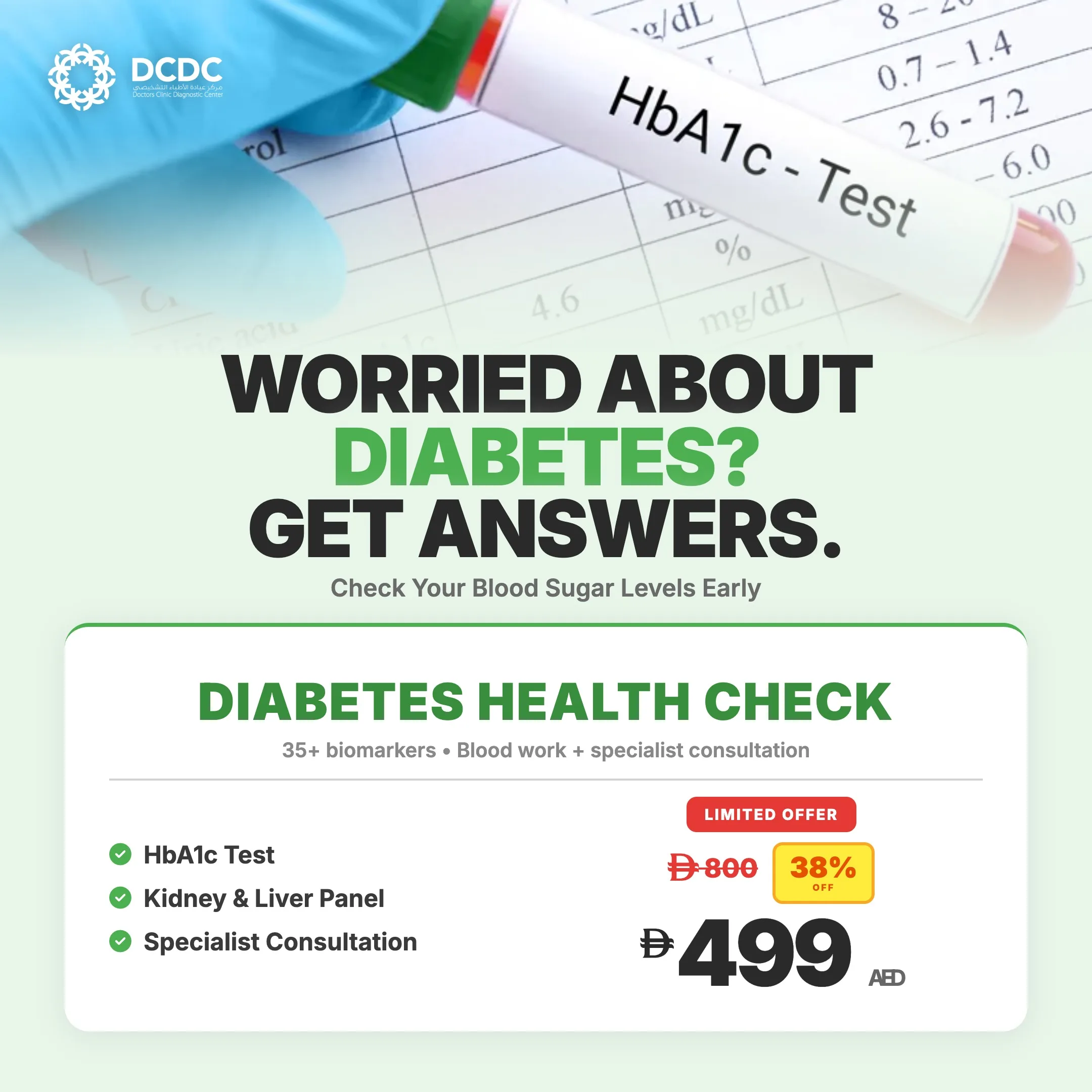
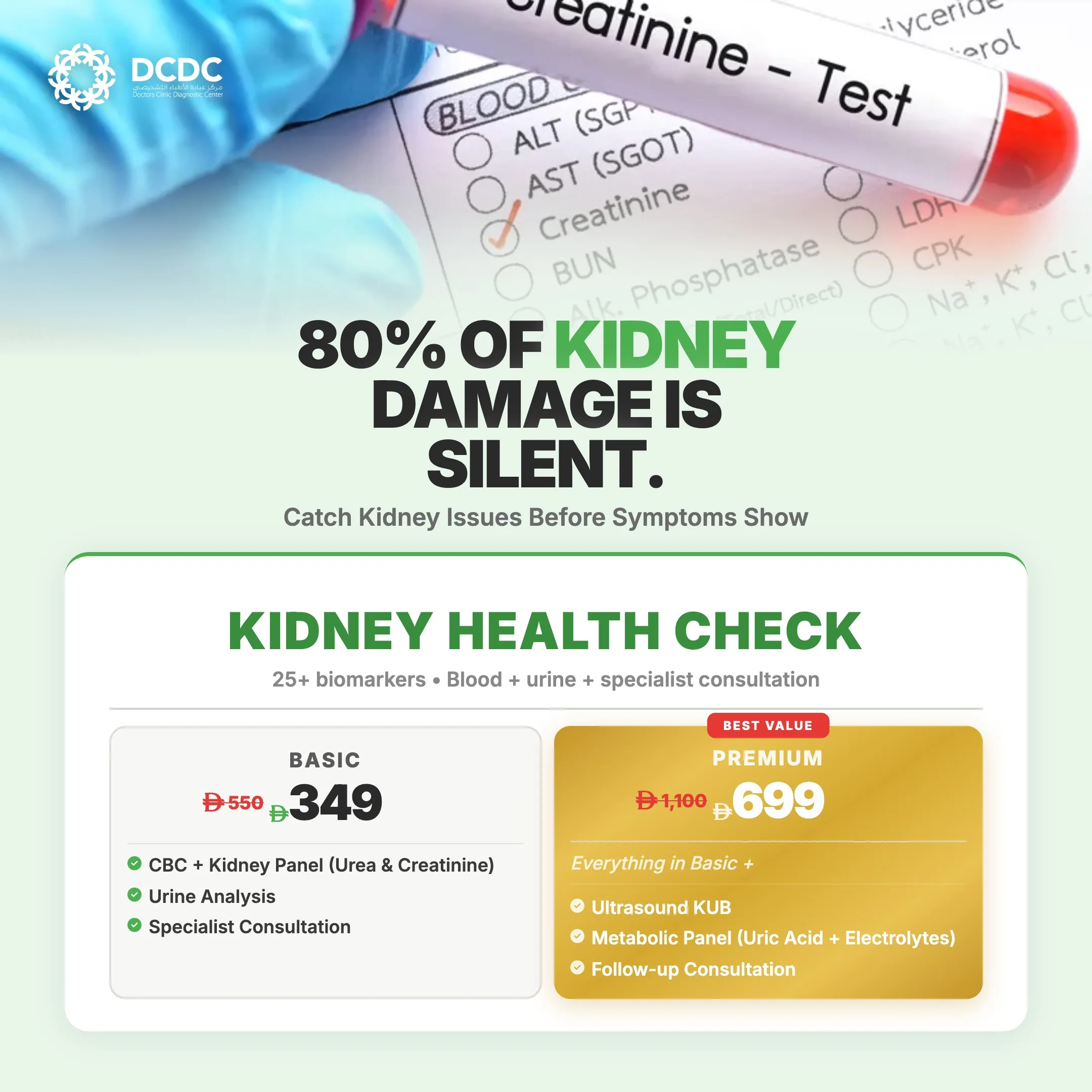
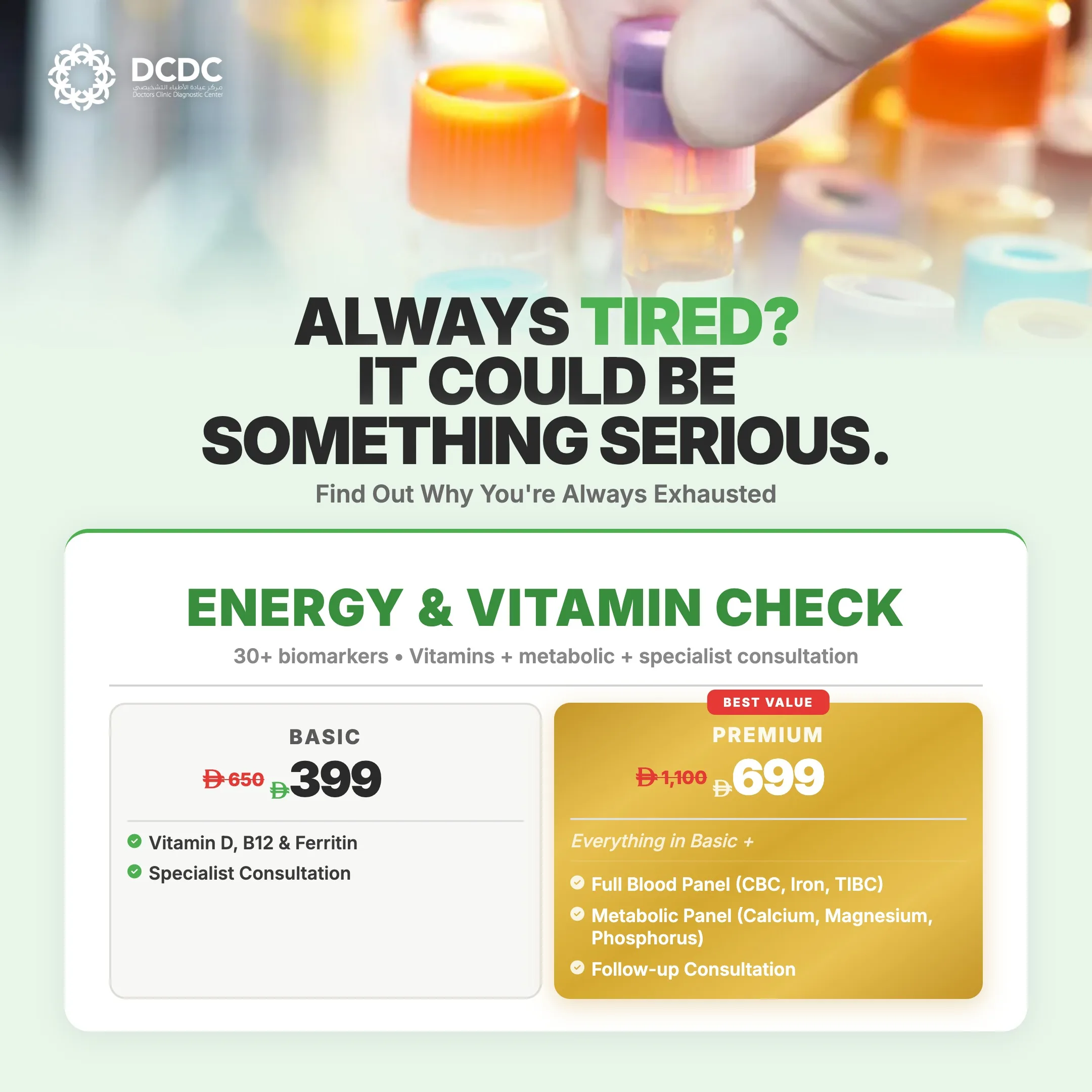
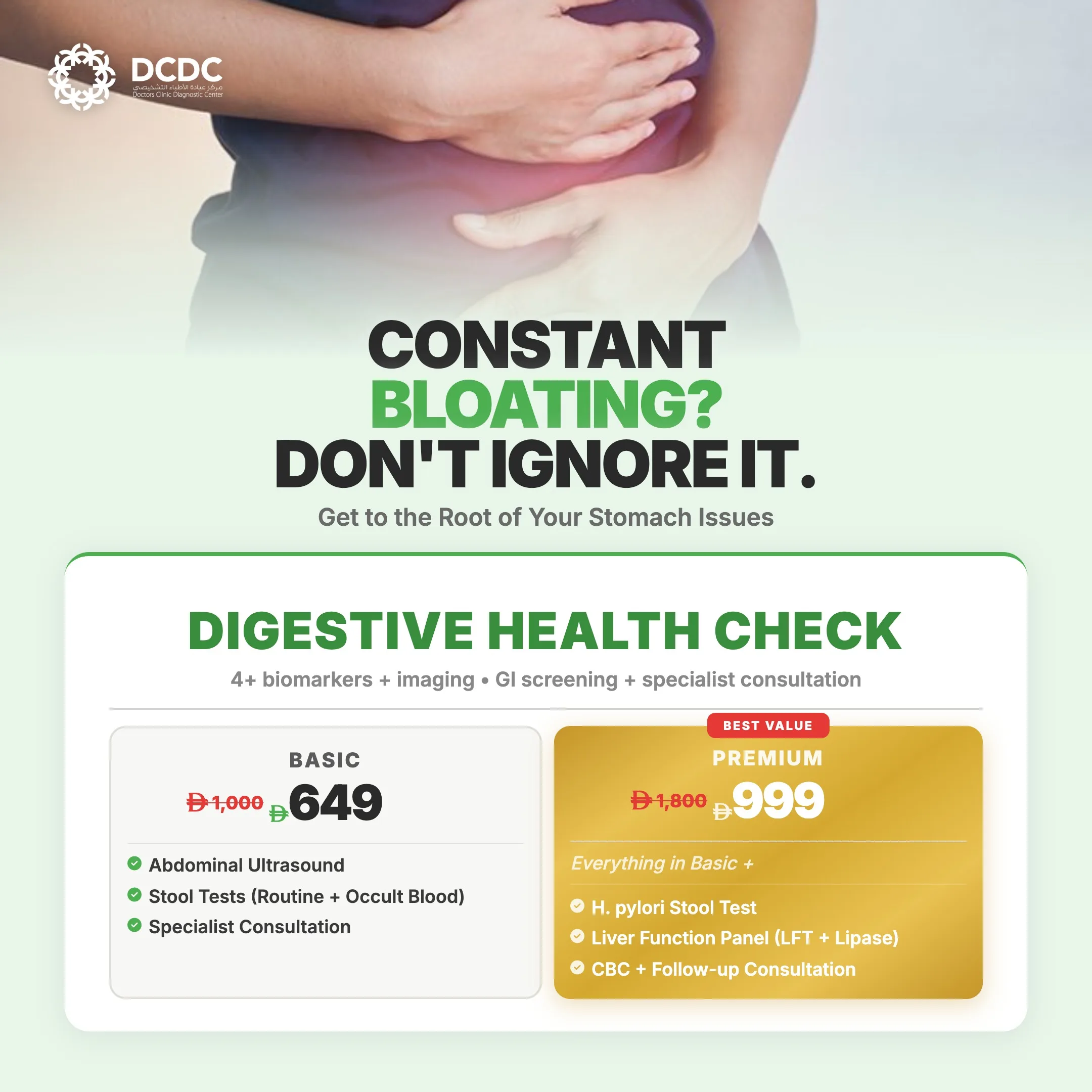
Health Screening Packages
Save with our bundled screening packages — specialist consultation included

What Is Hepatitis B?
Hepatitis B is a viral infection that attacks the liver. The hepatitis B virus (HBV) spreads through contact with infected blood, semen, or other body fluids. It is 50 to 100 times more infectious than HIV, making it one of the most significant global health threats. The World Health Organization estimates that approximately 254 million people worldwide live with chronic hepatitis B infection, and about 1.2 million new infections occur every year.
Hepatitis B can manifest in two forms: acute and chronic. Acute hepatitis B is a short-term illness that occurs within the first six months after exposure. Most healthy adults who contract hepatitis B recover fully within a few months and develop lifelong immunity. However, the risk of chronic infection depends heavily on age at infection -- over 90% of infected infants develop chronic hepatitis B, compared to less than 5% of adults. Chronic hepatitis B is a long-term condition where the virus persists in the body for more than six months, potentially causing progressive liver damage.
How Hepatitis B Spreads
- Mother-to-child transmission (perinatal): The most common route globally, occurring during childbirth when the mother is HBsAg-positive
- Blood-to-blood contact: Sharing needles, razors, toothbrushes, or exposure to infected blood through open wounds
- Sexual transmission: Unprotected sexual contact with an infected person
- Contaminated medical equipment: Unsterilised needles, syringes, or surgical instruments
- Occupational exposure: Healthcare workers exposed to blood or body fluids through needlestick injuries
Hepatitis B does not spread through casual contact such as hugging, sharing food or utensils, breastfeeding, sneezing, coughing, or mosquito bites. Understanding these transmission routes is essential for both prevention and reducing the stigma that still surrounds hepatitis B in many communities.
Why Hepatitis B Screening Matters in Dubai
Dubai's position as a global hub with residents from over 200 nationalities makes hepatitis B screening particularly important. The UAE's national HBV prevalence is estimated at 0.8-1.5%, placing it in the low-to-intermediate endemicity category. However, this national figure masks significant variation among different population groups.
Expatriates from high-prevalence regions -- including South Asia (2-4% prevalence), Southeast Asia (5-8%), Sub-Saharan Africa (6-8%), and parts of Eastern Europe (2-5%) -- constitute a substantial portion of Dubai's population. Many of these individuals were infected during childhood before hepatitis B vaccination became widely available in their home countries. Without screening, they may unknowingly carry the virus for decades.
The consequences of undiagnosed hepatitis B are serious. Chronic HBV infection is the leading cause of liver cancer worldwide and a major cause of cirrhosis. According to WHO, hepatitis B causes approximately 1.1 million deaths annually, primarily from cirrhosis and hepatocellular carcinoma. Early detection through screening enables monitoring, timely treatment initiation, and preventive measures that can reduce these risks by over 70%.
Who Should Get Tested for Hepatitis B
The WHO 2024 updated guidelines recommend hepatitis B testing for all adults in settings with intermediate or higher prevalence. In Dubai, the following groups should prioritise screening:
- All pregnant women: HBsAg testing is recommended at the first antenatal visit to prevent mother-to-child transmission
- Couples planning marriage in the UAE: HBsAg is a mandatory component of premarital screening
- Healthcare workers: Required for all clinical staff in UAE hospitals and clinics
- Visa applicants: Required for domestic workers, food handlers, and certain other visa categories
- People born in high-prevalence regions: South/Southeast Asia, Sub-Saharan Africa, Eastern Europe, China, Middle East
- Household and sexual contacts: Of anyone known to be HBsAg-positive
- People with elevated liver enzymes: Unexplained ALT or AST elevation on routine blood tests in Dubai
- People living with HIV or hepatitis C: Co-infection screening is essential
- Individuals with a history of injecting drug use: Past or current
- Patients on immunosuppressive therapy: Risk of HBV reactivation
- People with multiple sexual partners: Or a history of sexually transmitted infections
- Anyone who has never been vaccinated: To check immunity status and determine if vaccination is needed
According to Dr. Hadeel Elnur, "Many patients are surprised to learn they carry hepatitis B without any symptoms. In Dubai's diverse population, screening is especially important for individuals from high-prevalence regions. A simple blood test can provide peace of mind and, if needed, early access to treatment that prevents liver complications."
Types of Hepatitis B Tests Explained
Hepatitis B testing involves several different blood markers, each providing distinct clinical information. Understanding which test you need depends on whether you are screening for infection, checking immunity, or monitoring chronic disease:
| Test | What It Detects | Purpose | Results Time |
|---|---|---|---|
| HBsAg (Surface Antigen) | Active infection (virus present) | Primary screening test. Positive = current infection (acute or chronic) | 24 hours |
| Anti-HBs (Surface Antibody) | Immunity to hepatitis B | Confirms immunity from vaccination or past resolved infection. Level >10 mIU/mL = immune | 24 hours |
| Anti-HBc Total (Core Antibody) | Past or present infection | Positive = past exposure to HBV. Does not develop from vaccination | 24 hours |
| Anti-HBc IgM | Recent or acute infection | Positive = acute hepatitis B or flare of chronic infection | 24 hours |
| HBeAg (e Antigen) | High viral replication | Positive = highly infectious, active viral replication | 24 hours |
| Anti-HBe (e Antibody) | Reduced viral replication | Positive = lower infectivity, possible seroconversion | 24 hours |
| HBV DNA Viral Load (PCR) | Exact amount of virus in blood | Quantifies viral replication. Essential for treatment decisions and monitoring | 48-72 hours |
Hepatitis B tests available at DCDC Dubai Healthcare City. Serological results within 24 hours; viral load (PCR) in 48-72 hours.
For basic screening, HBsAg is the first-line test. If you simply want to check whether you are infected, this single test is sufficient. For a complete picture, clinicians often order a hepatitis B panel that includes HBsAg, anti-HBs, and anti-HBc together. For patients diagnosed with chronic hepatitis B, additional markers (HBeAg, anti-HBe, HBV DNA) guide treatment decisions and ongoing monitoring. Your doctor may also order liver function tests alongside hepatitis B testing to assess any liver damage.
Understanding Your Hepatitis B Test Results
Interpreting hepatitis B serology can be confusing because multiple markers interact to tell the full story. Here are the most common result patterns and what they mean:
| HBsAg | Anti-HBs | Anti-HBc | Interpretation |
|---|---|---|---|
| Negative | Negative | Negative | Not infected. Not immune. Vaccination recommended |
| Negative | Positive | Negative | Immune due to vaccination. No further action needed |
| Negative | Positive | Positive | Immune due to past natural infection. Cleared the virus |
| Positive | Negative | Positive | Chronically infected. Needs further evaluation (HBeAg, viral load, LFT) |
| Positive | Negative | Positive (IgM) | Acutely infected. Recent infection within past 6 months |
| Negative | Negative | Positive | Several possibilities: resolved infection with waning antibodies, false positive, occult HBV. Needs further testing |
Common hepatitis B test result patterns. Always discuss your results with a doctor for personalised interpretation.
Anti-HBs levels and immunity: If you have been vaccinated and your anti-HBs level is above 10 mIU/mL, you are considered immune. Levels above 100 mIU/mL indicate strong immunity. If your anti-HBs is below 10 mIU/mL despite previous vaccination, a booster dose is recommended. Healthcare workers in the UAE are required to maintain anti-HBs levels above 10 mIU/mL.
Hepatitis B Testing for UAE Visa and Premarital Screening
In the UAE, hepatitis B testing is a regulatory requirement in several contexts. Understanding these requirements can help you prepare and ensure you have the correct documentation.
Premarital Screening (Mandatory)
The UAE requires premarital medical screening for all couples before marriage registration. HBsAg testing for hepatitis B is a mandatory component of this panel, alongside HIV testing, syphilis screening, and other tests. The purpose is to identify communicable diseases and genetic conditions before marriage. A positive HBsAg result does not prevent marriage but requires counselling and partner vaccination. Results must be from a DHA, MOHAP, or HAAD-approved facility and are valid for a limited period.
Visa Medical Examination
HBsAg testing is required for certain visa categories in the UAE, particularly for domestic workers, food handlers, nursery supervisors, salon workers, and other occupations involving close contact or food preparation. The visa medical examination is conducted at approved preventive medicine centres and typically includes HIV, hepatitis B, hepatitis C, syphilis, tuberculosis (chest X-ray), and a general fitness assessment.
Healthcare Worker Screening
All healthcare workers (HCWs) in the UAE are required to undergo hepatitis B screening upon employment and demonstrate proof of immunity. HCWs must have an anti-HBs level above 10 mIU/mL. Those who are not immune must complete the hepatitis B vaccination course and provide post-vaccination serology confirming immunity. HCWs who are HBsAg-positive may face restrictions on exposure-prone procedures depending on their viral load.
At DCDC, all hepatitis B test results are formatted to meet DHA and MOHAP documentation requirements for premarital, visa, and occupational health submissions. For more information on STD testing in Dubai, including combined hepatitis and HIV screening panels, see our dedicated guide.
Walk-In Hepatitis B Testing at DCDC Dubai
No appointment needed. Walk in at DCDC Dubai Healthcare City for HBsAg, anti-HBs, or complete hepatitis B panel testing. Results within 24 hours. Formatted for premarital, visa, and occupational health requirements. View hepatitis B test details.
Hepatitis B Test Cost in Dubai
Hepatitis B test costs in Dubai vary depending on the type of test, the facility, and whether it is part of a package. Hospital-based laboratories typically charge 2-3 times more than standalone diagnostic centres. Below is a guide to current market pricing in Dubai:
| Test | What It Includes | Dubai Cost Range (AED) |
|---|---|---|
| HBsAg Screening (Basic) | Hepatitis B surface antigen only | 50 - 150 |
| Anti-HBs (Immunity Check) | Surface antibody quantitative level | 50 - 150 |
| Complete Hepatitis B Profile | HBsAg, anti-HBs, anti-HBc, HBeAg, anti-HBe | 200 - 500 |
| HBV DNA Viral Load (PCR) | Quantitative viral load measurement | 300 - 800 |
| Hepatitis B + C Combo Screen | HBsAg + Anti-HCV | 100 - 250 |
| Premarital Screening Panel | HBsAg, HIV, syphilis, CBC, blood group, haemoglobin electrophoresis | 300 - 800 |
| Comprehensive Liver Panel | LFT + hepatitis B markers + hepatitis C | 200 - 500 |
| Hepatitis B Vaccination (3 doses) | Complete vaccination course (3 injections over 6 months) | 150 - 450 |
Hepatitis B test costs are indicative ranges for Dubai (2026). Actual pricing depends on the facility, insurance coverage, and whether tests are ordered individually or as a panel.
At DCDC, hepatitis B testing starts from AED 50 for a basic HBsAg screening. Insurance holders with direct billing (available through 20+ partner networks including Daman, AXA, and Bupa) may have these tests covered fully or with a small co-pay depending on their policy. Self-pay patients benefit from competitive MOHAP-regulated pricing with no hidden fees.
Cost-saving tips: If you need multiple tests, request a hepatitis B panel rather than ordering individual markers separately -- panels are significantly cheaper. If you also need hepatitis C or HIV screening, combination packages offer the best value. Annual health checkup packages at DCDC often include basic hepatitis B screening alongside other essential markers.
Hepatitis B Vaccination: Prevention and Immunity
The hepatitis B vaccine is one of the most effective vaccines available, providing over 95% protection against HBV infection. It was the first vaccine capable of preventing a cancer -- hepatocellular carcinoma (liver cancer) caused by chronic HBV.
UAE National Vaccination Programme
The UAE introduced universal hepatitis B vaccination for all newborns in 1991. The current schedule includes a birth dose (within 24 hours of delivery) followed by doses at 2, 4, and 6 months of age. This programme has been highly successful: hepatitis B prevalence among vaccinated age cohorts in the UAE has declined dramatically compared to older unvaccinated groups.
Who Needs Hepatitis B Vaccination in Dubai
- Unvaccinated adults: Anyone who was not vaccinated as a child and has a negative anti-HBs result
- Healthcare workers: Mandatory vaccination for all clinical staff in the UAE
- Domestic workers and food handlers: Required for visa issuance
- Nursery, kindergarten, and childcare workers: Mandatory vaccination
- Salon and beauty workers: Required due to potential blood exposure risk
- Sexual partners of HBsAg-positive individuals: Urgent vaccination recommended
- Travellers to high-prevalence countries: Recommended before travel
- People with chronic liver disease: Including those with hepatitis C or fatty liver disease
Vaccination Schedule
The standard adult hepatitis B vaccination schedule consists of three doses administered over six months: the first dose at any time, the second dose one month later, and the third dose five months after the second (0, 1, 6 months). An accelerated schedule (0, 1, 2 months with a booster at 12 months) is available for those needing faster protection. Post-vaccination testing (anti-HBs level) is recommended 1-2 months after completing the course to confirm immunity. At DCDC, hepatitis B vaccination costs from AED 150-450 for the complete three-dose course.
What to Expect at DCDC
DCDC in Dubai Healthcare City provides a streamlined, confidential hepatitis B testing experience. Here is the step-by-step patient journey:
- Step 1 -- Walk in (no appointment needed): Visit DCDC at Building 64, Block A, Al Razi Medical Complex, Dubai Healthcare City. Walk-in blood tests are available Saturday to Thursday 8 AM-10 PM, and Friday 9 AM-9 PM. Free dedicated parking is available on-site
- Step 2 -- Registration (5 minutes): Present your Emirates ID or passport at reception. If you have insurance, the team will verify your coverage instantly through direct billing with 20+ insurance partners including Daman, AXA, and Bupa. Average wait time from registration to blood draw is just 15 minutes
- Step 3 -- Blood draw (5-10 minutes): An experienced phlebotomist collects a small blood sample from your arm. No fasting or special preparation is required for hepatitis B tests. The sample is processed in DCDC's on-site MOHAP-licensed laboratory using approved analysers
- Step 4 -- Results (within 24 hours): Serological results (HBsAg, anti-HBs, anti-HBc, HBeAg, anti-HBe) are available within 24 hours. HBV DNA viral load (PCR) results take 48-72 hours. Results are delivered via the patient portal and can be formatted for UAE regulatory requirements
- Step 5 -- Follow-up consultation (if needed): If your results are positive or require further evaluation, Dr. Hadeel Elnur or another DCDC physician will discuss the findings, recommend additional testing, and outline a management plan. Strict confidentiality protocols are maintained throughout
DCDC maintains a 4.8/5 Google rating from over 1,000 verified patient reviews, with a 98% patient satisfaction rate. Our certified medical technologists process hepatitis B tests daily using MOHAP-approved equipment, ensuring reliable and accurate results. All testing is conducted under strict privacy protocols.
Hepatitis B Treatment Options
Not all people with chronic hepatitis B need treatment. The decision to start antiviral therapy depends on several factors including viral load (HBV DNA level), liver enzyme levels (ALT), degree of liver fibrosis, and the presence of cirrhosis or liver cancer.
When Treatment Is Recommended
According to the WHO 2024 guidelines, antiviral treatment is recommended for adults with chronic hepatitis B who meet any of the following simplified criteria:
- Clinical evidence of cirrhosis (or advanced fibrosis), regardless of ALT level or viral load
- HBV DNA above 2,000 IU/mL with persistently elevated ALT (above the upper limit of normal)
- HBV DNA above 20,000 IU/mL regardless of ALT level
- Family history of liver cancer in a first-degree relative, with any detectable HBV DNA
- Co-infection with HIV or hepatitis C
- Immunosuppressive therapy planned: Prophylactic antivirals to prevent HBV reactivation
Available Treatments
The first-line antiviral medications for chronic hepatitis B are tenofovir (tenofovir disoproxil fumarate or tenofovir alafenamide) and entecavir. These nucleos(t)ide analogues suppress viral replication effectively, prevent disease progression, and can even reverse fibrosis over time. Treatment is typically long-term, often lifelong, though some patients may achieve functional cure (HBsAg loss) after years of sustained suppression. Pegylated interferon-alpha is an alternative finite-duration treatment option (48 weeks) suitable for select patients, particularly younger adults with high ALT and low viral load.
Regular monitoring during treatment includes HBV DNA viral load every 3-6 months, liver function tests, HBeAg/anti-HBe status, and periodic screening for hepatocellular carcinoma (liver cancer) with ultrasound and alpha-fetoprotein (AFP) every 6 months.
Hepatitis B vs Hepatitis C: Key Differences
Although hepatitis B and hepatitis C both affect the liver, they are caused by different viruses and differ significantly in transmission, prevention, and treatment outcomes:
| Feature | Hepatitis B | Hepatitis C |
|---|---|---|
| Virus | Hepatitis B virus (HBV) -- DNA virus | Hepatitis C virus (HCV) -- RNA virus |
| Transmission | Blood, sexual contact, mother-to-child | Primarily blood-to-blood contact |
| Vaccine available | Yes -- highly effective (>95%) | No vaccine available |
| Chronicity risk (adults) | Less than 5% of adult infections become chronic | 55-85% of infections become chronic |
| Cure | No complete cure; functional cure possible. Treatment suppresses but rarely eliminates virus | Curable in >95% of cases with 8-12 weeks of direct-acting antivirals (DAAs) |
| Screening test | HBsAg (surface antigen) | Anti-HCV (antibody) followed by HCV RNA if positive |
| Global prevalence | ~254 million chronic carriers | ~50 million chronic carriers |
Hepatitis B versus hepatitis C comparison. Both can cause cirrhosis and liver cancer if untreated.
If you are being tested for hepatitis B, your doctor may also recommend hepatitis C screening, especially if you have risk factors for both infections. DCDC offers combined hepatitis B and C screening panels for comprehensive assessment.
Get Tested for Hepatitis B Today
Walk in at DCDC Dubai Healthcare City for confidential hepatitis B screening. No appointment needed, no fasting required. Results within 24 hours. Direct insurance billing with 20+ providers. Located in Building 64, Al Razi Medical Complex, DHCC.
Living with Chronic Hepatitis B in Dubai
A chronic hepatitis B diagnosis is not a death sentence. With proper medical management, the vast majority of people with chronic HBV lead normal, healthy lives. Here is what you need to know about managing the condition in Dubai:
Regular Monitoring
Even if you do not currently need antiviral treatment, regular monitoring is essential. Most hepatologists recommend liver function tests and HBV DNA viral load every 6 months. If you have cirrhosis or are at high risk for liver cancer, abdominal ultrasound and AFP screening should be performed every 6 months. DCDC's on-site laboratory makes it convenient to stay on schedule with routine blood work.
Lifestyle Recommendations
- Avoid alcohol: Alcohol accelerates liver damage in people with chronic hepatitis B. Even moderate consumption is discouraged
- Maintain a healthy weight: Fatty liver disease compounds HBV-related liver damage. Aim for a BMI under 25
- Be cautious with medications: Some over-the-counter drugs (especially paracetamol/acetaminophen in high doses) and herbal supplements can be hepatotoxic. Always inform your doctor about your HBV status
- Prevent transmission: Ensure your household contacts and sexual partners are vaccinated. Do not share razors, toothbrushes, or nail clippers
- Get hepatitis A vaccination: If you are not already immune, as dual hepatitis A and B infection can be particularly dangerous
- Eat a liver-friendly diet: Focus on fruits, vegetables, lean proteins, and whole grains. Reduce processed foods, refined sugar, and saturated fats
Disclosure, Insurance, and Employment in the UAE
Hepatitis B status is confidential medical information. In the UAE, employers generally cannot discriminate based on hepatitis B status for most occupations. However, healthcare workers who are HBsAg-positive may face restrictions on performing exposure-prone procedures if their viral load exceeds certain thresholds. Health insurance in Dubai typically covers hepatitis B management, including antiviral medications and monitoring tests, under chronic disease management provisions. DCDC maintains strict confidentiality protocols for all hepatitis B testing and results.
Hepatitis B in Pregnancy
All pregnant women in the UAE should be tested for HBsAg at the first antenatal visit. Mother-to-child transmission (vertical transmission) is the most common route of hepatitis B infection globally and carries the highest risk of chronicity -- over 90% of infants infected at birth develop chronic hepatitis B.
Prevention of mother-to-child transmission involves a multi-step approach. Pregnant women with high viral load (HBV DNA above 200,000 IU/mL) should receive antiviral prophylaxis (tenofovir) during the third trimester. All infants born to HBsAg-positive mothers must receive the hepatitis B vaccine birth dose within 12 hours of delivery, along with hepatitis B immunoglobulin (HBIG). The WHO 2024 guidelines have expanded eligibility for maternal antiviral prophylaxis, recommending it for all HBsAg-positive pregnant women with HBV DNA above 5.3 log IU/mL (approximately 200,000 IU/mL).
Breastfeeding is considered safe for HBsAg-positive mothers as long as the infant has received the birth dose vaccine and HBIG. The hepatitis B virus does not spread through breast milk in quantities sufficient to cause infection when these preventive measures are in place.
Frequently Asked Questions About Hepatitis B Testing
Below are the most common questions patients ask about hepatitis B testing at DCDC Dubai Healthcare City. If your question is not answered here, contact us via WhatsApp or walk in for a consultation.
DCDC میں متعلقہ خدمات
دبئی ہیلتھ کیئر سٹی میں ماہرانہ دیکھ بھال اور جدید تشخیص
Hepatitis B Test
HBsAg, anti-HBs, viral load and complete hepatitis B panel testing.
اپائنٹمنٹ بک کریںInfectious Disease Screening
Comprehensive screening for HIV, hepatitis C, syphilis, and other infections.
اپائنٹمنٹ بک کریںBlood Tests
Full range of blood tests including liver function panels.
اپائنٹمنٹ بک کریںFrequently Asked Questions
Take Control of Your Hepatitis B Status Today
Hepatitis B is a preventable, manageable, and -- in many cases -- entirely avoidable disease. Yet it remains a significant health concern in Dubai due to the city's diverse population and the fact that 70% of carriers are undiagnosed. A simple blood test costing as little as AED 50 can determine your infection status and immunity level, potentially catching a silent infection before it causes irreversible liver damage.
Whether you need screening for a visa application, premarital certificate, employment requirement, or simply want to know your status, DCDC Dubai Healthcare City makes the process straightforward. Walk in without an appointment, receive your results within 24 hours, and if needed, access immediate follow-up care and vaccination services from our team of experienced physicians. Your liver health is too important to leave to chance.
ذرائع اور حوالہ جات
یہ مضمون ہماری طبی ٹیم نے جائزہ لیا ہے اور درج ذیل ذرائع کا حوالہ دیتا ہے:
- World Health Organization -- Hepatitis B Fact Sheet
- WHO Guidelines for the Prevention, Diagnosis, Care and Treatment of Chronic Hepatitis B Infection (2024)
- Centers for Disease Control and Prevention -- Hepatitis B Information
- NHS -- Hepatitis B Overview
- Mayo Clinic -- Hepatitis B: Diagnosis & Treatment
- Hepatitis B Care Pathway in the United Arab Emirates: Current Situation, Gaps, and Actions -- EMJ Reviews
- Prevalence of Hepatitis B Virus Infection in the Gulf Cooperation Council -- BMC Infectious Diseases
اس سائٹ پر طبی مواد کا جائزہ DHA لائسنس یافتہ ڈاکٹرز نے لیا ہے۔ ہماری دیکھیں تحریری پالیسی مزید معلومات کے لیے۔

تحریر
Dr. Hadeel Elnur
General Practice
MD, General Practice
Dr. Hadeel Elnur is a General Practitioner at Doctors Clinic Diagnostic Center (DCDC) in Dubai Healthcare City. She specialises in preventive health screening, chronic disease management, and patient education, with a focus on infectious disease screening and vaccination programmes for Dubai's diverse expatriate community.
Related Articles
Blood Test Dubai: Types, Cost & Fasting Guide (2026)
Liver Function Test Dubai: LFT Guide, Normal Ranges & Cost (2026)
STD Test Dubai: Confidential Testing Guide (2026)

Premarital Screening Test Dubai: Guide (2026)
Lab Test Preparation Dubai: Fasting Guide (2026)
Fatty Liver Dubai: Causes & Treatment (2026)

Annual Health Checkup: Tests You Need by Age (2026)
More in Preventive Health

Flu Vaccine Cost Dubai: Guide & Prices (2026)
مزید پڑھیں
Full Body Checkup Cost Dubai: From AED 249 (2026)
مزید پڑھیںPSA Test Dubai: Prostate Screening Guide (2026)
مزید پڑھیںPremarital Screening Dubai: Tests & Cost (2026)
مزید پڑھیںHPV Vaccine Dubai: Gardasil 9 Cost & Guide (2026)
مزید پڑھیں
Men's Health Screening Dubai: Tests by Age (2026)
مزید پڑھیں© 2026 Doctors Clinic Diagnostic Center (DCDC), Dubai Healthcare City. Originally published at https://doctorsclinicdubai.ae/blog/hepatitis-b-screening-dubai. All rights reserved. Unauthorized reproduction is prohibited.