اہم نکات
- Hamstring strains are the most common football injury, accounting for 12-17% of all injuries in amateur and professional players
- The FIFA 11+ warm-up programme reduces overall football injuries by 30-50% and should be performed before every session
- Most football injuries can be managed with physiotherapy; surgery is typically only needed for complete ligament tears or displaced fractures
- Return-to-play follows a 6-stage protocol: from rehabilitation exercises to full match play, each stage must be passed before progressing
- Artificial turf increases injury risk by 10-15% compared to natural grass, particularly for ankle and knee injuries
- Playing in Dubai's heat without adequate hydration and conditioning significantly increases muscle injury risk
- Amateur players aged 30-45 have the highest injury rates due to insufficient conditioning relative to match intensity
Football is the most popular sport in Dubai. Community leagues, corporate tournaments, and weekend kickabouts fill pitches across the city every evening. But for every goal scored, there is someone limping off with a hamstring strain, rolling an ankle, or feeling a worrying pop in their knee. Football injuries are inevitable, but poor recovery is not. Our Sports Rehabilitation service at DCDC offers same-day appointments in Dubai Healthcare City.
This guide is written specifically for amateur and recreational football players in Dubai. It covers the injuries we treat most frequently at DCDC, provides realistic recovery timelines, explains the return-to-play process, and offers a practical injury prevention programme that takes just 20 minutes before each match. Whether you are dealing with an injury now or want to avoid one, this information will help.

What Are the Most Common Football Injuries?
Football injuries broadly fall into two categories: contact injuries (from tackles, collisions, and falls) and non-contact injuries (from sprinting, pivoting, and jumping). Non-contact injuries are actually more common and, critically, more preventable. Our sports rehabilitation team sees the following injuries most frequently in Dubai's football community.
| Injury | Frequency | Mechanism | Severity | Typical Recovery |
|---|---|---|---|---|
| Hamstring strain | Very common (12-17%) | Sprinting, kicking | Grade 1: mild, Grade 2-3: moderate-severe | 2-8 weeks |
| Ankle sprain (lateral) | Very common (10-15%) | Tackling, uneven surface, landing | Grade 1-2 most common | 1-6 weeks |
| ACL tear | Less common but serious | Pivoting, landing, sudden deceleration | Usually complete tear requiring surgery | 9-12 months |
| Groin strain (adductor) | Common (8-12%) | Kicking, stretching for the ball, rapid direction change | Mild to moderate | 2-8 weeks |
| Medial collateral ligament (MCL) sprain | Moderate frequency | Direct blow to outside of knee, valgus force | Grade 1-2: conservative, Grade 3: may need surgery | 2-8 weeks |
| Calf strain | Common in older players | Sprinting, push-off movements | Usually Grade 1-2 | 2-6 weeks |
| Quadriceps contusion | Common | Direct impact (tackle or ball) | Mild to moderate | 1-4 weeks |
| Metatarsal fracture | Less common | Direct blow or twisting | Fracture requires imaging | 6-10 weeks |
Common football injuries by frequency, mechanism, and recovery timeline
How Are Hamstring Injuries Treated and How Long Is Recovery?
Hamstring strains are the most common football injury and the most likely to recur if not rehabilitated properly. The hamstring muscle group (biceps femoris, semimembranosus, semitendinosus) is vulnerable during high-speed running because it must rapidly switch from concentrically accelerating the leg to eccentrically decelerating it before foot strike.
| Grade | What It Means | Symptoms | Treatment | Return to Football |
|---|---|---|---|---|
| Grade 1 (mild) | Stretched or micro-torn fibres | Tightness, mild pain, no significant loss of strength | Active rest, progressive loading, physio | 1-3 weeks |
| Grade 2 (moderate) | Partial tear of muscle fibres | Pain with resistance, swelling, bruising, limping | Structured physio programme, progressive running | 4-8 weeks |
| Grade 3 (severe) | Complete or near-complete tear | Severe pain, unable to walk normally, palpable defect | MRI for assessment, possible surgery, extended rehab | 3-6 months |
Hamstring strain grading, symptoms, and recovery timelines
Critically, hamstring re-injury rates are as high as 30% within the first season of return. The main cause is returning before strength has been fully restored. Nordic hamstring exercises (eccentric hamstring curls) have strong evidence for both treatment and prevention, with a systematic review showing a 51% reduction in hamstring injury incidence when performed regularly.
What Is the Return-to-Play Protocol After a Football Injury?
Return-to-play is not a single decision but a structured, progressive process. Rushing back is the primary cause of re-injury in amateur football. The following protocol is adapted from FIFA's Medical Guidelines and represents the standard used by professional clubs worldwide. Each stage must be completed without pain or limitation before progressing. For related information, see our guide on ACL Injury Recovery: Rehabilitation Guide.
| Stage | Activity | Duration | Criteria to Progress |
|---|---|---|---|
| 1. Rehabilitation | Physiotherapy exercises, strength training, flexibility | 1-8 weeks (injury dependent) | Full range of motion, strength > 80% of uninjured side |
| 2. Running | Straight-line jogging, progressive speed increases | 3-7 days | Pain-free running at 75% max speed |
| 3. Sport-specific drills | Ball work, passing, shooting (no contact) | 3-7 days | Confident with sport-specific movements |
| 4. Non-contact training | Full training with team, no tackling or competitive drills | 3-7 days | Completes full session without symptoms |
| 5. Contact training | Full training including tackling and match simulation | 3-7 days | No pain, confidence in contact situations |
| 6. Match play | Start with limited minutes (sub on), progress to full match | 1-2 weeks | No symptoms during or after match, strength maintained |
Six-stage return-to-play protocol adapted from FIFA Medical Guidelines
How Does Dubai's Football Environment Affect Injury Risk?
Dubai's football scene has specific characteristics that influence injury patterns and rates. Understanding these factors helps players make smarter decisions about their preparation, play, and recovery.
- Artificial turf: Most pitches in Dubai are artificial, which increases friction and reduces the foot's ability to release during pivoting, raising ACL and ankle injury risk by 10-15% compared to natural grass
- Heat and dehydration: Evening matches in summer still involve temperatures above 35 degrees Celsius. Dehydrated muscles fatigue faster and are more susceptible to strains, particularly hamstrings and calves
- Inconsistent conditioning: Many amateur players are sedentary during the week and then play a full-intensity match on Friday. This mismatch between fitness and match demands is a major injury risk factor
- Age demographics: Dubai's amateur football community skews toward 25-45 year olds. Players over 30 who do not supplement football with strength training have significantly higher injury rates
- No warm-up culture: Many community matches start without any warm-up. Players arrive, kick a ball around briefly, and then go straight into competitive play. This is a modifiable risk factor with enormous impact
What Is the FIFA 11+ and How Does It Prevent Football Injuries?
The FIFA 11+ is a structured warm-up programme developed by FIFA's Medical and Assessment Research Centre specifically for football injury prevention. It takes approximately 20 minutes, requires no equipment, and replaces the traditional warm-up. Research across multiple large-scale studies shows it reduces overall injuries by 30-50% and severe injuries by even more.
The Three Components
- Part 1: Running exercises (8 minutes): Straight running, hip circles, partner contact, running and cutting progressions
- Part 2: Strength, balance and plyometrics (10 minutes): Planks, side planks, Nordic hamstring curls, single-leg balance, squats, jumping and landing drills
- Part 3: Running with direction changes (2 minutes): Sprinting, bounding, cutting, and plant-and-pivot drills at increasing speed
The programme works because it addresses the primary modifiable risk factors for football injury: hamstring weakness, poor neuromuscular control, inadequate core stability, and insufficient warm-up. It is freely available online through FIFA's medical resources and requires no specialist coaching to implement.
Football Injury Not Recovering?
If your football injury is not improving with rest, or you want a structured return-to-play programme, book a physiotherapy assessment at DCDC Dubai Healthcare City. Our sports rehabilitation team treats football injuries every week.
What Injury Prevention Programme Should Amateur Football Players Follow?
Beyond the FIFA 11+ warm-up, amateur players in Dubai should incorporate a minimum maintenance programme throughout the week. The following can be done at home or in the gym in 20-30 minutes, 2-3 times per week, and targets the most common injury sites. You may also find our Padel Injuries Dubai: Prevention & Recovery helpful.
- Nordic hamstring curls: 3 sets of 5 repetitions, working up to 3 sets of 10. The single most effective exercise for hamstring injury prevention
- Copenhagen adductor exercise: 3 sets of 5 per side for groin injury prevention. Start with bent-knee variation and progress to straight-leg
- Single-leg calf raises: 3 sets of 15 per leg. Essential for calf strain prevention, especially for players over 30
- Single-leg squats: 3 sets of 8 per leg. Builds knee stability and identifies side-to-side strength differences
- Ankle balance work: Single-leg stance on unstable surface, 3 sets of 30 seconds per leg. Reduces ankle sprain risk by improving proprioception
- Core stability: Planks, side planks, dead bugs. 3 sets of 30-60 seconds each. Protects lower back and improves overall movement control
DCDC میں متعلقہ خدمات
دبئی ہیلتھ کیئر سٹی میں ماہرانہ دیکھ بھال اور جدید تشخیص
Frequently Asked Questions
Playing Smarter, Recovering Better
Football injuries are part of the sport, but their impact on your health and playing time can be minimised with the right approach. A proper warm-up, basic strength training between matches, and realistic self-assessment of your fitness level go a long way toward keeping you on the pitch.
When injuries do happen, the players who recover best are those who get early assessment, follow a structured rehabilitation programme, and resist the urge to rush back before they are ready. Invest in your recovery now, and your body will repay you with years of enjoyable football.
ذرائع اور حوالہ جات
یہ مضمون ہماری طبی ٹیم نے جائزہ لیا ہے اور درج ذیل ذرائع کا حوالہ دیتا ہے:
- FIFA Medical Network - FIFA 11+ Injury Prevention Programme
- British Journal of Sports Medicine - Nordic hamstring exercise meta-analysis
- American Journal of Sports Medicine - Artificial turf injury risk analysis
- Scandinavian Journal of Medicine & Science in Sports - Hamstring re-injury prevention
- Dubai Health Authority - Sports injury treatment guidelines
اس سائٹ پر طبی مواد کا جائزہ DHA لائسنس یافتہ ڈاکٹرز نے لیا ہے۔ ہماری دیکھیں تحریری پالیسی مزید معلومات کے لیے۔

تحریر
Dr. Hadi Komshi
Specialist Internal Medicine
MD, DHA-Licensed
Dr. Hadi Komshi is a DHA-licensed Internal Medicine Specialist at Doctors Clinic Diagnostic Center in Dubai Healthcare City, with extensive experience in managing acute and chronic medical conditions including musculoskeletal pain and rehabilitation.
Related Articles
Complete Guide to Physiotherapy in Dubai: Types, Costs & What to Expect
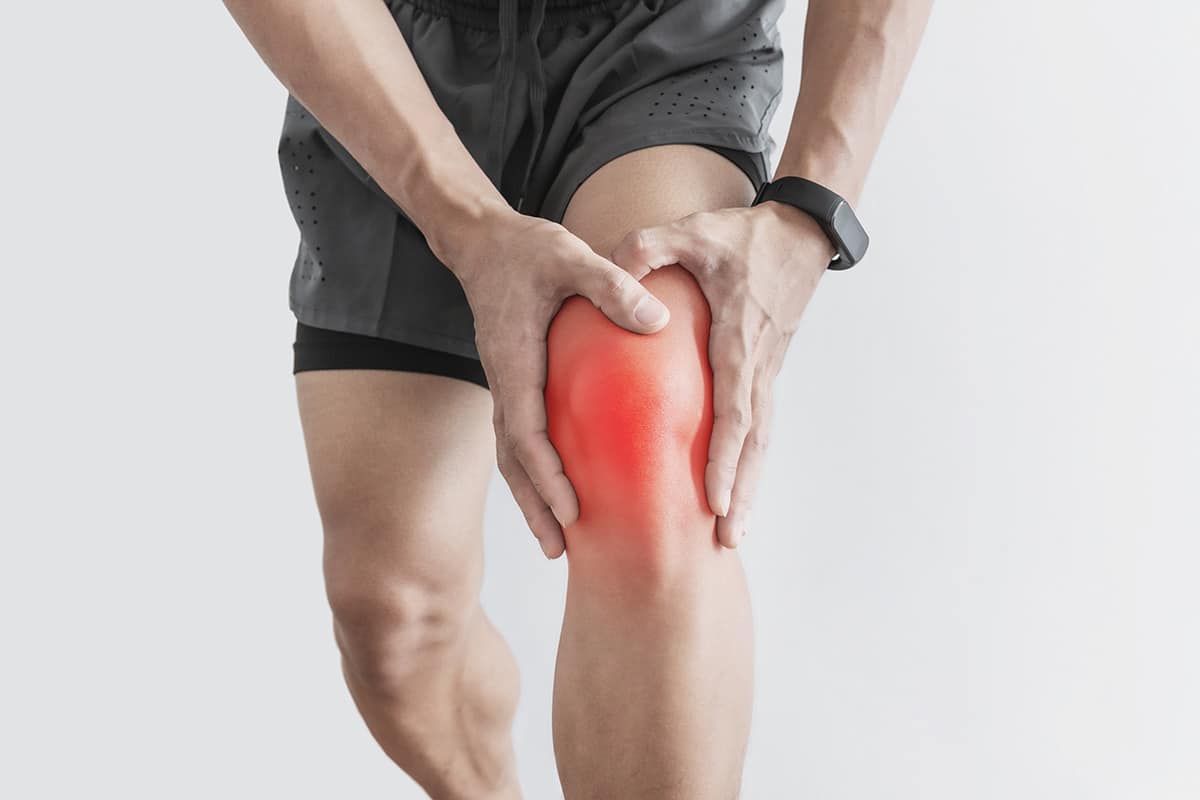
ACL Injury Recovery: Complete Rehabilitation Guide

Sports Physiotherapy in Dubai: Complete Guide
Padel Injuries in Dubai: Treatment & Recovery
More in Physiotherapy
Physiotherapy Packages Dubai: Save 20%+ (2026)
مزید پڑھیں
Shoulder Pain Dubai: 7 Causes & When to Worry (2026)
مزید پڑھیں
PRP vs Cortisone Dubai: Which Injection? (2026)
مزید پڑھیں
PRP Injection for Joints Dubai: From AED 1,500 (2026)
مزید پڑھیںPhysiotherapy Cost Dubai: AED 250–500/Session (2026)
مزید پڑھیںPhysiotherapy Dubai: Types, Cost & Guide (2026)
مزید پڑھیں© 2026 Doctors Clinic Diagnostic Center (DCDC), Dubai Healthcare City. Originally published at https://doctorsclinicdubai.ae/blog/football-injury-recovery-physiotherapy. All rights reserved. Unauthorized reproduction is prohibited.