
Запишитесь на приём
Проверенные отзывы пациентов о диагностическом центре DCDC в Дубае
Проверенные отзывы и реальные истории пациентов из Медицинского города Дубая
Я очень довольна этой медицинской клиникой. Здесь я прошла первый скрининг беременности. Это было доступно и очень профессионально. Рентгенолог был приветливым, добрым и сделал опыт отличным.
Айжан Токманбетова
Повредила колено в пятницу вечером и получила запись на МРТ в воскресенье вечером (забронировала в воскресенье днём). Ждала около 2 минут и закончила чуть более чем за 30 минут. Команда была потрясающей, дружелюбной и эффективной.
Кирстен Эванс
Команда доктора Осамы была нежной и потрясающей. После плохого опыта в другом месте, мой гинекологический осмотр здесь был намного профессиональнее. Отличный отчёт и очень точный.
Мэри




Экспертное лечение камней в почках
Облегчение боли и долгосрочная профилактика
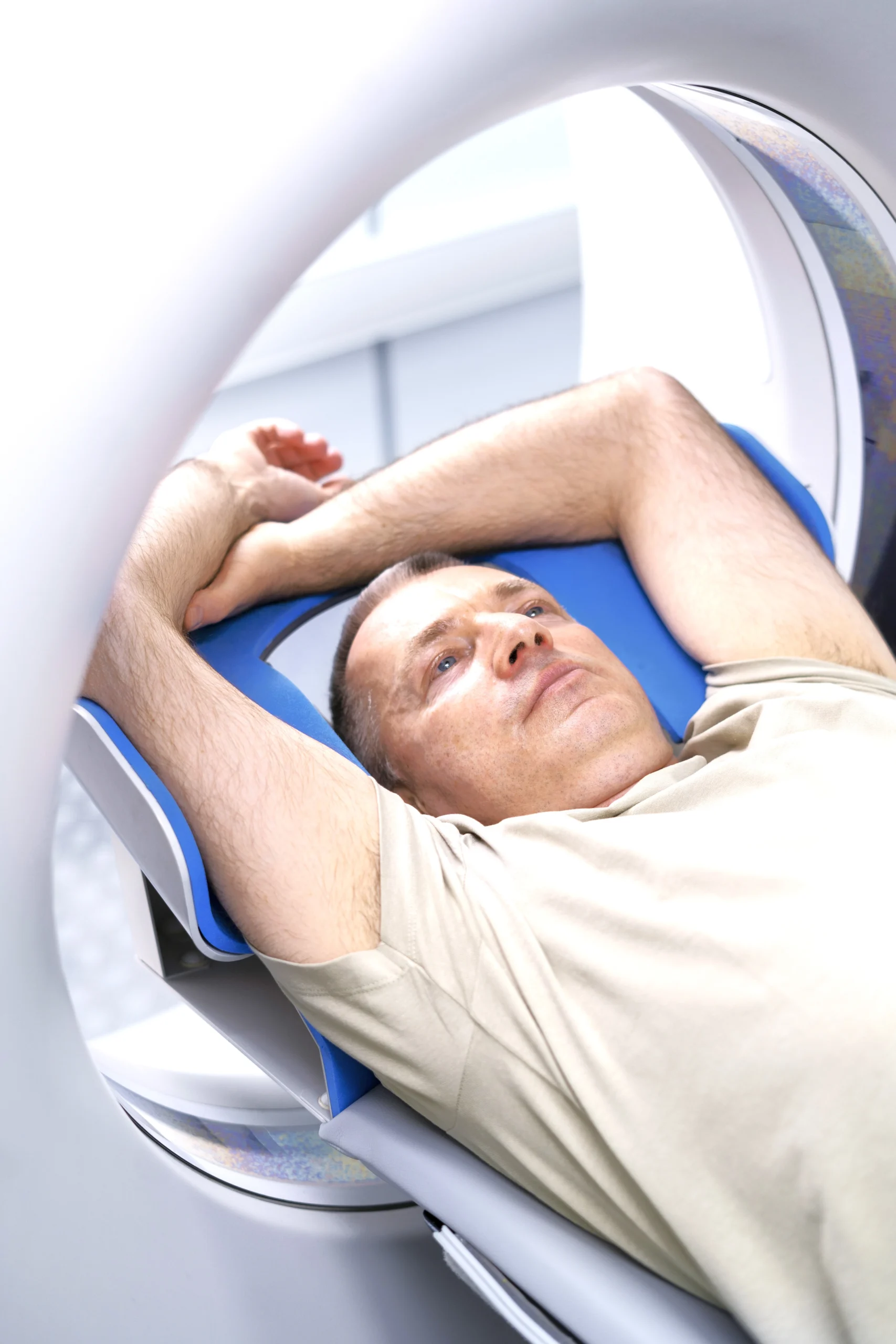
Быстрая диагностика
Оперативная визуализация и оценка
Обезболивание
Медикаментозное изгнание и комфортный уход
Профилактика
Анализ камней и индивидуальная диета
Камни в почках болезненны и часто рецидивируют. В Doctors Clinic Diagnostic Center в Dubai Healthcare City мы предлагаем быструю визуализацию, обезболивание и целенаправленную медикаментозную терапию для изгнания камней, чтобы вы быстро почувствовали облегчение.
Мы используем низкодозную КТ или УЗИ для определения местоположения камней, затем подбираем лечение в зависимости от размера и типа. Профилактика является ключевой: мы анализируем состав камней, корректируем диету и рассматриваем медикаменты для снижения рецидивов.
Запись в тот же день часто доступна; количество мест ограничено, записывайтесь заранее. Наша цель -- безопасно вылечить текущие камни и предотвратить будущие, чтобы вы оставались без боли.
Быстрая диагностика
Оперативная визуализация и оценка
Обезболивание
Медикаментозное изгнание и комфортный уход
Профилактика
Анализ камней и индивидуальная диета
Экспертное лечение камней в почках
Облегчение боли и долгосрочная профилактика
Камни в почках болезненны и часто рецидивируют. В Doctors Clinic Diagnostic Center в Dubai Healthcare City мы предлагаем быструю визуализацию, обезболивание и целенаправленную медикаментозную терапию для изгнания камней, чтобы вы быстро почувствовали облегчение.
Мы используем низкодозную КТ или УЗИ для определения местоположения камней, затем подбираем лечение в зависимости от размера и типа. Профилактика является ключевой: мы анализируем состав камней, корректируем диету и рассматриваем медикаменты для снижения рецидивов.
Запись в тот же день часто доступна; количество мест ограничено, записывайтесь заранее. Наша цель -- безопасно вылечить текущие камни и предотвратить будущие, чтобы вы оставались без боли.

Dr. Manish Tripathi
Наши услуги
Комплексные услуги камни в почках в DCDC Dubai Healthcare City.

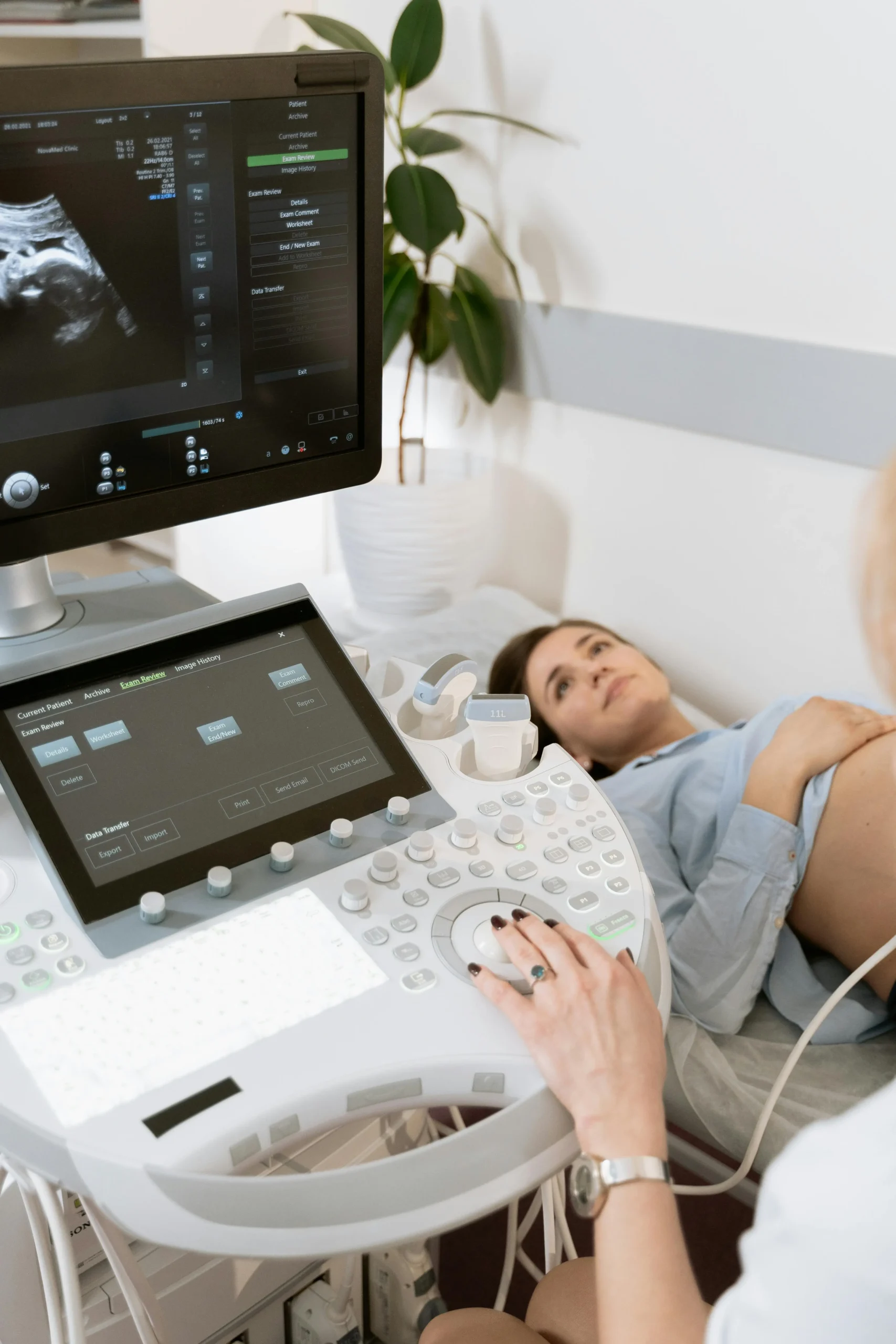

Все услуги выполняются специалистами с лицензией DHA
Кому рекомендуется Камни в почках?
Обратитесь за помощью незамедлительно, если подозреваете камень в почке или у вас рецидивирующие камни.
Сильная боль в спине или боку
Кровь в моче (розовая/красная)
Тошнота и рвота с болью
Частые позывы к мочеиспусканию
Лихорадка и озноб (риск инфекции)
Наличие камней в анамнезе
Почему DCDC для лечения камней в почках в Дубае?
Нефрологическая клиника с лицензией MOHAP в Dubai Healthcare City с быстрой визуализацией, контролем боли и планами профилактики. Запись в тот же день часто доступна; ограниченная вместимость.
Лицензия MOHAP
Лицензированное учреждение в DHCC (лицензия MOHAP NIMY7VY5-240925), соответствующее строгим стандартам безопасности.
Специалисты по камням
Нефрологи с опытом диагностики камней, медикаментозного изгнания и профилактики.
Доступ в тот же день
Оценка камней в тот же день при наличии мест; неотложная боль в приоритете.
Точность визуализации
Низкодозная КТ и УЗИ для выбора наиболее безопасного лечения.
Фокус на профилактику
Метаболическая оценка, анализ камней и индивидуальные диетические планы.
Удобное расположение в DHCC
Здание 64, блок A, Dubai Healthcare City с удобным доступом и парковкой.
Ваш комфортный визит
Простой пошаговый процесс Камни сканирования, разработанный для комфорта, скорости и точности.
Стоимость консультации
Стоимость Камни в Дубае зависит от типа услуги и страхового покрытия для различные виды услуг.
- Цены варьируются в зависимости от типа сканирования и необходимости контраста
- Страховое покрытие принимается при наличии направления и подтверждения
- Прозрачные тарифы при самостоятельной оплате с мгновенным расчётом по запросу
Проверка страховки за минуты • Без скрытых платежей • Быстрый ответ в WhatsApp
Руководство для пациента
Что ожидать во время визита по поводу камней
Быстрая визуализация, обезболивание и планирование профилактики для жизни без камней.
Страхование и местоположение
Страховые партнёры
- •Более 20 страховых компаний в Дубае включая Daman, AXA, ADNIC и другие
- •Поддержка предварительного одобрения и прямой расчёт (при наличии)
- •Проверка покрытия перед вашим визитом в нашу клинику в Dubai Healthcare City
- •Прозрачные цены без скрытых платежей за услуги камни в почках








Посетите нас в Медицинском городе Дубая
Докторс Клиник Диагностик Центр
Здание 64, Блок A, Медицинский комплекс Аль-Рази, Медицинский город Дубая, Дубай, ОАЭ
Рядом с улицей Уд-Мета · Удобный доступ из Бур-Дубая, центра Дубая, Бизнес-Бей · Бесплатная выделенная парковка
Часы работы
Пн-Чт, Сб: 8:00 - 22:30 | Вс: 8:30 - 22:30 | Пт: 9:00 - 22:00
Как работает страхование в DCDC
Проверьте покрытие
Убедитесь, что ваш план покрывает Камни в почках
Получите направление
Некоторые страховщики требуют направление от терапевта — мы поможем
Предварительное одобрение
Мы оформляем предварительное одобрение напрямую с вашей страховой
Прямой расчёт
Без предоплаты — мы выставляем счёт напрямую вашей страховой
Только доплата
Вы оплачиваете только применимую доплату в клинике
Проверьте покрытие
Убедитесь, что ваш план покрывает Камни в почках
Получите направление
Некоторые страховщики требуют направление от терапевта — мы поможем
Предварительное одобрение
Мы оформляем предварительное одобрение напрямую с вашей страховой
Прямой расчёт
Без предоплаты — мы выставляем счёт напрямую вашей страховой
Только доплата
Вы оплачиваете только применимую доплату в клинике
Your Specialist
Dr. Manish Tripathi
Specialist Nephrologist
MD, Specialist Nephrologist
English · Hindi
Руководство для пациента
Камни в почках: причины, лечение и профилактика в Дубае
Камни в почках — твёрдые минеральные отложения, образующиеся внутри почек, когда концентрация определённых веществ в моче становится слишком высокой, что позволяет кристаллам зарождаться и расти. Затрагивая примерно 10% населения ОАЭ в тот или иной период жизни, почечнокаменная болезнь особенно распространена в странах Персидского залива вследствие жаркого климата, особенностей питания и высокой распространённости сахарного диабета и ожирения, увеличивающих риск камнеобразования. Понимание факторов, способствующих образованию камней, является первым шагом к эффективному лечению и профилактике.
Образование камней в почках обусловлено сложным взаимодействием факторов: недостаточным потреблением жидкости, особенностями питания, метаболическими нарушениями, генетикой и химическим составом мочи. Когда моча перенасыщается камнеобразующими минералами (кальций, оксалат, мочевая кислота или фосфат), могут формироваться кристаллы, агрегирующиеся в камни — от мелких зёрен до крупных коралловидных конкрементов, заполняющих всю почечную лоханку. Защитные факторы мочи, такие как цитрат и магний, в норме ингибируют кристаллообразование, и дефицит этих веществ увеличивает риск образования камней. Баланс между камнеобразующими и камне-ингибирующими факторами определяет, разовьётся ли у человека почечнокаменная болезнь.
Острое ведение почечнокаменной болезни направлено на купирование боли, облегчение отхождения камня и лечение сопутствующих осложнений. Почечная колика при движущемся камне является одной из наиболее интенсивных болей в медицине и требует агрессивного обезболивания с применением НПВП, а иногда и опиоидных анальгетиков. Медикаментозная терапия изгнания с альфа-блокаторами расслабляет мочеточник и улучшает показатели отхождения камней размером до 10 мм. Достаточная гидратация помогает вывести камень через мочевыводящие пути. При полной обструкции, особенно в сочетании с инфекцией, необходимо экстренное вмешательство для установки стента или нефростомической трубки с целью устранения блокады. После разрешения острого эпизода внимание переключается на определение состава камня и разработку плана профилактики.
Профилактика является наиболее важным аспектом ведения почечнокаменной болезни, поскольку частота рецидивов превышает 50% в течение 10 лет при отсутствии профилактических мер. Комплексная стратегия профилактики начинается с анализа состава камня и метаболической оценки посредством 24-часового сбора мочи. На основании результатов рекомендуются конкретные вмешательства: достаточная гидратация для получения более 2 литров разбавленной мочи ежедневно, диетические модификации с учётом типа камня (ограничение натрия, адекватное потребление белка, контроль оксалатов) и медикаменты при показаниях (тиазидные диуретики при гиперкальциурии, цитрат калия при дефиците цитрата, аллопуринол при гиперурикозурии). В Дубае высокая температура способствует дегидратации, делая соблюдение режима питья особенно важным.
Заболевания, связанные с камнями, которые мы диагностируем и лечим
Оксалатно-кальциевые камни
Наиболее распространённый тип камней, лечение которого включает гидратацию, снижение потребления оксалатов с пищей, ограничение натрия и медикаменты, такие как тиазидные диуретики.
Уратные камни
Камни, образующиеся в кислой моче, часто ассоциированные с подагрой; поддаются лечению ощелачиванием мочи и ограничением пуринов в рационе.
Почечная колика
Острое обезболивание с применением НПВП и альфа-блокаторов, а также медикаментозная терапия изгнания для облегчения отхождения камня.
Обструктивная уропатия
Оценка и экстренное направление при камнях, вызывающих полную обструкцию мочевыводящих путей и требующих установки стента или нефростомы.
Инфицированные камни в почках
Экстренное ведение камней с сопутствующей инфекцией мочевыводящих путей, требующее антибиотикотерапии и нередко срочного дренирования.
Рецидивирующая мочекаменная болезнь
Комплексная метаболическая оценка с 24-часовым анализом мочи и индивидуальными планами профилактики для снижения частоты рецидивов.
Связанные статьи
Kidney Health: Prevention Tips for Dubai Residents
Essential strategies for protecting your kidneys, with a focus on hydration and diet in the UAE climate.
Renal Doppler Ultrasound: Assessing Your Kidneys
How ultrasound helps detect kidney stones, obstruction, and blood flow abnormalities.
Ultrasound Results Explained: What Your Scan Means
Understanding kidney ultrasound findings including stones, hydronephrosis, and cysts.
Связанные услуги
Изучите другие диагностические и консультационные услуги, доступные в нашей клинике в Dubai Healthcare City.
Часто задаваемые вопросы
Часто задаваемые вопросы о Камни в почках в Дубае.
Маленькие камни (менее 5 мм) часто выходят самостоятельно при обильном питье и приеме лекарств. Более крупные камни могут потребовать медицинского вмешательства.
Это может быть очень болезненным, когда камень проходит через мочевыводящие пути. Мы обеспечиваем эффективное обезболивание, чтобы помочь вам.
Достаточное потребление воды (2-3 л/день) является ключевым. Мы также можем рекомендовать конкретные изменения в диете (меньше соли или мяса) в зависимости от типа камня.
Продукты с высоким содержанием оксалатов (шпинат, орехи), соль и животный белок могут повышать риск камней у предрасположенных людей.
Операция (литотрипсия или уретероскопия) обычно применяется для камней, которые слишком велики для самостоятельного выхода, вызывают закупорку или инфекцию.
Ключевые факты
Медицинский контроль
Все услуги предоставляются под наблюдением лицензированных медицинских специалистов в нашем аккредитованном MOHAP учреждении.