
Запишитесь на приём
Проверенные отзывы пациентов о диагностическом центре DCDC в Дубае
Проверенные отзывы и реальные истории пациентов из Медицинского города Дубая
Я очень довольна этой медицинской клиникой. Здесь я прошла первый скрининг беременности. Это было доступно и очень профессионально. Рентгенолог был приветливым, добрым и сделал опыт отличным.
Айжан Токманбетова
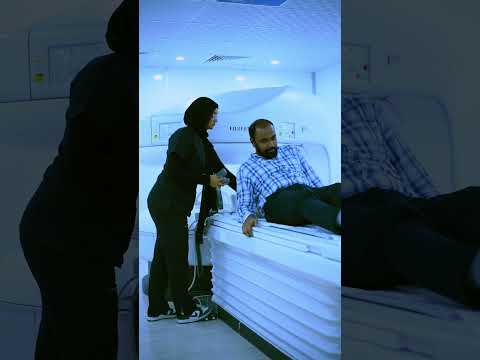
Повредила колено в пятницу вечером и получила запись на МРТ в воскресенье вечером (забронировала в воскресенье днём). Ждала около 2 минут и закончила чуть более чем за 30 минут. Команда была потрясающей, дружелюбной и эффективной.
Кирстен Эванс
Команда доктора Осамы была нежной и потрясающей. После плохого опыта в другом месте, мой гинекологический осмотр здесь был намного профессиональнее. Отличный отчёт и очень точный.
Мэри

Послеродовой уход в Дубае: Помощь при послеродовом периоде и здоровье матери
Специализированный уход для молодых мам
Профессиональный уход
Специализированная медицинская команда послеродового ухода в DCDC
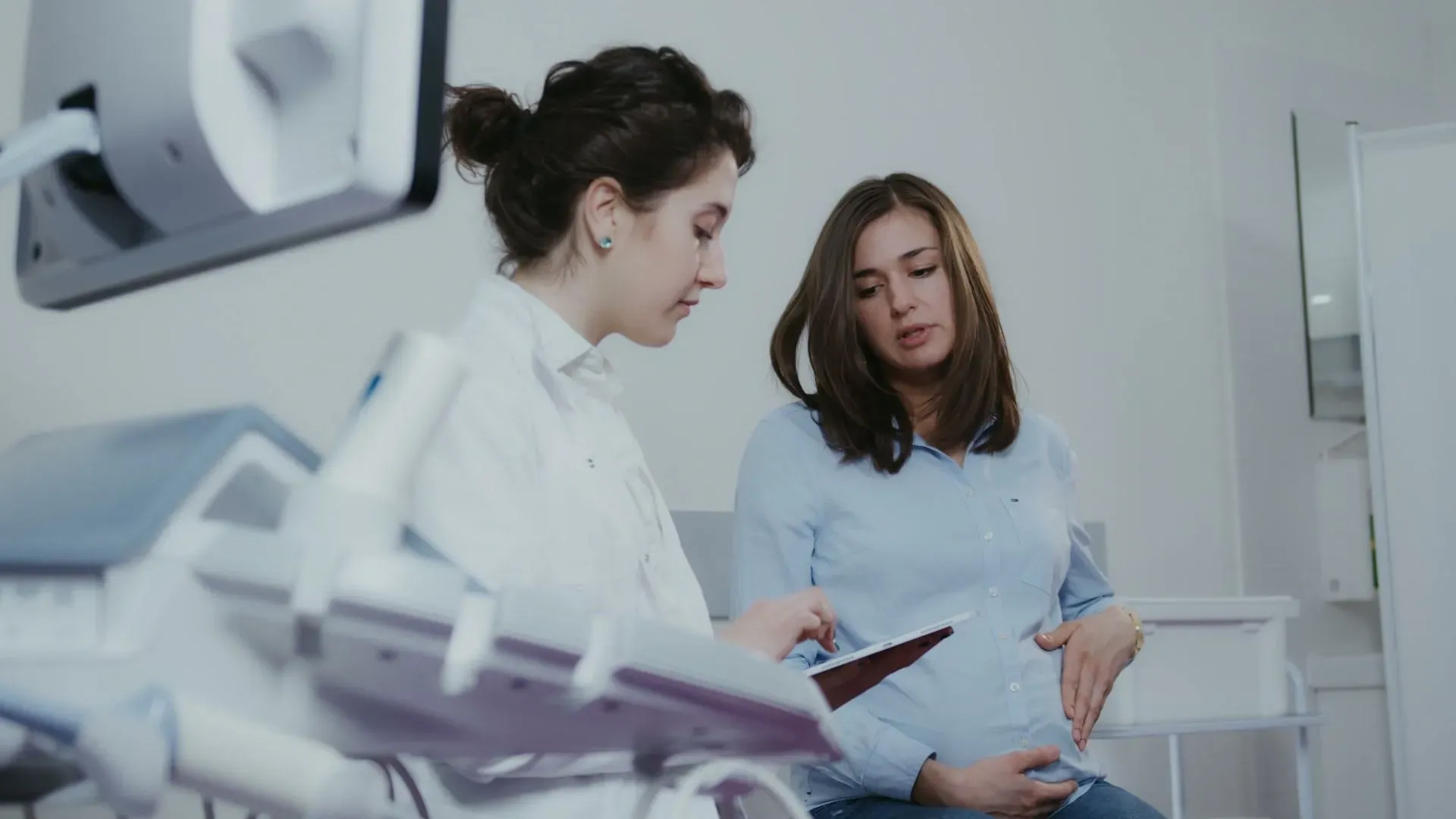
DCDC предоставляет комплексный и специализированный послеродовой уход в городе здравоохранения Дубая. Мы оказываем помощь при послеродовом периоде и полный спектр услуг по здоровью матери после родов. Лицензировано MOHAP и DHA. Забронируйте свою консультацию прямо сейчас.
Профессиональный уход
Специализированная медицинская команда послеродового ухода в DCDC
Послеродовой уход в Дубае: Помощь при послеродовом периоде и здоровье матери
Специализированный уход для молодых мам
DCDC предоставляет комплексный и специализированный послеродовой уход в городе здравоохранения Дубая. Мы оказываем помощь при послеродовом периоде и полный спектр услуг по здоровью матери после родов. Лицензировано MOHAP и DHA. Забронируйте свою консультацию прямо сейчас.
Dr. Parisa Dini
Наши услуги
Комплексные услуги послеродовой уход в DCDC Dubai Healthcare City.

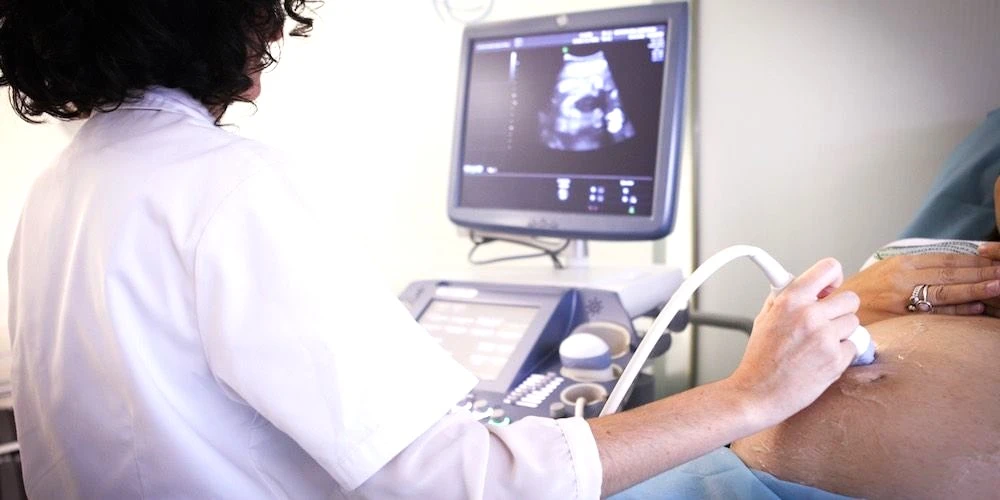
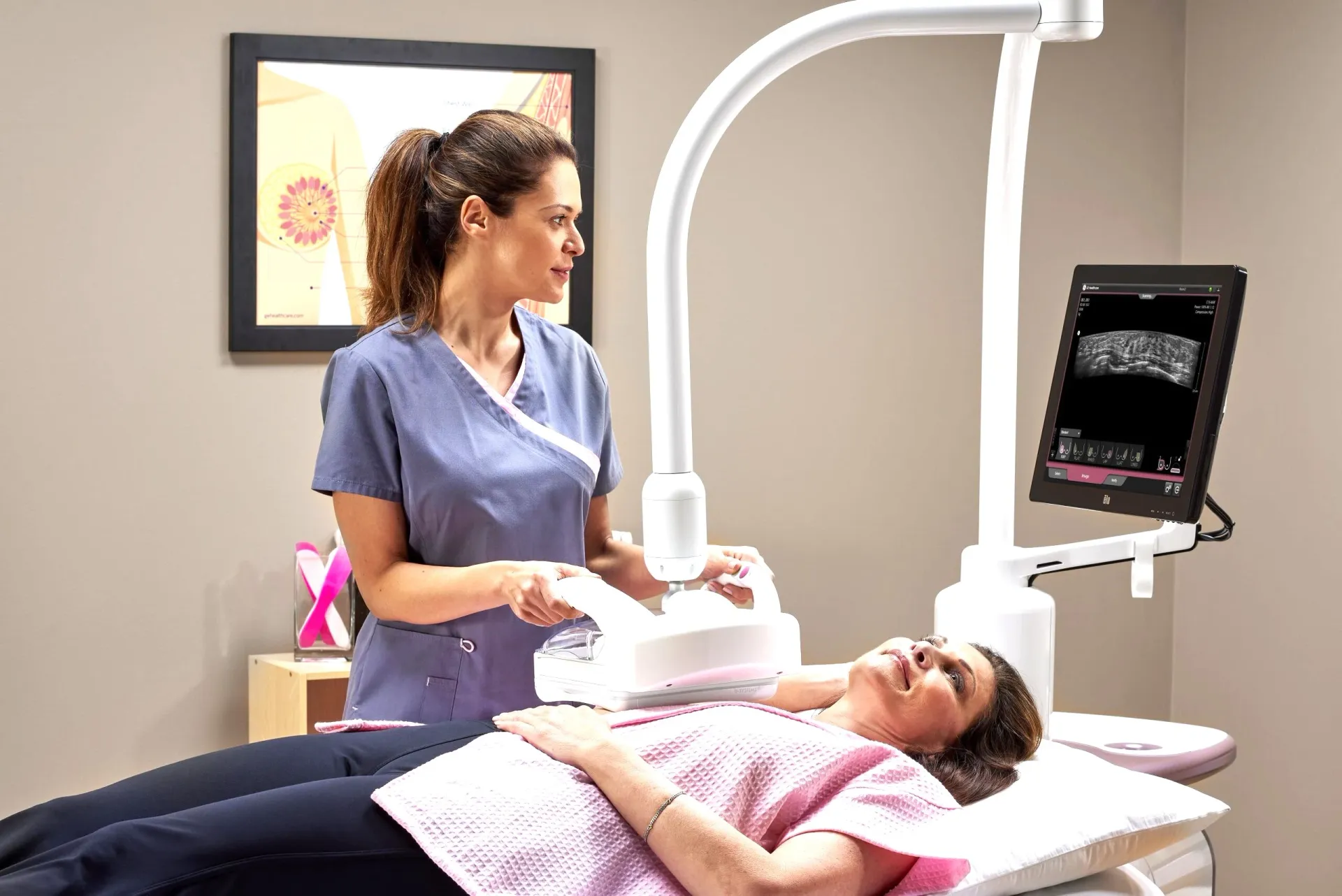
Все услуги выполняются специалистами с лицензией DHA
Кому нужно послеродовое обследование?
Каждой матери после родов необходимо регулярное медицинское наблюдение для обеспечения надлежащего заживления и хорошего здоровья.
All new mothers (vaginal or C-section)
Experiencing pain or healing issues
Concerns about breastfeeding
Feeling overwhelmed or sad (baby blues)
Needing birth control advice
Planning return to exercise
Почему выбрать DCDC для послеродового ухода?
Лицензированные и надежные медицинские услуги
Лицензировано MOHAP
Центр, лицензированный Министерством здравоохранения и профилактики заболеваний
Центральное расположение
Город здравоохранения Дубая DHCC рядом с Дубаем
Специализированная команда
Опытная команда гинекологов и акушеров
Comprehensive Support
Healing assessment, breastfeeding support, mood screening, contraception, and return-to-activity planning.
Prime DHCC Location
Building 64, Block A, our center with free parking and easy access for moms and babies.
Patient-Centered
Non-judgmental, supportive environment focused on your recovery and well-being.
Ваш комфортный визит
Простой пошаговый процесс Послеродовой сканирования, разработанный для комфорта, скорости и точности.
Послеродовой уход
Стоимость Послеродовой в Дубае зависит от типа услуги и страхового покрытия для различные виды услуг.
- Цены варьируются в зависимости от типа сканирования и необходимости контраста
- Страховое покрытие принимается при наличии направления и подтверждения
- Прозрачные тарифы при самостоятельной оплате с мгновенным расчётом по запросу
Проверка страховки за минуты • Без скрытых платежей • Быстрый ответ в WhatsApp
Руководство для пациента
Чего ожидать во время вашего визита?
Безопасный и комплексный визит, охватывающий все аспекты вашего здоровья в послеродовом периоде с медицинской консультацией.
Страхование и местоположение
Страховые партнёры
- •Более 20 страховых компаний в Дубае включая Daman, AXA, ADNIC и другие
- •Поддержка предварительного одобрения и прямой расчёт (при наличии)
- •Проверка покрытия перед вашим визитом в нашу клинику в Dubai Healthcare City
- •Прозрачные цены без скрытых платежей за услуги послеродовой уход







Посетите нас в Медицинском городе Дубая
Докторс Клиник Диагностик Центр
Здание 64, Блок A, Медицинский комплекс Аль-Рази, Медицинский город Дубая, Дубай, ОАЭ
Рядом с улицей Уд-Мета · Удобный доступ из Бур-Дубая, центра Дубая, Бизнес-Бей · Бесплатная выделенная парковка
Часы работы
Пн-Чт, Сб: 8:00 - 22:30 | Вс: 8:30 - 22:30 | Пт: 9:00 - 22:00
Как работает страхование в DCDC
Проверьте покрытие
Убедитесь, что ваш план покрывает Послеродовой уход
Получите направление
Некоторые страховщики требуют направление от терапевта — мы поможем
Предварительное одобрение
Мы оформляем предварительное одобрение напрямую с вашей страховой
Прямой расчёт
Без предоплаты — мы выставляем счёт напрямую вашей страховой
Только доплата
Вы оплачиваете только применимую доплату в клинике
Проверьте покрытие
Убедитесь, что ваш план покрывает Послеродовой уход
Получите направление
Некоторые страховщики требуют направление от терапевта — мы поможем
Предварительное одобрение
Мы оформляем предварительное одобрение напрямую с вашей страховой
Прямой расчёт
Без предоплаты — мы выставляем счёт напрямую вашей страховой
Только доплата
Вы оплачиваете только применимую доплату в клинике
Your Specialist
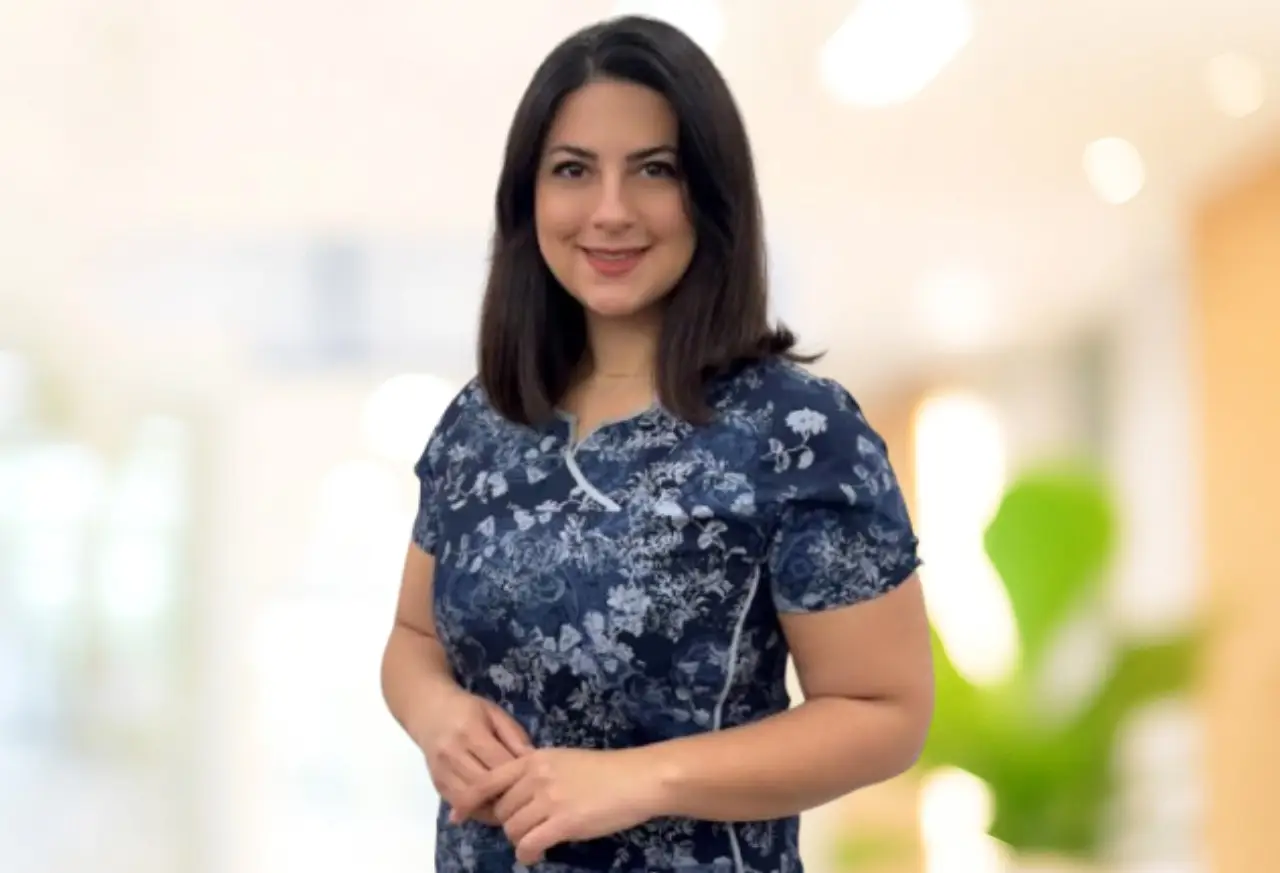
Dr. Parisa Dini
Specialist OB/GYN
MD, Specialist OB/GYN
English · Persian
Руководство для пациента
Послеродовое восстановление: что должна знать каждая молодая мать
Исследования показывают, что многие послеродовые осложнения можно предотвратить или смягчить с помощью регулярного медицинского наблюдения в первые недели.
Оказываемая поддержка охватывает как физические, так и психологические аспекты, включая раннее выявление послеродовой депрессии и соответствующие терапевтические вмешательства.
В DCDC программа послеродового ухода разрабатывается с учётом индивидуальных потребностей каждой матери, при необходимости с привлечением семьи.
Что включает послеродовая помощь
Связанные статьи
Obstetrics and Gynecology in Dubai: Complete Maternity Care
An overview of pregnancy, delivery, and postnatal care services available at our DHCC clinic.
Women's Health Screening After Pregnancy
Essential health checks for new mothers to ensure long-term well-being after childbirth.
Pelvic Ultrasound for Women: Postpartum Assessment
How pelvic ultrasound can help assess recovery and identify any concerns after delivery.
Postnatal Recovery Physiotherapy
Связанные услуги
Изучите другие диагностические и консультационные услуги, доступные в нашей клинике в Dubai Healthcare City.
Часто задаваемые вопросы
Часто задаваемые вопросы о Послеродовой уход в Дубае.
Мы предлагаем Послеродовой уход в Dubai Healthcare City. Наша команда опытных специалистов готова провести комплексное обследование и консультацию. Свяжитесь с нами для получения дополнительной информации.
Продолжительность зависит от индивидуального случая. Наша команда заранее сообщит вам точное время. Свяжитесь с нами для записи на приём.
Большинство крупных страховых компаний в Дубае покрывают Послеродовой уход. Мы предлагаем прямые расчёты с более чем 20 страховыми компаниями, включая Daman, AXA и Bupa. Свяжитесь с нами для проверки вашего страхового покрытия.
Наша команда даст вам конкретные инструкции по подготовке перед приёмом. В целом мы рекомендуем взять с собой все текущие лекарства и соответствующие медицинские документы.
В DCDC мы предлагаем Послеродовой уход с опытными специалистами, современным оборудованием и высококачественным уходом за пациентами в Dubai Healthcare City. Наше учреждение лицензировано MOHAP и соответствует строгим клиническим стандартам.
Вы можете записаться на Послеродовой уход по телефону +971 54 219 5008 или через нашу систему онлайн-бронирования. Мы предлагаем гибкое расписание, включая приёмы в тот же день при наличии мест.
Ключевые факты
Медицинский контроль
Все услуги предоставляются под наблюдением лицензированных медицинских специалистов в нашем аккредитованном MOHAP учреждении.