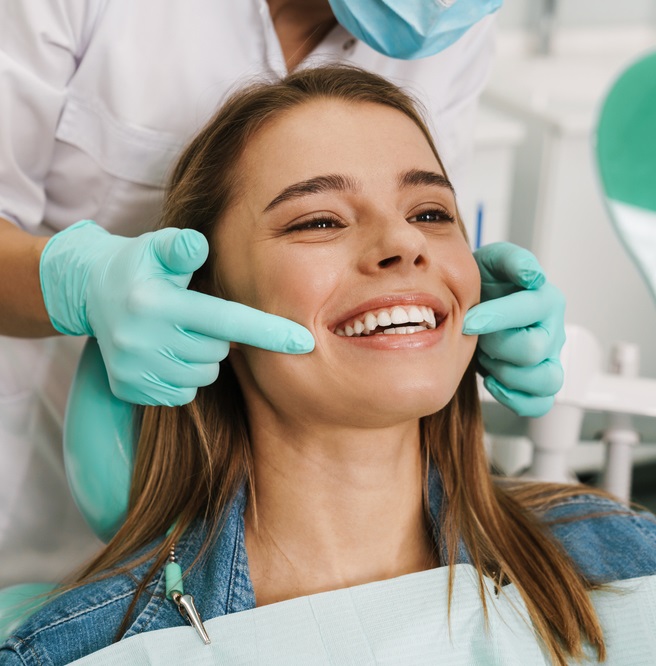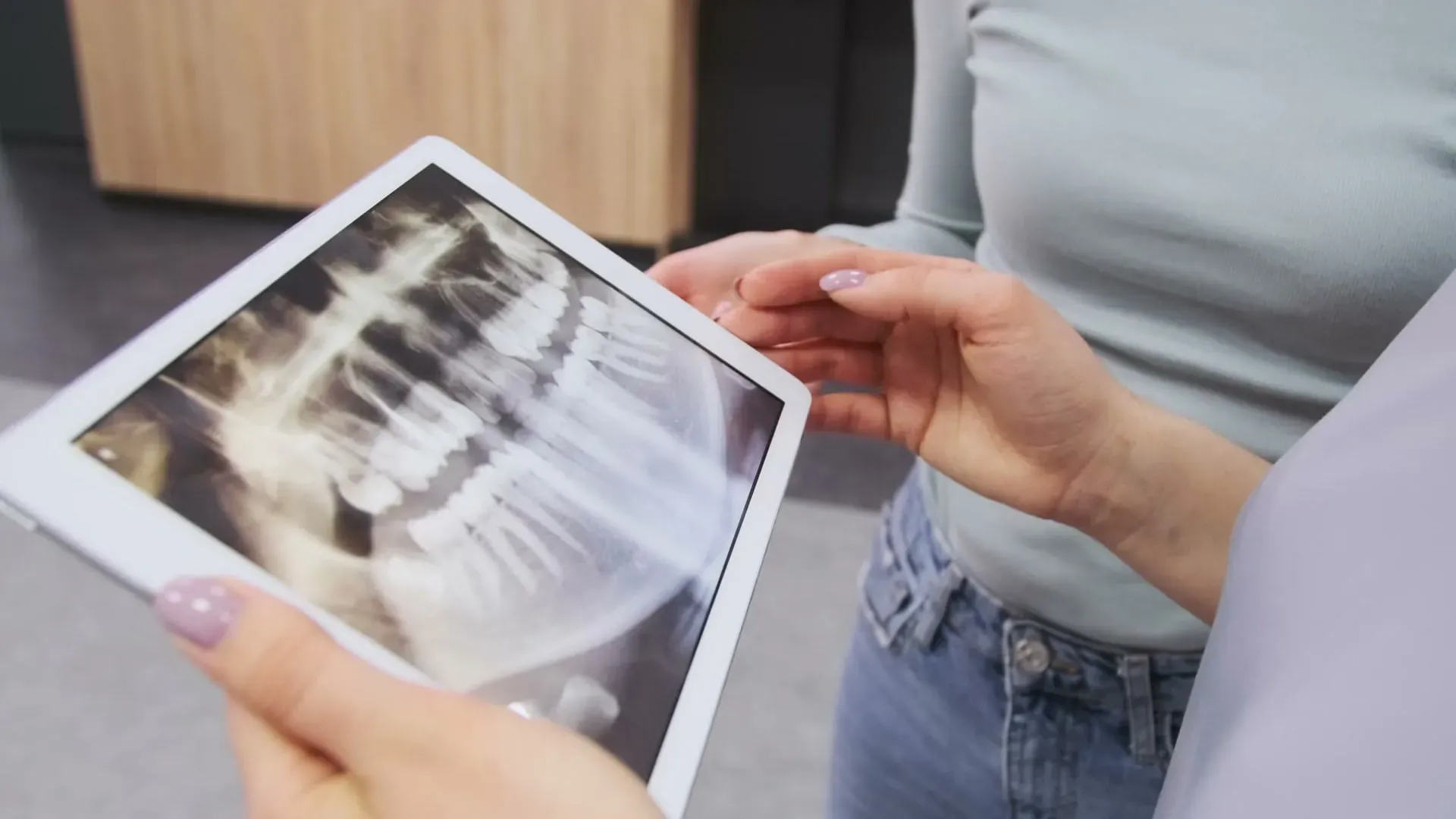

Advanced Dental Inlays & Onlays in Dubai
Precision Ceramic Restorations | From AED 700

अपना अपॉइंटमेंट बुक करें
दुबई में DCDC डायग्नोस्टिक सेंटर की सत्यापित रोगी समीक्षाएं
दुबई हेल्थकेयर सिटी से सत्यापित समीक्षाएं और वास्तविक रोगी कहानियां
मैं इस मेडिकल क्लिनिक से बहुत संतुष्ट हूं। मैंने यहां अपनी पहली गर्भावस्था स्क्रीनिंग करवाई। यह किफायती और बहुत पेशेवर था। रेडियोलॉजिस्ट स्वागत करने वाले, दयालु थे और अनुभव बेहतरीन बनाया।
आइज़ान तोकमानबेतोवा
शुक्रवार रात को घुटने में चोट लगी और रविवार शाम को MRI का अपॉइंटमेंट मिला (रविवार दोपहर को बुक किया)। लगभग 2 मिनट इंतजार किया और 30 मिनट से अधिक में हो गया। टीम अद्भुत, मैत्रीपूर्ण और कुशल थी।
किर्स्टन इवांस
डॉ. ओसामा की टीम कोमल और अद्भुत थी। कहीं और बुरे अनुभव के बाद, यहां मेरी पेल्विक जांच बहुत अधिक पेशेवर थी। बढ़िया रिपोर्ट और बहुत सटीक।
मैरी

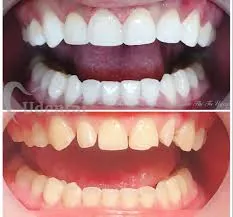
Dental Inlays & Onlays in Dubai: Precision Ceramic Tooth Restorations
Lab-Fabricated Ceramic Inlays and Onlays at Dubai Healthcare City — From AED 700

Conservative
Preserves more healthy tooth structure than a crown while restoring larger areas than a direct filling can reliably support
Lab Precision
Custom-fabricated in a dental laboratory for superior fit, strength, and aesthetics compared to direct chairside fillings
Durable Ceramics
High-strength lithium disilicate and ceramic materials matched to your natural tooth shade for lasting, natural-looking results
Dental inlays and onlays in Dubai are precision, lab-fabricated restorations that occupy the space between a simple filling and a full crown. An inlay fits within the cusps of a tooth, like a puzzle piece restoring the inner chewing surface, while an onlay extends over one or more cusps for larger restorations. At Doctors Clinic Diagnostic Center in Dubai Healthcare City, we provide ceramic and composite inlays and onlays from AED 700, offering a conservative, durable, and aesthetically superior alternative to large direct fillings or unnecessary full crowns.
Unlike direct fillings placed and shaped in the mouth at chairside, inlays and onlays are fabricated in a dental laboratory to precise specifications. This lab-fabrication process allows for better fit accuracy, stronger material properties, more precise bite adjustment, and superior aesthetics compared to even the most carefully placed composite filling. The result is a restoration that fits the tooth perfectly, provides excellent marginal seal, withstands high chewing forces, and looks virtually indistinguishable from natural tooth structure.
Located in Building 64, Block A, Dubai Healthcare City near Oud Metha, our clinic uses digital impressions and high-quality dental ceramics to produce inlays and onlays that are strong, lifelike, and long-lasting. Treatment typically requires two visits: one for tooth preparation and impressions, and a second for bonding the final restoration. A temporary restoration protects the tooth between visits. We offer ceramic (porcelain) inlays for superior aesthetics on visible teeth and composite lab-fabricated inlays as a more affordable alternative.
Choosing between a filling, an inlay/onlay, or a crown requires careful assessment of how much tooth structure remains and the forces the restoration must withstand. When a cavity is too large for a reliable direct filling — typically involving more than one-third to one-half of the tooth's chewing surface — an inlay or onlay is a far more conservative and durable option than placing a crown. A crown requires significant reduction of the entire outer surface of the tooth, removing healthy enamel that is not affected by the cavity. Inlays and onlays preserve this healthy tooth structure by only removing the damaged area and fitting precisely into the prepared space.
Modern dental ceramics used for inlays and onlays, such as lithium disilicate (e-max) and zirconia-reinforced ceramics, offer strength values that meet or exceed the load-bearing requirements of posterior teeth. These materials can be shade-matched to the patient's natural tooth color with remarkable accuracy, and their light transmission properties mimic natural enamel so closely that they are virtually invisible in the mouth. Bonded ceramic restorations also strengthen the remaining tooth structure by distributing occlusal forces more evenly than a traditional filling, which can wedge open weakened tooth walls under chewing pressure.

Conservative
Preserves more healthy tooth structure than a crown while restoring larger areas than a direct filling can reliably support
Lab Precision
Custom-fabricated in a dental laboratory for superior fit, strength, and aesthetics compared to direct chairside fillings
Durable Ceramics
High-strength lithium disilicate and ceramic materials matched to your natural tooth shade for lasting, natural-looking results
Dental Inlays & Onlays in Dubai: Precision Ceramic Tooth Restorations
Lab-Fabricated Ceramic Inlays and Onlays at Dubai Healthcare City — From AED 700
Dental inlays and onlays in Dubai are precision, lab-fabricated restorations that occupy the space between a simple filling and a full crown. An inlay fits within the cusps of a tooth, like a puzzle piece restoring the inner chewing surface, while an onlay extends over one or more cusps for larger restorations. At Doctors Clinic Diagnostic Center in Dubai Healthcare City, we provide ceramic and composite inlays and onlays from AED 700, offering a conservative, durable, and aesthetically superior alternative to large direct fillings or unnecessary full crowns.
Unlike direct fillings placed and shaped in the mouth at chairside, inlays and onlays are fabricated in a dental laboratory to precise specifications. This lab-fabrication process allows for better fit accuracy, stronger material properties, more precise bite adjustment, and superior aesthetics compared to even the most carefully placed composite filling. The result is a restoration that fits the tooth perfectly, provides excellent marginal seal, withstands high chewing forces, and looks virtually indistinguishable from natural tooth structure.
Located in Building 64, Block A, Dubai Healthcare City near Oud Metha, our clinic uses digital impressions and high-quality dental ceramics to produce inlays and onlays that are strong, lifelike, and long-lasting. Treatment typically requires two visits: one for tooth preparation and impressions, and a second for bonding the final restoration. A temporary restoration protects the tooth between visits. We offer ceramic (porcelain) inlays for superior aesthetics on visible teeth and composite lab-fabricated inlays as a more affordable alternative.
Choosing between a filling, an inlay/onlay, or a crown requires careful assessment of how much tooth structure remains and the forces the restoration must withstand. When a cavity is too large for a reliable direct filling — typically involving more than one-third to one-half of the tooth's chewing surface — an inlay or onlay is a far more conservative and durable option than placing a crown. A crown requires significant reduction of the entire outer surface of the tooth, removing healthy enamel that is not affected by the cavity. Inlays and onlays preserve this healthy tooth structure by only removing the damaged area and fitting precisely into the prepared space.
Modern dental ceramics used for inlays and onlays, such as lithium disilicate (e-max) and zirconia-reinforced ceramics, offer strength values that meet or exceed the load-bearing requirements of posterior teeth. These materials can be shade-matched to the patient's natural tooth color with remarkable accuracy, and their light transmission properties mimic natural enamel so closely that they are virtually invisible in the mouth. Bonded ceramic restorations also strengthen the remaining tooth structure by distributing occlusal forces more evenly than a traditional filling, which can wedge open weakened tooth walls under chewing pressure.

Dr. Hiba Al Shurbaji
हमारी Dental Inlays & Onlays सेवाएं
DCDC दुबई हेल्थकेयर सिटी में व्यापक dental inlays & onlays सेवाएं।
सभी सेवाएं DHA-लाइसेंस प्राप्त विशेषज्ञों द्वारा की जाती हैं
Dental Inlays & Onlays किसे करानी चाहिए?
Dental inlays and onlays are recommended when a tooth has damage or decay too extensive for a reliable direct filling but insufficient to justify the significant tooth reduction required for a crown. They are an ideal conservative option for restoring posterior teeth with moderate to large cavities, cracked cusps, or worn surfaces.
Patients with moderate to large cavities in premolars or molars where more than one-third of the tooth surface is affected
Teeth with cracked or fractured cusps where an onlay can cover and protect the damaged cusp without a full crown
Patients replacing old large amalgam or composite fillings that have failed, cracked, or developed secondary decay underneath
Individuals who want a more durable and precise alternative to large direct composite fillings on back teeth
Patients whose dentist recommends avoiding a crown due to sufficient remaining healthy tooth structure that should be preserved
Teeth with decay in the grooves or between cusps (inlay) or extending onto the cusp tips requiring cusp coverage (onlay)
Why Choose DCDC for Dental Inlays & Onlays in Dubai?
Doctors Clinic Diagnostic Center is a MOHAP-licensed dental clinic in Dubai Healthcare City offering precision ceramic inlays and onlays from AED 700. Our experienced dentists combine accurate preparation techniques, digital impressions, and skilled laboratory partnerships to deliver restorations that are stronger than fillings, more conservative than crowns, and virtually invisible in the mouth.
MOHAP Licensed Clinic
Fully licensed dental clinic in Dubai Healthcare City (MOHAP license NIMY7VY5-240925) following rigorous clinical standards for all indirect restorative procedures.
Restorative Dentistry Expertise
Experienced dentists skilled in inlay and onlay preparation, occlusal assessment, and adhesive bonding for conservative, high-precision ceramic restorations.
Lab-Fabricated Precision
All inlays and onlays are custom-fabricated by skilled dental technicians for precise fit, optimal bite, and superior aesthetics that chairside filling cannot match.
Conservative Approach
We recommend inlays and onlays specifically when they preserve more tooth structure than a crown and provide more durability than a large direct filling.
Prime DHCC Location
Building 64, Block A, Dubai Healthcare City with free dedicated parking and easy access from Oud Metha, Bur Dubai, Downtown, and Business Bay.
Insurance & Transparent Pricing
Direct billing support with major dental insurance providers. Transparent self-pay pricing from AED 700 with no hidden laboratory or bonding fees.
आपकी आरामदायक यात्रा
आराम, गति और सटीकता के लिए डिज़ाइन की गई एक सरल, चरण-दर-चरण Dental स्कैन प्रक्रिया।
Inlay & Onlay Pricing
दुबई में Dental की कीमतें सेवा के प्रकार और विभिन्न सेवा प्रकार के बीमा कवरेज के अनुसार भिन्न होती हैं।
- स्कैन प्रकार और कंट्रास्ट की आवश्यकता के अनुसार मूल्य भिन्न होते हैं
- रेफरल और सत्यापन के साथ बीमा कवरेज स्वीकृत
- अनुरोध पर तत्काल उद्धरण के साथ पारदर्शी स्व-भुगतान दरें उपलब्ध
मिनटों में बीमा सत्यापन • कोई छिपी फीस नहीं • व्हाट्सएप पर तेज़ प्रतिक्रिया
रोगी गाइड
What to Expect During Your Inlay or Onlay Treatment at DCDC
Inlay and onlay treatment involves two appointments: preparation and impression-taking followed by bonding of the final ceramic restoration. Here is the process at our Dubai Healthcare City clinic.
बीमा और स्थान
बीमा भागीदार
- •दुबई में 20+ बीमा प्रदाता दमन, एक्सा, एडीएनआईसी और अन्य सहित
- •पूर्व-प्राधिकरण सहायता और प्रत्यक्ष बिलिंग (जहां लागू हो)
- •कवरेज सत्यापन दुबई हेल्थकेयर सिटी में आपकी अपॉइंटमेंट से पहले
- •पारदर्शी मूल्य निर्धारण dental inlays & onlays सेवाओं के लिए कोई छिपी फीस नहीं

दुबई हेल्थकेयर सिटी में हमसे मिलें
डॉक्टर्स क्लिनिक डायग्नोस्टिक सेंटर
बिल्डिंग 64, ब्लॉक A, अल राज़ी मेडिकल कॉम्प्लेक्स, दुबई हेल्थकेयर सिटी, दुबई, संयुक्त अरब अमीरात
ऊद मेठा रोड के पास · बुर दुबई, डाउनटाउन दुबई, बिजनेस बे से आसान पहुंच · मुफ्त समर्पित पार्किंग उपलब्ध
कार्य समय
शनि-गुरु: सुबह 8 बजे - रात 10 बजे | शुक्रवार: सुबह 9 बजे - रात 9 बजे
DCDC में बीमा कैसे काम करता है
कवरेज जांचें
सत्यापित करें कि आपकी योजना Dental Inlays & Onlays को कवर करती है
रेफरल प्राप्त करें
कुछ बीमाकर्ताओं को जीपी रेफरल की आवश्यकता होती है — हम मार्गदर्शन कर सकते हैं
पूर्व-प्राधिकरण
हम आपके बीमाकर्ता से सीधे पूर्व-प्राधिकरण संभालते हैं
सीधी बिलिंग
कोई अग्रिम भुगतान नहीं — हम आपके बीमाकर्ता को सीधे बिल करते हैं
केवल को-पे
आप क्लिनिक में केवल लागू को-पे का भुगतान करते हैं
कवरेज जांचें
सत्यापित करें कि आपकी योजना Dental Inlays & Onlays को कवर करती है
रेफरल प्राप्त करें
कुछ बीमाकर्ताओं को जीपी रेफरल की आवश्यकता होती है — हम मार्गदर्शन कर सकते हैं
पूर्व-प्राधिकरण
हम आपके बीमाकर्ता से सीधे पूर्व-प्राधिकरण संभालते हैं
सीधी बिलिंग
कोई अग्रिम भुगतान नहीं — हम आपके बीमाकर्ता को सीधे बिल करते हैं
केवल को-पे
आप क्लिनिक में केवल लागू को-पे का भुगतान करते हैं
आपके विशेषज्ञ

Dr. Hiba Al Shurbaji
General Dentist
DDS, General Dentist
Arabic · English
रोगी गाइड
Understanding Dental Inlays and Onlays: Precision Restorations for Back Teeth
Dental inlays and onlays occupy an important middle ground in restorative dentistry. When a tooth has a cavity or damage too large for a reliable direct filling but not so extensive that a full crown is justified, an inlay or onlay provides the ideal solution. The distinction is based on location and extent: an inlay sits within the prepared cavity between the cusps of the tooth, while an onlay extends over one or more of the cusps to restore both the inner and outer chewing surfaces. An overlay covers all cusps of the tooth and is the largest type of indirect partial coverage restoration before a full crown becomes necessary. These restorations are always fabricated outside the mouth in a dental laboratory from impressions taken of the prepared tooth, ensuring dimensional accuracy and material quality that surpasses what can be achieved chairside.
The biomechanical advantages of inlays and onlays over large direct composite fillings are significant, particularly in the posterior (back) teeth where occlusal (biting) forces are highest. A large direct composite filling must be placed in increments to minimize polymerization shrinkage, but even with careful technique, large composites can flex slightly under load, creating microleakage at the margins over time. An inlay or onlay made from a rigid ceramic material does not flex; it distributes stress across its surface and transmits load evenly to the tooth and supporting bone. Furthermore, the ceramic material can be polished to a very smooth finish that resists wear and does not abrade opposing teeth. When bonded with adhesive resin cement, the restoration becomes integrated with the tooth, and the combination of the two creates a structure stronger than either alone.
The materials used for inlays and onlays have evolved dramatically. Early gold inlays, still considered the benchmark for durability by many prosthodontists, are rarely requested today due to aesthetic concerns. Modern ceramics, particularly lithium disilicate (commercially known as IPS e.max), offer exceptional strength (flexural strength of approximately 400 MPa) combined with tooth-like optical properties including translucency, internal fluorescence, and light-scattering effects that make ceramic restorations virtually indistinguishable from natural enamel. Zirconia-reinforced ceramics offer even higher strength for high-stress areas. For patients seeking a more affordable option, laboratory-fabricated composite resin inlays and onlays are also available, offering better fit and durability than direct composites while remaining cost-effective.
Patient selection is critical for the success of inlays and onlays. Patients who grind their teeth (bruxism) subject their restorations to forces far exceeding normal chewing loads, increasing the risk of ceramic fracture or debonding. For these patients, we recommend a custom nightguard to be worn during sleep to protect the restoration. Similarly, patients with very limited space between upper and lower teeth (reduced vertical dimension) may not have adequate room for the minimal thickness required by ceramic restorations. A thorough clinical and radiographic examination at DCDC ensures that each patient receives the restoration best suited to their tooth anatomy, bite, and lifestyle, maximizing both the functional lifespan and the aesthetic outcome of the investment.
Conditions Treated with Dental Inlays & Onlays
Moderate to Large Posterior Cavities
Cavities involving more than one-third of the tooth chewing surface are better restored with a lab-fabricated inlay than a large direct filling that may flex and fail under load.
Fractured Tooth Cusps
An onlay covering the fractured cusp restores the original tooth shape and protects the weakened area from further fracture without the full tooth reduction required for a crown.
Failed or Cracked Large Fillings
Old large amalgam or composite fillings that have cracked, developed secondary decay, or begun to fail are ideally replaced with ceramic inlays or onlays for improved durability.
Heavily Worn Chewing Surfaces
Teeth worn down from bruxism or acid erosion can be restored to their correct height and shape with ceramic onlays that rebuild the lost tooth structure precisely.
Secondary Decay Around Existing Restorations
When decay develops around the margins of an existing filling, an inlay or onlay replaces the old restoration and extends coverage to seal all affected tooth surfaces.
Teeth Needing Cusp Protection Without Full Crown
When a compromised cusp needs coverage but the rest of the tooth is healthy, an onlay provides targeted protection without the aggressive preparation required for a full crown.
संबंधित लेख
Dental Fillings Cost in Dubai: Complete Price Guide
Compare the cost of direct fillings, inlays, and onlays in Dubai to understand which restoration is right for your tooth.
Dental Crown Cost in Dubai: What to Expect
Understand when a crown is necessary versus when an inlay or onlay is the more conservative and cost-effective option.
Dental Checkup Guide Dubai: What to Expect at Every Visit
How regular dental checkups help your dentist detect cavities early when they can be treated with smaller, more conservative restorations.
संबंधित सेवाएं
हमारी दुबई हेल्थकेयर सिटी क्लिनिक में उपलब्ध अन्य निदान और परामर्श सेवाओं का अन्वेषण करें।
अक्सर पूछे जाने वाले प्रश्न
दुबई में Dental Inlays & Onlays के बारे में सामान्य प्रश्न।
An inlay is an indirect restoration that fits within the cusps of a back tooth, restoring the inner chewing surface without covering the cusp tips. An onlay, sometimes called a partial crown, extends over one or more cusps of the tooth, providing protection for a larger area of damage. An overlay is a larger onlay that covers all the cusps of the tooth while still preserving the tooth roots and avoiding a full crown preparation. Your dentist will choose between an inlay, onlay, or overlay based on the extent of the damage and how much of the tooth structure remains intact.
A regular (direct) filling is placed and sculpted directly in the tooth at chairside in a single visit using composite resin. It works well for small to moderate cavities. An inlay or onlay is an indirect restoration custom-fabricated in a dental laboratory from impression models of your tooth, then bonded in a second visit. Because they are lab-made, inlays and onlays fit with greater precision, are stronger, better replicate the original tooth anatomy, and are more durable under high chewing forces than large direct fillings, which can flex and crack the surrounding tooth walls over time.
A dental crown covers the entire visible surface of a tooth from the gum line upward, requiring significant reduction of all outer tooth surfaces — including healthy enamel that may not be affected by the cavity. An inlay or onlay only removes the damaged or decayed portion of the tooth, preserving the remaining healthy tooth structure. When a cavity or fracture is large but the remaining tooth walls are still strong, choosing an inlay or onlay over a crown is a more conservative approach that maintains more of your natural tooth. Your dentist will assess the structural integrity of your tooth to make the most appropriate recommendation.
Both ceramic and composite inlays offer good performance, but they have different strengths. Ceramic inlays (typically made from lithium disilicate such as e-max or zirconia-reinforced materials) are harder, more wear-resistant, more stain-resistant, and provide superior aesthetics because their optical properties closely mimic natural tooth enamel. Composite resin inlays are more affordable, can be slightly easier to adjust, and are marginally less abrasive to opposing teeth. For posterior teeth bearing significant chewing load, ceramic is generally preferred for longevity. Your dentist will recommend the best material based on your tooth location, bite forces, aesthetic goals, and budget.
Traditional inlay and onlay treatment requires two appointments. The first visit involves tooth preparation, impression-taking, shade matching, and placement of a temporary restoration. The laboratory fabricates the restoration over one to two weeks, after which you return for the second appointment for try-in, adhesive bonding, bite adjustment, and polishing. Some clinics with CAD/CAM in-house milling technology can complete the process in a single visit, but at DCDC we use high-quality external laboratories for optimal precision and material quality.
The procedure is performed under local anesthesia, so you should not feel pain during the preparation visit. You may feel pressure and vibration, which is normal, but these are not painful sensations. After the anesthesia wears off, some mild sensitivity or soreness around the prepared tooth is normal for a few days. This is typically manageable with over-the-counter pain relief. The temporary restoration may feel slightly different from your natural tooth; this is temporary. The bonding appointment for the final restoration is usually brief and comfortable.
With proper care, high-quality ceramic inlays and onlays can last 10 to 30 years or more. Longevity depends on the quality of the material, the precision of the fit, your bite forces, oral hygiene habits, and whether you grind your teeth. Patients who grind (bruxism) benefit from wearing a custom nightguard to protect their restorations. Regular dental cleanings and checkups allow your dentist to monitor the inlay or onlay margins and catch any early signs of wear or secondary decay for timely intervention.
Inlays and onlays are bonded to the tooth with adhesive resin cement, making them very securely attached under normal circumstances. However, they can occasionally debond due to secondary decay developing beneath the restoration, excessive bite forces, grinding, or a defect in the original bonding. If your inlay or onlay feels loose, moves slightly when you bite, or falls out, contact your dentist promptly. Keep the restoration in a safe container and avoid chewing on that side. In many cases, the restoration can be rebonded if it remains intact and the tooth beneath is still healthy.
चिकित्सा समीक्षा और निरीक्षण
सभी सेवाएं हमारी MOHAP-मान्यता प्राप्त सुविधा में लाइसेंस प्राप्त चिकित्सा पेशेवरों की देखरेख में प्रदान की जाती हैं।