मुख्य बातें
- Sports physiotherapy focuses on returning athletes to their sport safely, not just reducing pain
- Dubai's most common sports injuries come from padel, football, HYROX, gym training, and running in heat
- A sports physio differs from a general physio through sport-specific assessment, biomechanical analysis, and return-to-play protocols
- Injury prevention screening can identify muscle imbalances and movement faults before they cause injury
- Most sports injuries recover faster with early physiotherapy than with rest alone
- Return-to-sport testing should include strength, agility, and sport-specific functional tests before full clearance
Dubai has become one of the most active cities in the Middle East. Between padel courts filling up at 6am, football leagues every evening, HYROX competitions, and runners training along the canal, sports injuries are an everyday reality. The question is not whether you will get injured, but whether you will get the right treatment when it happens. Our Sports Rehabilitation service at DCDC offers same-day appointments in Dubai Healthcare City.
Sports physiotherapy is a specialised branch of physiotherapy that goes beyond pain relief. It focuses on understanding how your body moves during your sport, identifying what went wrong, fixing it, and getting you back to full performance. This guide covers everything Dubai residents need to know about sports physio: when you need it, what to expect, and how to prevent injuries in the first place.


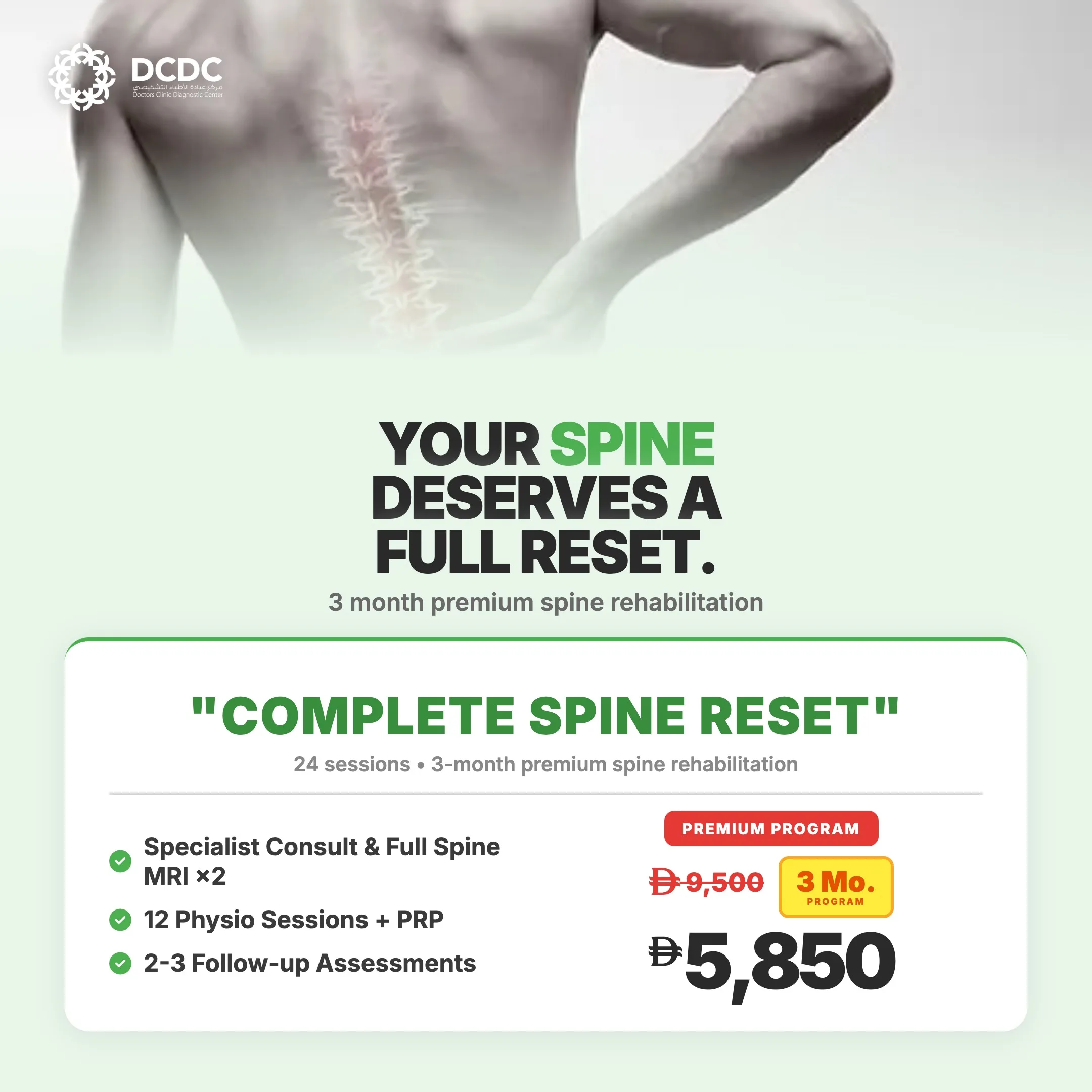
What Is Sports Physiotherapy and How Does It Differ from Regular Physiotherapy?
Sports physiotherapy is a specialised discipline that treats athletic injuries using sport-specific assessment, biomechanical analysis, and structured return-to-play protocols. Unlike general physiotherapy, which focuses on restoring basic daily function, sports physio aims to return you to the exact demands of your sport at pre-injury performance levels.
A general physiotherapist might discharge you when your knee pain is gone and you can walk normally. A sports physiotherapist would not clear you until you can sprint, change direction, jump, and land with confidence and without compensation patterns.
| Feature | General Physiotherapy | Sports Physiotherapy |
|---|---|---|
| Goal | Pain-free daily function | Return to sport at full capacity |
| Assessment | Joint range, strength | Biomechanics, sport-specific movement patterns |
| Treatment end point | Pain resolved, basic function restored | Passes return-to-sport functional tests |
| Exercise focus | General strengthening | Sport-specific drills, plyometrics, agility |
| Prevention | General advice | Screening, load management, movement correction |
Key differences between general and sports physiotherapy approaches
What Are the Most Common Sports Injuries in Dubai?
Dubai's sports injury landscape is shaped by its unique climate, demographics, and trending activities. Heat-related dehydration increases muscle injury risk, while the rapid adoption of sports like padel means many players lack the conditioning base for the demands they place on their bodies. Here is what our physiotherapy team sees most often.
Padel Injuries
- Lateral epicondylitis (padel elbow): The most common padel injury, caused by repetitive backhand strokes and vibration transfer through the racket
- Ankle sprains: Quick lateral movements on enclosed courts with limited space to decelerate
- Rotator cuff strains: Overhead smashes without adequate shoulder conditioning
- Knee ligament injuries: Sudden pivoting and direction changes
Football Injuries
- Hamstring strains: Sprinting without proper warm-up, especially on artificial turf
- ACL tears: Non-contact pivoting and landing mechanics failures
- Ankle sprains: Tackling, uneven surfaces, and tired legs late in matches
- Groin strains: Kicking and rapid changes of direction
HYROX and Gym Injuries
- Lower back injuries: Heavy lifting with poor form, especially deadlifts and cleans
- Shoulder impingement: Overhead pressing and wall balls with fatigued stabilisers
- Patellar tendinopathy: High-volume lunges, wall sits, and sled pushes
- Achilles tendinopathy: Running segments combined with heavy lower-body work
Running Injuries
- Runner's knee (patellofemoral pain): Increased mileage, weak glutes, and hard pavement surfaces
- Plantar fasciitis: Running on hard surfaces in Dubai's heat without adequate footwear
- IT band syndrome: Training volume increases, especially during cooler months when runners ramp up
- Shin splints: New runners or those returning after summer inactivity
What Treatments Does a Sports Physiotherapist Use?
Sports physiotherapy uses a combination of manual therapy, targeted exercise prescription, and technology-assisted treatments. The exact combination depends on your injury, sport, and recovery timeline. A good sports physio never relies on a single modality but builds a progressive programme that evolves as you heal. For related information, see our guide on ACL Injury Recovery: Rehabilitation Guide.
- Manual therapy: Joint mobilisation, soft tissue release, and myofascial techniques to restore movement and reduce pain
- Exercise prescription: Progressive strengthening, flexibility, and sport-specific drills tailored to your injury phase
- Dry needling: Trigger point treatment for muscle tightness and referred pain patterns
- Taping and bracing: Support during return-to-sport phases without restricting necessary movement
- Load management: Structured training modification plans that keep you active while injured areas recover
- Movement retraining: Correcting the biomechanical faults that caused the injury in the first place
For injuries that do not respond to physiotherapy alone, your physio may coordinate with our orthopedic team for advanced interventions such as PRP injections or imaging via MRI to confirm diagnosis.
When Should You See a Sports Physiotherapist Instead of Waiting?
The biggest mistake athletes make is waiting too long. Early intervention consistently leads to faster recovery and lower re-injury rates. Research published in the British Journal of Sports Medicine shows that athletes who begin physiotherapy within 72 hours of acute injury return to sport an average of 2-3 weeks sooner than those who wait.
- Pain that persists beyond 48 hours after an injury or changes your movement pattern
- Swelling that does not subside with ice and elevation within 3 days
- A clicking, locking, or giving-way sensation in any joint
- Recurrent injuries in the same area, suggesting an underlying biomechanical issue
- Pain that improves with rest but returns immediately when you resume sport
- Any injury where you heard or felt a pop, snap, or tear
Dealing with a Sports Injury?
Book a sports physiotherapy assessment at DCDC Dubai Healthcare City. Our team provides same-week appointments with on-site MRI and ultrasound if imaging is needed.
What Is Injury Prevention Screening and Do You Need It?
Injury prevention screening is a structured assessment that identifies muscle imbalances, joint restrictions, movement faults, and strength deficits before they result in injury. It is particularly valuable for recreational athletes in Dubai who often train intensely without a coach monitoring their form or periodising their training.
A typical screening session takes 45-60 minutes and includes functional movement assessment, single-leg strength testing, flexibility profiling, and sport-specific movement analysis. The result is a personalised corrective exercise programme that addresses your weak links.
- Best for: Anyone starting a new sport, increasing training intensity, or returning from a previous injury
- What it catches: Glute weakness leading to knee injuries, hip stiffness causing lower back pain, ankle instability predisposing to sprains
- Time investment: One session plus a 15-minute daily corrective programme can reduce injury risk by up to 50% (FIFA 11+ research)
How Does Return-to-Sport Testing Work?
Return-to-sport testing is a set of objective, measurable criteria that determines whether you are physically ready to resume your sport without excessive re-injury risk. Time-based recovery alone is unreliable because healing rates vary between individuals. A structured testing protocol ensures your body can handle the demands you are about to place on it. You may also find our Pediatric Physiotherapy Dubai: When Kids Need It helpful.
| Test Category | What Is Measured | Typical Benchmark |
|---|---|---|
| Strength | Quadriceps, hamstring, calf symmetry | > 90% limb symmetry index |
| Power | Single-leg hop for distance | > 90% of uninjured side |
| Agility | T-test or modified agility run | Within 10% of pre-injury baseline |
| Endurance | Sport-specific running or circuit | Completes without pain or compensation |
| Confidence | Psychological readiness scale | Scores above threshold on ACL-RSI or similar |
Common return-to-sport testing criteria used in sports physiotherapy
Athletes who pass structured return-to-sport testing have significantly lower re-injury rates. A 2019 study in the American Journal of Sports Medicine found that athletes who met all return-to-sport criteria had a 75% lower re-injury rate compared to those who returned based on time alone.
Ready for a Sports Physio Assessment?
Whether you are recovering from an injury or want to prevent one, our sports rehabilitation team at DCDC Dubai Healthcare City can help. Contact us to book your assessment.
DCDC में संबंधित सेवाएं
दुबई हेल्थकेयर सिटी में विशेषज्ञ देखभाल और उन्नत निदान
Sports Rehabilitation
Structured return-to-sport programmes for athletes of all levels
अपॉइंटमेंट बुक करेंPhysiotherapy
Evidence-based physiotherapy for pain relief and functional recovery
अपॉइंटमेंट बुक करेंOrthopedic Consultation
Expert diagnosis of musculoskeletal and sports injuries
अपॉइंटमेंट बुक करेंFrequently Asked Questions
Getting the Right Sports Physio in Dubai
Sports physiotherapy is not a luxury for elite athletes. It is an essential service for anyone in Dubai who trains regularly and wants to stay active without chronic pain or repeated injuries. The difference between a good outcome and a frustrating cycle of re-injury often comes down to getting proper assessment and rehabilitation from the start.
Whether you are dealing with an acute injury or want to address a nagging problem that keeps coming back, a sports physiotherapist can provide the targeted, sport-specific treatment that general rest and painkillers cannot. Book your assessment and take the first step back to full performance.
स्रोत एवं संदर्भ
यह लेख हमारी चिकित्सा टीम द्वारा समीक्षित है और निम्नलिखित स्रोतों का संदर्भ देता है:
- British Journal of Sports Medicine - Early physiotherapy intervention outcomes
- FIFA 11+ Injury Prevention Programme - Efficacy data
- American Journal of Sports Medicine - Return-to-sport testing criteria
- Dubai Health Authority - Physiotherapy practice guidelines
- World Physiotherapy (WCPT) - Sports physiotherapy standards
इस साइट पर चिकित्सा सामग्री DHA-लाइसेंस प्राप्त चिकित्सकों द्वारा समीक्षित है। हमारी देखें संपादकीय नीति अधिक जानकारी के लिए।

लेखक
Dr. Hadi Komshi
Specialist Internal Medicine
MD, DHA-Licensed
Dr. Hadi Komshi is a DHA-licensed Internal Medicine Specialist at Doctors Clinic Diagnostic Center in Dubai Healthcare City, with extensive experience in managing acute and chronic medical conditions including musculoskeletal pain and rehabilitation.
Related Articles
Complete Guide to Physiotherapy in Dubai: Types, Costs & What to Expect
ACL Injury Recovery: Complete Rehabilitation Guide
Football Injury Recovery: Physiotherapy Approach

Padel Injuries in Dubai: Treatment & Recovery
More in Physiotherapy
Physiotherapy Packages Dubai: Save 20%+ (2026)
और पढ़ें
Shoulder Pain Dubai: 7 Causes & When to Worry (2026)
और पढ़ें
PRP vs Cortisone Dubai: Which Injection? (2026)
और पढ़ें
PRP Injection for Joints Dubai: From AED 1,500 (2026)
और पढ़ेंPhysiotherapy Cost Dubai: AED 250–500/Session (2026)
और पढ़ेंPhysiotherapy Dubai: Types, Cost & Guide (2026)
और पढ़ें© 2026 Doctors Clinic Diagnostic Center (DCDC), Dubai Healthcare City. Originally published at https://doctorsclinicdubai.ae/blog/sports-physiotherapy-dubai-guide. All rights reserved. Unauthorized reproduction is prohibited.