मुख्य बातें
- Low-dose CT (LDCT) screening reduces lung cancer deaths by 20-24% in high-risk individuals compared to chest X-ray or no screening
- Screening is recommended for adults aged 50-80 with a 20+ pack-year smoking history who currently smoke or quit within the past 15 years
- LDCT delivers 90% less radiation than a standard chest CT scan, making annual screening safe for eligible patients
- Chest X-ray cannot reliably detect early-stage lung cancer — it misses up to 75% of small nodules that LDCT would find
- The Lung-RADS scoring system standardises how radiologists report findings, reducing unnecessary follow-up procedures
Lung cancer kills more people worldwide than breast, colon, and prostate cancers combined. The reason is straightforward: by the time most patients develop symptoms — persistent cough, unexplained weight loss, coughing up blood — the cancer has already spread beyond the lung. Five-year survival for stage IV lung cancer is just 8%. But when lung cancer is caught at stage I through screening, survival jumps to 80-92%. The National Lung Screening Trial, which followed over 53,000 participants, demonstrated that annual low-dose CT scanning reduced lung cancer mortality by 20% compared to chest X-ray. The European NELSON trial later confirmed an even larger 24% reduction. These are not marginal improvements — they represent thousands of lives saved every year. Our Ct Scan service at DCDC offers same-day appointments in Dubai Healthcare City.
Despite this evidence, lung cancer screening remains dramatically underutilised. In the United States, fewer than 6% of eligible individuals get screened annually. In the UAE, awareness is even lower. Many smokers and former smokers do not realise that a simple, painless scan lasting less than 30 seconds could detect a tumour the size of a grain of rice — years before symptoms appear. This guide explains who should be screened, what LDCT screening involves, how results are interpreted using the Lung-RADS system, and what to expect if something is found.
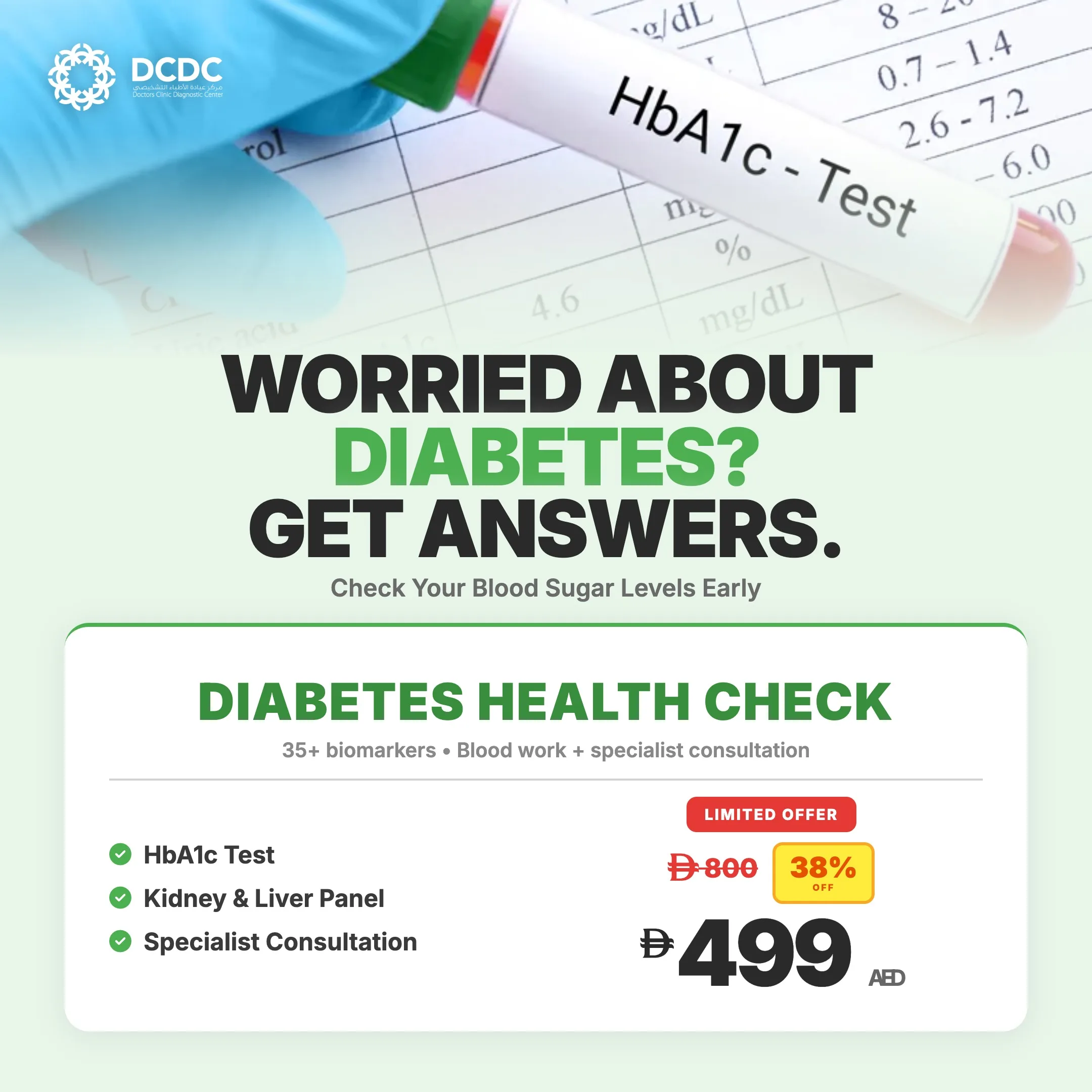
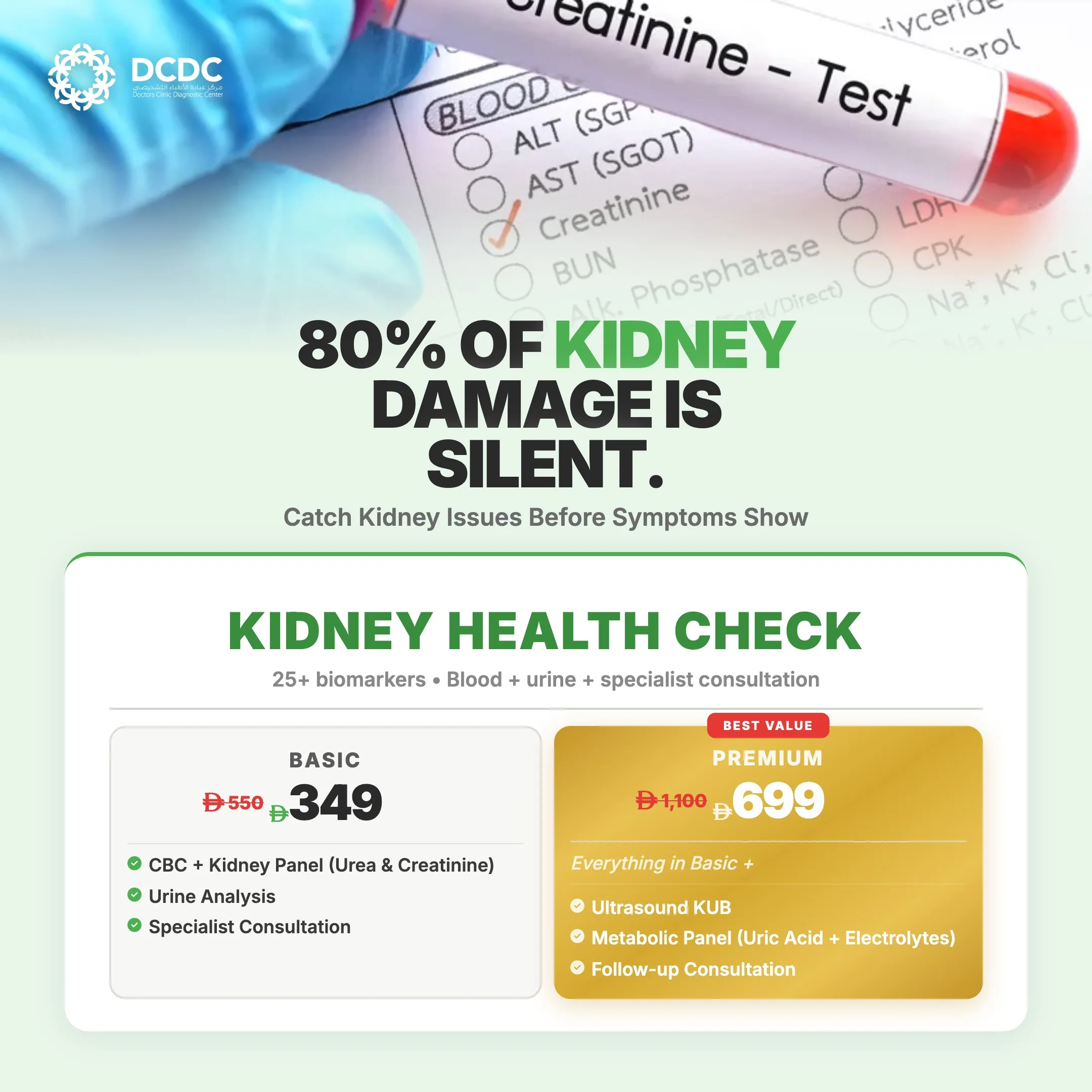
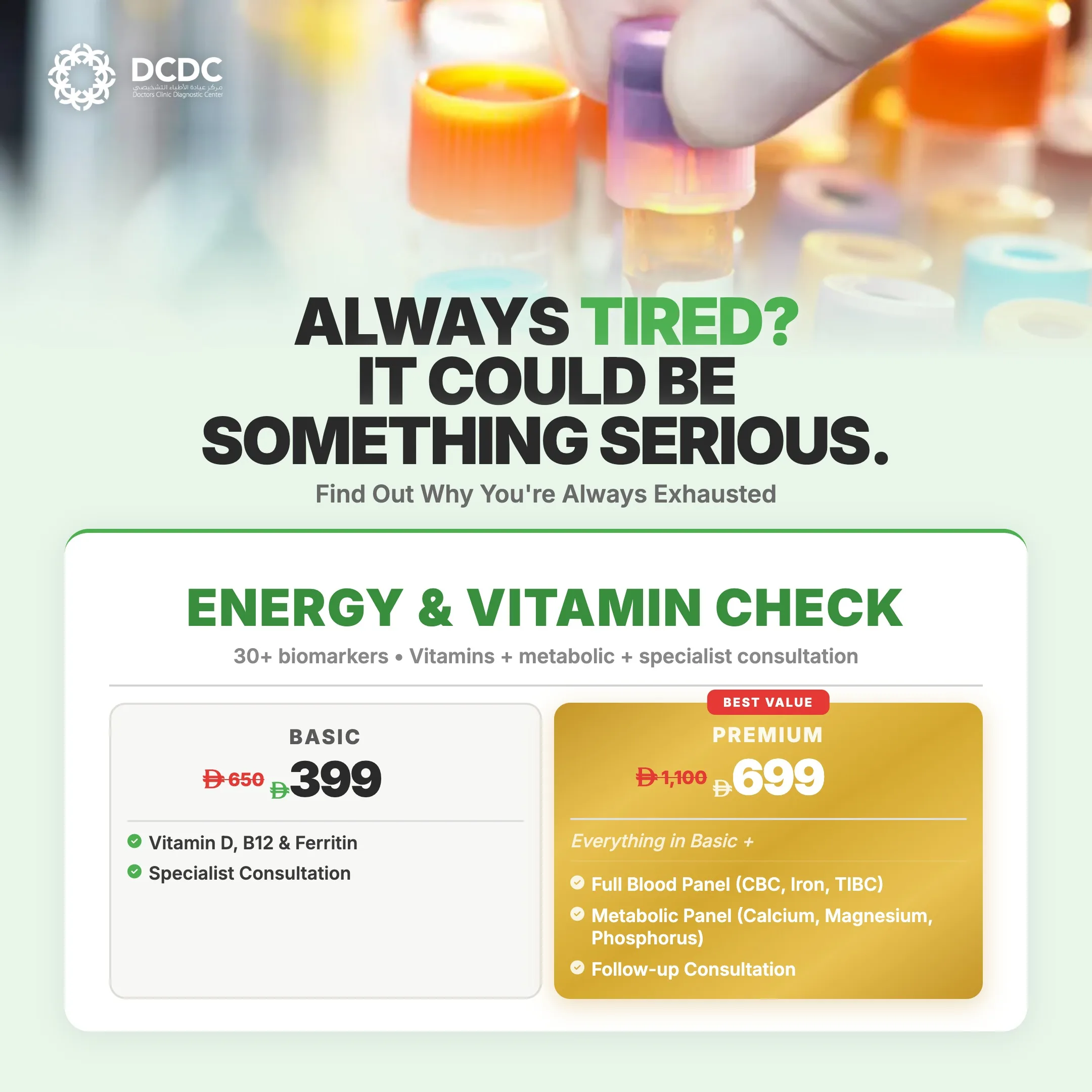
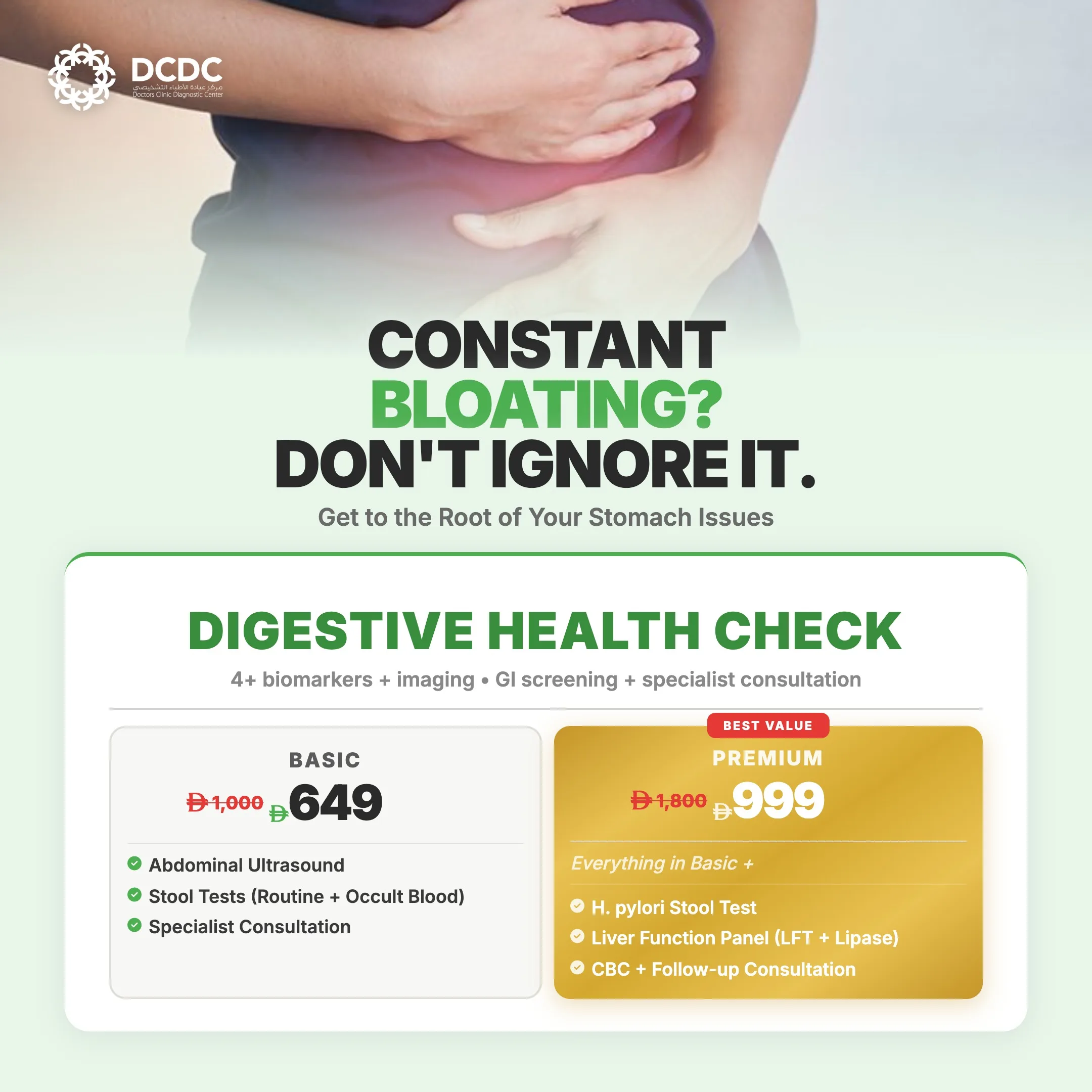
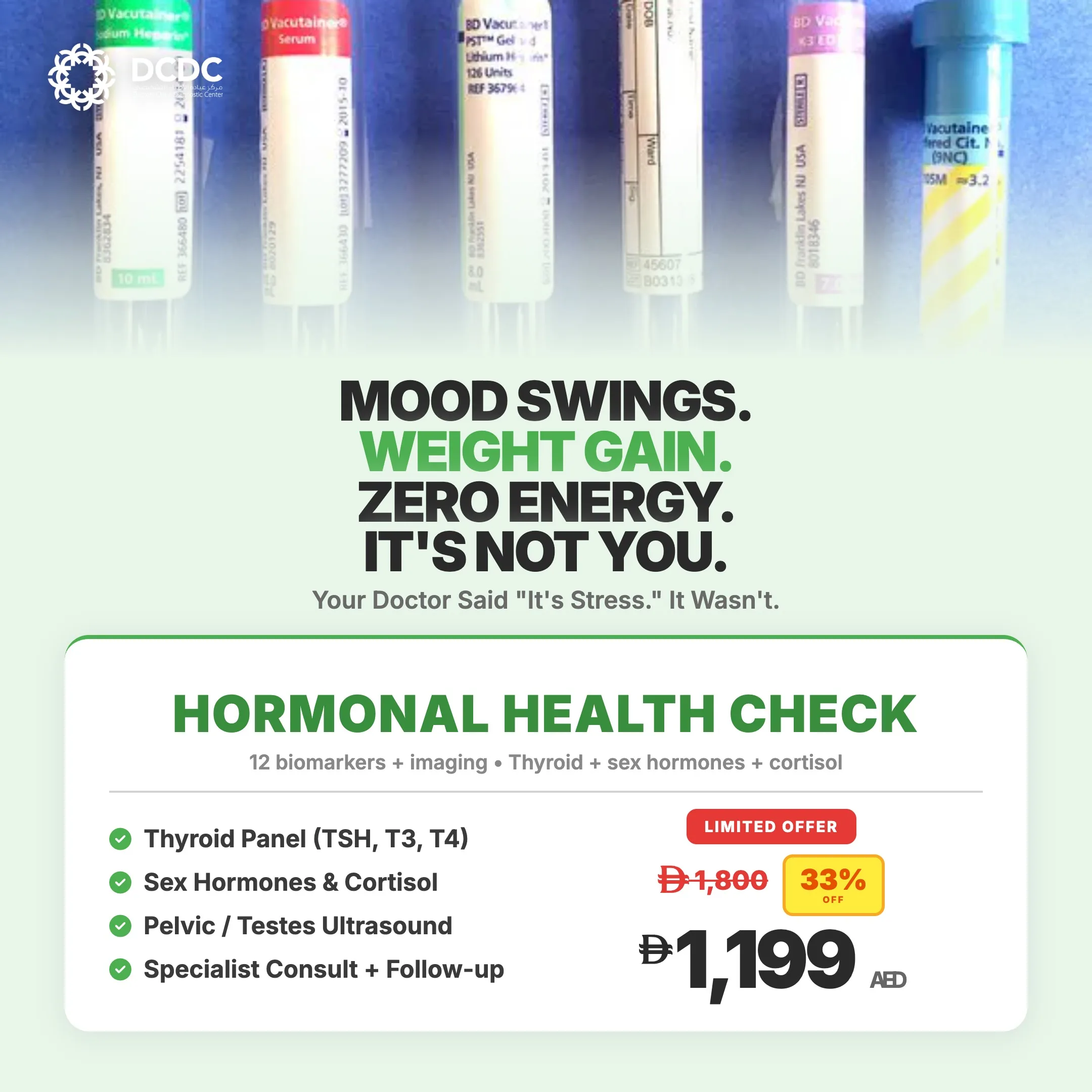
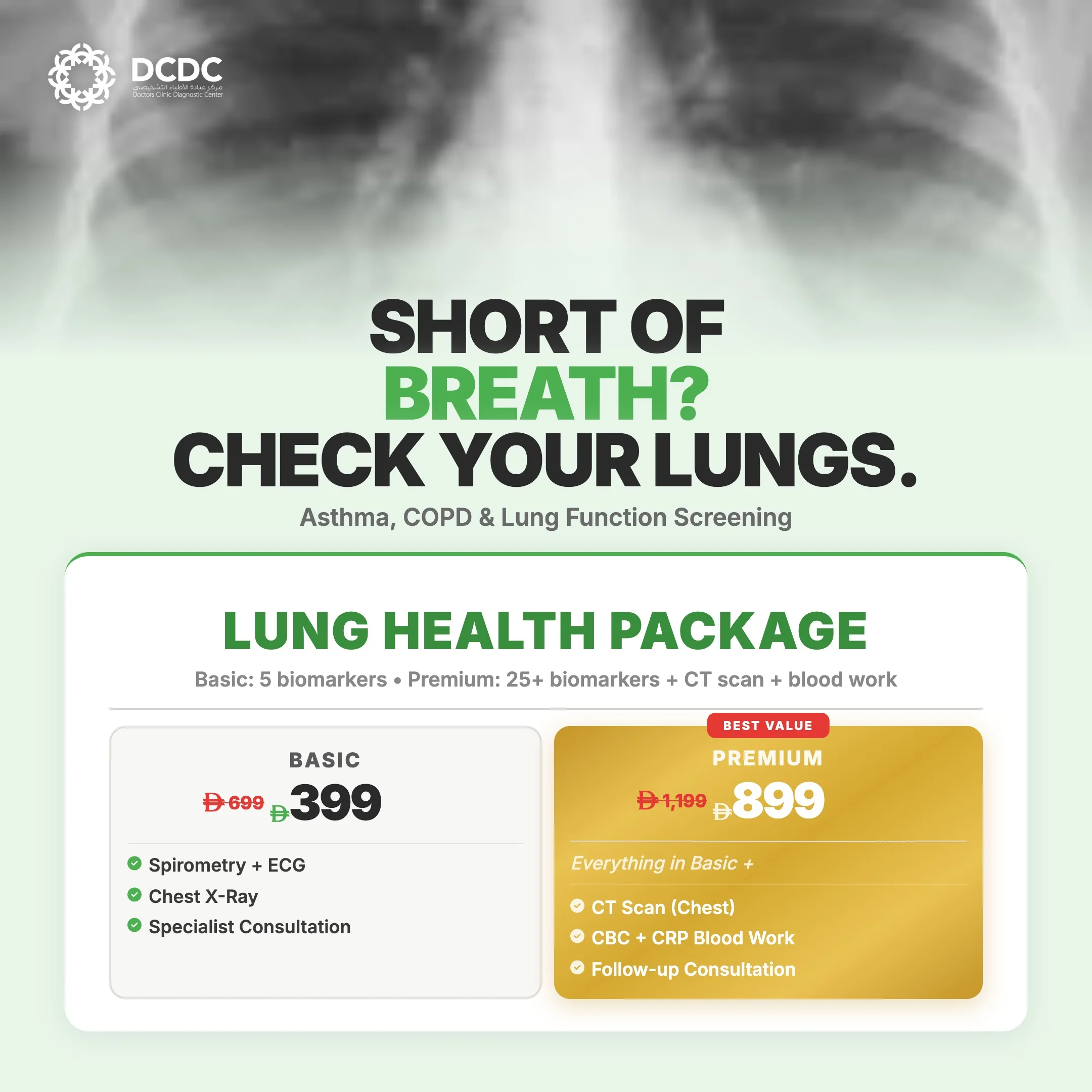
Health Screening Packages
Save with our bundled screening packages — specialist consultation included
Who Should Get LDCT Lung Cancer Screening?
Lung cancer screening is not recommended for everyone — it is specifically targeted at people with the highest risk, where the benefit of early detection outweighs the risks of false positives and radiation exposure. The United States Preventive Services Task Force (USPSTF), the American Cancer Society, and the National Comprehensive Cancer Network have converged on similar eligibility criteria. To qualify for annual LDCT screening, you must meet all of the following criteria: you are between 50 and 80 years old, you have a smoking history of at least 20 pack-years, and you either currently smoke or quit within the past 15 years.
A pack-year is calculated by multiplying the number of packs smoked per day by the number of years smoked. For example, smoking one pack per day for 20 years equals 20 pack-years. Smoking two packs per day for 10 years also equals 20 pack-years. Half a pack per day for 40 years equals the same 20 pack-years. The calculation matters because it determines eligibility — and many people underestimate their true pack-year history when they speak with their doctor.
| Criterion | USPSTF 2021 | ACS | NCCN |
|---|---|---|---|
| Minimum age | 50 | 50 | 50 |
| Maximum age | 80 | 80 | 77 |
| Minimum pack-years | 20 | 20 | 20 |
| Quit within | 15 years | 15 years | 15 years |
| Additional risk factors considered | No | No | Yes (radon, occupational, family history) |
Lung cancer screening eligibility criteria by major guideline organisation
Screening should be discontinued if you have not smoked for 15 or more years, you turn 81, you develop a health condition that substantially limits life expectancy, or you are unable or unwilling to have curative lung surgery if cancer is found. The decision to begin screening should involve a shared discussion with your doctor about your specific risk, the potential benefits, and the possibility of false positive results.
There are also groups at increased lung cancer risk who do not meet the standard pack-year threshold but may still benefit from discussion with their physician. These include people with significant secondhand smoke exposure, occupational exposure to asbestos, radon, or other carcinogens, a personal history of COPD or pulmonary fibrosis, a first-degree family history of lung cancer, or prior radiation therapy to the chest. The NCCN guidelines are more inclusive of these additional risk factors.
LDCT vs Regular CT vs Chest X-Ray: What Is the Difference?
Understanding the differences between these three imaging modalities is critical, because they are not interchangeable when it comes to lung cancer detection. A standard chest X-ray produces a two-dimensional image of the lungs. It is inexpensive, widely available, and uses very low radiation. However, it has a fundamental limitation: the heart, spine, ribs, and mediastinum overlay the lung tissue, hiding small nodules. Multiple randomised trials — including the landmark Prostate, Lung, Colorectal, and Ovarian (PLCO) Cancer Screening Trial — have conclusively shown that chest X-ray screening does not reduce lung cancer mortality. A chest X-ray can detect a 2-3 centimetre tumour, but by that size, the cancer may already be stage II or III.
A standard diagnostic CT scan of the chest creates detailed cross-sectional images and can detect nodules as small as 1-2 millimetres. It provides excellent detail for diagnosing known or suspected lung disease. However, standard CT delivers a relatively high radiation dose — typically 7-8 millisieverts (mSv) per scan. This level of radiation makes it unsuitable for annual screening in healthy individuals over many years, as the cumulative radiation exposure could itself increase cancer risk.
A low-dose CT (LDCT) scan uses the same CT technology but with specially optimised protocols that reduce the radiation dose by approximately 90% — typically delivering just 1-1.5 mSv per scan, roughly equivalent to the natural background radiation you receive in six months of normal living. Despite this dramatic dose reduction, LDCT can still detect lung nodules as small as 1-2 millimetres. This combination of high sensitivity and low radiation makes LDCT the only imaging modality proven to reduce lung cancer deaths through screening.
| Feature | Chest X-Ray | Standard CT | Low-Dose CT (LDCT) |
|---|---|---|---|
| Radiation dose | 0.02 mSv | 7-8 mSv | 1-1.5 mSv |
| Smallest detectable nodule | 10-15 mm | 1-2 mm | 1-2 mm |
| Scan duration | < 1 minute | 5-10 minutes | < 30 seconds |
| Proven to reduce lung cancer death | No | Not studied for screening | Yes (20-24%) |
| Recommended for screening | No | No | Yes (high-risk only) |
| Approximate cost (Dubai) | AED 200-400 | AED 800-2,000 | AED 600-1,200 |
Comparison of chest imaging modalities for lung cancer detection
At DCDC Dubai Healthcare City, our CT scan department offers LDCT lung screening using the latest multi-detector CT scanners with dose-optimised protocols. The entire scan takes less than 30 seconds, requires no injections or special preparation, and results are reported by our specialist radiologists using the standardised Lung-RADS classification system.
What Does LDCT Screening Actually Find?
One of the most important things to understand about LDCT screening is that it finds things other than lung cancer far more often than it finds actual cancer. In the National Lung Screening Trial, approximately 24% of LDCT scans were flagged as "positive" — meaning they found something worth noting — but only about 4% of those positive results turned out to be lung cancer. The vast majority of findings are benign: old granulomas from previous infections, small lymph nodes, benign hamartomas, areas of scarring from past pneumonia, and — most commonly — tiny lung nodules that are completely harmless. For related information, see our guide on Cancer Screening Dubai: Tests & Cost by Age.
Lung nodules are the most common LDCT finding. These are small spots on the lung, typically round or oval, measuring from 1 millimetre to 30 millimetres. The overwhelming majority of small nodules (less than 6 millimetres) are benign — they may be tiny lymph nodes, areas of inflammation, or granulomas from a past infection. Larger nodules, irregular nodules, or nodules that grow on follow-up scans have a higher probability of being malignant. The key is not whether a nodule is present, but how it is managed — and this is where the Lung-RADS scoring system becomes essential.
- Benign lung nodules (most common): Small, solid, round nodules less than 6mm — found in up to 50% of screened individuals, almost always harmless
- Indeterminate nodules: Nodules between 6-15mm or with irregular features — require follow-up CT in 3-6 months to check for growth
- Suspicious nodules: Larger nodules, growing nodules, or those with irregular borders — may require PET scan, biopsy, or specialist referral
- Incidental findings: LDCT may also reveal emphysema, coronary artery calcification, aortic aneurysm, or other conditions unrelated to lung cancer
- Lung cancer: Found in approximately 1-2% of screened individuals per year — usually at an early, treatable stage
Are You Eligible for Lung Cancer Screening?
If you are a current or former smoker aged 50-80, speak with our specialists about LDCT lung screening at DCDC Dubai Healthcare City.
Lung-RADS Scoring: How Your Results Are Reported
The Lung CT Screening Reporting and Data System (Lung-RADS) was developed by the American College of Radiology to standardise how LDCT screening results are reported and managed. Before Lung-RADS, different radiologists might describe the same finding in different ways, leading to inconsistent follow-up recommendations. Lung-RADS provides a clear, numbered scoring system — similar to BI-RADS for mammography — that tells both the referring physician and the patient exactly what the finding means and what should happen next.
| Lung-RADS Category | Finding | Cancer Probability | Recommended Action |
|---|---|---|---|
| 0 | Incomplete — needs more info or prior comparison | N/A | Additional imaging or comparison with prior CT |
| 1 | Negative — no nodules, or definitely benign | < 1% | Continue annual screening |
| 2 | Benign appearance — small nodules, likely benign | < 1% | Continue annual screening |
| 3 | Probably benign — larger nodules needing follow-up | 1-2% | Follow-up CT in 6 months |
| 4A | Suspicious — findings need further evaluation | 5-15% | Follow-up CT in 3 months, PET/CT, or biopsy |
| 4B | Very suspicious — high probability of malignancy | > 15% | Chest CT with or without contrast, PET/CT, biopsy, or surgical consultation |
Lung-RADS classification categories and management recommendations
The adoption of Lung-RADS has significantly reduced the false positive rate in lung cancer screening. By reclassifying small, stable nodules as Lung-RADS 1 or 2 (essentially normal or probably benign), the system avoids unnecessary follow-up scans and biopsies for findings that are overwhelmingly likely to be harmless. In practice, approximately 90% of LDCT screening results fall into Lung-RADS 1 or 2, meaning the patient simply continues with annual screening. Only about 5-10% of results require shorter-interval follow-up (Lung-RADS 3), and 2-5% require further workup (Lung-RADS 4A or 4B).
At DCDC, all LDCT screening reports use the Lung-RADS classification system. Our specialist radiologists provide clear, structured reports that include the Lung-RADS category, a description of findings, measurement of any nodules, comparison with prior scans if available, and specific follow-up recommendations. This ensures that your referring physician has all the information needed to guide your care, and that you understand exactly what your results mean.
False Positives: Understanding and Managing Screening Anxiety
The most significant downside of LDCT lung cancer screening is the false positive rate — findings that initially look concerning but turn out to be benign. In the original National Lung Screening Trial, the false positive rate was approximately 23%, meaning nearly one in four screened individuals received a result that required further investigation but was ultimately not cancer. This caused anxiety, additional imaging, and in some cases, invasive procedures like biopsies or even surgery for benign conditions.
However, the situation has improved dramatically with the introduction of Lung-RADS. By raising the size threshold for a "positive" screen from 4mm to 6mm for solid nodules, Lung-RADS reduced the false positive rate from 23% to approximately 10-12% without missing clinically significant cancers. Modern screening programmes also benefit from computer-aided detection (CAD) software, volumetric nodule measurement (which tracks the three-dimensional volume of a nodule rather than just its diameter), and comparison with prior scans — all of which further reduce unnecessary follow-up.
If you receive a Lung-RADS 3 or 4 result, the most important thing to understand is that this does not mean you have cancer. It means there is a finding that needs closer monitoring or further investigation. Most Lung-RADS 3 findings (probably benign) remain stable on follow-up CT and are reclassified as Lung-RADS 2 after one or two additional scans. Even among Lung-RADS 4A findings, the majority turn out to be benign after PET scan or biopsy. The screening programme exists precisely to find these things early — when they can be thoroughly evaluated without urgency.
- Ask for your Lung-RADS category: A specific number is more informative than vague terms like "spot on the lung" — ask your doctor for the exact Lung-RADS score
- Understand the follow-up plan: Know exactly when your next scan is due and what the radiologist will be looking for (stability, growth, resolution)
- Bring prior scans: Comparison with previous imaging is one of the most powerful tools for distinguishing benign from malignant nodules — always bring prior CT images
- Do not spiral on Google: Searching "lung nodule" online will show worst-case scenarios — your Lung-RADS category provides a far more accurate picture of your actual risk
- Consider the alternative: Without screening, lung cancer is typically found at stage III or IV with an 8% five-year survival — a false positive is vastly preferable to a delayed diagnosis
Cost, Follow-Up Protocol, and the Link to Smoking Cessation
LDCT lung cancer screening in Dubai typically costs between AED 600 and AED 1,200 per scan, depending on the facility. At DCDC Dubai Healthcare City, we offer competitive pricing for lung screening with same-week appointments. Some insurance plans in Dubai cover LDCT screening for eligible patients when ordered by a physician, particularly if you have documented risk factors. We recommend contacting your insurance provider or our front desk to check your coverage before booking. You may also find our Blood Tests for Cancer: Tumor Markers Explained helpful.
The standard follow-up protocol for lung cancer screening depends on your Lung-RADS results. For Lung-RADS 1 and 2 (negative or benign), you continue with annual LDCT screening. For Lung-RADS 3, a follow-up CT is recommended in 6 months. For Lung-RADS 4A, follow-up CT in 3 months or a PET/CT scan may be recommended. For Lung-RADS 4B, more aggressive workup is typically initiated, including PET/CT, tissue biopsy (either CT-guided percutaneous biopsy or bronchoscopy), and referral to a thoracic surgeon or oncologist. If a nodule is found to be growing on follow-up scans, the Lung-RADS category is upgraded and the workup is accelerated.
An often-overlooked aspect of lung cancer screening is the opportunity it creates for smoking cessation counselling. The screening visit is a teachable moment — studies show that smokers who participate in lung cancer screening are more likely to attempt quitting than those who do not. The visual evidence of what smoking has done to the lungs (emphysema, bronchial wall thickening, mucous plugging) can be a powerful motivator. At DCDC, we integrate smoking cessation guidance into the screening programme, because stopping smoking remains the single most effective way to reduce lung cancer risk — even more effective than screening itself.
Within 5 years of quitting, your lung cancer risk drops by approximately 40%. After 10 years of cessation, it drops by about 70%. After 15 years, your risk approaches — though never quite reaches — that of a never-smoker. This is precisely why the eligibility window closes at 15 years after quitting: by that point, your risk has dropped enough that the harms of continued annual CT screening (cumulative radiation, false positives) begin to outweigh the benefits.
Book Your LDCT Lung Screening
Take the first step towards early detection. Book a low-dose CT lung screening at DCDC Dubai Healthcare City today.
Results reported using Lung-RADS classification
DCDC में संबंधित सेवाएं
दुबई हेल्थकेयर सिटी में विशेषज्ञ देखभाल और उन्नत निदान
Frequently Asked Questions
Every Year You Screen, You Buy Time
Lung cancer does not have to be a death sentence. When caught at stage IA through LDCT screening, the five-year survival rate exceeds 90% — and many patients are cured with surgery alone, without needing chemotherapy or radiation. The technology exists, the evidence is overwhelming, and the scan itself takes less than 30 seconds. The only missing ingredient is awareness and action.
If you are between 50 and 80 years old, have a 20+ pack-year smoking history, and currently smoke or quit within the past 15 years, annual LDCT screening is one of the most impactful health decisions you can make. It is quick, painless, uses minimal radiation, and has been proven in trials involving over 100,000 participants to save lives. Do not wait for symptoms — by the time you have symptoms, the window for cure may have closed.
At DCDC Dubai Healthcare City, our CT scan department provides LDCT lung cancer screening with Lung-RADS-standardised reporting. We also offer integrated smoking cessation guidance, because quitting smoking and getting screened are not competing strategies — they are complementary ones. Book your screening today and take control of your lung health.
स्रोत एवं संदर्भ
यह लेख हमारी चिकित्सा टीम द्वारा समीक्षित है और निम्नलिखित स्रोतों का संदर्भ देता है:
- National Lung Screening Trial — NLST Results
- NELSON Trial — European Lung Cancer Screening Results
- USPSTF — Lung Cancer Screening Recommendation (2021)
- American College of Radiology — Lung-RADS v2022
- American Cancer Society — Lung Cancer Screening Guidelines
इस साइट पर चिकित्सा सामग्री DHA-लाइसेंस प्राप्त चिकित्सकों द्वारा समीक्षित है। हमारी देखें संपादकीय नीति अधिक जानकारी के लिए।

लेखक
Dr. Osama Sanduka
Specialist Diagnostic Radiology
MD, Diagnostic Radiology Specialist
Dr. Osama Sanduka is a Specialist in Diagnostic Radiology with extensive experience in CT imaging, MRI, and interventional procedures. He practices at DCDC Dubai Healthcare City.
Related Articles
Cancer Screening in Dubai: Tests, Costs & What You Need
CT Scan Cost Dubai: Complete Guide
CT Scan Preparation Guide
Blood Tests for Cancer: Tumor Markers Explained
More in Preventive Health

Flu Vaccine Cost Dubai: Guide & Prices (2026)
और पढ़ेंFull Body Checkup Cost Dubai: From AED 249 (2026)
और पढ़ें
PSA Test Dubai: Prostate Screening Guide (2026)
और पढ़ें
Premarital Screening Dubai: Tests & Cost (2026)
और पढ़ेंHPV Vaccine Dubai: Gardasil 9 Cost & Guide (2026)
और पढ़ें
Men's Health Screening Dubai: Tests by Age (2026)
और पढ़ें© 2026 Doctors Clinic Diagnostic Center (DCDC), Dubai Healthcare City. Originally published at https://doctorsclinicdubai.ae/blog/lung-cancer-early-detection. All rights reserved. Unauthorized reproduction is prohibited.