मुख्य बातें
- Breast compression during a mammogram lasts only 3 to 10 seconds per image, and the entire screening typically involves four images taken over 10 to 15 minutes
- Most women describe the sensation as firm pressure or discomfort rather than true pain, with the majority rating the experience between 3 and 5 on a 10-point pain scale
- Factors such as breast density, menstrual cycle timing, caffeine intake, and anxiety levels can influence how much discomfort you feel during a mammogram
- Scheduling your mammogram 7 to 14 days after the start of your period, avoiding caffeine for 48 hours beforehand, and taking an over-the-counter pain reliever one hour before can significantly reduce discomfort
- The brief discomfort of a mammogram is a small trade-off for a screening that can detect breast cancer up to three years before a lump becomes palpable, when the five-year survival rate is 99 percent
Is a mammogram painful? This is one of the most common questions women ask before their first breast screening, and it is a question that deserves an honest, evidence-based answer. The short answer is that a mammogram involves noticeable pressure and, for some women, temporary discomfort, but the vast majority of women do not describe it as truly painful. The compression required to produce a clear diagnostic image lasts only 3 to 10 seconds per view, and most women rate the experience between 3 and 5 on a 10-point pain scale. Understanding what to expect, why compression is necessary, and how to prepare can transform a mammogram from an anxiety-inducing appointment into a straightforward, manageable screening that could save your life.
This guide provides an honest breakdown of mammogram discomfort based on clinical evidence and real patient experiences. You will learn why breast compression is medically necessary, what most women actually report feeling, which factors affect your comfort level, seven proven strategies to reduce discomfort, when pain during a mammogram may signal something abnormal, and how DCDC in Dubai Healthcare City prioritizes patient comfort during every mammography appointment.
Does a Mammogram Hurt? The Honest Answer
The honest answer is that a mammogram is uncomfortable for most women, but it is rarely painful in the way many women fear. Research consistently shows that the anticipation of pain is often worse than the actual experience. A large-scale study published in the journal Radiology involving over 50,000 women found that while 90 percent of women reported some degree of discomfort during mammography, only 11 percent described it as painful, and fewer than 1 percent said the pain was so severe they would not return for future screening.
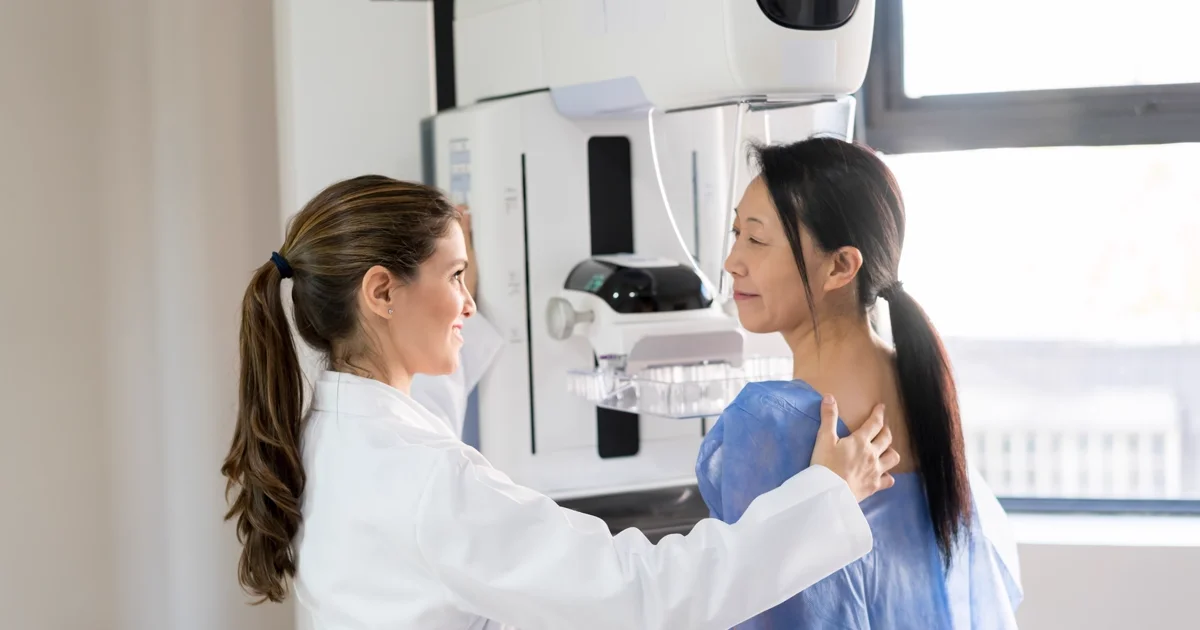
During a mammogram, each breast is placed on a flat support plate and compressed by a clear plastic paddle. This compression is necessary to spread the breast tissue evenly so that the X-ray can produce a clear, detailed image. The compression lasts approximately 3 to 10 seconds per image, and a standard screening mammogram requires four images: two views of each breast. This means the total time your breasts are under compression is typically less than 40 seconds across the entire appointment.
"The most important thing I tell patients is that the compression is brief," says Dr. Osama Elzamzami, Head of Radiology at DCDC. "Many women come in expecting several minutes of pain, but the reality is that each compression lasts a matter of seconds. Once they experience that, the anxiety they carried into the appointment disappears almost immediately."
The sensation itself is best described as a firm squeezing or pressing feeling. Some women compare it to having a blood pressure cuff inflated tightly around the arm. It is not a sharp or stabbing sensation, and it stops the instant the compression paddle is released. For most women, the discomfort is fleeting enough that they forget about it within minutes of leaving the imaging room.
Why Breast Compression Is Necessary
Breast compression is not an arbitrary part of the mammogram procedure. It serves four critical diagnostic purposes that directly affect the accuracy of your screening and, ultimately, whether early-stage breast cancer or other abnormalities are detected.
- Spreads overlapping tissue: Without compression, breast tissue layers overlap on the X-ray image, potentially hiding small tumors, calcifications, or other abnormalities. Compression separates the tissue layers so that each structure can be seen individually, reducing the chance that a cancer is obscured by overlapping normal tissue.
- Reduces radiation dose: A thinner, compressed breast requires less X-ray energy to produce a diagnostic image. This means that proper compression actually lowers the radiation dose you receive during the screening, making it safer.
- Improves image sharpness: Compression holds the breast still and reduces the distance the X-ray beam must travel through tissue. Both of these factors produce a sharper image with better contrast, allowing the radiologist to detect abnormalities as small as 1 to 2 millimeters.
- Ensures uniform tissue thickness: By creating an even thickness across the breast, compression ensures that the X-ray exposure is consistent throughout the image. Areas that are too thick would appear overexposed, while thin areas would appear underexposed, both of which reduce diagnostic accuracy.
In short, compression is the reason mammography is such an effective screening tool. Studies published in the journal Breast Cancer Research and Treatment have demonstrated that adequate compression improves cancer detection rates by up to 20 percent compared to insufficient compression. The brief discomfort is a direct investment in diagnostic accuracy.
"Compression is not about inflicting discomfort. It is about producing the clearest possible image so that we can detect abnormalities at the earliest, most treatable stage," says Dr. Osama Elzamzami, Head of Radiology at DCDC. "A well-compressed mammogram can reveal a cancer that is only a few millimeters in size, years before it would be felt as a lump during a self-exam."
Pain Scale: What Most Women Report
Understanding what other women have experienced can help set realistic expectations and reduce pre-appointment anxiety. Multiple studies have measured mammogram discomfort using standardized pain scales, and the results are remarkably consistent across different populations and healthcare settings.
On a standard 0-to-10 pain scale, where 0 represents no sensation at all and 10 represents the worst pain imaginable, the following distribution is typical of what women report during screening mammography:
- 0-2 (minimal or no discomfort): Approximately 25 to 30 percent of women report that the mammogram caused little to no discomfort. These women often describe the sensation as mild pressure that was completely tolerable.
- 3-5 (moderate discomfort): The majority of women, approximately 50 to 55 percent, rate the experience in this range. They describe it as uncomfortable but manageable, similar to a firm squeeze that was over quickly.
- 6-7 (significant discomfort): Approximately 15 to 20 percent of women report more notable discomfort. These women often have specific contributing factors such as fibrocystic breasts, dense breast tissue, or timing the appointment during a particularly sensitive phase of their menstrual cycle.
- 8-10 (severe pain): Fewer than 5 percent of women rate the experience as severely painful. This level of discomfort is uncommon and is typically associated with underlying breast conditions, prior breast surgery, or extreme breast tenderness.
A 2020 systematic review published in the European Journal of Radiology analyzed 67 studies involving more than 200,000 women and concluded that the mean pain score during mammography was 3.8 out of 10. The review also found that women who received clear information about what to expect before the procedure reported significantly lower pain scores than those who arrived without preparation.
Patient Story: Expecting Pain, Finding Relief
Fatima, a 42-year-old Dubai resident, had delayed her first mammogram for over two years because she was convinced it would be extremely painful. After reading stories online about agonizing mammogram experiences, she had built up significant anxiety. When she finally scheduled her appointment at DCDC, she arrived visibly nervous and told the radiographer she was expecting the worst.
"I was genuinely shocked," Fatima recalls. "The radiographer explained every step before it happened, told me exactly when the compression would start and stop, and it was over so quickly that I almost laughed. I would rate it maybe a 3 or 4 out of 10. The blood draw I had last month was more uncomfortable. I felt silly for having postponed it for so long, especially knowing that early detection is what saves lives. I will never skip a mammogram again."
Fatima's experience is representative of the majority of first-time mammography patients. The anticipation of pain is almost always worse than the reality, and women who have been properly informed about what to expect consistently report lower discomfort levels.
Factors That Affect Mammogram Comfort
Not every woman experiences a mammogram the same way. Several physiological, timing-related, and psychological factors influence how much discomfort you feel during compression. Understanding these factors empowers you to take control of your experience and schedule your appointment for maximum comfort.
Menstrual Cycle Timing
Breast tissue is most sensitive in the days leading up to and during menstruation, when rising levels of estrogen and progesterone cause fluid retention, swelling, and increased tenderness. Research published in the journal Radiology confirms that women who have mammograms during the luteal phase (the two weeks before their period) report significantly higher discomfort than those screened during the follicular phase (days 7 to 14 after the start of their period). Scheduling your mammogram during the first two weeks after your period begins is one of the most effective strategies for reducing discomfort.
Breast Density and Tissue Type
Women with dense breast tissue or fibrocystic breast changes tend to experience more discomfort during compression than women with predominantly fatty breast tissue. Dense breasts contain a higher proportion of glandular and connective tissue, which is inherently firmer and more sensitive to pressure. Approximately 40 to 50 percent of women have dense breasts, making this one of the most common factors influencing mammogram comfort.
Caffeine and Dietary Factors
Caffeine has long been associated with increased breast tenderness in some women. While the scientific evidence is mixed, many healthcare providers recommend avoiding coffee, tea, chocolate, and caffeinated soft drinks for 24 to 48 hours before a mammogram to reduce breast sensitivity. Some women also find that reducing salt intake in the days before their appointment helps minimize fluid retention and breast swelling.
Anxiety and Psychological Factors
Anxiety amplifies the perception of pain. When the body is in a state of heightened anxiety, muscles tense, the nervous system becomes hypersensitive, and even mild sensations can be perceived as painful. Studies have shown that women who report high levels of pre-mammogram anxiety consistently rate the procedure as more painful than women who approach it calmly. Relaxation techniques, deep breathing, and simply knowing what to expect can meaningfully lower your discomfort.
Breast Size
Both very small and very large breasts can present comfort challenges during mammography, though for different reasons. Women with very small breasts may find it more difficult to position the breast on the compression plate, requiring the radiographer to apply slightly more effort to include sufficient tissue. Women with very large breasts may require additional images and longer positioning time. However, breast size alone is not a reliable predictor of mammogram pain, and women across the full range of breast sizes report widely varying comfort levels.
Previous Breast Surgery or Implants
Women who have had breast surgery, including biopsies, lumpectomies, or breast augmentation, may experience increased sensitivity in the affected area. Scar tissue can be more tender to pressure than surrounding breast tissue. Women with breast implants require a modified technique called the Eklund displacement method, which involves gently pushing the implant back and pulling the breast tissue forward for imaging. While this additional manipulation may cause mild discomfort, experienced radiographers perform it smoothly and efficiently.
7 Proven Tips to Reduce Mammogram Discomfort
While some degree of pressure is unavoidable during a mammogram, there are concrete, evidence-backed strategies you can use before, during, and after your appointment to minimize discomfort and make the experience as comfortable as possible.
| Tip | When to Apply | How It Helps |
|---|---|---|
| Schedule 7-14 days after your period starts | Before (planning) | Breasts are least tender during the follicular phase, when hormone-driven swelling and sensitivity are at their lowest |
| Avoid caffeine for 24-48 hours | Before (1-2 days prior) | Reduces breast tissue sensitivity and swelling associated with methylxanthines in coffee, tea, and chocolate |
| Take ibuprofen or paracetamol 60 minutes before | Before (1 hour prior) | Over-the-counter anti-inflammatory medication reduces pain signaling and tissue inflammation during compression |
| Wear a two-piece outfit (skip one-piece dresses) | Before (day of) | You only need to undress from the waist up, so a separate top and bottom allows you to remain partially clothed and more comfortable |
| Communicate with your radiographer | During the exam | Tell the radiographer about your sensitivity level; they can adjust compression speed and pause between views to let you recover |
| Practice slow, deep breathing during compression | During the exam | Deep breathing activates the parasympathetic nervous system, lowering muscle tension and reducing the perception of pain |
| Apply a cool compress if soreness persists | After the exam | A cool cloth or gel pack on the breasts for 10-15 minutes can relieve any residual tenderness after the appointment |
Evidence-based strategies to reduce mammogram discomfort before, during, and after your appointment.
Among these strategies, scheduling your mammogram at the right time in your menstrual cycle and taking a mild pain reliever beforehand are the two most impactful steps. A study published in the American Journal of Roentgenology found that women who took 400 mg of ibuprofen one hour before their mammogram reported a 25 percent reduction in discomfort compared to women who took no medication.
Communication with your radiographer is equally important. The technologists performing your mammogram are trained professionals who understand that each woman's sensitivity is different. If you tell them you are anxious or that a particular compression feels too intense, they can adjust the speed of compression, give you a moment to breathe between images, and explain exactly what is happening at each step. You are always in control, and you can ask for a brief pause at any time during the procedure.
Schedule Your Mammogram at DCDC
At Doctors Clinic Diagnostic Center in Dubai Healthcare City, our experienced female radiographers and advanced digital mammography equipment ensure a comfortable, efficient, and accurate mammogram screening experience. Early detection saves lives.
When Pain During a Mammogram Is Abnormal
While some discomfort during mammography is normal and expected, certain types of pain may indicate an underlying issue that warrants further evaluation. It is important to distinguish between the expected temporary pressure of compression and pain that is unusually severe, localized, or persistent.
You should inform your radiographer or physician if you experience any of the following:
- Sharp, localized pain in one specific area: If the compression causes a sudden, sharp pain concentrated in one spot rather than general pressure across the breast, this may indicate a cyst, a localized area of inflammation, or another focal abnormality worth investigating.
- Pain that persists for more than 24-48 hours after the mammogram: Mild tenderness for a few hours after a mammogram is normal. However, if pain continues beyond 48 hours or worsens over time, this is unusual and should be reported to your physician.
- Pain accompanied by swelling, bruising, or skin changes: A mammogram should not cause visible bruising or swelling. If you notice these signs after your screening, contact your healthcare provider.
- Pain that is significantly worse than your previous mammograms: If you have had mammograms before and the current one is substantially more painful than past experiences with no change in your menstrual cycle timing, this warrants a discussion with your doctor to rule out new breast changes.
- Pre-existing breast pain that is severe before the mammogram: If you are experiencing significant breast pain unrelated to the mammogram itself, inform the radiology team before the procedure. In some cases, the underlying cause of the pain should be evaluated before proceeding with compression imaging.
"Any pain that is sudden, one-sided, or out of proportion to what you have experienced before is worth mentioning," says Dr. Osama Elzamzami, Head of Radiology at DCDC. "In the vast majority of cases it turns out to be a benign cause, but it is always better to communicate openly with your radiology team so we can adjust the procedure or recommend additional evaluation if needed."
DCDC's Comfort-First Approach to Mammography
At Doctors Clinic Diagnostic Center (DCDC) in Dubai Healthcare City, patient comfort during mammography is not an afterthought. It is built into every aspect of the screening process, from the equipment we use to the training our radiographers receive and the environment we create for each patient.
Advanced Digital Mammography Equipment
DCDC uses the latest digital mammography systems, which are designed with ergonomic features that enhance patient comfort. Modern digital detectors are more sensitive than older film-based systems, meaning they require slightly less compression force to produce a diagnostic-quality image. The compression paddles are contoured to match the natural shape of the breast, distributing pressure more evenly and reducing focal points of discomfort. Additionally, digital mammography produces images instantly, eliminating the need for repeat exposures due to film processing issues and reducing the total time spent in compression.
Experienced Female Radiographers
All mammograms at DCDC are performed by experienced female radiographers who specialize in breast imaging. Their expertise in patient positioning means they can obtain diagnostic-quality images efficiently, minimizing the number of compressions needed and the time spent in each compression. Equally important, they understand the anxiety that many women feel about mammograms and are trained to communicate clearly, explain each step, and create a calm, supportive atmosphere throughout the procedure.
Private, Comfortable Screening Environment
DCDC's mammography suite is designed to be private, warm, and welcoming. The screening room is separate from the general radiology area, ensuring complete privacy. The room temperature is kept comfortable to prevent the discomfort that cold air can cause on exposed skin. Each appointment is scheduled with adequate time so that patients never feel rushed, and the radiographer has the time to position correctly on the first attempt rather than needing multiple tries.
Same-Day Results and Expert Interpretation
One of the greatest sources of anxiety surrounding mammograms is not the procedure itself but the waiting period for results. At DCDC, mammogram images are interpreted by consultant radiologists with specialized experience in breast imaging. In most cases, results are available on the same day, significantly reducing the anxiety of waiting. If additional imaging such as ultrasound is recommended, it can often be performed immediately at the same visit, providing answers and peace of mind without the need for a second appointment.
With over 13 years of diagnostic imaging experience and thousands of mammograms performed annually, DCDC has refined its mammography service to balance diagnostic excellence with genuine patient comfort. Whether this is your first mammogram or your tenth, the team at DCDC is committed to making the experience as smooth and comfortable as possible.
Book Your Mammogram Today
Do not let fear of discomfort delay a screening that could save your life. At DCDC in Dubai Healthcare City, our comfort-first approach ensures a supportive, efficient mammography experience with same-day results. Take control of your breast health today.
Or WhatsApp us directly for questions about the procedure
अक्सर पूछे जाने वाले प्रश्न
Final Thoughts
A mammogram is not painless, but it is far less painful than most women expect. The compression that causes discomfort lasts mere seconds per image, and the majority of women rate the experience as a manageable 3 to 5 out of 10 on the pain scale. By scheduling at the right time in your menstrual cycle, avoiding caffeine beforehand, taking a mild pain reliever, and communicating openly with your radiographer, you can make the experience even more comfortable.
What a mammogram offers in return for those few seconds of discomfort is profound: the ability to detect breast cancer at its earliest, most treatable stage, when the five-year survival rate is 99 percent. Delaying or avoiding a mammogram because of fear of pain puts you at risk of a late-stage diagnosis when treatment is more extensive and outcomes are less favorable. At Doctors Clinic Diagnostic Center in Dubai Healthcare City, our comfort-first approach, experienced female radiographers, and advanced digital mammography equipment ensure that your screening is as smooth and supportive as possible. Do not let fear of discomfort stand between you and early detection.
स्रोत एवं संदर्भ
यह लेख हमारी चिकित्सा टीम द्वारा समीक्षित है और निम्नलिखित स्रोतों का संदर्भ देता है:
- Radiology Journal - Pain and Anxiety During Mammography: A Systematic Review (2020)
- European Journal of Radiology - Factors Affecting Pain During Mammography: A Systematic Review and Meta-Analysis
- American Cancer Society - Mammograms: What to Expect
- Breast Cancer Research and Treatment - The Effect of Breast Compression on Cancer Detection Rate
- American Journal of Roentgenology - Impact of Pre-Medication on Mammography Pain: A Randomized Controlled Trial
इस साइट पर चिकित्सा सामग्री DHA-लाइसेंस प्राप्त चिकित्सकों द्वारा समीक्षित है। हमारी देखें संपादकीय नीति अधिक जानकारी के लिए।

लेखक
Dr. Osama Elzamzami
Diagnostic Radiology
MD, FRCR
Dr. Osama Elzamzami is the Head of Radiology at DCDC Dubai Healthcare City, specializing in diagnostic radiology including mammography, CT, MRI, and ultrasound imaging. With extensive experience in breast imaging, he leads DCDC's commitment to comfort-first, accurate screening.