मुख्य बातें
- Hip pain affects people of all ages in Dubai, from young athletes to office workers and older adults, with causes ranging from muscle strains to osteoarthritis.
- Accurate diagnosis is essential and typically involves a physical examination, X-ray, and sometimes MRI or blood tests to identify the exact source of pain.
- Most hip pain responds well to non-surgical treatments including physiotherapy, anti-inflammatory medications, PRP injections, and hyaluronic acid therapy.
- Dubai-specific lifestyle factors such as prolonged sitting in air-conditioned offices, padel and football injuries, and vitamin D deficiency can all contribute to hip problems.
- Early intervention prevents hip conditions from worsening; red flags like inability to bear weight, sudden severe pain, or visible joint deformity require urgent medical attention.
- DCDC offers same-day hip X-ray and MRI with on-site Siemens 1.5T MRI, orthopedic consultation, and a conservative-first treatment approach with 20+ insurance partners.
Hip pain is one of the most common musculoskeletal complaints we see at our joint pain clinic in Dubai. Whether it started after a weekend padel match, has been building gradually over months of desk work, or appeared suddenly with no obvious cause, hip pain can interfere with everything from walking and climbing stairs to sleeping comfortably at night. In this comprehensive guide, our orthopedic team explains the most common causes of hip pain, when you should see a specialist, what diagnostic tests you may need, and the full range of treatment options available in Dubai in 2026.
The hip is the largest ball-and-socket joint in the human body, designed to withstand repeated motion and significant load-bearing forces. When something goes wrong in the joint itself, the surrounding muscles, or the nearby bursae and tendons, the resulting pain can be sharp, dull, deep, or radiating. Understanding your hip pain is the first step toward effective treatment, and this guide covers everything you need to know.

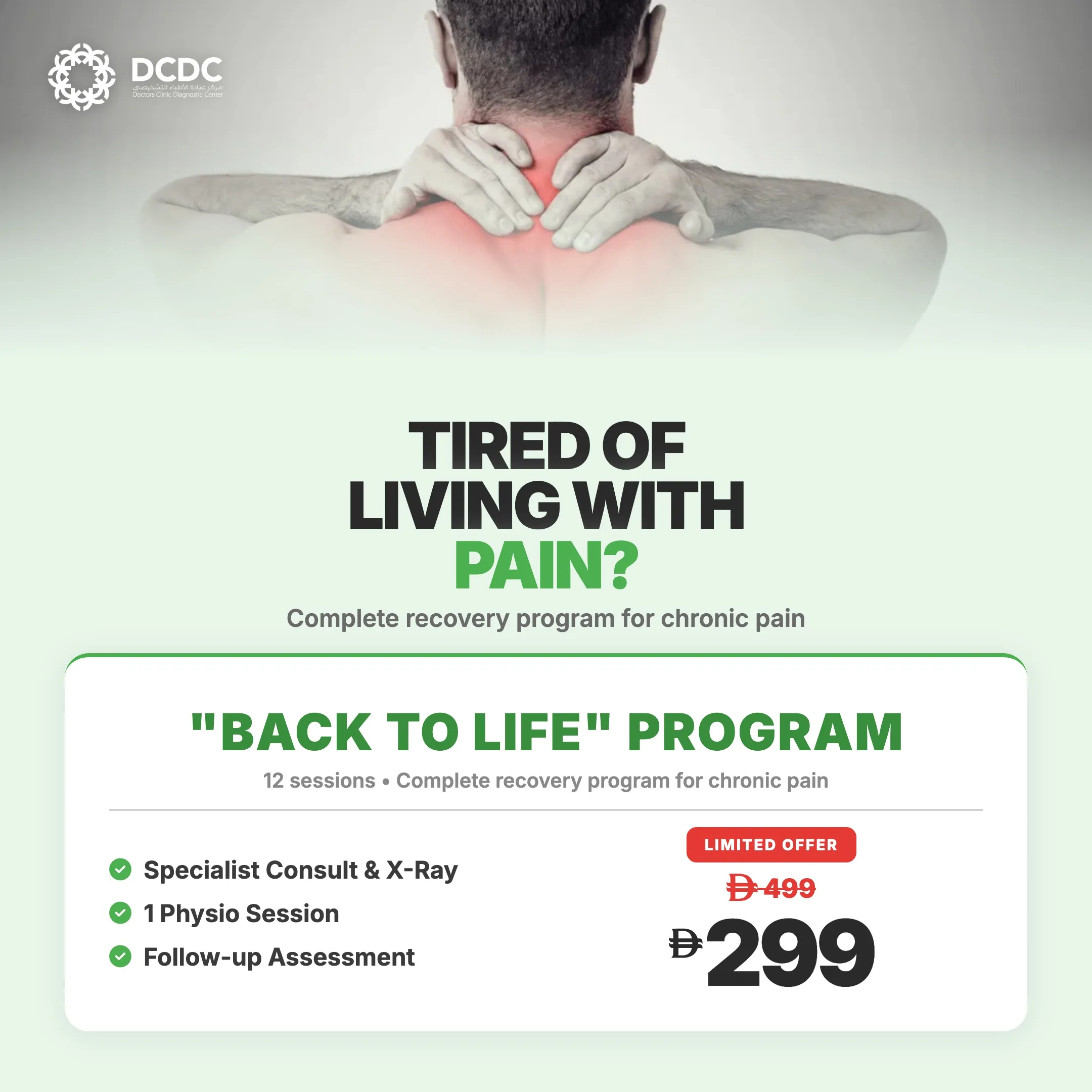
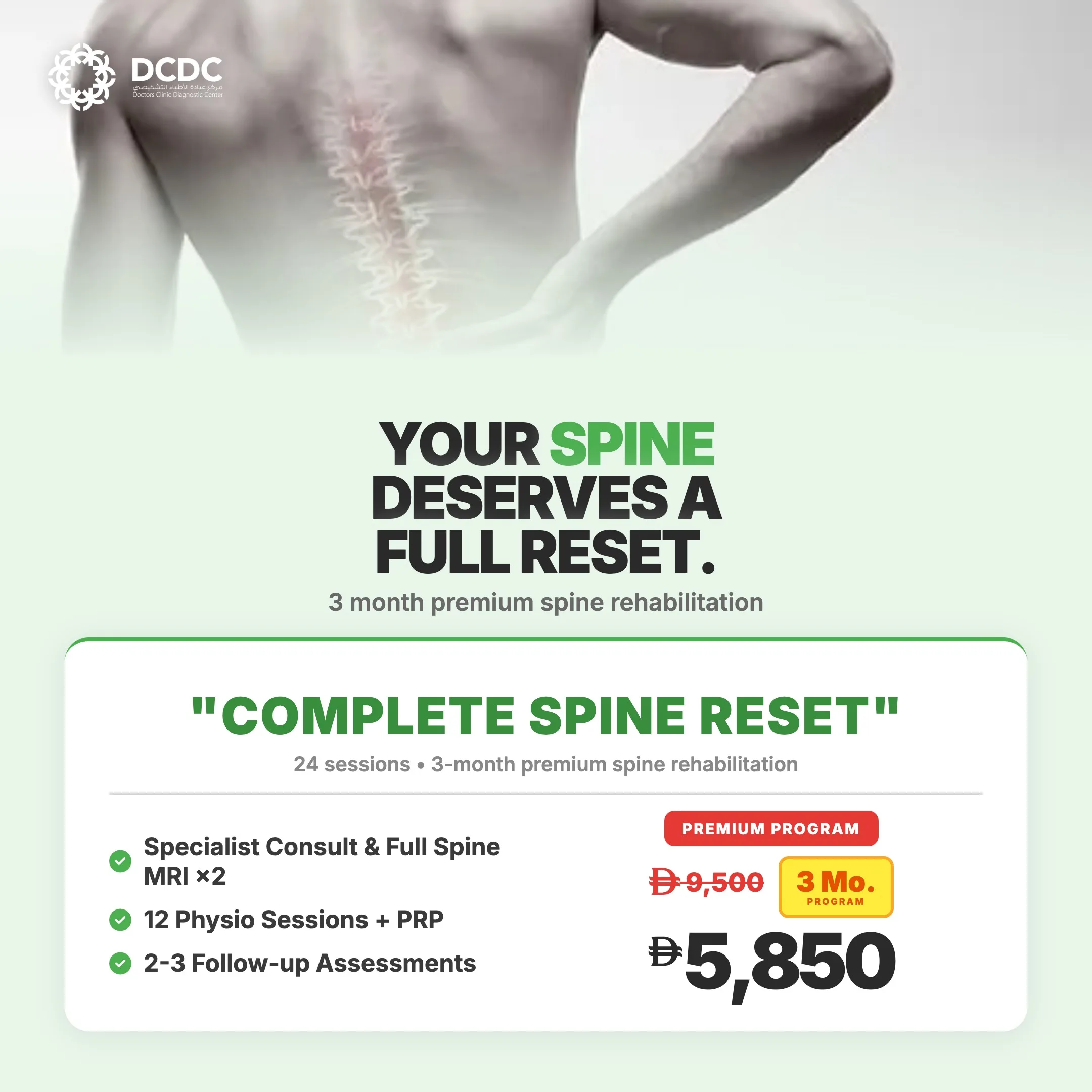
Common Causes of Hip Pain in Dubai
Hip pain can originate from within the joint (intra-articular) or from the structures surrounding it (extra-articular). Some causes develop gradually, while others appear suddenly after an injury. Dubai's population faces several unique risk factors: a large proportion of sedentary office workers, high participation in impact sports like padel and football, an aging expat population, and widespread vitamin D deficiency from indoor lifestyles. Below are the most common causes our orthopedic specialists diagnose.
Osteoarthritis of the Hip
Hip osteoarthritis (OA) is the most common cause of chronic hip pain in adults over 50. The protective cartilage that cushions the ball-and-socket joint gradually wears down, leading to bone-on-bone friction, inflammation, stiffness, and progressive pain. According to the Lancet, hip OA affects approximately 10% of the global population over 60 and is a leading cause of disability. In Dubai, the condition is particularly prevalent among the growing population of retirees and older expats. Symptoms typically include groin pain that worsens with activity, morning stiffness lasting less than 30 minutes, and a gradual loss of range of motion. If you are experiencing persistent joint pain, early evaluation can help slow progression and preserve joint function.
Trochanteric Bursitis (Greater Trochanteric Pain Syndrome)
Bursitis occurs when the fluid-filled sacs (bursae) that cushion the hip joint become inflamed. Trochanteric bursitis, now more commonly called greater trochanteric pain syndrome (GTPS), causes pain on the outer side of the hip and upper thigh. It is especially common in women, runners, and people who sit for long periods. In Dubai, we frequently see this condition in office workers who spend 8-10 hours sitting and then engage in intense weekend sports without adequate conditioning.
Hip Labral Tears
The labrum is a ring of cartilage that follows the outside rim of the hip socket, helping to hold the femoral head (ball) securely in place. Labral tears can result from sports injuries, repetitive motions, or structural abnormalities like femoroacetabular impingement (FAI). Patients typically report a deep groin pain, clicking or catching sensations in the hip, and pain during pivoting or twisting movements. Labral tears are a frequent finding in younger, active individuals and are best visualized on hip MRI.
Femoroacetabular Impingement (FAI)
FAI occurs when extra bone grows along one or both of the bones that form the hip joint, giving them an irregular shape. Because the bones do not fit together perfectly, they rub against each other during movement and can damage the joint over time. There are two types: cam impingement (extra bone on the femoral head) and pincer impingement (extra bone on the acetabulum). FAI is common in athletes and can lead to labral tears and early-onset arthritis if untreated.
Hip Fractures
Hip fractures are a serious concern, particularly in older adults with osteoporosis. A hip fracture typically causes sudden, severe pain in the groin or outer hip, inability to bear weight on the affected leg, and visible shortening or external rotation of the leg. In Dubai, hip fractures can also occur in younger individuals during high-impact sports accidents or traffic injuries. Hip fractures are medical emergencies requiring immediate evaluation and usually surgical intervention.
Referred Pain from the Lower Back
Not all hip pain originates in the hip. Lumbar spine conditions such as herniated discs, spinal stenosis, and sacroiliac joint dysfunction can refer pain to the hip, buttock, and groin area. Distinguishing between true hip pathology and referred back pain is one of the most important aspects of diagnosis, and it often requires a thorough physical examination combined with imaging. Patients may be surprised to learn that their hip pain is actually originating from their lower spine.
Muscle Strains and Tendinopathy
The hip joint is surrounded by powerful muscles including the hip flexors, adductors, abductors, and gluteal muscles. Strains, tears, and tendinopathy (chronic tendon degeneration) in these muscles are extremely common, particularly among athletes. In Dubai, we see a high volume of hip flexor strains from football, groin injuries from padel, and gluteal tendinopathy in runners training in the cooler winter months. These soft-tissue injuries typically respond well to physiotherapy and activity modification.
Hip Pain by Activity and Age Group
Hip pain presents differently depending on your activity level, age, and lifestyle. Understanding these patterns helps both patients and clinicians identify the most likely cause more quickly.
Hip Pain in Runners and Athletes
Runners are susceptible to stress fractures of the femoral neck, iliotibial band syndrome causing lateral hip pain, and hip flexor tendinopathy. Athletes playing sports that involve sudden direction changes, such as padel, football, and tennis, are at higher risk for labral tears, groin strains, and FAI-related symptoms. Sports-related hip injuries in Dubai tend to peak during the October-to-April outdoor sports season. Proper warm-up routines, gradual training progression, and adequate rest between sessions are essential for prevention.
Hip Pain in Desk Workers and Sedentary Lifestyles
Dubai's corporate workforce spends an average of 8-10 hours daily seated in air-conditioned offices. Prolonged sitting tightens the hip flexors, weakens the gluteal muscles, and can compress the sciatic nerve. This creates a pattern known as "lower crossed syndrome," where tight hip flexors and lower back muscles combine with weak abdominals and glutes. The result is anterior pelvic tilt, altered gait mechanics, and hip pain that may seem to come out of nowhere. Standing desks, hourly movement breaks, and targeted hip stretches can make a significant difference.
Hip Pain in Older Adults
For adults over 60, hip osteoarthritis and osteoporosis-related fractures are the primary concerns. Age-related changes in cartilage, bone density, and muscle mass all contribute to increased hip vulnerability. In Dubai's expat population, many older adults also have low vitamin D levels due to limited sun exposure despite living in a sunny climate, which further weakens bones and muscles. Regular bone density screening with DEXA scans, weight-bearing exercise, vitamin D supplementation, and early treatment of arthritis symptoms are all critical.
When to See a Doctor for Hip Pain
While minor hip soreness after exercise often resolves on its own with rest and ice, certain symptoms require prompt medical evaluation. You should see an orthopedic specialist if your hip pain has persisted for more than two weeks despite home care, or if you experience any of the following red flags.
- Inability to bear weight on the affected leg or walk without significant pain
- Sudden, severe hip pain after a fall, collision, or trauma
- Visible deformity of the hip or leg, or one leg appearing shorter than the other
- Signs of infection: fever, redness, warmth, and swelling around the hip joint
- Night pain that wakes you from sleep and is not relieved by position changes
- Progressive worsening despite rest, ice, and over-the-counter pain medication
- Hip stiffness that prevents you from performing daily activities like putting on shoes or getting in and out of a car
- Clicking, locking, or catching sensations in the hip during movement
Early intervention is consistently associated with better outcomes. A study in the Journal of Orthopaedic & Sports Physical Therapy found that patients who sought treatment within three months of hip pain onset had significantly shorter recovery times than those who waited longer. If you are unsure whether your hip pain warrants a visit, it is always better to get an evaluation and rule out serious conditions early.
How Hip Pain Is Diagnosed in Dubai
Accurate diagnosis is the foundation of effective hip pain treatment. At DCDC, our orthopedic specialists follow a systematic approach that combines clinical examination with targeted imaging to pinpoint the exact cause of your pain.
Physical Examination
The diagnostic process begins with a thorough history and physical examination. Your doctor will assess your range of motion, test for pain provocation in specific positions, evaluate your gait pattern, and check for muscle weakness or tightness. Specialized tests like the FABER test (flexion, abduction, external rotation), the impingement test, and the log roll test help differentiate between intra-articular and extra-articular causes. The physical examination alone can often narrow the differential diagnosis to two or three likely conditions.
X-Ray Imaging
A hip X-ray is typically the first imaging study ordered. It provides a clear view of the bone structures and can reveal osteoarthritis (joint space narrowing, bone spurs), fractures, bone lesions, and structural abnormalities like FAI. X-rays are quick, widely available, and cost-effective. At DCDC, same-day hip X-rays are available with results typically reported within hours.
MRI Scan
When the X-ray is normal or when soft-tissue pathology is suspected, an MRI provides detailed images of cartilage, labrum, tendons, muscles, and bursae. MRI is the gold standard for diagnosing labral tears, early-stage avascular necrosis, stress fractures, and soft-tissue injuries. At DCDC, we use a Siemens 1.5T wide-bore MRI scanner with a 70cm opening, which accommodates patients of all sizes comfortably. Our on-site MRI means you can have your consultation and imaging done in a single visit, with no need to travel to a separate facility. Hip MRI scans start from AED 900.
Blood Tests
In some cases, blood tests are ordered to rule out inflammatory or autoimmune conditions. Tests such as ESR (erythrocyte sedimentation rate), CRP (C-reactive protein), rheumatoid factor, and uric acid levels can help identify rheumatoid arthritis, septic arthritis, or gout as potential causes of hip pain. Vitamin D and calcium levels may also be checked, particularly in patients with suspected osteoporosis.
Experiencing Hip Pain? Get a Diagnosis Today
At Doctors Clinic Diagnostic Center (DCDC) in Dubai Healthcare City, our orthopedic specialists provide same-day consultations with on-site X-ray and MRI. Direct billing with 20+ insurance partners. Average wait time just 15 minutes.
Call us or book online. Walk-ins welcome Sat-Thu 8 AM-10 PM.
Non-Surgical Hip Pain Treatment Options
At DCDC, we follow a conservative-first approach to hip pain treatment. The majority of hip conditions respond well to non-surgical management, and our goal is always to exhaust conservative options before considering surgical referral. Research published in the British Medical Journal confirms that physiotherapy combined with structured exercise produces outcomes comparable to surgery for many hip conditions, including early-to-moderate osteoarthritis.
Medications and Pain Management
Initial treatment typically includes oral anti-inflammatory medications (NSAIDs) such as ibuprofen or naproxen to reduce inflammation and pain. For patients who cannot tolerate NSAIDs, topical anti-inflammatories or acetaminophen may be recommended. In cases of moderate-to-severe pain, short courses of prescription pain medication may be used to enable participation in physiotherapy. Muscle relaxants can be helpful when hip pain is accompanied by significant muscle spasm.
Injection Therapies for Hip Pain
When oral medications alone are insufficient, targeted injection therapies can provide significant relief. At DCDC, we offer several injection-based treatments for hip pain, each suited to different conditions and severity levels.
- Corticosteroid injections: Deliver powerful anti-inflammatory medication directly into the hip joint or bursa. Effective for flare-ups of osteoarthritis, bursitis, and inflammatory conditions. Relief typically begins within 48-72 hours and can last several weeks to months.
- Hyaluronic acid viscosupplementation: Also known as gel injections, these replace the natural joint fluid that deteriorates in osteoarthritis. The injected hyaluronic acid lubricates the joint, reduces friction, and may slow cartilage degradation. A course of injections typically provides 6-12 months of improved function.
- PRP (Platelet-Rich Plasma) therapy: Uses concentrated platelets from your own blood to stimulate tissue repair and reduce inflammation. PRP has shown promising results for labral tears, tendinopathy, and early-stage osteoarthritis. Learn more about how PRP injections work for joint conditions.
Physiotherapy and Rehabilitation
Physiotherapy is the cornerstone of hip pain treatment and rehabilitation. A structured physiotherapy program addresses the root causes of hip pain by strengthening weakened muscles, improving flexibility, correcting movement patterns, and gradually restoring function. At DCDC, our physiotherapists create individualized treatment plans that typically include manual therapy, therapeutic exercises, activity modification strategies, and a home exercise program. For patients recovering from hip conditions, our arthritis physiotherapy protocols have helped hundreds of patients regain pain-free mobility.
A typical physiotherapy course for hip pain involves 2-3 sessions per week for 6-12 weeks, depending on the condition. Progress is measured through validated outcome scales, range of motion measurements, and functional assessments. Most patients notice meaningful improvement within the first 3-4 weeks of consistent therapy.
Surgical Treatment Options for Hip Pain
When conservative treatment has been thoroughly tried and the patient continues to experience significant pain and functional limitation, surgical options may be considered. DCDC provides comprehensive pre-surgical assessment and refers patients to experienced hip surgeons when surgery is indicated.
Hip Arthroscopy
Hip arthroscopy is a minimally invasive procedure performed through small incisions using a camera and specialized instruments. It is most commonly used to repair labral tears, remove loose bodies from the joint, treat FAI by reshaping the bone, and debride damaged cartilage. Recovery from hip arthroscopy typically involves 2-6 weeks on crutches followed by a structured rehabilitation program lasting 3-6 months.
Total Hip Replacement
Total hip replacement (arthroplasty) is considered when severe osteoarthritis or other conditions have destroyed the hip joint to the point where conservative measures no longer provide adequate relief. Modern hip replacements use advanced materials and surgical techniques, with most patients experiencing dramatic pain relief and improved function. According to the American Academy of Orthopaedic Surgeons, more than 95% of patients who undergo hip replacement report significant pain reduction. Recovery milestones and what to expect during rehabilitation are covered in our guide to hip replacement rehabilitation.
Dubai-Specific Factors That Contribute to Hip Pain
Several aspects of life in Dubai can increase the risk of developing hip problems. Understanding these factors helps residents take proactive steps to protect their hip health.
- Sedentary office culture: Dubai's corporate sector involves long hours of sitting, often in overcooled offices. Prolonged hip flexion shortens the hip flexors and weakens the gluteal muscles, creating imbalances that lead to pain.
- Air-conditioned environments: Spending extended periods in heavily air-conditioned spaces and then moving into extreme outdoor heat can cause muscle stiffness and increase susceptibility to strains.
- Weekend warrior syndrome: Many Dubai residents are sedentary during the work week but engage in intense physical activity on weekends, including padel, football, running, and gym training, without adequate preparation.
- Vitamin D deficiency: Despite abundant sunshine, an estimated 80-90% of UAE residents have insufficient vitamin D levels because of indoor lifestyles and minimal sun exposure. Low vitamin D weakens bones and muscles, increasing fracture risk.
- Driving culture: Dubai's car-dependent infrastructure means many residents walk very little during their daily routine, further contributing to deconditioning and hip stiffness.
- Padel and football injuries: The rapid growth of padel in Dubai has brought a surge in hip and groin injuries from the sport's quick lateral movements, lunges, and rotational forces.
Hip Pain Prevention and Exercises
Many cases of hip pain are preventable with consistent attention to hip mobility, strength, and overall physical conditioning. The following strategies are particularly relevant for Dubai residents.
Daily Hip Mobility Exercises
- Hip flexor stretch (kneeling lunge): Kneel on one knee with the other foot forward. Push your hips forward gently until you feel a stretch in the front of the kneeling hip. Hold for 30 seconds, repeat 3 times each side.
- Figure-four stretch: Lie on your back, cross one ankle over the opposite knee, and pull the bottom knee toward your chest. Hold for 30 seconds each side to stretch the piriformis and deep hip rotators.
- Hip circles: Stand on one leg (hold a wall for balance) and slowly circle the other leg in wide circles, 10 in each direction. This improves hip joint lubrication and mobility.
- Clamshells: Lie on your side with knees bent. Keeping feet together, lift the top knee like opening a clamshell. Perform 15 repetitions each side to strengthen the hip abductors.
- Glute bridges: Lie on your back with knees bent, feet flat on the floor. Lift your hips toward the ceiling, squeezing your glutes at the top. Hold for 3 seconds, lower, and repeat 15 times.
Lifestyle Modifications for Hip Health
- Set a timer to stand and move for 2-3 minutes every hour if you have a desk job
- Warm up properly before sports, especially padel, football, and running
- Maintain a healthy weight to reduce load on the hip joints
- Have your vitamin D levels checked and supplement as directed by your doctor
- Wear appropriate, supportive footwear for exercise
- Gradually increase training intensity rather than making sudden jumps in activity level
- Include regular swimming or cycling as low-impact alternatives to protect the hip joints
Cost of Hip Pain Diagnosis and Treatment in Dubai
Understanding the costs involved helps you plan your care. At DCDC, we offer competitive pricing with transparent fee structures. Most services are covered by insurance, and we provide direct billing with over 20 insurance partners, so you typically pay only your co-pay or deductible at the time of your visit.
| Service | Starting Price | Insurance Coverage |
|---|---|---|
| Orthopedic consultation | from AED 350 | Covered by most plans |
| Hip X-ray | from AED 200 | Covered by most plans |
| Hip MRI scan | from AED 900 | Covered with pre-authorization |
| Hip DEXA scan (bone density) | from AED 600 | Covered with referral |
| Physiotherapy session | from AED 250 | Covered by most plans |
| PRP injection (per session) | from AED 1,500 | Varies by insurer |
| Corticosteroid injection | from AED 500 | Covered by most plans |
| Hyaluronic acid injection | from AED 1,200 | Covered with pre-authorization |
Prices are approximate starting rates at DCDC as of 2026. Actual costs may vary based on insurance coverage, complexity, and additional services required. Contact us for a personalized quote.
DCDC accepts over 20 insurance providers with direct billing, meaning you do not need to pay upfront and claim reimbursement. For self-pay patients, our patient services team can provide a detailed cost estimate before your appointment. Free dedicated on-site parking is available for all patients.
What to Expect at DCDC: Your Hip Pain Consultation
Knowing what happens during your visit can reduce anxiety and help you prepare. Here is a step-by-step overview of the patient journey at Doctors Clinic Diagnostic Center for a hip pain evaluation.
- Step 1 - Arrival and registration: Park in our free dedicated on-site parking and enter Building 64, Block A, Al Razi Medical Complex in Dubai Healthcare City (DHCC). Our reception team will check you in, verify your insurance, and guide you to the orthopedic clinic. Average wait time is just 15 minutes.
- Step 2 - Orthopedic consultation: Your orthopedic specialist will take a detailed history, ask about your symptoms, activity level, and goals, and perform a thorough physical examination of your hip, spine, and lower extremities.
- Step 3 - On-site imaging (if needed): If X-rays or MRI are required, they are performed on-site during the same visit. Our Siemens 1.5T wide-bore MRI scanner with a 70cm opening is comfortable even for patients with claustrophobia. Results are typically available within hours.
- Step 4 - Diagnosis and treatment plan: Your doctor will review all findings with you, explain the diagnosis in plain language, and present a personalized treatment plan. At DCDC, we prioritize conservative, non-surgical approaches first: physiotherapy, medications, and injection therapies.
- Step 5 - Treatment and follow-up: If physiotherapy is recommended, you can begin sessions at our on-site rehabilitation center. Injection therapies can often be administered the same day. Follow-up appointments are scheduled to monitor your progress and adjust the treatment plan as needed.
DCDC is open Saturday through Thursday from 8 AM to 10 PM and Friday from 9 AM to 9 PM. We are rated 4.8 out of 5 from over 1,000 verified Google reviews, with a 98% patient satisfaction rate. Our clinic is MOHAP licensed (License No. NIMY7VY5-240925).
Doctor's Perspective: A Conservative-First Approach to Hip Pain
"In my 14 years of orthopedic practice, I have seen that the vast majority of hip pain patients achieve excellent outcomes without surgery. The key is accurate diagnosis followed by a structured, evidence-based treatment plan. At DCDC, we invest time in understanding each patient's unique situation, including their activity level, occupation, and personal goals, so that we can tailor our approach accordingly. I always tell my patients that surgery should be the last resort, not the first option. With modern advances in PRP therapy, viscosupplementation, and targeted physiotherapy, we can often restore function and eliminate pain through conservative means alone." - Dr. Mersad Moosavi, MD, Orthopedic Surgery, with 14+ years of experience and 20+ international publications. Trained at Tehran University of Medical Sciences, Dr. Moosavi is one of the leading orthopedic specialists in Dubai.
Hip Pain Recovery Timelines
Recovery time depends on the underlying cause, severity, and chosen treatment. Below are general timelines for common hip conditions treated conservatively.
| Condition | Typical Recovery Time | Key Recovery Factors |
|---|---|---|
| Muscle strain (mild) | 2-4 weeks | Rest, ice, gentle stretching, gradual return to activity |
| Trochanteric bursitis | 4-8 weeks | Activity modification, physiotherapy, possible injection |
| Hip labral tear (conservative) | 8-12 weeks | Physiotherapy, activity modification, PRP may help |
| Hip osteoarthritis (management) | Ongoing management | Physiotherapy, weight management, injections, exercise |
| Hip arthroscopy recovery | 3-6 months | Structured rehabilitation, gradual return to sport |
| Total hip replacement recovery | 6-12 months | Post-surgical physiotherapy, milestone-based progression |
Recovery timelines are approximate and vary by individual. Factors such as age, overall fitness, compliance with physiotherapy, and severity of the condition influence outcomes.
Book Your Hip Pain Consultation at DCDC
Do not let hip pain limit your daily life. Our orthopedic team at Doctors Clinic Diagnostic Center in Dubai Healthcare City provides comprehensive evaluation and treatment with same-day imaging, direct insurance billing, and a conservative-first philosophy.
Located in Building 64, Block A, Al Razi Medical Complex, DHCC. Open Sat-Thu 8 AM-10 PM, Fri 9 AM-9 PM. Free parking available.
Understanding Hip Pain Imaging: X-Ray vs MRI vs DEXA
Patients often ask which imaging study they need for hip pain. The choice depends on the suspected condition and what your doctor needs to evaluate.
| Imaging Type | Best For | What It Shows | Starting Price |
|---|---|---|---|
| Hip X-ray | Fractures, arthritis, bone spurs | Bones and joint spaces | from AED 200 |
| Hip MRI | Labral tears, soft-tissue injuries, early AVN | Cartilage, tendons, muscles, labrum | from AED 900 |
| Hip DEXA scan | Osteoporosis screening, fracture risk | Bone mineral density | from AED 600 |
| CT scan | Complex fractures, bone tumors | Detailed bone anatomy | from AED 600 |
All imaging services are available on-site at DCDC with same-day appointments. Prices are approximate starting rates as of 2026.
DCDC में संबंधित सेवाएं
दुबई हेल्थकेयर सिटी में विशेषज्ञ देखभाल और उन्नत निदान
Frequently Asked Questions
Final Thoughts on Managing Hip Pain in Dubai
Hip pain is a complex condition with many possible causes, but the good news is that the vast majority of cases can be effectively managed with proper diagnosis and conservative treatment. Whether your hip pain stems from osteoarthritis, a sports injury, bursitis, or the effects of a sedentary lifestyle, early evaluation by a qualified orthopedic specialist gives you the best chance of a full recovery.
At Doctors Clinic Diagnostic Center in Dubai Healthcare City, we combine expert orthopedic care with on-site diagnostic imaging, physiotherapy, and a range of injection therapies to provide comprehensive hip pain management under one roof. Our conservative-first approach means we always explore non-surgical options thoroughly before considering surgical referral, and our team works with you to develop a treatment plan that fits your lifestyle and goals.
If hip pain is affecting your daily activities, sleep, or quality of life, do not wait for it to resolve on its own. Schedule a consultation with our orthopedic team to get an accurate diagnosis and start your path to recovery.
स्रोत एवं संदर्भ
यह लेख हमारी चिकित्सा टीम द्वारा समीक्षित है और निम्नलिखित स्रोतों का संदर्भ देता है:
- The Lancet - Global Burden of Osteoarthritis
- American Academy of Orthopaedic Surgeons - Hip Replacement Outcomes
- Journal of Orthopaedic & Sports Physical Therapy - Early Intervention for Hip Pain
- British Medical Journal - Exercise Therapy for Hip Osteoarthritis
- Cleveland Clinic - Hip Pain Causes and Treatment
इस साइट पर चिकित्सा सामग्री DHA-लाइसेंस प्राप्त चिकित्सकों द्वारा समीक्षित है। हमारी देखें संपादकीय नीति अधिक जानकारी के लिए।

लेखक
Dr. Mersad Moosavi
Orthopedic Surgery
MD, Orthopedic Surgery
Dr. Mersad Moosavi is an orthopedic surgeon with over 14 years of clinical experience. Trained at Tehran University of Medical Sciences, he has authored more than 20 international publications on spine and orthopedic surgery. At DCDC, Dr. Moosavi specializes in joint pain management, sports injuries, and musculoskeletal conditions, providing evidence-based care with a conservative-first treatment philosophy.
Related Articles
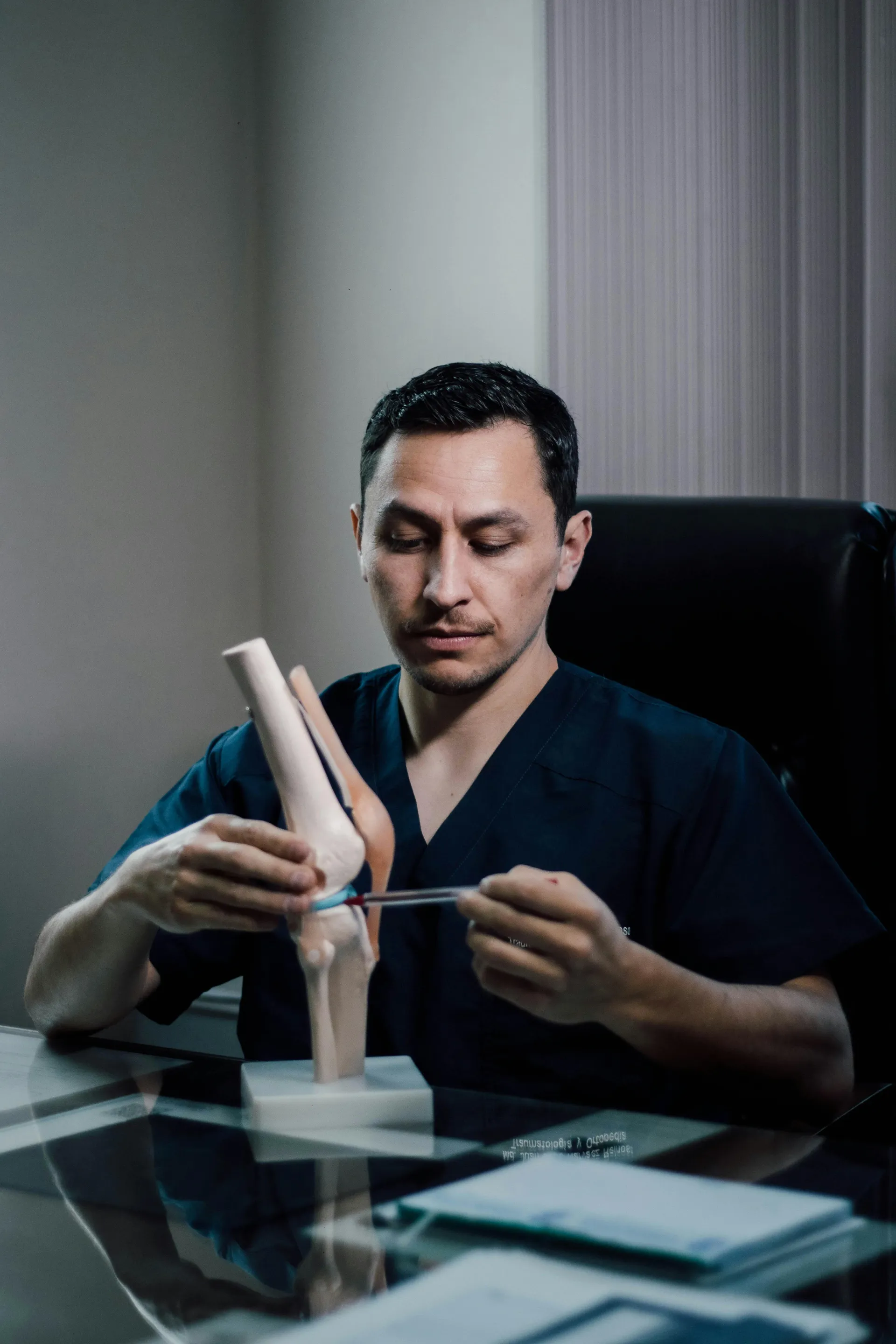
Joint Pain Treatment in Dubai: Causes & Relief Guide
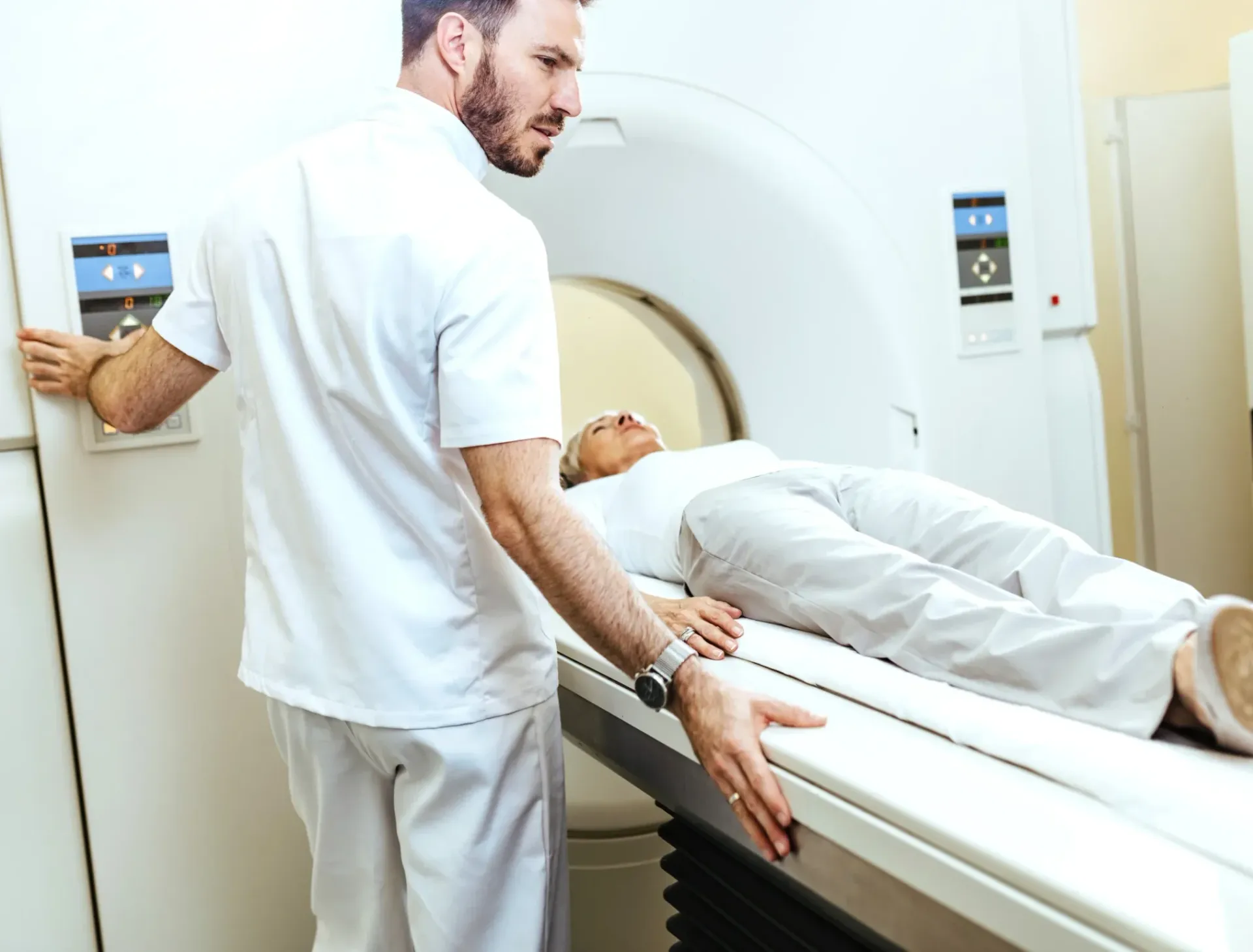
Hip MRI Scan in Dubai: What It Detects & What to Expect
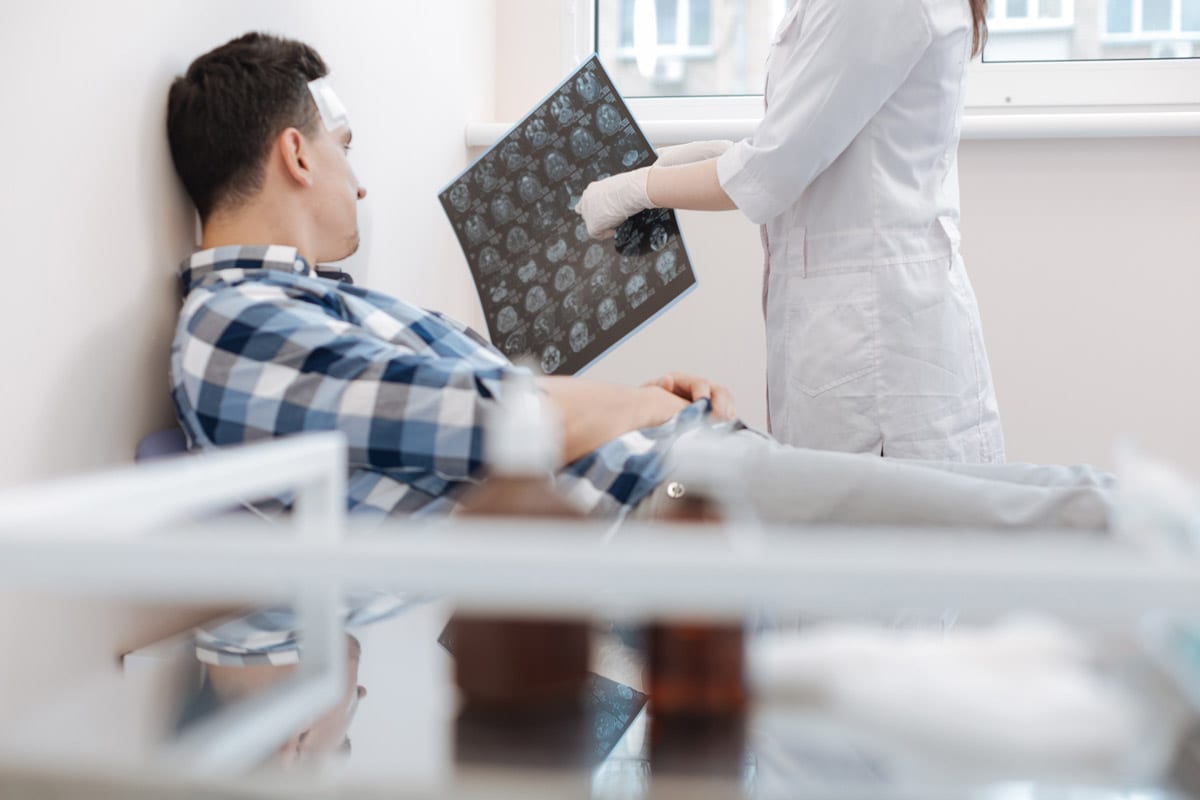
Hip Replacement Rehabilitation: Recovery Milestones
PRP Injection for Joints in Dubai: Benefits & Cost

Best Orthopedic Surgeon in Dubai (2026)
More in Orthopedics
PRP Knee Injection Dubai: Cost & Guide (2026)
और पढ़ेंOrthopedic Consultation Cost Dubai (2026)
और पढ़ेंACL Reconstruction Surgery in Dubai: Cost (2026)
और पढ़ेंBest Orthopedic Surgeon in Dubai: Dr. Mersad Moosavi at DCDC (2026)
और पढ़ेंIranian Orthopedic Surgeon in Dubai: Dr. Mersad Moosavi at DCDC (2026)
और पढ़ेंKnee Replacement Surgery in Dubai: Cost, Recovery & Best Surgeon (2026)
और पढ़ें© 2026 Doctors Clinic Diagnostic Center (DCDC), Dubai Healthcare City. Originally published at https://doctorsclinicdubai.ae/blog/hip-pain-causes-treatment-dubai. All rights reserved. Unauthorized reproduction is prohibited.