Prenez votre rendez-vous
Avis verifies des patients du centre de diagnostic DCDC a Dubai
Avis verifies et temoignages reels de patients de Dubai Healthcare City
Je suis très satisfaite de cette clinique médicale. J'ai fait mon premier dépistage de grossesse ici. C'était abordable et très professionnel. Le radiologue était accueillant, gentil et a rendu l'expérience formidable.
Aizhan Tokmanbetova
Je me suis blessée au genou vendredi soir et j'ai obtenu un rendez-vous IRM dimanche soir (réservé dimanche après-midi). J'ai attendu environ 2 minutes et c'était terminé en un peu plus de 30 minutes. L'équipe était incroyable, sympathique et efficace.
Kirsten Evans
L'équipe du Dr Osama était douce et incroyable. Après une mauvaise expérience ailleurs, mon examen pelvien ici était beaucoup plus professionnel. Excellent rapport et très précis.
Mary


Soins du Nouveau-Né à Dubaï : Bilan Complet, Évaluation de la Jaunisse et Soutien à l'Alimentation Précoce
Soins pédiatriques experts pour les premières semaines critiques de votre bébé

Bilan Métabolique
Panel complet de dépistage néonatal dans les premiers jours de vie
Évaluation Jaunisse
Surveillance de la bilirubine avec orientation vers la photothérapie si nécessaire
Soutien Alimentation
Évaluation de l'allaitement, conseils sur la prise du sein et conseils sur le lait artificiel
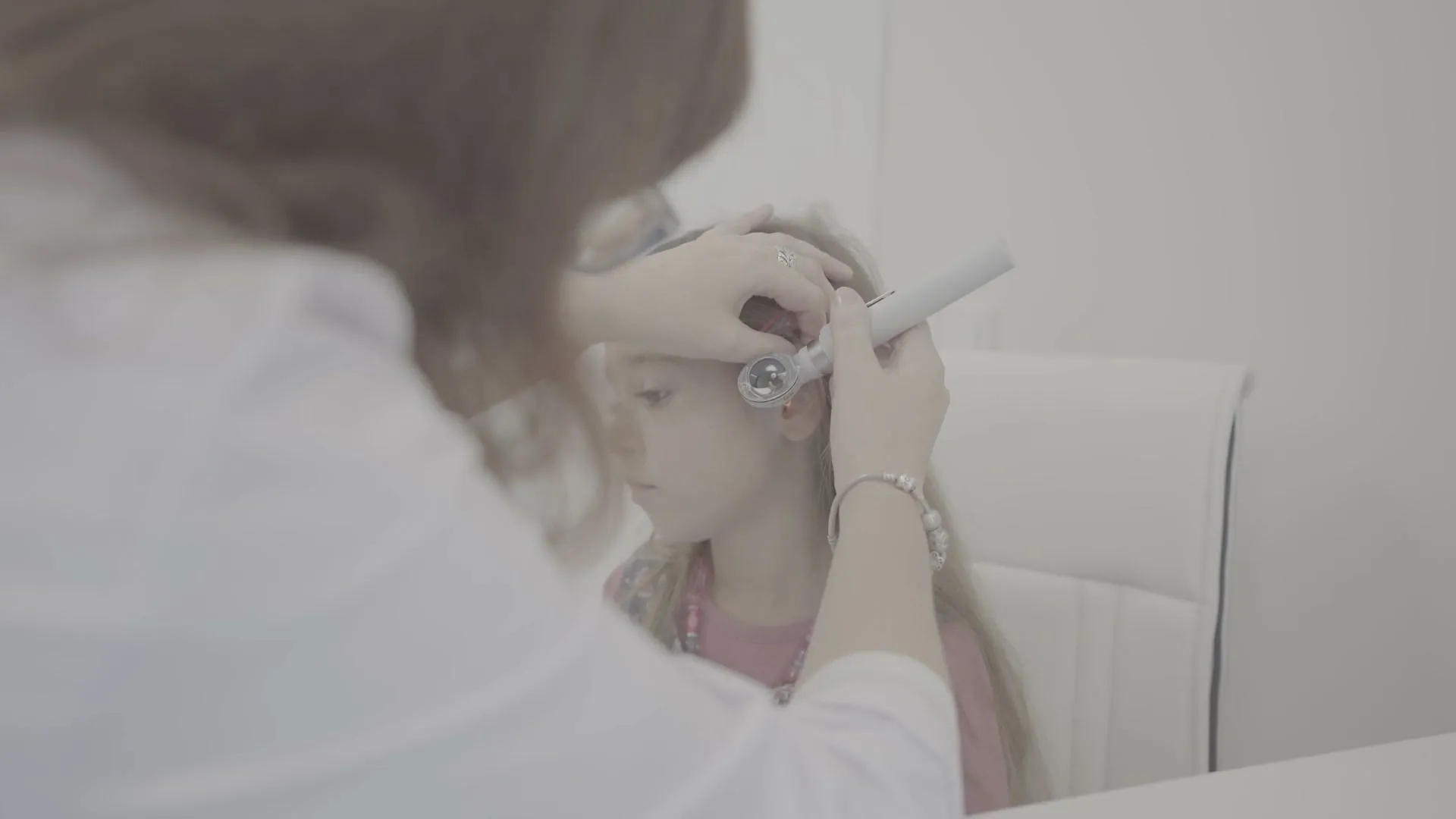
Les premières semaines de vie représentent une période critique pour la santé et le développement de votre bébé. Notre clinique DCDC à Dubai Healthcare City offre une évaluation médicale complète durant cette période importante, incluant le bilan métabolique du nouveau-né, l'évaluation de la jaunisse, la surveillance du poids, le soutien à l'allaitement et les premiers vaccins recommandés.
Le bilan métabolique du nouveau-né est l'une des interventions de santé préventive les plus importantes dans les premiers jours de vie. Ce simple test de piqûre au talon détecte un ensemble de maladies métaboliques, endocriniennes et hématologiques rares mais graves, notamment la phénylcétonurie (PKU), l'hypothyroïdie congénitale, la drépanocytose, la mucoviscidose et d'autres erreurs innées du métabolisme.
La jaunisse affecte la plupart des nouveau-nés à un certain degré et est généralement physiologique, se résolvant sans traitement dans les deux premières semaines. Cependant, une jaunisse pathologique due à une hyperbilirubinémie peut entraîner de graves complications si elle n'est pas traitée. Nos pédiatres évaluent chaque nouveau-né pour la jaunisse par examen clinique et mesure de la bilirubine transcutanée ou sanguine.
Bilan Métabolique
Panel complet de dépistage néonatal dans les premiers jours de vie
Évaluation Jaunisse
Surveillance de la bilirubine avec orientation vers la photothérapie si nécessaire
Soutien Alimentation
Évaluation de l'allaitement, conseils sur la prise du sein et conseils sur le lait artificiel
Soins du Nouveau-Né à Dubaï : Bilan Complet, Évaluation de la Jaunisse et Soutien à l'Alimentation Précoce
Soins pédiatriques experts pour les premières semaines critiques de votre bébé
Les premières semaines de vie représentent une période critique pour la santé et le développement de votre bébé. Notre clinique DCDC à Dubai Healthcare City offre une évaluation médicale complète durant cette période importante, incluant le bilan métabolique du nouveau-né, l'évaluation de la jaunisse, la surveillance du poids, le soutien à l'allaitement et les premiers vaccins recommandés.
Le bilan métabolique du nouveau-né est l'une des interventions de santé préventive les plus importantes dans les premiers jours de vie. Ce simple test de piqûre au talon détecte un ensemble de maladies métaboliques, endocriniennes et hématologiques rares mais graves, notamment la phénylcétonurie (PKU), l'hypothyroïdie congénitale, la drépanocytose, la mucoviscidose et d'autres erreurs innées du métabolisme.
La jaunisse affecte la plupart des nouveau-nés à un certain degré et est généralement physiologique, se résolvant sans traitement dans les deux premières semaines. Cependant, une jaunisse pathologique due à une hyperbilirubinémie peut entraîner de graves complications si elle n'est pas traitée. Nos pédiatres évaluent chaque nouveau-né pour la jaunisse par examen clinique et mesure de la bilirubine transcutanée ou sanguine.

Dr. Yusra Alshaikh
Découvrez nos services
Services soins du nouveau-né complets au DCDC Dubai Healthcare City.

Tous les services realises par des specialistes agrees DHA
Qui devrait beneficier de Soins du Nouveau-Né ?
Les visites de soins du nouveau-né sont essentielles pour tous les bébés dans les premières semaines et mois de vie.
Tous les nouveau-nés dans les 3 à 5 premiers jours de vie pour le bilan métabolique et l'évaluation initiale de santé
Les nouveau-nés présentant un jaunissement de la peau ou des yeux nécessitant une évaluation de la jaunisse et une surveillance de la bilirubine
Les bébés ayant perdu plus de 7 % de leur poids de naissance ou ne prenant pas du poids comme prévu
Les mères éprouvant des difficultés d'allaitement
Les nouveau-nés dus pour leurs premiers vaccins hépatite B et BCG
Les bébés prématurés ou de faible poids nécessitant une surveillance accrue et un soutien nutritionnel spécialisé
Pourquoi Choisir DCDC pour les Soins du Nouveau-Né à Dubaï ?
Clinique pédiatrique agréée MOHAP à Dubai Healthcare City offrant une évaluation complète du nouveau-né, bilan métabolique, surveillance de la jaunisse, soutien à l'allaitement et premiers vaccins.
Clinique Agréée MOHAP
Établissement DHCC agréé avec des pédiatres expérimentés en évaluation néonatale et soins précoces du nourrisson.
Expertise Néonatale
Examen physique complet du nouveau-né couvrant les systèmes cardiovasculaire, musculo-squelettique, neurologique et sensoriel.
Bilan Métabolique
Panel complet de dépistage national émirati avec suivi rapide des résultats et orientation vers des spécialistes si nécessaire.
Surveillance Jaunisse
Évaluation clinique avec mesure transcutanée et sanguine de la bilirubine pour la détection précoce de la jaunisse pathologique.
Feeding Support
Breastfeeding assessment, latch guidance, formula advice, and weight monitoring to ensure adequate nutrition.
Prime DHCC Location
Building 64, Block A, our clinic — easily accessible from Bur Dubai and nearby areas.
Votre visite en tout confort
Un processus d'examen Soins simple, etape par etape, concu pour le confort, la rapidite et la precision.
Tarifs des Soins du Nouveau-Né
Les tarifs Soins à Dubaï varient selon le type de service et la couverture d'assurance pour différents types de services.
- Les tarifs varient selon le type d'examen et la necessite de produit de contraste
- Couverture d'assurance acceptee avec ordonnance et verification
- Tarifs transparents pour paiement direct avec devis instantane sur demande
Verification d'assurance en quelques minutes - Pas de frais caches - Reponse rapide sur WhatsApp
Guide du patient
À Quoi S'attendre lors d'une Visite de Soins du Nouveau-Né
Nos pédiatres réalisent une évaluation complète de votre nouveau-né tout en fournissant soutien et conseils pratiques.
Assurance et localisation
Partenaires d'assurance
- •Plus de 20 assureurs à Dubaï dont Daman, AXA, ADNIC et d'autres
- •Assistance pré-autorisation et facturation directe (le cas échéant)
- •Vérification de la couverture avant votre rendez-vous dans notre clinique de Dubai Healthcare City
- •Tarification transparente sans frais cachés pour les services de soins du nouveau-né







Rendez-nous visite a Dubai Healthcare City
Doctors Clinic Diagnostic Center
Batiment 64, Bloc A, Al Razi Medical Complex, Dubai Healthcare City, Dubai, EAU
Pres de Oud Metha Road - Acces facile depuis Bur Dubai, Downtown Dubai, Business Bay - Parking gratuit dedie disponible
Horaires d'ouverture
Lun-Jeu, Sam : 8h - 22h30 | Dim : 8h30 - 22h30 | Ven : 9h - 22h
Comment fonctionne l'assurance chez DCDC
Vérifier la couverture
Vérifiez que votre plan couvre Soins du Nouveau-Né
Obtenir une référence
Certains assureurs exigent une référence du médecin — nous pouvons vous guider
Pré-autorisation
Nous gérons la pré-autorisation directement avec votre assureur
Facturation directe
Pas de paiement initial — nous facturons directement votre assureur
Co-paiement uniquement
Vous ne payez que le co-paiement applicable à la clinique
Vérifier la couverture
Vérifiez que votre plan couvre Soins du Nouveau-Né
Obtenir une référence
Certains assureurs exigent une référence du médecin — nous pouvons vous guider
Pré-autorisation
Nous gérons la pré-autorisation directement avec votre assureur
Facturation directe
Pas de paiement initial — nous facturons directement votre assureur
Co-paiement uniquement
Vous ne payez que le co-paiement applicable à la clinique
Your Specialist
Dr. Yusra Alshaikh
Specialist Paediatrician
MBBS, Arab Board of Pediatrics, Emirati Board of Pediatrics
Arabic · English
Guide du patient
Comprendre les soins néonataux : pourquoi les premières semaines sont importantes pour la santé à vie
La période néonatale, définie comme les 28 premiers jours de vie, représente la transition la plus critique de la vie humaine. Durant ces semaines, un nouveau-né s'adapte à la vie extra-utérine en établissant sa respiration, en régulant sa température, en initiant l'alimentation et en activant ses systèmes immunitaires innés. La surveillance médicale étroite pendant cette période permet de détecter et d'intervenir précocement sur les problèmes qui pourraient affecter le développement à long terme.
À Dubaï, le suivi du nouveau-né suit les lignes directrices établies par la DHA, recommandant des consultations dans la première semaine de vie, à 1 mois et à 2 mois. Ces rendez-vous permettent d'évaluer la récupération du poids de naissance, de surveiller la jaunisse, d'évaluer la progression de l'alimentation et d'initier les vaccinations du calendrier.
L'allaitement maternel est la recommandation nutritionnelle prioritaire pour les nouveau-nés, l'OMS et la DHA recommandant un allaitement exclusif pendant les 6 premiers mois. Les premières semaines peuvent être difficiles, avec des problèmes de prise du sein, une production de lait insuffisante et un inconfort maternel. Notre soutien à l'allaitement aide les familles à surmonter ces défis.
Le dépistage néonatal identifie les affections métaboliques et génétiques rares qui, si elles ne sont pas traitées, peuvent entraîner des handicaps graves. Aux Émirats arabes unis, le programme de dépistage néonatal de l'ECNH teste 45 affections en utilisant le prélèvement au talon. Nos pédiatres aident à interpréter les résultats de dépistage et à coordonner les soins de suivi si nécessaire.
Affections que nous évaluons et prenons en charge
Ictère néonatal
Évaluation par examen clinique et mesure de bilirubine (transcutanée et sérique), avec stratification du risque et gestion incluant l'exposition à la lumière et la photothérapie si nécessaire.
Troubles métaboliques du nouveau-né
Dépistage par prélèvement au talon pour PKU, hypothyroïdie congénitale, galactosémie, drépanocytose, fibrose kystique et autres erreurs métaboliques.
Difficultés d'alimentation
Évaluation de l'allaitement incluant l'évaluation de la prise, la coordination suction-déglutition et les conseils de positionnement pour les nouveau-nés allaitants.
Perte de poids néonatale
Surveillance sérielle du poids pour identifier une perte de poids excessive dépassant 10 % du poids de naissance, avec soutien à l'alimentation et critères d'orientation.
Frein de langue (Ankyloglossie)
Évaluation clinique de la longueur du frein et de son impact sur l'allaitement, avec référence pour frénotomie si indiqué.
Complications du cordon ombilical
Évaluation du moignon pour signes d'infection (omphalite), retard de séparation ou formation de granulome avec soins et traitement appropriés.
Articles associés
Tests de dépistage néonatal à Dubaï : ce que chaque parent doit savoir
Tout ce que les parents doivent savoir sur les tests de dépistage néonatal aux Émirats arabes unis.
Bilan de santé de l'enfant à Dubaï : guide complet pour les parents
Un guide complet des bilans de santé du nourrisson et de l'enfant à Dubaï.
Calendrier de vaccination de l'enfant à Dubaï : guide complet DHA pour les parents
Un guide complet du calendrier de vaccination recommandé par la DHA de la naissance à 18 ans.
Services connexes
Decouvrez d'autres services de diagnostic et de consultation disponibles dans notre clinique de Dubai Healthcare City.
Questions frequentes
Questions courantes sur Soins du Nouveau-Né a Dubai.
La première visite doit avoir lieu dans les 3 à 5 jours suivant la naissance pour le bilan métabolique et l'évaluation initiale de santé. Les bébés prématurés ou présentant une jaunisse doivent être vus plus tôt.
Le test au talon du nouveau-né est un simple test de piqûre qui détecte des maladies métaboliques, endocriniennes et hématologiques rares, notamment la phénylcétonurie, l'hypothyroïdie congénitale, la drépanocytose et d'autres. La détection précoce permet un traitement avant que des dommages irréversibles ne surviennent.
La plupart des jaunisses sont physiologiques et sans danger. Elle devient dangereuse lorsque les niveaux de bilirubine dépassent les seuils de photothérapie en fonction de l'âge du bébé et des facteurs de risque. Signes d'alerte : jaunisse précoce (dans les 24 heures), progression rapide ou persistance de plus de deux semaines.
Selon le calendrier DHA, les nouveau-nés reçoivent le vaccin BCG contre la tuberculose et le vaccin contre l'hépatite B dans les premiers jours de vie. Les vaccins suivants commencent au deuxième mois.
Faits cles
Supervision medicale
Tous les services sont fournis sous la supervision de professionnels medicaux agrees dans notre etablissement accredite MOHAP.