
Prenez votre rendez-vous
Avis verifies des patients du centre de diagnostic DCDC a Dubai
Avis verifies et temoignages reels de patients de Dubai Healthcare City
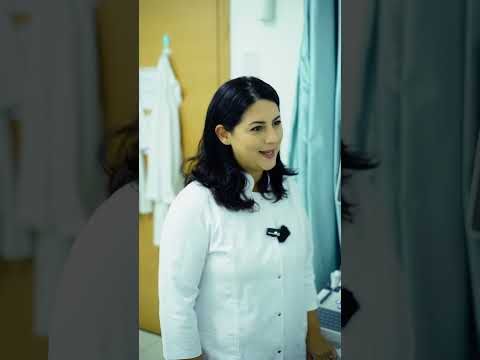
Je suis très satisfaite de cette clinique médicale. J'ai fait mon premier dépistage de grossesse ici. C'était abordable et très professionnel. Le radiologue était accueillant, gentil et a rendu l'expérience formidable.
Aizhan Tokmanbetova
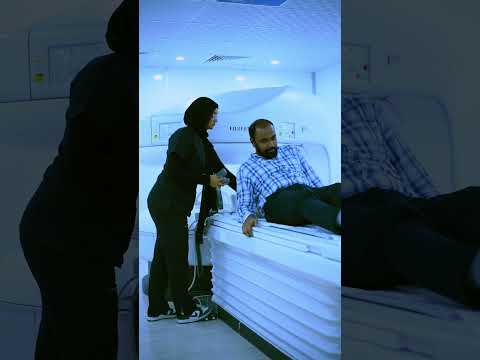
Je me suis blessée au genou vendredi soir et j'ai obtenu un rendez-vous IRM dimanche soir (réservé dimanche après-midi). J'ai attendu environ 2 minutes et c'était terminé en un peu plus de 30 minutes. L'équipe était incroyable, sympathique et efficace.
Kirsten Evans
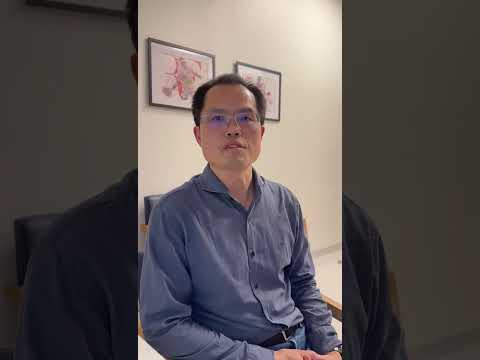
L'équipe du Dr Osama était douce et incroyable. Après une mauvaise expérience ailleurs, mon examen pelvien ici était beaucoup plus professionnel. Excellent rapport et très précis.
Mary


Gestion experte des calculs renaux
Soulagement de la douleur et prevention a long terme
Diagnostic rapide
Imagerie et evaluation immediates
Soulagement
Expulsion medicale et soins de confort
Prevention
Analyse des calculs et regime personnalise
Les calculs renaux sont douloureux et recidivent souvent. Au Doctors Clinic Diagnostic Center de Dubai Healthcare City, nous offrons une imagerie rapide, un soulagement de la douleur et un traitement medical cible pour l'expulsion des calculs afin que vous vous sentiez rapidement mieux.
Nous utilisons le scanner a faible dose ou l'echographie pour localiser les calculs, puis adaptons le traitement selon la taille et le type. La prevention est centrale : nous analysons la composition des calculs, ajustons le regime alimentaire et envisageons des medicaments pour reduire les recidives.
Des rendez-vous le jour meme sont souvent disponibles ; la capacite est limitee, reservez tot. Notre objectif est de traiter les calculs actuels en toute securite et de prevenir les futurs pour vous garder sans douleur.
Diagnostic rapide
Imagerie et evaluation immediates
Soulagement
Expulsion medicale et soins de confort
Prevention
Analyse des calculs et regime personnalise
Gestion experte des calculs renaux
Soulagement de la douleur et prevention a long terme
Les calculs renaux sont douloureux et recidivent souvent. Au Doctors Clinic Diagnostic Center de Dubai Healthcare City, nous offrons une imagerie rapide, un soulagement de la douleur et un traitement medical cible pour l'expulsion des calculs afin que vous vous sentiez rapidement mieux.
Nous utilisons le scanner a faible dose ou l'echographie pour localiser les calculs, puis adaptons le traitement selon la taille et le type. La prevention est centrale : nous analysons la composition des calculs, ajustons le regime alimentaire et envisageons des medicaments pour reduire les recidives.
Des rendez-vous le jour meme sont souvent disponibles ; la capacite est limitee, reservez tot. Notre objectif est de traiter les calculs actuels en toute securite et de prevenir les futurs pour vous garder sans douleur.
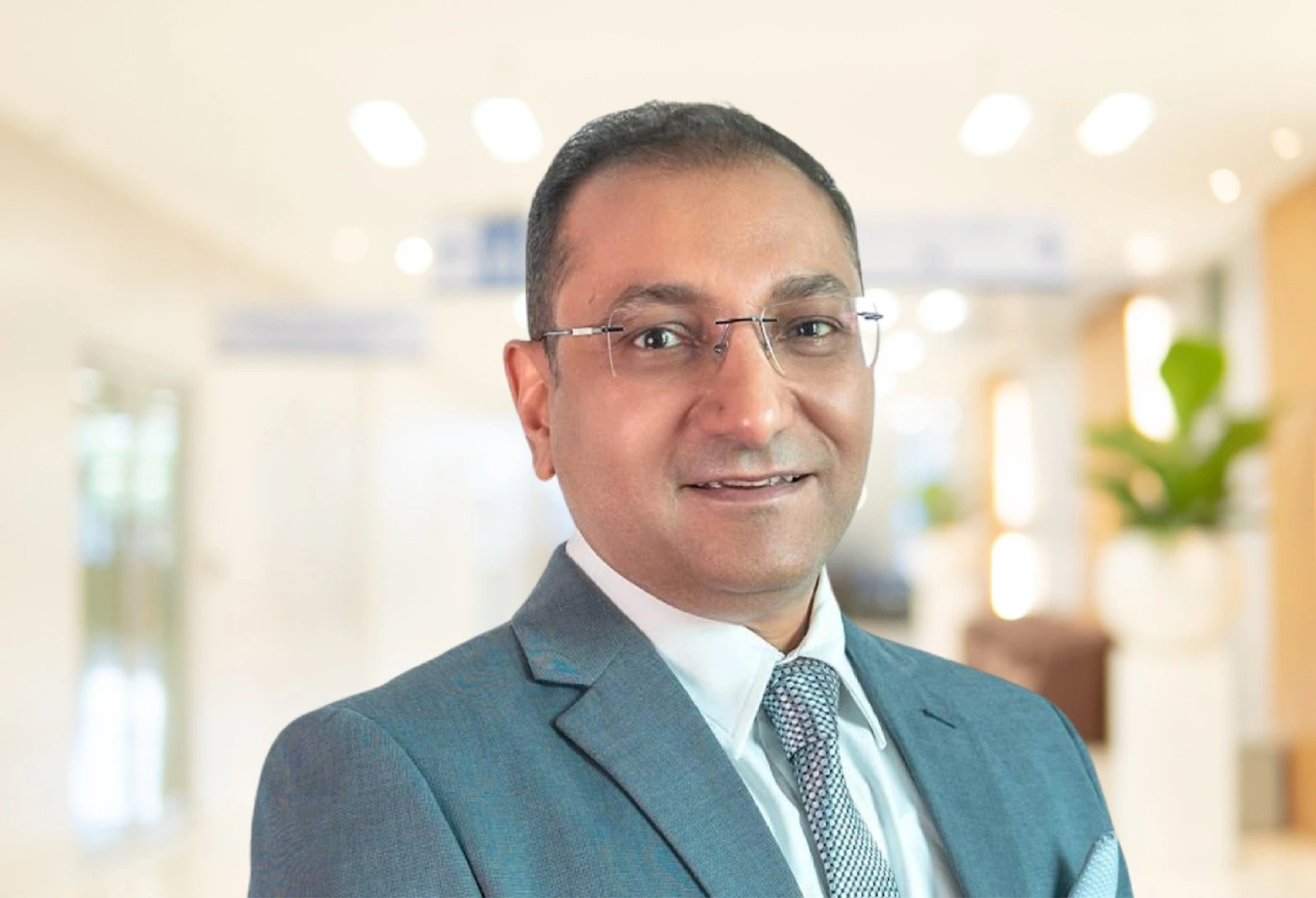
Dr. Manish Tripathi
Découvrez nos services
Services calculs renaux complets au DCDC Dubai Healthcare City.

Tous les services realises par des specialistes agrees DHA
Qui devrait beneficier de Calculs renaux ?
Consultez rapidement si vous suspectez un calcul renal ou avez des calculs recurrents.
Douleur severe dans le dos ou le flanc
Sang dans les urines (rose/rouge)
Nausees et vomissements avec douleur
Envie frequente d'uriner
Fievre et frissons (risque d'infection)
Antecedents de calculs precedents
Pourquoi choisir DCDC pour les calculs renaux a Dubai ?
Clinique de nephrologie agreee MOHAP a Dubai Healthcare City avec imagerie rapide, controle de la douleur et plans de prevention. Rendez-vous le jour meme souvent disponibles ; capacite limitee.
Agree MOHAP
Etablissement agree dans le DHCC (licence MOHAP NIMY7VY5-240925) repondant a des normes de securite strictes.
Specialistes des calculs
Nephrologues experimentes en diagnostic, expulsion medicale et prevention des calculs.
Acces le jour meme
Evaluations des calculs le jour meme si disponible ; douleur urgente priorisee.
Precision d'imagerie
Scanner a faible dose et echographie pour guider le traitement le plus sur.
Accent sur la prevention
Evaluation metabolique, analyse des calculs et plans alimentaires personnalises.
Emplacement DHCC ideal
Batiment 64, Bloc A, Dubai Healthcare City avec acces facile et parking.
Votre visite en tout confort
Un processus d'examen Calculs simple, etape par etape, concu pour le confort, la rapidite et la precision.
Tarifs de consultation
Les tarifs Calculs à Dubaï varient selon le type de service et la couverture d'assurance pour différents types de services.
- Les tarifs varient selon le type d'examen et la necessite de produit de contraste
- Couverture d'assurance acceptee avec ordonnance et verification
- Tarifs transparents pour paiement direct avec devis instantane sur demande
Verification d'assurance en quelques minutes - Pas de frais caches - Reponse rapide sur WhatsApp
Guide du patient
A quoi s'attendre lors de votre visite pour calculs
Imagerie rapide, soulagement de la douleur et planification preventive pour rester sans calculs.
Assurance et localisation
Partenaires d'assurance
- •Plus de 20 assureurs à Dubaï dont Daman, AXA, ADNIC et d'autres
- •Assistance pré-autorisation et facturation directe (le cas échéant)
- •Vérification de la couverture avant votre rendez-vous dans notre clinique de Dubai Healthcare City
- •Tarification transparente sans frais cachés pour les services de calculs renaux








Rendez-nous visite a Dubai Healthcare City
Doctors Clinic Diagnostic Center
Batiment 64, Bloc A, Al Razi Medical Complex, Dubai Healthcare City, Dubai, EAU
Pres de Oud Metha Road - Acces facile depuis Bur Dubai, Downtown Dubai, Business Bay - Parking gratuit dedie disponible
Horaires d'ouverture
Lun-Jeu, Sam : 8h - 22h30 | Dim : 8h30 - 22h30 | Ven : 9h - 22h
Comment fonctionne l'assurance chez DCDC
Vérifier la couverture
Vérifiez que votre plan couvre Calculs renaux
Obtenir une référence
Certains assureurs exigent une référence du médecin — nous pouvons vous guider
Pré-autorisation
Nous gérons la pré-autorisation directement avec votre assureur
Facturation directe
Pas de paiement initial — nous facturons directement votre assureur
Co-paiement uniquement
Vous ne payez que le co-paiement applicable à la clinique
Vérifier la couverture
Vérifiez que votre plan couvre Calculs renaux
Obtenir une référence
Certains assureurs exigent une référence du médecin — nous pouvons vous guider
Pré-autorisation
Nous gérons la pré-autorisation directement avec votre assureur
Facturation directe
Pas de paiement initial — nous facturons directement votre assureur
Co-paiement uniquement
Vous ne payez que le co-paiement applicable à la clinique
Your Specialist
Dr. Manish Tripathi
Specialist Nephrologist
MD, Specialist Nephrologist
English · Hindi
Guide du patient
Kidney Stones: Causes, Treatment, and Prevention in Dubai\
Kidney stones are hard mineral deposits that form inside the kidneys when the concentration of certain substances in the urine becomes too high, allowing crystals to nucleate and grow. Affecting approximately 10% of the UAE population at some point in their lives, kidney stones are particularly prevalent in the Gulf region due to the hot climate, dietary patterns, and high rates of conditions like diabetes and obesity that increase stone risk. Understanding the factors that contribute to stone formation is the first step toward effective treatment and prevention.
The formation of kidney stones is influenced by a complex interplay of factors including inadequate fluid intake, dietary habits, metabolic conditions, genetics, and urinary chemistry. When the urine becomes supersaturated with stone-forming minerals (calcium, oxalate, uric acid, or phosphate), crystals can form and aggregate into stones ranging from tiny grains to large staghorn calculi filling the entire renal pelvis. Protective factors in urine, such as citrate and magnesium, normally inhibit crystal formation, and deficiency of these substances increases stone risk. The balance between stone-promoting and stone-inhibiting factors determines whether an individual develops stones.
Acute management of kidney stones focuses on pain control, facilitating stone passage, and treating any associated complications. Renal colic from a moving stone is one of the most severe pains in medicine, requiring aggressive pain management with NSAIDs and sometimes opioid analgesics. Medical expulsion therapy with alpha-blockers relaxes the ureter and improves passage rates for stones under 10mm. Adequate hydration helps flush the stone through the urinary tract. If a stone causes complete obstruction, especially with infection, emergency intervention is needed to place a stent or nephrostomy tube to relieve the blockage. Once the acute episode resolves, attention turns to determining stone composition and developing a prevention plan.
Prevention is the most important aspect of kidney stone management, as recurrence rates exceed 50% within 10 years without preventive measures. A comprehensive prevention strategy begins with stone composition analysis and metabolic evaluation through 24-heure urine collection. Based on results, specific interventions are recommended: adequate hydration to produce over 2 liters of dilute urine daily, dietary modifications tailored to stone type (sodium restriction, appropriate protein intake, oxalate management), and medications when indicated (thiazide diuretics for hypercalciuria, potassium citrate for low citrate, allopurinol for hyperuricosuria). In Dubai\
Stone-Related Conditions We Diagnose and Treat
Calcium Oxalate Stones
The most common stone type, managed with hydration, dietary oxalate reduction, sodium restriction, and medications like thiazide diuretics.
Uric Acid Stones
Stones formed in acidic urine, often associated with gout, treatable with urine alkalinization and dietary purine restriction.
Renal Colic
Acute pain management with NSAIDs and alpha-blockers, with medical expulsion therapy to facilitate stone passage.
Obstructive Uropathy
Assessment and urgent referral for stones causing complete urinary tract obstruction requiring stent or nephrostomy placement.
Infected Kidney Stones
Emergency management of stones with concurrent urinary infection, requiring antibiotics and often urgent drainage.
Recurrent Stone Disease
Comprehensive metabolic evaluation with 24-heure urine analysis and personalized prevention plans to reduce recurrence.
Articles associés
Kidney Health: Prevention Tips for Dubai Residents
Essential strategies for protecting your kidneys, with a focus on hydration and diet in the UAE climate.
Renal Doppler Ultrasound: Assessing Your Kidneys
How ultrasound helps detect kidney stones, obstruction, and blood flow abnormalities.
Ultrasound Results Explained: What Your Scan Means
Understanding kidney ultrasound findings including stones, hydronephrosis, and cysts.
Services connexes
Decouvrez d'autres services de diagnostic et de consultation disponibles dans notre clinique de Dubai Healthcare City.
Questions frequentes
Questions courantes sur Calculs renaux a Dubai.
Les petits calculs (moins de 5 mm) s'expulsent souvent seuls avec beaucoup d'eau et des medicaments. Les calculs plus gros peuvent necessiter une intervention medicale.
Cela peut etre tres douloureux lorsque le calcul traverse les voies urinaires. Nous assurons une gestion efficace de la douleur pour vous accompagner.
Boire suffisamment d'eau (2-3 L/jour) est essentiel. Nous pouvons aussi recommander des changements alimentaires specifiques (moins de sel ou de viande) selon le type de calcul.
Les aliments riches en oxalates (epinards, noix), le sel et les proteines animales peuvent augmenter le risque de calculs chez les personnes predisposees.
La chirurgie (lithotritie ou ureteroscopie) est generalement reservee aux calculs trop gros pour etre expulses, causant une obstruction ou une infection.
Faits cles
Supervision medicale
Tous les services sont fournis sous la supervision de professionnels medicaux agrees dans notre etablissement accredite MOHAP.