Prenez votre rendez-vous
Avis verifies des patients du centre de diagnostic DCDC a Dubai
Avis verifies et temoignages reels de patients de Dubai Healthcare City
Je suis très satisfaite de cette clinique médicale. J'ai fait mon premier dépistage de grossesse ici. C'était abordable et très professionnel. Le radiologue était accueillant, gentil et a rendu l'expérience formidable.
Aizhan Tokmanbetova
Je me suis blessée au genou vendredi soir et j'ai obtenu un rendez-vous IRM dimanche soir (réservé dimanche après-midi). J'ai attendu environ 2 minutes et c'était terminé en un peu plus de 30 minutes. L'équipe était incroyable, sympathique et efficace.
Kirsten Evans
L'équipe du Dr Osama était douce et incroyable. Après une mauvaise expérience ailleurs, mon examen pelvien ici était beaucoup plus professionnel. Excellent rapport et très précis.
Mary
Tests de la Thyroïde à Dubaï: Panels Complets de Fonction Thyroïdienne
Diagnostic précis des troubles thyroïdiens pour une santé optimale
Soins spécialisés
Tests précis et rapides au DCDC Dubai Healthcare City
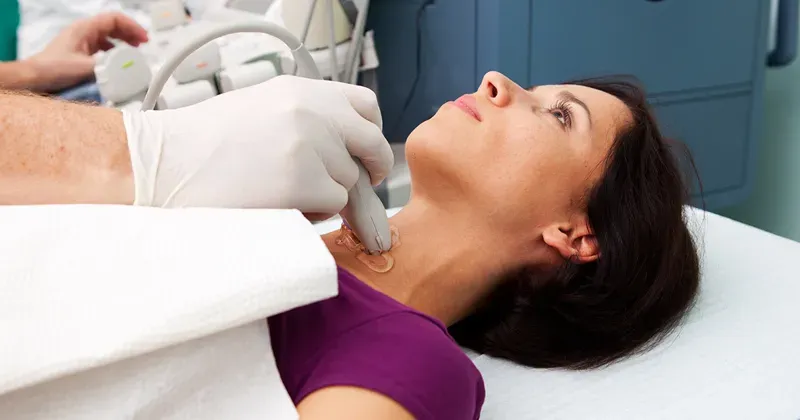
Tests thyroïdiens complets à Dubai Healthcare City incluant TSH, Free T3, Free T4 et anticorps thyroïdiens. Nous diagnostiquons l'hypothyroïdie et l'hyperthyroïdie avec une grande précision. Réservez votre rendez-vous maintenant.
Soins spécialisés
Tests précis et rapides au DCDC Dubai Healthcare City
Tests de la Thyroïde à Dubaï: Panels Complets de Fonction Thyroïdienne
Diagnostic précis des troubles thyroïdiens pour une santé optimale
Tests thyroïdiens complets à Dubai Healthcare City incluant TSH, Free T3, Free T4 et anticorps thyroïdiens. Nous diagnostiquons l'hypothyroïdie et l'hyperthyroïdie avec une grande précision. Réservez votre rendez-vous maintenant.
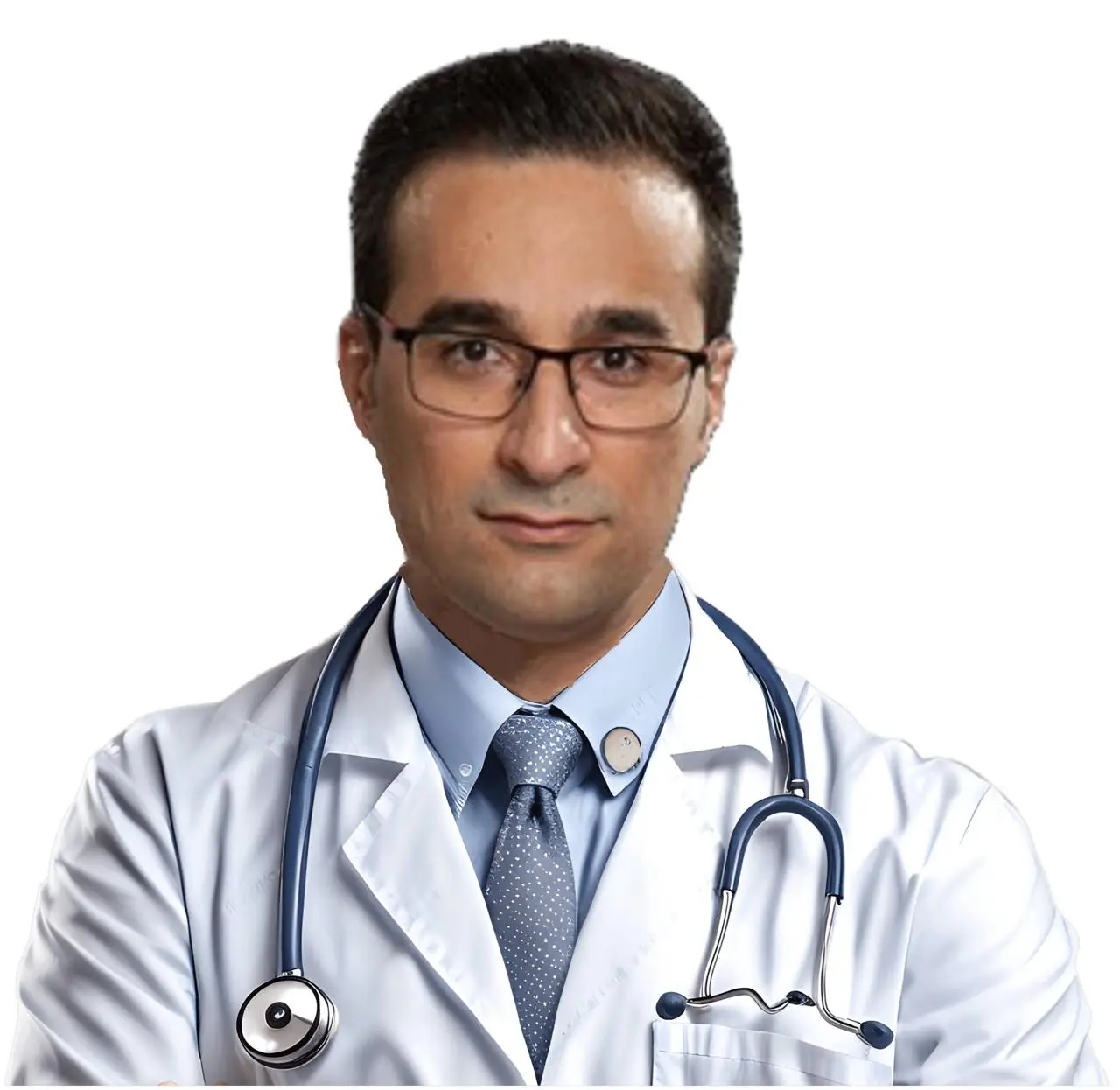
Dr. Hadi Komshi
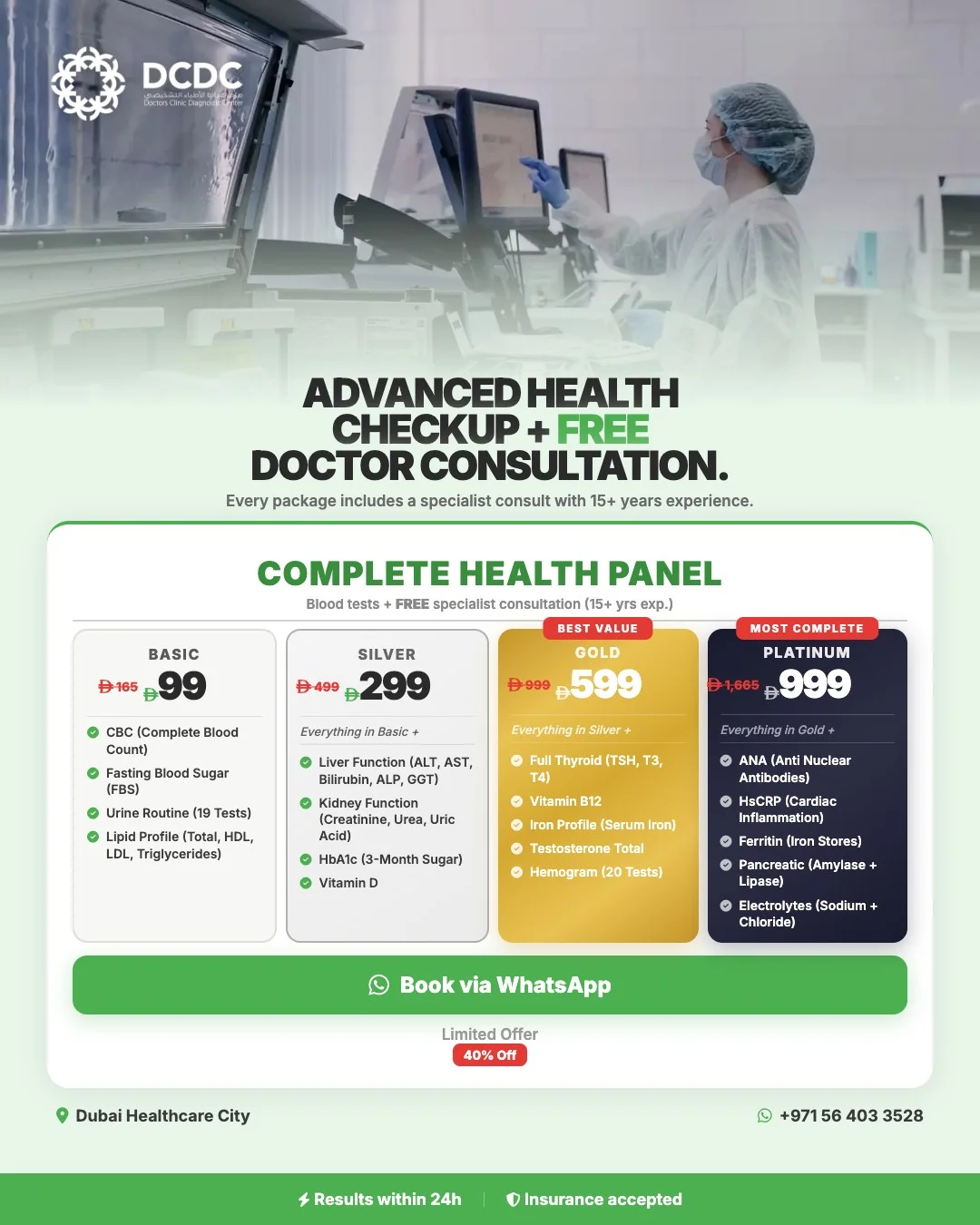
Complete Health Panel
Advanced health checkup with FREE specialist consultation. 4 tiers from basic blood work to full-body screening with 40+ biomarkers.
10–40+ tests included
What's Included
Who is this for?
Anyone wanting a comprehensive baseline health check with specialist consultation
Découvrez nos services
Services tests de la thyroïde complets au DCDC Dubai Healthcare City.
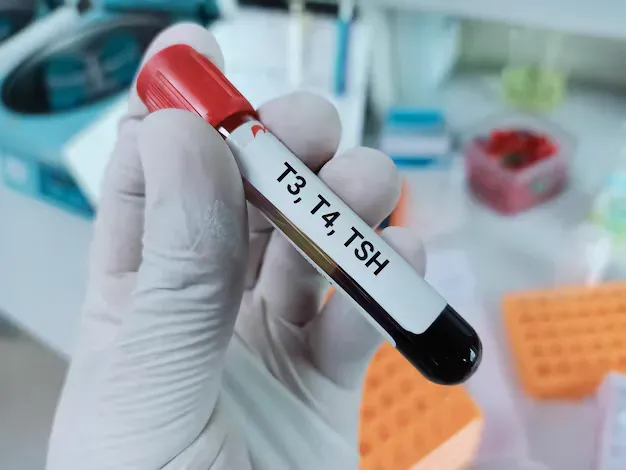
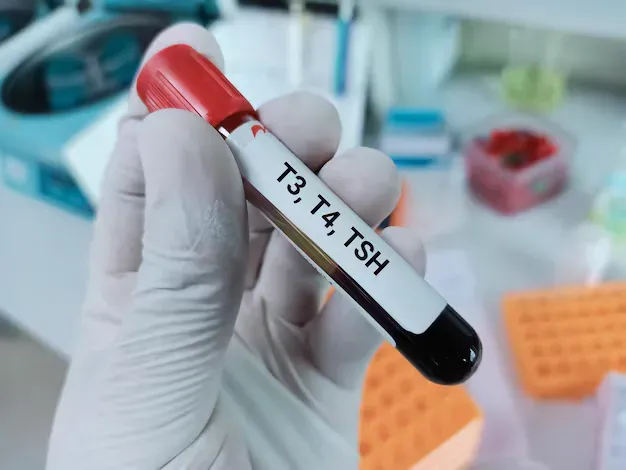
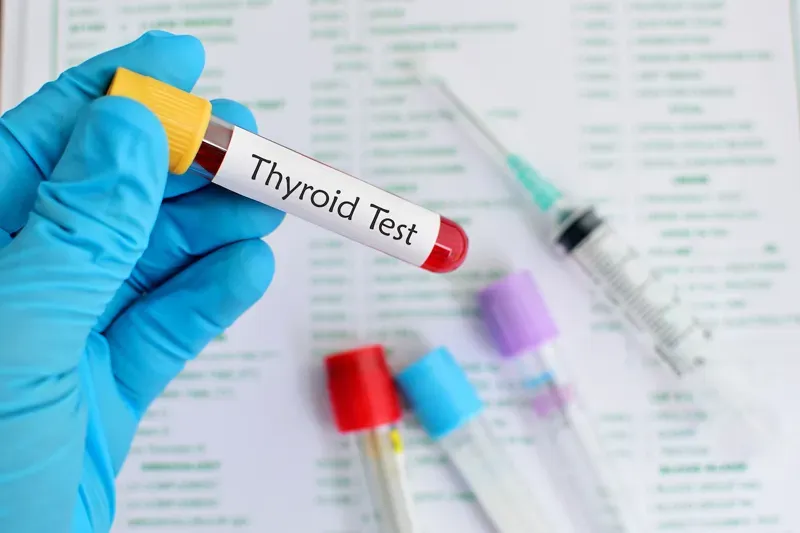
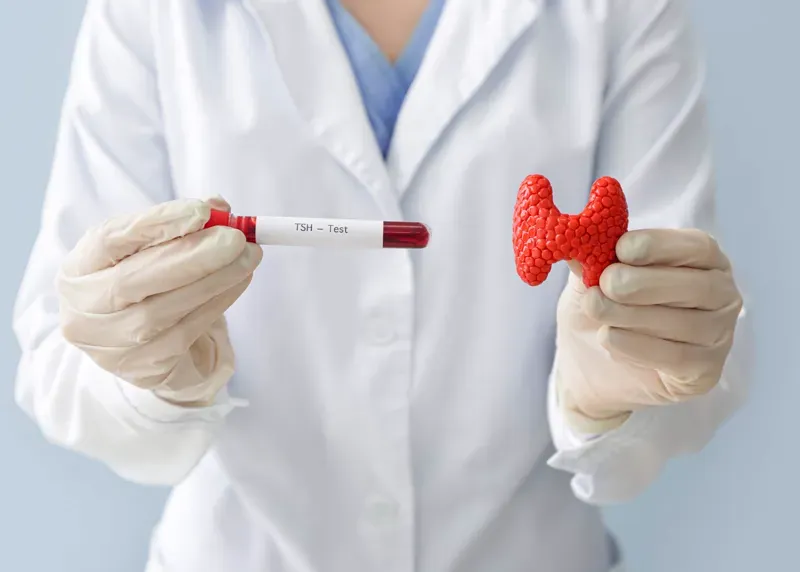
Test d'anticorps thyroïdiens
Anticorps TPO et TG pour les maladies thyroïdiennes auto-immunes.
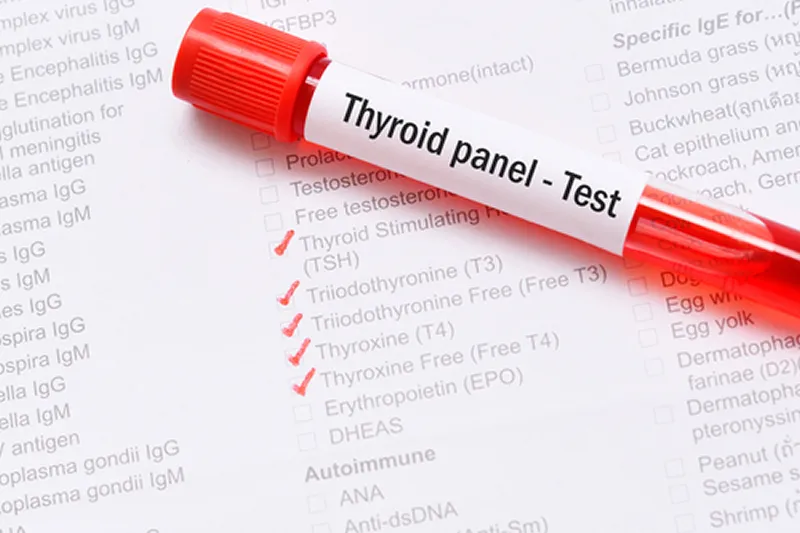
Tous les services realises par des specialistes agrees DHA
Qui Devrait Se Faire Tester la Thyroïde
Le test thyroïdien est recommandé pour les personnes présentant des symptômes d'hypothyroïdie ou d'hyperthyroïdie, ou ayant des antécédents familiaux de troubles thyroïdiens.
Fatigue, unexplained weight changes, or feeling cold/hot
Family history of thyroid disease
Women over 35, especially postpartum
Hair loss, dry skin, or nail changes
Mood changes, anxiety, or depression
Existing thyroid patients for monitoring
Pourquoi Choisir DCDC pour les Tests Thyroïdiens
Soins spécialisés Agréés par MOHAP
Autorisé par MOHAP
Centre agréé par le ministère de la Santé et de la Prévention aux normes de qualité les plus élevées
Technologie Avancée
Équipements de pointe pour tests précis et rapides
Équipe Experte
Médecins et spécialistes expérimentés
Convenient Location
Building 64, Block A in Dubai Healthcare City. Early morning slots for optimal TSH testing.
Advanced Immunoassay
State-of-the-art analyzers for precise, reliable thyroid hormone measurements.
Specialist Integration
Direct pathway to endocrinology specialists for comprehensive thyroid management.
Votre visite en tout confort
Un processus d'examen Tests simple, etape par etape, concu pour le confort, la rapidite et la precision.
Tarification des Tests Thyroïdiens
Les tarifs Tests à Dubaï varient selon le type de service et la couverture d'assurance pour différents types de tests.
- Les tarifs varient selon le type d'examen et la necessite de produit de contraste
- Couverture d'assurance acceptee avec ordonnance et verification
- Tarifs transparents pour paiement direct avec devis instantane sur demande
Verification d'assurance en quelques minutes - Pas de frais caches - Reponse rapide sur WhatsApp
Guide du patient
À Quoi S'Attendre Pendant le Test
Un technicien de laboratoire prélèvera un petit échantillon de sang de votre bras. La procédure est rapide et indolore, et les résultats sont généralement disponibles dans les 24 heures.
Assurance et localisation
Partenaires d'assurance
- •Plus de 20 assureurs à Dubaï dont Daman, AXA, ADNIC et d'autres
- •Assistance pré-autorisation et facturation directe (le cas échéant)
- •Vérification de la couverture avant votre rendez-vous dans notre clinique de Dubai Healthcare City
- •Tarification transparente sans frais cachés pour les services de tests de la thyroïde




Rendez-nous visite a Dubai Healthcare City
Doctors Clinic Diagnostic Center
Batiment 64, Bloc A, Al Razi Medical Complex, Dubai Healthcare City, Dubai, EAU
Pres de Oud Metha Road - Acces facile depuis Bur Dubai, Downtown Dubai, Business Bay - Parking gratuit dedie disponible
Horaires d'ouverture
Lun-Jeu, Sam : 8h - 22h30 | Dim : 8h30 - 22h30 | Ven : 9h - 22h
Comment fonctionne l'assurance chez DCDC
Vérifier la couverture
Vérifiez que votre plan couvre Tests de la Thyroïde
Obtenir une référence
Certains assureurs exigent une référence du médecin — nous pouvons vous guider
Pré-autorisation
Nous gérons la pré-autorisation directement avec votre assureur
Facturation directe
Pas de paiement initial — nous facturons directement votre assureur
Co-paiement uniquement
Vous ne payez que le co-paiement applicable à la clinique
Vérifier la couverture
Vérifiez que votre plan couvre Tests de la Thyroïde
Obtenir une référence
Certains assureurs exigent une référence du médecin — nous pouvons vous guider
Pré-autorisation
Nous gérons la pré-autorisation directement avec votre assureur
Facturation directe
Pas de paiement initial — nous facturons directement votre assureur
Co-paiement uniquement
Vous ne payez que le co-paiement applicable à la clinique
Your Specialist
Dr. Hadi Komshi
Specialist Internal Medicine
MD, Specialist Internal Medicine
Persian · Arabic · English
Conditions détectées par les tests thyroïdiens
Hypothyroïdie
TSH élevée avec T4 basse indique une hypothyroïdie causant fatigue, prise de poids, constipation et troubles menstruels.
Hyperthyroïdie
TSH basse avec T3/T4 élevées indique une hyperthyroïdie causant perte de poids, tremblements et palpitations.
Thyroïdite de Hashimoto (auto-immune)
Anticorps anti-TPO (TPO-Ab) élevés confirmant la thyroïdite de Hashimoto, cause la plus fréquente d'hypothyroïdie.
Maladie de Basedow (hyperthyroïdie immune)
Anticorps anti-récepteurs TSH (TRAb) confirmant la maladie de Basedow comme cause la plus fréquente d'hyperthyroïdie.
Nodules thyroïdiens et cancer
Mesure de la thyroglobuline et calcitonine comme marqueurs du cancer thyroïdien différencié et médullaire.
Thyroïdite subaiguë
Inflammation transitoire, souvent après infection virale, causant des symptômes d'hyperthyroïdie puis d'hypothyroïdie transitoire.
Services connexes
Decouvrez d'autres services de diagnostic et de consultation disponibles dans notre clinique de Dubai Healthcare City.
Questions frequentes
Questions courantes sur Tests de la Thyroïde a Dubai.
Nous proposons Tests de la Thyroïde à Dubai Healthcare City. Notre équipe de spécialistes expérimentés est disponible pour un examen et une consultation complète. Contactez-nous pour plus d'informations.
La durée varie selon chaque cas individuel. Notre équipe vous informera à l'avance du temps exact nécessaire. Contactez-nous pour prendre un rendez-vous.
La plupart des grandes assurances à Dubaï couvrent Tests de la Thyroïde. Nous proposons une facturation directe avec plus de 20 compagnies d'assurance, dont Daman, AXA et Bupa. Contactez-nous pour vérifier votre couverture.
Notre équipe vous donnera des instructions de préparation spécifiques avant votre rendez-vous. En général, nous recommandons d'apporter tous vos médicaments actuels et vos dossiers médicaux pertinents.
Chez DCDC, nous proposons Tests de la Thyroïde avec des spécialistes expérimentés, des équipements de pointe et des soins aux patients de premier ordre à Dubai Healthcare City. Notre établissement est agréé par MOHAP et suit des normes cliniques strictes.
Vous pouvez prendre rendez-vous pour Tests de la Thyroïde par téléphone au +971 54 219 5008 ou via notre système de réservation en ligne. Nous proposons des horaires flexibles, y compris des rendez-vous le jour même si disponibles.
Faits cles
Supervision medicale
Tous les services sont fournis sous la supervision de professionnels medicaux agrees dans notre etablissement accredite MOHAP.