

Prenez votre rendez-vous
Avis verifies des patients du centre de diagnostic DCDC a Dubai
Avis verifies et temoignages reels de patients de Dubai Healthcare City
Je suis très satisfaite de cette clinique médicale. J'ai fait mon premier dépistage de grossesse ici. C'était abordable et très professionnel. Le radiologue était accueillant, gentil et a rendu l'expérience formidable.
Aizhan Tokmanbetova
Je me suis blessée au genou vendredi soir et j'ai obtenu un rendez-vous IRM dimanche soir (réservé dimanche après-midi). J'ai attendu environ 2 minutes et c'était terminé en un peu plus de 30 minutes. L'équipe était incroyable, sympathique et efficace.
Kirsten Evans
L'équipe du Dr Osama était douce et incroyable. Après une mauvaise expérience ailleurs, mon examen pelvien ici était beaucoup plus professionnel. Excellent rapport et très précis.
Mary




Traitement de l'Anémie à Dubaï : Diagnostic, Thérapie Ferrique et Santé Sanguine
Prise en charge complète de tous les types d'anémie

Spécialistes Hématologiques
Diagnostic précis de tous les types d'anémie incluant le dépistage de la thalassémie
Thérapie IV au Fer
Injections de fer en clinique pour correction rapide si nécessaire
Bilans le Jour Même
Résultats d'analyses et rendez-vous le jour même à la Cité Médicale de Dubaï
Le traitement de l'anémie à Dubaï est essentiel — l'anémie est l'une des pathologies les plus répandues aux Émirats, touchant une large partie de la population. Au DCDC à la Cité Médicale de Dubaï, nous offrons une évaluation complète et un traitement fondé sur les preuves pour tous les types d'anémie, notamment la carence en fer, la carence en vitamine B12, la carence en folate, l'anémie des maladies chroniques et le trait thalassémique fréquent dans la région.
Comprendre le type et la cause de l'anémie est indispensable pour un traitement efficace. C'est pourquoi nous réalisons un bilan sanguin complet comprenant la NFS, le frottis sanguin périphérique, les taux de fer, ferritine, B12 et folate, la numération réticulocytaire, les marqueurs inflammatoires et l'électrophorèse de l'hémoglobine si nécessaire.
La population de Dubaï présente des facteurs de risque uniques d'anémie : carence en vitamine D répandue, modes de vie sédentaires et diversité génétique. Le DCDC propose un programme intégré comprenant des perfusions IV de fer, des injections IM de B12, des conseils nutritionnels et un suivi régulier.
Spécialistes Hématologiques
Diagnostic précis de tous les types d'anémie incluant le dépistage de la thalassémie
Thérapie IV au Fer
Injections de fer en clinique pour correction rapide si nécessaire
Bilans le Jour Même
Résultats d'analyses et rendez-vous le jour même à la Cité Médicale de Dubaï
Traitement de l'Anémie à Dubaï : Diagnostic, Thérapie Ferrique et Santé Sanguine
Prise en charge complète de tous les types d'anémie
Le traitement de l'anémie à Dubaï est essentiel — l'anémie est l'une des pathologies les plus répandues aux Émirats, touchant une large partie de la population. Au DCDC à la Cité Médicale de Dubaï, nous offrons une évaluation complète et un traitement fondé sur les preuves pour tous les types d'anémie, notamment la carence en fer, la carence en vitamine B12, la carence en folate, l'anémie des maladies chroniques et le trait thalassémique fréquent dans la région.
Comprendre le type et la cause de l'anémie est indispensable pour un traitement efficace. C'est pourquoi nous réalisons un bilan sanguin complet comprenant la NFS, le frottis sanguin périphérique, les taux de fer, ferritine, B12 et folate, la numération réticulocytaire, les marqueurs inflammatoires et l'électrophorèse de l'hémoglobine si nécessaire.
La population de Dubaï présente des facteurs de risque uniques d'anémie : carence en vitamine D répandue, modes de vie sédentaires et diversité génétique. Le DCDC propose un programme intégré comprenant des perfusions IV de fer, des injections IM de B12, des conseils nutritionnels et un suivi régulier.

Dr. Hadi Komshi
Découvrez nos services
Services traitement de l'anémie complets au DCDC Dubai Healthcare City.

Évaluation de la Carence en Fer
Panel complet du fer avec ferritine, TIBC et saturation de la transferrine pour un diagnostic précis.

Thérapie IV au Fer
Perfusions de fer sur place pour correction rapide de la carence sévère ou résistante en fer.
Traitement B12 et Folate
Injections IM de B12 et suppléments en folate avec surveillance de l'absorption.
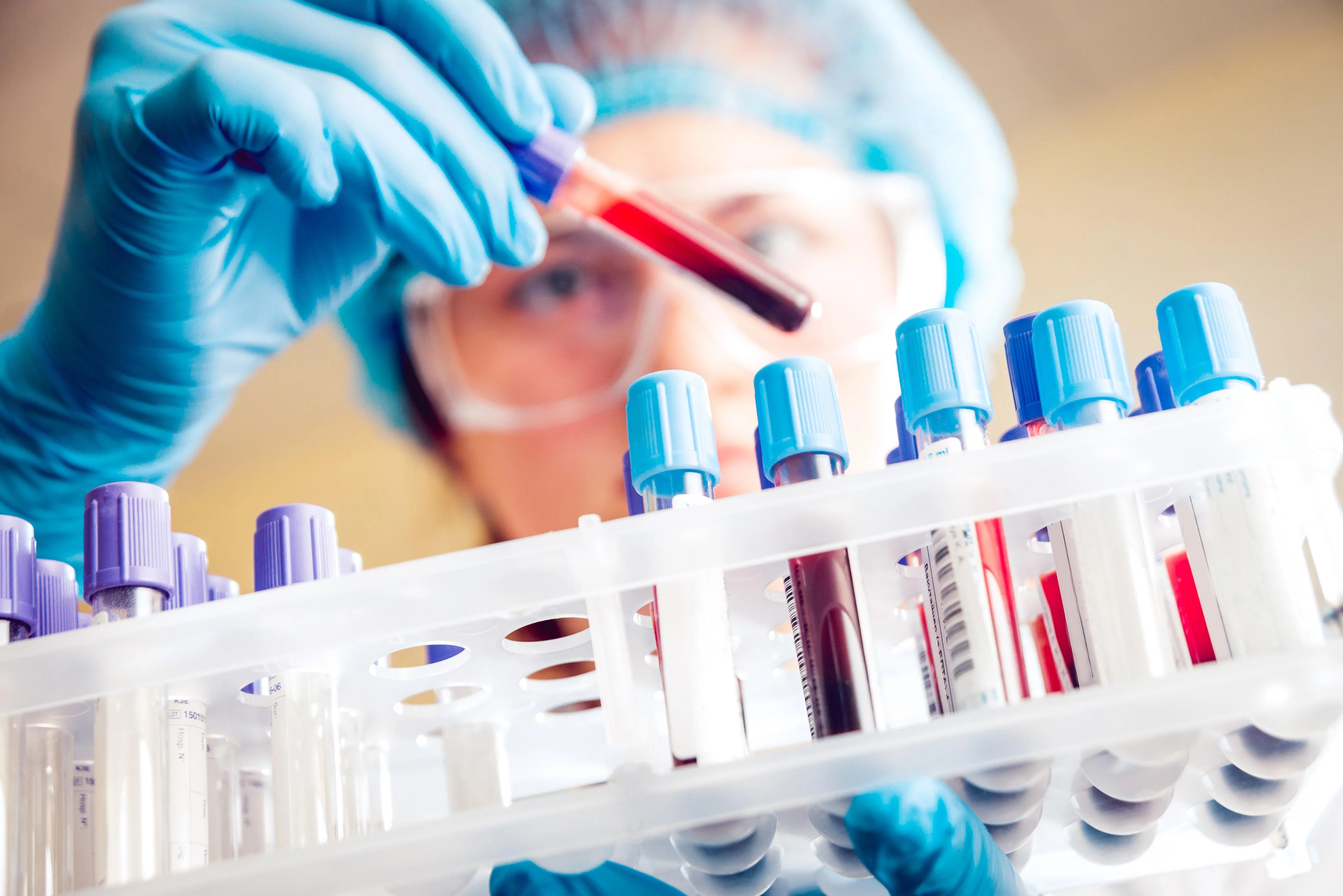
Dépistage de la Thalassémie
Électrophorèse de l'hémoglobine et conseil génétique pour les porteurs du trait thalassémique.
Tous les services realises par des specialistes agrees DHA
Qui devrait beneficier de Traitement de l'Anémie ?
Toute personne présentant des symptômes d'anémie ou des facteurs de risque de troubles hématologiques devrait consulter un spécialiste.
Fatigue persistante, faiblesse et manque d'énergie qui ne s'améliorent pas avec le repos
Teint pâle de la peau, des ongles ou des paupières internes
Essoufflement lors des activités quotidiennes ou d'efforts légers
Étourdissements ou maux de tête fréquents sans raison apparente
Règles abondantes durant plus de sept jours
Femmes enceintes ou planifiant une grossesse à risque de carences nutritionnelles
Pourquoi Choisir DCDC pour le Traitement de l'Anémie à Dubaï ?
Clinique agréée MOHAP à la Cité Médicale de Dubaï offrant évaluation complète de l'anémie, perfusions de fer sur place et gestion personnalisée de la santé sanguine.
Agréé MOHAP
Établissement agréé à la Cité Médicale de Dubaï avec des normes strictes de gouvernance clinique et de qualité.
Médecins Expérimentés
Spécialistes en médecine interne avec une vaste expérience dans le diagnostic et le traitement de tous les types d'anémie.
Résultats le Jour Même
Analyses et consultations le jour même disponibles ; les cas urgents d'anémie sont prioritaires.
Perfusions de Fer sur Place
Injections IV de fer en toute sécurité dans notre clinique pour les patients nécessitant une substitution rapide en fer.
Situation Privilégiée à la Cité Médicale de Dubaï
Bâtiment 64, Bloc A, avec parking gratuit et accès facile.
Recherche de la Cause Fondamentale
Investigation complète pour identifier et traiter la cause sous-jacente de l'anémie, pas seulement les symptômes.
Votre visite en tout confort
Un processus d'examen Traitement simple, etape par etape, concu pour le confort, la rapidite et la precision.
Tarifs du Traitement de l'Anémie
Les tarifs Traitement à Dubaï varient selon le type de service et la couverture d'assurance pour différents types de services.
- Les tarifs varient selon le type d'examen et la necessite de produit de contraste
- Couverture d'assurance acceptee avec ordonnance et verification
- Tarifs transparents pour paiement direct avec devis instantane sur demande
Verification d'assurance en quelques minutes - Pas de frais caches - Reponse rapide sur WhatsApp
Guide du patient
Ce qu'il Faut Attendre d'une Consultation pour l'Anémie
Évaluation structurée de la santé sanguine avec des analyses complètes, un diagnostic précis et un traitement personnalisé à la clinique DCDC.
Assurance et localisation
Partenaires d'assurance
- •Plus de 20 assureurs à Dubaï dont Daman, AXA, ADNIC et d'autres
- •Assistance pré-autorisation et facturation directe (le cas échéant)
- •Vérification de la couverture avant votre rendez-vous dans notre clinique de Dubai Healthcare City
- •Tarification transparente sans frais cachés pour les services de traitement de l'anémie








Rendez-nous visite a Dubai Healthcare City
Doctors Clinic Diagnostic Center
Batiment 64, Bloc A, Al Razi Medical Complex, Dubai Healthcare City, Dubai, EAU
Pres de Oud Metha Road - Acces facile depuis Bur Dubai, Downtown Dubai, Business Bay - Parking gratuit dedie disponible
Horaires d'ouverture
Lun-Jeu, Sam : 8h - 22h30 | Dim : 8h30 - 22h30 | Ven : 9h - 22h
Comment fonctionne l'assurance chez DCDC
Vérifier la couverture
Vérifiez que votre plan couvre Traitement de l'Anémie
Obtenir une référence
Certains assureurs exigent une référence du médecin — nous pouvons vous guider
Pré-autorisation
Nous gérons la pré-autorisation directement avec votre assureur
Facturation directe
Pas de paiement initial — nous facturons directement votre assureur
Co-paiement uniquement
Vous ne payez que le co-paiement applicable à la clinique
Vérifier la couverture
Vérifiez que votre plan couvre Traitement de l'Anémie
Obtenir une référence
Certains assureurs exigent une référence du médecin — nous pouvons vous guider
Pré-autorisation
Nous gérons la pré-autorisation directement avec votre assureur
Facturation directe
Pas de paiement initial — nous facturons directement votre assureur
Co-paiement uniquement
Vous ne payez que le co-paiement applicable à la clinique
Your Specialist
Dr. Hadi Komshi
Specialist Internal Medicine
MD, Specialist Internal Medicine
Persian · Arabic · English
Guide du patient
Comprendre Anaemia: Types, Causes, and Modern Treatment
Anaemia is defined as a reduction in hemoglobin concentration or red blood cell mass below the normal range for age and sex, resulting in decreased oxygen-carrying capacity of the blood. The World Health Organization defines anaemia as hemoglobin below 13 g/dL in men and below 12 g/dL in non-pregnant women. Globally, anaemia affects approximately 1.6 billion people, with depleted iron stores being the single most common cause. In the UAE and broader Middle East region, anaemia prevalence is particularly high, driven by a combination of dietary factors, genetic predisposition to hemoglobin disorders, high rates of vitamin D deficiency that impair iron metabolism, and lifestyle factors including limited sun exposure and reduced physical activity during the hot months.
Iron depletion anaemia develops through a progressive sequence of stages. Initially, iron stores become depleted (low ferritin) while hemoglobin remains normal, a stage called iron depletion or latent iron depletion. Patients at this stage may already experience symptoms including fatigue, difficulty concentrating, hair thinning, and restless legs. As iron stores become further exhausted, iron supply to the bone marrow becomes inadequate, leading to iron-depleted erythropoiesis, where new red blood cells are produced but smaller and paler than normal. Finally, frank anaemia from depleted iron stores develops with low hemoglobin, low MCV (microcytic anaemia), and characteristic symptoms including profound fatigue, pallor, shortness of breath, dizziness, and pica (cravings for non-food items like ice). Treatment depends on the stage and cause, ranging from oral supplementation with vitamin C to enhance absorption, to intravenous iron treatment for severe cases or patients with absorption difficulties.
Vitamin B12 and folate deficiency anaemia produce a different pattern than low iron, causing macrocytic anaemia (large red blood cells with high MCV). B12 deficiency is common in vegetarians and vegans since B12 is found almost exclusively in animal products, in older adults due to reduced stomach acid production, and in patients with pernicious anaemia (an autoimmune condition destroying the stomach cells that produce intrinsic factor needed for B12 absorption). Beyond anaemia, B12 deficiency can cause neurological symptoms including peripheral neuropathy (numbness and tingling in hands and feet), balance problems, cognitive changes, and mood disturbances. Folate deficiency is seen with inadequate dietary intake of leafy greens and legumes, increased demands during pregnancy, malabsorption conditions, and certain medications. Both deficiencies are readily treatable with appropriate supplementation, but B12 deficiency requires prompt treatment to prevent irreversible neurological damage.
Thalassemia and other inherited hemoglobin disorders deserve special attention in the UAE context. Beta-thalassemia trait is estimated to affect 5 to 10 percent of the UAE population, with even higher rates in certain ethnic groups. Carriers typically have a mild, lifelong microcytic anaemia that does not respond to iron supplementation and is often misdiagnosed as low iron, leading to unnecessary and potentially harmful iron therapy. Hemoglobin electrophoresis is the key diagnostic test that distinguishes thalassemia trait from depleted iron stores. Preconception screening for thalassemia and sickle cell trait is strongly recommended in the UAE to prevent the birth of children with severe hemoglobin disorders. Our clinic provides carrier screening, counseling on inheritance patterns, and referral to genetic counseling services when both partners are found to be carriers.
Anaemia Conditions We Manage
Iron Deficiency Anaemia
The most common type of anaemia worldwide, caused by inadequate iron intake, poor absorption, or chronic blood loss. We provide oral iron therapy, IV IV iron therapy when needed, and investigate the underlying cause to prevent recurrence.
Vitamin B12 Deficiency
Macrocytic anaemia caused by inadequate dietary B12 intake, pernicious anaemia, or malabsorption. Treatment includes intramuscular B12 injections or high-dose oral supplementation with regular monitoring of levels and blood counts.
Folate Deficiency
Anaemia resulting from insufficient folic acid intake, increased demands during pregnancy, or malabsorption. Managed with folic acid supplementation and dietary counseling to increase folate-rich food consumption.
Anaemia of Chronic Disease
Anaemia associated with chronic inflammatory conditions, kidney disease, autoimmune disorders, and infections. Management focuses on treating the underlying condition while supporting blood health through targeted interventions.
Thalassemia Trait
Inherited carrier status for beta-thalassemia, common in Middle Eastern, South Asian, and Mediterranean populations. We provide screening, differentiation from low iron, genetic counseling referrals, and partner screening recommendations.
Sickle Cell Trait
Carrier status for sickle cell disease, present in populations of African, Middle Eastern, and South Asian descent. We offer screening, counseling on inheritance risks, and guidance for carriers planning families.
Services connexes
Decouvrez d'autres services de diagnostic et de consultation disponibles dans notre clinique de Dubai Healthcare City.
Questions frequentes
Questions courantes sur Traitement de l'Anémie a Dubai.
Les types les plus courants que nous traitons comprennent la carence en fer, la carence en B12, la carence en folate, l'anémie des maladies chroniques et le trait thalassémique. Contactez-nous.
Les coûts varient selon la condition et la méthode de traitement. La plupart des régimes d'assurance couvrent les analyses et le traitement incluant les perfusions IV. Contactez notre clinique.
Les injections IV de fer durent généralement 30 à 60 minutes, suivies d'une période d'observation de 30 minutes.
La ferritine peut rester basse malgré une bonne alimentation à cause de saignements chroniques occultes, de règles abondantes, d'une mauvaise absorption du fer ou d'une inflammation chronique.
La carence en fer signifie des réserves de fer épuisées (ferritine basse) et peut survenir avant l'anémie. L'anémie survient quand les taux d'hémoglobine baissent. La carence en fer doit être traitée avant qu'elle évolue en anémie.
Selon la cause : injections IM de B12 pour les problèmes d'absorption ou suppléments oraux haute dose pour la carence nutritionnelle.
Oui. Le trait thalassémique signifie porter une seule copie et cause une anémie légère sans besoin de traitement, tandis que la thalassémie majeure nécessite des transfusions sanguines régulières.
Oui, la carence en fer est l'une des causes nutritionnelles les plus fréquentes de chute de cheveux chez les femmes. La substitution en fer aide à restaurer la croissance des cheveux en trois à six mois.
Faits cles
Supervision medicale
Tous les services sont fournis sous la supervision de professionnels medicaux agrees dans notre etablissement accredite MOHAP.