Aller au contenu principal
DCDC, Dubai Healthcare City, Dubai, EAU

Soins postnatals à Dubaï

Bilan à 6 semaines, Évaluation de la cicatrisation, Soutien à l'allaitement et à la santé émotionnelle

4.8/51000+ Avis
100k+ Patients servis
DCDC
4.8

Prenez votre rendez-vous

TEMOIGNAGES DE PATIENTS VERIFIES

Avis verifies des patients du centre de diagnostic DCDC a Dubai

Avis verifies et temoignages reels de patients de Dubai Healthcare City

4.8 / 5a partir de plus de 1 000 avis

Je suis très satisfaite de cette clinique médicale. J'ai fait mon premier dépistage de grossesse ici. C'était abordable et très professionnel. Le radiologue était accueillant, gentil et a rendu l'expérience formidable.

A

Aizhan Tokmanbetova

Patient verifie

Je me suis blessée au genou vendredi soir et j'ai obtenu un rendez-vous IRM dimanche soir (réservé dimanche après-midi). J'ai attendu environ 2 minutes et c'était terminé en un peu plus de 30 minutes. L'équipe était incroyable, sympathique et efficace.

K

Kirsten Evans

Patient verifie

L'équipe du Dr Osama était douce et incroyable. Après une mauvaise expérience ailleurs, mon examen pelvien ici était beaucoup plus professionnel. Excellent rapport et très précis.

M

Mary

Patient verifie

Excellent service et accueil serviable. Mme Cleous a tout organisé en douceur, et le Dr Ziryab était compétent et professionnel.

D

Dominic Patino

Patient verifie

Excellente expérience IRM, établissement propre, personnel amical, explications claires et processus fluide. Les résultats étaient rapides et détaillés, et le radiologue a pris le temps d'expliquer les conclusions.

M

Mahmoud Mounir

Patient verifie

Excellente expérience d'échographie, personnel sympathique et prix raisonnables. Soins de qualité à un coût abordable.

K

Komal Ahmed

Patient verifie
Temoignage de patient verifie

Soins postnatals à Dubaï : Suivi postpartum et santé maternelle

Soins spécialisés pour les jeunes mères
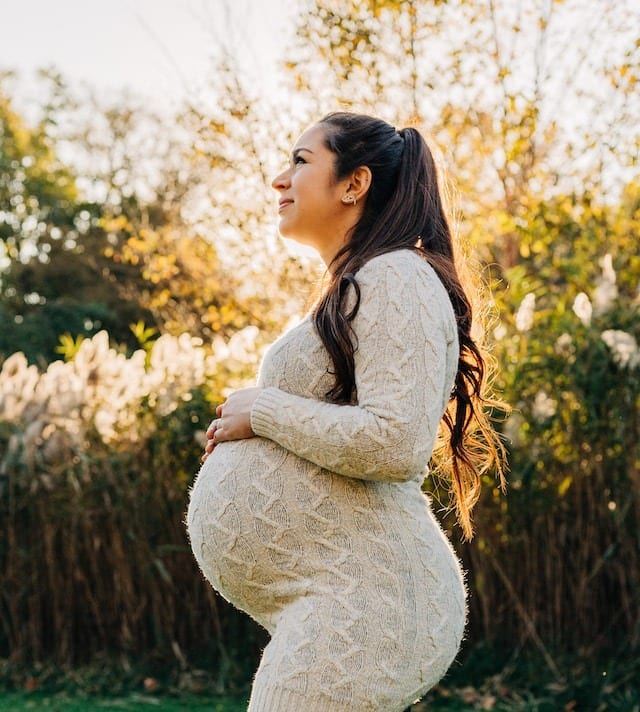
Soins postnatals au DCDC Dubai Healthcare City
Resultats le jour meme

Soins spécialisés

Équipe médicale spécialisée en soins postnatals au DCDC

Prendre rendez-vous pour Soins postnatals

DCDC offre des soins postnatals complets et spécialisés à Dubai Healthcare City. Nous fournissons des services de suivi postpartum et de soins maternels complets après l'accouchement. Agréé par MOHAP et DHA. Réservez votre consultation dès maintenant.

Licencié DHA

Nos services Soins postnatals

Services soins postnatals complets au DCDC Dubai Healthcare City.

Postnatal Checkup - DCDC

Postnatal Checkup

Standard 6-week review.

Wound Care - DCDC

Wound Care

C-section/stitch check.

Contraception - DCDC

Contraception

Planning the future.

Women's Wellness - DCDC

Women's Wellness

Long-term health.

Tous les services realises par des specialistes agrees DHA

Qui a besoin d'un bilan postnatal?

Toute mère après l'accouchement a besoin d'un suivi médical régulier pour assurer une bonne cicatrisation et une bonne santé.

Les plus courants

All new mothers (vaginal or C-section)

Les plus courants

Experiencing pain or healing issues

Concerns about breastfeeding

Feeling overwhelmed or sad (baby blues)

Needing birth control advice

Planning return to exercise

Heavy or prolonged postpartum bleeding beyond 6 weeks

Signs of wound infection (redness, swelling, discharge from incision)

Urinary incontinence or pelvic floor weakness after delivery

Hair loss, fatigue, or thyroid concerns in the postpartum period

Pourquoi choisir DCDC pour les soins postnatals?

Services médicaux agréés et fiables

Agréé par MOHAP

Centre agréé par le Ministère de la Santé et de la Prévention

Localisation centrale

Dubai Healthcare City DHCC près de Dubaï

Équipe spécialisée

Équipe expérimentée de gynécologues et obstétriciens

Comprehensive Support

Healing assessment, breastfeeding support, mood screening, contraception, and return-to-activity planning.

Prime DHCC Location

Building 64, Block A, Dubai Healthcare City with free parking and easy access for moms and babies.

Patient-Centered

Non-judgmental, supportive environment focused on your recovery and well-being.

Votre visite en tout confort

Un processus d'examen Soins simple, etape par etape, concu pour le confort, la rapidite et la precision.

1

Book

Schedule 6-week (or earlier) check; same-day if concerns.

2

Visit

Bring baby if you like; focus on your recovery.

3

Check

Healing assessment, vitals, breastfeeding support.

4

Talk

Discuss mood, energy, sleep, and any concerns.

5

Plan

Contraception, activity plan, and follow-up.

Soins postnatals

Les tarifs Soins à Dubaï varient selon le type de service et la couverture d'assurance pour différents types de services.

  • Les tarifs varient selon le type d'examen et la necessite de produit de contraste
  • Couverture d'assurance acceptee avec ordonnance et verification
  • Tarifs transparents pour paiement direct avec devis instantane sur demande

Verification d'assurance en quelques minutes - Pas de frais caches - Reponse rapide sur WhatsApp

Guide du patient

À quoi s'attendre lors de votre visite?

Une visite sûre et complète couvrant tous les aspects de votre santé postnatale avec consultation médicale.

Check-In

  • How are you?
  • Discuss:Recovery, sleep, and daily comfort.
  • Mood:Mental health check for baby blues/PPD.
  • Baby:Feeding progress and support needs.

Physical Exam

  • Healing well.
  • Exam:Uterus, perineum/C-section incision healing.
  • Vitals:BP & weight; bleeding pattern review.
  • Pelvic:Healing check and pelvic floor discussion.

Planning

  • Moving forward.
  • Advice:Gradual return to activity, diet, and rest.
  • Plan:Contraception options compatible with breastfeeding.
  • Support:Referrals for physio, lactation, or counseling if needed.

Assurance et localisation

Licence MOHAP : Centre de diagnostic entierement agree a Dubai Healthcare City

Partenaires d'assurance

  • Plus de 20 assureurs à Dubaï dont Daman, AXA, ADNIC et d'autres
  • Assistance pré-autorisation et facturation directe (le cas échéant)
  • Vérification de la couverture avant votre rendez-vous dans notre clinique de Dubai Healthcare City
  • Tarification transparente sans frais cachés pour les services de soins postnatals

ADNIC insurance logo
Aetna insurance logo
Al-Buhaira insurance logo
AlMadhalla insurance logo
amity insurance logo
AXA insurance logo
Daman insurance logo
ECARE insurance logo
Voir tous les partenaires d'assurance

Rendez-nous visite a Dubai Healthcare City

Doctors Clinic Diagnostic Center

Batiment 64, Bloc A, Al Razi Medical Complex, Dubai Healthcare City, Dubai, EAU

Pres de Oud Metha Road - Acces facile depuis Bur Dubai, Downtown Dubai, Business Bay - Parking gratuit dedie disponible

Horaires d'ouverture

Sam-Jeu : 8h - 22h | Ven : 9h - 21h

Comment fonctionne l'assurance chez DCDC

Vérifier la couverture

Vérifiez que votre plan couvre Soins postnatals

Obtenir une référence

Certains assureurs exigent une référence du médecin — nous pouvons vous guider

Pré-autorisation

Nous gérons la pré-autorisation directement avec votre assureur

Facturation directe

Pas de paiement initial — nous facturons directement votre assureur

Co-paiement uniquement

Vous ne payez que le co-paiement applicable à la clinique

Votre spécialiste

Dr. Parisa Dini

Dr. Parisa Dini

Specialist OB/GYN

MD, Specialist OB/GYN

Expertise
Conseils préconceptionnelsGestion de la grossesse prénatale et à haut risqueAccouchements naturels et par césarienne
Langues

Anglais · Persan

Voir le profil complet

Guide du patient

Postnatal Recovery: What Every New Mother Should Know

The postnatal period, spanning the first 6-12 weeks after childbirth, is a time of profound physical and emotional transformation. Your body undergoes remarkable changes as it recovers from pregnancy and delivery, while simultaneously adapting to the demands of caring for a newborn. Understanding what to expect during this recovery period helps you distinguish between normal postpartum changes and symptoms that require medical attention. In Dubai, access to experienced obstetricians and postnatal support services ensures that new mothers receive comprehensive care during this critical transition.

Physical recovery after childbirth varies depending on the type of delivery. After vaginal birth, the perineum heals over 2-6 weeks, with pain gradually decreasing. Perineal tears or episiotomy sites require careful hygiene and may benefit from sitz baths and ice packs. After caesarean section, the abdominal incision typically heals within 6-8 weeks, during which lifting heavy objects and strenuous activity should be avoided to prevent wound complications. Regardless of delivery type, the uterus contracts back to its pre-pregnancy size over approximately 6 weeks (a process called involution), causing postpartum bleeding (lochia) that gradually decreases in volume and changes from red to pink to brownish discharge.

Breastfeeding is a learned skill that often requires patience and support. While breast milk provides optimal nutrition for newborns, establishing breastfeeding can be challenging in the early days. Common difficulties include sore nipples from poor latch technique, concerns about milk supply, engorgement, blocked ducts, and mastitis (breast infection). Professional breastfeeding support from trained lactation consultants or experienced midwives can resolve most difficulties. Understanding that breast milk supply works on a demand-and-supply principle, and that frequent feeding in the early weeks establishes supply, helps new mothers build confidence. For mothers who choose formula feeding, safe preparation and feeding guidance is equally important.

Mental health in the postpartum period deserves as much attention as physical recovery. Baby blues, affecting up to 80% of new mothers, involve mood swings, tearfulness, and anxiety in the first 1-2 weeks after delivery and typically resolve on their own. Postnatal depression, which is more persistent and severe, affects approximately 15-20% of mothers and requires professional support. Symptoms include persistent sadness, loss of interest, difficulty bonding with the baby, overwhelming anxiety, sleep disturbance beyond what is caused by the baby's needs, and changes in appetite. Postnatal anxiety disorders, post-traumatic stress following difficult births, and rarely, postpartum psychosis also require prompt recognition and treatment. Screening at the postnatal checkup, open communication, and early intervention lead to excellent outcomes for both mother and baby.

Postnatal Conditions We Assess and Manage

C-Section Wound Healing

Assessment of incision healing, management of infection or wound complications, and scar care guidance.

Perineal Tear Recovery

Evaluation of perineal healing after vaginal delivery with pain management and hygiene guidance.

Postpartum Hemorrhage

Assessment and management of heavy bleeding after delivery, including investigation of retained products if suspected.

Postnatal Depression/Anxiety

Validated mood screening with referral for counseling, therapy, or breastfeeding-safe medication when indicated.

Breastfeeding Difficulties

Latch assessment, supply concerns, nipple damage management, and lactation consultant referral when needed.

Mastitis

Prompt diagnosis and antibiotic treatment of breast infection with continued breastfeeding support.

Services connexes

Decouvrez d'autres services de diagnostic et de consultation disponibles dans notre clinique de Dubai Healthcare City.

Questions frequentes

Questions courantes sur Soins postnatals a Dubai.

The standard postnatal checkup is scheduled at 6 weeks after delivery, allowing sufficient time for initial recovery. However, earlier visits may be needed in several situations: C-section wound check at 7-10 days to assess incision healing and remove any non-dissolvable sutures, perineal tear review if you had significant tearing during vaginal delivery, persistent heavy bleeding beyond the expected lochia pattern, signs of infection (fever, wound redness, foul-smelling discharge), or mood concerns requiring prompt support. We recommend booking your 6-week appointment before you leave hospital so it is already scheduled during the busy early weeks with your newborn.

Yes, absolutely! You are welcome and encouraged to bring your baby to your postnatal appointment. While the consultation focuses primarily on your health and recovery, having your baby present allows us to observe breastfeeding if you have latch concerns and provides reassurance that you do not need to arrange childcare. If you have a support person who can accompany you to hold the baby during your physical examination, that can be helpful but is not essential. Our clinic environment is baby-friendly with changing facilities available.

Postnatal depression affects up to 1 in 5 women and is a medical condition that responds well to treatment when identified early. Symptoms may include persistent sadness, loss of interest in activities, difficulty bonding with your baby, overwhelming fatigue beyond normal newborn exhaustion, changes in appetite, anxiety, irritability, and in severe cases, thoughts of harming yourself or your baby. Please tell us how you are feeling openly. there is no judgment. Treatment options include counseling, cognitive behavioral therapy, support groups, and in some cases medication that is safe during breastfeeding. Early intervention makes a significant difference in recovery.

Return to exercise should be gradual and guided by your recovery. Light walking is generally encouraged from the early days after delivery and helps both physical and mental recovery. Pelvic floor exercises (Kegels) can begin within days of a vaginal delivery. At your 6-week checkup, we assess your healing, abdominal separation (diastasis recti), and pelvic floor strength before clearing you for more vigorous activity. After C-section, core exercises and heavy lifting should be avoided for at least 6-8 weeks to allow proper incision healing. We provide individualized guidance and can refer you to postnatal fitness specialists or physiotherapists experienced in postpartum rehabilitation.

Several contraceptive options are safe to use while breastfeeding. Progestogen-only methods are preferred as they do not affect milk supply and include the mini-pill (progestogen-only pill), contraceptive injection (Depo-Provera), subdermal implant (Nexplanon), and hormonal IUD (Mirena). The copper IUD is another excellent non-hormonal option. These can typically be started from 6 weeks postpartum at your postnatal checkup. Combined hormonal methods (combined pill, patch, ring) are generally avoided during breastfeeding as estrogen may reduce milk supply. We discuss your preferences, future family planning goals, and lifestyle to recommend the most suitable option for you.

Yes, same-day visits are available and prioritized for urgent postnatal concerns including wound infection signs (increasing redness, swelling, warmth, or discharge from C-section incision or perineal repair), heavy or foul-smelling vaginal bleeding, fever above 38 degrees Celsius, severe pain not responding to prescribed medication, difficulty or pain with urination, breast infection symptoms (red, hot, painful area with fever), or significant mood deterioration. These symptoms require prompt evaluation and should not wait until your scheduled 6-week checkup. Contact us immediately if you experience any of these warning signs.

Postpartum bleeding (lochia) is a normal part of recovery as the uterus heals where the placenta was attached. Initially, lochia is bright red and heavy (similar to a heavy period) for the first 3-5 days. It gradually becomes lighter in flow and changes color from red to pink to brownish to yellowish-white over 4-6 weeks. Some women experience intermittent increases in bleeding with activity or breastfeeding. You should seek medical attention if bleeding becomes heavier instead of lighter over time, if you pass large clots (bigger than a golf ball), if lochia has a foul odor, or if heavy bright red bleeding returns after it had previously lightened.

The World Health Organization recommends waiting at least 18-24 months between giving birth and becoming pregnant again to allow your body to fully recover and reduce the risk of complications in the next pregnancy, including preterm birth and low birth weight. After a caesarean section, waiting at least 12-18 months before conceiving allows the uterine scar to heal adequately, reducing the risk of uterine rupture in subsequent pregnancies. However, individual circumstances vary, and we discuss your specific situation, health status, and family planning goals during your postnatal visit to provide personalized guidance.

Supervision medicale

Tous les services sont fournis sous la supervision de professionnels medicaux agrees dans notre etablissement accredite MOHAP.