
Prenez votre rendez-vous
Avis verifies des patients du centre de diagnostic DCDC a Dubai
Avis verifies et temoignages reels de patients de Dubai Healthcare City
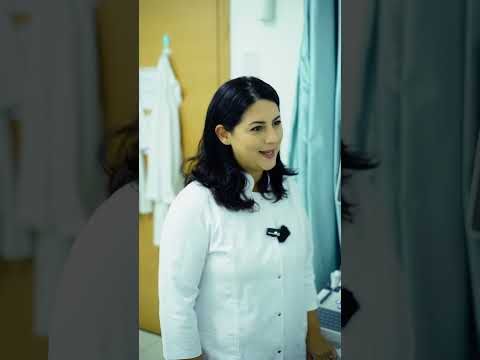
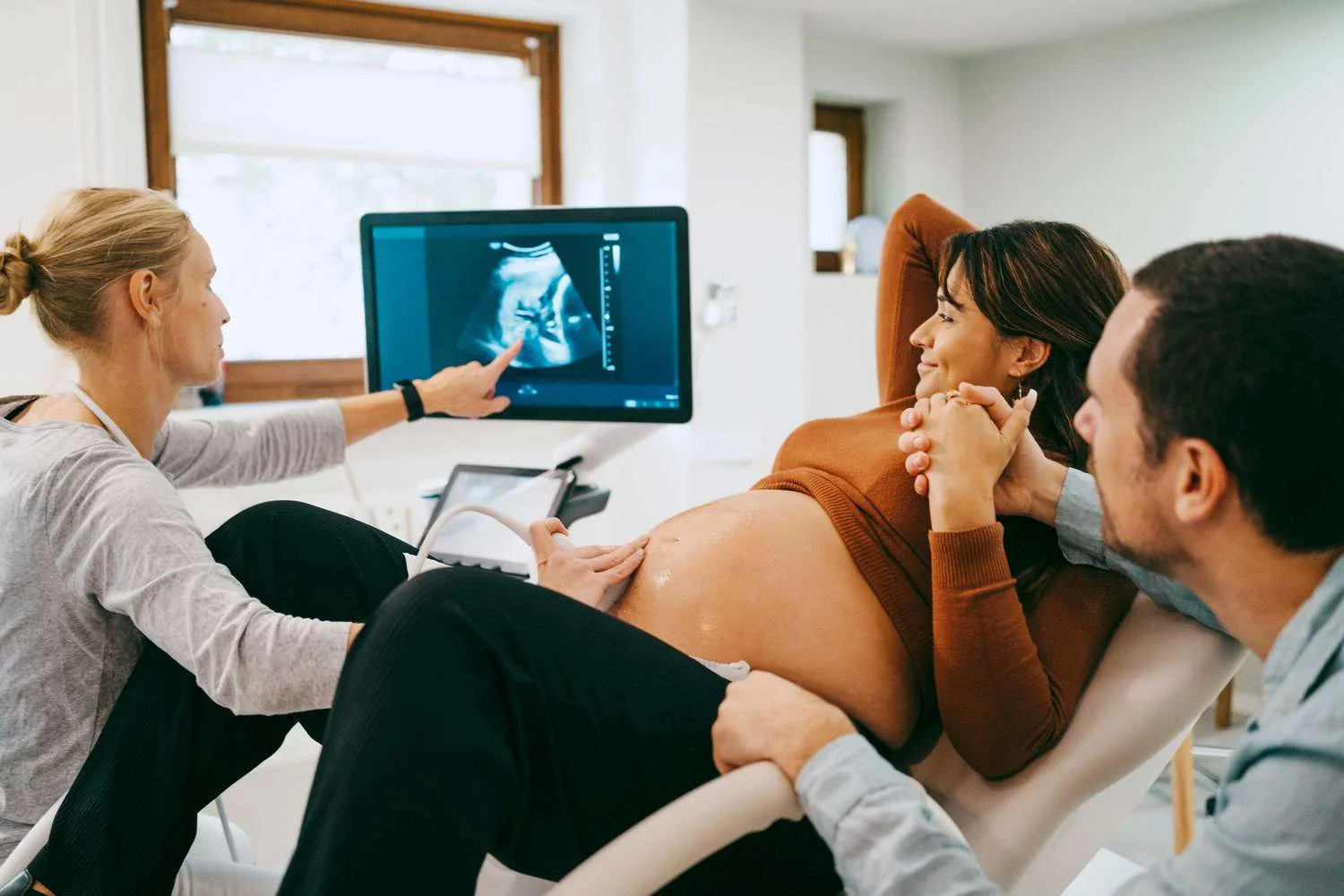
Je suis très satisfaite de cette clinique médicale. J'ai fait mon premier dépistage de grossesse ici. C'était abordable et très professionnel. Le radiologue était accueillant, gentil et a rendu l'expérience formidable.
Aizhan Tokmanbetova
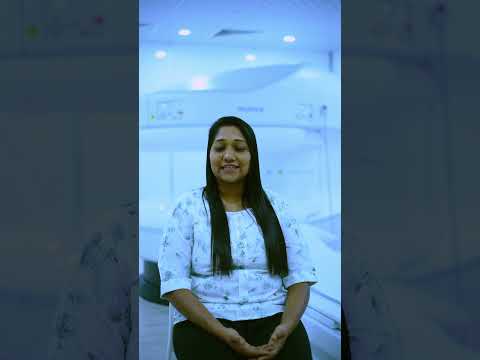
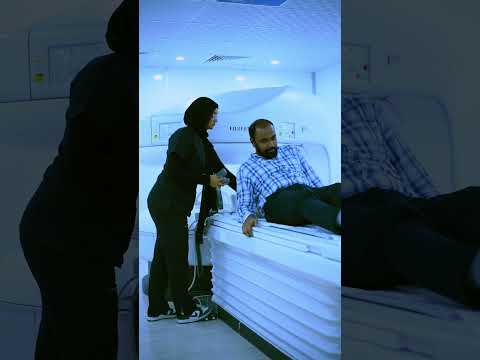
Je me suis blessée au genou vendredi soir et j'ai obtenu un rendez-vous IRM dimanche soir (réservé dimanche après-midi). J'ai attendu environ 2 minutes et c'était terminé en un peu plus de 30 minutes. L'équipe était incroyable, sympathique et efficace.
Kirsten Evans
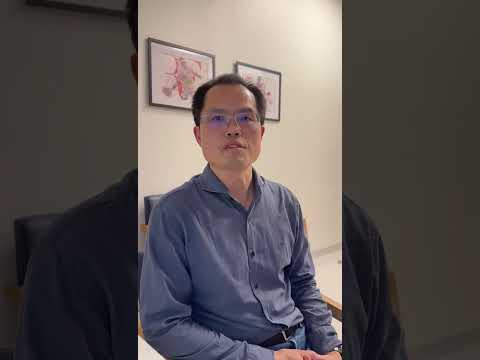
L'équipe du Dr Osama était douce et incroyable. Après une mauvaise expérience ailleurs, mon examen pelvien ici était beaucoup plus professionnel. Excellent rapport et très précis.
Mary

HSG Test in Dubai: Comprehensive Fallopian Tube & Uterine Assessment
Gold-standard fertility imaging to evaluate tubal patency and uterine health
Tubal Assessment
Confirms if fallopian tubes are open for natural conception
Uterine Evaluation
Identifies fibroids, polyps, or structural abnormalities
Fertility Guidance
Essential test before IUI, IVF, or other fertility treatments
Quick Results
Immediate findings with detailed report within 24 hours
à Dubai Healthcare City offre aux patients des soins médicaux de pointe avec des spécialistes expérimentés. DCDC est un centre médical entièrement agréé par MOHAP à Dubaï, dédié à la fourniture de services diagnostiques et thérapeutiques de haute qualité.
Notre équipe de médecins spécialisés utilise les dernières technologies pour garantir des diagnostics précis et des plans de traitement efficaces. Nous accordons une grande importance au confort des patients et à une communication claire tout au long du processus.
Chez DCDC, nous proposons avec une facturation directe auprès de plus de 20 compagnies d'assurance et des options de rendez-vous flexibles, y compris la disponibilité le jour même. Contactez-nous pour prendre un rendez-vous ou en savoir plus sur nos services.
Tubal Assessment
Confirms if fallopian tubes are open for natural conception
Uterine Evaluation
Identifies fibroids, polyps, or structural abnormalities
Fertility Guidance
Essential test before IUI, IVF, or other fertility treatments
Quick Results
Immediate findings with detailed report within 24 hours
HSG Test in Dubai: Comprehensive Fallopian Tube & Uterine Assessment
Gold-standard fertility imaging to evaluate tubal patency and uterine health
à Dubai Healthcare City offre aux patients des soins médicaux de pointe avec des spécialistes expérimentés. DCDC est un centre médical entièrement agréé par MOHAP à Dubaï, dédié à la fourniture de services diagnostiques et thérapeutiques de haute qualité.
Notre équipe de médecins spécialisés utilise les dernières technologies pour garantir des diagnostics précis et des plans de traitement efficaces. Nous accordons une grande importance au confort des patients et à une communication claire tout au long du processus.
Chez DCDC, nous proposons avec une facturation directe auprès de plus de 20 compagnies d'assurance et des options de rendez-vous flexibles, y compris la disponibilité le jour même. Contactez-nous pour prendre un rendez-vous ou en savoir plus sur nos services.
Dr. Parisa Dini
Découvrez nos services
Services hysterosalpingographie complets au DCDC Dubai Healthcare City.
Consultation Gynecologique
Comprehensive fertility evaluation and treatment planning.
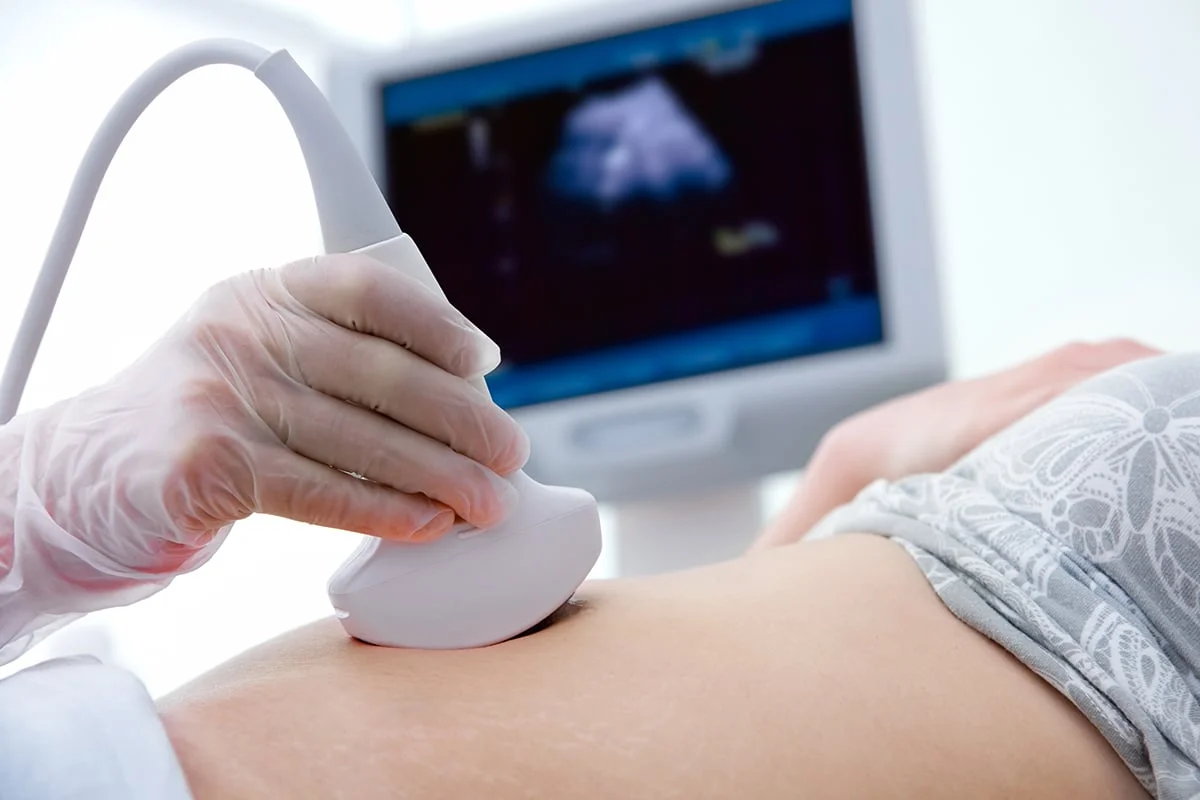
Tous les services realises par des specialistes agrees DHA
Qui devrait beneficier de HSG Test ?
HSG is recommended for women undergoing fertility evaluation, particularly those who have been trying to conceive without success. It is an essential test before certain fertility treatments.
Difficulty conceiving after 12 months of trying (6 months if over 35)
History of pelvic inflammatory disease or sexually transmitted infections
Previous ectopic pregnancy or tubal surgery
Before IUI (intrauterine insemination) treatment
Before IVF to assess uterine cavity
History of miscarriage or uterine surgery
Why Choose DCDC for HSG Test?
MOHAP-licensed facility with experienced gynecologists, gentle technique, and compassionate care for fertility evaluation.
MOHAP Licensed
Accredited diagnostic center in our center. License NIMY7VY5-240925.
Expert Team
Experienced gynecologists and radiologists specializing in fertility imaging.
Compassionate Care
Supportive environment with gentle technique to minimize discomfort.
Quick Results
Immediate discussion of findings with detailed report within 24 hours.
Insurance Support
Direct billing with 20+ insurers. We handle pre-authorization for you.
Convenient Location
Building 64, Block A in DCDC. Free parking.
Votre visite en tout confort
Un processus d'examen HSG simple, etape par etape, concu pour le confort, la rapidite et la precision.
HSG Test Pricing
Les tarifs HSG à Dubaï varient selon le type de service et la couverture d'assurance pour différents types de tests.
- Les tarifs varient selon le type d'examen et la necessite de produit de contraste
- Couverture d'assurance acceptee avec ordonnance et verification
- Tarifs transparents pour paiement direct avec devis instantane sur demande
Verification d'assurance en quelques minutes - Pas de frais caches - Reponse rapide sur WhatsApp
Guide du patient
What to Expect During Your HSG Test
A brief procedure that provides valuable information for your fertility journey.
Assurance et localisation
Partenaires d'assurance
- •Plus de 20 assureurs à Dubaï dont Daman, AXA, ADNIC et d'autres
- •Assistance pré-autorisation et facturation directe (le cas échéant)
- •Vérification de la couverture avant votre rendez-vous dans notre clinique de Dubai Healthcare City
- •Tarification transparente sans frais cachés pour les services de hsg test







Rendez-nous visite a Dubai Healthcare City
Doctors Clinic Diagnostic Center
Batiment 64, Bloc A, Al Razi Medical Complex, Dubai Healthcare City, Dubai, EAU
Pres de Oud Metha Road - Acces facile depuis Bur Dubai, Downtown Dubai, Business Bay - Parking gratuit dedie disponible
Horaires d'ouverture
Lun-Jeu, Sam : 8h - 22h30 | Dim : 8h30 - 22h30 | Ven : 9h - 22h
Comment fonctionne l'assurance chez DCDC
Vérifier la couverture
Vérifiez que votre plan couvre HSG Test
Obtenir une référence
Certains assureurs exigent une référence du médecin — nous pouvons vous guider
Pré-autorisation
Nous gérons la pré-autorisation directement avec votre assureur
Facturation directe
Pas de paiement initial — nous facturons directement votre assureur
Co-paiement uniquement
Vous ne payez que le co-paiement applicable à la clinique
Vérifier la couverture
Vérifiez que votre plan couvre HSG Test
Obtenir une référence
Certains assureurs exigent une référence du médecin — nous pouvons vous guider
Pré-autorisation
Nous gérons la pré-autorisation directement avec votre assureur
Facturation directe
Pas de paiement initial — nous facturons directement votre assureur
Co-paiement uniquement
Vous ne payez que le co-paiement applicable à la clinique
Your Specialist
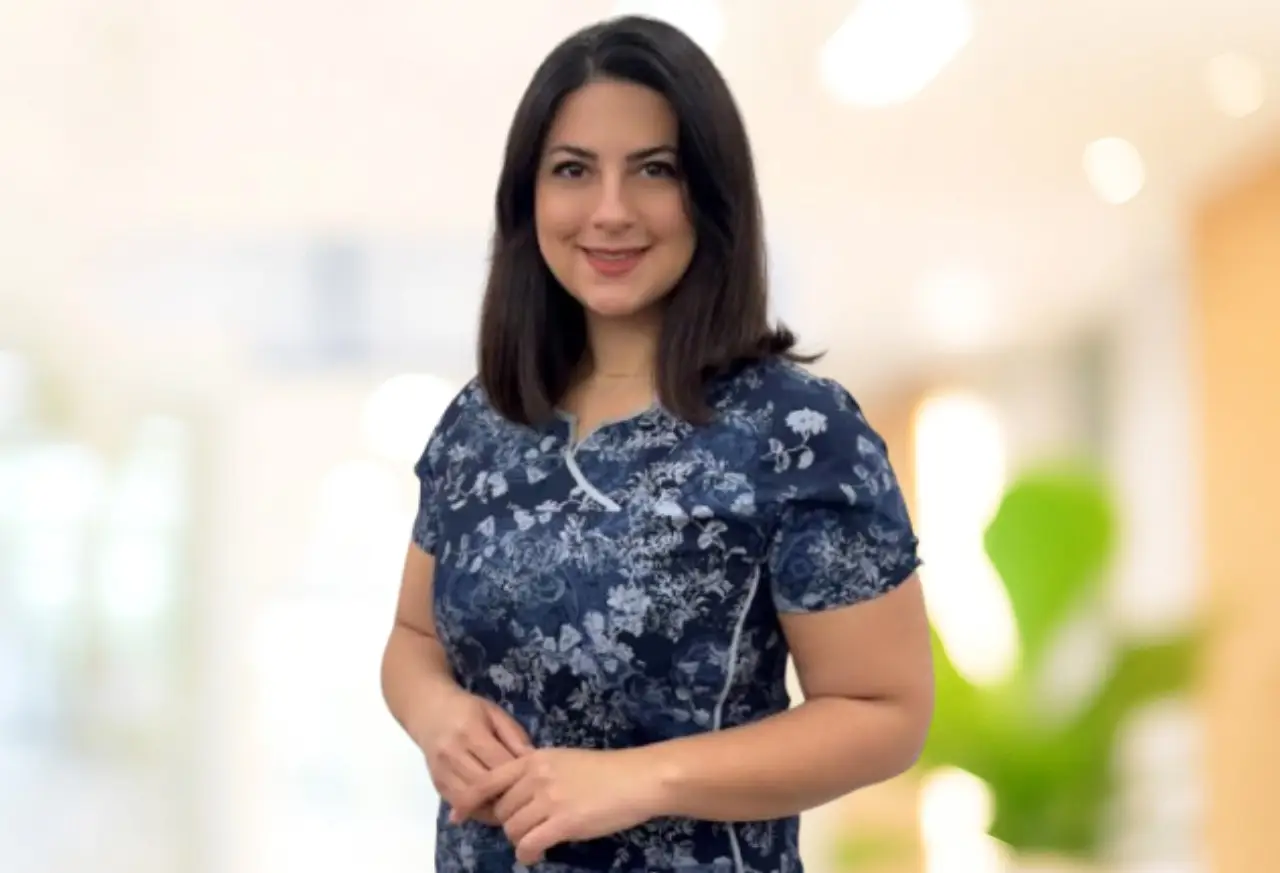
Dr. Parisa Dini
Specialist OB/GYN
MD, Specialist OB/GYN
English · Persian
Guide du patient
Comprendre Hysterosalpingography: How HSG Works
fallopian tube test During an HSG, a thin catheter is carefully passed through the cervix and a small balloon is inflated to hold it in place. A radiopaque contrast medium, typically a water-soluble iodine-based solution, is slowly injected while the radiologist watches the flow in real time on a fluoroscopy screen. As the dye fills the triangular uterine cavity, any distortion from fibroids, polyps, adhesions, or congenital anomalies becomes immediately visible. The dye then enters the fallopian tubes, and if the tubes are patent, it spills freely from the fimbriated ends into the peritoneal cavity.
There are two main types of contrast agents used for HSG: water-soluble contrast and oil-based contrast. Water-soluble contrast is more commonly used due to better patient tolerance and faster absorption. Oil-based contrast has been associated with slightly higher ongoing pregnancy rates in some studies. Your fertility specialist will recommend the most suitable option based on your clinical situation.
HSG has both diagnostic and potentially therapeutic value. The pressure of the dye injection can sometimes dislodge small mucus plugs or minor debris within the fallopian tubes, which may explain the observed increase in pregnancy rates in the months following the procedure. While HSG provides excellent detail about the tubal lumen and uterine cavity, it does not evaluate the ovaries, the outer surface of the tubes, or surrounding pelvic structures. When more comprehensive assessment is needed, your doctor may recommend laparoscopy or a 3D pelvic ultrasound as complementary investigations.
Conditions Diagnosed by HSG
Bilateral Tubal Blockage
Complete obstruction of both fallopian tubes preventing sperm and egg from meeting, often caused by prior pelvic infections or endometriosis.
Unilateral Tubal Occlusion
Blockage of one fallopian tube. Natural conception is still possible through the open tube, though fertility may be reduced.
Hydrosalpinx
A fallopian tube that is blocked and filled with fluid, typically resulting from prior pelvic inflammatory disease. May require treatment before IVF.
Salpingitis Isthmica Nodosa
Nodular thickening of the proximal fallopian tube that can cause tubal obstruction and is associated with ectopic pregnancy and infertility.
Uterine Fibroids (Submucosal)
Non-cancerous growths protruding into the uterine cavity that may interfere with embryo implantation and cause abnormal bleeding.
Endometrial Polyps
Tissue growths on the uterine lining that can act as a natural contraceptive barrier and may contribute to recurrent miscarriage.
Articles associés
HSG Test Side Effects & Recovery Guide
What to expect after your HSG procedure, including common side effects, recovery timeline, and when to contact your doctor.
HSG Test Cost in Dubai
A guide to HSG test pricing in Dubai, insurance coverage options, and what factors affect the overall cost of your fertility evaluation.
Pelvic Ultrasound for Women: Complete Guide
Everything you need to know about pelvic ultrasound, from preparation to results, and how it complements HSG in fertility assessment.
Obstetrics & Gynecology Services in Dubai
Comprehensive gynecology and obstetric care including fertility evaluation, pregnancy management, and reproductive health services.
Services connexes
Decouvrez d'autres services de diagnostic et de consultation disponibles dans notre clinique de Dubai Healthcare City.
Questions frequentes
Questions courantes sur HSG Test a Dubai.
Nous proposons à Dubai Healthcare City. Notre équipe de spécialistes expérimentés est disponible pour un examen et une consultation complète. Contactez-nous pour plus d'informations.
La durée varie selon chaque cas individuel. Notre équipe vous informera à l'avance du temps exact nécessaire. Contactez-nous pour prendre un rendez-vous.
La plupart des grandes assurances à Dubaï couvrent . Nous proposons une facturation directe avec plus de 20 compagnies d'assurance, dont Daman, AXA et Bupa. Contactez-nous pour vérifier votre couverture.
Notre équipe vous donnera des instructions de préparation spécifiques avant votre rendez-vous. En général, nous recommandons d'apporter tous vos médicaments actuels et vos dossiers médicaux pertinents.
Chez DCDC, nous proposons avec des spécialistes expérimentés, des équipements de pointe et des soins aux patients de premier ordre à Dubai Healthcare City. Notre établissement est agréé par MOHAP et suit des normes cliniques strictes.
Vous pouvez prendre rendez-vous pour par téléphone au +971 54 219 5008 ou via notre système de réservation en ligne. Nous proposons des horaires flexibles, y compris des rendez-vous le jour même si disponibles.
Faits cles
Supervision medicale
Tous les services sont fournis sous la supervision de professionnels medicaux agrees dans notre etablissement accredite MOHAP.