Points cles
- A uric acid blood test in Dubai starts from AED 99 at DCDC with same-day results — it is a simple, fasting-free blood draw that takes under 10 minutes
- Normal uric acid levels are 3.4-7.0 mg/dL for men and 2.4-6.0 mg/dL for women — levels above these thresholds indicate hyperuricemia and increase the risk of gout and kidney stones
- Gout attacks cause sudden, severe joint pain — most commonly in the big toe — with redness, swelling, and warmth that peak within 12-24 hours and can last 7-14 days without treatment
- Dubai's extreme summer heat increases gout risk through dehydration, which concentrates uric acid in the blood — drinking 2-3 litres of water daily is one of the simplest preventive measures
- High-purine foods common in Dubai dining culture — red meat, organ meats, shellfish, and alcohol — are the primary dietary triggers for elevated uric acid and gout flares
- Early detection through routine blood work is crucial — many patients in Dubai only discover elevated uric acid during annual health screenings, before symptoms ever appear
Uric acid is one of the most overlooked markers in routine blood work, yet elevated levels affect an estimated 10-15% of adults in the UAE and can lead to debilitating gout attacks, kidney stones, and long-term joint damage if left untreated. Whether you are experiencing sudden joint pain, have been told your uric acid is high, or simply want to understand what this test measures and why it matters, this guide covers everything you need to know about uric acid testing and gout treatment in Dubai. At our internal medicine clinic in Dubai, we see patients every week who are surprised to learn that their joint pain, kidney issues, or fatigue are linked to elevated uric acid — a condition that is highly manageable once properly diagnosed.
From understanding what uric acid is and recognising the warning signs of gout, to getting tested, interpreting your results, and finding the right treatment plan — this comprehensive guide is written for Dubai residents and visitors who want clear, actionable medical information. Reviewed by Dr. Hadeel Elnur, General Practitioner at DCDC Dubai Healthcare City.
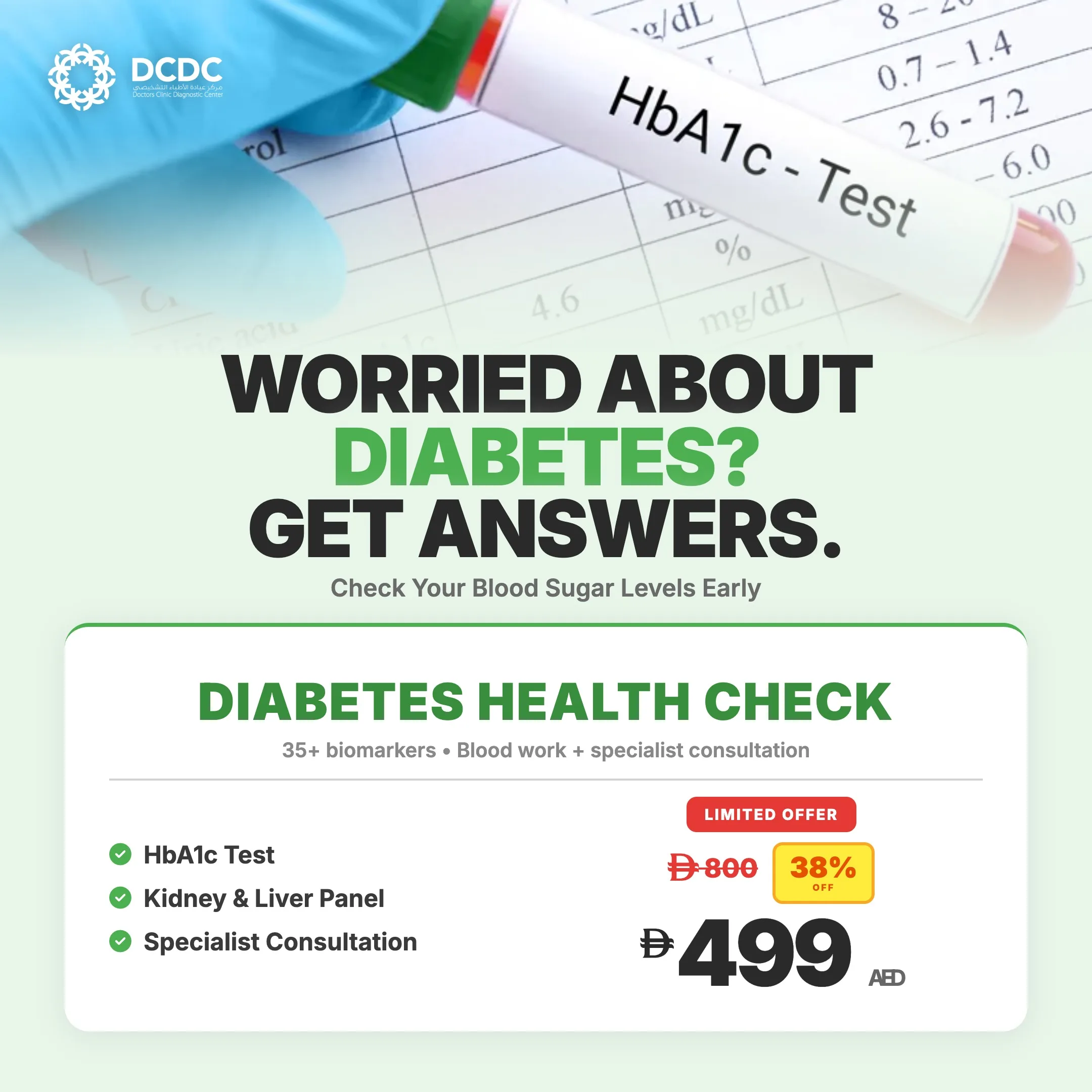
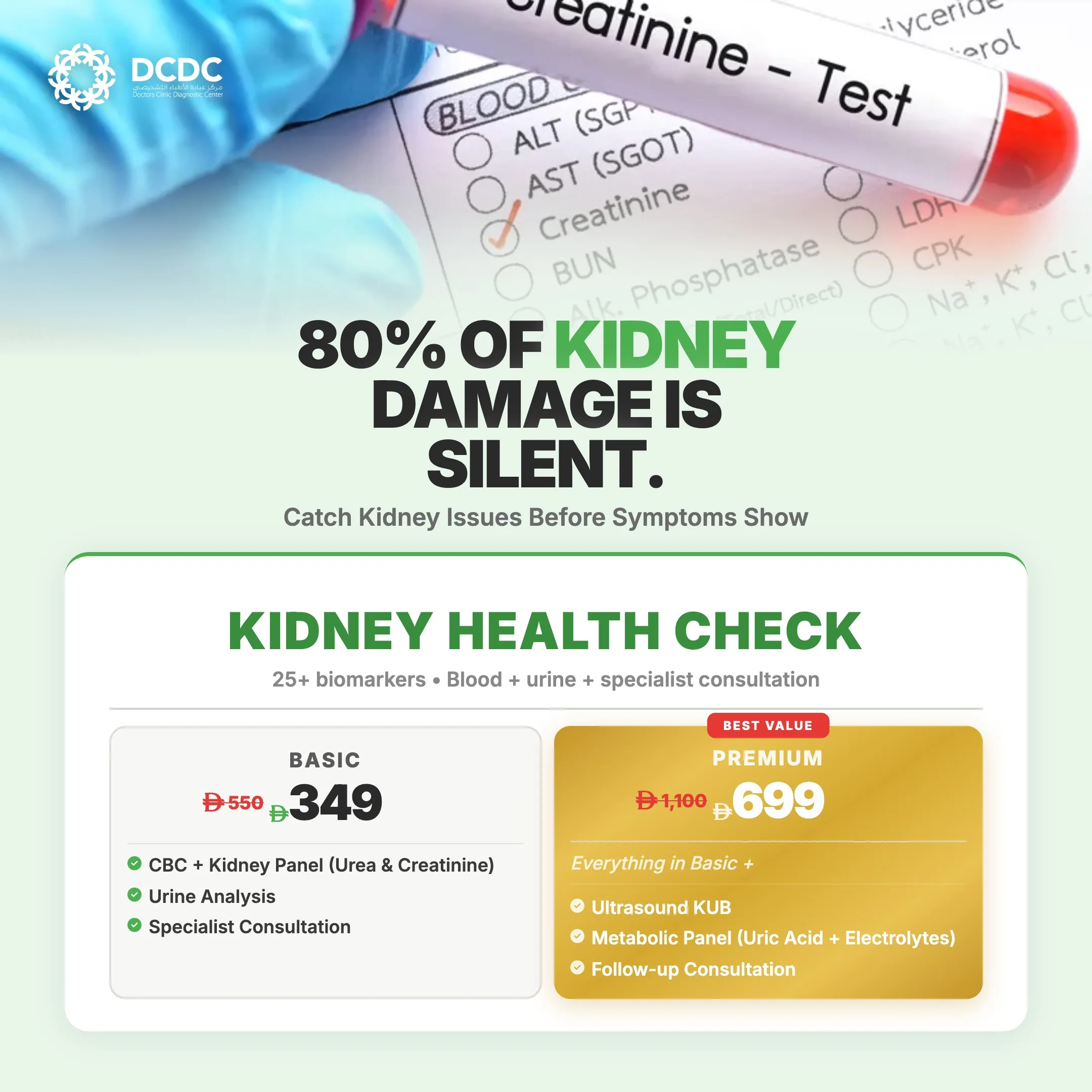
Health Screening Packages
Save with our bundled screening packages — specialist consultation included




What Is Uric Acid and Why Does It Matter?
Uric acid is a natural waste product that forms when your body breaks down purines — chemical compounds found in certain foods and produced by your own cells. Purines are present in red meat, organ meats, shellfish, some fish, beer, and sugary drinks, as well as being generated internally during normal cell turnover. Under healthy conditions, uric acid dissolves in the blood, passes through the kidneys, and exits the body in urine.
Problems arise when the body either produces too much uric acid or the kidneys cannot excrete enough of it. When uric acid accumulates beyond a critical concentration — typically above 6.8 mg/dL — it can crystallise into sharp, needle-like monosodium urate crystals that deposit in joints, tendons, and surrounding tissues. These crystals trigger the intense inflammatory response known as gout. Beyond joints, excess uric acid can also form stones in the kidneys and ureters, impair kidney function over time, and is increasingly recognised as an independent risk factor for cardiovascular disease and metabolic syndrome.
In the UAE, hyperuricemia (elevated uric acid) is particularly common due to a combination of dietary patterns, high rates of obesity and diabetes, genetic predisposition in certain populations, and environmental factors such as chronic dehydration from the intense desert climate. Understanding your uric acid level is a straightforward, low-cost step that can prevent significant health complications down the line.
Normal vs High Uric Acid Levels: Understanding Your Results
When you receive your uric acid blood test results, the key question is whether your level falls within the normal range. Reference ranges vary slightly between laboratories, but the widely accepted standards are:
| Category | Normal Range (mg/dL) | Normal Range (mmol/L) | Notes |
|---|---|---|---|
| Adult Men | 3.4 – 7.0 | 200 – 420 | Higher levels due to greater muscle mass and purine metabolism |
| Adult Women (pre-menopause) | 2.4 – 6.0 | 140 – 360 | Estrogen promotes uric acid excretion via the kidneys |
| Adult Women (post-menopause) | 3.4 – 7.0 | 200 – 420 | Levels rise after menopause as estrogen decreases |
| Children | 2.0 – 5.5 | 120 – 330 | Gout is extremely rare in children |
Standard uric acid reference ranges. Your lab report may show slightly different ranges — always interpret results with your doctor.
Hyperuricemia is defined as a serum uric acid level above 7.0 mg/dL in men and above 6.0 mg/dL in pre-menopausal women. However, it is important to understand that not everyone with elevated uric acid develops gout. Studies estimate that only about 20-25% of people with hyperuricemia will experience a gout attack in their lifetime. The risk increases significantly with higher levels: patients with uric acid above 9.0 mg/dL have a substantially greater chance of developing clinical gout compared to those in the 7.0-8.0 mg/dL range.
Conversely, low uric acid (below 2.0 mg/dL) is uncommon but can occur with certain medications, liver disease, or rare genetic conditions such as renal hypouricemia. Your doctor will interpret your result within the full context of your medical history, symptoms, diet, medications, and other blood markers — particularly kidney function and inflammatory markers.
Symptoms of High Uric Acid (Hyperuricemia) in Dubai
One of the most important things to understand about hyperuricemia is that it is often completely silent. Many patients walk around with elevated uric acid for years without any symptoms at all. According to Dr. Hadeel Elnur, "Many patients in Dubai only discover elevated uric acid during routine blood work. Early detection is crucial — I always recommend including uric acid in annual health screenings, especially for men over 40 and anyone with a family history of gout or kidney stones."
When symptoms do develop, they typically fall into one or more of these categories:
- Joint pain and swelling: The hallmark symptom — sudden, severe pain in one or more joints, most commonly the big toe (podagra), but also the ankle, knee, wrist, fingers, or elbow
- Kidney stones: Sharp, cramping pain in the lower back or side (flank pain), blood in the urine, nausea, and difficulty urinating — uric acid stones account for approximately 10% of all kidney stones
- Tophi (chronic deposits): In long-standing, untreated hyperuricemia, visible chalky or yellowish lumps may form under the skin around joints, on the ears, or along tendons — these are urate crystal deposits called tophi
- Kidney dysfunction: Chronic elevation can impair kidney filtration over time, sometimes detected through rising creatinine levels on routine blood work
- Fatigue and general malaise: Some patients report persistent tiredness and a general feeling of being unwell, though these symptoms are non-specific and require investigation
If you are experiencing any of these symptoms — particularly sudden, intense joint pain or recurrent kidney stones — a uric acid blood test is one of the first investigations your doctor will order. For a broader overview of diagnostic blood work, read our guide on blood tests in Dubai, which covers all common panels including uric acid.
Gout Symptoms: How to Recognise a Gout Attack
Gout is the clinical manifestation of uric acid crystal deposition in joints, and a gout attack (also called a gout flare) is one of the most painful conditions in medicine. Recognising the symptoms early allows you to seek treatment faster and reduce the duration and severity of the episode.
Classic Gout Attack Symptoms
- Sudden onset: Pain often begins at night or in the early morning hours, waking you from sleep. The affected joint goes from normal to excruciatingly painful within 6-12 hours
- Intense pain: Described by patients as the worst pain they have ever experienced — even the weight of a bedsheet on the affected toe can be unbearable
- Swelling and redness: The joint becomes visibly swollen, hot to the touch, and red or purple in colour. The skin may appear shiny and stretched
- Limited mobility: Moving the affected joint is extremely painful, and patients often cannot walk, grip objects, or bend the joint at all during an acute attack
- Big toe involvement (podagra): Over 50% of first gout attacks occur in the first metatarsophalangeal joint (big toe). This classic presentation is so characteristic that it strongly suggests gout even before blood tests confirm it
- Fever and chills: Some patients develop a low-grade fever (37.5-38.5 C) during severe attacks, which can mimic an infection
- Peeling skin: As the attack resolves over 7-14 days, the skin over the affected joint may peel or flake
Stages of Gout Progression
Gout is a progressive disease that advances through distinct stages if not treated:
- Stage 1 — Asymptomatic hyperuricemia: Elevated uric acid with no symptoms. This stage can last years or even decades. Not everyone progresses beyond this stage
- Stage 2 — Acute gout (flares): First gout attack occurs. Attacks may be separated by months or years initially (intercritical periods), but tend to become more frequent over time
- Stage 3 — Intercritical gout: The symptom-free periods between attacks. Crystal deposition continues even without symptoms
- Stage 4 — Chronic tophaceous gout: After years of inadequately treated gout, tophi develop, joints become chronically damaged, and flares may become nearly continuous. This stage is largely preventable with proper treatment
What Causes High Uric Acid? Risk Factors in the UAE
Hyperuricemia results from an imbalance between uric acid production and excretion. In the UAE and Dubai specifically, several factors converge to make elevated uric acid particularly prevalent:
Dietary Factors
- High-protein and high-purine diets: Dubai's thriving dining scene — with its steakhouses, seafood restaurants, Friday brunches, and buffet culture — encourages high consumption of red meat, organ meats, shellfish, and rich sauces, all of which are loaded with purines
- Alcohol consumption: Beer is the worst offender (it contains purines and impairs uric acid excretion), followed by spirits. Wine has a comparatively lower effect. Even moderate regular drinking raises uric acid levels
- Sugary drinks and fructose: High-fructose beverages including soft drinks, fruit juices, and sweetened energy drinks directly increase uric acid production. The UAE has one of the highest per capita soft drink consumption rates in the world
Environmental and Lifestyle Factors
- Dehydration from extreme heat: Dubai's summer temperatures regularly exceed 45 C. Chronic, low-grade dehydration concentrates uric acid in the blood and reduces kidney clearance. Emergency departments in Dubai see a noticeable increase in gout flares during the hottest months (June-September)
- Obesity: The UAE has one of the highest obesity rates in the Middle East — and excess body weight is one of the strongest independent risk factors for hyperuricemia. Adipose tissue increases purine production and insulin resistance impairs kidney uric acid excretion
- Sedentary lifestyle: Long hours in air-conditioned offices with limited physical activity contribute to weight gain and metabolic dysfunction, both of which elevate uric acid
- Fasting during Ramadan: While fasting has many health benefits, the reduced fluid intake during daylight hours can temporarily increase uric acid levels and trigger gout flares in susceptible individuals. Patients with known hyperuricemia should discuss hydration strategies with their doctor before Ramadan
Medical and Genetic Risk Factors
- Gender and age: Men are 3-4 times more likely to develop gout than pre-menopausal women. Risk increases significantly after age 40 in men and after menopause in women
- Family history: Gout has a strong genetic component — if a parent or sibling has gout, your risk is approximately 2-3 times higher
- Kidney disease: Impaired kidney function reduces uric acid excretion, creating a dangerous cycle. Learn more about this connection in our guide on kidney stones treatment in Dubai
- Medications: Thiazide diuretics (for blood pressure), low-dose aspirin, cyclosporine (immunosuppressant), and certain chemotherapy drugs can all raise uric acid levels
- Metabolic syndrome: The combination of obesity, high blood pressure, insulin resistance, and dyslipidemia — all highly prevalent in the UAE — significantly increases hyperuricemia risk
- Other conditions: Psoriasis, hypothyroidism, lead exposure, and blood disorders (leukaemia, polycythaemia) can all elevate uric acid
Uric Acid Test Dubai: How It's Done
A uric acid test is a simple, routine blood test — one of the easiest and most informative investigations in medicine. Here is exactly what is involved:
The Procedure
- No fasting required: Unlike lipid panels or fasting glucose, a uric acid blood test does not require any fasting. You can eat and drink normally before the test
- Simple blood draw: A phlebotomist draws a small blood sample from a vein in your arm — the process takes 5-10 minutes including preparation
- Minimal discomfort: You will feel a brief pinch when the needle enters the vein. Side effects are rare — slight bruising at the puncture site is the most common
- Results turnaround: At DCDC, uric acid results from our on-site laboratory are typically available the same day for routine panels. Some clinics may take 24-48 hours if they send samples to external labs
- Often bundled: Uric acid is frequently included in comprehensive metabolic panels, kidney function tests (KFT), and annual health checkup packages — you may already have a result from recent blood work
When Your Doctor May Order a Uric Acid Test
- You are experiencing sudden, severe joint pain — especially in the big toe, ankle, or knee
- You have had kidney stones or recurrent urinary tract issues
- You are undergoing chemotherapy or radiation (which can cause rapid cell breakdown and uric acid spikes)
- You have a family history of gout or hyperuricemia
- As part of a routine annual health screening, particularly for men over 40
- To monitor treatment effectiveness if you are already on urate-lowering medication
- You have kidney disease, metabolic syndrome, or are taking medications known to affect uric acid
Get Your Uric Acid Tested at DCDC Today
Walk-in uric acid blood test from AED 99 with same-day results. No fasting required. Our on-site laboratory at DCDC Dubai Healthcare City delivers fast, accurate results — and if your levels are elevated, you can consult with an internist the same day. View our laboratory services or WhatsApp us to book.
Building 64, Block A, Al Razi Medical Complex, Dubai Healthcare City
Gout Treatment Options in Dubai
Gout treatment in Dubai follows international evidence-based guidelines and involves two distinct phases: managing acute attacks (stopping the pain) and long-term urate-lowering therapy (preventing future attacks and complications). The specific approach depends on the frequency of your flares, your uric acid level, and whether you have complications such as tophi or kidney stones.
Acute Gout Attack Treatment
The goal during an acute flare is to reduce inflammation and pain as quickly as possible. Treatment should ideally begin within 24 hours of symptom onset for maximum effectiveness:
- NSAIDs (Non-Steroidal Anti-Inflammatory Drugs): Indomethacin, naproxen, or etoricoxib at full anti-inflammatory doses are first-line treatment. They work best when started at the first sign of a flare and continued for 7-10 days. Available by prescription in Dubai
- Colchicine: Most effective when taken within the first 12-24 hours of an attack. Low-dose colchicine (1.2 mg followed by 0.6 mg one hour later) is now preferred over the old high-dose regimens that caused significant gastrointestinal side effects
- Corticosteroids: Oral prednisolone or an intra-articular (joint) injection of corticosteroid is used when NSAIDs or colchicine are contraindicated — for example, in patients with kidney disease, peptic ulcers, or those on blood thinners
- Rest, ice, and elevation: Elevating the affected joint and applying ice packs (20 minutes on, 20 minutes off) can provide supplementary relief alongside medication
Long-Term Urate-Lowering Therapy (ULT)
If you have had two or more gout attacks per year, have tophi, uric acid kidney stones, or chronic kidney disease with hyperuricemia, your doctor will likely recommend long-term medication to reduce uric acid production or increase its excretion:
- Allopurinol: The most commonly prescribed urate-lowering drug worldwide. It works by inhibiting xanthine oxidase, the enzyme responsible for producing uric acid. Started at a low dose (100 mg daily) and gradually increased until the target uric acid level (below 6.0 mg/dL) is achieved. Well-tolerated by most patients
- Febuxostat: A newer xanthine oxidase inhibitor used when allopurinol is not tolerated or is insufficient. Effective but requires cardiovascular monitoring in some patients
- Probenecid: Increases uric acid excretion through the kidneys. Used less frequently than allopurinol but can be effective in patients who under-excrete uric acid, provided they have adequate kidney function
- Pegloticase: A biologic medication reserved for severe, refractory gout that does not respond to conventional treatment. Administered intravenously, it rapidly lowers uric acid by converting it to allantoin
Critical note: Urate-lowering therapy should not be started during an acute gout attack, as it can paradoxically worsen the flare. It is typically initiated 2-4 weeks after the acute episode resolves, with colchicine prophylaxis to prevent flares during the dose-adjustment period. Once started, ULT is usually lifelong — stopping it will cause uric acid to rise again and trigger new attacks.
Uric Acid and Kidney Health: The Hidden Connection
The relationship between uric acid and kidney health is bidirectional and clinically significant. Understanding this connection is essential for anyone with elevated uric acid, as the kidneys are responsible for excreting approximately two-thirds of the uric acid your body produces.
Uric Acid Kidney Stones
Uric acid stones are the second most common type of kidney stone after calcium oxalate stones, accounting for roughly 10% of all kidney stones in the general population and up to 25-40% in certain regions, including parts of the Middle East. Unlike calcium stones, uric acid stones are radiolucent — meaning they are invisible on standard X-rays and require CT scan or ultrasound for detection. They form when urine is persistently acidic (pH below 5.5) and uric acid concentration is high.
The good news is that uric acid stones are among the most treatable types of kidney stones. Alkalinising the urine with potassium citrate (raising urine pH to 6.0-6.5) can actually dissolve existing stones — something that is not possible with calcium stones. Increasing fluid intake to produce at least 2 litres of urine daily and reducing dietary purine intake are additional cornerstones of prevention. For more on this topic, see our comprehensive guide on kidney stones treatment in Dubai.
Chronic Kidney Disease (CKD) and Uric Acid
Elevated uric acid is both a consequence and a cause of chronic kidney disease. As kidney function declines (measured by eGFR), uric acid excretion decreases, causing levels to rise. Simultaneously, research suggests that hyperuricemia itself may accelerate kidney damage through crystal deposition in renal tubules, inflammation, and oxidative stress. This creates a vicious cycle. Current evidence, while still evolving, supports monitoring uric acid in all CKD patients and considering treatment when levels are significantly elevated, even in the absence of gout symptoms.
Diet and Lifestyle Changes to Lower Uric Acid
Dietary and lifestyle modifications are the foundation of uric acid management and can lower serum uric acid by 1.0-2.0 mg/dL on average. While this reduction may not be sufficient on its own for patients with significantly elevated levels or frequent gout attacks (who will likely need medication), it is essential as an adjunct to pharmacological therapy and may be sufficient for mild hyperuricemia detected early.
Foods to Limit or Avoid (High Purine)
- Red meat: Beef, lamb, and pork — limit to 1-2 servings per week maximum
- Organ meats: Liver, kidney, sweetbreads — avoid entirely if uric acid is elevated
- Shellfish: Shrimp, crab, lobster, mussels, scallops — significant purine content
- Certain fish: Sardines, anchovies, mackerel, herring, tuna — among the highest purine foods
- Beer and spirits: Beer is the worst offender (contains guanosine, a purine). All alcohol impairs uric acid excretion
- Sugary drinks: Soft drinks, fruit juices, and anything sweetened with high-fructose corn syrup — fructose directly increases uric acid production
Foods That Help Lower Uric Acid
- Cherries and cherry juice: Multiple studies show that cherries reduce uric acid and gout flare frequency — one of the few foods with genuine clinical evidence
- Low-fat dairy: Milk, yoghurt, and cheese have a uricosuric effect (increase uric acid excretion) and are associated with lower gout risk
- Coffee: Regular coffee consumption (both caffeinated and decaffeinated) is associated with lower uric acid levels and reduced gout risk — though this does not mean you should start drinking coffee specifically to treat hyperuricemia
- Vitamin C-rich foods: Citrus fruits, bell peppers, strawberries — vitamin C at doses of 500 mg/day may modestly reduce uric acid levels
- Complex carbohydrates: Whole grains, fruits, and vegetables are low in purines and support overall metabolic health
- Water: The single most important dietary factor. Aim for 2-3 litres daily, more during Dubai's summer months. Adequate hydration dilutes uric acid and supports kidney excretion
Lifestyle Modifications
- Maintain a healthy weight: Gradual weight loss reduces uric acid production and improves insulin sensitivity. Avoid crash diets or extreme fasting, which can paradoxically spike uric acid levels
- Exercise regularly: 150 minutes of moderate aerobic activity per week supports weight management and metabolic health. Avoid intense exercise during active gout flares
- Stay hydrated in Dubai's heat: Carry a water bottle, set reminders, and increase intake during outdoor activities. Consider electrolyte-supplemented water during the summer months
- Limit alcohol: If you cannot eliminate alcohol entirely, limit to one drink per day and avoid beer completely. Red wine appears to be the least problematic option
- Manage stress: Physical and emotional stress can trigger gout flares through hormonal and inflammatory pathways
For patients with gout-related joint pain, managing inflammation and maintaining joint health is equally important. Explore our guide on joint pain treatment options for a broader look at musculoskeletal care in Dubai.
What to Expect at DCDC for Uric Acid Testing
Getting your uric acid tested at DCDC (Doctors Clinic Diagnostic Center) in Dubai Healthcare City is a streamlined, patient-friendly process designed to minimise waiting and maximise convenience. Here is exactly what to expect from arrival to follow-up:
Step 1: Arrival and Check-In
DCDC is located in Building 64, Block A, Al Razi Medical Complex, Dubai Healthcare City (DHCC). The building offers free parking for patients, and the clinic is easily accessible via the Healthcare City metro station. Walk-ins are welcome for blood tests — no appointment is necessary, though booking ahead can reduce your wait time to as little as 10 minutes. Upon arrival, our front desk team will register you, verify your insurance (we offer direct billing with 20+ insurance providers), and guide you to the laboratory.
Step 2: Blood Draw
Our experienced phlebotomists will draw a small blood sample from a vein in your arm. The entire process — from sitting down to leaving the lab — takes 5-10 minutes. No fasting is required for a uric acid test, so you can eat and drink normally before your visit. If your doctor has ordered additional tests that do require fasting (such as a lipid panel), you will be advised in advance.
Step 3: Same-Day Results
DCDC operates an on-site laboratory with same-day results for routine tests including uric acid. Your results will be available within hours, delivered digitally or reviewed with you in person. This eliminates the 2-3 day wait that some external laboratories require and allows for faster clinical decision-making.
Step 4: Doctor Consultation
If your uric acid level is elevated, you can see an internist at DCDC the same day to discuss your results, assess your symptoms and risk factors, and develop a treatment plan. This continuity of care — from testing to diagnosis to treatment — is one of the key advantages of a full-service clinic. With a 4.8/5 Google rating from over 1,000 verified reviews and a 98% patient satisfaction rate, DCDC is trusted by thousands of patients across Dubai for exactly this kind of integrated, efficient healthcare experience.
Step 5: Follow-Up and Monitoring
If you are started on urate-lowering therapy, your doctor will schedule follow-up blood tests every 2-4 weeks initially to monitor your uric acid level and adjust your medication dose until the target (below 6.0 mg/dL) is reached. Once stable, monitoring typically shifts to every 3-6 months. DCDC's average wait time of just 15 minutes makes these regular check-ups convenient and time-efficient, and our MOHAP-licensed facility ensures the highest standards of care throughout your treatment journey.
Uric Acid Test Cost in Dubai (2026)
Cost is a common concern for patients considering uric acid testing and gout treatment in Dubai. The good news is that uric acid testing is among the most affordable blood tests available. Below is a comparison of typical costs at DCDC versus the broader Dubai market:
| Test / Service | DCDC Price | Market Range |
|---|---|---|
| Uric Acid Blood Test | From AED 99 | AED 100 – 300 |
| Comprehensive Metabolic Panel | From AED 249 | AED 300 – 600 |
| Kidney Function Test (KFT) | From AED 149 | AED 150 – 400 |
| Internal Medicine Consultation | From AED 250 | AED 300 – 600 |
Prices are indicative for Dubai (2026). Insurance coverage applies for most tests when ordered by a physician. DCDC offers direct billing with 20+ insurance providers.
Most Dubai health insurance plans cover uric acid testing when it is ordered by a physician — which means your out-of-pocket cost may be limited to a copayment or nothing at all if your plan covers diagnostic blood work. For self-pay patients, DCDC's pricing starts from AED 99 for a standalone uric acid test, making it one of the most accessible diagnostic tests available. Comprehensive metabolic panels that include uric acid alongside kidney function, liver function, and electrolytes offer even better value.
The cost of leaving hyperuricemia untreated, by contrast, can be significant. A single emergency department visit for an acute gout attack in Dubai can cost AED 1,500-5,000+ depending on the facility, medications administered, and imaging required. Chronic gout with joint damage may eventually require specialist rheumatology care and even surgical intervention. Investing AED 99 in a preventive blood test is, by any measure, the more cost-effective approach.
When to See a Doctor for High Uric Acid in Dubai
Knowing when to seek medical attention is crucial for preventing complications from hyperuricemia and gout. Here are the specific situations where you should see a doctor without delay:
Seek Medical Attention Promptly If You Experience
- Sudden, severe joint pain: Particularly if it is the first time — you need a proper diagnosis to confirm whether it is gout and not an infection (septic arthritis), which can present similarly and is a medical emergency
- Joint pain with fever above 38.5 C: This combination raises concern for joint infection and requires urgent evaluation, including joint fluid analysis
- Kidney stone symptoms: Sharp flank pain, blood in urine, difficulty urinating, or nausea and vomiting — uric acid stones require specific treatment different from other stone types
- Recurrent gout attacks: If you are having two or more attacks per year, you likely need long-term urate-lowering therapy rather than just treating each episode as it comes
- Visible lumps near joints: Tophi (urate crystal deposits under the skin) indicate chronic, advanced gout that requires aggressive treatment
- Side effects from gout medication: Rash, gastrointestinal symptoms, or other adverse effects from allopurinol, colchicine, or NSAIDs — do not simply stop your medication without medical guidance
Consider Proactive Screening If You Have
- A family history of gout, hyperuricemia, or kidney stones
- You are a man over 40 or a post-menopausal woman
- Obesity, metabolic syndrome, type 2 diabetes, or high blood pressure
- Chronic kidney disease or declining kidney function on blood work
- You take medications known to raise uric acid (diuretics, low-dose aspirin, cyclosporine)
- A high-purine diet, regular alcohol consumption, or high intake of sugary drinks
- You have not had blood work done in over a year
At DCDC, you do not need a referral for a self-pay uric acid blood test — you can walk in any day, have your blood drawn, receive same-day results, and if needed, see an internist on the same visit. For insurance-covered testing, a simple doctor's order is all that is required, and our reception team can assist with all insurance documentation.
Book Your Uric Acid Test or Gout Consultation
DCDC Dubai Healthcare City offers walk-in uric acid testing from AED 99 with same-day results. If you are experiencing joint pain, recurrent gout attacks, or want proactive screening, our internal medicine team is ready to help. MOHAP-licensed, 4.8/5 Google rated, with direct insurance billing and an average wait time of just 15 minutes.
WhatsApp us or call to book your appointment today.
Services associés au DCDC
Soins spécialisés et diagnostics avancés à Dubai Healthcare City
Frequently Asked Questions
Take Control of Your Uric Acid — Before It Controls You
Elevated uric acid is one of the most underdiagnosed yet most treatable metabolic conditions. Whether you are dealing with the aftermath of a painful gout attack, have been told your levels are borderline, or simply want to include this important marker in your next health screening, taking action early is always the right decision. A simple blood test costing from AED 99 can provide answers that prevent years of joint pain, kidney complications, and emergency department visits.
At DCDC Dubai Healthcare City, we make the process effortless: walk in for a blood draw, receive same-day results from our on-site laboratory, and if your levels are elevated, consult with an experienced internist to build a personalised management plan — all in one visit, all under one roof. With direct insurance billing, a 4.8/5 Google rating from over 1,000 verified reviews, and an average wait time of just 15 minutes, there is no barrier to getting the care you need. WhatsApp us or visit us at Building 64, Block A, Al Razi Medical Complex, Dubai Healthcare City.
Sources et references
Cet article a ete revise par notre equipe medicale et fait reference aux sources suivantes :
- Mayo Clinic — Gout: Symptoms and Causes
- NHS UK — Gout Overview
- Cleveland Clinic — Hyperuricemia (High Uric Acid)
- World Health Organization — Noncommunicable Diseases
- American College of Rheumatology — 2020 Guidelines for Management of Gout
Le contenu medical de ce site est revise par des medecins agrees DHA. Voir notre politique editoriale pour plus d'informations.

Redige par
Dr. Hadeel Elnur
General Practitioner
MD, General Practice
Dr. Hadeel Elnur is a General Practitioner at Doctors Clinic Diagnostic Center (DCDC) in Dubai Healthcare City.
Related Articles
Blood Test Dubai: Types, Cost & Fasting Guide
Kidney Stones Dubai: Causes & Treatment
Joint Pain Treatment Dubai: Causes & Relief
Diabetes Management Dubai: Complete Guide

Health Checkup Cost in Dubai: AED 800-6,000 by Package
More in Internal Medicine
Bloating Causes & Treatment in Dubai (2026)
Lire la suite
Anemia Treatment Dubai: Types & Causes (2026)
Lire la suite
Chronic Fatigue Causes Dubai: Why Always Tired (2026)
Lire la suiteIBS vs Food Intolerance Dubai: Which Is It? (2026)
Lire la suite
Best Internal Medicine Doctor in Dubai: Dr. Hadi Komshi at DCDC (2026)
Lire la suiteDiabetes Specialist in Dubai: Expert Management at DCDC (2026)
Lire la suite© 2026 Doctors Clinic Diagnostic Center (DCDC), Dubai Healthcare City. Originally published at https://doctorsclinicdubai.ae/blog/uric-acid-gout-treatment-dubai. All rights reserved. Unauthorized reproduction is prohibited.