Points cles
- Bruxism affects an estimated 22% of adults globally, with stress and anxiety being primary triggers — a significant concern in Dubai's high-pressure work environment
- There are two distinct types: sleep bruxism (nocturnal grinding) and awake bruxism (daytime clenching) — each with different management strategies, though both cause the same long-term tooth damage
- Custom-fitted night guards from AED 400 are the first-line protective treatment and are far more effective than over-the-counter boil-and-bite alternatives available in pharmacies
- Untreated bruxism leads to serious consequences including cracked teeth, enamel erosion, TMJ disorder, chronic headaches, and the eventual need for expensive crowns or dental implants
- CBCT and OPG dental imaging at DCDC can assess jaw joint damage and guide personalised bruxism treatment — on-site imaging eliminates the need for external referrals
- Bruxism treatment is multidisciplinary: a comprehensive plan may combine a custom night guard, stress management, jaw physiotherapy, and in severe cases, therapeutic Botox injections to the masseter muscles
Waking up with a sore jaw, dull headaches, or unexplained tooth sensitivity is often the first sign that you grind your teeth at night — a condition known as bruxism. At DCDC in Dubai Healthcare City, our dental care team assesses and treats bruxism using advanced CBCT imaging, custom-made night guards, and a personalised treatment approach tailored to the severity of your condition. With night guard treatment starting from AED 400, early intervention can protect your teeth from thousands of dirhams in future restorative work — and give you relief from daily pain and disrupted sleep.
Bruxism is one of the most underdiagnosed dental conditions because it predominantly occurs during sleep when patients are unaware of their own behaviour. A 2024 systematic review and meta-analysis published in the Journal of Clinical Medicine found that the global prevalence of bruxism across both its forms stands at 22.22%, with awake bruxism affecting approximately 23% of adults and sleep bruxism affecting 21%. In Dubai, the combination of high-stress professional lifestyles, long working hours, and disrupted sleep patterns makes the local population particularly vulnerable. This comprehensive guide covers the causes, warning signs, diagnostic approaches, and full range of treatment options for bruxism in Dubai — including what to expect at DCDC and how to protect your smile long-term.


What Is Bruxism? Sleep vs. Awake Grinding Explained
Bruxism is a repetitive jaw-muscle activity characterised by clenching, grinding, or gnashing of the teeth. The International Classification of Sleep Disorders classifies sleep bruxism as a sleep-related movement disorder, distinguishing it from awake bruxism, which is a daytime parafunctional habit. While the two forms share many consequences — enamel wear, jaw muscle fatigue, and joint stress — they differ in their underlying mechanisms and require subtly different management approaches.
Sleep Bruxism
Sleep bruxism occurs during sleep, most commonly in lighter sleep stages and during transitions between sleep cycles. Patients are typically unaware of the behaviour and often discover it only because a partner reports hearing grinding sounds, or because a dentist notices characteristic wear patterns on the teeth. Sleep bruxism is strongly associated with sleep-disordered breathing conditions such as obstructive sleep apnoea — research suggests that up to 25% of patients with sleep apnoea also exhibit sleep bruxism. The episodic jaw muscle contractions can generate forces up to 900 Newtons, far exceeding the 300 Newtons typical during normal chewing.
Awake Bruxism
Awake bruxism is a daytime habit involving sustained jaw clenching or tooth contact, often triggered by concentration, stress, or emotional tension. Unlike sleep bruxism, which involves rhythmic jaw movements, awake bruxism more commonly manifests as static clenching — sustained pressure with the jaw muscles contracted. Patients may be entirely unaware of the habit until they consciously pay attention to their jaw position throughout the day. Awake bruxism responds well to mindfulness-based interventions and habit-reversal training, where patients learn to maintain a resting jaw position with teeth slightly apart and lips closed.
Bruxism Symptoms: Warning Signs You Should Not Ignore
Because bruxism often occurs during sleep, many people live with the condition for years before seeking treatment — by which point significant dental damage may have already occurred. Recognising the early warning signs is essential for timely intervention. The following symptoms should prompt a dental evaluation.
- Flattened, worn, or chipped teeth: The most visible sign of chronic bruxism is abnormal tooth wear. Dentists identify characteristic flat wear facets on the biting surfaces of the molars and incisors that do not match natural wear patterns. In severe cases, teeth can be worn down to half their original length.
- Morning jaw pain and stiffness: Waking up with aching, tired jaw muscles or difficulty opening the mouth wide is a hallmark of sleep bruxism. The masseter and temporalis muscles are overworked during grinding episodes and remain sore upon waking.
- Temporal headaches: Chronic headaches localised to the temples — particularly on waking — are a common bruxism complaint. The temporalis muscles, which run across both temples, are heavily recruited during grinding and generate referred pain that mimics tension headaches.
- Tooth sensitivity: As enamel is worn away, the underlying dentine — which contains thousands of microscopic tubules connected to the nerve — becomes exposed. Patients notice sharp pain or sensitivity to cold, sweet, or acidic foods and drinks.
- Jaw clicking or popping: The temporomandibular joint (TMJ) is placed under enormous strain by bruxism. Over time, disc displacement within the joint causes audible or palpable clicking and popping sounds during jaw movement, indicating early TMJ disorder.
- Earaches without ear infection: Pain that radiates into the ear canal without any evidence of infection is frequently caused by TMJ dysfunction secondary to bruxism. The TMJ sits immediately in front of the ear canal, and joint inflammation projects pain into the ear.
- Facial pain or tightness: A sensation of tightness, soreness, or aching across the cheeks, jaw, and lower face — particularly in the afternoon or evening — may indicate prolonged daytime clenching.
- Scalloped tongue edges or cheek ridges: The tongue may develop scalloped indentations along its edges from being pressed against clenched teeth. Similarly, a raised ridge (linea alba) may be visible along the inside of the cheeks at the level where the upper and lower teeth meet.
- Disrupted sleep or partner reports grinding: A bed partner hearing loud, rhythmic scraping or grinding sounds during sleep is one of the most reliable indicators of sleep bruxism. Patients may also experience fragmented sleep and wake unrefreshed despite adequate hours in bed.
What Causes Bruxism? Risk Factors and Triggers
Bruxism does not have a single identifiable cause. Current research points to a complex interaction between neurological, psychological, genetic, and lifestyle factors. Understanding the underlying contributors to your bruxism is an important part of developing an effective treatment plan.
- Stress and anxiety: Psychological stress is the most consistently reported risk factor for both sleep and awake bruxism. Stressful life events, workplace pressure, and generalised anxiety disorder all significantly increase the frequency and intensity of jaw muscle activity. In Dubai's demanding professional environment, this is among the leading triggers.
- Sleep disorders: Sleep bruxism has a strong association with obstructive sleep apnoea (OSA). The repetitive arousal events that occur in OSA appear to trigger jaw muscle contractions as part of a broader neuromuscular activation during incomplete awakenings. Other sleep disorders, including insomnia and restless leg syndrome, are also linked to increased bruxism frequency.
- Medications and substances: Selective serotonin reuptake inhibitors (SSRIs) and serotonin-norepinephrine reuptake inhibitors (SNRIs) — among the most commonly prescribed antidepressants — are well-documented to increase bruxism activity by altering dopaminergic pathways. Stimulant medications used for ADHD, caffeine, alcohol, and recreational stimulants also increase jaw muscle activity.
- Genetic predisposition: Bruxism runs in families. If a parent grinds their teeth, their child is approximately 50% more likely to develop the habit. Twin studies show higher bruxism concordance in monozygotic twins, supporting a genetic component to the condition.
- Dental malocclusion: While the research on occlusal factors is debated, significant dental misalignment or a poorly fitted dental restoration can trigger reflexive jaw muscle activity. The evidence is stronger for restoration-triggered bruxism than for natural occlusal contacts.
- Neurological and medical conditions: Certain conditions — including Parkinson's disease, gastroesophageal reflux disease (GERD), and attention deficit hyperactivity disorder (ADHD) — are associated with higher bruxism rates. GERD is particularly interesting: the acid reflux may trigger protective swallowing movements that activate the jaw muscles during sleep.
- Caffeine and alcohol consumption: Both caffeine and alcohol disrupt normal sleep architecture. Caffeine increases arousal and jaw muscle tone, while alcohol, despite initially promoting sleep onset, causes fragmented sleep in the second half of the night — the period when bruxism episodes are most frequent.
The connection between jaw pain from bruxism and temporomandibular joint disorder is well-established and deserves particular attention in Dubai's active population. Learn more about TMJ disorder and physiotherapy approaches for jaw pain that complement dental bruxism treatment.
Complications of Untreated Bruxism
Many patients dismiss bruxism as a minor nuisance, unaware of the cumulative and potentially irreversible damage it causes over months and years. The forces generated during teeth grinding far exceed those of normal chewing, and sustained exposure leads to a cascade of progressively serious dental and musculoskeletal complications.
- Severe enamel erosion and dentine exposure: Enamel is the hardest biological substance in the human body, but it does not regenerate once worn away. Bruxism strips enamel systematically, exposing the yellow dentine beneath and making teeth permanently sensitive, weaker, and more prone to decay.
- Cracked and fractured teeth: The sustained impact forces of grinding create micro-fractures in tooth structure. These fractures deepen over time and can cause teeth to crack vertically — a condition known as cracked tooth syndrome — which is extremely painful and often requires extraction or root canal treatment followed by a crown.
- Temporomandibular disorder (TMD): Chronic bruxism is one of the leading causes of TMJ disorder. The joint's articular disc can displace, the surrounding ligaments stretch, and bony remodelling of the condyle occurs. This leads to chronic jaw pain, limited jaw opening, joint locking, and a significantly reduced quality of life.
- Gum recession and bone loss: The excessive forces transmitted through the teeth and into the periodontium can accelerate gum recession and alveolar bone loss, particularly around teeth with existing periodontal disease. This can destabilise teeth that would otherwise remain intact with good periodontal care.
- Failure of dental restorations: Bruxism significantly shortens the lifespan of fillings, crowns, veneers, and dental implants. An unprotected dental implant is at particularly high risk — the lack of the natural periodontal ligament's shock-absorbing function makes implants vulnerable to the high forces of bruxism-related overloading.
- Chronic pain and psychological impact: Persistent jaw pain, daily headaches, and disrupted sleep accumulate into a chronic pain syndrome that affects concentration, mood, and overall quality of life. The psychological burden of chronic orofacial pain is well documented, with bruxism patients reporting significantly higher rates of anxiety, depression, and burnout.
If bruxism has already resulted in damaged or worn teeth that require restoration, understanding your options is important. Read our guide to dental crown costs in Dubai for a complete picture of the restorative treatments available to repair bruxism-damaged teeth.
How Bruxism Is Diagnosed at DCDC
Accurate diagnosis of bruxism requires a systematic clinical examination combined with appropriate imaging to assess the extent of tooth wear and any associated joint damage. At DCDC in Dubai Healthcare City, we have all the diagnostic tools needed for a comprehensive bruxism evaluation under one roof — eliminating the need for external referrals and delays.
Clinical Examination
Your dentist at DCDC will conduct a thorough examination of your teeth, jaw muscles, and temporomandibular joints. This includes measuring wear facets, checking tooth sensitivity and fracture lines, palpating the masseter and temporalis muscles for tenderness and hypertrophy, assessing jaw range of motion, and evaluating for TMJ sounds and disc displacement. The clinical findings are graded against established bruxism severity criteria to guide treatment planning.
CBCT and OPG Dental Imaging
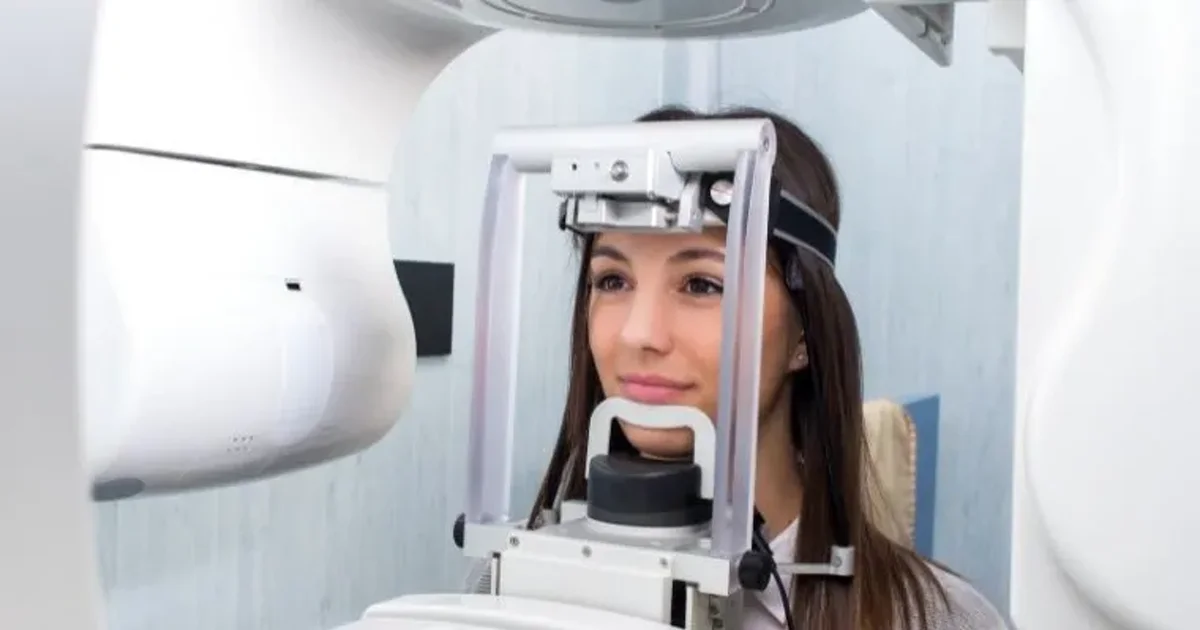
For patients with suspected TMJ involvement, jaw asymmetry, or planned prosthetic work, DCDC's on-site CBCT (Cone Beam Computed Tomography) scanner provides detailed three-dimensional imaging of the condyles, articular fossa, and surrounding bone. A published comparison study (Journal of Clinical Medicine, 2023) confirmed that CBCT effectively identifies condylar bony changes, cortical erosion, and remodelling in sleep bruxism patients — findings that directly influence treatment decisions. Our digital OPG (orthopantomogram) provides a panoramic overview of all teeth and both TMJs with up to 80% less radiation than traditional X-rays, making it an excellent first-line imaging tool.
Bite Analysis and Dental Impressions
Study models and bite registration capture the precise relationship of your upper and lower teeth, documenting the wear pattern in three dimensions. This information is essential for fabricating a perfectly fitting custom night guard and for monitoring changes in tooth structure over time. The impression data also informs any occlusal adjustments or restorative work that may be part of the treatment plan.
Bruxism Treatment Options in Dubai
There is no single universally effective cure for bruxism, but a combination of treatments can substantially reduce its frequency, protect the teeth from further damage, and resolve associated pain. Dr. Chadi El Masry, DCDC's Cosmetic and Restorative Dentistry specialist, takes an integrated approach: "My priority with bruxism patients is first to protect the teeth from further damage with a custom appliance, then to address the underlying drivers — whether that is stress, sleep disruption, or a bite issue — through a coordinated plan. Treating only one dimension of bruxism rarely delivers lasting results." The following treatment modalities are available at DCDC and through coordinated referral.
Custom Night Guards (Occlusal Splints)
A custom-fabricated dental night guard is the gold-standard first-line treatment for sleep bruxism. Unlike pharmacy boil-and-bite guards, a DCDC custom night guard is precision-made from impressions of your own teeth, ensuring perfect fit, even force distribution, and maximum protection. Night guards work by creating a physical barrier between the upper and lower teeth, dissipating grinding forces and preventing enamel-to-enamel contact. They also alter proprioceptive feedback from the jaw muscles, which can reduce the intensity of grinding episodes over time. Custom guards are available in soft, hard acrylic, and dual-laminate materials depending on grinding severity.
Occlusal Adjustment and Dental Restorations
When a high or poorly balanced dental restoration is triggering or exacerbating bruxism, precise occlusal equilibration — selective reshaping of tooth surfaces to create a balanced, harmonious bite — can reduce the stimulus. For teeth already severely damaged by bruxism, restorative treatment with composite fillings, inlays, or crowns may be necessary to rebuild the correct vertical dimension of the bite and protect the remaining tooth structure.
Physiotherapy and Jaw Exercises
Physiotherapy plays an important role in managing the musculoskeletal consequences of bruxism, particularly when TMJ disorder has developed. Manual therapy techniques reduce muscle hypertonicity in the masseters and pterygoids, restore normal joint mechanics, and improve jaw range of motion. Targeted stretching and strengthening exercises for the jaw muscles, combined with postural correction for the neck and upper back, reduce the muscular load on the TMJ. Ultrasound therapy and dry needling of the masseter trigger points can provide significant pain relief.
Stress Management and Behavioural Approaches
Because psychological stress is a primary bruxism driver, addressing it directly is a critical component of treatment. Cognitive Behavioural Therapy (CBT) has demonstrated efficacy in reducing bruxism frequency by helping patients identify and modify stress-response patterns. Biofeedback therapy — where sensors detect jaw muscle contraction and alert the patient — has shown promising results for awake bruxism. Relaxation techniques including mindfulness meditation, progressive muscle relaxation, and diaphragmatic breathing can meaningfully reduce daytime clenching when practised consistently.
Therapeutic Botox Injections
For patients with severe bruxism unresponsive to conventional treatment, intramuscular injections of botulinum toxin (Botox) into the masseter muscles offer a well-evidenced therapeutic option. Multiple randomised controlled trials have demonstrated that BTX-A injections significantly reduce masseter muscle force, decrease grinding-related pain, and reduce tooth wear progression. The treatment effects typically last 3 to 6 months, after which repeat injections are required. Botox for bruxism is not a standalone cure, but as part of a comprehensive management plan it can provide substantial relief during high-stress periods.
Suffering from Jaw Pain or Worn Teeth? Book a Bruxism Assessment
At Doctors Clinic Diagnostic Center in Dubai Healthcare City, Dr. Chadi El Masry and our dental team provide comprehensive bruxism evaluations with on-site CBCT imaging, custom night guard fabrication, and personalised treatment plans. MOHAP-licensed. Direct billing with 20+ insurers.
Open Sat-Thu 8AM-10:30PM, Fri 9AM-10PM. Same-day emergency slots reserved daily.
Bruxism Treatment Cost in Dubai (2026)
The cost of bruxism treatment in Dubai varies depending on the type and severity of the condition, the treatment modality selected, and how much restorative work is required to repair existing damage. The following table outlines the typical cost range for bruxism-related treatment at DCDC. All prices follow the standard AED pricing format used across DCDC's dental services.
| Treatment | Cost (AED) | Duration / Notes |
|---|---|---|
| Dental consultation + clinical bruxism assessment | From AED 250 | 45–60 minutes, includes bite analysis |
| Digital OPG panoramic X-ray | From AED 150 | On-site, 80% less radiation |
| CBCT jaw / TMJ imaging | From AED 500 | 3D bone and joint assessment |
| Custom soft night guard | AED 400–700 | Lab-fabricated, 1–2 week turnaround |
| Custom hard acrylic night guard | AED 600–1,200 | Recommended for severe grinding |
| Dual-laminate night guard | AED 800–1,500 | Hard outer / soft inner for heavy grinders |
| Occlusal adjustment | From AED 300 | Selective reshaping of bite surfaces |
| Composite filling / restoration (per tooth) | From AED 350 | Repair of bruxism-damaged teeth |
| Dental crown (per tooth) | AED 1,500–3,500 | Full coverage for severely worn teeth |
| Jaw physiotherapy (per session) | From AED 300 | Manual therapy, TMJ mobilisation |
Prices are indicative ranges. Final costs depend on case complexity, materials, and insurance coverage. Contact DCDC for a personalised treatment quote.
Insurance coverage for bruxism treatment in Dubai depends on your policy and provider. At DCDC, we offer direct billing with more than 20 insurance companies including Daman, AXA, Bupa, MetLife, and Cigna. Our patient coordinators will verify your coverage and assist with pre-authorisation before treatment begins, so there are no unexpected out-of-pocket costs. Patients who have developed cavities or structural damage from bruxism can find detailed pricing information in our dental fillings cost guide and our comprehensive dental crown cost guide.
What to Expect at DCDC: Your Bruxism Patient Journey
DCDC's approach to bruxism treatment is structured, efficient, and patient-centred. Here is what you can expect from your first contact through to ongoing management at our Dubai Healthcare City clinic.
- Step 1 — Booking your appointment: Contact DCDC by phone, WhatsApp, or online booking to schedule a dental consultation. Our team will ask a few brief screening questions about your symptoms — jaw pain, headaches, sleep disruption — so that Dr. Chadi El Masry or one of our dental specialists can prepare for your visit. Same-day emergency slots are reserved daily for patients with acute jaw pain or a broken tooth from grinding.
- Step 2 — Comprehensive clinical assessment: Your appointment begins with a thorough review of your dental and medical history, including any medications that may be contributing to bruxism. Dr. El Masry will then conduct a detailed clinical examination — measuring wear facets on your teeth, palpating the masseter and temporalis muscles, and assessing your temporomandibular joints for tenderness, clicking, or restricted movement.
- Step 3 — On-site imaging: Depending on your examination findings, same-day digital OPG and/or CBCT scans may be performed in our on-site radiology suite. DCDC's digital X-rays deliver up to 80% less radiation than conventional film X-rays, ensuring diagnostic accuracy with minimal exposure. CBCT provides the detailed 3D view of the condyles and joint spaces needed when TMJ damage is suspected.
- Step 4 — Personalised treatment plan: Dr. El Masry presents a clear, itemised treatment plan based on the clinical and imaging findings. The plan includes all costs, timelines, and — where relevant — coordinates with DCDC's physiotherapy or general medicine teams if sleep apnoea or stress-related factors require co-management. You will have a full opportunity to ask questions before committing to any treatment.
- Step 5 — Night guard fabrication: If a custom night guard is indicated, precise impressions of your teeth are taken and sent to our dental laboratory. Your custom appliance is typically ready within 7 to 14 days. At the fitting appointment, Dr. El Masry checks the fit, adjusts pressure points, and demonstrates correct use and cleaning technique.
- Step 6 — Follow-up and monitoring: Bruxism is a long-term condition that benefits from periodic monitoring. Review appointments are scheduled at 3 and 6 months to assess the effectiveness of your night guard, check for any new wear, and adjust the treatment plan as needed. For patients with significant TMJ involvement, liaison with DCDC's physiotherapy department ensures a coordinated, multidisciplinary outcome.
Bruxism and dental neglect frequently go hand in hand, since pain avoidance leads patients to delay routine visits. If it has been a while since your last professional clean, a dental cleaning in Dubai at DCDC is a sensible first step — it allows a baseline assessment of your oral health alongside any bruxism evaluation.
Night Guard Care and Maintenance
A custom night guard is a precision dental appliance that requires proper care to remain hygienic, comfortable, and effective. Following these maintenance guidelines will extend the life of your guard and protect your oral health.
- Clean every morning: Rinse your night guard with cool water immediately after removal. Brush it gently with a soft toothbrush — without toothpaste, which can be abrasive — to remove plaque and debris. Allow it to air dry completely before storing.
- Store in the provided case: Always store your night guard in its ventilated protective case when not in use. Leaving it on a nightstand or wrapped in tissue exposes it to bacteria, accidental damage, and — in households with pets — a strong chewing temptation.
- Weekly deep clean: Soak the guard weekly in a dental appliance cleaner or a diluted non-alcoholic mouthwash solution for 15 to 20 minutes. This removes bacterial biofilm that accumulates even with daily brushing. Denture cleaning tablets are a convenient and effective option.
- Avoid heat: Never use hot water, boiling water, or a dishwasher to clean your night guard. Heat distorts the acrylic, compromising the precision fit and potentially making the guard unusable.
- Bring to dental appointments: Bring your night guard to all dental checkups so that Dr. El Masry can inspect it for wear, cracks, or distortion, and ensure it still fits correctly. As the teeth wear or shift over time, the guard may require adjustment or replacement.
- Replace when necessary: The lifespan of a custom night guard depends on grinding intensity. Light-to-moderate grinders may get 2 to 5 years of use; heavy grinders may need replacement every 12 to 18 months. Signs that a replacement is needed include visible cracks, holes, or a loose fit.
Bruxism and Children: What Parents in Dubai Should Know
Bruxism is not exclusively an adult condition. Studies estimate that 14 to 20% of children experience bruxism at some point in their development, with peaks during the primary (baby) dentition and again in early adolescence. In most children, bruxism resolves spontaneously as the permanent dentition establishes a stable bite. However, it can cause concern for parents — particularly when the grinding sounds are loud enough to be heard from another room.
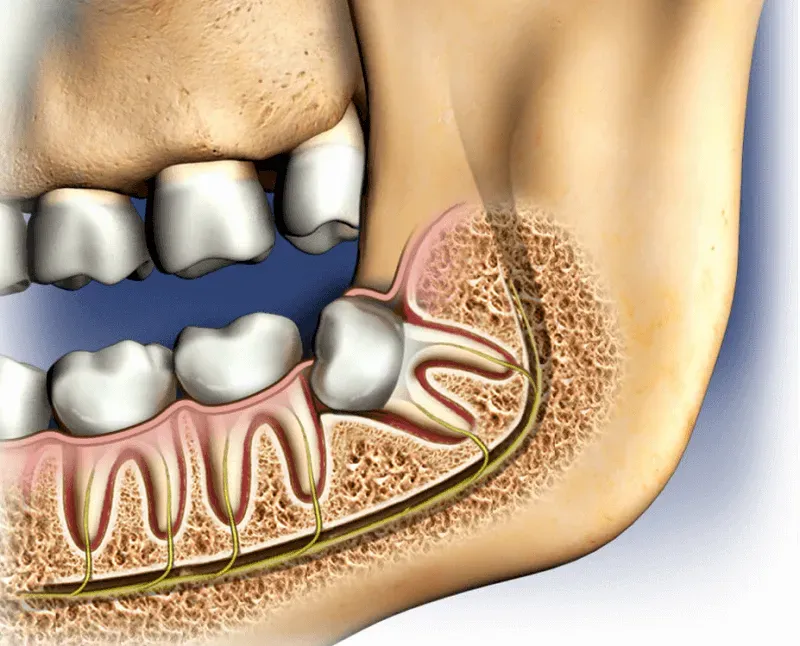
In children, bruxism is often associated with psychological stress (school anxiety, family changes), emerging teething, or nasal obstruction from allergies that disrupts normal breathing during sleep. Night guards are rarely recommended for children in primary dentition since the teeth are in continuous flux. Instead, management focuses on addressing the underlying trigger: managing anxiety, treating nasal obstruction, and monitoring the bite. If a child's bruxism is causing noticeable tooth wear or jaw pain, a dental consultation at DCDC is recommended to document the wear and establish an appropriate monitoring schedule. If significant tooth pain develops, you can also find guidance in our post about toothache causes and treatment in Dubai.
Preventing Bruxism: Lifestyle Changes That Make a Difference
While bruxism cannot always be fully prevented — particularly where genetic and neurological factors are involved — a number of modifiable lifestyle factors can meaningfully reduce its frequency and severity.
- Limit caffeine after midday: Caffeine has a half-life of approximately 5 to 6 hours in most adults. Afternoon coffee or energy drinks maintain elevated alertness into the night, disrupting sleep architecture and increasing the likelihood of bruxism episodes. Switching to herbal tea or water after 2PM can make a noticeable difference.
- Avoid alcohol before bed: While alcohol may seem to aid sleep onset, it dramatically reduces REM sleep quality in the second half of the night and has been shown to increase bruxism frequency. Cutting out late-evening alcohol is one of the most impactful lifestyle changes for sleep bruxism.
- Practise daily stress reduction: Regular physical exercise, mindfulness meditation, and progressive muscle relaxation all reduce the physiological stress response that drives bruxism. Even 10 to 15 minutes of guided breathing before sleep can lower masseter muscle resting tone.
- Maintain a consistent sleep schedule: Irregular sleep schedules disrupt circadian rhythms and increase sleep fragmentation — a key bruxism trigger. Aim for consistent sleep and wake times, including on weekends and during travel.
- Avoid chewing hard objects: Chewing pens, pencils, fingernails, or ice reinforces the neuromuscular pathway for jaw clenching and can prime the muscles for nocturnal grinding. Keeping the teeth apart and the jaw relaxed during waking hours is a practical protective habit.
- Address screen time before bed: Blue light from phones and tablets suppresses melatonin and disrupts sleep quality. A 30-minute screen-free wind-down period, combined with a relaxation routine, supports both sleep quality and bruxism reduction.
Why Dubai Patients Choose DCDC for Bruxism Treatment
DCDC in Dubai Healthcare City has earned a 4.8/5 Google rating from more than 1,000 verified patient reviews and a 98% patient satisfaction rate, reflecting a standard of care that goes beyond the clinical. For bruxism patients, DCDC offers a uniquely comprehensive environment.
- MOHAP-licensed facility: DCDC operates under a MOHAP (Ministry of Health and Prevention) license, guaranteeing full regulatory compliance and adherence to UAE healthcare quality standards. Patients can be confident that every aspect of their care meets the highest official standards.
- 6+ dental specialists on staff: Our dental department encompasses specialists across cosmetic dentistry, restorative dentistry, periodontics, and oral surgery. Complex bruxism cases involving significant restoration or periodontal complications are managed with coordinated input from multiple specialists.
- On-site CBCT and OPG imaging: Jaw joint assessment and bone imaging can be performed on the same day as your consultation, without external referrals or waiting for imaging appointments elsewhere. Digital X-rays with 80% reduced radiation make routine monitoring safe and convenient.
- Direct insurance billing with 20+ providers: DCDC's patient coordinators handle direct billing with Daman, AXA, Bupa, MetLife, Cigna, and more than 20 other insurers. Pre-authorisation assistance eliminates the administrative burden from patients.
- Multidisciplinary under one roof: For bruxism patients whose condition involves sleep apnoea, anxiety, or systemic factors, DCDC's breadth of specialties — including ENT, psychiatry, and physiotherapy — means that co-management happens in one location. Dr. El Masry notes: "When a patient presents with bruxism, I always consider whether there is an underlying sleep breathing issue or stress disorder that needs concurrent attention. Having our specialists in the same building makes that kind of coordinated care practical rather than theoretical."
- Convenient location and hours: Located at Building 64, Block A, Al Razi Medical Complex, Dubai Healthcare City, with free parking and extended hours (Saturday to Thursday 8AM–10PM, Friday 9AM–9PM), DCDC accommodates Dubai's demanding schedules. Same-day emergency dental slots are reserved daily for acute bruxism-related presentations.
Protect Your Smile from Bruxism — Book at DCDC Today
Do not wait for a cracked tooth or chronic jaw pain to force your hand. At Doctors Clinic Diagnostic Center in Dubai Healthcare City, our team offers complete bruxism treatment — from custom night guards to restorative dentistry and TMJ physiotherapy. Rated 4.8/5 by 1,000+ patients. Direct insurance billing available.
Book online or call us. Free parking. Open 6 days. Same-day appointments available.
Bruxism vs. TMJ Disorder: Understanding the Overlap
Bruxism and temporomandibular disorder (TMD) are closely related but distinct conditions. Bruxism refers specifically to the parafunctional jaw activity — the grinding or clenching — while TMD encompasses any dysfunction of the temporomandibular joint and its associated muscles. However, the two conditions are frequently co-present and mutually reinforcing: chronic bruxism causes TMJ damage, and established TMD increases muscle tension that perpetuates bruxism.
Clinically, the distinction matters because treatment priorities differ. A patient whose primary complaint is jaw joint clicking and limited opening needs TMJ-focused physiotherapy as a priority, whereas a patient with mainly tooth wear and morning headaches should prioritise the protective night guard. In practice, most bruxism patients with significant symptoms benefit from both. Understanding this overlap ensures that treatment addresses the full picture rather than just the most obvious presenting complaint. If you are experiencing significant jaw stiffness or clicking, our guide to TMJ physiotherapy provides important complementary information to this bruxism guide.
When to See a Dentist About Teeth Grinding
Not everyone who grinds their teeth occasionally needs formal treatment. Light, infrequent grinding during periods of acute stress may resolve on its own when the stressor passes. However, the following situations warrant a prompt dental consultation, as delay significantly increases the complexity and cost of eventual treatment.
- You or your partner notice regular, recurring grinding sounds during sleep
- You wake with persistent jaw pain, stiffness, or soreness that does not fully resolve by mid-morning
- You notice your teeth look shorter, flatter, or more translucent at the edges than they used to
- You have increasing tooth sensitivity — particularly to cold, sweet, or acidic foods — without a known cause such as a cavity
- You experience regular morning headaches that feel different from typical tension headaches
- A tooth cracks, chips, or breaks without a clear traumatic cause
- You notice your jaw clicking or catching when opening or closing your mouth
- You have a dental crown, veneer, or implant that has unexpectedly broken or loosened
Bruxism, like gum disease, is one of those dental conditions where early intervention is dramatically more effective and affordable than late-stage treatment. If bruxism has been allowed to progress to the point of gum recession or periodontal involvement, our guide to gum disease treatment in Dubai provides essential background on managing that additional complication.
Services associés au DCDC
Soins spécialisés et diagnostics avancés à Dubai Healthcare City
Frequently Asked Questions
Final Thoughts
Bruxism is one of the most common yet underappreciated dental conditions affecting adults in Dubai and worldwide. Its consequences — from enamel erosion and cracked teeth to TMJ disorder and chronic headaches — accumulate silently over years, often only becoming apparent when significant and costly damage has occurred. The good news is that bruxism is very manageable when identified early. A well-fitting custom night guard from AED 400, combined with attention to the lifestyle and psychological factors driving it, can protect your teeth indefinitely and eliminate the daily pain that bruxism causes.
At Doctors Clinic Diagnostic Center in Dubai Healthcare City, Dr. Chadi El Masry and our 6+ dental specialists bring a genuinely comprehensive approach to bruxism care — from precision CBCT imaging and custom appliance fabrication to coordinated physiotherapy and medical co-management when needed. Rated 4.8/5 from over 1,000 verified patient reviews, MOHAP-licensed, and with direct billing for 20+ insurers, DCDC provides the full spectrum of dental care needed to protect your smile from the long-term damage of teeth grinding. Book your bruxism consultation today — early treatment is always the most effective and most affordable path.
Sources et references
Cet article a ete revise par notre equipe medicale et fait reference aux sources suivantes :
- Journal of Clinical Medicine — Global Prevalence of Sleep Bruxism and Awake Bruxism: Systematic Review and Meta-Analysis (2024)
- Johns Hopkins Medicine — Bruxism: Symptoms, Causes and Treatment
- MedlinePlus (NIH) — Bruxism Medical Encyclopedia
- PubMed — CBCT vs MRI in TMJ Assessment for Sleep Bruxism (2023)
- Frontiers in Neurology — Sleep Bruxism and Temporomandibular Disorder Pain: Polysomnographic Study
- PubMed — Epidemiology of Bruxism in Adults: Systematic Review
- ClinicalTrials.gov — Evaluation of Botulinum Toxin Injections in Treatment of Bruxism
Le contenu medical de ce site est revise par des medecins agrees DHA. Voir notre politique editoriale pour plus d'informations.
Redige par
Dr. Chadi El Masry
Cosmetic & Restorative Dentistry
DDS
Dr. Chadi El Masry is a Cosmetic & Restorative Dentist at Doctors Clinic Diagnostic Center (DCDC) in Dubai Healthcare City.
Related Articles
Dental Cleaning Cost Dubai: From AED 200 (2026)

Dental Crown Cost Dubai: Prices & Options (2026)

TMJ Disorder: Physiotherapy for Jaw Pain (2026)
Toothache Dubai: Causes & When to See a Dentist
Dental Fillings Cost Dubai: Guide (2026)
More in Dental

Dental Scaling vs Deep Cleaning Dubai (2026)
Lire la suiteTooth Filling vs Crown Dubai: Which One? (2026)
Lire la suite
Dental Crowns vs Veneers Dubai: Guide (2026)
Lire la suite
Dentures vs Dental Implants Dubai (2026)
Lire la suite
Dental Veneers Cost Dubai: From AED 500 (2026)
Lire la suiteRoot Canal vs Tooth Extraction Dubai (2026)
Lire la suite© 2026 Doctors Clinic Diagnostic Center (DCDC), Dubai Healthcare City. Originally published at https://doctorsclinicdubai.ae/blog/teeth-grinding-bruxism-dubai. All rights reserved. Unauthorized reproduction is prohibited.