Points cles
- Numbness and tingling (paraesthesia) affect millions of people and have dozens of possible causes ranging from temporary positional compression to serious conditions like stroke or multiple sclerosis — proper neurological evaluation is essential to identify the root cause
- The most common causes of persistent numbness and tingling are nerve compression (carpal tunnel, herniated disc), diabetic neuropathy, and vitamin B12 deficiency — all of which are treatable when caught early
- The UAE has one of the highest diabetes prevalence rates globally at 15-20% of adults, making diabetic neuropathy an especially common cause of tingling in the hands and feet for Dubai residents
- Sudden numbness on one side of the body, especially with facial drooping, slurred speech, or arm weakness, is a stroke emergency — call 998 immediately. In stroke, every minute of delay costs approximately 1.9 million neurons
- A complete neurological workup — including EMG/nerve conduction studies, blood tests for vitamins and glucose, and MRI of the brain or spine — can identify the cause of numbness and tingling in over 90% of cases
- At DCDC in Dubai Healthcare City, patients can receive a neurology consultation from AED 500 with on-site EMG/NCV testing, blood work, and Siemens 1.5T MRI — all in a single visit, with results within 18-24 hours
Numbness and tingling are among the most common neurological symptoms that bring patients to a doctor. That strange pins-and-needles sensation in your fingers, the loss of feeling in your feet, or the prickling that runs down your arm can range from a momentary annoyance to a sign of a serious underlying condition. In Dubai, where diabetes affects an estimated 15-20% of the adult population and desk-bound work is the norm, these symptoms are particularly common. The challenge is knowing when numbness and tingling will resolve on its own and when it signals something that needs medical attention. This comprehensive guide covers every major cause, the warning signs that demand urgent care, and what to expect when you visit a neurologist for neuropathy treatment in Dubai.
Medically, numbness and tingling are referred to as paraesthesia. They occur when sensory nerves are compressed, damaged, or not functioning properly. While most people have experienced temporary tingling after sitting cross-legged or sleeping on their arm, persistent or recurrent episodes warrant investigation. According to the National Institute of Neurological Disorders and Stroke (NINDS), peripheral neuropathy alone affects an estimated 20 million people in the United States, and the true global number is far higher. In the UAE, the combination of high diabetes prevalence, sedentary lifestyles, and nutritional gaps makes nerve-related symptoms especially common. This guide, reviewed by Dr. Riad Trabulsi, Neurologist at DCDC in Dubai Healthcare City, will help you understand what your symptoms might mean and when to seek expert evaluation.
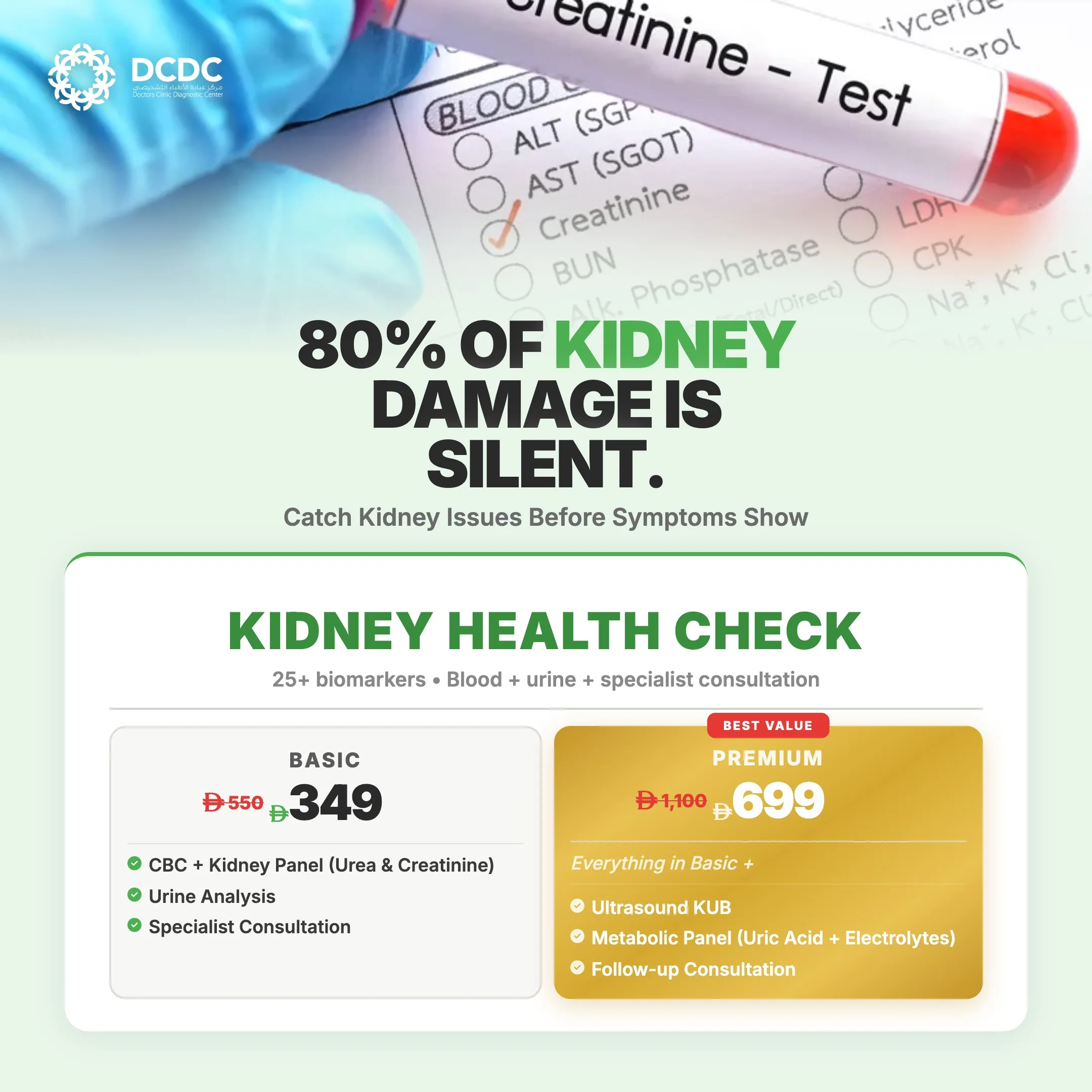
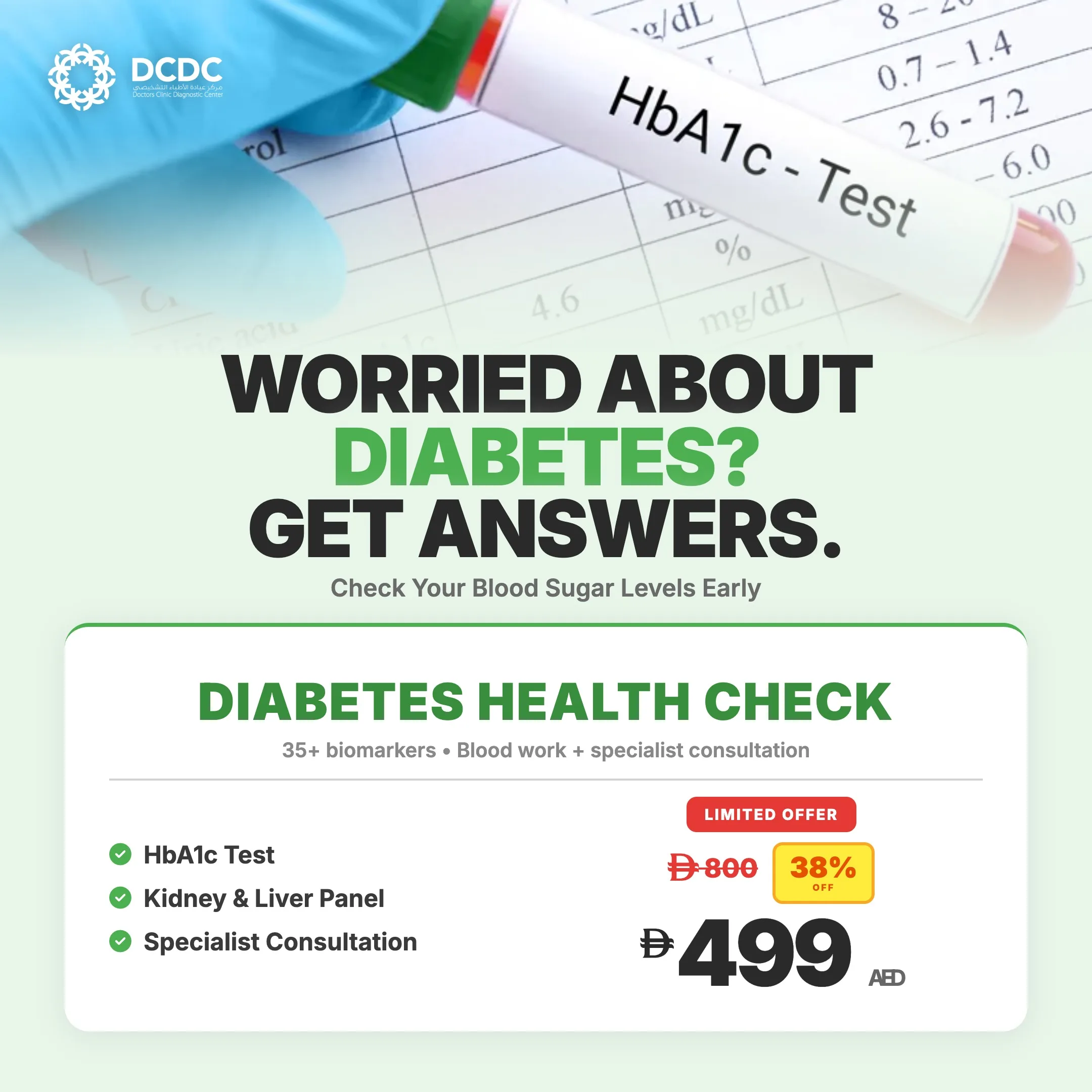
Health Screening Packages
Save with our bundled screening packages — specialist consultation included




What Causes Numbness and Tingling?
Numbness and tingling occur when the normal signaling between your nerves and brain is disrupted. Your nervous system is an intricate network: sensory nerves in your skin detect touch, temperature, and pain, then transmit those signals through peripheral nerves to your spinal cord and brain. When any part of this pathway is compressed, inflamed, damaged, or deprived of nutrients, the result can be numbness (loss of sensation), tingling (pins and needles), burning, or prickling.
The causes of numbness and tingling fall into several broad categories: nerve compression (mechanical pressure on a nerve), metabolic and nutritional causes (diabetes, vitamin deficiencies), autoimmune and inflammatory conditions (multiple sclerosis, Guillain-Barré syndrome), vascular causes (reduced blood supply), infections, medications, and central nervous system disorders. Identifying which category your symptoms fall into is the first step toward effective treatment.
"Numbness and tingling are among the most common reasons patients visit our neurology clinic," says Dr. Riad Trabulsi, DCDC's neurologist specializing in neuropathy. "While many cases have straightforward causes like vitamin deficiency or nerve compression, some can signal serious conditions requiring urgent treatment. At DCDC, we can perform a complete neurological workup — consultation, blood tests, nerve conduction studies, and MRI — all in a single visit, which is critical for patients presenting with acute symptoms."
Common Causes of Numbness and Tingling
Understanding the most frequent causes of numbness and tingling helps patients assess the likely urgency of their symptoms. The following are the conditions that neurologists diagnose most often in clinical practice.
- Carpal tunnel syndrome — compression of the median nerve at the wrist, causing numbness and tingling in the thumb, index, middle, and ring fingers, typically worse at night
- Diabetic neuropathy — high blood sugar damages peripheral nerves over time, usually starting with symmetrical tingling and numbness in both feet that gradually progresses upward
- Vitamin B12 deficiency — essential for nerve myelin sheath maintenance; deficiency causes tingling in hands and feet, balance problems, and cognitive changes
- Herniated disc — a disc in the spine presses on a nerve root, causing numbness, tingling, and pain radiating down an arm or leg depending on the level affected
- Sciatica — compression of the sciatic nerve causing tingling, numbness, and pain running from the lower back through the buttock and down the leg
- Cervical spondylosis — age-related wear in the neck vertebrae that can compress spinal nerves, causing numbness and tingling in the arms and hands
- Peripheral artery disease — reduced blood flow to the limbs due to narrowed arteries, causing numbness and tingling especially in the legs and feet
- Thyroid disorders — both hypothyroidism and hyperthyroidism can cause peripheral neuropathy and associated tingling sensations
Nerve Compression Causes of Numbness and Tingling
Nerve compression (also called entrapment neuropathy) is one of the most common and treatable causes of numbness and tingling. It occurs when a nerve is mechanically squeezed or trapped as it passes through a narrow anatomical space. The resulting pressure disrupts normal nerve signaling, producing numbness, tingling, pain, and sometimes weakness in the area supplied by that nerve.
Carpal Tunnel Syndrome
Carpal tunnel syndrome is the most common nerve compression disorder, affecting approximately 3-6% of the adult population according to the American Academy of Orthopaedic Surgeons. The median nerve becomes compressed as it passes through the carpal tunnel at the wrist, causing numbness, tingling, and burning in the thumb, index, middle, and part of the ring finger. Symptoms are characteristically worse at night and may wake patients from sleep. Prolonged computer and phone use, which is nearly universal in Dubai's office environments, is a contributing factor. Diagnosis is confirmed with nerve conduction studies (NCV), and treatment ranges from wrist splinting and ergonomic modifications to corticosteroid injections or surgical release for severe cases.
Sciatica and Herniated Disc
A herniated disc in the lumbar spine can compress nerve roots as they exit the spinal column, producing sciatica — a pattern of numbness, tingling, and sharp or burning pain that radiates from the lower back through the buttock and down one leg, sometimes reaching the foot. It is one of the most common causes of leg numbness in adults aged 30-50. MRI of the lumbar spine is the definitive imaging study for identifying disc herniation and determining whether the nerve compression is severe enough to require intervention. Most cases improve with conservative management including physiotherapy, anti-inflammatory medications, and activity modification, though severe or progressive cases may require epidural injections or surgery.
Cervical Radiculopathy
When a nerve root in the neck (cervical spine) is compressed by a herniated disc, bone spur, or narrowing of the spinal canal, it causes cervical radiculopathy — numbness, tingling, and pain radiating from the neck into the shoulder, arm, and hand. The specific pattern of numbness indicates which nerve root is affected: C6 radiculopathy typically causes tingling in the thumb, while C7 affects the middle finger, and C8 affects the ring and little fingers. Cervical MRI and EMG/NCV studies are the key diagnostic tests.
For a detailed guide on the full range of nerve disorder treatments available, read our article on neuropathy treatment options in Dubai.
Symptom Patterns: Matching Your Numbness to Possible Causes
The pattern, location, and timing of your numbness and tingling provide important diagnostic clues. The table below matches common symptom presentations with their most likely causes and the appropriate level of urgency. Use this as a guide, not a substitute for professional evaluation — only a neurologist can provide a definitive diagnosis.
| Symptom Pattern | Possible Cause | Urgency |
|---|---|---|
| Numbness in hands/fingers (worse at night) | Carpal tunnel syndrome | Non-urgent |
| Tingling in feet (both sides, gradual) | Diabetic neuropathy | See doctor within 1-2 weeks |
| Numbness down one leg | Sciatica / herniated disc | See doctor within days |
| Sudden numbness on one side of body | Stroke | EMERGENCY — call 998 |
| Tingling after sitting/crossing legs | Positional nerve compression | Usually temporary |
| Numbness with weakness in hands/feet | Peripheral neuropathy | See neurologist |
| Face numbness with slurred speech | Stroke | EMERGENCY — call 998 |
| Tingling with fatigue and muscle cramps | Vitamin B12 or D deficiency | See doctor within 1-2 weeks |
Numbness and tingling symptom patterns with possible causes and urgency levels. This table is for general guidance only and does not replace professional medical evaluation.
As a general rule, any numbness or tingling that is sudden in onset, affects one side of the body, is progressive (spreading or worsening over days to weeks), or is accompanied by weakness, loss of coordination, or changes in bladder or bowel function should be evaluated promptly by a neurologist.
Metabolic and Nutritional Causes of Numbness and Tingling
Metabolic disorders and nutritional deficiencies are among the most common systemic causes of numbness and tingling. These conditions damage peripheral nerves gradually, often affecting both sides of the body symmetrically, starting in the longest nerves first — which is why symptoms typically begin in the feet and hands.
Diabetic Neuropathy
Diabetic neuropathy is the most common complication of diabetes and the leading cause of peripheral neuropathy worldwide. Approximately 50% of people with diabetes will develop some form of neuropathy during their lifetime, according to the American Diabetes Association. In the UAE, where diabetes prevalence is estimated at 15-20% of the adult population — one of the highest rates globally — diabetic neuropathy is a particularly significant concern.
Chronically elevated blood sugar damages the small blood vessels that supply peripheral nerves, leading to nerve fiber degeneration. The most common pattern is distal symmetric polyneuropathy, which begins with tingling, numbness, and burning in both feet and gradually progresses upward in a "stocking-glove" distribution. Over time, the loss of protective sensation in the feet increases the risk of unnoticed injuries, ulcers, and infections — a major cause of lower limb amputations in diabetic patients.
Diagnosis involves blood glucose testing (fasting glucose, HbA1c), nerve conduction studies to assess nerve function, and clinical examination. Strict blood sugar control is the most important factor in preventing progression. At DCDC, patients can have their HbA1c, fasting glucose, and nerve conduction studies performed in a single visit.
Vitamin B12 Deficiency
Vitamin B12 is essential for maintaining the myelin sheath that insulates and protects nerve fibers. When B12 levels are deficient, the myelin sheath deteriorates, leading to impaired nerve conduction and symptoms including tingling in the hands and feet, balance difficulties, fatigue, cognitive changes, and sometimes mood disturbances. Groups at higher risk include strict vegetarians and vegans (B12 is found primarily in animal products), older adults with reduced absorption, patients taking metformin (a common diabetes medication that depletes B12), and people with pernicious anemia or gastrointestinal disorders affecting absorption.
A simple blood test for serum vitamin B12 levels is diagnostic. Treatment with B12 supplementation — oral or intramuscular injections depending on the cause and severity — can reverse symptoms if caught before permanent nerve damage occurs. In Dubai's diverse population, B12 deficiency is common among vegetarian communities and patients on long-term metformin therapy.
Thyroid Disorders
Hypothyroidism (underactive thyroid) can cause peripheral neuropathy through multiple mechanisms, including fluid retention that compresses nerves (contributing to carpal tunnel syndrome) and metabolic changes that directly damage nerve tissue. Patients with untreated hypothyroidism may experience tingling in the hands and feet, muscle cramps, and generalized weakness. A TSH blood test is the initial screening tool, with treatment involving thyroid hormone replacement. At DCDC, thyroid function testing is available through the on-site laboratory with results typically within 18-24 hours.
For a comprehensive overview of blood sugar management and preventing diabetic complications, see our diabetes management guide.
Systemic and Autoimmune Causes of Numbness and Tingling
Autoimmune and systemic inflammatory conditions can cause numbness and tingling by attacking the nerves directly, damaging the myelin sheath, or affecting the blood vessels that supply nerve tissue. These causes are less common than compression or metabolic causes but are important to identify because they often require specific immunological treatment.
Multiple Sclerosis (MS)
Multiple sclerosis is an autoimmune disease in which the immune system attacks the myelin coating of nerves in the brain and spinal cord. Numbness and tingling are among the earliest and most common symptoms of MS, often affecting one limb, one side of the face, or the trunk in a band-like pattern. The hallmark of MS is that symptoms come and go (relapsing-remitting pattern), with episodes lasting days to weeks. MRI of the brain and spinal cord is the primary diagnostic tool, typically showing characteristic white matter lesions. Early diagnosis and treatment with disease-modifying therapies can significantly slow disease progression.
Guillain-Barré Syndrome
Guillain-Barré syndrome (GBS) is an acute autoimmune condition in which the immune system attacks peripheral nerves, typically triggered by a preceding infection. It classically presents with tingling in the feet and legs that rapidly ascends over days, followed by progressive weakness. GBS is a medical emergency because it can affect the muscles controlling breathing. Diagnosis is based on clinical presentation, nerve conduction studies showing characteristic patterns, and cerebrospinal fluid analysis. Treatment involves intravenous immunoglobulin or plasmapheresis and supportive care.
Systemic Lupus Erythematosus (Lupus)
Lupus is a chronic autoimmune disease that can affect virtually any organ system, including the nervous system. Peripheral neuropathy occurs in approximately 10-20% of lupus patients, causing numbness, tingling, and sometimes pain in the hands and feet. Lupus-related neuropathy can result from direct nerve inflammation, vasculitis affecting nerve blood supply, or antibody-mediated damage. Diagnosis requires a combination of clinical findings and specific blood tests (ANA, anti-dsDNA, complement levels), and treatment focuses on controlling the underlying autoimmune activity.
When Numbness and Tingling Is an Emergency
While most numbness and tingling has a benign cause, certain patterns demand immediate emergency medical attention. Recognizing these warning signs can be lifesaving.
Stroke Warning Signs (FAST)
Stroke is the most dangerous cause of sudden numbness. When a blood vessel in the brain is blocked or bursts, the brain tissue it supplies begins to die within minutes. The FAST acronym helps identify stroke: Face drooping (one side of the face droops or is numb), Arm weakness (one arm is weak or numb — ask the person to raise both arms), Speech difficulty (slurred or strange speech), Time to call emergency services (call 998 in the UAE immediately). During a stroke, approximately 1.9 million neurons die every minute without treatment. Every minute counts.
Cauda Equina Syndrome
Cauda equina syndrome occurs when the bundle of nerve roots at the base of the spinal cord is severely compressed, usually by a large herniated disc. Warning signs include numbness in the "saddle area" (inner thighs, buttocks, groin), sudden loss of bladder or bowel control, and progressive leg weakness. This is a surgical emergency — permanent paralysis and incontinence can result if decompression surgery is not performed within hours.
Rapidly Progressive Bilateral Weakness
Tingling that starts in both feet and rapidly ascends upward over hours to days, especially when accompanied by increasing weakness, may indicate Guillain-Barré syndrome. This requires urgent hospitalization for monitoring and treatment, as respiratory muscles can be affected.
- Sudden numbness on one side of the body (face, arm, and/or leg) — possible stroke, call 998 immediately
- Numbness with sudden severe headache, vision changes, or confusion — possible stroke or brain hemorrhage
- Numbness in the saddle area with bladder/bowel changes — possible cauda equina syndrome, go to ER
- Rapidly ascending tingling with progressive weakness — possible Guillain-Barré, go to ER
- Numbness after a neck or back injury — possible spinal cord compression, do not move, call 998
"The critical distinction is between numbness that develops gradually over weeks to months — which usually points to a metabolic or compressive cause that we can investigate methodically — and numbness that appears suddenly, especially on one side of the body," explains Dr. Riad Trabulsi. "Sudden unilateral numbness is a stroke until proven otherwise. Patients and their families need to know the FAST signs and act immediately. In the UAE, call 998 for emergency services."
Causes of Numbness and Tingling: Comparison by Category
The following table provides a comprehensive comparison of numbness and tingling causes organized by category, with the key diagnostic test for each. This framework helps neurologists systematically evaluate patients and ensures no major cause is overlooked.
| Cause Category | Examples | Key Test |
|---|---|---|
| Nerve Compression | Carpal tunnel, sciatica, herniated disc | MRI, EMG/NCV |
| Metabolic | Diabetes, thyroid disease | Blood glucose, HbA1c, TSH |
| Nutritional | Vitamin B12 deficiency, folate | Vitamin B12 blood test |
| Autoimmune | Multiple sclerosis, lupus, Guillain-Barré | MRI brain/spine, specific antibodies |
| Vascular | Peripheral artery disease, stroke | Doppler ultrasound, CT angiogram |
| Positional | Crossed legs, sleeping on arm | Clinical exam (no test needed) |
Major categories of numbness and tingling causes with their key diagnostic tests. Your neurologist will determine which tests are appropriate based on your specific symptoms and clinical history.
Diagnostic Tests for Numbness and Tingling
A systematic diagnostic approach is essential for identifying the cause of numbness and tingling. Your neurologist will select investigations based on the symptom pattern, distribution, onset, and associated findings from the clinical examination.
EMG and Nerve Conduction Studies (NCV)
Electromyography (EMG) and nerve conduction velocity (NCV) studies are the gold standard for evaluating peripheral nerve function. NCV measures how fast electrical signals travel along a nerve — slowed conduction velocity indicates nerve damage or compression. EMG assesses the electrical activity of muscles, detecting patterns that indicate whether the nerve supplying that muscle is damaged, and if so, whether the damage is at the nerve root, the peripheral nerve, or the neuromuscular junction. Together, these tests can diagnose carpal tunnel syndrome, peripheral neuropathy, radiculopathy, and other nerve disorders with high accuracy. At DCDC, EMG/NCV testing is available on-site, allowing neurological consultation and nerve function testing in the same visit.
Blood Tests
A comprehensive blood panel is critical for identifying metabolic and nutritional causes of numbness and tingling. Key tests include fasting blood glucose and HbA1c (to screen for diabetes or pre-diabetes), vitamin B12 and folate levels, thyroid function (TSH, free T4), complete blood count (CBC), inflammatory markers (ESR, CRP), liver and kidney function, and in some cases, specific autoimmune antibodies (ANA, anti-dsDNA, anti-ganglioside). DCDC's on-site laboratory performs all of these tests, with results typically available within 18-24 hours and same-day for urgent cases.
MRI (Magnetic Resonance Imaging)
MRI is the most important imaging study for evaluating numbness and tingling with a suspected structural or central nervous system cause. Brain MRI can identify multiple sclerosis lesions, stroke, tumors, and other intracranial pathology. Cervical and lumbar spine MRI reveals disc herniations, spinal stenosis, nerve root compression, and spinal cord abnormalities. DCDC's Siemens 1.5T wide-bore MRI provides high-resolution imaging of the brain and spine, with reads by subspecialty neuroradiologists for enhanced diagnostic accuracy. The wide-bore design accommodates patients who may feel anxious in more confined scanners.
Additional Investigations
Depending on clinical findings, additional tests may include Doppler ultrasound to assess blood flow in peripheral arteries, X-rays to evaluate bony structures in the spine or extremities, and in rare cases, nerve biopsy or lumbar puncture. For patients with suspected vascular causes, CT angiography may be ordered. The specific combination of tests is tailored to each patient's presentation — a neurologist's clinical judgment guides which investigations will provide the most diagnostic value.
For more information about how vitamin deficiencies contribute to nerve symptoms, read our vitamin B12 deficiency guide.
Experiencing Numbness or Tingling? Get Answers Today
Don't guess about the cause of your numbness or tingling. Book a neurology consultation at DCDC in Dubai Healthcare City — on-site EMG/nerve conduction studies, blood tests, and Siemens 1.5T MRI all available in a single visit. Results within 18-24 hours. Rated 4.8/5 from 1,000+ Google reviews. Direct billing with 20+ insurance providers. Neurology consultation from AED 500. WhatsApp us to book your appointment.
How Numbness and Tingling Is Treated
Treatment for numbness and tingling depends entirely on the underlying cause. There is no single "treatment for tingling" — instead, effective management requires accurate diagnosis followed by cause-specific therapy. The good news is that many causes of numbness and tingling are treatable, and early intervention often leads to significant improvement or complete resolution of symptoms.
Nerve Compression Treatment
Carpal tunnel syndrome is initially managed with wrist splinting (especially at night), ergonomic workplace modifications, anti-inflammatory medications, and activity modification. Corticosteroid injections can provide intermediate relief. For moderate to severe cases that do not respond to conservative measures, surgical carpal tunnel release is highly effective with a success rate exceeding 90%. Herniated disc and sciatica are typically managed with physiotherapy, pain medications, activity modification, and in some cases, epidural steroid injections. Surgery (discectomy or microdiscectomy) is reserved for cases with severe or progressive neurological deficit.
Metabolic and Nutritional Treatment
Diabetic neuropathy management centers on optimizing blood sugar control to prevent further nerve damage. Medications for neuropathic pain relief include pregabalin, gabapentin, duloxetine, and topical capsaicin. Vitamin B12 deficiency is treated with supplementation — oral B12 for mild deficiency or intramuscular injections for severe deficiency or absorption problems. Thyroid-related neuropathy typically improves with appropriate thyroid hormone replacement therapy. In all metabolic causes, addressing the underlying condition is the primary treatment, with symptomatic pain management as an adjunct.
Autoimmune and Inflammatory Treatment
Multiple sclerosis is managed with disease-modifying therapies that reduce the frequency and severity of relapses. Guillain-Barré syndrome requires hospital-based treatment with intravenous immunoglobulin or plasmapheresis, followed by rehabilitation. Lupus-related neuropathy is treated by controlling the underlying autoimmune disease with immunosuppressive medications. In all autoimmune conditions, early diagnosis and treatment initiation are critical for preventing permanent nerve damage.
What to Expect at Your Neurology Visit at DCDC
At Doctors Clinic Diagnostic Center in Dubai Healthcare City, patients with numbness and tingling benefit from a streamlined, single-visit diagnostic pathway. DCDC is a MOHAP-licensed facility (License No. NIMY7VY5-240925) in DHCC with a 4.8/5 Google rating from over 1,000 reviews and 98% patient satisfaction. Here is what your visit looks like, step by step.
Step 1: Arrival and Check-In
DCDC is located in Building 64, Block A, Al Razi Medical Complex in Dubai Healthcare City. Free parking is available. The clinic operates Saturday to Thursday 8 AM - 10 PM and Friday 9 AM - 9 PM. Appointments can be booked via WhatsApp or phone, and walk-ins are also accepted. Multilingual staff (Arabic, English, Farsi, Urdu, Hindi) ensure smooth communication regardless of your preferred language. Average wait time is approximately 15 minutes.
Step 2: Neurology Consultation
Dr. Riad Trabulsi conducts a thorough neurological consultation including detailed symptom history (when symptoms started, their pattern, aggravating and relieving factors), medical history review (diabetes, thyroid conditions, medications, family history), and a focused neurological examination. The neurological exam assesses sensation (light touch, pinprick, vibration, position sense), reflexes, muscle strength, coordination, and gait. Based on these findings, Dr. Trabulsi determines which diagnostic tests are needed and explains the rationale to the patient. Neurology consultation at DCDC starts from AED 500.
Step 3: On-Site Diagnostic Testing
Depending on clinical findings, diagnostic tests are performed on-site the same day — no need to visit a separate facility or return another day. Available investigations include EMG/nerve conduction studies for peripheral nerve assessment, comprehensive blood panels (glucose, HbA1c, vitamin B12, thyroid function, inflammatory markers, autoimmune antibodies), and MRI of the brain or spine using the Siemens 1.5T wide-bore scanner. Brain MRIs are read by subspecialty neuroradiologists for maximum diagnostic accuracy.
Step 4: Results and Treatment Plan
Blood test results are typically available within 18-24 hours, with same-day availability for urgent cases. MRI reports are completed within 18-24 hours. EMG/NCV results are often available the same day. Dr. Trabulsi reviews all results with the patient, provides a clear diagnosis when possible, and outlines a personalized treatment plan. For conditions requiring ongoing management, follow-up visits are scheduled. For urgent findings, immediate referral to partner hospitals is arranged. Direct insurance billing with 20+ providers streamlines the administrative process.
Numbness & Tingling Risk Factors in Dubai
Several factors specific to life in Dubai make numbness and tingling particularly common among the city's residents and expatriates. Understanding these risk factors helps with prevention and early detection.
High Diabetes Prevalence
The UAE has one of the highest diabetes prevalence rates in the world, with approximately 15-20% of the adult population affected according to the International Diabetes Federation. Since diabetic neuropathy develops in up to 50% of diabetes patients, this means a substantial portion of the Dubai population is at elevated risk for nerve-related numbness and tingling. Many cases of type 2 diabetes in the UAE remain undiagnosed for years, during which time nerve damage can progress silently. Regular blood glucose screening — available at DCDC's on-site lab — is essential for early detection.
Sedentary Desk Work
Dubai's economy is heavily service-oriented, with a large proportion of the workforce spending 8-12 hours daily at desks. Prolonged computer use increases the risk of carpal tunnel syndrome, while extended sitting — especially in non-ergonomic setups — contributes to spinal disc problems and sciatica. Poor posture places sustained pressure on cervical and lumbar nerve roots. The combination of repetitive hand movements and prolonged static sitting creates a particularly unfavorable environment for nerve health.
Heat and Dehydration
Dubai's extreme summer temperatures (frequently exceeding 45 degrees Celsius) lead to chronic mild dehydration in many residents, which can exacerbate nerve symptoms. Dehydration reduces blood volume and can impair blood flow to peripheral nerves. Additionally, heat-related electrolyte imbalances — particularly low potassium, magnesium, and sodium — can cause or worsen tingling, muscle cramps, and nerve irritability. Maintaining adequate hydration is particularly important for people already experiencing nerve symptoms.
Nutritional Gaps
Dubai's multicultural population includes communities with dietary patterns that may predispose to specific nutritional deficiencies. Vegetarian and vegan diets, common in South Asian communities, may be low in vitamin B12 unless supplemented. Vitamin D deficiency is paradoxically common in sunny Dubai due to limited outdoor activity during hot months, sunscreen use, and modest clothing — and emerging evidence links severe vitamin D deficiency to peripheral neuropathy. A simple blood panel can identify these correctable deficiencies before they cause significant nerve damage.
Prevention Tips for Nerve Health
While not all causes of numbness and tingling are preventable, many of the most common causes can be avoided or mitigated through proactive lifestyle measures. The following evidence-based strategies are particularly relevant for Dubai residents.
- Manage blood sugar diligently — if you have diabetes or pre-diabetes, strict glucose control (HbA1c below 7%) is the single most important step in preventing diabetic neuropathy. Regular monitoring and medication compliance are essential
- Optimize your workspace ergonomics — use a wrist rest when typing, keep your monitor at eye level, take micro-breaks every 30 minutes to stretch your hands, wrists, and neck. Consider an ergonomic keyboard and mouse if you type extensively
- Maintain adequate vitamin B12 intake — eat B12-rich foods (meat, fish, eggs, dairy) or take a B12 supplement if you follow a vegetarian or vegan diet. Ask your doctor about B12 monitoring if you take metformin
- Stay physically active — regular exercise improves blood flow to peripheral nerves, helps manage blood sugar, reduces inflammation, and strengthens the muscles that support your spine. Aim for at least 150 minutes of moderate activity per week
- Stay hydrated — drink at least 2-3 liters of water daily, more during Dubai's hot months. Dehydration impairs nerve function and exacerbates tingling symptoms. Include electrolyte-rich foods or drinks during extreme heat
- Avoid prolonged static positions — do not sit with crossed legs for extended periods, avoid sleeping with your arms pinned under your body, and take regular breaks during long drives or flights
- Limit alcohol consumption — excessive alcohol use is a significant cause of peripheral neuropathy. Alcohol is directly toxic to nerve fibers and also impairs vitamin B1 (thiamine) absorption, compounding nerve damage
- Get annual screening blood tests — a yearly blood panel including fasting glucose, HbA1c, vitamin B12, vitamin D, thyroid function, and CBC can catch metabolic and nutritional problems before they damage nerves
"Prevention is always better than treatment when it comes to nerve health," advises Dr. Riad Trabulsi. "I see many patients whose neuropathy could have been prevented or caught much earlier with basic screening blood tests — checking glucose, B12, and thyroid levels. For Dubai residents, I strongly recommend an annual blood panel as a baseline, especially for anyone over 40, anyone with diabetes, or anyone following a restricted diet. These are simple, affordable tests that can save you from significant nerve problems down the line."
Book Your Neurology Consultation at DCDC
Persistent numbness or tingling? Get expert evaluation from Dr. Riad Trabulsi at Doctors Clinic Diagnostic Center in Dubai Healthcare City. One-stop diagnostics: neurology consultation + blood tests + EMG/NCV + MRI in a single visit. MOHAP-licensed DHCC facility with 98% patient satisfaction. Neurology consultation from AED 500. Direct billing with 20+ insurance providers. Free parking. WhatsApp us to book now.
Services associés au DCDC
Soins spécialisés et diagnostics avancés à Dubai Healthcare City
Frequently Asked Questions
Final Thoughts
Numbness and tingling are symptoms that deserve attention, not dismissal. While temporary tingling from sleeping on your arm or sitting cross-legged is harmless, persistent, progressive, or sudden-onset numbness can signal conditions ranging from treatable vitamin deficiencies and nerve compression to serious emergencies like stroke. In the UAE, where diabetes affects up to 20% of the adult population and desk-bound lifestyles are the norm, these symptoms are especially common — and early investigation is the key to preventing permanent nerve damage.
The most important thing you can do is pay attention to the pattern. Gradual, symmetrical tingling in both feet should prompt blood sugar and vitamin screening. Nighttime hand numbness suggests carpal tunnel. Leg numbness radiating from the back points to a spinal cause. And sudden numbness affecting one side of the body is a medical emergency — call 998 immediately. Beyond these patterns, any numbness that persists for more than a few days, worsens, or is accompanied by weakness warrants professional evaluation.
At Doctors Clinic Diagnostic Center in Dubai Healthcare City, Dr. Riad Trabulsi and the neurology team provide comprehensive evaluation of numbness and tingling with on-site EMG/nerve conduction studies, a full blood testing laboratory, and Siemens 1.5T MRI with neuroradiologist reads — all under one roof in a single visit. With a 4.8/5 Google rating from 1,000+ reviews, 98% patient satisfaction, and direct billing with 20+ insurance providers, DCDC makes expert neurological evaluation accessible and efficient. To book your neurology consultation, WhatsApp us or call our team today.
Sources et references
Cet article a ete revise par notre equipe medicale et fait reference aux sources suivantes :
- NHS — Numbness and Tingling (Pins and Needles)
- Mayo Clinic — Peripheral Neuropathy: Symptoms and Causes
- Cleveland Clinic — Numbness: Possible Causes
- National Institute of Neurological Disorders and Stroke (NINDS) — Peripheral Neuropathy Fact Sheet
- American Academy of Neurology — Practice Guidelines on Distal Symmetric Polyneuropathy
- World Health Organization — Diabetes Fact Sheet
Le contenu medical de ce site est revise par des medecins agrees DHA. Voir notre politique editoriale pour plus d'informations.

Redige par
Dr. Riad Trabulsi
Neurologist
MD, Neurology
Dr. Riad Trabulsi is a Neurologist at Doctors Clinic Diagnostic Center (DCDC) in Dubai Healthcare City.
Related Articles

Neuropathy Treatment Dubai: Nerve Pain Guide
Peripheral Neuropathy Symptoms Dubai
Diabetes Management Dubai: Complete Guide

Vitamin B12 Deficiency Dubai
Carpal Tunnel: Non-Surgical Treatment
More in Neurology

Migraine vs Headache Dubai: Key Differences (2026)
Lire la suiteWhen to See a Neurologist in Dubai (2026)
Lire la suiteNeurologist Cost Dubai: From AED 500 (2026)
Lire la suite
Best Neurologist in Dubai: Dr. Heike Jacobs at DCDC (2026)
Lire la suiteGerman Neurologist in Dubai: Dr. Heike Jacobs at DCDC (2026)
Lire la suiteMigraine Specialist in Dubai: Expert Treatment at DCDC Healthcare City (2026)
Lire la suite© 2026 Doctors Clinic Diagnostic Center (DCDC), Dubai Healthcare City. Originally published at https://doctorsclinicdubai.ae/blog/numbness-tingling-causes-dubai. All rights reserved. Unauthorized reproduction is prohibited.