
Mga Pangunahing Punto
- Tennis elbow is a tendon degeneration problem (tendinosis), not inflammation -- this is why rest and anti-inflammatories provide only temporary relief
- Eccentric exercises (like the Tyler twist) are the most evidence-backed treatment, stimulating tendon remodelling over 6-12 weeks
- Complete rest weakens the tendon further; controlled loading is essential for recovery
- PRP therapy shows promise as an adjunct for chronic cases that have not responded to 3 months of physiotherapy
- A counterforce brace can reduce pain during activities but does not replace exercise-based rehabilitation
- Despite the name, tennis elbow is more commonly caused by desk work, gym training, and manual labour than racquet sports
- Return to racquet sports typically takes 8-16 weeks with proper rehabilitation
- Surgery is needed in fewer than 5% of cases and is reserved for those who fail 6-12 months of conservative treatment
You rested your elbow for two weeks. You took anti-inflammatories. The pain improved, so you went back to your normal routine. Within days, it was back. This cycle of rest, temporary relief, and relapse is the defining frustration of tennis elbow, and it happens because rest treats the symptom but not the underlying problem. At our physiotherapy clinic in Dubai Healthcare City, we see this pattern repeatedly -- and the solution is counterintuitive: you need to load the tendon, not rest it.
Lateral epicondylitis (tennis elbow) affects 1-3% of adults, peaking between ages 35 and 55. In Dubai, we see it frequently among padel and tennis players, but also in office workers, gym-goers doing heavy gripping exercises, and manual labourers. Understanding why rest fails -- and what actually works -- is the key to breaking the pain cycle.
Why Does Rest Fail for Tennis Elbow?
The traditional understanding was that tennis elbow is an inflammatory condition (tendinitis). If that were true, rest and anti-inflammatories would cure it. But histological studies consistently show that chronic tennis elbow tendons lack inflammatory cells. Instead, they show disorganised collagen, increased blood vessel growth, and failed healing -- a degenerative process called tendinosis. This is a critical distinction because degenerative tendons need mechanical stimulation to remodel, not rest.
When you rest a degenerative tendon, two things happen: the tendon weakens further due to lack of load, and the surrounding muscles lose strength and endurance. When you return to activity, the weakened tendon fails even more quickly. This is why the rest-relapse cycle repeats. The evidence clearly shows that controlled, progressive loading breaks this cycle by stimulating healthy collagen production.
| Approach | Short-term (0-4 weeks) | Long-term (3-12 months) | Recurrence Rate |
|---|---|---|---|
| Rest alone | Pain improves | Pain returns with activity | High (up to 72%) |
| Cortisone injection | Excellent pain relief | Worse outcomes than no treatment | Very high (up to 80%) |
| Eccentric exercise programme | Pain may increase initially | Significant improvement, tendon remodelling | Low (15-20%) |
| Exercise + PRP (chronic cases) | Mild improvement | Strong improvement in resistant cases | Low (10-20%) |
Based on systematic reviews comparing treatment approaches. Cortisone injections are now generally discouraged for tendinopathy.
What Is the Best Exercise for Tennis Elbow?
Eccentric loading -- where the muscle lengthens under tension rather than shortens -- is the gold standard treatment for tendinopathy. For tennis elbow, eccentric wrist extension exercises stimulate the damaged extensor carpi radialis brevis tendon to produce healthy, organised collagen. The most well-studied protocol uses the Tyler twist with a FlexBar, but simpler alternatives using a dumbbell are equally effective.
The Tyler Twist Protocol (FlexBar)
- Step 1: Hold the FlexBar in front of you vertically with the affected hand gripping the top (wrist extended)
- Step 2: Using the unaffected hand at the bottom, twist the bar like wringing out a towel
- Step 3: Keeping both hands in position, slowly extend both arms in front of you
- Step 4: Slowly release the twist using only the affected hand (this is the eccentric phase)
- Dosage: 3 sets of 15 repetitions, twice daily. Continue for at least 6-8 weeks
- Progression: Start with the lightest resistance (green bar) and progress when you can complete 3x15 with minimal discomfort
Dumbbell Eccentric Wrist Extension
- Rest your forearm on a table with your wrist and hand hanging over the edge, palm facing down
- Use the unaffected hand to lift the weight into full wrist extension
- Slowly lower the weight over 3-5 seconds using only the affected hand (the eccentric phase)
- Start with 0.5-1kg and progress gradually. 3 sets of 15, twice daily
- Mild discomfort during the exercise is acceptable; sharp or worsening pain is not
Additional Strengthening Exercises
- Wrist pronation/supination: Hold a hammer or weighted object and slowly rotate the wrist palm-up to palm-down. Builds forearm rotator strength
- Grip strengthening: Squeeze a stress ball or hand gripper gently. Start with low resistance and high repetitions
- Eccentric wrist flexion: Same setup as above but palm facing up. Addresses the often-neglected flexor side
- Shoulder and scapular exercises: Weak shoulder stabilisers increase load on the elbow. Rows, external rotation, and scapular retraction are part of a complete programme
What Is Load Management for Tennis Elbow?
Load management is the principle of modifying (not eliminating) activity to keep the tendon within its capacity to heal while still providing the mechanical stimulus it needs. Complete rest removes the stimulus. Doing too much overwhelms the damaged tissue. The goal is the "Goldilocks zone" -- enough load to promote healing but not so much that it causes a flare-up. For related information, see our guide on Carpal Tunnel: Non-Surgical Treatment Dubai.
- Monitor morning-after pain: If pain is worse the morning after an activity compared to the morning before, you did too much. Adjust accordingly
- Modify grip activities: Use two hands when possible, reduce grip force, take breaks during repetitive tasks
- Ergonomic adjustments: For desk workers, ensure the mouse is close to the body, use a vertical mouse, and keep the wrist in neutral
- Gym modifications: Reduce weight on pulling exercises, avoid heavy bicep curls and rows temporarily, use neutral grip instead of overhand
Does PRP Therapy Help Tennis Elbow?
Platelet-rich plasma (PRP therapy) has shown promising results for chronic tennis elbow that has not responded to 3 months of exercise-based rehabilitation. A 2019 meta-analysis in the American Journal of Sports Medicine found that PRP produced superior pain reduction and functional improvement compared to cortisone injections at 6 and 12 months. PRP works by delivering concentrated growth factors directly to the degenerative tendon, promoting collagen remodelling.
PRP is not a first-line treatment. The evidence supports trying eccentric exercises for at least 3 months first, as 80-85% of patients respond to exercise alone. For the remaining 15-20%, PRP combined with continued rehabilitation offers a strong alternative to surgery. At DCDC, our orthopaedic team can discuss whether PRP is appropriate for your specific case.
Should I Wear a Brace for Tennis Elbow?
A counterforce brace (the strap worn just below the elbow) can reduce pain during gripping and lifting activities by redistributing the load away from the damaged attachment point. It is a useful adjunct during the rehabilitation period, especially for people who cannot modify their work activities. However, it does not treat the underlying problem. Think of it as a pain management tool that allows you to continue necessary activities while the eccentric exercises do the real work of healing the tendon.
How Long Until I Can Return to Racquet Sports?
Return to racquet sports is a graduated process, not a single moment. Rushing back is the most common cause of relapse. Here is a realistic timeline for returning to tennis or padel after starting a structured rehabilitation programme. You may also find our Sciatica Treatment Dubai: Physio vs Surgery helpful.
| Timeframe | Activity Level | Criteria |
|---|---|---|
| Weeks 1-4 | No racquet sports; focus on eccentric exercises | Learning and consistently performing exercise programme |
| Weeks 4-6 | Shadow swings without a ball, light grip work | Pain-free grip with light resistance |
| Weeks 6-8 | Gentle hitting (50% effort), short sessions (15-20 min) | No flare-up morning after previous session |
| Weeks 8-12 | Progressive hitting intensity (70-80%), extend session length | Pain consistently below 3/10 during and after play |
| Weeks 12-16 | Full return to match play with monitoring | Full-effort forehand and backhand without pain |
Timeline applies to well-managed cases. Chronic cases (over 6 months of symptoms) may take longer.
Elbow Pain Keeping You Off the Court?
Do not cycle through rest and relapse. Our physiotherapy team at DCDC Dubai Healthcare City will assess your tendon, build an eccentric loading programme, and guide your return to sport. We also offer PRP therapy for chronic cases that need additional support.
Book a Physiotherapy Consultation
Kaugnay na Serbisyo sa DCDC
Dalubhasang pangangalaga at advanced diagnostics sa Dubai Healthcare City
Physiotherapy
Evidence-based physiotherapy for tendon conditions including lateral epicondylitis
Mag-book ng AppointmentPRP Treatment
Platelet-rich plasma therapy to accelerate tendon healing
Mag-book ng AppointmentSports Rehabilitation
Structured return-to-sport programmes for racquet sport players
Mag-book ng AppointmentFrequently Asked Questions
Final Thoughts
Tennis elbow is frustrating precisely because the intuitive approach -- rest and wait -- does not work. The tendon needs controlled mechanical loading to heal. The eccentric exercise protocol requires discipline and patience (6-12 weeks minimum), but it has the strongest evidence of any treatment for this condition, including surgery.
If you have been cycling through rest and relapse, or if you have had cortisone injections that provided only temporary relief, it is time for a different approach. Our physiotherapy team at DCDC Dubai Healthcare City specialises in tendon rehabilitation and can build a programme that addresses both the tendon and the factors that caused the problem in the first place.
Mga Sanggunian at Reperensya
Ang artikulong ito ay sinuri ng aming medikal na team at tumutukoy sa mga sumusunod na sanggunian:
- American Journal of Sports Medicine - PRP vs Cortisone for Lateral Epicondylitis (2019)
- British Journal of Sports Medicine - Tendinopathy Rehabilitation Guidelines (2022)
- Journal of Hand Therapy - Tyler Twist Protocol for Lateral Epicondylitis (2010)
- Cochrane Review - Lateral Elbow Pain Management (2021)
- Dubai Health Authority - Physiotherapy Practice Standards
Ang medikal na nilalaman sa site na ito ay sinusuri ng mga DHA-licensed na manggagamot. Tingnan ang aming patakarang editorial para sa higit pang impormasyon.

Isinulat ni
Dr. Hadi Komshi
Specialist Internal Medicine
MD, DHA-Licensed
Dr. Hadi Komshi is a DHA-licensed Internal Medicine Specialist at Doctors Clinic Diagnostic Center in Dubai Healthcare City, with extensive experience in managing acute and chronic medical conditions including musculoskeletal pain and rehabilitation.
Related Articles
Complete Guide to Physiotherapy in Dubai: Types, Costs & What to Expect
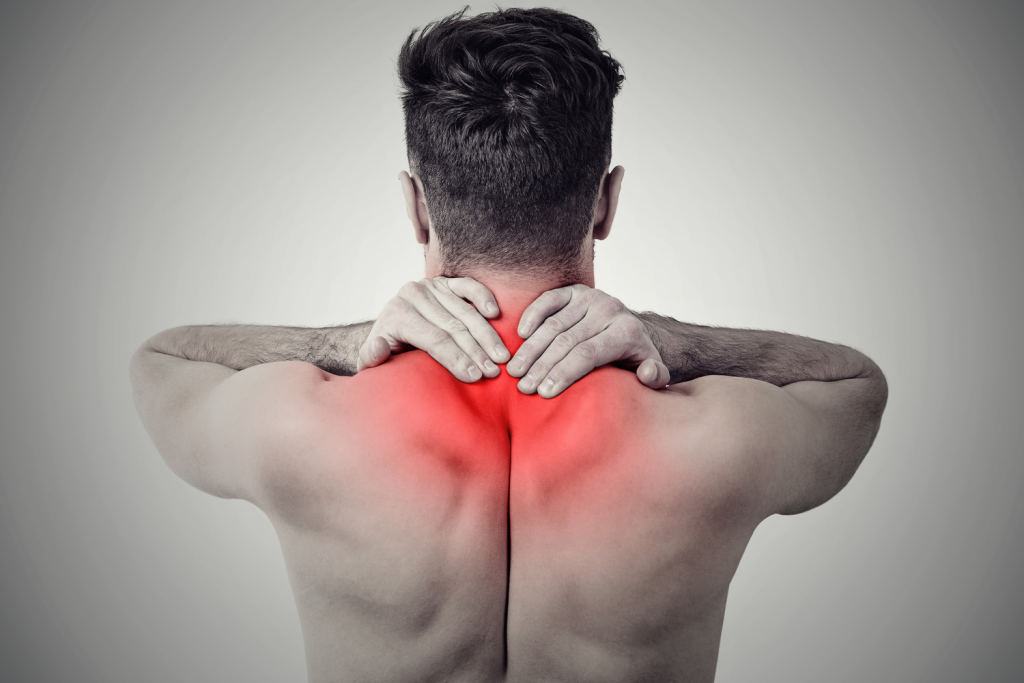
Frozen Shoulder Treatment: A Physiotherapy Approach
Carpal Tunnel Physiotherapy Dubai: Non-Surgical Treatment
Shockwave Therapy vs Physiotherapy: Which Is Better?
More in Physiotherapy
Physiotherapy Packages Dubai: Save 20%+ (2026)
Basahin Pa
Shoulder Pain Dubai: 7 Causes & When to Worry (2026)
Basahin Pa
PRP vs Cortisone Dubai: Which Injection? (2026)
Basahin Pa
PRP Injection for Joints Dubai: From AED 1,500 (2026)
Basahin PaPhysiotherapy Cost Dubai: AED 250–500/Session (2026)
Basahin PaPhysiotherapy Dubai: Types, Cost & Guide (2026)
Basahin Pa© 2026 Doctors Clinic Diagnostic Center (DCDC), Dubai Healthcare City. Originally published at https://doctorsclinicdubai.ae/blog/tennis-elbow-treatment-physiotherapy. All rights reserved. Unauthorized reproduction is prohibited.