Mga Pangunahing Punto
- PSA (Prostate-Specific Antigen) testing is available at DCDC Dubai Healthcare City from AED 150 with walk-in blood draws and same-day results — no appointment needed for routine screening
- The American Urological Association recommends baseline PSA testing at age 40 for high-risk men and shared decision-making for average-risk men starting at age 55 — early detection pushes the 5-year survival rate for localised prostate cancer above 99%
- Normal PSA ranges vary by age: 0–2.5 ng/mL (40s), 0–3.5 ng/mL (50s), 0–4.5 ng/mL (60s), 0–6.5 ng/mL (70+) — a single elevated reading does not confirm cancer and requires clinical context
- Free PSA ratio, PSA velocity, and PSA density are advanced metrics that help distinguish benign prostate enlargement (BPH) from malignancy — reducing unnecessary biopsies by up to 30%
- Multiple factors can falsely elevate PSA including recent cycling, ejaculation within 48 hours, urinary tract infections, prostatitis, and certain medications — your doctor interprets results in context
- DCDC offers comprehensive men's health panels from AED 399 that include PSA alongside cholesterol, glucose, kidney and liver function — coordinated by Dr. Hadeel Elnur as your single point of contact for any specialist referrals
- Insurance coverage for PSA testing is available through direct billing with 20+ providers including Daman, AXA, and Bupa — medically indicated screening is typically covered under preventive care benefits
Prostate cancer is one of the most common cancers affecting men worldwide, yet it remains one of the most treatable when detected early. The PSA (Prostate-Specific Antigen) blood test is the cornerstone of prostate screening — a simple blood draw that measures a protein produced by both normal and malignant prostate cells. At DCDC Dubai Healthcare City, our on-site laboratory performs PSA testing with same-day results, walk-in availability, and direct insurance billing. Whether you are approaching the recommended screening age or have been advised to monitor your PSA levels, this guide covers everything you need to know about prostate screening in Dubai.
From understanding what PSA actually measures, to interpreting your results by age, comparing international screening guidelines, knowing what can falsely elevate your levels, and deciding on next steps if your number is high — this is the most comprehensive PSA and prostate screening guide for men living in Dubai. Reviewed by Dr. Hadeel Elnur, General Practitioner at DCDC Dubai Healthcare City, who coordinates multi-specialty workups for patients requiring further investigation after PSA testing.
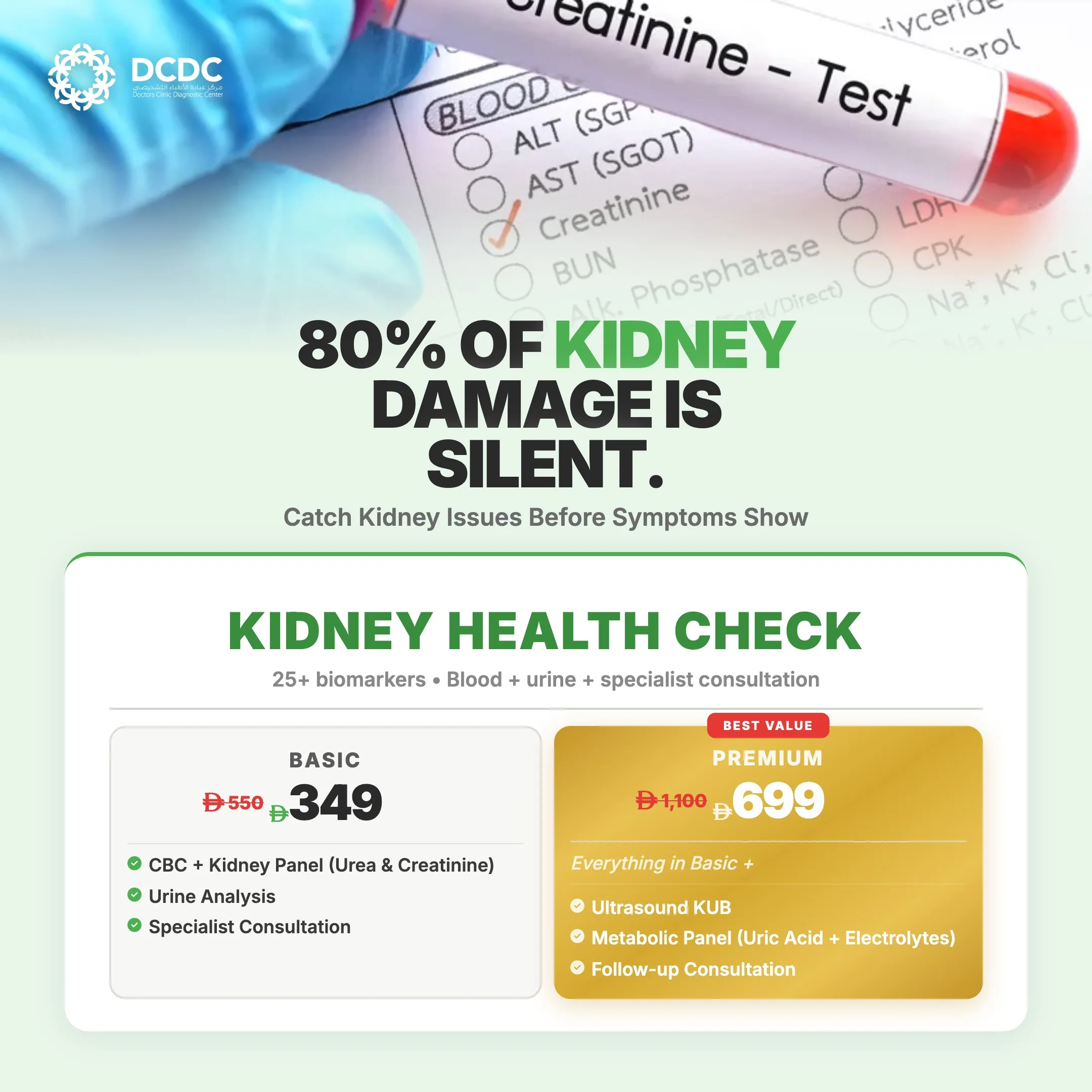
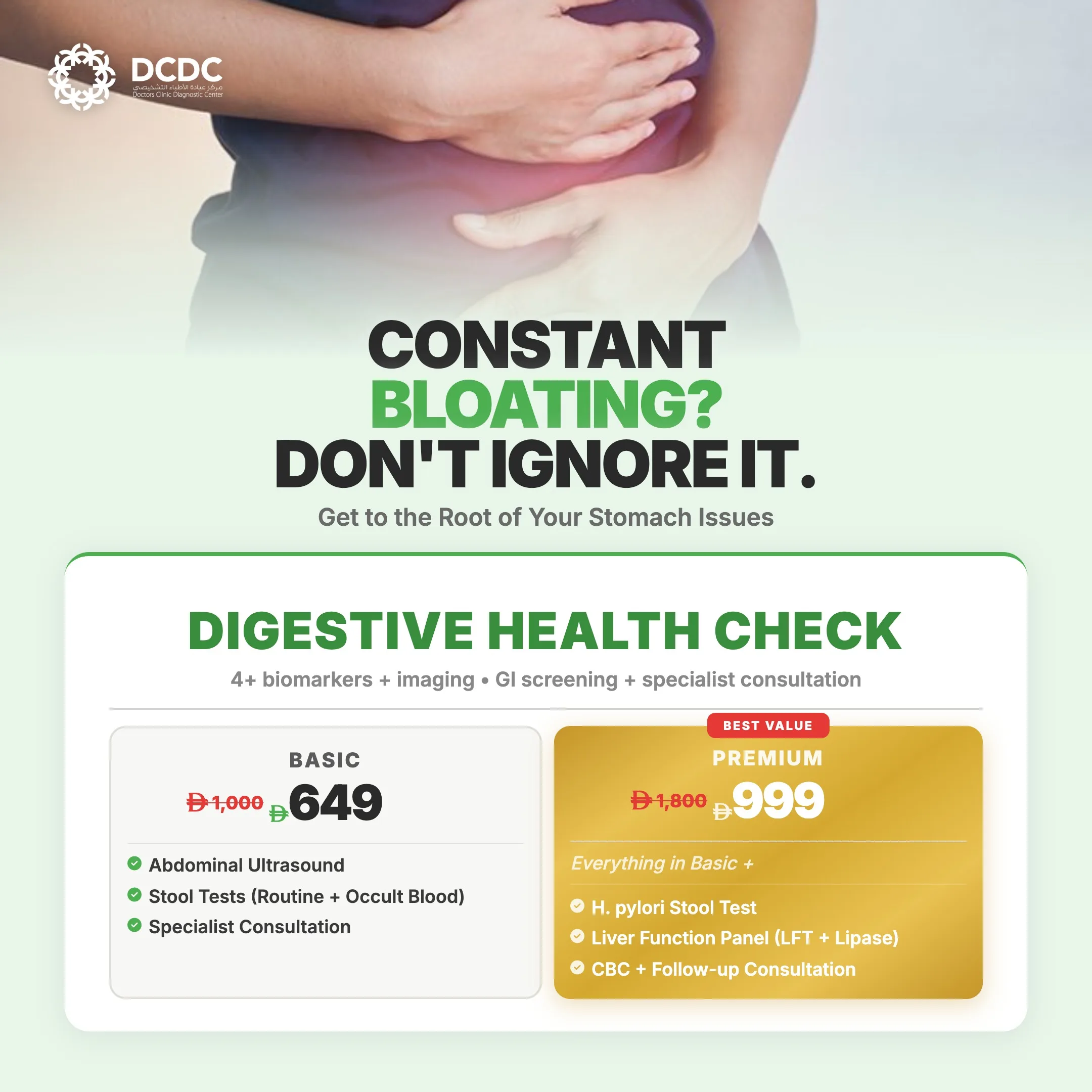
Health Screening Packages
Save with our bundled screening packages — specialist consultation included




What Is PSA and Why Does It Matter?
PSA stands for Prostate-Specific Antigen, a protein produced exclusively by cells in the prostate gland. Every man has some PSA in his bloodstream — it is a normal biological product that helps liquefy semen. The clinical significance of PSA lies in the fact that prostate cancer cells tend to produce significantly more PSA than normal cells, causing blood levels to rise.
However, PSA is prostate-specific, not cancer-specific. Elevated levels can also result from benign prostatic hyperplasia (BPH), prostatitis (prostate infection), urinary tract infections, or even recent physical activity affecting the pelvic area. This is why a single PSA reading is never diagnostic on its own — it is a screening tool that identifies men who may benefit from further evaluation.
The PSA test itself is remarkably simple: a standard venous blood draw, identical to any other blood test. No special preparation is required beyond avoiding ejaculation for 48 hours and vigorous cycling for 24 hours before the test. Results are typically available within 24 hours at facilities with in-house laboratories like DCDC in Dubai Healthcare City.
Prostate Cancer in the UAE and Middle East: The Numbers
Prostate cancer is the second most common cancer in men globally and accounts for a growing proportion of male cancer diagnoses in the Gulf region. According to GLOBOCAN data and the UAE National Cancer Registry, prostate cancer incidence in the Middle East has been rising steadily over the past two decades, partially due to increased screening but also reflecting genuine increases in disease burden.
- UAE statistics: Prostate cancer ranks among the top 5 male cancers in the UAE. Incidence has increased by approximately 3-4% annually over the past decade, consistent with global trends in ageing populations
- Late-stage diagnosis: In the Middle East, a higher proportion of prostate cancers are diagnosed at advanced stages compared to Western countries — largely because routine PSA screening is less established in the region
- Survival gap: When caught in stage I or II (localised), prostate cancer has a 5-year survival rate exceeding 99%. When diagnosed at stage IV (metastatic), this drops to approximately 30%. The difference is early detection
- Risk factors in Dubai: The expatriate population in Dubai is genetically diverse, with men of African, South Asian, and Middle Eastern descent each carrying different baseline risk profiles that influence when screening should begin
- Preventable deaths: The European Association of Urology estimates that systematic PSA-based screening reduces prostate cancer mortality by 20-25% over 13 years of follow-up
PSA Normal Ranges by Age
One of the most common questions men ask is: what is a normal PSA level? The answer depends primarily on age, because the prostate naturally enlarges as men get older, producing more PSA even in the absence of cancer. The following age-specific reference ranges are widely accepted by urological associations worldwide:
| Age Group | Normal PSA Range (ng/mL) | Upper Limit of Normal | Clinical Notes |
|---|---|---|---|
| 40–49 years | 0 – 2.5 | 2.5 ng/mL | Baseline value; rapid rise from this level warrants closer monitoring |
| 50–59 years | 0 – 3.5 | 3.5 ng/mL | Most screening guidelines recommend active testing in this decade |
| 60–69 years | 0 – 4.5 | 4.5 ng/mL | BPH becomes increasingly common; interpret with prostate size |
| 70–79 years | 0 – 6.5 | 6.5 ng/mL | Shared decision-making; consider life expectancy in screening decisions |
Age-adjusted PSA reference ranges. Values above the upper limit require clinical correlation, not automatic biopsy.
It is critical to understand that these ranges are guidelines, not absolute thresholds. A man in his 40s with a PSA of 2.0 ng/mL who was previously at 0.5 ng/mL has experienced a fourfold increase that warrants investigation, even though 2.0 is technically within the "normal" range. This concept — called PSA velocity — is often more clinically meaningful than any single measurement.
According to Dr. Hadeel Elnur, "I always tell my patients that a PSA number is just the starting point of a conversation. Context matters enormously — your age, family history, prostate size, previous PSA values, and any recent factors that could have temporarily elevated the reading. At DCDC, I review every PSA result personally and coordinate the appropriate next steps, whether that is reassurance, repeat testing, or referral to a urologist."
When to Start PSA Screening: Guidelines Compared
International guidelines on when to begin PSA screening have evolved significantly over the past decade. The shift has moved away from blanket population screening toward shared decision-making — where a doctor and patient discuss the benefits and risks of testing based on individual risk factors. Here is how the major guidelines compare:
| Organisation | When to Start | Screening Frequency | Key Recommendation |
|---|---|---|---|
| American Urological Association (AUA) | Age 55–69 (shared decision); Age 40 for high-risk | Every 2 years if PSA < 2.5; annual if elevated | Do not screen men under 40; shared decision-making 55-69 |
| European Association of Urology (EAU) | Age 50 (average risk); Age 40-45 (high risk) | Risk-adapted intervals based on baseline PSA | Baseline PSA at 40-45 to guide future screening intensity |
| US Preventive Services Task Force (USPSTF) | Age 55–69 (shared decision) | Individual decision based on values/preferences | Grade C: offer informed decision-making; do not screen 70+ |
| National Comprehensive Cancer Network (NCCN) | Age 45 (average risk); Age 40 (high risk) | Every 1-2 years based on risk and baseline PSA | More aggressive than AUA/USPSTF; emphasises early baseline |
International PSA screening guidelines comparison (2024-2026 updates). High risk = family history, African descent, BRCA2 carriers.
The key takeaway across all guidelines is that high-risk men should begin screening earlier. High-risk categories include:
- Family history: Father or brother diagnosed with prostate cancer, especially before age 65
- African descent: Men of African ancestry have approximately 1.7x higher prostate cancer incidence and tend to develop more aggressive forms
- BRCA2 mutation carriers: 2-5x elevated lifetime risk; screening recommended from age 40
- Lynch syndrome: Hereditary cancer predisposition syndrome that also increases prostate cancer risk
In Dubai's highly diverse expatriate population, discussing your specific ethnic background and family history with your doctor is particularly important. Dr. Hadeel Elnur at DCDC takes a personalised approach to screening recommendations, considering each patient's unique risk profile before recommending a testing schedule.
Free PSA vs Total PSA: Understanding the Ratio
When your total PSA falls in the diagnostic grey zone (4–10 ng/mL), your doctor may order a free PSA test to improve diagnostic accuracy. Understanding the difference between these two measurements is essential for informed decision-making.
Total PSA measures all PSA in the blood — both the portion bound to proteins and the portion circulating freely. Free PSA measures only the unbound fraction. The clinical significance lies in the ratio:
- Free PSA ratio > 25%: Strongly suggests benign prostatic hyperplasia (BPH). Biopsy is generally not recommended unless other risk factors are present
- Free PSA ratio 10–25%: Intermediate risk zone. Clinical judgment, imaging, and additional markers guide the decision
- Free PSA ratio < 10%: Higher probability of prostate cancer. Urology referral and further investigation (MRI, biopsy) are typically recommended
The free PSA ratio effectively reduces unnecessary biopsies by approximately 20-30% in men with borderline total PSA values. At DCDC, both total and free PSA are available through our on-site laboratory, with results typically available within 24 hours.
PSA Velocity and Doubling Time
Beyond a single PSA measurement, how quickly your PSA changes over time is often more clinically significant than the absolute number. Two key metrics track this:
PSA Velocity (PSAV)
PSA velocity measures the rate of PSA change per year, calculated from at least three measurements over 18-24 months. A PSA velocity greater than 0.75 ng/mL per year is associated with increased cancer risk, even if the absolute PSA remains within normal limits. For example, a man whose PSA rises from 1.2 to 2.8 ng/mL over two years (velocity = 0.8 ng/mL/year) warrants further evaluation, despite being technically "normal" throughout.
PSA Doubling Time (PSADT)
PSA doubling time calculates how long it takes for PSA to double in value. This metric is particularly important for men already diagnosed with prostate cancer or those on active surveillance. A PSADT of less than 3 years is considered rapid and may indicate aggressive disease, while a PSADT exceeding 10 years suggests slow-growing cancer that may not require immediate intervention.
This is why establishing a baseline PSA value in your 40s is so valuable — it provides the reference point against which all future measurements are compared. Without a baseline, your doctor cannot calculate velocity or identify concerning trends.
Factors That Can Falsely Elevate PSA
One of the most important things to understand about PSA testing is that many non-cancerous conditions and activities can temporarily raise your PSA level. Being aware of these factors helps you prepare properly for testing and helps your doctor interpret results accurately:
| Factor | Effect on PSA | Recovery Time | Recommendation |
|---|---|---|---|
| Ejaculation | Can increase PSA by 0.5–1.0 ng/mL | 48–72 hours | Abstain for 48 hours before testing |
| Vigorous cycling | Perineal pressure elevates PSA | 24–48 hours | Avoid cycling 24 hours before test |
| Urinary tract infection (UTI) | Significant elevation possible | 4–6 weeks after treatment | Retest after infection is fully resolved |
| Prostatitis (prostate infection) | Can elevate PSA 5–10x normal | 6–8 weeks after treatment | Treat infection first, then retest |
| Digital rectal exam (DRE) | Minimal effect (0.2–0.4 ng/mL) | 24–48 hours | Blood draw before DRE is preferred but not mandatory |
| Benign prostatic hyperplasia (BPH) | Proportional to prostate size | Persistent (not temporary) | Use PSA density (PSA ÷ prostate volume) to adjust |
| 5-alpha reductase inhibitors (finasteride, dutasteride) | Reduces PSA by approximately 50% | Ongoing while taking medication | Double the measured PSA value for true interpretation |
| Urinary catheterisation | Mild to moderate elevation | 48 hours | Delay testing 48 hours after catheter removal |
Factors that can affect PSA levels. Always inform your doctor about recent activities, infections, and medications before testing.
At DCDC, our clinical team reviews your medical history and recent activities before interpreting PSA results. If your level is elevated and a confounding factor is identified, we typically recommend retesting in 6-8 weeks rather than proceeding immediately to invasive investigations.
PSA Test Cost in Dubai: What to Expect
PSA testing in Dubai is widely available and competitively priced. Here is a breakdown of costs for prostate-related screening at DCDC Dubai Healthcare City:
| Test / Package | What's Included | Cost (AED) | Turnaround |
|---|---|---|---|
| PSA Test (Total) | Total PSA blood level | From 150 | Same day / 24 hours |
| Free PSA + Total PSA | Both free and total PSA with ratio calculation | From 250 | 24 hours |
| Men's Health Panel | PSA + CBC + lipids + glucose + HbA1c + liver + kidney + testosterone | From 399 | 24 hours |
| Comprehensive Prostate Panel | Total PSA + free PSA + testosterone + full metabolic panel + urinalysis | From 599 | 24 hours |
| GP Consultation (PSA Review) | Results interpretation + clinical examination + referral if needed | From 200 | Same day |
| Executive Men's Health Package | All above + ECG + cardiac markers + vitamin D + B12 + thyroid | From 1,200 | 24–48 hours |
PSA and prostate screening costs at DCDC Dubai Healthcare City (2026). Prices are indicative; insurance-covered patients may have different co-pay structures.
All pricing at DCDC follows MOHAP-regulated fee schedules. Direct billing is available with 20+ insurance providers including Daman, AXA, Bupa, Oman Insurance, MetLife, and Cigna. For self-pay patients, competitive cash rates apply with no hidden charges. PSA testing is typically covered under preventive care benefits when ordered as part of an age-appropriate screening.
Book Your PSA Test at DCDC Dubai
Walk-in PSA testing available Saturday–Thursday 8 AM–10 PM, Friday 9 AM–9 PM. On-site laboratory with same-day results. Direct insurance billing with 20+ providers. Located at Building 64, Block A, Al Razi Medical Complex, Dubai Healthcare City. Free parking available.
What to Expect at DCDC: Your PSA Test Journey
Getting a PSA test at DCDC is straightforward and designed for convenience. Here is the complete patient journey from arrival to results:
Step 1: Arrival and Registration (5 minutes)
Walk into DCDC at Building 64, Block A, Al Razi Medical Complex, Dubai Healthcare City. Free parking is available on-site. No appointment is needed for PSA blood draws — simply present your Emirates ID or passport at reception. Our average wait time is 15 minutes. If you have insurance, bring your card for direct billing processing.
Step 2: Blood Collection (5–10 minutes)
A trained phlebotomist performs a standard venous blood draw from your arm — the same simple procedure as any blood test. The PSA test requires only a small blood sample (one tube). No fasting is required, though we advise avoiding ejaculation for 48 hours and vigorous cycling for 24 hours before your visit for optimal accuracy.
Step 3: Laboratory Processing
Your sample goes directly to our on-site MOHAP-licensed laboratory (License: NIMY7VY5-240925). Because we process in-house rather than sending to an external facility, results are available significantly faster. PSA results are typically ready within the same day for morning draws, or within 24 hours for afternoon specimens.
Step 4: Results Delivery and Interpretation
Results are delivered through our digital patient portal and can also be sent via email or SMS notification. If your PSA is within normal range for your age, you will receive a clear report with no action needed beyond routine follow-up. If your result requires discussion, our team contacts you to schedule a consultation with Dr. Hadeel Elnur for interpretation and next steps.
Step 5: Follow-Up (If Needed)
If your PSA is elevated or requires further investigation, Dr. Hadeel Elnur coordinates the entire pathway — from repeat testing and free PSA ratio calculation to urology referral, MRI scheduling, and specialist consultation. As your general practitioner, she serves as your single point of contact, eliminating the confusion of navigating multiple specialists independently.
What Happens If Your PSA Is Elevated?
Receiving news of an elevated PSA can be anxiety-inducing, but it is important to understand that an elevated PSA does not mean you have cancer. In fact, approximately 75% of men with a PSA between 4–10 ng/mL do NOT have prostate cancer on biopsy. Here is the typical pathway following an elevated result:
- Repeat PSA in 6-8 weeks: The first step is almost always confirmation. Transient elevations due to infection, recent activity, or laboratory variation are common. A single elevated reading does not trigger invasive procedures
- Free PSA ratio: If the repeat confirms elevation, free PSA is measured. A high free-to-total ratio (>25%) strongly suggests BPH rather than malignancy
- Digital rectal exam (DRE): A brief physical examination of the prostate through the rectum assesses for nodules, asymmetry, or firmness that might suggest cancer. This is combined with PSA, not a replacement for it
- Multiparametric MRI (mpMRI): Modern guidelines increasingly recommend MRI before biopsy. This non-invasive imaging identifies suspicious areas and can rule out significant cancer in up to 30% of cases, avoiding biopsy entirely
- Targeted biopsy (if indicated): If MRI shows a PI-RADS 4 or 5 lesion, a targeted biopsy guided by MRI fusion provides the definitive diagnosis. This is performed by a urologist, not a GP
- Active surveillance: For low-risk prostate cancers (Gleason 6), active surveillance with regular PSA monitoring and periodic MRI is increasingly the recommended approach, avoiding overtreatment of indolent cancers
Dr. Hadeel Elnur explains the DCDC approach: "When a patient's PSA comes back elevated, I schedule a face-to-face consultation to discuss what it means in their specific context. We review their complete history, identify any factors that might explain the elevation, and create a clear plan. If referral to a urologist is appropriate, I coordinate the appointment, share the clinical summary, and remain involved throughout. No patient should feel lost between specialists."
Digital Rectal Exam (DRE): Still Relevant?
The digital rectal exam has been a component of prostate screening for decades, but its role has evolved significantly. During a DRE, a doctor inserts a gloved, lubricated finger into the rectum to feel the posterior surface of the prostate, checking for nodules, asymmetry, firmness, or enlargement.
Current evidence suggests that DRE alone has limited sensitivity — it can only detect tumours on the posterior surface and misses many significant cancers. However, when combined with PSA testing, DRE provides additional diagnostic value. A suspicious DRE finding in a man with a borderline PSA strengthens the case for further investigation. Most current guidelines recommend DRE as a complement to PSA rather than a standalone screening tool.
At DCDC, DRE is performed when clinically indicated — typically during a consultation following an elevated PSA result — and is always conducted with full patient consent and explanation. The examination takes less than 30 seconds and, while briefly uncomfortable, should not be painful.
Insurance Coverage for PSA Testing in Dubai
Understanding your insurance coverage for prostate screening in Dubai can save you time and money. Here is what most plans cover:
- DHA Essential Benefits Plan: Covers medically necessary PSA testing when ordered by a physician based on clinical indication (age, symptoms, or family history)
- Enhanced/Premium plans (Daman, AXA, Bupa): Typically include annual PSA screening for men over 50 (or 45 with risk factors) as part of preventive health benefits
- Corporate wellness plans: Many employer-sponsored plans include annual men's health panels that incorporate PSA testing as standard
- Self-pay option: For patients without coverage or those wanting screening outside their plan's age criteria, DCDC offers competitive self-pay rates from AED 150 for PSA alone
DCDC maintains direct billing agreements with 20+ insurance providers in Dubai, including Daman (NAS), AXA, Bupa Global, Oman Insurance, MetLife, Cigna, and many others. Our front desk team verifies coverage and pre-authorisation before your test, so there are no surprise bills. The average co-pay for a PSA test under most enhanced plans is AED 0-50.
Reducing Your Prostate Cancer Risk: Evidence-Based Strategies
While no lifestyle change guarantees prevention, research identifies several factors that may reduce prostate cancer risk or slow its progression:
- Mediterranean diet: High intake of tomatoes (lycopene), cruciferous vegetables, fatty fish (omega-3), and olive oil is associated with lower prostate cancer incidence in epidemiological studies
- Regular physical activity: Men who exercise vigorously for 3+ hours per week have approximately 60% lower risk of aggressive prostate cancer compared to sedentary men
- Healthy weight maintenance: Obesity (BMI > 30) is associated with higher-grade prostate cancers and worse outcomes. Even modest weight reduction may be beneficial
- Limit red and processed meat: High consumption of charred or processed meats is associated with elevated risk in multiple cohort studies
- Regular screening: While not prevention per se, regular PSA monitoring catches cancer at its earliest, most treatable stage — effectively preventing advanced disease and prostate cancer deaths
- Vitamin D optimisation: Several studies suggest that vitamin D deficiency (extremely common in Dubai) may be associated with higher prostate cancer risk. Regular testing and supplementation are advisable
These lifestyle factors are especially relevant for men living in Dubai, where extreme heat limits outdoor exercise for much of the year, high-calorie dining is culturally prevalent, and vitamin D deficiency affects an estimated 50-90% of the population despite abundant sunshine.
Why Choose DCDC for Prostate Screening in Dubai?
Doctors Clinic Diagnostic Center (DCDC) in Dubai Healthcare City offers specific advantages for men seeking prostate screening:
- On-site MOHAP-licensed laboratory: Blood collection, PSA testing, and full metabolic panels processed in-house — no external lab delays. Most results within 24 hours
- Walk-in availability: No appointment needed for PSA blood draws. Open Saturday–Thursday 8 AM–10 PM, Friday 9 AM–9 PM
- 4.8/5 Google rating from 1,000+ verified patient reviews with 98% patient satisfaction score
- Free parking and 15-minute average wait: Efficient patient flow means minimal time commitment for a potentially life-saving test
- Dr. Hadeel Elnur as coordinator: Your general practitioner serves as the single point of contact, coordinating multi-specialty workups if PSA results require further investigation
- Direct billing with 20+ insurers: Daman, AXA, Bupa, Oman Insurance, MetLife, Cigna, and more — verified before your blood draw
- Digital patient portal: Access results online, track PSA trends over time, and receive secure notifications when results are ready
- Competitive pricing: PSA test from AED 150, comprehensive men's health panels from AED 399, with transparent pricing and no hidden fees
Located in Building 64, Block A, Al Razi Medical Complex, Dubai Healthcare City — one of the region's premier medical free zones — DCDC is positioned within a healthcare ecosystem that includes specialist urologists, oncologists, and imaging centres for seamless referral when needed.
Take the First Step: Walk-In PSA Screening Today
A 5-minute blood draw could save your life. DCDC Dubai Healthcare City offers walk-in PSA testing with same-day results, direct insurance billing, and immediate GP consultation if your results need attention. WhatsApp us or walk in — no appointment required.
PSA Screening: Myths vs Facts
Misinformation about PSA testing leads many men to avoid screening entirely. Let us address the most common myths:
- Myth: "PSA testing causes overdiagnosis and overtreatment." Fact: While overdiagnosis was a legitimate concern with older screening protocols, modern risk-stratified approaches using PSA velocity, free PSA ratio, and MRI before biopsy have dramatically reduced unnecessary treatment. Active surveillance for low-risk cancers means most indolent cancers are monitored rather than treated
- Myth: "If I feel fine, I don't need screening." Fact: Early-stage prostate cancer produces NO symptoms. By the time urinary symptoms appear, the cancer may have already spread beyond the prostate. The entire purpose of screening is to detect cancer before symptoms develop
- Myth: "PSA testing is unreliable." Fact: No single blood test is perfect, but PSA combined with clinical context, trending over time, and modern refinements (free PSA, PSA density, PHI) is a highly effective screening tool that has saved millions of lives since its introduction
- Myth: "Only old men get prostate cancer." Fact: While incidence increases with age, aggressive prostate cancers can develop in men in their 40s and 50s — particularly those with family history or genetic predisposition. Baseline testing at 40-45 identifies men who need closer monitoring
- Myth: "A high PSA means I have cancer." Fact: Approximately 75% of men with PSA between 4-10 ng/mL do NOT have prostate cancer. BPH, prostatitis, and other benign conditions are far more common causes of elevation
Integrating PSA Into Your Annual Health Checkup
The most efficient approach to prostate screening is incorporating it into your regular annual health assessment. Rather than making a separate trip for PSA alone, combining it with other age-appropriate tests maximises value and minimises visits:
For men aged 40-49, we recommend adding PSA to your standard annual panel if you have risk factors. For men 50 and above, PSA should be a standard component of every annual checkup alongside cardiovascular, metabolic, and cancer markers. At DCDC, our men's health panel from AED 399 bundles PSA with all essential screening tests in a single blood draw.
Dr. Hadeel Elnur takes a holistic approach: "When a man comes in for his annual checkup, I don't just check PSA in isolation. I assess cardiovascular risk, metabolic health, hormonal balance, and cancer markers together. This comprehensive picture lets me identify interconnected risks — for example, low testosterone can coexist with metabolic syndrome and elevated PSA, and all three need to be addressed together rather than in separate specialist silos."
For a complete breakdown of all tests recommended by age group, including cardiovascular screening, diabetes markers, and vitamin panels, refer to our Annual Health Checkup Dubai Guide.
Kaugnay na Serbisyo sa DCDC
Dalubhasang pangangalaga at advanced diagnostics sa Dubai Healthcare City
Frequently Asked Questions
Final Thoughts
Prostate cancer screening through PSA testing is one of the simplest and most impactful health decisions a man can make. A routine blood draw costing from AED 150 — taking less than 5 minutes — can detect a potentially life-threatening cancer years before it causes symptoms, when treatment is simplest and cure rates exceed 99%. The key is starting at the right age, establishing a baseline, and monitoring trends over time rather than reacting to a single number.
At DCDC Dubai Healthcare City, we have removed every barrier to prostate screening: walk-in availability, on-site laboratory processing for same-day results, direct insurance billing with 20+ providers, and Dr. Hadeel Elnur as your coordinator who personally reviews every result and manages the complete pathway if further investigation is needed. Whether you are a man in your 40s establishing a baseline or in your 60s maintaining regular surveillance, your PSA test is available today — no appointment, no fasting, no excuse to delay.
Mga Sanggunian at Reperensya
Ang artikulong ito ay sinuri ng aming medikal na team at tumutukoy sa mga sumusunod na sanggunian:
- American Urological Association — Early Detection of Prostate Cancer Guidelines (2023)
- European Association of Urology — Prostate Cancer Guidelines (2024)
- US Preventive Services Task Force — Screening for Prostate Cancer (2018, reaffirmed 2023)
- Mayo Clinic — PSA Test: Overview, Preparation, and Results
- World Health Organization — GLOBOCAN Cancer Statistics: Prostate Cancer Fact Sheet
- National Comprehensive Cancer Network (NCCN) — Prostate Cancer Early Detection Guidelines (2024)
Ang medikal na nilalaman sa site na ito ay sinusuri ng mga DHA-licensed na manggagamot. Tingnan ang aming patakarang editorial para sa higit pang impormasyon.

Isinulat ni
Dr. Hadeel Elnur
General Practitioner
MD, General Practice
Dr. Hadeel Elnur is a General Practitioner at Doctors Clinic Diagnostic Center (DCDC) in Dubai Healthcare City.
Related Articles
Men's Health Screening Dubai: Tests by Age
Cancer Screening Dubai: Tests & Cost by Age
Blood Test Dubai: Types, Cost & Fasting Guide
Blood Tests for Cancer: Tumor Markers Explained

Annual Health Checkup: Tests You Need by Age
Higit pa sa Preventive Health

Flu Vaccine Cost Dubai: Guide & Prices (2026)
Basahin Pa
HPV Vaccine Dubai: Gardasil 9 Cost & Guide (2026)
Basahin Pa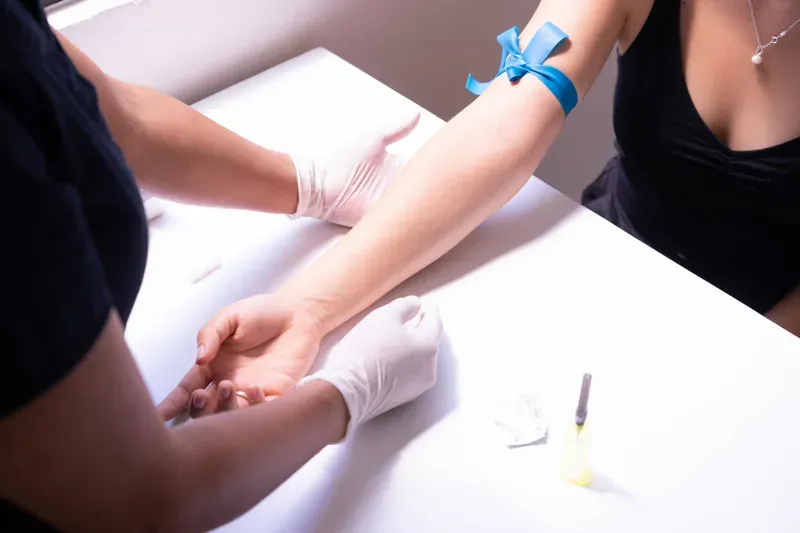
Hepatitis B Test Dubai: Screening Guide (2026)
Basahin PaFull Body Checkup Cost Dubai: From AED 249 (2026)
Basahin PaPremarital Screening Dubai: Tests & Cost (2026)
Basahin PaMen's Health Screening Dubai: Tests by Age (2026)
Basahin Pa© 2026 Doctors Clinic Diagnostic Center (DCDC), Dubai Healthcare City. Originally published at https://doctorsclinicdubai.ae/blog/psa-prostate-screening-dubai. All rights reserved. Unauthorized reproduction is prohibited.