Mga Pangunahing Punto
- Not every ACL tear requires surgery: partial tears and lower-demand patients can recover with rehabilitation alone
- Full ACL reconstruction recovery takes 9-12 months, not the 6 months many patients expect
- The rehabilitation programme has 5 distinct phases, each with specific milestones that must be met before progressing
- Return-to-sport testing should include strength, hop tests, and psychological readiness, not just time since surgery
- Athletes who pass all return-to-sport criteria have a 75% lower re-injury rate than those cleared by time alone
- ACL re-injury rates are highest in the first 2 years after return to sport, making ongoing prevention work essential
- Early physiotherapy after injury or surgery (within 1-2 weeks) leads to better long-term outcomes
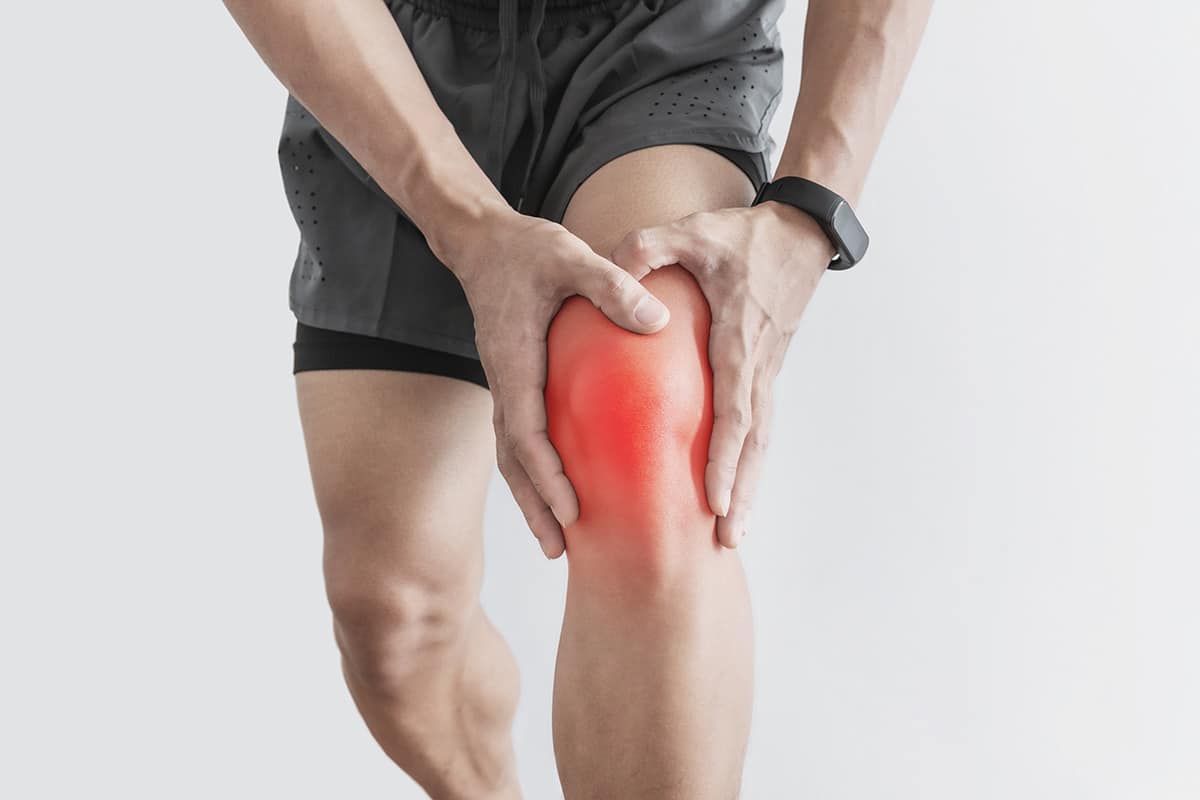
The moment you feel your knee pop and give way on the football pitch or padel court, your mind races to the worst-case scenario. ACL tears are among the most feared sports injuries, and for good reason: they involve a long rehabilitation and a genuinely challenging road back to sport. But the outcomes for ACL rehabilitation have improved dramatically over the past decade. Our Sports Rehabilitation service at DCDC offers same-day appointments in Dubai Healthcare City.
This guide walks you through everything you need to know about ACL injury recovery, from understanding the anatomy to making the surgery decision, navigating each phase of rehabilitation, meeting return-to-sport criteria, and preventing re-injury. It is based on current evidence and the protocols we use at DCDC for our patients in Dubai.
What Is the ACL and How Does It Get Injured?
The anterior cruciate ligament (ACL) is one of four major ligaments in the knee. It runs diagonally through the centre of the joint, connecting the thighbone (femur) to the shinbone (tibia). Its primary job is preventing the tibia from sliding forward and providing rotational stability during cutting, pivoting, and landing movements.
ACL injuries typically occur through non-contact mechanisms: sudden deceleration, pivoting on a planted foot, landing from a jump with poor knee alignment, or hyperextension. Contact injuries from tackles or collisions account for roughly 30% of ACL tears. Women are 2-8 times more likely to sustain ACL injuries than men in the same sports, likely due to differences in neuromuscular control, hormonal factors, and anatomical alignment.
Should You Choose Surgery or Conservative Treatment?
The surgery-versus-rehabilitation decision is one of the most important choices after an ACL tear. It is not a one-size-fits-all answer. Both approaches have evidence supporting them, and the right choice depends on several individual factors. Our orthopedic specialists help patients weigh these factors during consultation.
| Factor | Favours Surgery | Favours Conservative |
|---|---|---|
| Tear type | Complete tear | Partial tear (< 50%) |
| Activity level | Pivoting sports (football, padel, basketball) | Linear activities (running, cycling, swimming) |
| Age | Under 40 and active | Over 40 with moderate activity demands |
| Associated injuries | Meniscus tear, other ligament damage | Isolated ACL with stable knee |
| Knee instability | Gives way during daily activities | Stable with rehabilitation |
| Occupation | Physically demanding job | Sedentary or desk-based |
| Patient goals | Return to competitive sport | General fitness and daily activities |
Decision factors for surgical vs conservative ACL treatment
Important context: a landmark randomised controlled trial (the KANON study) published in the New England Journal of Medicine found that at 5-year follow-up, there was no significant difference in knee function between patients who had early ACL reconstruction and those who had structured rehabilitation with optional delayed surgery. About 40% of the rehabilitation group eventually chose surgery, while 60% managed successfully without it.
What Does the 12-Month ACL Rehabilitation Timeline Look Like?
ACL rehabilitation follows a criterion-based progression, meaning you advance to the next phase when you meet specific benchmarks rather than simply waiting for time to pass. The following timeline represents typical progression for post-surgical ACL reconstruction. Conservative rehabilitation follows a similar structure but often progresses faster in the early phases. For related information, see our guide on Post-Surgery Physiotherapy: Recovery Roadmap.
| Phase | Timeframe | Goals | Key Activities | Milestones to Progress |
|---|---|---|---|---|
| Phase 1: Protection | Weeks 0-2 | Reduce swelling, protect graft, restore quad activation | Ice, compression, gentle ROM, quad sets, straight leg raises | Minimal swelling, full extension, quad contraction without lag |
| Phase 2: Early Rehab | Weeks 2-6 | Restore full ROM, normalise walking, rebuild basic strength | Stationary bike, mini squats, step-ups, balance exercises | Full ROM (0-120°), normal walking pattern without crutches |
| Phase 3: Strengthening | Weeks 6-12 | Build quadriceps and hamstring strength, improve proprioception | Progressive squats, leg press, hamstring curls, single-leg balance | Quad strength > 60% of uninjured side, single-leg balance > 30s |
| Phase 4: Advanced Strength & Power | Months 3-6 | Restore power, begin running, sport-specific conditioning | Running programme, plyometrics, agility ladders, change of direction | Quad strength > 80%, pain-free running, single-leg hop > 75% symmetry |
| Phase 5: Return to Sport | Months 6-12 | Full sport-specific training, pass return-to-sport tests | Sport-specific drills, match simulation, progressive competition exposure | Passes all RTS criteria (see below), psychologically ready |
12-month ACL rehabilitation timeline with criterion-based progression milestones
Our post-surgical rehabilitation team at DCDC follows this evidence-based framework while adapting it to each patient's individual healing rate and goals. The timeline can vary by several weeks in either direction depending on graft type, associated injuries, and individual factors.
What Are the Return-to-Sport Testing Criteria?
Return-to-sport testing is a battery of objective tests that determines whether your knee is ready for the demands of competitive sport. Research consistently shows that athletes who pass comprehensive testing have significantly lower re-injury rates. Passing these tests typically requires 9-12 months of rehabilitation, not the 6 months many patients hope for.
- Quadriceps strength: Limb symmetry index > 90% (injured vs uninjured leg)
- Hamstring strength: Limb symmetry index > 90%
- Single-leg hop for distance: > 90% limb symmetry
- Triple hop for distance: > 90% limb symmetry
- Crossover hop for distance: > 90% limb symmetry
- 6-metre timed hop: > 90% limb symmetry
- Y-balance test: Composite score within normal limits
- ACL-RSI score: Psychological readiness scale > 56/100
- No pain or swelling: With maximum-effort activities
A 2018 systematic review in the British Journal of Sports Medicine found that for every 1% increase in quadriceps strength symmetry at the time of return to sport, re-injury risk decreased by 3%. Athletes who achieved > 90% symmetry on all hop tests had a 4-fold lower re-injury rate.
Recovering from an ACL Injury?
Whether you need pre-surgical rehabilitation, post-operative care, or a second opinion on your treatment plan, our sports rehabilitation team at DCDC Dubai Healthcare City provides structured, evidence-based ACL recovery programmes.
How Can You Prevent ACL Re-Injury?
ACL re-injury rates remain concerning despite advances in surgical technique and rehabilitation. Approximately 6-25% of athletes who return to sport after ACL reconstruction sustain a second ACL injury (either the same knee or the opposite knee) within 2 years. Prevention strategies are therefore not optional, they are essential.
- Neuromuscular training: Continue landing mechanics drills, single-leg stability work, and perturbation training at least 2-3 times per week after return to sport
- Hamstring strengthening: Maintain hamstring-to-quadriceps strength ratio above 60%. Nordic hamstring exercises are particularly effective
- Landing mechanics: Focus on soft landings with knee-over-toe alignment, avoiding valgus (knock-knee) position during cutting and landing
- Graduated return: Increase sport exposure gradually. Start with training only, then limited game time, then full participation over 4-6 weeks
- Fatigue management: ACL injury risk increases significantly in the last 15 minutes of matches. Improve conditioning and manage playing time accordingly
- Ongoing screening: Annual functional testing to identify emerging strength deficits before they become re-injury risk factors
What Role Does MRI Play in ACL Injury Diagnosis?
MRI is the gold standard imaging tool for ACL injury diagnosis. It provides detailed visualisation of all the soft tissue structures in the knee, including the ACL, PCL, menisci, collateral ligaments, and articular cartilage. MRI accuracy for ACL tears exceeds 95%, and it is essential for identifying associated injuries that influence treatment decisions. You may also find our Football Injuries: Recovery & Physio Dubai helpful.
- Confirms whether the ACL tear is partial or complete
- Identifies meniscus tears that may need surgical repair at the same time as ACL reconstruction
- Detects bone bruising patterns that indicate injury mechanism and recovery timeline
- Assesses cartilage damage that may affect long-term prognosis
- Rules out other injuries (PCL, collateral ligaments) that present with similar symptoms
At DCDC, we have on-site MRI available with rapid reporting, which means you can often get your scan and results on the same day as your orthopedic consultation. This eliminates the delays that commonly frustrate patients seeking a clear diagnosis.
Need an ACL Assessment?
Get a comprehensive knee assessment with on-site MRI imaging and expert orthopedic consultation at DCDC Dubai Healthcare City. Same-week appointments available.
Kaugnay na Serbisyo sa DCDC
Dalubhasang pangangalaga at advanced diagnostics sa Dubai Healthcare City
Sports Rehabilitation
Structured ACL rehabilitation and return-to-sport programmes
Mag-book ng AppointmentPost-Surgical Rehabilitation
Expert rehabilitation following ACL reconstruction surgery
Mag-book ng AppointmentMRI Scan
Definitive imaging for ACL tear diagnosis and grading
Mag-book ng AppointmentOrthopedic Consultation
Specialist assessment for ACL injuries and surgical decision-making
Mag-book ng AppointmentFrequently Asked Questions
The Road Back: Making Your ACL Recovery Count
ACL rehabilitation is a marathon, not a sprint. The patients who achieve the best outcomes are those who commit to the full rehabilitation timeline, resist the urge to rush back, and invest in meeting objective return-to-sport criteria. Cutting corners at month 6 to play a match is not worth the risk of starting the entire process over.
Whether you choose surgery or conservative management, the quality of your rehabilitation programme is the single biggest factor in your outcome. Work with a physiotherapy team experienced in ACL rehabilitation, track your progress against objective milestones, and trust the process. Your knee will thank you.
Mga Sanggunian at Reperensya
Ang artikulong ito ay sinuri ng aming medikal na team at tumutukoy sa mga sumusunod na sanggunian:
- New England Journal of Medicine - KANON Trial: ACL surgery vs rehabilitation
- British Journal of Sports Medicine - Quadriceps strength and re-injury risk after ACLR
- American Journal of Sports Medicine - Return-to-sport criteria and outcomes
- Knee Surgery, Sports Traumatology, Arthroscopy - Graft maturation timeline
- Dubai Health Authority - Surgical rehabilitation standards
- FIFA Medical Network - ACL injury prevention programmes
Ang medikal na nilalaman sa site na ito ay sinusuri ng mga DHA-licensed na manggagamot. Tingnan ang aming patakarang editorial para sa higit pang impormasyon.
Isinulat ni
Dr. Hadi Komshi
Specialist Internal Medicine
MD, DHA-Licensed
Dr. Hadi Komshi is a DHA-licensed Internal Medicine Specialist at Doctors Clinic Diagnostic Center in Dubai Healthcare City, with extensive experience in managing acute and chronic medical conditions including musculoskeletal pain and rehabilitation.
Related Articles
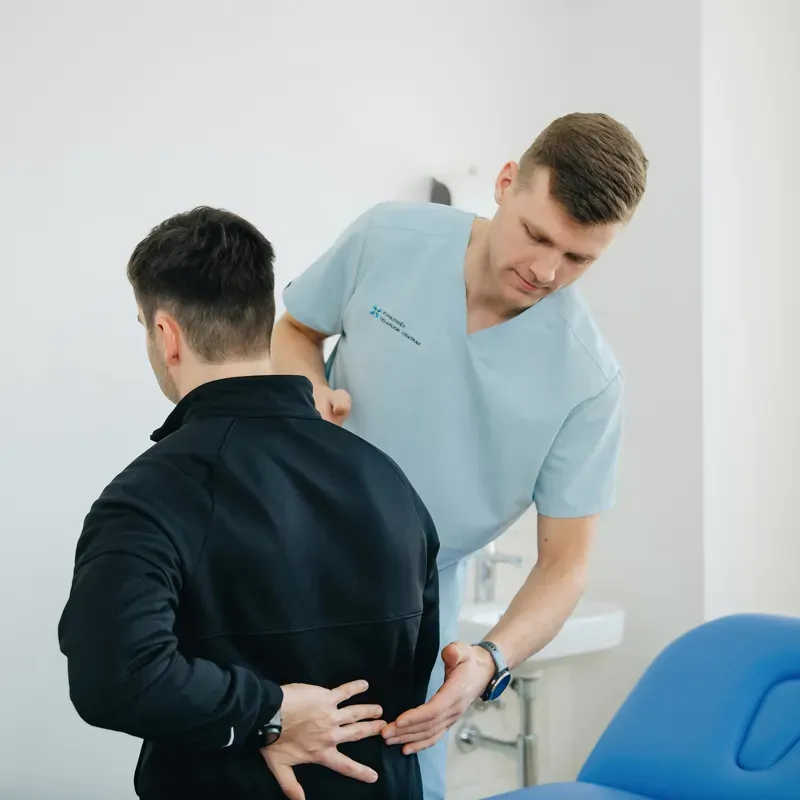
Complete Guide to Physiotherapy in Dubai: Types, Costs & What to Expect
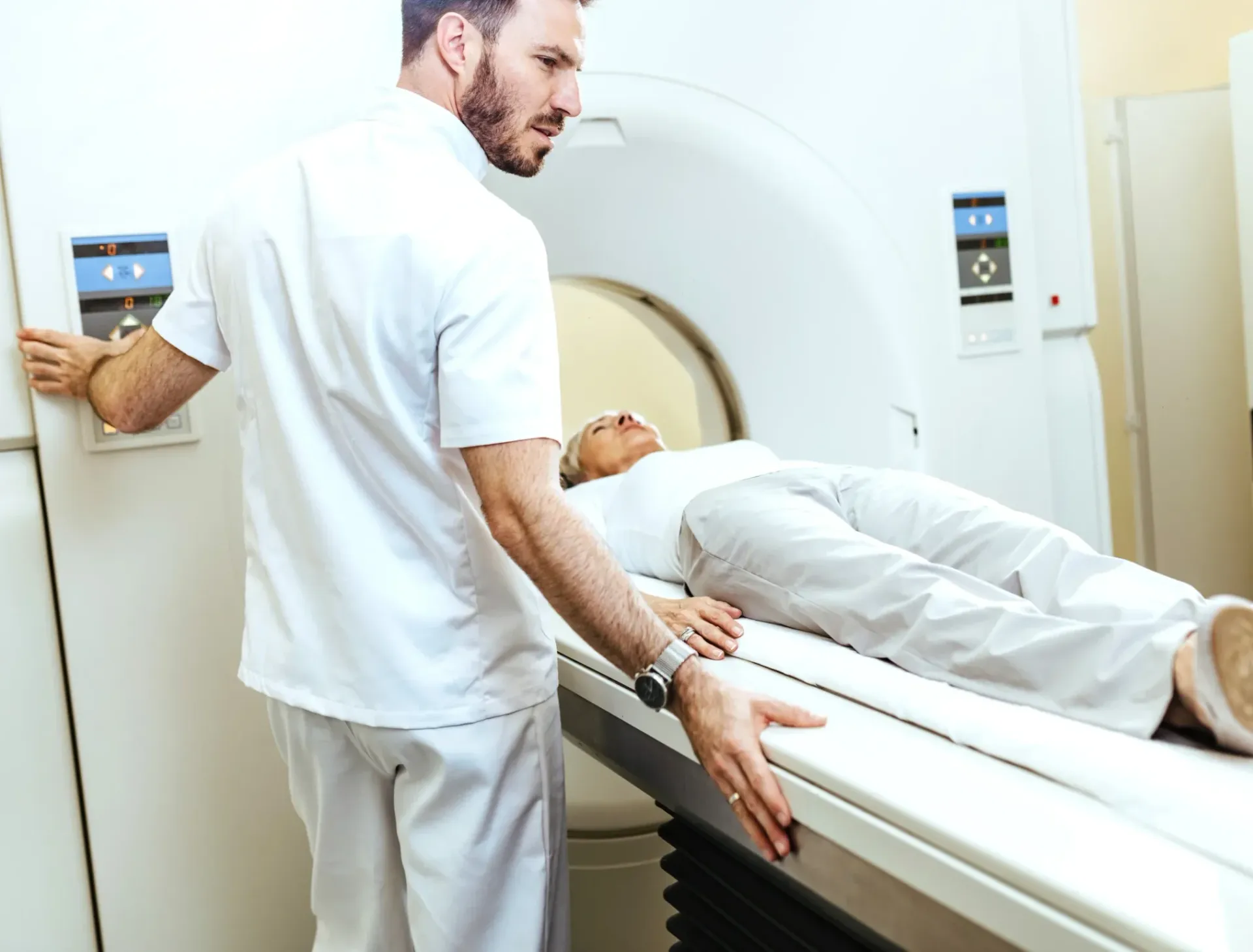
ACL Tear MRI: How MRI Diagnoses Ligament Injuries

Sports Physiotherapy in Dubai: Complete Guide
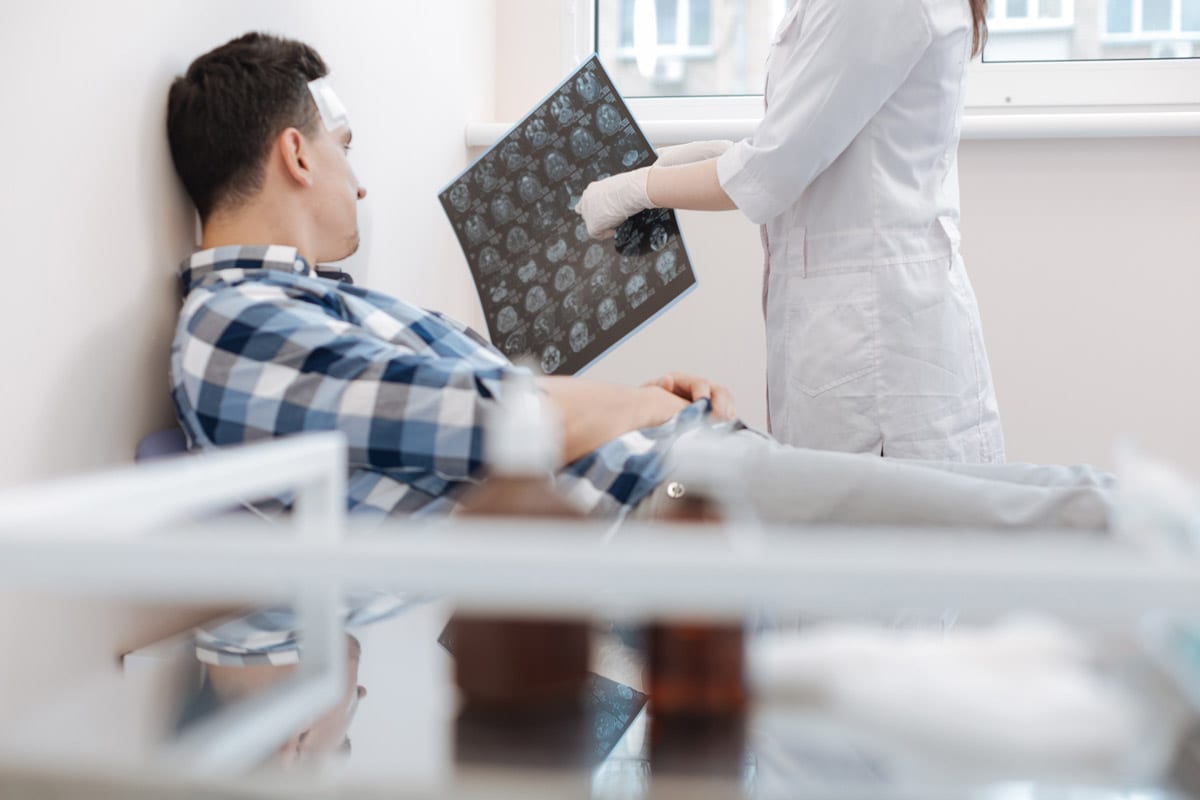
Post-Surgery Physiotherapy Recovery Roadmap
More in Physiotherapy
Physiotherapy Packages Dubai: Save 20%+ (2026)
Basahin Pa
Shoulder Pain Dubai: 7 Causes & When to Worry (2026)
Basahin Pa
PRP vs Cortisone Dubai: Which Injection? (2026)
Basahin Pa
PRP Injection for Joints Dubai: From AED 1,500 (2026)
Basahin PaPhysiotherapy Cost Dubai: AED 250–500/Session (2026)
Basahin PaPhysiotherapy Dubai: Types, Cost & Guide (2026)
Basahin Pa© 2026 Doctors Clinic Diagnostic Center (DCDC), Dubai Healthcare City. Originally published at https://doctorsclinicdubai.ae/blog/acl-injury-recovery-guide. All rights reserved. Unauthorized reproduction is prohibited.