

رزرو نوبت
نظرات تأیید شده بیماران مرکز تشخیصی DCDC در دبی
نظرات تأیید شده و داستانهای واقعی بیماران از شهر سلامت دبی
از این کلینیک پزشکی بسیار راضی هستم. اولین غربالگری بارداری خود را اینجا انجام دادم. قیمت مناسب و بسیار حرفهای بود. رادیولوژیست خوشامدگو، مهربان بود و تجربه عالیای داشتم.
آیژان توکمانبتووا
جمعه شب زانویم آسیب دید و یکشنبه عصر وقت MRI گرفتم (یکشنبه بعدازظهر رزرو کردم). حدود ۲ دقیقه صبر کردم و در کمتر از ۳۰ دقیقه کارم تمام شد. تیم فوقالعاده، دوستانه و کارآمد بود.
کریستن اوانز
تیم دکتر اسامه مهربان و فوقالعاده بود. بعد از یک تجربه بد در جای دیگر، معاینه لگن من اینجا بسیار حرفهایتر بود. گزارش عالی و بسیار دقیق.
ماری





آزمایش بارداری خونی (Beta-HCG) در دبی: تشخیص زودهنگام و دقیق
آزمایش کمی Beta-HCG خون برای تأیید زودهنگام بارداری، پایش بارداری خارج از رحم و ارزیابی حیات

تشخیص زودهنگامتر
بارداری را از ۸ تا ۱۰ روز پس از لقاح، قبل از تأخیر قاعدگی تشخیص میدهد
دقت کمی
سطح دقیق HCG برای محاسبه زمان دو برابر شدن و پایش حیات
نتایج همان روز
نتایج Beta-HCG اغلب ظرف ساعتها از جمعآوری موجود است
پایش بارداری خارج از رحم
پروتکل آزمایش متوالی برای تشخیص زودهنگام الگوهای لانهگزینی غیرطبیعی
آزمایش بارداری خونی در دبی برای اندازهگیری Beta HCG (هورمون گنادوتروپین جفتی انسانی) حساسترین و دقیقترین روش برای تأیید بارداری و پایش توسعه اولیه آن است. HCG منحصراً از سلولهای تروفوبلاست جفت در حال تشکیل ترشح میشود و میتوان آن را ۸ تا ۱۰ روز پس از لقاح در خون تشخیص داد، یعنی قبل از تأخیر قاعدگی و قبل از آزمایش ادراری به میزان قابل توجهی. در DCDC در شهر مراقبتهای بهداشتی دبی، آزمایش بارداری اولیه خونی کیفی و کمی ارائه میدهیم که نه فقط جواب بله یا خیر بلکه مقدار عددی دقیقی میدهد که پزشک شما از آن برای ارزیابی حیات و پیشرفت بارداری و عوارض احتمالی استفاده میکند.
تمایز حیاتی بین آزمایش کیفی و کمی Beta-HCG در مزیت بالینی نهفته است. آزمایش کیفی صرفاً وجود یا عدم وجود HCG را نشان میدهد. اما آزمایش کمی غلظت دقیق را بر حسب mIU/mL اندازهگیری میکند که ارزش تشخیصی بسیار بیشتری دارد. در بارداری رحمی طبیعی، سطح Beta-HCG تقریباً هر ۴۸ تا ۷۲ ساعت در طول سهماهه اول دو برابر میشود. اندازهگیریهای کمی متوالی به پزشک شما اجازه میدهد افزایش مناسب را تأیید کند و الگوهای غیرطبیعی که نشاندهنده بارداری خارج از رحم یا سقط جنین هستند را تشخیص دهد.
بارداری خارج از رحم که در آن تخمک بارور شده خارج از رحم، اغلب در لوله فالوپ، لانهگزینی میکند، یک اورژانس تهدیدکننده حیات است که تقریباً ۱ تا ۲ درصد از همه بارداریها را تحت تأثیر قرار میدهد. در بارداری خارج از رحم، سطح HCG معمولاً افزایش مییابد اما با سرعت کمتر از حد طبیعی.
تشخیص زودهنگامتر
بارداری را از ۸ تا ۱۰ روز پس از لقاح، قبل از تأخیر قاعدگی تشخیص میدهد
دقت کمی
سطح دقیق HCG برای محاسبه زمان دو برابر شدن و پایش حیات
نتایج همان روز
نتایج Beta-HCG اغلب ظرف ساعتها از جمعآوری موجود است
پایش بارداری خارج از رحم
پروتکل آزمایش متوالی برای تشخیص زودهنگام الگوهای لانهگزینی غیرطبیعی
آزمایش بارداری خونی (Beta-HCG) در دبی: تشخیص زودهنگام و دقیق
آزمایش کمی Beta-HCG خون برای تأیید زودهنگام بارداری، پایش بارداری خارج از رحم و ارزیابی حیات
آزمایش بارداری خونی در دبی برای اندازهگیری Beta HCG (هورمون گنادوتروپین جفتی انسانی) حساسترین و دقیقترین روش برای تأیید بارداری و پایش توسعه اولیه آن است. HCG منحصراً از سلولهای تروفوبلاست جفت در حال تشکیل ترشح میشود و میتوان آن را ۸ تا ۱۰ روز پس از لقاح در خون تشخیص داد، یعنی قبل از تأخیر قاعدگی و قبل از آزمایش ادراری به میزان قابل توجهی. در DCDC در شهر مراقبتهای بهداشتی دبی، آزمایش بارداری اولیه خونی کیفی و کمی ارائه میدهیم که نه فقط جواب بله یا خیر بلکه مقدار عددی دقیقی میدهد که پزشک شما از آن برای ارزیابی حیات و پیشرفت بارداری و عوارض احتمالی استفاده میکند.
تمایز حیاتی بین آزمایش کیفی و کمی Beta-HCG در مزیت بالینی نهفته است. آزمایش کیفی صرفاً وجود یا عدم وجود HCG را نشان میدهد. اما آزمایش کمی غلظت دقیق را بر حسب mIU/mL اندازهگیری میکند که ارزش تشخیصی بسیار بیشتری دارد. در بارداری رحمی طبیعی، سطح Beta-HCG تقریباً هر ۴۸ تا ۷۲ ساعت در طول سهماهه اول دو برابر میشود. اندازهگیریهای کمی متوالی به پزشک شما اجازه میدهد افزایش مناسب را تأیید کند و الگوهای غیرطبیعی که نشاندهنده بارداری خارج از رحم یا سقط جنین هستند را تشخیص دهد.
بارداری خارج از رحم که در آن تخمک بارور شده خارج از رحم، اغلب در لوله فالوپ، لانهگزینی میکند، یک اورژانس تهدیدکننده حیات است که تقریباً ۱ تا ۲ درصد از همه بارداریها را تحت تأثیر قرار میدهد. در بارداری خارج از رحم، سطح HCG معمولاً افزایش مییابد اما با سرعت کمتر از حد طبیعی.

Dr. Hadi Komshi
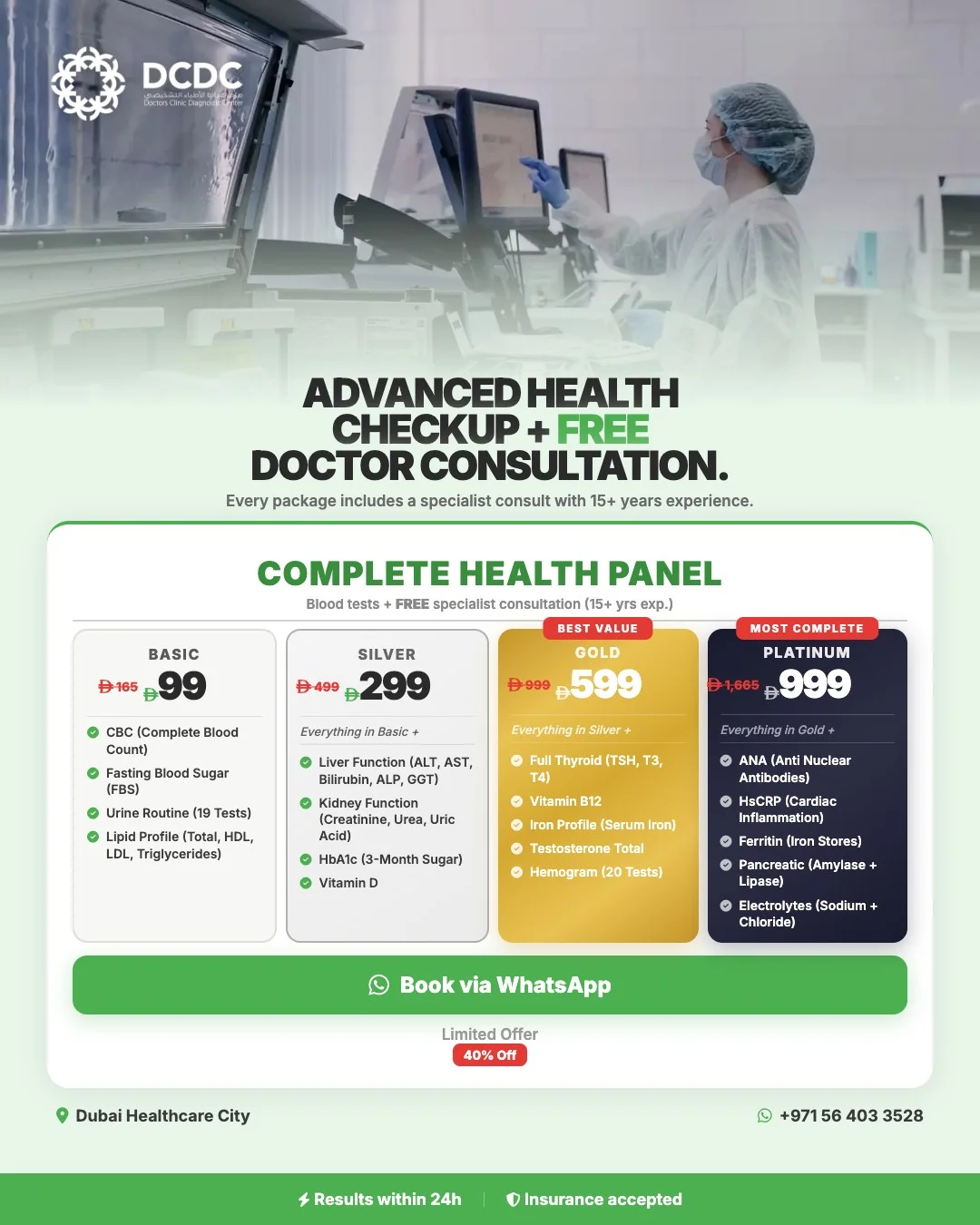
Complete Health Panel
Advanced health checkup with FREE specialist consultation. 4 tiers from basic blood work to full-body screening with 40+ biomarkers.
10–40+ tests included
What's Included
Who is this for?
Anyone wanting a comprehensive baseline health check with specialist consultation
خدمات ما را کاوش کنید
خدمات جامع آزمایش بارداری (beta-hcg) در DCDC شهر سلامت دبی.
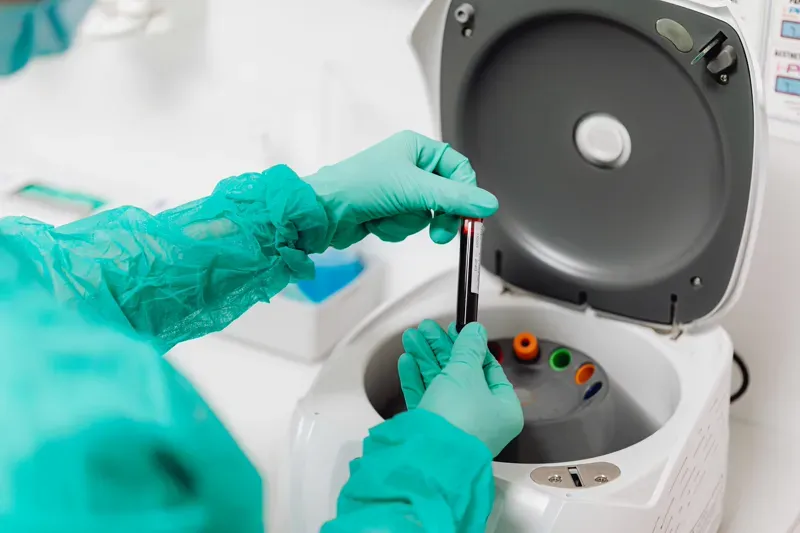
آزمایش خون
Comprehensive antenatal blood panel including blood group, rubella, and iron studies.
تمام خدمات توسط متخصصان دارای مجوز DHA انجام میشود
چه کسانی باید آزمایش بارداری (Beta-HCG) انجام دهند؟
آزمایش کمی Beta-HCG خون برای هر کسی که به تأیید دقیق بارداری، پایش حیات اولیه یا بررسی عوارض بارداری نیاز دارد توصیه میشود.
زنانی که به دنبال زودترین تأیید ممکن بارداری قبل از تأخیر قاعدگی هستند
زنانی که نتیجه مثبت ادراری داشتهاند و به تأیید کمی نیاز دارند
بیمارانی که تحت IVF یا سایر فناوریهای تولیدمثل کمکی هستند که نیاز به پایش دقیق HCG دارند
زنانی که در اوایل بارداری درد شکم یا لگن دارند و نیاز به رد بارداری خارج از رحم دارند
زنانی که خونریزی غیرقابل توضیح در سهماهه اول دارند
زنانی که سابقه بارداری خارج از رحم دارند و به پایش زودهنگام هوشیارانه نیاز دارند
چرا DCDC را برای آزمایش بارداری خونی در دبی انتخاب کنید؟
آزمایشگاه دارای تأیید MOHAP در شهر مراقبتهای بهداشتی دبی با تجهیزات آزمایش حساس بالا و نتایج همان روز.
تکنولوژی آزمایش دقیق
پلتفرم ایمونواسی با حساسیت بالا تأییدشده توسط MOHAP برای تشخیص دقیق سطوح HCG.
نتایج همان روز
نتایج Beta-HCG اغلب ظرف ساعتها از جمعآوری نمونه صادر میشود.
مرکز دارای مجوز MOHAP
آزمایشگاه تأییدشدهای که DCDC با استانداردهای سختگیرانه کیفیت آزمایشگاه اداره میکند.
صورتحساب مستقیم بیمه
صورتحساب مستقیم با بیش از ۲۰ شرکت بیمه بزرگ را میپذیریم.
مراجعه راحت شما
فرآیند اسکن آزمایش ساده و گام به گام که برای راحتی، سرعت و دقت طراحی شده است.
هزینه آزمایش بارداری خونی در دبی
قیمت آزمایش در دبی بسته به نوع خدمت و پوشش بیمه برای انواع مختلف خدمات متفاوت است.
- قیمتها بسته به نوع اسکن و نیاز به ماده حاجب متفاوت است
- پوشش بیمه با ارجاع و تأیید پذیرفته میشود
- نرخهای شفاف پرداخت نقدی با قیمتگذاری فوری در صورت درخواست
تأیید بیمه در چند دقیقه • بدون هزینه پنهان • پاسخ سریع در واتساپ
راهنمای بیمار
تجربه آزمایش بارداری خونی
سریع، محرمانه و با دقت و حساسیت پردازش شده.
بیمه و موقعیت
شرکای بیمه
- •بیش از ۲۰ شرکت بیمه در دبی از جمله ضمان، آکسا، ادنیک و دیگران
- •پشتیبانی پیشتأیید و صورتحساب مستقیم (در صورت امکان)
- •بررسی پوشش بیمه قبل از نوبت شما در کلینیک ما در شهر بهداشت دبی
- •قیمتگذاری شفاف بدون هزینه پنهان برای خدمات آزمایش بارداری (beta-hcg)








به ما در شهر سلامت دبی سر بزنید
مرکز تشخیصی کلینیک پزشکان
ساختمان ۶۴، بلوک A، مجتمع پزشکی الرازی، شهر سلامت دبی، دبی، امارات متحده عربی
نزدیک جاده عود متحا · دسترسی آسان از بر دبی، داونتاون دبی، بیزینس بی · پارکینگ اختصاصی رایگان موجود
ساعات کاری
دوشنبه-پنجشنبه، شنبه: ۸ صبح - ۱۰:۳۰ شب | یکشنبه: ۸:۳۰ صبح - ۱۰:۳۰ شب | جمعه: ۹ صبح - ۱۰ شب
نحوه عملکرد بیمه در DCDC
بررسی پوشش
بررسی کنید که بیمه شما آزمایش بارداری (Beta-HCG) را پوشش میدهد
دریافت ارجاع
برخی بیمهها نیاز به ارجاع پزشک عمومی دارند — ما راهنمایی میکنیم
پیشتأیید
ما پیشتأیید را مستقیماً با بیمهگر انجام میدهیم
فاکتور مستقیم
بدون پرداخت اولیه — ما مستقیماً با بیمهگر تسویه میکنیم
فقط سهم بیمار
فقط سهم بیمار قابل اعمال را در کلینیک پرداخت میکنید
بررسی پوشش
بررسی کنید که بیمه شما آزمایش بارداری (Beta-HCG) را پوشش میدهد
دریافت ارجاع
برخی بیمهها نیاز به ارجاع پزشک عمومی دارند — ما راهنمایی میکنیم
پیشتأیید
ما پیشتأیید را مستقیماً با بیمهگر انجام میدهیم
فاکتور مستقیم
بدون پرداخت اولیه — ما مستقیماً با بیمهگر تسویه میکنیم
فقط سهم بیمار
فقط سهم بیمار قابل اعمال را در کلینیک پرداخت میکنید
Your Specialist
Dr. Hadi Komshi
Specialist Internal Medicine
MD, Specialist Internal Medicine
Persian · Arabic · English
راهنمای بیمار
Understanding Beta-HCG and Early Pregnancy Monitoring
Human chorionic gonadotropin (HCG) is a glycoprotein hormone composed of alpha and beta subunits. The beta subunit is unique to HCG and is the target measured in pregnancy blood tests, as it does not cross-react with other pituitary hormones such as LH, FSH, and TSH that share the same alpha subunit. After fertilisation, HCG is produced first by the fertilised egg itself and then increasingly by the trophoblast cells that form the early placenta. Its primary role in early pregnancy is to signal the corpus luteum in the ovary to continue producing progesterone, maintaining the uterine lining and preventing menstruation until the placenta matures enough to produce progesterone independently at around 8 to 10 weeks.
Serial quantitative beta-HCG measurement is the most valuable clinical tool in early pregnancy surveillance. The established pattern of doubling every 48 to 72 hours serves as a benchmark against which actual measurements are compared to identify normal versus abnormal progression. When combined with transvaginal ultrasound, which can visualise the gestational sac from approximately 4.5 to 5 weeks and the embryonic heartbeat from 5.5 to 6 weeks, serial HCG provides a comprehensive picture of early pregnancy health. Understanding that HCG reference ranges overlap broadly between normal and abnormal pregnancies underscores why trend analysis over serial measurements is always more informative than any single value in isolation.
Pregnancy Conditions Monitored Through Beta-HCG Testing
Normal Intrauterine Pregnancy
Confirmed by appropriately rising beta-HCG with at least 53% increase every 48 hours, combined with intrauterine gestational sac on ultrasound above the discriminatory zone threshold.
Ectopic Pregnancy
Abnormal implantation outside the uterus causing subnormal HCG rise, a potentially life-threatening emergency requiring urgent intervention to prevent tubal rupture and haemorrhage.
Threatened Miscarriage
First-trimester bleeding with a live intrauterine pregnancy, monitored by serial HCG to distinguish from inevitable miscarriage; slow-rising or plateauing HCG with no heartbeat indicates poor prognosis.
Missed Miscarriage
Non-viable pregnancy retained in the uterus without expulsion, detected by declining or plateauing HCG levels combined with absent cardiac activity on ultrasound.
Molar Pregnancy (Hydatidiform Mole)
Abnormal conception producing markedly elevated HCG disproportionate to gestational age, requiring surgical evacuation and serial HCG monitoring to exclude gestational trophoblastic neoplasia.
Gestational Trophoblastic Disease
Persistent or rising HCG after molar pregnancy evacuation indicating trophoblastic neoplasia; HCG is the definitive tumour marker guiding chemotherapy dosing and response assessment.
خدمات مرتبط
سایر خدمات تشخیصی و مشاورهای موجود در کلینیک ما در شهر سلامت دبی را کاوش کنید.
سؤالات متداول
سؤالات متداول درباره آزمایش بارداری (Beta-HCG) در دبی.
آزمایش Beta-HCG خونی به طور قابل توجهی حساستر از آزمایش بارداری ادراری است. آزمایشهای خونی میتوانند سطوح HCG تا ۵ mIU/mL را تشخیص دهند که تشخیص ۸ تا ۱۰ روز پس از لقاح، قبل از تأخیر قاعدگی را امکانپذیر میسازد. آزمایشهای ادراری معمولاً آستانه تشخیص ۲۰ تا ۵۰ mIU/mL دارند. علاوه بر این، آزمایش کمی خونی غلظت دقیق HCG را به جای صرفاً نتیجه مثبت یا منفی ارائه میدهد.
در بارداری رحمی طبیعی، غلظتهای Beta-HCG تقریباً هر ۴۸ تا ۷۲ ساعت در طول ۸ تا ۱۰ هفته اول بارداری دو برابر میشوند. افزایش آهستهتر معمولاً با کمتر از ۵۳ درصد افزایش در ۴۸ ساعت تعریف میشود ممکن است به بارداری خارج از رحم، سقط تهدیدکننده یا سایر عوارض اشاره کند.
سطح Beta-HCG در بارداری طبیعی بسیار متفاوت است. اولین آزمایش مثبت ممکن است بسته به مرحله دقیق پس از لقاح هر جایی از ۱۰ تا ۵۰۰ mIU/mL ثبت کند. مهمترین چیز روند در اندازهگیریهای متوالی نسبت به سن بارداری است.
بارداری خارج از رحم زمانی مشکوک میشود که Beta-HCG در اندازهگیریهای ۴۸ ساعته متوالی به اندازه کافی افزایش نیابد. در بارداری رحمی طبیعی HCG حداقل ۵۳ تا ۶۶ درصد هر ۴۸ ساعت افزایش مییابد. در بارداری خارج از رحم افزایش معمولاً سرکوبشده است.
بارداری مولار (خال هیداتیفرم) یک بارداری غیرطبیعی است که در آن یک تخمک بارورشده بافت جفتی غیرطبیعی ایجاد میکند. با افزایش چشمگیر Beta-HCG، اغلب بیش از ۱۰۰،۰۰۰ mIU/mL مشخص میشود. پس از برداشت جراحی، پایش متوالی Beta-HCG برای تأیید کاهش سطوح ضروری است.
پس از سقط کامل، سطوح Beta-HCG کاهش مییابند و معمولاً ظرف ۴ تا ۶ هفته به سطوح غیربارداری (کمتر از ۵ mIU/mL) بازمیگردند. سطوحی که متوقف شده یا دوباره افزایش یافتهاند به سقط ناقص یا بیماری تروفوبلاستیک اشاره میکنند.
اطلاعات کلیدی
نظارت پزشکی
تمام خدمات تحت نظارت متخصصین پزشکی دارای مجوز در مرکز معتبر وزارت بهداشت ارائه میشود.