
رزرو نوبت
نظرات تأیید شده بیماران مرکز تشخیصی DCDC در دبی
نظرات تأیید شده و داستانهای واقعی بیماران از شهر سلامت دبی
از این کلینیک پزشکی بسیار راضی هستم. اولین غربالگری بارداری خود را اینجا انجام دادم. قیمت مناسب و بسیار حرفهای بود. رادیولوژیست خوشامدگو، مهربان بود و تجربه عالیای داشتم.
آیژان توکمانبتووا
جمعه شب زانویم آسیب دید و یکشنبه عصر وقت MRI گرفتم (یکشنبه بعدازظهر رزرو کردم). حدود ۲ دقیقه صبر کردم و در کمتر از ۳۰ دقیقه کارم تمام شد. تیم فوقالعاده، دوستانه و کارآمد بود.
کریستن اوانز
تیم دکتر اسامه مهربان و فوقالعاده بود. بعد از یک تجربه بد در جای دیگر، معاینه لگن من اینجا بسیار حرفهایتر بود. گزارش عالی و بسیار دقیق.
ماری


درمان کمخونی در دبی: تشخیص، درمان با آهن و سلامت خون
مراقبت جامع برای تمام انواع کمخونی

متخصصان خون
تشخیص دقیق تمام انواع کمخونی شامل غربالگری تالاسمی
درمان وریدی با آهن
تزریق وریدی آهن در کلینیک برای اصلاح سریع در صورت نیاز
آزمایشات همان روز
نتایج آزمایش خون و نوبتها در همان روز در شهر پزشکی دبی
درمان کمخونی در دبی ضروری است — کمخونی یکی از شایعترین بیماریهای بهداشتی در امارات است که بخش وسیعی از جمعیت را تحت تأثیر قرار میدهد. در DCDC در شهر پزشکی دبی، ارزیابی جامع و درمان مبتنی بر شواهد برای تمام انواع کمخونی از جمله کمبود آهن، کمبود ویتامین B12، کمبود اسید فولیک، کمخونی بیماریهای مزمن و صفت تالاسمی رایج در منطقه ارائه میدهیم.
درک نوع و علت کمخونی برای درمان موثر ضروری است. به همین دلیل آزمایش جامع خون شامل CBC، اسمیر خون محیطی، سطوح آهن، فریتین، B12 و اسید فولیک، شمارش رتیکولوسیت، شاخصهای التهابی و الکتروفورز هموگلوبین در صورت نیاز انجام میدهیم.
جمعیت دبی عوامل خطر منحصربهفردی برای کمخونی دارد از جمله شیوع کمبود ویتامین D، سبک زندگی در فضای بسته و تنوع ژنتیکی. DCDC برنامه یکپارچهای شامل تزریق وریدی آهن، تزریق عضلانی B12، مشاوره تغذیهای و پیگیری منظم ارائه میدهد.
متخصصان خون
تشخیص دقیق تمام انواع کمخونی شامل غربالگری تالاسمی
درمان وریدی با آهن
تزریق وریدی آهن در کلینیک برای اصلاح سریع در صورت نیاز
آزمایشات همان روز
نتایج آزمایش خون و نوبتها در همان روز در شهر پزشکی دبی
درمان کمخونی در دبی: تشخیص، درمان با آهن و سلامت خون
مراقبت جامع برای تمام انواع کمخونی
درمان کمخونی در دبی ضروری است — کمخونی یکی از شایعترین بیماریهای بهداشتی در امارات است که بخش وسیعی از جمعیت را تحت تأثیر قرار میدهد. در DCDC در شهر پزشکی دبی، ارزیابی جامع و درمان مبتنی بر شواهد برای تمام انواع کمخونی از جمله کمبود آهن، کمبود ویتامین B12، کمبود اسید فولیک، کمخونی بیماریهای مزمن و صفت تالاسمی رایج در منطقه ارائه میدهیم.
درک نوع و علت کمخونی برای درمان موثر ضروری است. به همین دلیل آزمایش جامع خون شامل CBC، اسمیر خون محیطی، سطوح آهن، فریتین، B12 و اسید فولیک، شمارش رتیکولوسیت، شاخصهای التهابی و الکتروفورز هموگلوبین در صورت نیاز انجام میدهیم.
جمعیت دبی عوامل خطر منحصربهفردی برای کمخونی دارد از جمله شیوع کمبود ویتامین D، سبک زندگی در فضای بسته و تنوع ژنتیکی. DCDC برنامه یکپارچهای شامل تزریق وریدی آهن، تزریق عضلانی B12، مشاوره تغذیهای و پیگیری منظم ارائه میدهد.
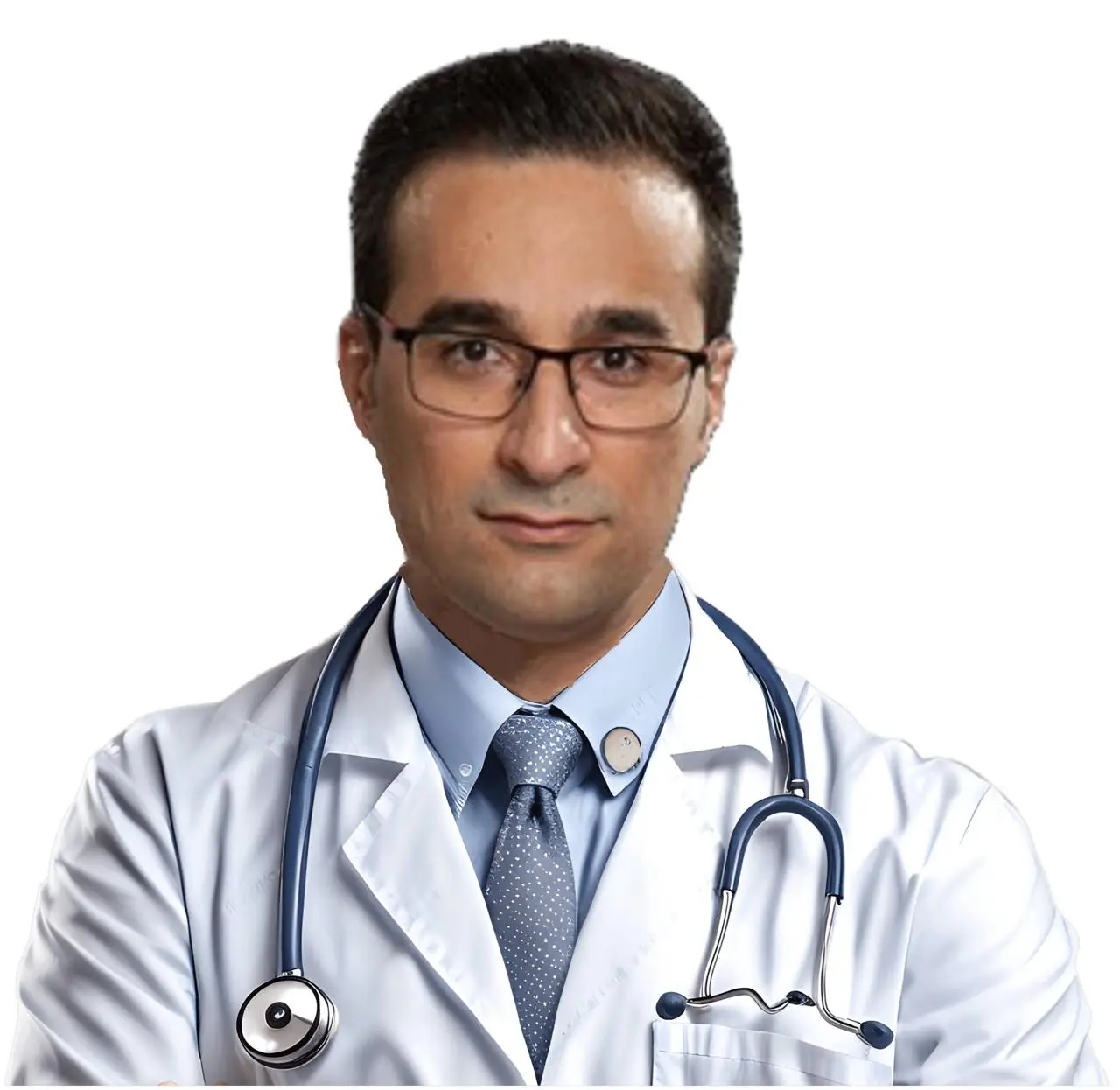
Dr. Hadi Komshi
خدمات ما را کاوش کنید
خدمات جامع درمان کمخونی در DCDC شهر سلامت دبی.

ارزیابی کمبود آهن
پانل کامل آهن با فریتین، TIBC و میزان اشباع ترانسفرین برای تشخیص دقیق.

درمان وریدی با آهن
تزریق آهن وریدی در محل برای اصلاح سریع کمبود شدید یا مقاوم آهن.
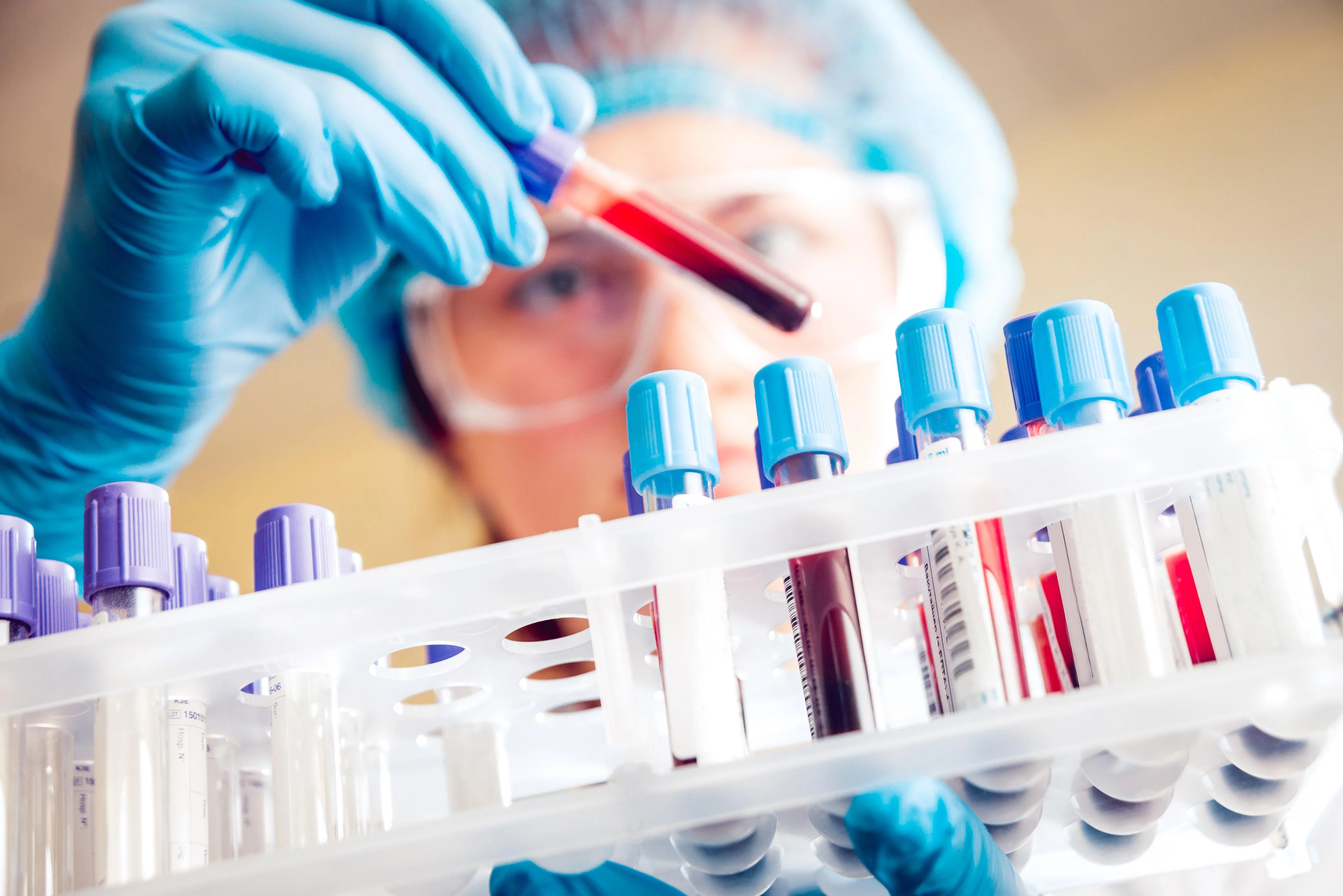
تمام خدمات توسط متخصصان دارای مجوز DHA انجام میشود
چه کسانی باید درمان کمخونی انجام دهند؟
هر کسی با علائم کمخونی یا عوامل خطر برای اختلالات خونی باید ارزیابی تخصصی دریافت کند.
خستگی مداوم، ضعف و کمبود انرژی که با استراحت بهبود نمییابد
رنگ پریدگی پوست، ناخنها یا داخل پلکها
تنگی نفس در طول فعالیتهای روزانه یا تلاش سبک
سرگیجه یا سردردهای مکرر بدون دلیل واضح
پریودهای سنگین که بیش از هفت روز ادامه دارند
زنان باردار یا کسانی که برنامهریزی برای بارداری دارند و در معرض خطر سوءتغذیه هستند
چرا DCDC را برای درمان کمخونی در دبی انتخاب کنید؟
کلینیک دارای مجوز MOHAP در شهر پزشکی دبی با ارزیابی جامع کمخونی، تزریقات آهن در محل و مدیریت شخصیسازیشده سلامت خون.
مجوز MOHAP
مرکز دارای مجوز در شهر پزشکی دبی با استانداردهای سخت حاکمیت بالینی و کیفیت.
پزشکان با تجربه
متخصصان طب داخلی با تجربه گسترده در تشخیص و درمان تمام انواع کمخونی.
نتایج همان روز
آزمایشات و مشاورههای همان روز موجود؛ موارد فوری کمخونی اولویتبندی میشوند.
تزریقات آهن در محل
تزریق وریدی آهن به صورت ایمن در کلینیک ما برای بیمارانی که به اصلاح سریع آهن نیاز دارند.
موقعیت ممتاز در شهر پزشکی دبی
ساختمان ۶۴، بلوک A، با پارکینگ رایگان و دسترسی آسان.
جستجوی علت ریشهای
بررسی جامع برای شناسایی و درمان علت زمینهای کمخونی، نه فقط درمان علائم.
مراجعه راحت شما
فرآیند اسکن درمان ساده و گام به گام که برای راحتی، سرعت و دقت طراحی شده است.
هزینههای درمان کمخونی
قیمت درمان در دبی بسته به نوع خدمت و پوشش بیمه برای انواع مختلف خدمات متفاوت است.
- قیمتها بسته به نوع اسکن و نیاز به ماده حاجب متفاوت است
- پوشش بیمه با ارجاع و تأیید پذیرفته میشود
- نرخهای شفاف پرداخت نقدی با قیمتگذاری فوری در صورت درخواست
تأیید بیمه در چند دقیقه • بدون هزینه پنهان • پاسخ سریع در واتساپ
راهنمای بیمار
چه انتظاری از مشاوره کمخونی داشته باشید
ارزیابی منظم سلامت خون با آزمایشات جامع، تشخیص دقیق و درمان شخصیسازیشده در کلینیک DCDC.
بیمه و موقعیت
شرکای بیمه
- •بیش از ۲۰ شرکت بیمه در دبی از جمله ضمان، آکسا، ادنیک و دیگران
- •پشتیبانی پیشتأیید و صورتحساب مستقیم (در صورت امکان)
- •بررسی پوشش بیمه قبل از نوبت شما در کلینیک ما در شهر بهداشت دبی
- •قیمتگذاری شفاف بدون هزینه پنهان برای خدمات درمان کمخونی






به ما در شهر سلامت دبی سر بزنید
مرکز تشخیصی کلینیک پزشکان
ساختمان ۶۴، بلوک A، مجتمع پزشکی الرازی، شهر سلامت دبی، دبی، امارات متحده عربی
نزدیک جاده عود متحا · دسترسی آسان از بر دبی، داونتاون دبی، بیزینس بی · پارکینگ اختصاصی رایگان موجود
ساعات کاری
دوشنبه-پنجشنبه، شنبه: ۸ صبح - ۱۰:۳۰ شب | یکشنبه: ۸:۳۰ صبح - ۱۰:۳۰ شب | جمعه: ۹ صبح - ۱۰ شب
نحوه عملکرد بیمه در DCDC
بررسی پوشش
بررسی کنید که بیمه شما درمان کمخونی را پوشش میدهد
دریافت ارجاع
برخی بیمهها نیاز به ارجاع پزشک عمومی دارند — ما راهنمایی میکنیم
پیشتأیید
ما پیشتأیید را مستقیماً با بیمهگر انجام میدهیم
فاکتور مستقیم
بدون پرداخت اولیه — ما مستقیماً با بیمهگر تسویه میکنیم
فقط سهم بیمار
فقط سهم بیمار قابل اعمال را در کلینیک پرداخت میکنید
بررسی پوشش
بررسی کنید که بیمه شما درمان کمخونی را پوشش میدهد
دریافت ارجاع
برخی بیمهها نیاز به ارجاع پزشک عمومی دارند — ما راهنمایی میکنیم
پیشتأیید
ما پیشتأیید را مستقیماً با بیمهگر انجام میدهیم
فاکتور مستقیم
بدون پرداخت اولیه — ما مستقیماً با بیمهگر تسویه میکنیم
فقط سهم بیمار
فقط سهم بیمار قابل اعمال را در کلینیک پرداخت میکنید
Your Specialist
Dr. Hadi Komshi
Specialist Internal Medicine
MD, Specialist Internal Medicine
Persian · Arabic · English
راهنمای بیمار
آشنایی با کمخونی: انواع، علل و درمانهای نوین
Anaemia is defined as a reduction in hemoglobin concentration or red blood cell mass below the normal range for age and sex, resulting in decreased oxygen-carrying capacity of the blood. The World Health Organization defines anaemia as hemoglobin below 13 g/dL in men and below 12 g/dL in non-pregnant women. Globally, anaemia affects approximately 1.6 billion people, with depleted iron stores being the single most common cause. In the UAE and broader Middle East region, anaemia prevalence is particularly high, driven by a combination of dietary factors, genetic predisposition to hemoglobin disorders, high rates of vitamin D deficiency that impair iron metabolism, and lifestyle factors including limited sun exposure and reduced physical activity during the hot months.
Iron depletion anaemia develops through a progressive sequence of stages. Initially, iron stores become depleted (low ferritin) while hemoglobin remains normal, a stage called iron depletion or latent iron depletion. Patients at this stage may already experience symptoms including fatigue, difficulty concentrating, hair thinning, and restless legs. As iron stores become further exhausted, iron supply to the bone marrow becomes inadequate, leading to iron-depleted erythropoiesis, where new red blood cells are produced but smaller and paler than normal. Finally, frank anaemia from depleted iron stores develops with low hemoglobin, low MCV (microcytic anaemia), and characteristic symptoms including profound fatigue, pallor, shortness of breath, dizziness, and pica (cravings for non-food items like ice). Treatment depends on the stage and cause, ranging from oral supplementation with vitamin C to enhance absorption, to intravenous iron treatment for severe cases or patients with absorption difficulties.
Vitamin B12 and folate deficiency anaemia produce a different pattern than low iron, causing macrocytic anaemia (large red blood cells with high MCV). B12 deficiency is common in vegetarians and vegans since B12 is found almost exclusively in animal products, in older adults due to reduced stomach acid production, and in patients with pernicious anaemia (an autoimmune condition destroying the stomach cells that produce intrinsic factor needed for B12 absorption). Beyond anaemia, B12 deficiency can cause neurological symptoms including peripheral neuropathy (numbness and tingling in hands and feet), balance problems, cognitive changes, and mood disturbances. Folate deficiency is seen with inadequate dietary intake of leafy greens and legumes, increased demands during pregnancy, malabsorption conditions, and certain medications. Both deficiencies are readily treatable with appropriate supplementation, but B12 deficiency requires prompt treatment to prevent irreversible neurological damage.
Thalassemia and other inherited hemoglobin disorders deserve special attention in the UAE context. Beta-thalassemia trait is estimated to affect 5 to 10 percent of the UAE population, with even higher rates in certain ethnic groups. Carriers typically have a mild, lifelong microcytic anaemia that does not respond to iron supplementation and is often misdiagnosed as low iron, leading to unnecessary and potentially harmful iron therapy. Hemoglobin electrophoresis is the key diagnostic test that distinguishes thalassemia trait from depleted iron stores. Preconception screening for thalassemia and sickle cell trait is strongly recommended in the UAE to prevent the birth of children with severe hemoglobin disorders. Our clinic provides carrier screening, counseling on inheritance patterns, and referral to genetic counseling services when both partners are found to be carriers.
انواع کمخونی که درمان میکنیم
کمخونی فقر آهن
شایعترین نوع کمخونی در جهان، ناشی از دریافت ناکافی آهن، جذب ضعیف یا از دست دادن مزمن خون. ما درمان با آهن خوراکی، درمان با آهن وریدی (IV) در صورت نیاز، و بررسی علت زمینهای برای پیشگیری از عود را ارائه میدهیم.
کمبود ویتامین B12
کمخونی ماکروسیتیک ناشی از دریافت ناکافی B12 از طریق رژیم غذایی، کمخونی پرنیشیوس یا سوءجذب. درمان شامل تزریق عضلانی B12 یا مکملیاری خوراکی با دوز بالا، همراه با پایش منظم سطح B12 و شمارش خون است.
کمبود فولات
کمخونی ناشی از دریافت ناکافی اسید فولیک، افزایش نیاز در دوران بارداری یا سوءجذب. با مکمل اسید فولیک و مشاوره تغذیهای برای افزایش مصرف غذاهای غنی از فولات مدیریت میشود.
کمخونی بیماری مزمن
کمخونی مرتبط با بیماریهای التهابی مزمن، بیماری کلیوی، اختلالات خودایمنی و عفونتها. مدیریت بر درمان بیماری زمینهای با حمایت از سلامت خون از طریق مداخلات هدفمند متمرکز است.
ناقل تالاسمی
وضعیت ناقل ارثی برای بتا-تالاسمی، شایع در جمعیتهای خاورمیانه، جنوب آسیا و مدیترانه. ما غربالگری، تمایز از کمبود آهن، ارجاع برای مشاوره ژنتیک و توصیه برای غربالگری همسر را ارائه میدهیم.
ناقل سلول داسی شکل
وضعیت ناقل بیماری سلول داسی شکل، موجود در جمعیتهای آفریقایی، خاورمیانه و جنوب آسیا. ما غربالگری، مشاوره در مورد خطرات وراثتی و راهنمایی برای ناقلانی که قصد تشکیل خانواده دارند را ارائه میدهیم.
خدمات مرتبط
سایر خدمات تشخیصی و مشاورهای موجود در کلینیک ما در شهر سلامت دبی را کاوش کنید.
سؤالات متداول
سؤالات متداول درباره درمان کمخونی در دبی.
شایعترین انواعی که درمان میکنیم شامل کمبود آهن، کمبود ویتامین B12، کمبود اسید فولیک، کمخونی بیماریهای مزمن و صفت تالاسمی است. با ما تماس بگیرید.
هزینهها بسته به وضعیت و روش درمان متفاوت است. اکثر طرحهای بیمه آزمایشات و درمان شامل تزریقات وریدی را پوشش میدهند. با کلینیک ما تماس بگیرید.
تزریقات وریدی آهن معمولاً ۳۰ تا ۶۰ دقیقه طول میکشند و سپس یک دوره نظارت ۳۰ دقیقهای.
فریتین ممکن است علیرغم رژیم غذایی خوب به دلیل خونریزی پنهان مزمن، پریودهای سنگین، جذب ضعیف آهن یا التهاب مزمن پایین بماند.
کمبود آهن به معنای تخلیه ذخایر آهن (فریتین پایین) است و میتواند قبل از کمخونی رخ دهد. کمخونی زمانی رخ میدهد که سطح هموگلوبین کاهش یابد. کمبود آهن باید قبل از اینکه به کمخونی تبدیل شود درمان شود.
بستگی به علت دارد: تزریقات عضلانی B12 برای مشکلات جذب یا مکملهای خوراکی با دوز بالا برای کمبود تغذیهای.
بله. صفت تالاسمی به معنای حمل یک نسخه است و باعث کمخونی خفیف بدون نیاز به درمان میشود، در حالی که تالاسمی ماژور نیاز به انتقال خون منظم دارد.
بله، کمبود آهن یکی از شایعترین علل تغذیهای ریزش مو در زنان است. جایگزینی آهن کمک میکند رشد مو در سه تا شش ماه بازگردد.
اطلاعات کلیدی
نظارت پزشکی
تمام خدمات تحت نظارت متخصصین پزشکی دارای مجوز در مرکز معتبر وزارت بهداشت ارائه میشود.