
رزرو نوبت
نظرات تأیید شده بیماران مرکز تشخیصی DCDC در دبی
نظرات تأیید شده و داستانهای واقعی بیماران از شهر سلامت دبی
از این کلینیک پزشکی بسیار راضی هستم. اولین غربالگری بارداری خود را اینجا انجام دادم. قیمت مناسب و بسیار حرفهای بود. رادیولوژیست خوشامدگو، مهربان بود و تجربه عالیای داشتم.
آیژان توکمانبتووا
جمعه شب زانویم آسیب دید و یکشنبه عصر وقت MRI گرفتم (یکشنبه بعدازظهر رزرو کردم). حدود ۲ دقیقه صبر کردم و در کمتر از ۳۰ دقیقه کارم تمام شد. تیم فوقالعاده، دوستانه و کارآمد بود.
کریستن اوانز
تیم دکتر اسامه مهربان و فوقالعاده بود. بعد از یک تجربه بد در جای دیگر، معاینه لگن من اینجا بسیار حرفهایتر بود. گزارش عالی و بسیار دقیق.
ماری


تست تنش قلبی در دبی: ارزیابی کارایی قلب تحت فشار
ببینید قلب شما تحت فشار جسمانی چگونه عمل می کند
تشخیص دقیق
ارزیابی جامع سلامت قلب و عروق
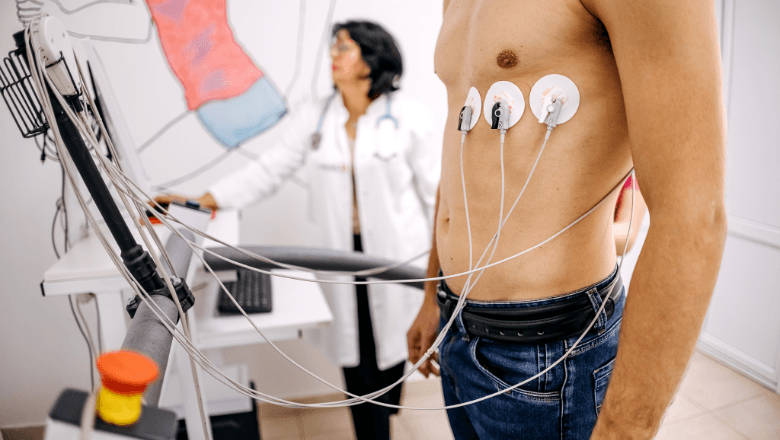
تست تنش قلبی در شهر بهداشت دبی با دستگاه تردمیل و نظارت تخصصی کاردیولوگ. ما نوبت های فوری و تجزیه و تحلیل دقیق نتایج شما را ارائه می دهیم.
تشخیص دقیق
ارزیابی جامع سلامت قلب و عروق
تست تنش قلبی در دبی: ارزیابی کارایی قلب تحت فشار
ببینید قلب شما تحت فشار جسمانی چگونه عمل می کند
تست تنش قلبی در شهر بهداشت دبی با دستگاه تردمیل و نظارت تخصصی کاردیولوگ. ما نوبت های فوری و تجزیه و تحلیل دقیق نتایج شما را ارائه می دهیم.
Dr. Shahoo Mazhari
خدمات ما را کاوش کنید
خدمات جامع تست تنش قلبی در DCDC شهر سلامت دبی.

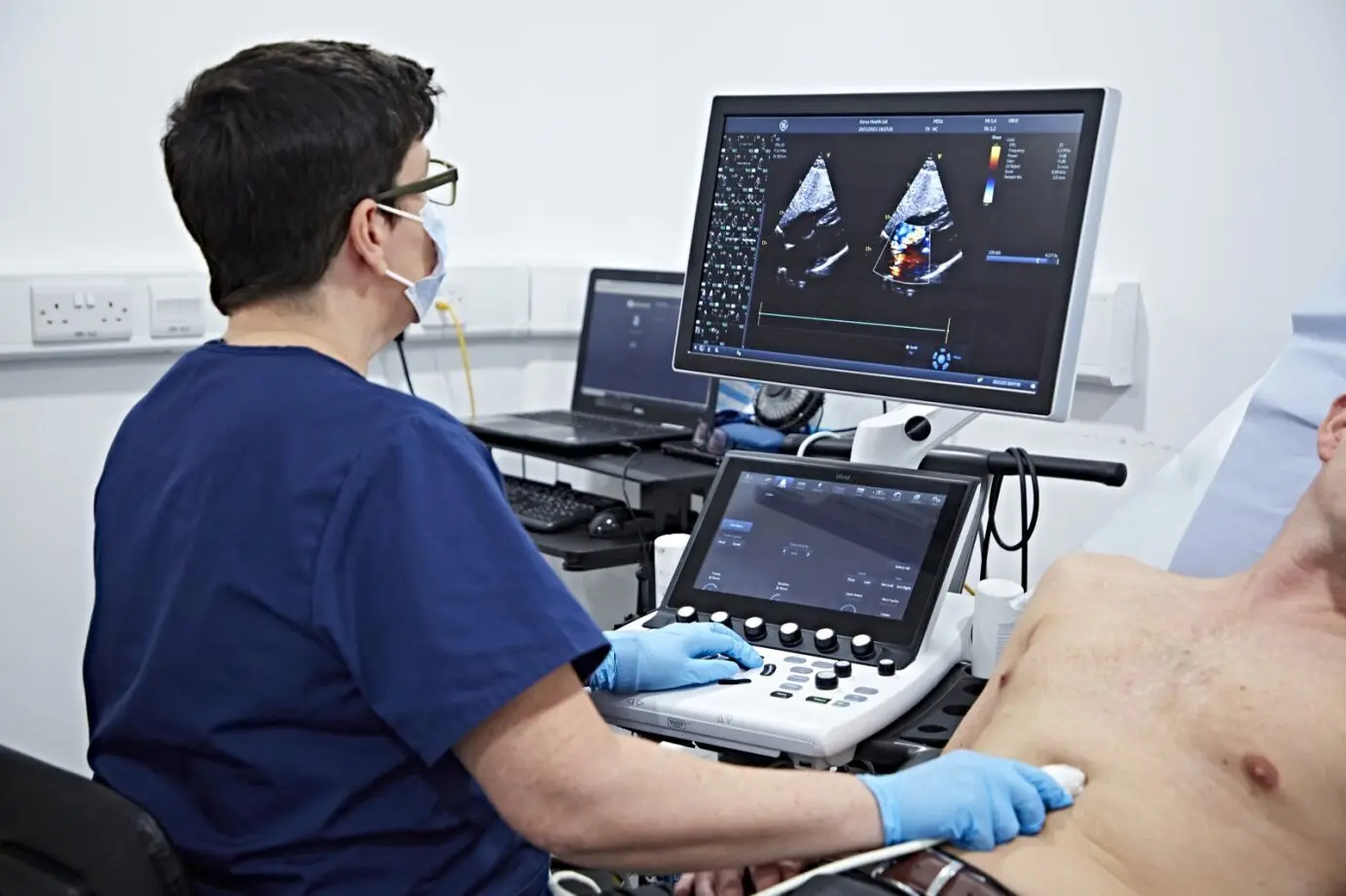
تمام خدمات توسط متخصصان دارای مجوز DHA انجام میشود
چه کسانی به تست تنش نیاز دارند
تست تنش برای افرادی که عوامل خطر قلبی دارند یا علائم مشکوک دارند ضروری است.
Chest pain or angina symptoms needing evaluation
Shortness of breath on exertion
Exercise-induced palpitations or arrhythmias
Assessing treatment effectiveness after cardiac intervention
Determining safe exercise limits for fitness programs
Pre-operative cardiac clearance before surgery
چرا DCDC را برای تست تنش قلبی انتخاب کنید
مراقبت قلبی متخصصانه با استانداردهای جهانی
معتبر MOHAP
مجاز رسمی از هیئت بهداشت عمومی دبی
تیم متخصص
کاردیولوگ ها و تکنسین های با تجربه بالا
تجهیزات مدرن
آخرین دستگاه های تست تنش و نظارت
Insurance Support
Direct billing with 20+ insurers. We handle pre-authorization for you.
Convenient Location
Building 64, Block A in our center. Free parking on-site.
Patient Experience
4.8/5 Google rating. Safe, supervised testing with immediate results discussion.
مراجعه راحت شما
فرآیند اسکن تست ساده و گام به گام که برای راحتی، سرعت و دقت طراحی شده است.
قیمت های تست تنش
قیمت تست در دبی بسته به نوع خدمت و پوشش بیمه برای انواع مختلف خدمات متفاوت است.
- قیمتها بسته به نوع اسکن و نیاز به ماده حاجب متفاوت است
- پوشش بیمه با ارجاع و تأیید پذیرفته میشود
- نرخهای شفاف پرداخت نقدی با قیمتگذاری فوری در صورت درخواست
تأیید بیمه در چند دقیقه • بدون هزینه پنهان • پاسخ سریع در واتساپ
راهنمای بیمار
چه چیزی را انتظار داشته باشید
تست ایمن که تحت نظارت پزشکی کامل با نظارت مستمر قلب و فشار انجام می شود.
بیمه و موقعیت
شرکای بیمه
- •بیش از ۲۰ شرکت بیمه در دبی از جمله ضمان، آکسا، ادنیک و دیگران
- •پشتیبانی پیشتأیید و صورتحساب مستقیم (در صورت امکان)
- •بررسی پوشش بیمه قبل از نوبت شما در کلینیک ما در شهر بهداشت دبی
- •قیمتگذاری شفاف بدون هزینه پنهان برای خدمات تست تنش قلبی








به ما در شهر سلامت دبی سر بزنید
مرکز تشخیصی کلینیک پزشکان
ساختمان ۶۴، بلوک A، مجتمع پزشکی الرازی، شهر سلامت دبی، دبی، امارات متحده عربی
نزدیک جاده عود متحا · دسترسی آسان از بر دبی، داونتاون دبی، بیزینس بی · پارکینگ اختصاصی رایگان موجود
ساعات کاری
دوشنبه-پنجشنبه، شنبه: ۸ صبح - ۱۰:۳۰ شب | یکشنبه: ۸:۳۰ صبح - ۱۰:۳۰ شب | جمعه: ۹ صبح - ۱۰ شب
نحوه عملکرد بیمه در DCDC
بررسی پوشش
بررسی کنید که بیمه شما تست تنش قلبی را پوشش میدهد
دریافت ارجاع
برخی بیمهها نیاز به ارجاع پزشک عمومی دارند — ما راهنمایی میکنیم
پیشتأیید
ما پیشتأیید را مستقیماً با بیمهگر انجام میدهیم
فاکتور مستقیم
بدون پرداخت اولیه — ما مستقیماً با بیمهگر تسویه میکنیم
فقط سهم بیمار
فقط سهم بیمار قابل اعمال را در کلینیک پرداخت میکنید
بررسی پوشش
بررسی کنید که بیمه شما تست تنش قلبی را پوشش میدهد
دریافت ارجاع
برخی بیمهها نیاز به ارجاع پزشک عمومی دارند — ما راهنمایی میکنیم
پیشتأیید
ما پیشتأیید را مستقیماً با بیمهگر انجام میدهیم
فاکتور مستقیم
بدون پرداخت اولیه — ما مستقیماً با بیمهگر تسویه میکنیم
فقط سهم بیمار
فقط سهم بیمار قابل اعمال را در کلینیک پرداخت میکنید
Your Specialist
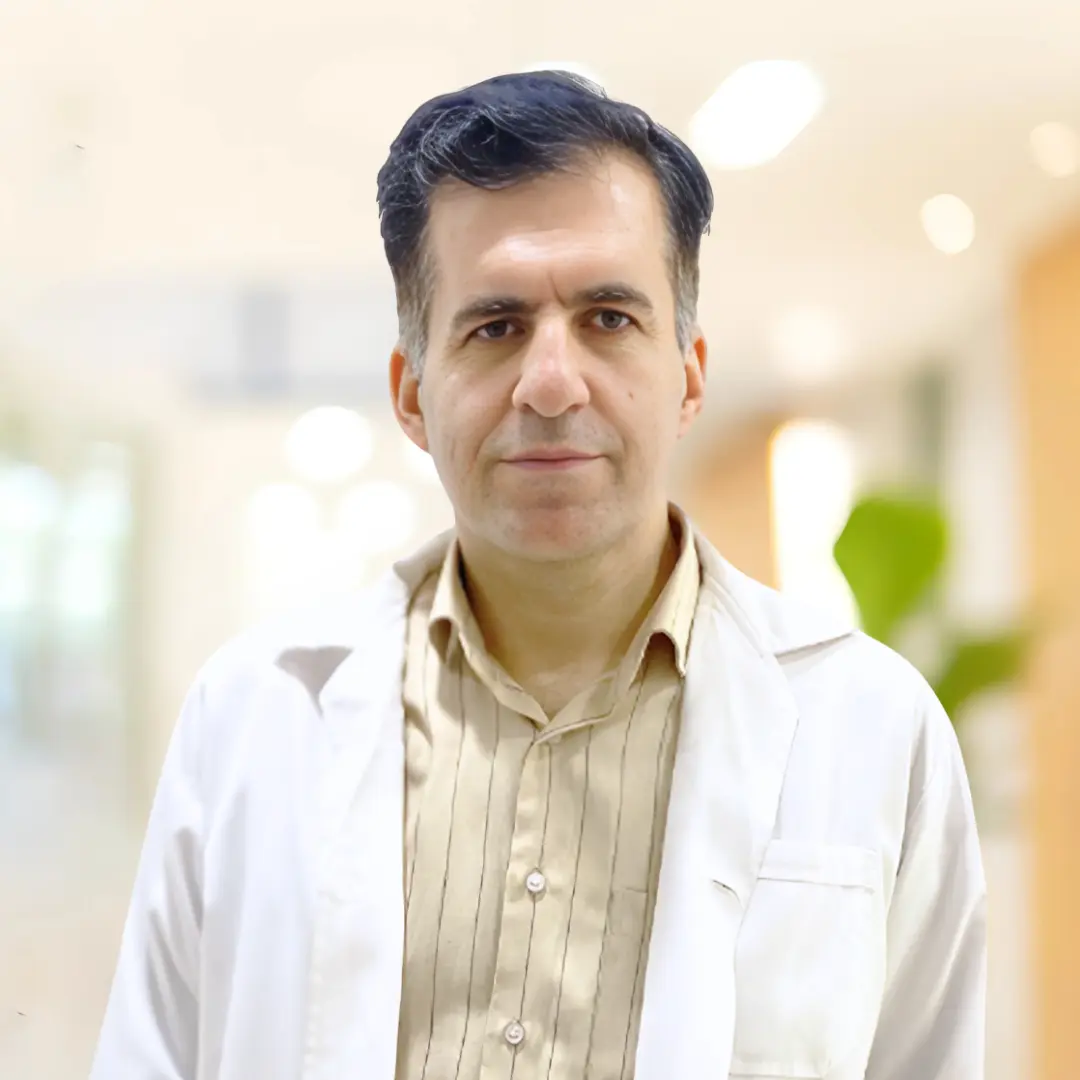
Dr. Shahoo Mazhari
Consultant Cardiologist
MD, Consultant Cardiologist
Persian · English · Kurdish
راهنمای بیمار
درک تست استرس قلبی: راهنمای کامل
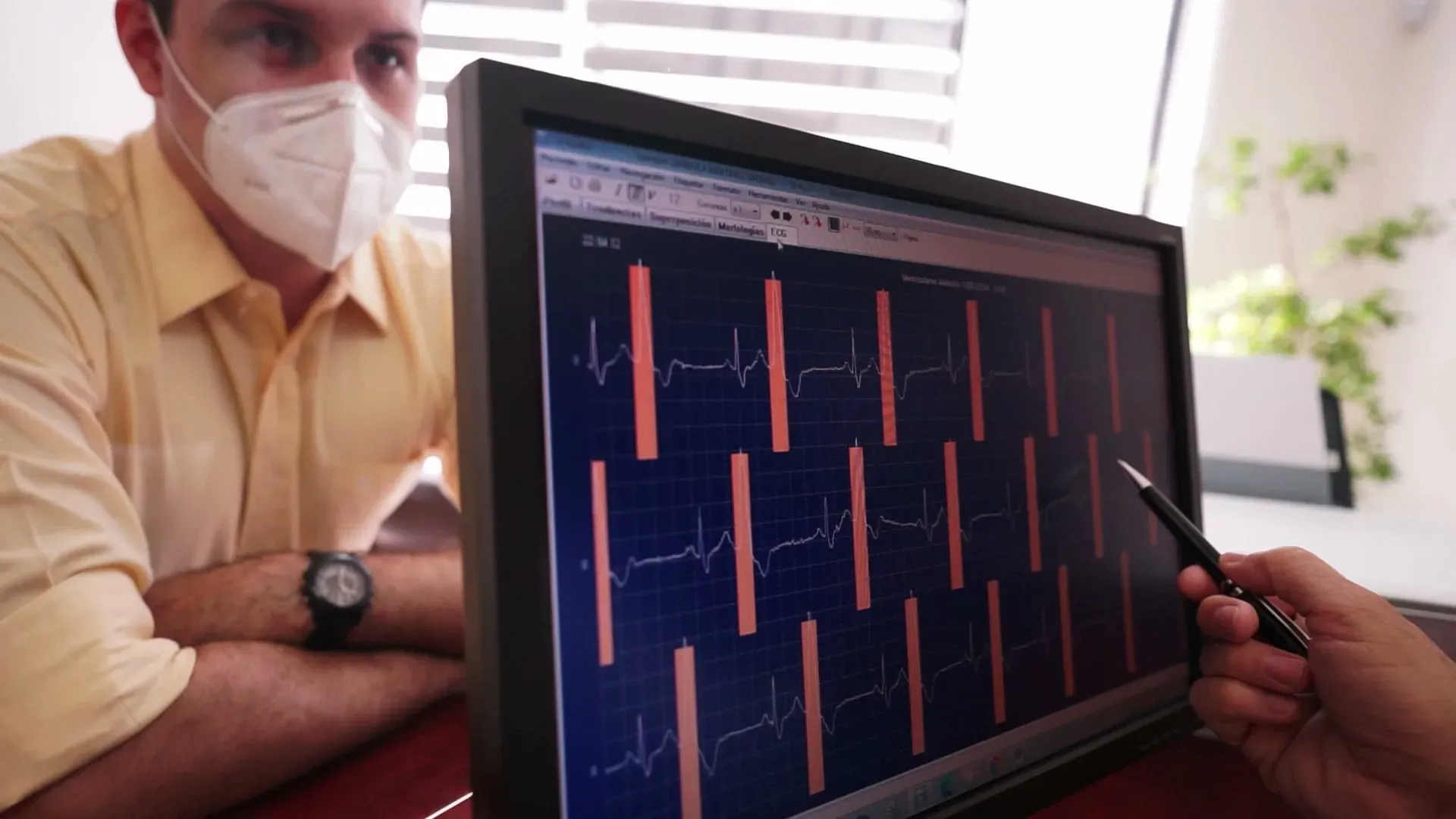
تست استرس قلبی که به عنوان تست تردمیل یا ECG ورزشی نیز شناخته میشود، ابزار تشخیصی اساسی در قلبشناسی است. ارزیابی میکند که قلب شما چگونه در برابر فعالیت بدنی واکنش نشان میدهد با نظارت بر الکتروکاردیوگرام، فشار خون و ضربان قلب در حین راه رفتن روی تردمیل.
هدف اصلی تست استرس تشخیص بیماری شریان کرونر است؛ وضعیتی که در آن پلاک داخل شریانهایی که خون را به عضله قلب میرسانند تجمع مییابد. وقتی این شریانها به طور قابل توجهی باریک میشوند، قلب ممکن است در حین ورزش خون کافی غنی از اکسیژن دریافت نکند.
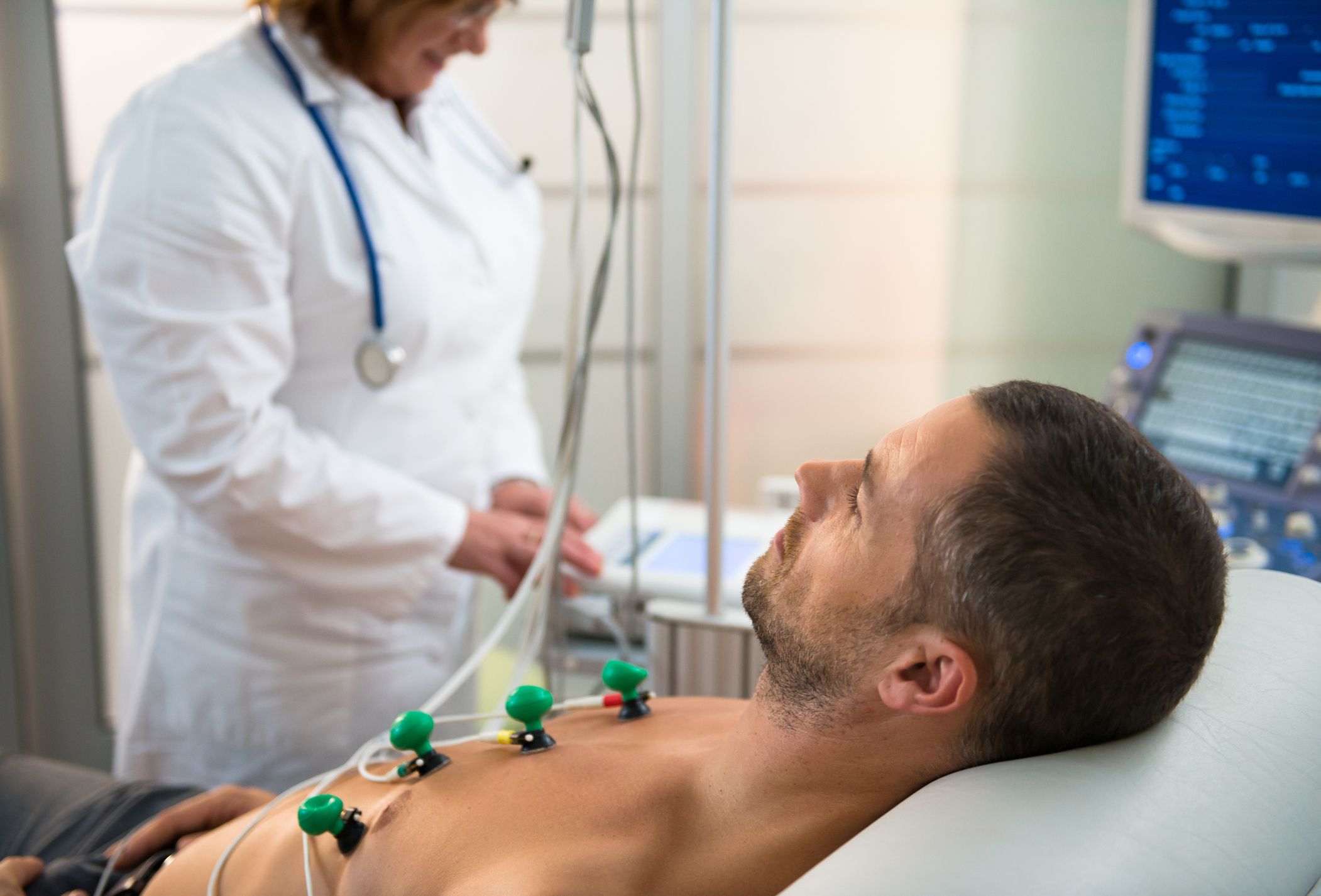
در طول تست، وصلههای الکترود کوچکی روی قفسه سینه شما قرار میگیرند تا فعالیت الکتریکی قلب را به طور مداوم ثبت کنند. متخصص قلب مستقیماً از ابتدا تا انتها بر تست نظارت میکند.
نتایج تست استرس در زمینه علائم، عوامل خطر و سابقه پزشکی شما تفسیر میشوند. نتیجه طبیعی اطمینانبخش است. نتیجه غیرطبیعی ممکن است نیاز به بررسی بیشتر داشته باشد.
شرایطی که با تست استرس ارزیابی میشوند
بیماری شریان کرونر
کاهش جریان خون ناشی از شریانهای کرونر مسدود یا باریکشده در حین ورزش را تشخیص میدهد
آریتمیهای ناشی از ورزش
ضربانهای نامنظم قلب که فقط در حین فعالیت بدنی رخ میدهند را شناسایی میکند
آنژین پکتوریس
الگوهای درد قفسه سینه را ارزیابی کرده و تعیین میکند آیا منشأ قلبی دارند
بیماری دریچه قلب
ارزیابی میکند که چگونه ناهنجاریهای دریچه بر عملکرد قلب تحت استرس تأثیر میگذارند
پاسخ هیپرتانسیو
افزایشهای غیرطبیعی فشار خون در حین ورزش که نشاندهنده خطر قلبیعروقی است را تشخیص میدهد
ارزیابی پس از حمله قلبی
عملکرد قلب و تحمل ورزش پس از انفارکتوس میوکارد را ارزیابی میکند
مقالات مرتبط
پیشگیری از بیماری قلبی در دبی
درباره استراتیژیهای پیشگیرانه برای محافظت از سلامت قلبیعروقی بیاموزید.
خدمات قلبشناسی در دبی
راهنمای جامع خدمات قلبشناسی موجود در DCDC.
هزینه CT آنژیوگرافی در دبی
درک CT آنژیوگرافی کرونر به عنوان ابزار تشخیصی تکمیلی پس از تست استرس.
معنای نتیجه آزمایش کلسیوم
نمرهدهی کلسیوم کرونر چگونه تست استرس را برای ارزیابی ریسک قلبیعروقی تکمیل میکند.
خدمات مرتبط
سایر خدمات تشخیصی و مشاورهای موجود در کلینیک ما در شهر سلامت دبی را کاوش کنید.
سؤالات متداول
سؤالات متداول درباره تست تنش قلبی در دبی.
ما تست تنش قلبی را در شهر بهداشت دبی ارائه میدهیم. تیم متخصصان با تجربه ما برای معاینه و مشاوره جامع در دسترس است. برای اطلاعات بیشتر با ما تماس بگیرید.
مدت زمان بسته به هر مورد فردی متفاوت است. تیم ما قبلاً شما را از زمان دقیق آگاه خواهد کرد. برای رزرو وقت با ما تماس بگیرید.
اکثر بیمههای بزرگ در دبی تست تنش قلبی را پوشش میدهند. ما پرداخت مستقیم با بیش از ۲۰ شرکت بیمه از جمله Daman، AXA و Bupa ارائه میدهیم. برای بررسی پوشش بیمهای خود با ما تماس بگیرید.
تیم ما قبل از قرار ملاقات دستورالعملهای آمادگی خاصی به شما خواهد داد. به طور کلی توصیه میکنیم تمام داروهای فعلی و سوابق پزشکی مرتبط را همراه بیاورید.
در DCDC، ما تست تنش قلبی را با متخصصان باتجربه، تجهیزات پیشرفته و مراقبت ممتاز از بیمار در شهر بهداشت دبی ارائه میدهیم. تأسیسات ما دارای مجوز MOHAP است و از استانداردهای بالینی دقیق پیروی میکند.
میتوانید برای تست تنش قلبی با شماره +971 54 219 5008 تماس بگیرید یا از طریق سیستم رزرو آنلاین ما وقت بگیرید. ما زمانبندیهای انعطافپذیر از جمله قرارهای همان روز در صورت موجودیت ارائه میدهیم.
اطلاعات کلیدی
نظارت پزشکی
تمام خدمات تحت نظارت متخصصین پزشکی دارای مجوز در مرکز معتبر وزارت بهداشت ارائه میشود.