نکات کلیدی
- Stomach ulcers (peptic ulcers) are open sores on the stomach or duodenal lining that affect roughly 10% of people at some point in their lives, with higher prevalence in regions where H. pylori infection is common, including the UAE and Middle East.
- H. pylori bacterial infection causes approximately 60-80% of all stomach ulcers, while regular use of NSAIDs such as ibuprofen, aspirin, and diclofenac accounts for most of the remaining cases.
- The hallmark symptom of a stomach ulcer is a burning or gnawing pain in the upper abdomen that typically worsens on an empty stomach, often occurring between meals or at night, and temporarily improves after eating or taking antacids.
- Warning signs that require urgent medical attention include vomiting blood or dark material resembling coffee grounds, passing black tarry stools, sudden severe abdominal pain, and unexplained weight loss.
- The urea breath test is the gold standard for non-invasive H. pylori detection with over 95% sensitivity and specificity, and is available at DCDC in Dubai Healthcare City from AED 250-400 with same-day results.
- Standard treatment for H. pylori-related ulcers is triple therapy consisting of a proton pump inhibitor and two antibiotics taken for 14 days, followed by confirmation of bacterial eradication 4-6 weeks after completing the course.
A persistent burning pain in the upper abdomen that flares on an empty stomach, nausea after meals, and an unexplained loss of appetite are symptoms that bring patients to our gastroenterology service at Doctors Clinic Diagnostic Center (DCDC) in Dubai Healthcare City every week. These are classic signs of a stomach ulcer, also known as a peptic ulcer, a condition where the protective lining of the stomach or duodenum breaks down and an open sore develops. Left untreated, stomach ulcers can lead to serious complications including internal bleeding and perforation, but with the right diagnosis and treatment, most ulcers heal completely within weeks.
This guide covers everything you need to know about stomach ulcers in Dubai: how to recognise the symptoms, what causes them, when to seek urgent care, how ulcers are diagnosed, the treatment options available, and what recovery looks like. We also explain the specific diagnostic and treatment pathway at DCDC, including on-site H. pylori breath testing, laboratory investigations, and coordinated specialist care, so you know exactly what to expect from your first visit through confirmed healing.
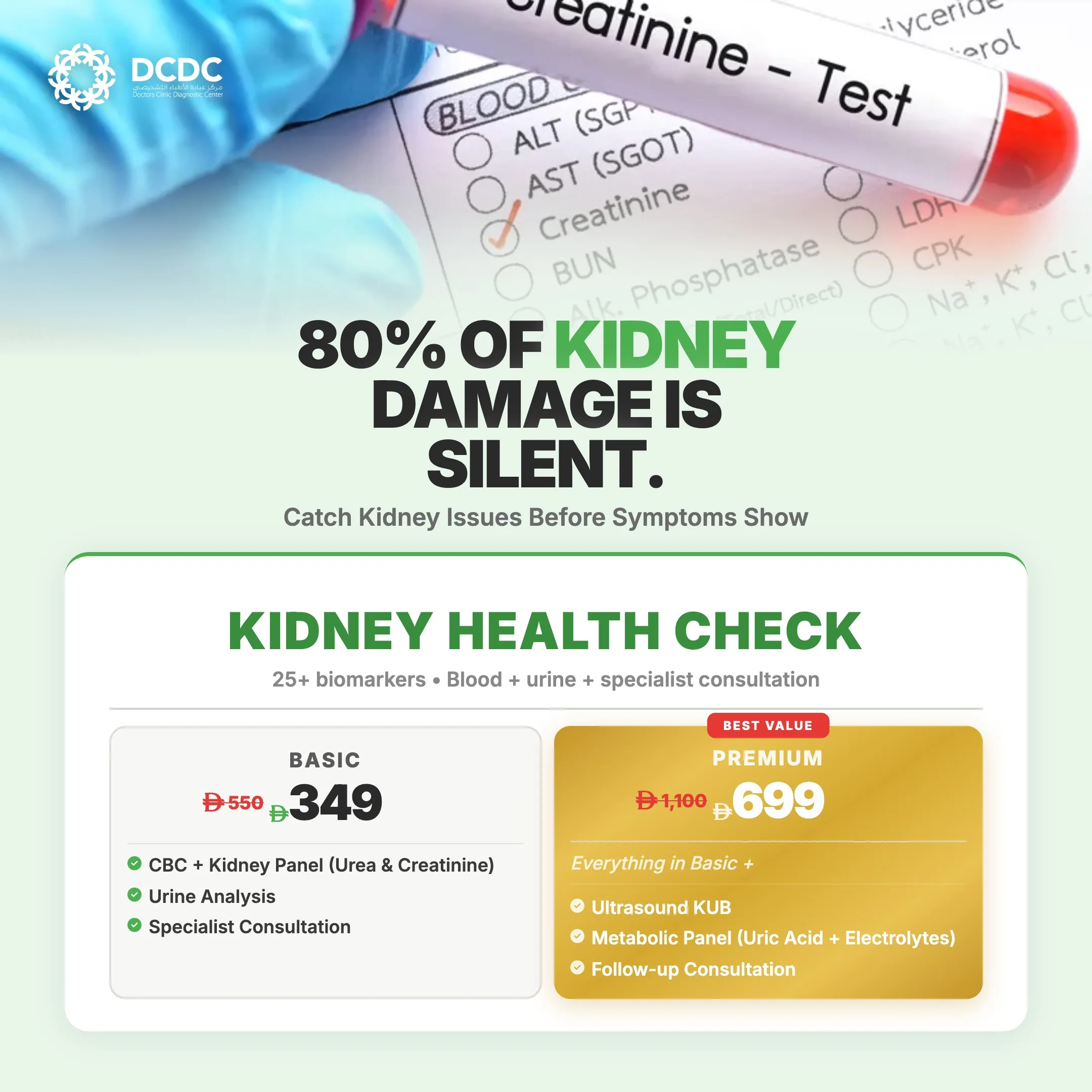
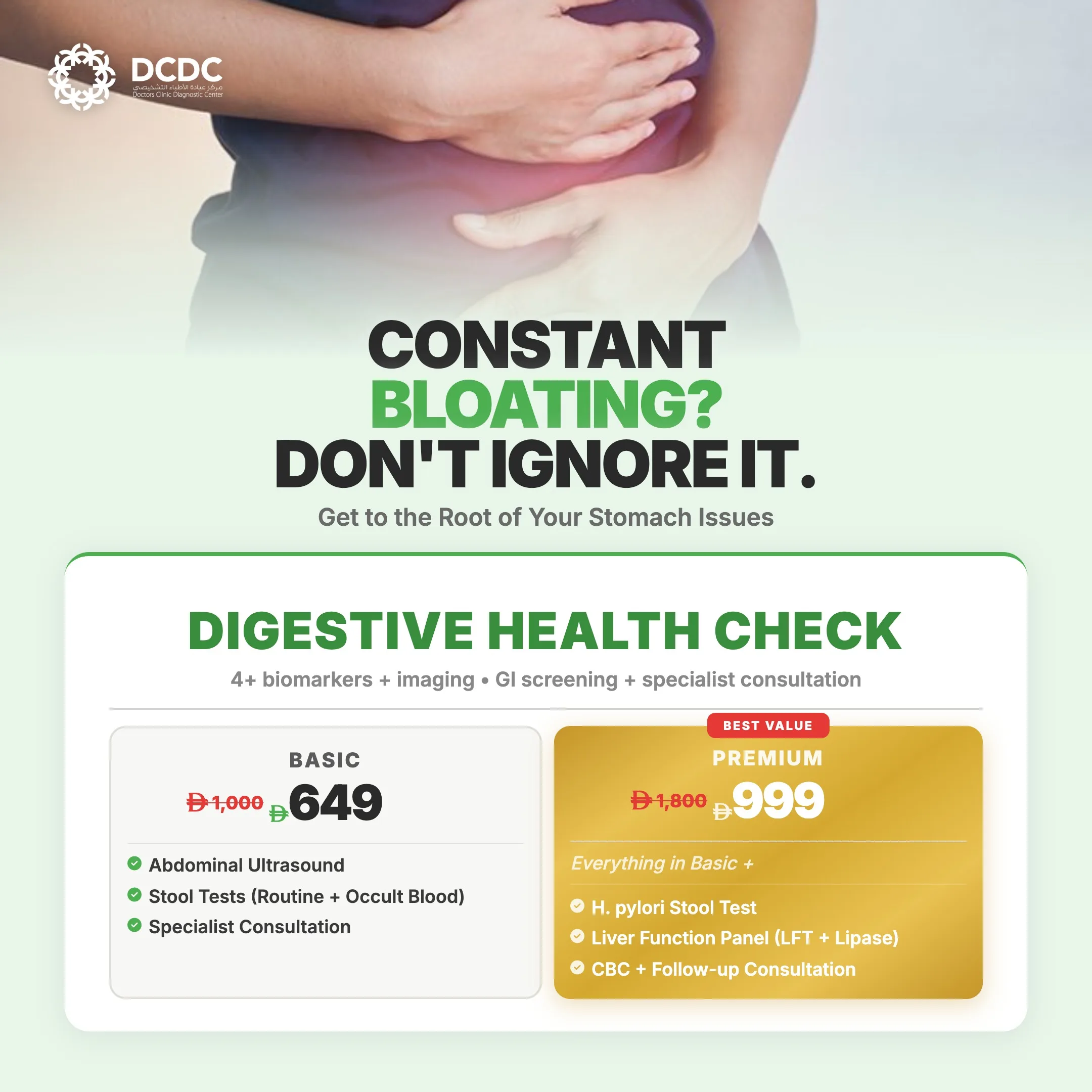
Health Screening Packages
Save with our bundled screening packages — specialist consultation included




What Is a Stomach Ulcer?
A stomach ulcer, medically termed a peptic ulcer, is an open sore that develops on the inner lining of the stomach (gastric ulcer) or the first part of the small intestine known as the duodenum (duodenal ulcer). The stomach lining is normally protected by a thick layer of mucus that acts as a barrier between the tissue and the hydrochloric acid used for digestion. When this protective layer is compromised, whether by bacterial infection, chemical irritation, or reduced mucus production, the acid erodes the lining and creates a raw, crater-like wound that causes pain, inflammation, and in severe cases, bleeding or perforation.
Peptic ulcers are remarkably common. Research estimates that approximately 10% of people will develop a peptic ulcer at some point during their lifetime. In regions with high H. pylori prevalence, including the Middle East, South Asia, and parts of Africa, the lifetime risk may be higher. Despite being a source of significant discomfort and worry for patients, the vast majority of peptic ulcers respond well to modern medical treatment and heal completely when the underlying cause is identified and addressed.
Gastric Ulcers vs. Duodenal Ulcers
- Gastric ulcers: These form on the lining of the stomach itself. Pain from gastric ulcers tends to worsen shortly after eating, as food entering the stomach stimulates acid production that irritates the ulcerated area. Gastric ulcers are more common in older adults and are more frequently associated with NSAID use.
- Duodenal ulcers: These develop in the duodenum, the upper section of the small intestine just beyond the stomach. Duodenal ulcer pain characteristically occurs 2-3 hours after eating or on an empty stomach, often waking patients at night. Eating or taking antacids typically provides temporary relief. Duodenal ulcers are more common overall, particularly in younger adults, and are more strongly associated with H. pylori infection.
Stomach Ulcer Symptoms You Should Not Ignore
Stomach ulcer symptoms can range from a mild, intermittent discomfort that is easily dismissed to severe pain that disrupts sleep, appetite, and daily functioning. Many patients tolerate symptoms for weeks or months before seeking evaluation, attributing the pain to stress, indigestion, or dietary indiscretion. Recognising the pattern of ulcer symptoms is important because early diagnosis leads to faster healing and prevents complications.
Core Symptoms of a Stomach Ulcer
- Burning or gnawing epigastric pain: The most characteristic symptom. The pain is typically felt in the upper middle abdomen (the epigastrium), between the navel and the breastbone. Patients often describe it as a burning, aching, or gnawing sensation. With duodenal ulcers, the pain classically occurs on an empty stomach and improves temporarily with food; with gastric ulcers, eating may worsen the pain.
- Night-time pain: Many patients with peptic ulcers, particularly duodenal ulcers, experience pain that wakes them between midnight and 3 AM, when the stomach is empty and acid secretion peaks. This nocturnal pain pattern is highly suggestive of an ulcer.
- Nausea: A feeling of queasiness or mild nausea is common, especially in the morning or after meals. Some patients experience intermittent vomiting, particularly when the ulcer causes swelling that partially obstructs the stomach outlet.
- Bloating and fullness: A sense of uncomfortable fullness or bloating in the upper abdomen after eating even small amounts. This early satiety can lead to reduced food intake and gradual weight loss.
- Loss of appetite: The association of eating with pain or discomfort often leads to a decreased desire to eat. Over time, this can result in unintentional weight loss and nutritional deficiencies.
- Heartburn and acid reflux: While heartburn is more typical of GERD, many patients with peptic ulcers also experience a burning sensation rising from the stomach toward the chest, particularly when lying down after meals.
- Belching and indigestion: Excessive burping, a sour taste in the mouth, and a general sense of indigestion (dyspepsia) are commonly reported alongside the primary pain.
Warning Signs That Need Urgent Medical Attention
While most stomach ulcers cause manageable symptoms that respond to outpatient treatment, certain warning signs indicate that complications have developed and require immediate medical care. These red-flag symptoms should never be ignored or self-treated, as they may indicate active bleeding, perforation, or obstruction, all of which are medical emergencies.
- Vomiting blood (haematemesis): Vomited blood may appear bright red or look like dark brown coffee grounds. This indicates active bleeding from the ulcer and requires emergency assessment. Even a small amount of blood in vomit warrants urgent medical attention.
- Black, tarry stools (melaena): When blood from an ulcer passes through the digestive tract, it is partially digested and turns the stool dark black with a distinctively sticky, tar-like consistency and a strong odour. Melaena indicates significant upper GI bleeding.
- Sudden, severe abdominal pain: A sharp, intense pain that comes on suddenly and does not relent may indicate ulcer perforation, where the ulcer has eroded completely through the stomach or duodenal wall. Perforation causes peritonitis and requires emergency surgery.
- Unexplained weight loss: Gradual, unintentional weight loss in the context of upper abdominal symptoms requires medical evaluation to rule out ulcer complications and other serious conditions including malignancy.
- Persistent vomiting: Repeated vomiting, particularly of undigested food eaten hours earlier, may indicate gastric outlet obstruction caused by swelling or scarring from a chronic ulcer near the pylorus.
- Signs of anaemia: Chronic slow bleeding from an ulcer can cause iron-deficiency anaemia, leading to unusual fatigue, pallor, shortness of breath on exertion, and dizziness. These symptoms develop gradually and may be the first indication of a silent ulcer.
If you experience any of these symptoms, especially vomiting blood or passing black stools, go to the nearest emergency department immediately. For patients who also experience related digestive symptoms such as chronic stomach inflammation, our guide on gastritis treatment in Dubai provides detailed information about diagnosis and management of stomach lining inflammation, which frequently coexists with peptic ulcer disease.
What Causes Stomach Ulcers in Dubai?
The two dominant causes of peptic ulcers are Helicobacter pylori (H. pylori) bacterial infection and regular use of non-steroidal anti-inflammatory drugs (NSAIDs). Together, these account for the vast majority of cases. Understanding the cause of your ulcer is critical because the treatment approach differs fundamentally depending on whether the ulcer is driven by infection, medication, or both.
Risk Factors Relevant to Dubai's Population
- H. pylori prevalence: Dubai's multinational population includes a large proportion of residents from the Middle East, South Asia, and Southeast Asia, where H. pylori prevalence can exceed 70%. Many individuals acquire the infection during childhood in their home countries and carry it asymptomatically for years before it causes ulcer disease.
- Over-the-counter NSAID access: Painkillers such as ibuprofen and diclofenac are widely available in UAE pharmacies without prescription. Many residents routinely self-treat headaches, muscle pain, and joint discomfort with these medications without realising the cumulative risk to their stomach lining.
- Smoking: Smoking increases stomach acid production, impairs mucosal blood flow, and delays ulcer healing. It also reduces the effectiveness of ulcer medications. Smoking rates, while declining in the UAE, remain significant in certain demographic groups.
- Stress and lifestyle factors: While psychological stress does not directly cause ulcers, it worsens symptoms and may delay healing. Dubai's demanding work culture, long commutes, irregular meal timings, and reliance on processed food can all contribute to conditions that make ulcers more likely to develop and slower to heal.
- Dietary habits: Spicy food does not cause ulcers, a common misconception, but it can aggravate existing ones. The diverse culinary landscape in Dubai means patients are frequently exposed to spicy, acidic, and fatty foods that irritate an already damaged stomach lining.
H. Pylori Infection: The Leading Cause of Stomach Ulcers
Helicobacter pylori is a spiral-shaped bacterium uniquely adapted to survive in the acidic environment of the stomach. It burrows beneath the protective mucus layer and colonises the stomach lining, triggering chronic inflammation (gastritis) that weakens the mucosal defence and creates conditions favourable for ulcer formation. H. pylori is responsible for an estimated 60-80% of gastric ulcers and up to 95% of duodenal ulcers worldwide.
The infection is typically acquired during childhood, primarily through oral-oral or faecal-oral transmission routes, and can persist for decades without causing noticeable symptoms. In the Middle East and South Asia, prevalence rates range from 60% to over 80% in some populations, compared with 20-40% in Western Europe and North America. This means that a substantial proportion of Dubai's resident population carries H. pylori, and while not everyone who is infected will develop an ulcer, the infection remains the single most important risk factor.
Eradication of H. pylori is the cornerstone of ulcer treatment when the bacterium is detected. Without eradication, ulcers have a recurrence rate exceeding 60% within one year; with successful eradication, recurrence drops below 5%. This is why confirming both the presence and the subsequent clearance of H. pylori through appropriate testing is essential to long-term ulcer management.
How Stomach Ulcers Are Diagnosed
Accurate diagnosis of a stomach ulcer involves two key questions: is there an ulcer present, and what is causing it? In many cases, the clinical history alone, particularly the pattern of epigastric pain in relation to meals and fasting, provides strong initial suspicion. Diagnostic testing then confirms the ulcer and identifies the underlying cause, which directly determines the treatment approach.
Non-Invasive Testing
- Urea breath test (UBT): The gold standard non-invasive test for active H. pylori infection. You swallow a capsule or liquid containing a small amount of labelled urea. If H. pylori is present, its urease enzyme breaks down the urea, producing labelled carbon dioxide that is detected in your exhaled breath. The test has a sensitivity and specificity exceeding 95%, making it the most accurate non-invasive option. Results are typically available the same day.
- H. pylori stool antigen test: A stool sample is analysed for H. pylori antigens. This test is also highly accurate (sensitivity approximately 94%) and is useful as an alternative to the breath test, particularly for patients who cannot perform the breath test. Results are usually available within 24 hours.
- Blood antibody test (H. pylori IgG): A blood test that detects antibodies to H. pylori. While quick and convenient, it cannot distinguish between a current active infection and a past infection that has already been treated, since antibodies can persist in the blood for months or years after the bacteria have been eradicated. It is best used for initial screening rather than confirmation of active infection or treatment success.
- Blood panels: A complete blood count (CBC) can identify anaemia caused by chronic bleeding. Liver function tests and inflammatory markers (CRP, ESR) help assess overall gastrointestinal health and rule out other conditions.
Imaging and Endoscopy
- Abdominal ultrasound: While ultrasound cannot directly visualise most peptic ulcers, it is valuable for ruling out other causes of upper abdominal pain such as gallstones, liver disease, and pancreatic abnormalities. It is often performed as part of the initial assessment.
- Upper GI endoscopy (gastroscopy): The definitive diagnostic test for peptic ulcers. A thin, flexible camera is passed through the mouth into the stomach and duodenum, allowing direct visualisation of the ulcer, assessment of its size and severity, and collection of tissue biopsies for H. pylori testing and exclusion of malignancy. Endoscopy is recommended for patients with alarm symptoms, those over 50 with new-onset symptoms, or those who do not respond to initial treatment.
For a detailed breakdown of H. pylori testing methods, accuracy, and costs, see our comprehensive guide on H. pylori test cost in Dubai, which covers every available testing option at DCDC and how to prepare for each test.
Stomach Ulcer Treatment Options in Dubai
Treatment for stomach ulcers targets two goals: healing the ulcer itself by reducing stomach acid and protecting the damaged lining, and eliminating the underlying cause to prevent recurrence. The specific treatment plan depends on whether H. pylori is detected, whether NSAID use is involved, and the severity of the ulcer.
H. Pylori Eradication Therapy
When H. pylori is confirmed as the cause, the standard first-line treatment is triple therapy: a proton pump inhibitor (PPI) combined with two antibiotics, typically amoxicillin and clarithromycin, or metronidazole as an alternative. This regimen is taken for 14 days. The PPI suppresses acid production to create a less hostile environment for healing, while the antibiotics eliminate the bacterial infection. Eradication rates with standard triple therapy range from 70-85%, depending on local antibiotic resistance patterns. In cases where first-line therapy fails, a quadruple therapy regimen incorporating bismuth subsalicylate is used.
A critical step that is sometimes overlooked is confirmation of eradication. At DCDC, we follow evidence-based guidelines and schedule a follow-up urea breath test or stool antigen test 4-6 weeks after completing the antibiotic course. This waiting period is necessary because PPIs can produce false-negative results if testing is done too soon. Confirmed eradication is the only reliable way to know the treatment has worked and the risk of ulcer recurrence has been eliminated.
Acid Suppression and Mucosal Protection
Proton pump inhibitors (PPIs) such as omeprazole, esomeprazole, and pantoprazole are the mainstay of ulcer healing. By blocking the proton pump in stomach acid-producing cells, PPIs reduce acid output by up to 90%, allowing the ulcerated tissue to repair itself. PPI therapy typically continues for 4-8 weeks for gastric ulcers and 2-4 weeks for duodenal ulcers. H2 receptor blockers (famotidine, ranitidine) are an alternative for patients who cannot tolerate PPIs. Sucralfate, a mucosal protectant, may be prescribed additionally to form a physical barrier over the ulcer base.
NSAID-Related Ulcer Management
For ulcers caused by NSAID use, the first step is to stop the offending medication if medically possible. If NSAIDs must be continued for a chronic condition such as arthritis, the lowest effective dose is used and a PPI is co-prescribed for gastric protection. Switching from a non-selective NSAID to a COX-2 selective inhibitor (celecoxib) may reduce ulcer risk, though this must be weighed against cardiovascular considerations. Paracetamol is recommended as a safer alternative for pain management in patients with a history of peptic ulcers.
Stomach Ulcer Treatment Cost in Dubai
| Test / Treatment | Cost at DCDC (AED) | Notes |
|---|---|---|
| GP Consultation (initial assessment) | From AED 150 | Same-day appointments available |
| H. Pylori Stool Antigen Test | From AED 150-250 | Results within 24 hours |
| H. Pylori Urea Breath Test | From AED 250-400 | Same-day results; >95% accuracy |
| H. Pylori Blood Antibody Test | From AED 150-250 | Best for initial screening |
| CBC + Liver Function + Inflammatory Markers | From AED 200-400 | On-site lab; same-day results |
| Abdominal Ultrasound | From AED 300-600 | On-site imaging; rules out other causes |
| Triple Therapy Medication (14-day course) | AED 200-500 | PPI + 2 antibiotics; prescribed same day |
| Follow-Up Eradication Test (post-treatment) | From AED 150-400 | Scheduled 4-6 weeks after therapy |
| Upper GI Endoscopy (gastroscopy) | AED 1,500-6,000 | Referral to DHCC specialist centre |
Prices are approximate self-pay rates at DCDC Dubai Healthcare City (2026). Insured patients typically pay co-pay only (10-20%). Contact DCDC for current pricing.
Concerned About Stomach Ulcer Symptoms?
At DCDC in Dubai Healthcare City, we offer comprehensive stomach ulcer evaluation including H. pylori testing, blood panels, and abdominal ultrasound — all processed in our on-site MOHAP-licensed laboratory. Same-day appointments are often available. Direct billing with 20+ insurance providers including Daman, AXA, Bupa, MetLife, and Cigna.
Building 64, Block A, Al Razi Medical Complex, Dubai Healthcare City | Sat-Thu 8 AM-10 PM, Fri 9 AM-9 PM | Free parking
Dietary Changes for Ulcer Management
While diet alone cannot cure a stomach ulcer, the foods you eat and avoid can significantly influence symptom severity, healing speed, and the likelihood of flare-ups. Dietary counselling is an integral part of ulcer management at DCDC, and our approach is tailored to the diverse eating patterns and cultural cuisines common among Dubai's residents.
Foods That Support Healing
- High-fibre foods: Oatmeal, brown rice, whole-grain bread, lentils, and vegetables provide bulk that helps buffer stomach acid. A high-fibre diet has been associated with reduced ulcer recurrence.
- Lean proteins: Grilled chicken, fish, eggs, and tofu provide essential amino acids for tissue repair without stimulating excessive acid production.
- Non-acidic fruits: Bananas, melons, papayas, and apples are gentle on the stomach lining and provide vitamins that support mucosal repair.
- Probiotic-rich foods: Yoghurt, kefir, and fermented foods contain beneficial bacteria that may help suppress H. pylori and support gut health during and after antibiotic treatment.
- Vegetables: Cooked leafy greens, broccoli, cauliflower, and sweet potatoes are well tolerated and provide anti-inflammatory nutrients. Cruciferous vegetables like broccoli contain sulforaphane, which has demonstrated anti-H. pylori properties in laboratory studies.
Foods and Habits to Avoid
- Spicy foods: Chilli peppers, hot sauces, and heavily spiced dishes do not cause ulcers but can irritate the exposed ulcer bed and intensify pain. Patients should reduce spice levels during active ulcer treatment and reintroduce gradually as healing progresses.
- Coffee and caffeinated drinks: Caffeine stimulates gastric acid secretion and may worsen ulcer symptoms. Both regular and decaffeinated coffee can be irritating; herbal teas such as chamomile or ginger are better alternatives.
- Alcohol: Alcohol directly irritates the stomach lining, increases acid production, and impairs mucosal healing. Complete abstinence is recommended during active treatment.
- Fatty and fried foods: High-fat meals slow gastric emptying and increase acid exposure time. Common takeaway options in Dubai such as deep-fried items and heavily sauced dishes should be limited.
- Late-night eating: Allow at least 2-3 hours between your last meal and bedtime. In Dubai's social culture, where late dinners are common, this adjustment can meaningfully reduce nocturnal ulcer pain.
- Skipping meals: Going long periods without eating allows acid to build up in an empty stomach. Eating five to six smaller meals at regular intervals keeps acid buffered and reduces pain.
What to Expect at DCDC
At Doctors Clinic Diagnostic Center in Dubai Healthcare City, we have structured our stomach ulcer evaluation to be thorough, efficient, and convenient. Most patients can complete their initial assessment and begin treatment in a single visit. Here is exactly what the process looks like.
Step 1: Consultation and Clinical Assessment
Your visit begins with a consultation with one of our general practitioners or internal medicine physicians. The doctor takes a detailed history of your symptoms, including their pattern, duration, relationship to meals and fasting, medication use (particularly NSAIDs), smoking history, and any family history of stomach problems or H. pylori infection. A focused physical examination of the abdomen is performed to identify tenderness and rule out other causes of pain. Based on the clinical assessment, the doctor orders the appropriate investigations.
Step 2: On-Site Diagnostic Testing
DCDC's on-site MOHAP-licensed laboratory means you do not need to visit a separate facility for testing. Depending on your clinical picture, investigations may include an H. pylori urea breath test (non-invasive, results the same day, over 95% accuracy), H. pylori stool antigen or blood antibody testing, a complete blood count to check for anaemia, liver function tests, and inflammatory markers (CRP). If abdominal ultrasound is indicated to rule out gallstones or other conditions, this is also performed on-site during the same visit.
Step 3: Diagnosis and Treatment Plan
Once results are available, often on the same day for breath tests and basic blood work, your doctor reviews the findings with you and explains the diagnosis. If H. pylori is confirmed, triple therapy is prescribed immediately. If NSAIDs are the suspected cause, your doctor discusses safer alternatives and prescribes acid-suppressing medication. Dietary guidance tailored to your eating habits and cultural cuisine is provided, along with a clear timeline for recovery and follow-up.
Step 4: Follow-Up and Confirmed Healing
DCDC follows evidence-based protocols for ulcer management, which means we do not simply prescribe treatment and hope for the best. For H. pylori-related ulcers, a follow-up eradication test (breath test or stool antigen) is scheduled 4-6 weeks after completing antibiotics to confirm the bacteria have been eliminated. For patients with more complex or refractory ulcers, we coordinate endoscopy referrals with trusted specialist centres within Dubai Healthcare City, ensuring continuity of care and shared medical records.
DCDC offers direct billing with over 20 insurance providers including Daman, AXA, Bupa, MetLife, and Cigna. Insured patients typically pay only their co-pay amount. The clinic is open Saturday to Thursday from 8 AM to 10 PM and Friday from 9 AM to 9 PM, with free parking available at Building 64, Block A, in the Al Razi Medical Complex. Same-day appointments are frequently available, and walk-in patients are accommodated whenever possible. Our Google rating stands at 4.8 out of 5 with a 98% patient satisfaction rate. For more information about conditions that cause upper abdominal pain, see our detailed guide on abdominal pain causes and diagnosis in Dubai.
When to See a Doctor for Stomach Pain in Dubai
Not every episode of stomach pain requires a doctor's visit, but certain patterns and features should prompt you to seek medical evaluation sooner rather than later. The following guidelines can help you decide when self-care is appropriate and when professional assessment is needed.
- See a doctor within a week if: You have a burning or gnawing upper abdominal pain that has persisted for more than 7-10 days. You are using antacids more than twice a week to manage stomach discomfort. You have noticed a decrease in appetite or unintentional weight loss. Your symptoms are interfering with sleep, work, or eating.
- See a doctor within 1-2 days if: Your pain is worsening despite over-the-counter antacids. You have persistent nausea or vomiting. You have noticed your stools are unusually dark. You have a known history of peptic ulcers and symptoms have returned.
- Seek emergency care immediately if: You are vomiting blood or material that looks like coffee grounds. You are passing black, tarry stools. You have sudden, severe, unrelenting abdominal pain. You feel faint, dizzy, or are experiencing a rapid heartbeat, which may indicate significant blood loss.
In Dubai, where the demands of work and family often lead people to delay medical visits, a key message is this: stomach ulcers do not resolve on their own, and prolonged self-treatment with antacids masks the underlying problem while the ulcer continues to damage the stomach lining. A single consultation can establish the diagnosis, identify the cause, and start targeted treatment that leads to complete healing.
Dr. Hadeel Elnur's Clinical Perspective
"Stomach ulcers are one of the conditions where I see the biggest gap between how long patients have been suffering and how straightforward the solution usually is. Many patients come to DCDC after months of self-treating with antacids bought over the counter, assuming the problem is just stress or diet. When we test for H. pylori and find the infection, which we do in the majority of cases, they are often surprised that a two-week course of antibiotics can resolve a problem they have been living with for a very long time."
"What I always emphasise is the importance of completing the full course of treatment and then coming back for the confirmation test. Stopping antibiotics early, or not confirming that the bacteria have been fully eradicated, is the most common reason I see ulcers come back. The follow-up breath test at 4-6 weeks is just as important as the initial diagnosis. When we confirm clearance, patients can be genuinely confident that the ulcer will not recur. And for patients whose ulcers are related to painkiller use rather than infection, we work together on finding safer alternatives so the cycle does not repeat."
Lifestyle Factors That Affect Ulcer Healing
Beyond medication and dietary changes, several lifestyle modifications can meaningfully support ulcer healing and reduce the risk of recurrence. These adjustments are particularly relevant for residents of Dubai, where certain lifestyle patterns are widespread.
- Stop smoking: Smoking increases stomach acid secretion, reduces protective mucus production, impairs blood flow to the stomach lining, and reduces the effectiveness of PPI medications. Smokers have higher ulcer recurrence rates and slower healing times. Quitting smoking is one of the most impactful changes a patient with peptic ulcer disease can make.
- Manage stress effectively: Chronic stress does not directly cause ulcers, but it worsens symptoms, increases pain perception, and may delay healing. Regular physical activity, adequate sleep (7-8 hours nightly), and stress-reduction practices such as mindfulness or structured relaxation can all support recovery.
- Stay hydrated: Adequate water intake supports the production of the stomach's protective mucus barrier. In Dubai's climate, where dehydration is common during summer months when temperatures exceed 45 degrees Celsius, maintaining consistent hydration is essential. Aim for 2-3 litres daily, more during outdoor activity or intense heat.
- Review all medications with your doctor: Beyond obvious NSAIDs like ibuprofen and diclofenac, some less obvious medications can irritate the stomach lining, including certain blood thinners, corticosteroids, and potassium supplements. A comprehensive medication review ensures nothing is undermining your ulcer treatment.
- Maintain regular meal times: Consistent eating patterns prevent prolonged periods of acid exposure to an empty stomach. Five to six smaller meals distributed throughout the day are preferable to two or three large meals with long gaps between them.
Book Your Stomach Ulcer Assessment Today
Stop living with stomach pain. At DCDC in Dubai Healthcare City, our MOHAP-licensed team provides same-day H. pylori testing, comprehensive blood panels, and on-site abdominal ultrasound for a complete ulcer evaluation. Walk-ins welcome. Book online or message us on WhatsApp to schedule your consultation.
Building 64, Block A, Al Razi Medical Complex | Open until 10 PM | Free parking | 4.8/5 Google rating
خدمات مرتبط در DCDC
مراقبت تخصصی و تشخیص پیشرفته در شهر بهداشت دبی
Frequently Asked Questions
Final Thoughts
Stomach ulcers are a common and highly treatable condition, but they require proper medical diagnosis to ensure the right treatment is given. The burning pain, the disrupted sleep, the anxiety about eating — none of it needs to be endured indefinitely. In the majority of cases, a straightforward evaluation identifies the cause (most often H. pylori infection), and a targeted two-week treatment course resolves the problem with a high success rate.
The most important steps are getting tested rather than self-treating with antacids, completing the full course of prescribed medication, and returning for the follow-up test that confirms the infection has been cleared. These three actions break the cycle of ulcer recurrence that keeps so many patients trapped in a loop of partial relief and recurring pain.
At DCDC in Dubai Healthcare City, we provide the complete pathway from initial consultation through confirmed healing: on-site H. pylori testing, comprehensive blood work, abdominal imaging when indicated, evidence-based eradication therapy, and scheduled follow-up with confirmation testing. Same-day appointments are frequently available, we accept direct billing with over 20 insurance providers, and our clinic remains open until 10 PM to fit around your schedule. If stomach pain has been part of your daily life, a single visit can be the beginning of lasting resolution.
منابع و مراجع
این مقاله توسط تیم پزشکی ما بررسی شده و به منابع زیر ارجاع میدهد:
- Mayo Clinic — Peptic Ulcer Disease: Symptoms and Causes
- NHS UK — Stomach Ulcer: Symptoms, Causes and Treatment
- World Gastroenterology Organisation — Helicobacter pylori in Developing Countries: Global Guidelines
- Cleveland Clinic — Peptic Ulcer Disease: Symptoms, Causes, Diagnosis and Treatment
- American College of Gastroenterology — Management of Helicobacter pylori Infection: Clinical Practice Guidelines
محتوای پزشکی این سایت توسط پزشکان دارای مجوز DHA بررسی میشود. مشاهده سیاست تحریریه برای اطلاعات بیشتر.

نوشته شده توسط
Dr. Hadeel Elnur
General Practitioner
MD, General Practice
Dr. Hadeel Elnur is a General Practitioner at Doctors Clinic Diagnostic Center (DCDC) in Dubai Healthcare City.
Related Articles

Gastritis Treatment Dubai: Symptoms & Relief

H. Pylori Test Cost Dubai: From AED 150
Acid Reflux Dubai: GERD Symptoms & Care

Bloating Causes & Treatment in Dubai

Abdominal Pain Dubai: Causes & Diagnosis
More in Internal Medicine
Bloating Causes & Treatment in Dubai (2026)
بیشتر بخوانید
Anemia Treatment Dubai: Types & Causes (2026)
بیشتر بخوانیدChronic Fatigue Causes Dubai: Why Always Tired (2026)
بیشتر بخوانیدIBS vs Food Intolerance Dubai: Which Is It? (2026)
بیشتر بخوانید
Best Internal Medicine Doctor in Dubai: Dr. Hadi Komshi at DCDC (2026)
بیشتر بخوانیدDiabetes Specialist in Dubai: Expert Management at DCDC (2026)
بیشتر بخوانید© 2026 Doctors Clinic Diagnostic Center (DCDC), Dubai Healthcare City. Originally published at https://doctorsclinicdubai.ae/blog/stomach-ulcer-symptoms-treatment-dubai. All rights reserved. Unauthorized reproduction is prohibited.