نکات کلیدی
- امارات یکی از بالاترین نرخهای دیابت در جهان را دارد — تقریباً ۱۶٪ بزرگسالان مبتلا هستند و بسیاری بیشتر پیشدیابت تشخیصدادهنشده دارند. مدیریت زودهنگام تخصصی از عوارض جلوگیری کرده و نتایج بلندمدت را بهبود میبخشد
- دکتر هادی کمشی متخصص داخلی در DCDC است که مراقبتهای جامع دیابت شامل پایش HbA1c، بهینهسازی دارو، مدیریت انسولین و مشاوره سبک زندگی را به فارسی، عربی و انگلیسی ارائه میدهد
- HbA1c (هموگلوبین گلیکوزیله) استاندارد طلایی پایش دیابت است و میانگین کنترل قند خون طی ۲-۳ ماه را نشان میدهد. هدف HbA1c زیر ۷٪ خطر عوارض میکروواسکولار را بهشکل قابلتوجهی کاهش میدهد
- مدیریت دیابت نوع ۲ در DCDC رویکرد ساختاریافته دارد: تغییر سبک زندگی (رژیم غذایی، ورزش، مدیریت وزن) همراه با برنامههای دارویی شخصیسازیشده شامل متفورمین، مهارکنندههای SGLT2، آگونیستهای GLP-1 یا انسولین
- مقاومت به انسولین — که اغلب سالها قبل از دیابت وجود دارد — از طریق انسولین ناشتا، محاسبه HOMA-IR و مارکرهای متابولیک قابل شناسایی است و مداخله زودهنگام ممکن است از پیشرفت به دیابت نوع ۲ جلوگیری کند
- غربالگری منظم عوارض دیابت (چشم، کلیه، اعصاب، پا، قلب) ضروری است و توسط دکتر هادی با بخشهای قلب، آزمایشگاه و رادیولوژی DCDC هماهنگ میشود
دیابت یک بیماری متابولیک مزمن است که برای جلوگیری از عوارض جدی مؤثر بر قلب، کلیهها، چشمها، اعصاب و عروق خونی نیاز به مدیریت تخصصی مداوم دارد. امارات یکی از بالاترین نرخهای شیوع دیابت در جهان را دارد که ناشی از عوامل سبک زندگی شامل بیتحرکی، رژیمهای غذایی پرکالری و استعداد ژنتیکی است. در DCDC شهر پزشکی دبی، دکتر هادی کمشی، متخصص داخلی، مدیریت جامع دیابت — از تشخیص اولیه و پایش HbA1c تا بهینهسازی دارو، مدیریت انسولین و غربالگری عوارض — را به فارسی، عربی و انگلیسی ارائه میدهد.
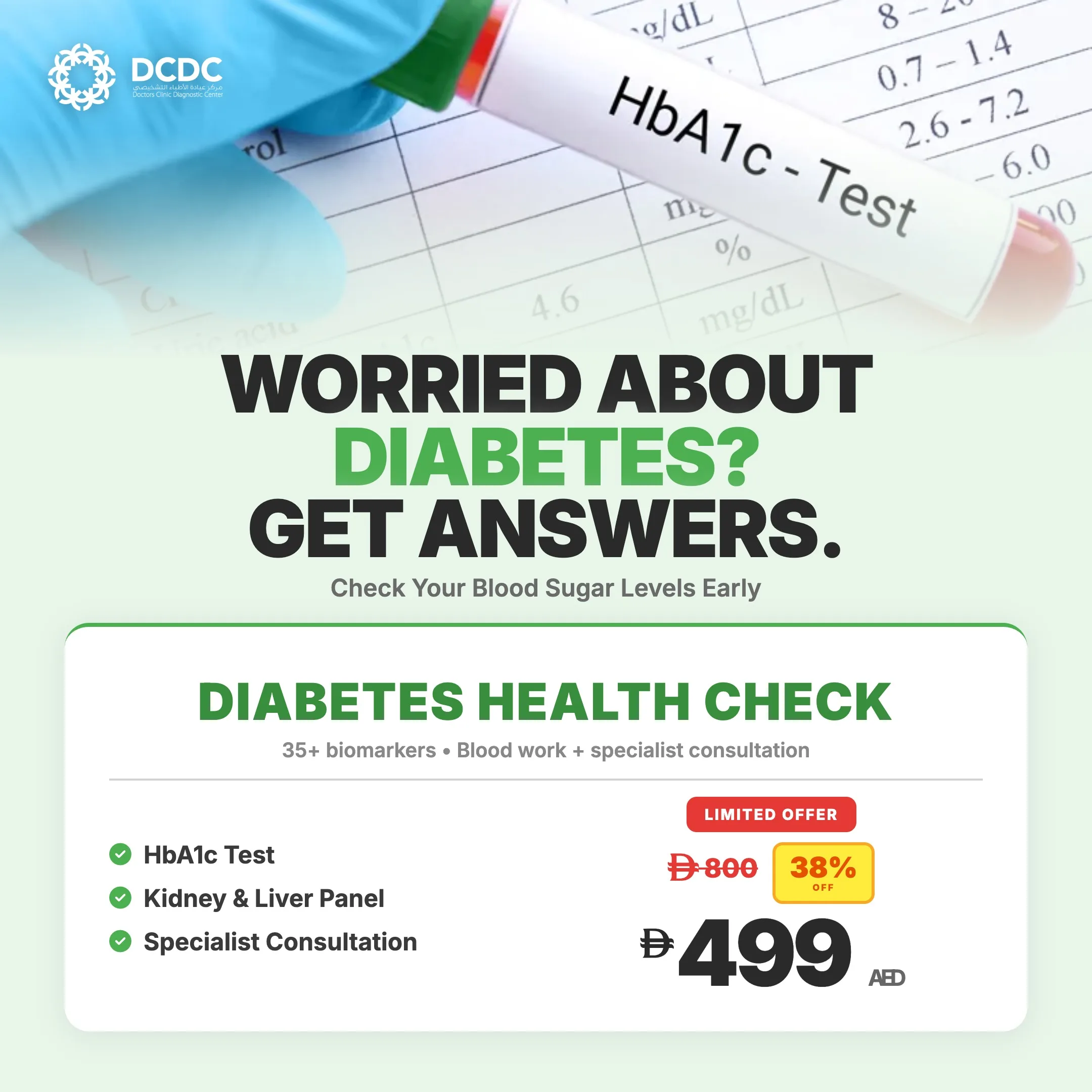
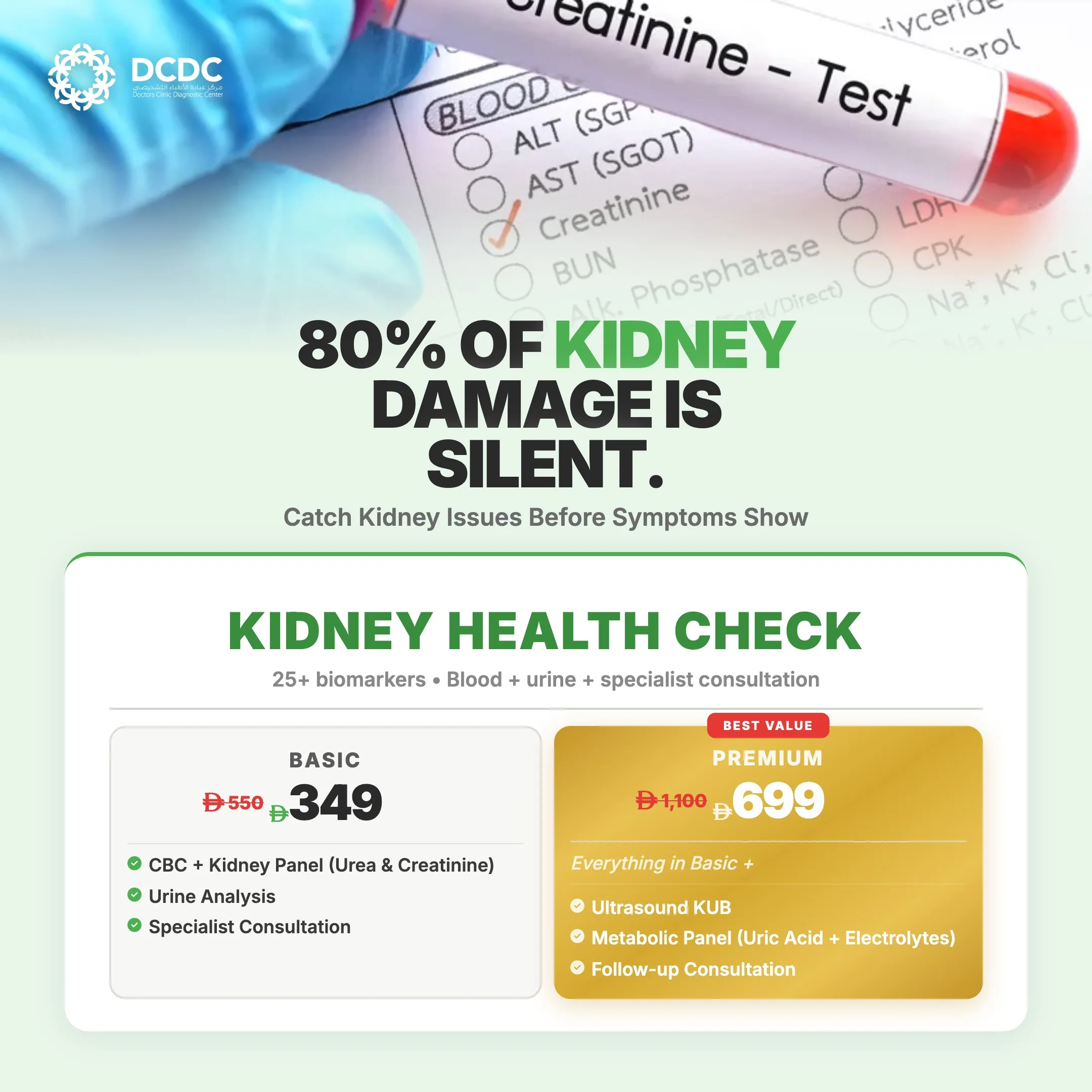
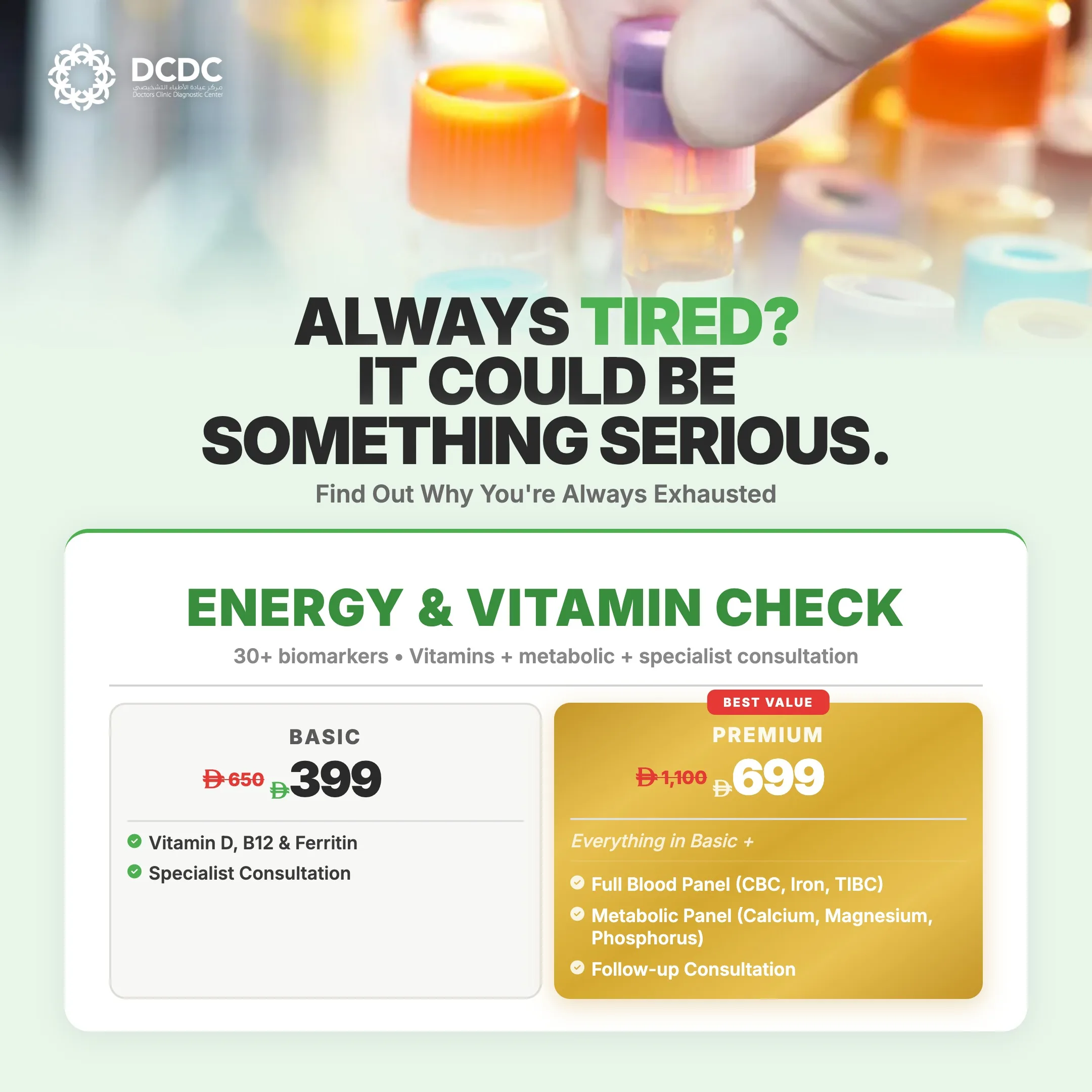
Health Screening Packages
Save with our bundled screening packages — specialist consultation included



شناخت دیابت: نوع ۱ در مقابل نوع ۲
دیابت زمانی رخ میدهد که بدن نتواند سطح گلوکز خون را بهدرستی تنظیم کند. درک نوع دیابت ضروری است چون رویکردهای درمانی بهطور قابلتوجهی متفاوت هستند.
دیابت نوع ۱
دیابت نوع ۱ یک بیماری خودایمنی است که سیستم ایمنی سلولهای بتای تولیدکننده انسولین در پانکراس را تخریب میکند. معمولاً در کودکی یا جوانی ایجاد میشود و نیاز به انسولیندرمانی مادامالعمر دارد. بیماران بدون انسولین نمیتوانند زنده بمانند. نوع ۱ حدود ۵-۱۰٪ تمام موارد دیابت را تشکیل میدهد.
دیابت نوع ۲
دیابت نوع ۲ شایعترین فرم است و ۹۰-۹۵٪ موارد را تشکیل میدهد. زمانی ایجاد میشود که بدن به انسولین مقاوم شود (مقاومت به انسولین) و پانکراس نتواند انسولین کافی برای غلبه بر این مقاومت تولید کند. دیابت نوع ۲ بهشدت با اضافهوزن، بیتحرکی و استعداد ژنتیکی مرتبط است. پیشرونده است — یعنی بدون مدیریت فعال بدتر میشود — اما اغلب با درمان مناسب قابل کنترل و حتی بهبود است.
پیشدیابت
پیشدیابت وضعیتی است که سطح گلوکز خون بالاتر از حد طبیعی اما هنوز به اندازه تشخیص دیابت نیست (HbA1c ۵.۷-۶.۴٪ یا قند ناشتا ۱۰۰-۱۲۵ میلیگرم/دسیلیتر). بدون مداخله، تقریباً ۷۰٪ افراد مبتلا به پیشدیابت در نهایت به دیابت نوع ۲ مبتلا میشوند. با این حال، پیشدیابت با تغییرات سبک زندگی و در برخی موارد دارو، قابلبرگشت است.
چرا دیابت در دبی بسیار شایع است
فدراسیون بینالمللی دیابت امارات را در ۱۰ کشور برتر جهان از نظر شیوع دیابت قرار میدهد. چندین عامل در این امر نقش دارند:
- استعداد ژنتیکی: جمعیتهای خاورمیانهای، جنوب آسیایی و ایرانی از نظر ژنتیکی خطر بالاتری برای ابتلا به دیابت نوع ۲ و مقاومت به انسولین نسبت به جمعیتهای اروپایی دارند
- سبک زندگی کمتحرک: زیرساخت خودرومحور دبی، گرمای شدید تابستان که فعالیت بیرون از خانه را محدود میکند و فرهنگ کار پشتمیزنشینی فعالیت بدنی روزانه را بهشدت کاهش میدهد
- الگوهای غذایی: مصرف بالای کربوهیدراتهای تصفیهشده، نوشیدنیهای شیرین، غذاهای فرآوریشده و وعدههای بزرگ — تشدیدشده توسط اهمیت اجتماعی غذا در فرهنگهای خاورمیانهای
- نرخ چاقی: تقریباً ۳۷٪ بزرگسالان امارات اضافهوزن و ۱۹٪ چاق هستند. چربی احشایی (شکمی) قویترین عامل خطر قابلاصلاح برای دیابت نوع ۲ است
- استرس و خواب ضعیف: استرس مزمن کورتیزول را افزایش میدهد که مقاومت به انسولین را تشدید میکند. الگوهای خواب نامنظم — رایج در دبی — متابولیسم گلوکز را بیشتر مختل میکنند
- تشخیص دیرهنگام: دیابت نوع ۲ اغلب در مراحل اولیه بدون علامت است. بسیاری از بیماران فقط زمانی تشخیص داده میشوند که عوارض قبلاً ایجاد شده — معمولاً ۵-۱۰ سال پس از شروع بیماری
HbA1c: استاندارد طلایی پایش دیابت
تست HbA1c (هموگلوبین گلیکوزیله) درصد هموگلوبین گلبولهای قرمز خون که گلوکز به آن متصل شده را اندازه میگیرد. چون گلبولهای قرمز حدود ۱۲۰ روز عمر میکنند، HbA1c میانگین کنترل قند خون در ۲-۳ ماه گذشته را منعکس میکند — تصویری بسیار دقیقتر از یک قند ناشتای تکی.
| سطح HbA1c | تفسیر | اقدام |
|---|---|---|
| زیر ۵.۷٪ | طبیعی | غربالگری سالانه اگر عوامل خطر دارید |
| ۵.۷-۶.۴٪ | پیشدیابت | تغییرات سبک زندگی + احتمالاً متفورمین، پیگیری هر ۳-۶ ماه |
| ۶.۵٪ یا بالاتر | دیابت | درمان دارویی + تغییرات سبک زندگی، پایش HbA1c هر ۳ ماه |
تفسیر سطوح HbA1c
مدیریت دیابت نوع ۲ در DCDC
دکتر هادی کمشی یک رویکرد ساختاریافته و شخصیسازیشده برای مدیریت دیابت نوع ۲ دنبال میکند:
- تغییرات سبک زندگی: مشاوره تغذیهای متناسب با ترجیحات غذایی فرهنگی (از جمله آشپزی ایرانی)، برنامهریزی ورزش و استراتژیهای مدیریت وزن
- متفورمین: داروی خط اول برای اکثر بیماران دیابت نوع ۲ — حساسیت به انسولین را بهبود بخشیده و تولید گلوکز کبدی را کاهش میدهد
- مهارکنندههای SGLT2: داروهایی که گلوکز اضافی را از طریق ادرار دفع میکنند و همچنین مزایای قلبی و کلیوی دارند
- آگونیستهای GLP-1: داروهای تزریقی هفتگی که کاهش وزن قابلتوجه و کنترل عالی قند خون ارائه میدهند
- انسولیندرمانی: وقتی داروهای خوراکی و تزریقی غیرانسولینی به تنهایی کافی نیستند، انسولین اضافه میشود با دوز و برنامه شخصیسازیشده
غربالگری عوارض دیابت
دیابت کنترلنشده میتواند عوارض جدی ایجاد کند. غربالگری منظم کلید تشخیص زودهنگام و پیشگیری است:
- چشم (رتینوپاتی): معاینه سالانه فوندوسکوپی — دیابت علت اصلی نابینایی قابلپیشگیری است
- کلیه (نفروپاتی): تست آلبومین ادرار و کراتینین خون سالانه
- اعصاب (نوروپاتی): معاینه سالانه حس پا — بیحسی، سوزش و گزگز علائم رایج هستند
- قلب: ارزیابی خطر قلبیعروقی، هماهنگشده با دکتر شاهو مظهری (قلب) در صورت نیاز
- پا: معاینه منظم پا برای زخم، عفونت و تغییرات پوستی
رزرو مشاوره دیابت در DCDC
دکتر هادی کمشی مدیریت جامع دیابت را در DCDC شهر پزشکی دبی ارائه میدهد. مشاورهها به فارسی، عربی و انگلیسی. نتایج آزمایشگاه همانروز. با واتساپ (+971 56 403 3528) تماس بگیرید.
نتایج آزمایش خون اخیر خود را در صورت موجود بودن به مشاوره بیاورید.
چه کسانی باید غربالگری دیابت انجام دهند؟
انجمن دیابت آمریکا غربالگری دیابت را برای همه بزرگسالان از سن ۳۵ سالگی و زودتر برای افراد دارای عوامل خطر توصیه میکند. با توجه به شیوع بالا در امارات، دکتر هادی غربالگری را برای هرکسی که یک یا بیشتر معیارهای زیر را دارد توصیه میکند:
- سن ۳۵ یا بالاتر (بدون توجه به عوامل خطر دیگر)
- اضافهوزن یا چاق (BMI ≥ ۲۵ یا ≥ ۲۳ برای جمعیتهای آسیایی)
- سابقه خانوادگی دیابت (والدین یا خواهر/برادر مبتلا به دیابت نوع ۲)
- زمینه قومی خاورمیانهای، جنوب آسیایی یا ایرانی (خطر ژنتیکی بالاتر)
- سابقه دیابت بارداری
- تخمدان پلیکیستیک (PCOS)
- فشار خون بالا (≥ ۱۴۰/۹۰)
- کلسترول غیرطبیعی (تریگلیسرید بالا یا HDL پایین)
- تشخیص قبلی پیشدیابت
- بیتحرکی (کمتر از ۱۵۰ دقیقه ورزش در هفته)
خدمات مرتبط در DCDC
مراقبت تخصصی و تشخیص پیشرفته در شهر بهداشت دبی
Frequently Asked Questions
مراقبت تخصصی دیابت به زبان خودتان
دیابت بیماریای است که به مدیریت صحیح بسیار خوب پاسخ میدهد. تفاوت بین دیابت کنترلشده (با حداقل خطر عوارض) و دیابت کنترلنشده (با آسیب پیشرونده به چشم، کلیه، اعصاب و قلب) اغلب به داشتن متخصص مناسب، برنامه پایش درست و طرح درمانی صحیح بستگی دارد.
در DCDC شهر پزشکی دبی، دکتر هادی کمشی مراقبتهای شخصیسازیشده و مداوم دیابت را ارائه میدهد. توانایی ایشان در مشاوره به فارسی، عربی و انگلیسی به این معنی است که بحثهای پیچیده مدیریت دیابت — درباره تغییرات دارو، دوز انسولین، اصلاحات رژیمی و غربالگری عوارض — به زبانی که بهتر درک میکنید انجام میشود.
چه تازه تشخیص داده شدهاید، چه با کنترل قند خون مشکل دارید، نگران مقاومت به انسولین هستید یا غربالگری سالانه دیابت نیاز دارید، همین امروز با تماس یا ارسال پیام واتساپ به شماره +971 56 403 3528 وقت مشاوره در DCDC رزرو کنید. نتایج آزمایشگاه همانروز در دسترس است.
منابع و مراجع
این مقاله توسط تیم پزشکی ما بررسی شده و به منابع زیر ارجاع میدهد:
- International Diabetes Federation (IDF) — Diabetes Atlas 10th Edition 2024, UAE Country Profile
- American Diabetes Association (ADA) — Standards of Care in Diabetes 2025
- UK Prospective Diabetes Study (UKPDS) — Intensive blood-glucose control reduces microvascular complications. Lancet. 1998
- Davies MJ et al. Management of hyperglycaemia in type 2 diabetes: ADA/EASD consensus report. Diabetes Care. 2022
- UAE Ministry of Health and Prevention — National Diabetes Prevention Programme 2024
محتوای پزشکی این سایت توسط پزشکان دارای مجوز DHA بررسی میشود. مشاهده سیاست تحریریه برای اطلاعات بیشتر.

نوشته شده توسط
دکتر هادی کمشی
متخصص داخلی
دکترای پزشکی
دکتر هادی کمشی متخصص داخلی دارای مجوز DHA در DCDC شهر پزشکی دبی است. ایشان مدیریت جامع دیابت، مراقبت تیروئید، درمان فشار خون و غربالگری سلامت عمومی را به فارسی، عربی و انگلیسی ارائه میدهد.
مقالات مرتبط
تست HbA1c در دبی: راهنمای کامل
مقاومت به انسولین: علائم و درمان

دیابت نوع ۱ در مقابل نوع ۲: تفاوتهای کلیدی
پیشگیری از پیشدیابت در دبی

بهترین پزشکان ایرانی در دبی
هزینه تست دیابت در دبی
More in Internal Medicine

Bloating Causes & Treatment in Dubai (2026)
بیشتر بخوانیدAnemia Treatment Dubai: Types & Causes (2026)
بیشتر بخوانید
Chronic Fatigue Causes Dubai: Why Always Tired (2026)
بیشتر بخوانیدIBS vs Food Intolerance Dubai: Which Is It? (2026)
بیشتر بخوانیدBest Internal Medicine Doctor in Dubai: Dr. Hadi Komshi at DCDC (2026)
بیشتر بخوانید
Internal Medicine Doctor in Dubai Healthcare City: Dr. Hadi Komshi (2026)
بیشتر بخوانید© 2026 Doctors Clinic Diagnostic Center (DCDC), Dubai Healthcare City. Originally published at https://doctorsclinicdubai.ae/blog/diabetes-specialist-dubai. All rights reserved. Unauthorized reproduction is prohibited.