
Termin vereinbaren
Verifizierte Patientenbewertungen des DCDC Diagnosezentrum in Dubai
Verifizierte Bewertungen und echte Patientenberichte aus Dubai Healthcare City
Ich bin sehr zufrieden mit dieser medizinischen Klinik. Ich hatte hier mein erstes Schwangerschaftsscreening. Es war erschwinglich und sehr professionell. Der Radiologe war einladend, freundlich und machte die Erfahrung großartig.
Aizhan Tokmanbetova
Am Freitagabend habe ich mir das Knie verletzt und am Sonntagabend einen MRT-Termin bekommen (am Sonntagnachmittag gebucht). Ich habe etwa 2 Minuten gewartet und war in etwas mehr als 30 Minuten fertig. Das Team war erstaunlich, freundlich und effizient.
Kirsten Evans
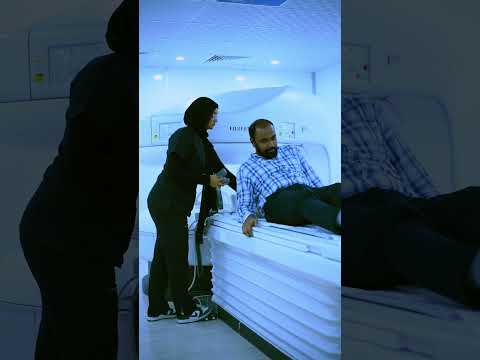
Das Team von Dr. Osama war sanft und erstaunlich. Nach einer schlechten Erfahrung anderswo war meine Beckenuntersuchung hier viel professioneller. Toller Bericht und sehr präzise.
Mary


Fachkundiges Nierensteinmanagement
Schmerzlinderung und langfristige Vorbeugung
Schnelle Diagnose
Sofortige Bildgebung und Beurteilung
Schmerzlinderung
Medikamentose Austreibung und Komfortversorgung
Vorbeugung
Steinanalyse und individueller Ernahrungsplan
Nierensteine sind schmerzhaft und kehren haufig wieder. Im Doctors Clinic Diagnostic Center in Dubai Healthcare City bieten wir schnelle Bildgebung, Schmerzlinderung und gezielte medikamentose Austreibungstherapie, damit Sie sich schnell besser fuhlen.
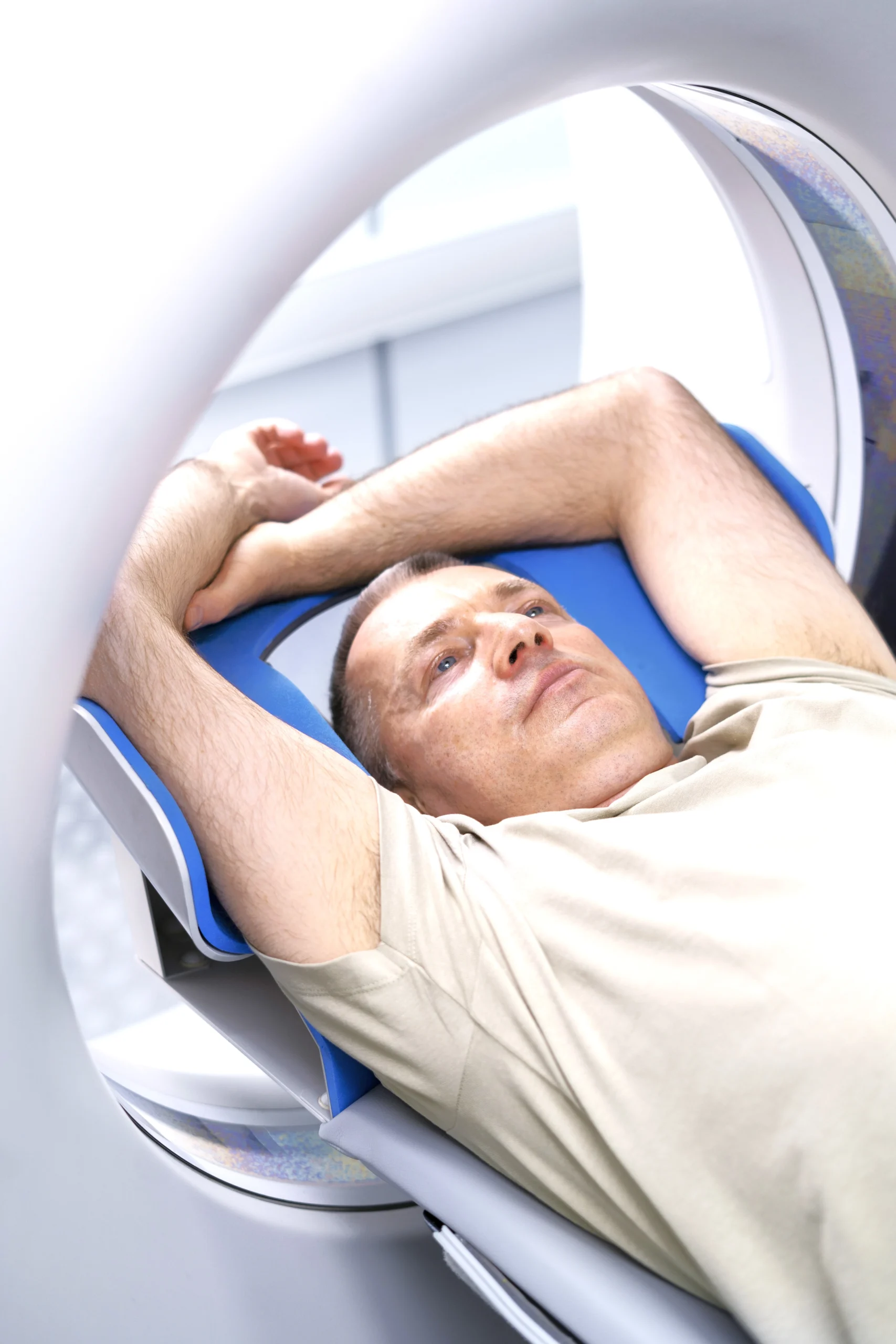
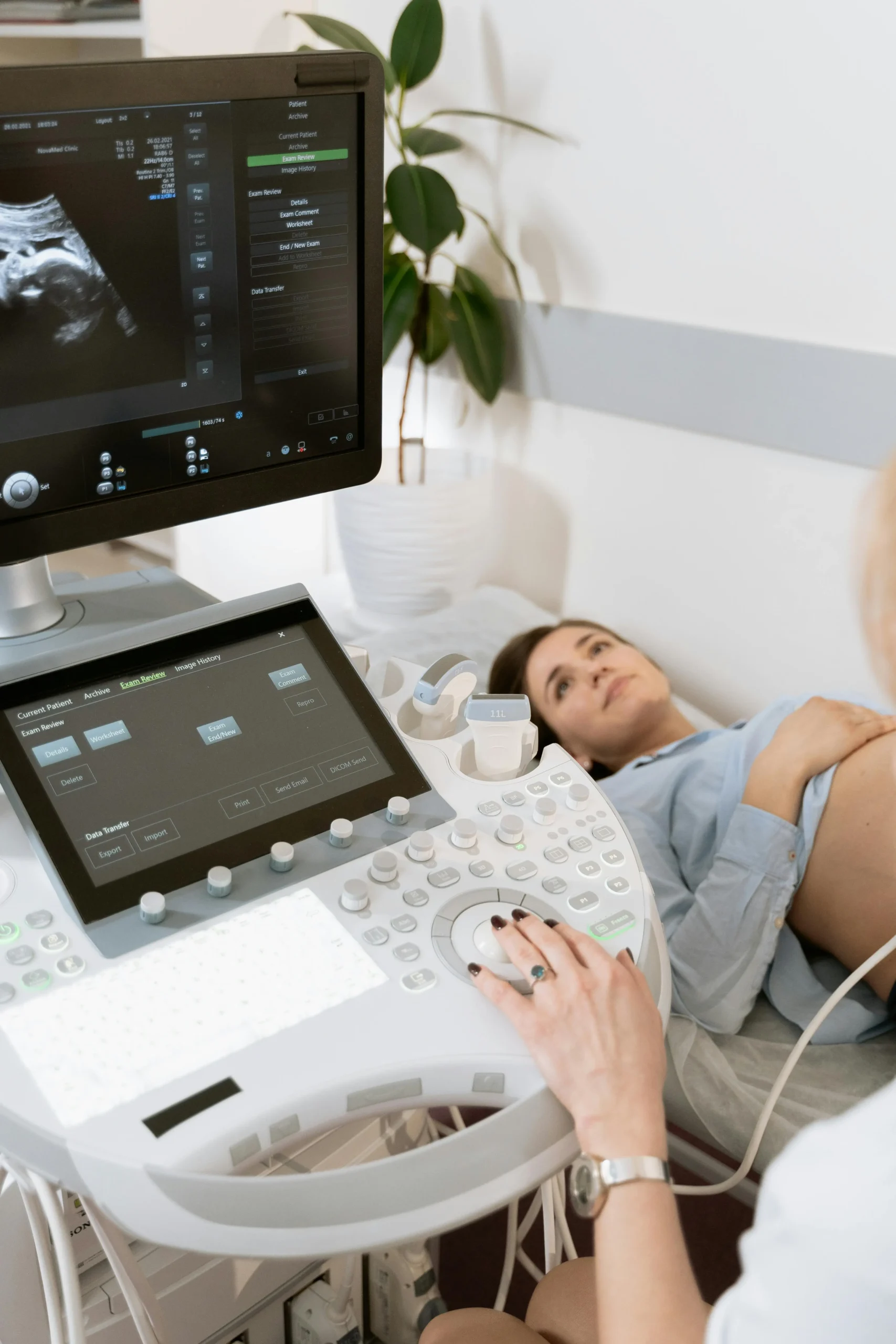
Wir verwenden Niedrigdosis-CT oder Ultraschall zur Steinlokalisierung und passen die Behandlung nach Grosse und Typ an. Vorbeugung ist zentral: Wir analysieren die Steinzusammensetzung, passen die Ernahrung an und erwagen Medikamente zur Reduzierung von Ruckfallen.
Termine am selben Tag sind oft verfugbar; die Kapazitat ist begrenzt, buchen Sie fruh. Unser Ziel ist die sichere Behandlung aktueller Steine und die Vorbeugung zukunftiger, damit Sie schmerzfrei bleiben.
Schnelle Diagnose
Sofortige Bildgebung und Beurteilung
Schmerzlinderung
Medikamentose Austreibung und Komfortversorgung
Vorbeugung
Steinanalyse und individueller Ernahrungsplan
Fachkundiges Nierensteinmanagement
Schmerzlinderung und langfristige Vorbeugung
Nierensteine sind schmerzhaft und kehren haufig wieder. Im Doctors Clinic Diagnostic Center in Dubai Healthcare City bieten wir schnelle Bildgebung, Schmerzlinderung und gezielte medikamentose Austreibungstherapie, damit Sie sich schnell besser fuhlen.
Wir verwenden Niedrigdosis-CT oder Ultraschall zur Steinlokalisierung und passen die Behandlung nach Grosse und Typ an. Vorbeugung ist zentral: Wir analysieren die Steinzusammensetzung, passen die Ernahrung an und erwagen Medikamente zur Reduzierung von Ruckfallen.
Termine am selben Tag sind oft verfugbar; die Kapazitat ist begrenzt, buchen Sie fruh. Unser Ziel ist die sichere Behandlung aktueller Steine und die Vorbeugung zukunftiger, damit Sie schmerzfrei bleiben.

Dr. Manish Tripathi
Unsere Leistungen entdecken
Umfassende nierensteine Leistungen im DCDC Dubai Healthcare City.

Alle Leistungen werden von DHA-lizenzierten Spezialisten durchgeführt
Für wen ist Nierensteine geeignet?
Suchen Sie umgehend Hilfe, wenn Sie einen Nierenstein vermuten oder wiederkehrende Steine haben.
Starke Schmerzen im Rucken oder in der Flanke
Blut im Urin (rosa/rot)
Ubelkeit und Erbrechen mit Schmerzen
Haufiger Harndrang
Fieber und Schuttelfrost (Infektionsrisiko)
Vorgeschichte fruherer Steine
Warum DCDC fur Nierensteine in Dubai wahlen?
MOHAP-lizenzierte Nephrologieklinik in Dubai Healthcare City mit schneller Bildgebung, Schmerzkontrolle und Praventionsplanen. Termine am selben Tag oft verfugbar; begrenzte Kapazitat.
MOHAP-lizenziert
Lizenzierte Einrichtung im DHCC (MOHAP-Lizenz NIMY7VY5-240925) mit strengen Sicherheitsstandards.
Steinspezialisten
Nephrologen mit Erfahrung in Steindiagnose, medikamentoser Austreibung und Pravention.
Zugang am selben Tag
Steinbeurteilungen am selben Tag wenn verfugbar; dringende Schmerzen priorisiert.
Bildgebungsprazision
Niedrigdosis-CT und Ultraschall zur Steuerung der sichersten Behandlung.
Praventionsfokus
Metabolische Evaluation, Steinanalyse und individuelle Ernahrungsplane.
Erstklassige DHCC-Lage
Gebaude 64, Block A, Dubai Healthcare City mit einfachem Zugang und Parkmoglichkeiten.
Ihr angenehmer Besuch
Ein einfacher, schrittweiser Nierensteine-Untersuchungsprozess für Komfort, Schnelligkeit und Genauigkeit.
Beratungsgebuhren
Die Nierensteine-Preise in Dubai variieren je nach Leistungsart und Versicherungsdeckung für verschiedene Leistungstypen.
- Preise variieren je nach Untersuchungsart und Kontrastmittelbedarf
- Versicherungsdeckung akzeptiert mit Überweisung und Verifizierung
- Transparente Selbstzahlerpreise mit sofortigem Angebot auf Anfrage
Versicherungsverifizierung in Minuten • Keine versteckten Gebühren • Schnelle Antwort auf WhatsApp
Patientenratgeber
Was Sie bei Ihrem Steinbesuch erwartet
Schnelle Bildgebung, Schmerzlinderung und Praventionsplanung fur ein steinfreies Leben.
Versicherung & Standort
Versicherungspartner
- •Über 20 Versicherungsanbieter in Dubai einschließlich Daman, AXA, ADNIC und andere
- •Vorabgenehmigung-Unterstützung und Direktabrechnung (falls zutreffend)
- •Deckungsüberprüfung vor Ihrem Termin in unserer Klinik in Dubai Healthcare City
- •Transparente Preisgestaltung ohne versteckte Gebühren für nierensteine-Leistungen








Besuchen Sie uns in Dubai Healthcare City
Doctors Clinic Diagnostic Center
Gebäude 64, Block A, Al Razi Medical Complex, Dubai Healthcare City, Dubai, VAE
Nahe der Oud Metha Road · Einfacher Zugang von Bur Dubai, Downtown Dubai, Business Bay · Kostenlose Patientenparkplätze verfügbar
Öffnungszeiten
Mo-Do, Sa: 8:00 - 22:30 Uhr | So: 8:30 - 22:30 Uhr | Fr: 9:00 - 22:00 Uhr
So funktioniert die Versicherung bei DCDC
Deckung prüfen
Überprüfen Sie, ob Ihr Plan Nierensteine abdeckt
Überweisung erhalten
Einige Versicherer verlangen eine Überweisung — wir helfen Ihnen gerne
Vorab-Genehmigung
Wir übernehmen die Vorab-Genehmigung direkt mit Ihrem Versicherer
Direktabrechnung
Keine Vorauszahlung — wir rechnen direkt mit Ihrem Versicherer ab
Nur Eigenanteil
Sie zahlen nur den anfallenden Eigenanteil in der Klinik
Deckung prüfen
Überprüfen Sie, ob Ihr Plan Nierensteine abdeckt
Überweisung erhalten
Einige Versicherer verlangen eine Überweisung — wir helfen Ihnen gerne
Vorab-Genehmigung
Wir übernehmen die Vorab-Genehmigung direkt mit Ihrem Versicherer
Direktabrechnung
Keine Vorauszahlung — wir rechnen direkt mit Ihrem Versicherer ab
Nur Eigenanteil
Sie zahlen nur den anfallenden Eigenanteil in der Klinik
Your Specialist
Dr. Manish Tripathi
Specialist Nephrologist
MD, Specialist Nephrologist
English · Hindi
Patientenratgeber
Kidney Stones: Causes, Treatment, and Prevention in Dubai\
Kidney stones are hard mineral deposits that form inside the kidneys when the concentration of certain substances in the urine becomes too high, allowing crystals to nucleate and grow. Affecting approximately 10% of the UAE population at some point in their lives, kidney stones are particularly prevalent in the Gulf region due to the hot climate, dietary patterns, and high rates of conditions like diabetes and obesity that increase stone risk. Understanding the factors that contribute to stone formation is the first step toward effective treatment and prevention.
The formation of kidney stones is influenced by a complex interplay of factors including inadequate fluid intake, dietary habits, metabolic conditions, genetics, and urinary chemistry. When the urine becomes supersaturated with stone-forming minerals (calcium, oxalate, uric acid, or phosphate), crystals can form and aggregate into stones ranging from tiny grains to large staghorn calculi filling the entire renal pelvis. Protective factors in urine, such as citrate and magnesium, normally inhibit crystal formation, and deficiency of these substances increases stone risk. The balance between stone-promoting and stone-inhibiting factors determines whether an individual develops stones.
Acute management of kidney stones focuses on pain control, facilitating stone passage, and treating any associated complications. Renal colic from a moving stone is one of the most severe pains in medicine, requiring aggressive pain management with NSAIDs and sometimes opioid analgesics. Medical expulsion therapy with alpha-blockers relaxes the ureter and improves passage rates for stones under 10mm. Adequate hydration helps flush the stone through the urinary tract. If a stone causes complete obstruction, especially with infection, emergency intervention is needed to place a stent or nephrostomy tube to relieve the blockage. Once the acute episode resolves, attention turns to determining stone composition and developing a prevention plan.
Prevention is the most important aspect of kidney stone management, as recurrence rates exceed 50% within 10 years without preventive measures. A comprehensive prevention strategy begins with stone composition analysis and metabolic evaluation through 24-Stunde urine collection. Based on results, specific interventions are recommended: adequate hydration to produce over 2 liters of dilute urine daily, dietary modifications tailored to stone type (sodium restriction, appropriate protein intake, oxalate management), and medications when indicated (thiazide diuretics for hypercalciuria, potassium citrate for low citrate, allopurinol for hyperuricosuria). In Dubai\
Stone-Related Conditions We Diagnose and Treat
Calcium Oxalate Stones
The most common stone type, managed with hydration, dietary oxalate reduction, sodium restriction, and medications like thiazide diuretics.
Uric Acid Stones
Stones formed in acidic urine, often associated with gout, treatable with urine alkalinization and dietary purine restriction.
Renal Colic
Acute pain management with NSAIDs and alpha-blockers, with medical expulsion therapy to facilitate stone passage.
Obstructive Uropathy
Assessment and urgent referral for stones causing complete urinary tract obstruction requiring stent or nephrostomy placement.
Infected Kidney Stones
Emergency management of stones with concurrent urinary infection, requiring antibiotics and often urgent drainage.
Recurrent Stone Disease
Comprehensive metabolic evaluation with 24-Stunde urine analysis and personalized prevention plans to reduce recurrence.
Verwandte Artikel
Kidney Health: Prevention Tips for Dubai Residents
Essential strategies for protecting your kidneys, with a focus on hydration and diet in the UAE climate.
Renal Doppler Ultrasound: Assessing Your Kidneys
How ultrasound helps detect kidney stones, obstruction, and blood flow abnormalities.
Ultrasound Results Explained: What Your Scan Means
Understanding kidney ultrasound findings including stones, hydronephrosis, and cysts.
Verwandte Leistungen
Entdecken Sie weitere Diagnose- und Beratungsleistungen in unserer Klinik in Dubai Healthcare City.
Häufig gestellte Fragen
Häufige Fragen zu Nierensteine in Dubai.
Kleine Steine (unter 5 mm) gehen oft von alleine mit viel Wasser und Medikamenten ab. Grossere Steine konnen eine medizinische Intervention erfordern.
Es kann sehr schmerzhaft sein, wenn der Stein durch die Harnwege wandert. Wir bieten eine effektive Schmerzbehandlung, um Ihnen zu helfen.
Ausreichend Wasser trinken (2-3 L/Tag) ist entscheidend. Wir empfehlen moglicherweise auch spezifische Ernahrungsanderungen (weniger Salz oder Fleisch) basierend auf dem Steintyp.
Lebensmittel mit hohem Oxalatgehalt (Spinat, Nusse), Salz und tierisches Protein konnen bei anfalligen Personen das Steinrisiko erhohen.
Eine Operation (wie Stosswellentherapie oder Ureteroskopie) ist normalerweise fur Steine reserviert, die zu gross zum Ausscheiden sind, Blockaden verursachen oder eine Infektion vorliegt.
Wichtige Fakten
Medizinische Aufsicht
Alle Leistungen werden unter Aufsicht lizenzierter medizinischer Fachkräfte in unserer MOHAP-akkreditierten Einrichtung erbracht.