Termin vereinbaren
Verifizierte Patientenbewertungen des DCDC Diagnosezentrum in Dubai
Verifizierte Bewertungen und echte Patientenberichte aus Dubai Healthcare City
Ich bin sehr zufrieden mit dieser medizinischen Klinik. Ich hatte hier mein erstes Schwangerschaftsscreening. Es war erschwinglich und sehr professionell. Der Radiologe war einladend, freundlich und machte die Erfahrung großartig.
Aizhan Tokmanbetova
Am Freitagabend habe ich mir das Knie verletzt und am Sonntagabend einen MRT-Termin bekommen (am Sonntagnachmittag gebucht). Ich habe etwa 2 Minuten gewartet und war in etwas mehr als 30 Minuten fertig. Das Team war erstaunlich, freundlich und effizient.
Kirsten Evans
Das Team von Dr. Osama war sanft und erstaunlich. Nach einer schlechten Erfahrung anderswo war meine Beckenuntersuchung hier viel professioneller. Toller Bericht und sehr präzise.
Mary

Schilddrüsentests in Dubai: Umfassende Schilddrüsen-Funktionspanels
Genaue Diagnose von Schilddrüsenerkrankungen für optimale Gesundheit
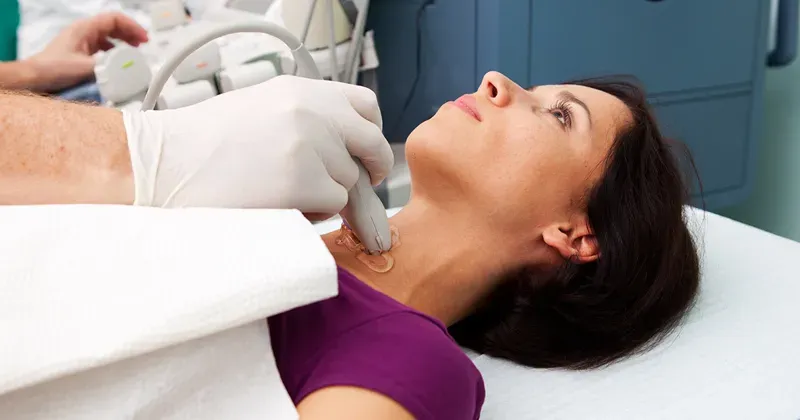
Fachärztliche Versorgung
Genaue und schnelle Tests bei DCDC Dubai Healthcare City
Umfassende Schilddrüsentests in Dubai Healthcare City einschließlich TSH, Free T3, Free T4 und Schilddrüsen-Antikörper. Wir diagnostizieren Hypothyreose und Hyperthyreose mit hoher Genauigkeit. Buchen Sie Ihren Termin jetzt.
Fachärztliche Versorgung
Genaue und schnelle Tests bei DCDC Dubai Healthcare City
Schilddrüsentests in Dubai: Umfassende Schilddrüsen-Funktionspanels
Genaue Diagnose von Schilddrüsenerkrankungen für optimale Gesundheit
Umfassende Schilddrüsentests in Dubai Healthcare City einschließlich TSH, Free T3, Free T4 und Schilddrüsen-Antikörper. Wir diagnostizieren Hypothyreose und Hyperthyreose mit hoher Genauigkeit. Buchen Sie Ihren Termin jetzt.
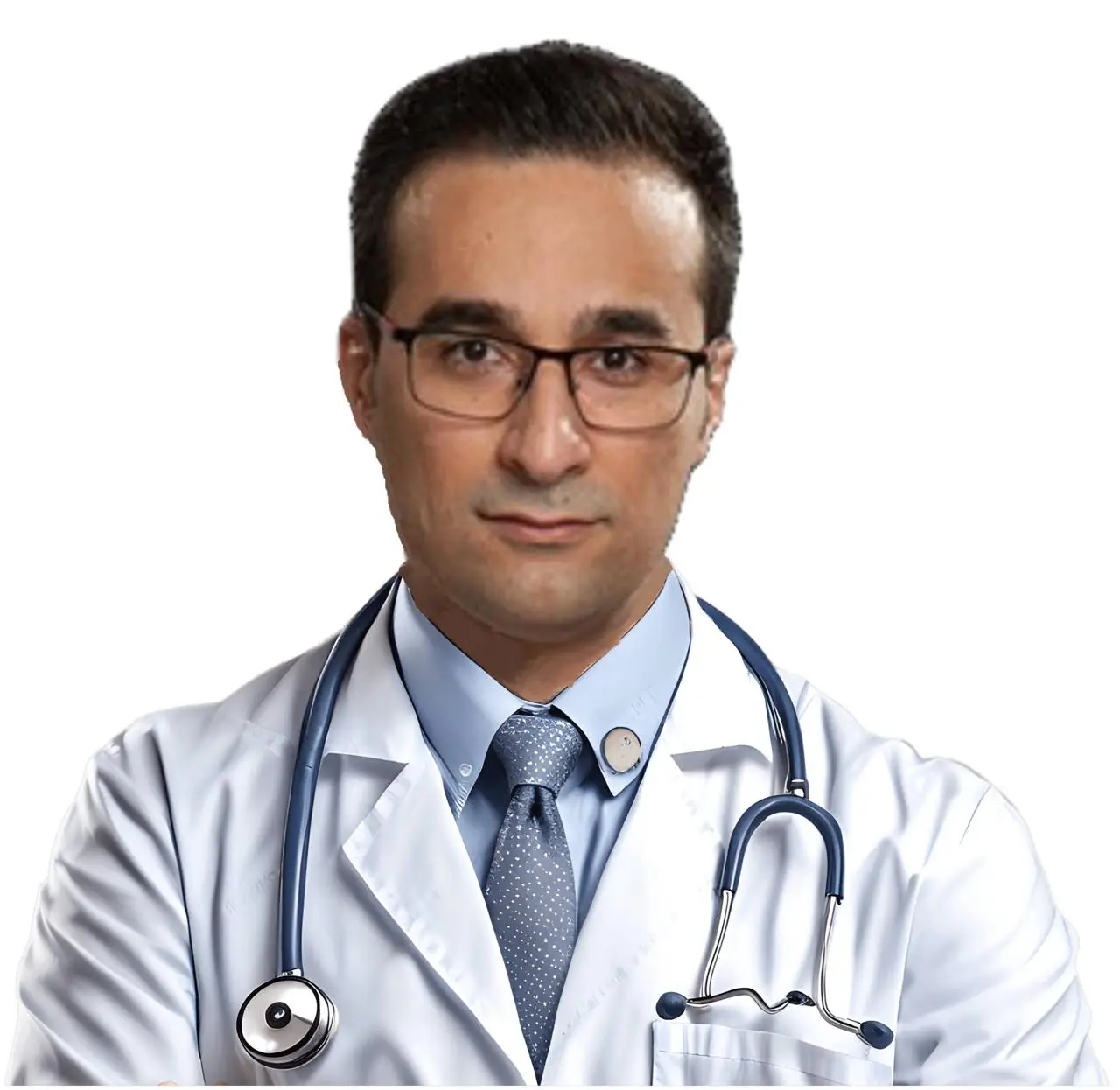
Dr. Hadi Komshi
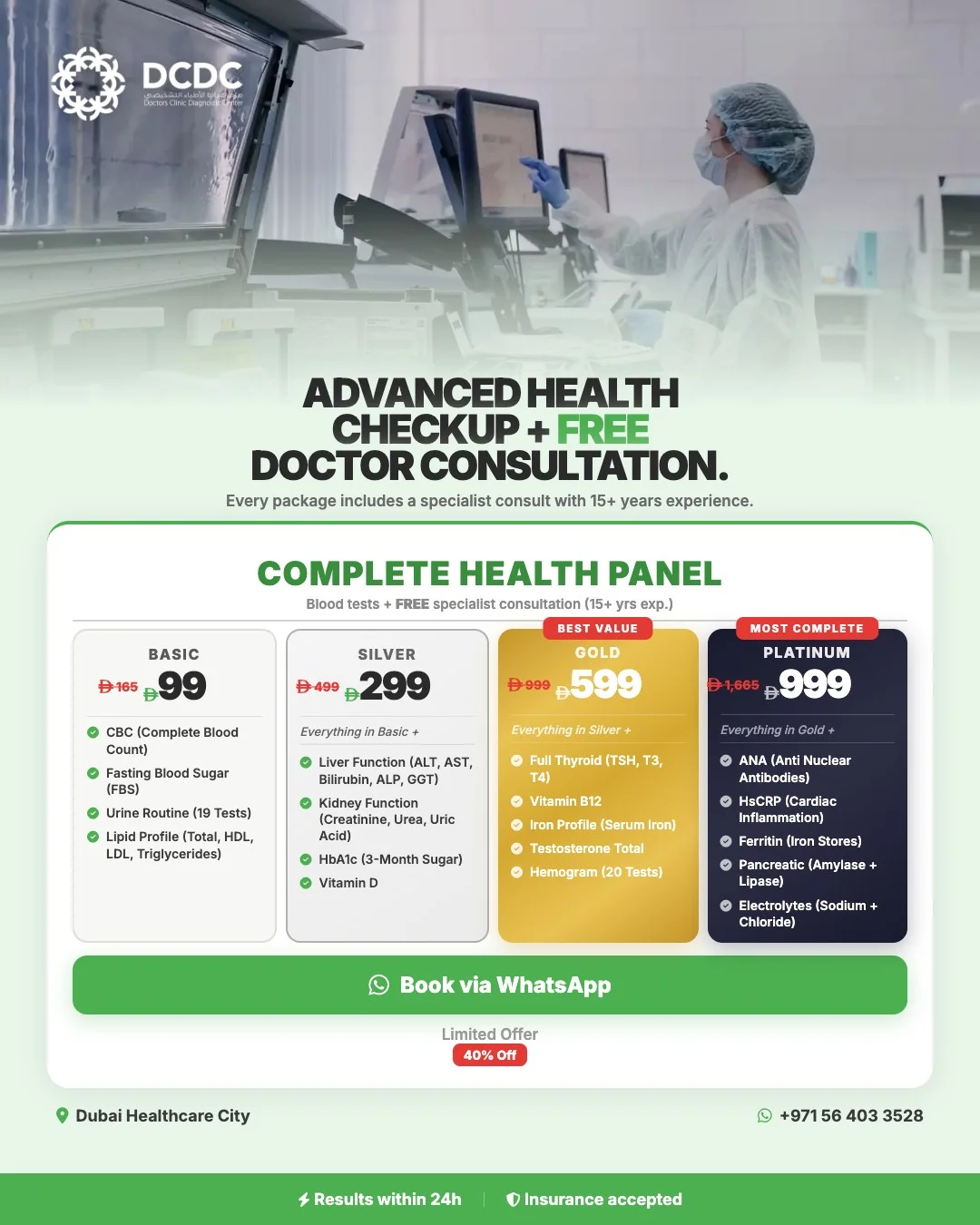
Complete Health Panel
Advanced health checkup with FREE specialist consultation. 4 tiers from basic blood work to full-body screening with 40+ biomarkers.
10–40+ tests included
What's Included
Who is this for?
Anyone wanting a comprehensive baseline health check with specialist consultation
Unsere Leistungen entdecken
Umfassende schilddrüsentests Leistungen im DCDC Dubai Healthcare City.
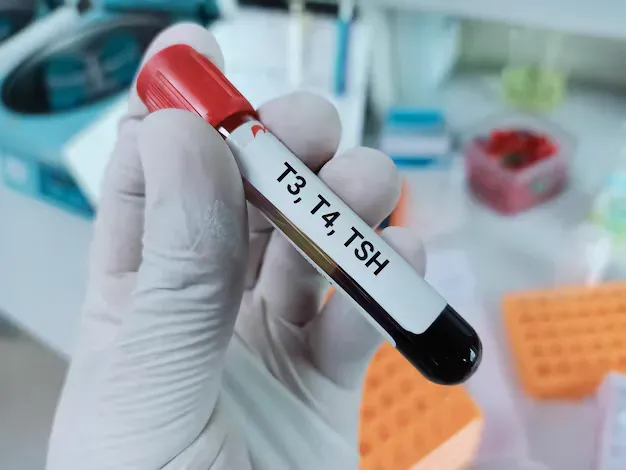
TSH-Test
Schilddrüsenstimulierendes Hormon — der primäre Schilddrüsen-Screening-Test.
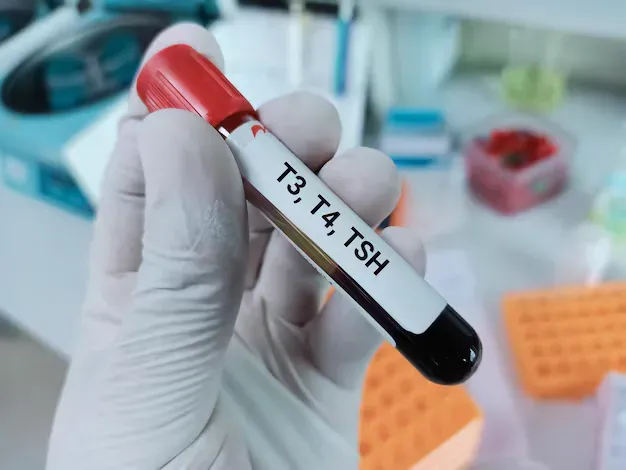
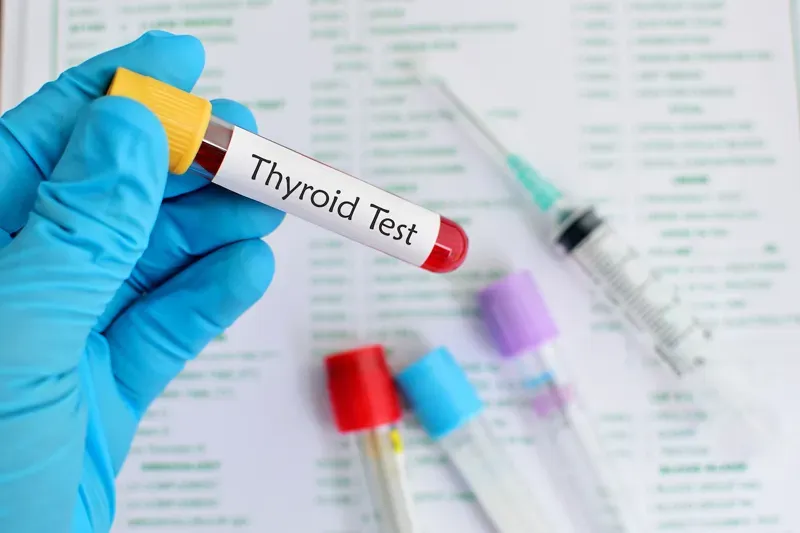

Schilddrüsen-Antikörper
TPO- und TG-Antikörper für Autoimmun-Schilddrüsenerkrankungen.
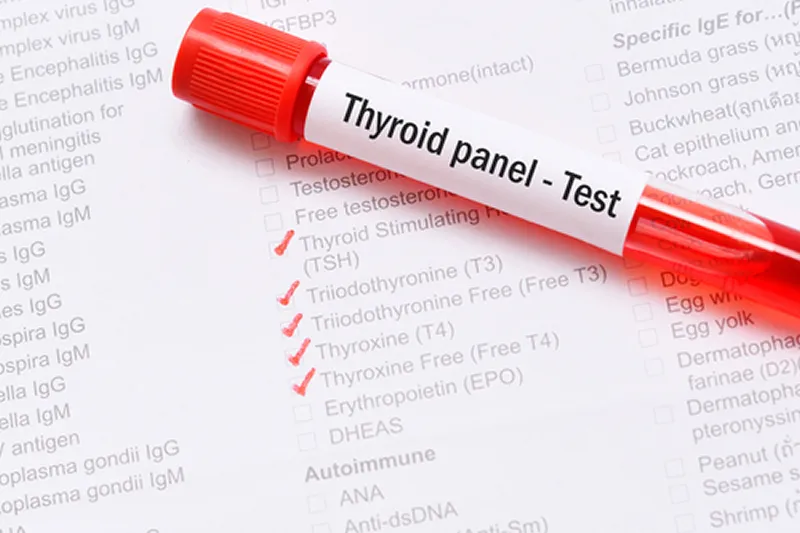
Alle Leistungen werden von DHA-lizenzierten Spezialisten durchgeführt
Wer sollte einen Schilddrüsentest Machen
Schilddrüsentests werden für Personen empfohlen, die Symptome von Hypothyreose oder Hyperthyreose zeigen oder eine Familiengeschichte von Schilddrüsenerkrankungen haben.
Fatigue, unexplained weight changes, or feeling cold/hot
Family history of thyroid disease
Women over 35, especially postpartum
Hair loss, dry skin, or nail changes
Mood changes, anxiety, or depression
Existing thyroid patients for monitoring
Warum DCDC für Schilddrüsentests Wählen
Fachärztliche Versorgung von MOHAP Genehmigt
Von MOHAP Lizenziert
Von der Gesundheits- und Präventionsministerium genehmigtes Zentrum mit höchsten Qualitätsstandards
Fortgeschrittene Technologie
Hochmoderne Geräte für genaue und schnelle Tests
Expertenteam
Erfahrene Ärzte und Spezialisten
Convenient Location
Building 64, Block A in Dubai Healthcare City. Early morning slots for optimal TSH testing.
Advanced Immunoassay
State-of-the-art analyzers for precise, reliable thyroid hormone measurements.
Specialist Integration
Direct pathway to endocrinology specialists for comprehensive thyroid management.
Ihr angenehmer Besuch
Ein einfacher, schrittweiser Schilddrüsentests-Untersuchungsprozess für Komfort, Schnelligkeit und Genauigkeit.
Schilddrüsentests Preisgestaltung
Die Schilddrüsentests-Preise in Dubai variieren je nach Leistungsart und Versicherungsdeckung für verschiedene Testtypen.
- Preise variieren je nach Untersuchungsart und Kontrastmittelbedarf
- Versicherungsdeckung akzeptiert mit Überweisung und Verifizierung
- Transparente Selbstzahlerpreise mit sofortigem Angebot auf Anfrage
Versicherungsverifizierung in Minuten • Keine versteckten Gebühren • Schnelle Antwort auf WhatsApp
Patientenratgeber
Was Sie Während des Tests Erwarten Können
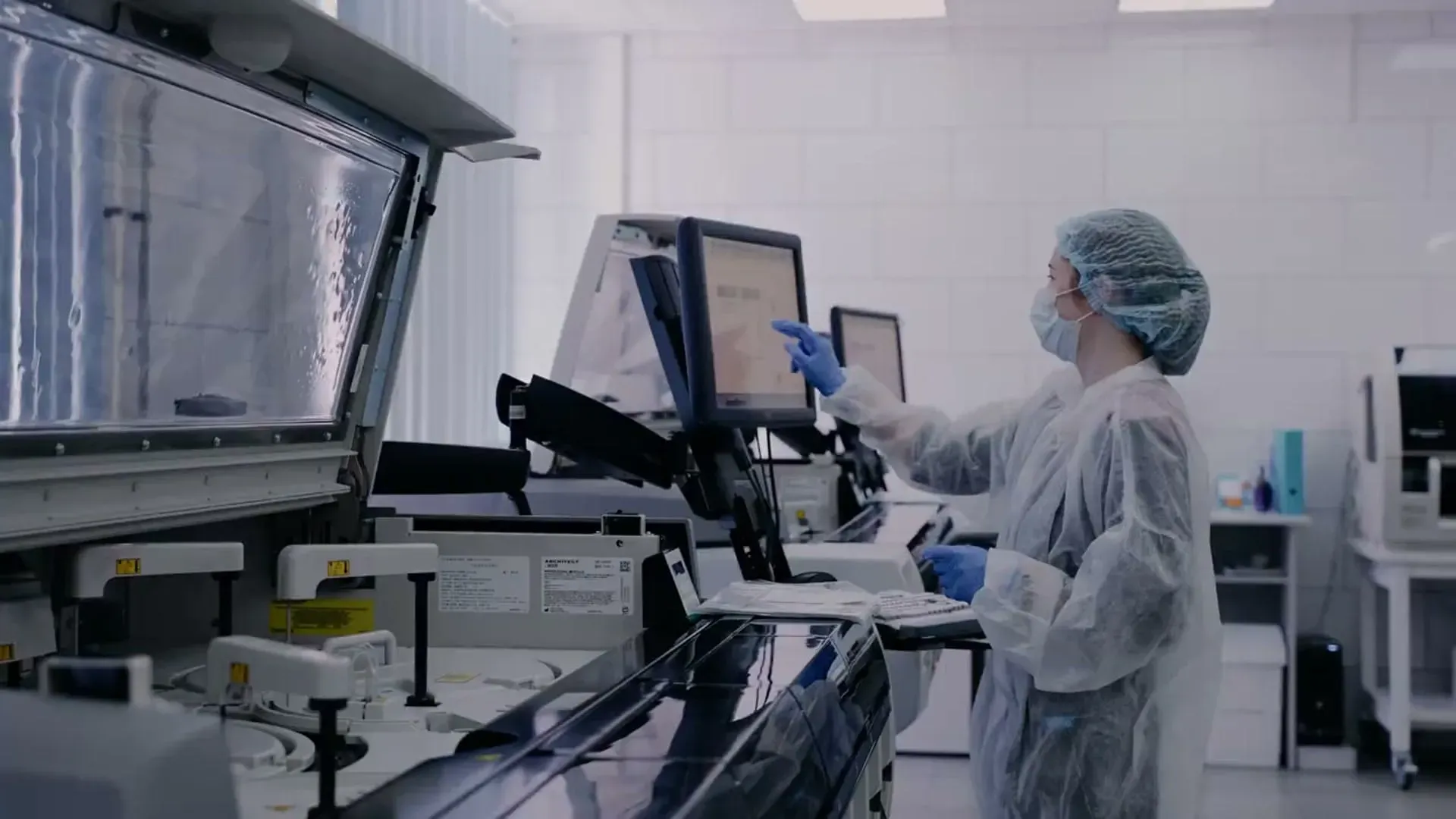
Ein Labortechniker wird eine kleine Blutprobe aus Ihrem Arm entnehmen. Das Verfahren ist schnell und schmerzlos, und die Ergebnisse sind normalerweise innerhalb von 24 Stunden verfügbar.
Versicherung & Standort
Versicherungspartner
- •Über 20 Versicherungsanbieter in Dubai einschließlich Daman, AXA, ADNIC und andere
- •Vorabgenehmigung-Unterstützung und Direktabrechnung (falls zutreffend)
- •Deckungsüberprüfung vor Ihrem Termin in unserer Klinik in Dubai Healthcare City
- •Transparente Preisgestaltung ohne versteckte Gebühren für schilddrüsentests-Leistungen






Besuchen Sie uns in Dubai Healthcare City
Doctors Clinic Diagnostic Center
Gebäude 64, Block A, Al Razi Medical Complex, Dubai Healthcare City, Dubai, VAE
Nahe der Oud Metha Road · Einfacher Zugang von Bur Dubai, Downtown Dubai, Business Bay · Kostenlose Patientenparkplätze verfügbar
Öffnungszeiten
Mo-Do, Sa: 8:00 - 22:30 Uhr | So: 8:30 - 22:30 Uhr | Fr: 9:00 - 22:00 Uhr
So funktioniert die Versicherung bei DCDC
Deckung prüfen
Überprüfen Sie, ob Ihr Plan Schilddrüsentests abdeckt
Überweisung erhalten
Einige Versicherer verlangen eine Überweisung — wir helfen Ihnen gerne
Vorab-Genehmigung
Wir übernehmen die Vorab-Genehmigung direkt mit Ihrem Versicherer
Direktabrechnung
Keine Vorauszahlung — wir rechnen direkt mit Ihrem Versicherer ab
Nur Eigenanteil
Sie zahlen nur den anfallenden Eigenanteil in der Klinik
Deckung prüfen
Überprüfen Sie, ob Ihr Plan Schilddrüsentests abdeckt
Überweisung erhalten
Einige Versicherer verlangen eine Überweisung — wir helfen Ihnen gerne
Vorab-Genehmigung
Wir übernehmen die Vorab-Genehmigung direkt mit Ihrem Versicherer
Direktabrechnung
Keine Vorauszahlung — wir rechnen direkt mit Ihrem Versicherer ab
Nur Eigenanteil
Sie zahlen nur den anfallenden Eigenanteil in der Klinik
Your Specialist
Dr. Hadi Komshi
Specialist Internal Medicine
MD, Specialist Internal Medicine
Persian · Arabic · English
Erkrankungen, die durch Schilddrüsentests erkannt werden
Hypothyreose (Schilddrüsenunterfunktion)
Erhöhtes TSH mit niedrigem T4 deutet auf Hypothyreose hin, die Müdigkeit, Gewichtszunahme, Verstopfung und Menstruationsstörungen verursacht.
Hyperthyreose (Schilddrüsenüberfunktion)
Niedriges TSH mit erhöhtem T3/T4 weist auf Hyperthyreose hin, die Gewichtsverlust, Tremor und Herzrasen verursacht.
Hashimoto-Thyreoiditis (Autoimmun)
Erhöhte TPO-Antikörper (TPO-Ab) bestätigen Hashimoto-Thyreoiditis, häufigste Ursache der Hypothyreose.
Morbus Basedow (Immunhyperthyreose)
TSH-Rezeptor-Antikörper (TRAb) bestätigen Morbus Basedow als häufigste Ursache der Hyperthyreose.
Schilddrüsenknoten und Krebs
Messung von Thyreoglobulin und Kalzitonin als Marker für differenziertes und medulläres Schilddrüsenkarzinom.
Subakute Thyreoiditis
Vorübergehende Entzündung, häufig nach viraler Infektion, verursacht zunächst Hyperthyreose, dann vorübergehende Hypothyreose.
Verwandte Leistungen
Entdecken Sie weitere Diagnose- und Beratungsleistungen in unserer Klinik in Dubai Healthcare City.
Häufig gestellte Fragen
Häufige Fragen zu Schilddrüsentests in Dubai.
Wir bieten Schilddrüsentests in Dubai Healthcare City an. Unser Team aus erfahrenen Spezialisten steht Ihnen für eine umfassende Untersuchung und Beratung zur Verfügung. Kontaktieren Sie uns für weitere Informationen.
Die Dauer variiert je nach individuellem Fall. Unser Team wird Sie vorab über den genauen Zeitaufwand informieren. Kontaktieren Sie uns für einen Termin.
Die meisten großen Versicherungen in Dubai decken Schilddrüsentests ab. Wir bieten Direktabrechnung mit über 20 Versicherungsgesellschaften, einschließlich Daman, AXA und Bupa. Kontaktieren Sie uns, um Ihre Versicherungsdeckung zu überprüfen.
Unser Team wird Ihnen vor dem Termin spezifische Vorbereitungsanweisungen geben. Im Allgemeinen empfehlen wir, alle aktuellen Medikamente und relevante medizinische Unterlagen mitzubringen.
Bei DCDC bieten wir Schilddrüsentests mit erfahrenen Spezialisten, modernster Ausrüstung und erstklassiger Patientenversorgung in Dubai Healthcare City an. Unsere Einrichtung ist von MOHAP lizenziert und folgt strengen klinischen Standards.
Sie können einen Termin für Schilddrüsentests telefonisch unter +971 54 219 5008 oder über unser Online-Buchungssystem vereinbaren. Wir bieten flexible Terminzeiten einschließlich Same-Day-Termine bei Verfügbarkeit.
Wichtige Fakten
Medizinische Aufsicht
Alle Leistungen werden unter Aufsicht lizenzierter medizinischer Fachkräfte in unserer MOHAP-akkreditierten Einrichtung erbracht.