

Termin vereinbaren
Verifizierte Patientenbewertungen des DCDC Diagnosezentrum in Dubai
Verifizierte Bewertungen und echte Patientenberichte aus Dubai Healthcare City
Ich bin sehr zufrieden mit dieser medizinischen Klinik. Ich hatte hier mein erstes Schwangerschaftsscreening. Es war erschwinglich und sehr professionell. Der Radiologe war einladend, freundlich und machte die Erfahrung großartig.
Aizhan Tokmanbetova
Am Freitagabend habe ich mir das Knie verletzt und am Sonntagabend einen MRT-Termin bekommen (am Sonntagnachmittag gebucht). Ich habe etwa 2 Minuten gewartet und war in etwas mehr als 30 Minuten fertig. Das Team war erstaunlich, freundlich und effizient.
Kirsten Evans
Das Team von Dr. Osama war sanft und erstaunlich. Nach einer schlechten Erfahrung anderswo war meine Beckenuntersuchung hier viel professioneller. Toller Bericht und sehr präzise.
Mary


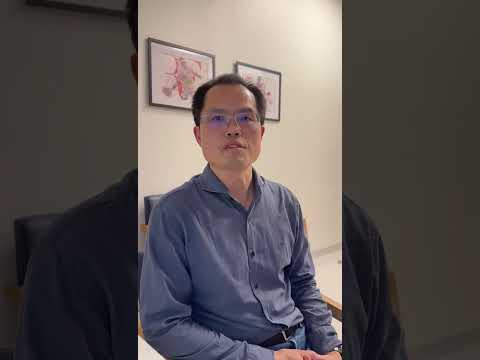


Cholesterinmanagement in Dubai: Lipid-Screening, Risikobeurteilung und Behandlung
Spezialisierte Lipidversorgung für kardiovaskuläre Gesundheit

Lipidspezialisten
Fachkundiges Management aller Arten von Dyslipidämie und kardiovaskulären Risiken
Fortgeschrittenes Screening
Umfassende Lipidpanels einschließlich Lp(a), ApoB und Partikelanalyse
Ergebnisse am selben Tag
Schnelles Lipidprofil-Screening mit Terminen am selben Tag in Dubai Healthcare City
Cholesterinmanagement in Dubai ist von entscheidender Bedeutung — erhöhtes Cholesterin ist einer der häufigsten veränderbaren Risikofaktoren für Herz-Kreislauf-Erkrankungen. Im DCDC-Zentrum in Dubai Healthcare City bieten wir ein umfassendes Programm für Lipidprofil-Screening, Herzrisikobeurteilung und evidenzbasierte Behandlungspläne.
Dyslipidämie umfasst verschiedene Muster, darunter erhöhtes LDL (schlechtes Cholesterin), niedriges HDL (gutes Cholesterin) und erhöhte Triglyzeride. Jedes Muster birgt unterschiedliche Herzrisiken und erfordert einen maßgeschneiderten Behandlungsansatz. Unsere Internisten führen fortgeschrittene Lipidanalysen einschließlich Lp(a), ApoB und Feinstpartikeluntersuchungen durch.
Unser Programm schätzt das 10-Jahres- und Lebenszeit-Herzinfarkt- und Schlaganfallrisiko und bestimmt die Behandlungsintensität. Wir bieten kulturell angemessene Ernährungs- und Sportberatung für den Lebensstil in Dubai.
Lipidspezialisten
Fachkundiges Management aller Arten von Dyslipidämie und kardiovaskulären Risiken
Fortgeschrittenes Screening
Umfassende Lipidpanels einschließlich Lp(a), ApoB und Partikelanalyse
Ergebnisse am selben Tag
Schnelles Lipidprofil-Screening mit Terminen am selben Tag in Dubai Healthcare City
Cholesterinmanagement in Dubai: Lipid-Screening, Risikobeurteilung und Behandlung
Spezialisierte Lipidversorgung für kardiovaskuläre Gesundheit
Cholesterinmanagement in Dubai ist von entscheidender Bedeutung — erhöhtes Cholesterin ist einer der häufigsten veränderbaren Risikofaktoren für Herz-Kreislauf-Erkrankungen. Im DCDC-Zentrum in Dubai Healthcare City bieten wir ein umfassendes Programm für Lipidprofil-Screening, Herzrisikobeurteilung und evidenzbasierte Behandlungspläne.
Dyslipidämie umfasst verschiedene Muster, darunter erhöhtes LDL (schlechtes Cholesterin), niedriges HDL (gutes Cholesterin) und erhöhte Triglyzeride. Jedes Muster birgt unterschiedliche Herzrisiken und erfordert einen maßgeschneiderten Behandlungsansatz. Unsere Internisten führen fortgeschrittene Lipidanalysen einschließlich Lp(a), ApoB und Feinstpartikeluntersuchungen durch.
Unser Programm schätzt das 10-Jahres- und Lebenszeit-Herzinfarkt- und Schlaganfallrisiko und bestimmt die Behandlungsintensität. Wir bieten kulturell angemessene Ernährungs- und Sportberatung für den Lebensstil in Dubai.

Dr. Hadi Komshi
Unsere Leistungen entdecken
Umfassende cholesterinmanagement Leistungen im DCDC Dubai Healthcare City.

Lipidprofil-Screening
Gesamtcholesterin, LDL, HDL, Triglyzeride und Fortgeschrittene Marker.

Familiäre Hypercholesterinämie-Screening
Screening und Management von erblichem Cholesterin.
Diabetes- und Blutdruckmanagement
Integrierte Behandlung chronischer Erkrankungen zur Verbesserung des Herzrisikos.
Alle Leistungen werden von DHA-lizenzierten Spezialisten durchgeführt
Für wen ist Cholesterinmanagement geeignet?
Jeder mit Herzrisikofaktoren sollte eine Cholesterin- und Lipidbewertung erhalten.
Erwachsene über 35 Jahre für regelmäßiges Lipidprofil-Screening
Personen mit familiärer Vorgeschichte früher Herzerkrankungen
Patienten mit Bluthochdruck oder Diabetes
Patienten, bei denen frühere Tests erhöhtes Cholesterin gezeigt haben
Raucher oder Personen mit sitzender Lebensweise
Übergewichtige oder adipöse Personen
Warum DCDC für das Cholesterinmanagement in Dubai wählen?
MOHAP-lizenzierte Klinik mit Internisten, umfassendem Lipid-Screening, Herzrisikobeurteilung und maßgeschneiderten Behandlungsplänen.
MOHAP-lizenziert
Lizenzierte Einrichtung in Dubai Healthcare City mit strengen klinischen Governance-Standards.
Internisten
Fachärzte für Innere Medizin mit umfangreicher Erfahrung im Dyslipidämie-Management und kardiovaskulären Risiken.
Ergebnisse am selben Tag
Lipidprofil-Screening am selben Tag mit schnellen Ergebnissen.
Umfassende Risikobeurteilung
Vollständige Herzrisikobeurteilung einschließlich Blutdruck, Blutzucker, Nierenfunktion und Entzündungsmarker.
Prime DHCC Location
Building 64, Block A, our center with free parking and easy access from major Dubai highways.
Integrated Care
Coordinated management with cardiologists, endocrinologists, and nutritionists for comprehensive cardiovascular risk reduction.
Ihr angenehmer Besuch
Ein einfacher, schrittweiser Cholesterinmanagement-Untersuchungsprozess für Komfort, Schnelligkeit und Genauigkeit.
Cholesterinmanagement-Gebühren
Die Cholesterinmanagement-Preise in Dubai variieren je nach Leistungsart und Versicherungsdeckung für verschiedene Leistungstypen.
- Preise variieren je nach Untersuchungsart und Kontrastmittelbedarf
- Versicherungsdeckung akzeptiert mit Überweisung und Verifizierung
- Transparente Selbstzahlerpreise mit sofortigem Angebot auf Anfrage
Versicherungsverifizierung in Minuten • Keine versteckten Gebühren • Schnelle Antwort auf WhatsApp
Patientenratgeber
Was Sie bei der Cholesterin-Beratung erwarten können
Umfassende Lipidprofil- und Herzrisikobeurteilung mit maßgeschneidertem Behandlungsplan.
Versicherung & Standort
Versicherungspartner
- •Über 20 Versicherungsanbieter in Dubai einschließlich Daman, AXA, ADNIC und andere
- •Vorabgenehmigung-Unterstützung und Direktabrechnung (falls zutreffend)
- •Deckungsüberprüfung vor Ihrem Termin in unserer Klinik in Dubai Healthcare City
- •Transparente Preisgestaltung ohne versteckte Gebühren für cholesterinmanagement-Leistungen








Besuchen Sie uns in Dubai Healthcare City
Doctors Clinic Diagnostic Center
Gebäude 64, Block A, Al Razi Medical Complex, Dubai Healthcare City, Dubai, VAE
Nahe der Oud Metha Road · Einfacher Zugang von Bur Dubai, Downtown Dubai, Business Bay · Kostenlose Patientenparkplätze verfügbar
Öffnungszeiten
Mo-Do, Sa: 8:00 - 22:30 Uhr | So: 8:30 - 22:30 Uhr | Fr: 9:00 - 22:00 Uhr
So funktioniert die Versicherung bei DCDC
Deckung prüfen
Überprüfen Sie, ob Ihr Plan Cholesterinmanagement abdeckt
Überweisung erhalten
Einige Versicherer verlangen eine Überweisung — wir helfen Ihnen gerne
Vorab-Genehmigung
Wir übernehmen die Vorab-Genehmigung direkt mit Ihrem Versicherer
Direktabrechnung
Keine Vorauszahlung — wir rechnen direkt mit Ihrem Versicherer ab
Nur Eigenanteil
Sie zahlen nur den anfallenden Eigenanteil in der Klinik
Deckung prüfen
Überprüfen Sie, ob Ihr Plan Cholesterinmanagement abdeckt
Überweisung erhalten
Einige Versicherer verlangen eine Überweisung — wir helfen Ihnen gerne
Vorab-Genehmigung
Wir übernehmen die Vorab-Genehmigung direkt mit Ihrem Versicherer
Direktabrechnung
Keine Vorauszahlung — wir rechnen direkt mit Ihrem Versicherer ab
Nur Eigenanteil
Sie zahlen nur den anfallenden Eigenanteil in der Klinik
Your Specialist
Dr. Hadi Komshi
Specialist Internal Medicine
MD, Specialist Internal Medicine
Persian · Arabic · English
Patientenratgeber
Verstehen: Cholesterol: Risk Factors, Testing, and Treatment
Cholesterol is a waxy, fat-like substance that your body needs to build cells, produce hormones, and make vitamin D. Your liver produces all the cholesterol your body requires, but cholesterol also enters your bloodstream from dietary sources, particularly animal products. When blood cholesterol levels become too high, excess cholesterol deposits in the walls of arteries, forming plaques that narrow and harden the vessels, a process called atherosclerosis. Over time, these plaques can restrict blood flow to the heart and brain, leading to heart attacks and strokes. Understanding your cholesterol numbers and managing them proactively is one of the most impactful steps you can take to protect your long-term cardiovascular health.
A standard lipid profile measures four key components: total cholesterol, LDL cholesterol, HDL cholesterol, and triglycerides. LDL cholesterol is the primary driver of atherosclerosis and the main target of treatment. Current guidelines recommend LDL targets based on individual cardiovascular risk rather than a one-size-fits-all number. Low-risk patients may aim for LDL below 116 mg/dL, moderate-risk patients below 100 mg/dL, high-risk patients below 70 mg/dL, and very high-risk patients (such as those with existing heart disease or diabetes with organ damage) below 55 mg/dL. Advanced markers like lipoprotein(a), which is genetically determined and independently increases cardiovascular risk, and apolipoprotein B, which counts the actual number of atherogenic particles, provide additional precision in risk assessment beyond standard lipid panels.
Statins remain the cornerstone of cholesterol-lowering therapy and are among the most extensively studied medications in medicine. They work by inhibiting an enzyme (HMG-CoA reductase) in the liver that is essential for cholesterol production, resulting in reduced LDL levels by 30 to 50 percent depending on the statin type and dose. Beyond lowering cholesterol, statins have pleiotropic effects including reducing inflammation in artery walls, stabilizing existing plaques, and improving endothelial function. For patients who cannot tolerate statins or who do not reach target LDL with maximum statin doses, additional medications are available. Ezetimibe blocks cholesterol absorption in the intestine and can reduce LDL by an additional 15 to 20 percent. PCSK9 inhibitors are injectable medications that can lower LDL by 50 to 60 percent and are reserved for high-risk patients. Bempedoic acid offers another oral option for statin-intolerant patients.
Prevention is the foundation of cardiovascular health, and cholesterol management is central to that effort. In the UAE, where cardiovascular disease is the leading cause of death, proactive screening and treatment of dyslipidaemia can prevent thousands of heart attacks and strokes each year. A heart-healthy lifestyle forms the basis of cholesterol management: a Mediterranean-style diet rich in fruits, vegetables, whole grains, legumes, nuts, and olive oil; regular physical activity adapted to Dubai climate; maintaining a healthy weight; not smoking; and managing stress. For many patients, lifestyle changes alone are not enough to reach guideline targets, and combining medication with healthy habits provides the greatest cardiovascular protection. At DCDC, our cholesterol management program integrates testing, risk assessment, medication optimization, and lifestyle counseling into a coordinated plan designed to reduce your cardiovascular risk and support your long-term health.
Cholesterol and Lipid Conditions We Manage
High LDL Cholesterol
Elevated LDL (bad cholesterol) is the primary driver of atherosclerosis and cardiovascular disease. We set individualized LDL targets based on your risk profile and use statins, ezetimibe, or other therapies to achieve and maintain optimal levels.
Low HDL Cholesterol
Low HDL (good cholesterol) below 40 mg/dL in men or 50 mg/dL in women increases cardiovascular risk. We address modifiable causes including physical inactivity, smoking, obesity, and diet, and monitor HDL as part of comprehensive lipid management.
High Triglycerides
Elevated triglycerides above 150 mg/dL contribute to cardiovascular risk and, at very high levels, can cause pancreatitis. We identify underlying causes such as diet, alcohol, uncontrolled diabetes, or medications, and treat with lifestyle changes and pharmacotherapy when needed.
Familial Hypercholesterolemia
A genetic condition causing very high LDL from birth and early cardiovascular disease. We screen at-risk individuals and families, initiate aggressive lipid-lowering therapy, and coordinate with lipid specialists for advanced treatments including PCSK9 inhibitors.
Mixed Dyslipidaemia
Combination of elevated LDL, elevated triglycerides, and low HDL commonly seen in patients with metabolic syndrome, diabetes, or obesity. We address all lipid abnormalities with a coordinated treatment approach targeting the dominant risk factor.
Metabolic Syndrome
A cluster of conditions including central obesity, elevated blood pressure, high triglycerides, low HDL, and impaired fasting glucose that dramatically increases cardiovascular and diabetes risk. We manage all components simultaneously for maximum risk reduction.
Verwandte Leistungen
Entdecken Sie weitere Diagnose- und Beratungsleistungen in unserer Klinik in Dubai Healthcare City.
Häufig gestellte Fragen
Häufige Fragen zu Cholesterinmanagement in Dubai.
Optimale Werte hängen von Herzrisikofaktoren ab. Im Allgemeinen: LDL unter 100 mg/dl (oder unter 70 bei hohem Risiko), HDL über 40 bei Männern und 50 bei Frauen, Triglyzeride unter 150. Konsultieren Sie Ihren Arzt.
9–12 Stunden Nüchternheit wird für genaueste Ergebnisse empfohlen, besonders für Triglyzeride.
Statine sind Medikamente, die LDL senken und das Herzrisiko reduzieren. Sie sind für die meisten Menschen sicher. Unsere Ärzte überwachen Nebenwirkungen und passen die Dosis bei Bedarf an.
Ernährungsumstellungen können LDL um 10–20 % senken. Bei mittleren bis schweren Fällen werden in der Regel Medikamente hinzugefügt, um empfohlene Ziele zu erreichen.
Wichtige Fakten
Medizinische Aufsicht
Alle Leistungen werden unter Aufsicht lizenzierter medizinischer Fachkräfte in unserer MOHAP-akkreditierten Einrichtung erbracht.