

Termin vereinbaren
Verifizierte Patientenbewertungen des DCDC Diagnosezentrum in Dubai
Verifizierte Bewertungen und echte Patientenberichte aus Dubai Healthcare City
Ich bin sehr zufrieden mit dieser medizinischen Klinik. Ich hatte hier mein erstes Schwangerschaftsscreening. Es war erschwinglich und sehr professionell. Der Radiologe war einladend, freundlich und machte die Erfahrung großartig.
Aizhan Tokmanbetova
Am Freitagabend habe ich mir das Knie verletzt und am Sonntagabend einen MRT-Termin bekommen (am Sonntagnachmittag gebucht). Ich habe etwa 2 Minuten gewartet und war in etwas mehr als 30 Minuten fertig. Das Team war erstaunlich, freundlich und effizient.
Kirsten Evans
Das Team von Dr. Osama war sanft und erstaunlich. Nach einer schlechten Erfahrung anderswo war meine Beckenuntersuchung hier viel professioneller. Toller Bericht und sehr präzise.
Mary




Beckengesundheitsbehandlung in Dubai: Beckenbodentherapie und Schmerzlinderung
Diagnose und Behandlung von Schmerzen

Fachärztliche Versorgung
Hochwertige Beckengesundheitsbetreuung im DCDC
Das DCDC in Dubai Healthcare City bietet spezialisierte Behandlungen für die Beckengesundheit an, einschließlich Beckenbodentherapie und Schmerzlinderung. Wir bieten Termine am selben Tag. Buchen Sie jetzt Ihren Termin.
Fachärztliche Versorgung
Hochwertige Beckengesundheitsbetreuung im DCDC
Beckengesundheitsbehandlung in Dubai: Beckenbodentherapie und Schmerzlinderung
Diagnose und Behandlung von Schmerzen
Das DCDC in Dubai Healthcare City bietet spezialisierte Behandlungen für die Beckengesundheit an, einschließlich Beckenbodentherapie und Schmerzlinderung. Wir bieten Termine am selben Tag. Buchen Sie jetzt Ihren Termin.

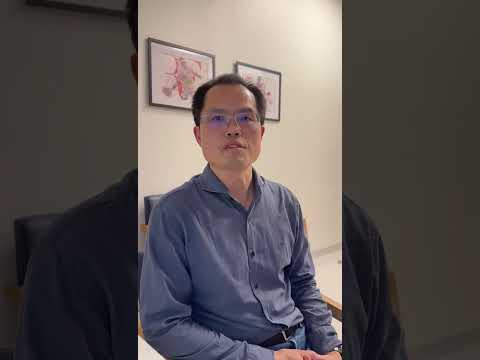
Dr. Parisa Dini
Unsere Leistungen entdecken
Umfassende beckengesundheit Leistungen im DCDC Dubai Healthcare City.


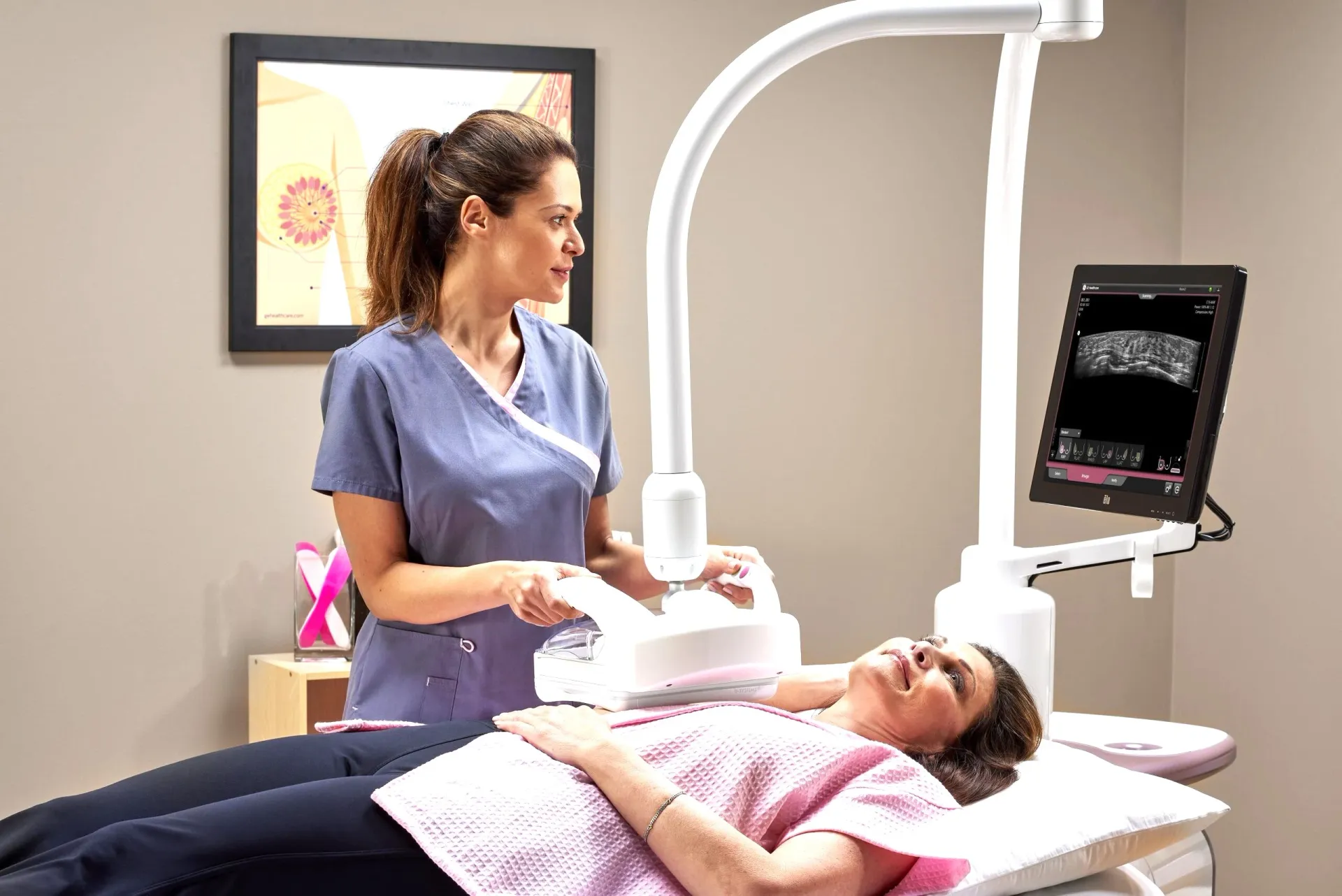

Alle Leistungen werden von DHA-lizenzierten Spezialisten durchgeführt
Wer sollte eine Beckengesundheitsbehandlung erhalten?
Wenn Sie unter Beckenschmerzen oder Beckenbodenproblemen leiden, können Sie von unseren spezialisierten Behandlungen profitieren.
Persistent lower abdominal or pelvic pain
Pain during intercourse
Frequent or painful urination
Abnormal vaginal discharge
Fever with pelvic pain
Heavy or irregular bleeding
Warum DCDC für Beckengesundheit wählen?
Medizinische Kompetenz und Erfahrung
MOHAP-lizenziert
Hohe medizinische Standards bei allen Behandlungen
Spezialisiertes Team
Fachleute für Frauengesundheit und Physiotherapie
Moderne Technologie
Neueste Diagnose- und Behandlungsgeräte
Prime Location
Conveniently located in Building 64, Block A, our center. Easy access from our clinic, Bur Dubai, Downtown Dubai, and all major Dubai districts with free dedicated parking.
Expert Female Team
Experienced female gynecologists with extensive experience in pelvic health, infections, and women's reproductive care.
Patient Satisfaction
4.8/5 Google rating with 98% patient satisfaction rate. Trusted by thousands of women in Dubai for confidential, compassionate care.
Ihr angenehmer Besuch
Ein einfacher, schrittweiser Beckengesundheit-Untersuchungsprozess für Komfort, Schnelligkeit und Genauigkeit.
Behandlungskosten
Die Beckengesundheit-Preise in Dubai variieren je nach Leistungsart und Versicherungsdeckung für verschiedene Leistungstypen.
- Preise variieren je nach Untersuchungsart und Kontrastmittelbedarf
- Versicherungsdeckung akzeptiert mit Überweisung und Verifizierung
- Transparente Selbstzahlerpreise mit sofortigem Angebot auf Anfrage
Versicherungsverifizierung in Minuten • Keine versteckten Gebühren • Schnelle Antwort auf WhatsApp
Patientenratgeber
Was können Sie erwarten?
Unser Team führt eine umfassende Bewertung Ihres Zustandes durch und erstellt einen persönlichen Behandlungsplan für Sie.
Versicherung & Standort
Versicherungspartner
- •Über 20 Versicherungsanbieter in Dubai einschließlich Daman, AXA, ADNIC und andere
- •Vorabgenehmigung-Unterstützung und Direktabrechnung (falls zutreffend)
- •Deckungsüberprüfung vor Ihrem Termin in unserer Klinik in Dubai Healthcare City
- •Transparente Preisgestaltung ohne versteckte Gebühren für beckengesundheit-Leistungen








Besuchen Sie uns in Dubai Healthcare City
Doctors Clinic Diagnostic Center
Gebäude 64, Block A, Al Razi Medical Complex, Dubai Healthcare City, Dubai, VAE
Nahe der Oud Metha Road · Einfacher Zugang von Bur Dubai, Downtown Dubai, Business Bay · Kostenlose Patientenparkplätze verfügbar
Öffnungszeiten
Mo-Do, Sa: 8:00 - 22:30 Uhr | So: 8:30 - 22:30 Uhr | Fr: 9:00 - 22:00 Uhr
So funktioniert die Versicherung bei DCDC
Deckung prüfen
Überprüfen Sie, ob Ihr Plan Beckengesundheit abdeckt
Überweisung erhalten
Einige Versicherer verlangen eine Überweisung — wir helfen Ihnen gerne
Vorab-Genehmigung
Wir übernehmen die Vorab-Genehmigung direkt mit Ihrem Versicherer
Direktabrechnung
Keine Vorauszahlung — wir rechnen direkt mit Ihrem Versicherer ab
Nur Eigenanteil
Sie zahlen nur den anfallenden Eigenanteil in der Klinik
Deckung prüfen
Überprüfen Sie, ob Ihr Plan Beckengesundheit abdeckt
Überweisung erhalten
Einige Versicherer verlangen eine Überweisung — wir helfen Ihnen gerne
Vorab-Genehmigung
Wir übernehmen die Vorab-Genehmigung direkt mit Ihrem Versicherer
Direktabrechnung
Keine Vorauszahlung — wir rechnen direkt mit Ihrem Versicherer ab
Nur Eigenanteil
Sie zahlen nur den anfallenden Eigenanteil in der Klinik
Your Specialist
Dr. Parisa Dini
Specialist OB/GYN
MD, Specialist OB/GYN
English · Persian
Patientenratgeber
Warum ist die Beckengesundheit ein zentrales Element der Frauengesundheit?
Die Beckenbodenmuskeln stützen Blase, Gebärmutter und Rektum; ihre Schwäche verursacht zahlreiche Probleme, die die alltägliche Lebensqualität beeinträchtigen.
Beckenphysiotherapie und Rehabilitationstechniken verbessern die meisten Fälle ohne chirurgischen Eingriff erheblich.
Bei DCDC bietet ein auf Beckengesundheit spezialisiertes Team eine umfassende Untersuchung und einen individuellen Behandlungsplan für jede Frau.
Erkrankungen, die die Beckengesundheit behandelt
Verwandte Artikel
Pelvic Ultrasound for Women: A Complete Guide
Understanding when pelvic ultrasound is recommended and how it helps diagnose the cause of pelvic symptoms.
Women's Health Screening: Essential Tests
Key preventive screenings every woman should have, including tests relevant to pelvic health.
Obstetrics and Gynecology in Dubai
An overview of comprehensive gynecological services available for women's pelvic health needs.
Verwandte Leistungen
Entdecken Sie weitere Diagnose- und Beratungsleistungen in unserer Klinik in Dubai Healthcare City.
Häufig gestellte Fragen
Häufige Fragen zu Beckengesundheit in Dubai.
Wir bieten Beckengesundheit in Dubai Healthcare City an. Unser Team aus erfahrenen Spezialisten steht Ihnen für eine umfassende Untersuchung und Beratung zur Verfügung. Kontaktieren Sie uns für weitere Informationen.
Die Dauer variiert je nach individuellem Fall. Unser Team wird Sie vorab über den genauen Zeitaufwand informieren. Kontaktieren Sie uns für einen Termin.
Die meisten großen Versicherungen in Dubai decken Beckengesundheit ab. Wir bieten Direktabrechnung mit über 20 Versicherungsgesellschaften, einschließlich Daman, AXA und Bupa. Kontaktieren Sie uns, um Ihre Versicherungsdeckung zu überprüfen.
Unser Team wird Ihnen vor dem Termin spezifische Vorbereitungsanweisungen geben. Im Allgemeinen empfehlen wir, alle aktuellen Medikamente und relevante medizinische Unterlagen mitzubringen.
Bei DCDC bieten wir Beckengesundheit mit erfahrenen Spezialisten, modernster Ausrüstung und erstklassiger Patientenversorgung in Dubai Healthcare City an. Unsere Einrichtung ist von MOHAP lizenziert und folgt strengen klinischen Standards.
Sie können einen Termin für Beckengesundheit telefonisch unter +971 54 219 5008 oder über unser Online-Buchungssystem vereinbaren. Wir bieten flexible Terminzeiten einschließlich Same-Day-Termine bei Verfügbarkeit.
Wichtige Fakten
Medizinische Aufsicht
Alle Leistungen werden unter Aufsicht lizenzierter medizinischer Fachkräfte in unserer MOHAP-akkreditierten Einrichtung erbracht.