Wichtigste Erkenntnisse
- Tooth sensitivity (dentin hypersensitivity) affects up to 57 percent of the general population and is caused by exposed dentin tubules that allow hot, cold, sweet, or acidic stimuli to reach the tooth nerve
- The most common causes are enamel erosion, gum recession, aggressive brushing, teeth grinding (bruxism), acidic diets, and recent dental procedures — several of which are more prevalent in Dubai due to the hot climate and high consumption of cold and acidic beverages
- Treatment ranges from desensitising toothpaste (from AED 30) and professional fluoride varnish (from AED 150) to dental bonding (from AED 200), dental crowns (from AED 800), and gum grafting (from AED 2,000) depending on the underlying cause and severity
- Over-the-counter potassium nitrate toothpaste is the recommended first-line treatment and can reduce sensitivity within two to four weeks of consistent twice-daily use
- You should see a dentist if sensitivity persists beyond two weeks, affects multiple teeth, is accompanied by spontaneous pain, or occurs after a dental procedure — these may indicate decay, a cracked tooth, or nerve involvement
- At DCDC in Dubai Healthcare City, a sensitivity assessment is included with every dental cleaning appointment, with 20+ insurance partners for direct billing and an average wait time of just 15 minutes
That sharp, sudden jolt of pain when you sip iced coffee or bite into ice cream is more than a minor inconvenience — it is one of the most common dental complaints worldwide, and it is especially prevalent among residents in Dubai. Tooth sensitivity, clinically known as dentin hypersensitivity, occurs when the protective enamel on your teeth thins or your gums recede, exposing the underlying dentin layer and its microscopic tubules to external stimuli. At Doctors Clinic Diagnostic Center (DCDC) in Dubai Healthcare City — rated 4.8/5 from over 1,000 verified patient reviews — our dental team diagnoses and treats tooth sensitivity daily, helping patients enjoy their food and drinks without wincing in pain.
This comprehensive guide explains everything you need to know about tooth sensitivity in Dubai — from the underlying causes and how to tell if your sensitivity is normal or a sign of something more serious, to home remedies, professional treatment options with pricing, what to expect during a sensitivity assessment at DCDC, prevention strategies tailored to Dubai's climate, and answers to the most frequently asked questions. Whether you are experiencing occasional twinges or constant discomfort, this guide will help you understand your symptoms and take the right steps toward lasting relief.


What Is Tooth Sensitivity? Understanding Dentin Hypersensitivity
Tooth sensitivity — formally known as dentin hypersensitivity — is defined as a short, sharp pain arising from exposed dentin in response to stimuli that are typically thermal (hot or cold), tactile (touch or brushing), osmotic (sweet or salty), chemical (acidic foods or drinks), or evaporative (cold air). The pain cannot be attributed to any other dental defect or disease, which distinguishes true dentin hypersensitivity from pain caused by cavities, cracked teeth, or pulpitis (nerve inflammation).
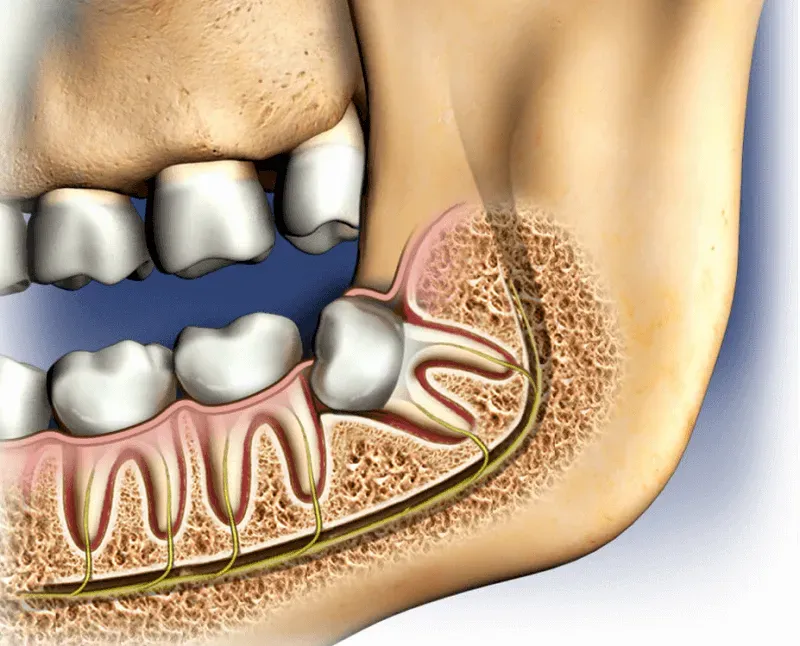
The mechanism behind tooth sensitivity is best explained by the hydrodynamic theory, which is the most widely accepted scientific explanation. Your teeth contain thousands of microscopic tubules within the dentin layer that run from the outer surface to the pulp (nerve) chamber. When enamel is lost or gums recede, these tubules become exposed. External stimuli cause rapid movement of fluid within the tubules, which in turn stimulates the A-delta nerve fibres inside the tooth, producing that characteristic sharp, sudden pain. The wider and more numerous the exposed tubules, the more severe the sensitivity.
Research published in BMC Oral Health estimates that dentin hypersensitivity affects approximately 10 to 30 percent of the general adult population, with some studies reporting prevalence as high as 57 percent depending on the diagnostic criteria used. The condition is most common in adults aged 20 to 50, with a peak incidence between 30 and 40 years. It affects women slightly more often than men, and premolar and canine teeth are the most frequently affected.
Common Causes of Tooth Sensitivity in Dubai
Understanding the root cause of your sensitivity is essential for effective treatment. Multiple factors can lead to enamel erosion or gum recession, and many of these are particularly relevant to life in Dubai. Below are the most common causes our dental team encounters.
Enamel Erosion From Acidic Foods and Beverages
Acidic foods and drinks — including citrus fruits, tomatoes, vinegar-based dressings, carbonated soft drinks, energy drinks, fruit juices, and wine — dissolve the mineral content of tooth enamel over time. In Dubai, the high consumption of fresh juices, iced lemon water, and carbonated drinks to cope with the heat makes acid erosion one of the leading causes of tooth sensitivity. Each acid exposure temporarily softens the enamel surface, and over months or years of repeated exposure, the enamel thins enough to expose the dentin beneath.
Gum Recession
When gum tissue pulls back from the tooth, it exposes the root surface, which is covered by cementum rather than enamel. Cementum is much thinner and softer than enamel and wears away quickly, leaving the root dentin directly exposed. Gum recession can result from periodontal (gum) disease, aggressive brushing with a hard-bristled toothbrush, tobacco use, hormonal changes, genetic predisposition, or poor oral hygiene. If you suspect gum recession, our guide on gum disease treatment in Dubai explains the connection between periodontal health and tooth sensitivity in detail.
Aggressive Brushing and Abrasion
Brushing too hard or using a hard-bristled toothbrush physically wears away enamel and pushes the gums downward, creating a double pathway for sensitivity. Many patients are surprised to learn that more pressure does not mean cleaner teeth — in fact, it does the opposite. A soft-bristled brush with gentle circular motions is more effective at removing plaque while protecting enamel and gum tissue.
Teeth Grinding (Bruxism)
Grinding or clenching your teeth — often during sleep or periods of stress — generates enormous forces that wear down enamel, particularly on the biting surfaces. Over time, this can expose dentin across large areas of multiple teeth, causing widespread sensitivity. Bruxism is extremely common and often goes undiagnosed until significant enamel loss has occurred. Our detailed guide on teeth grinding and bruxism covers the warning signs and treatment options, including custom night guards that protect against further enamel damage.
Tooth Decay (Cavities)
Dental caries (cavities) destroy enamel and penetrate into the dentin, directly exposing the tubules to the oral environment. A cavity that causes sensitivity typically means the decay has progressed beyond the enamel into the dentin layer. This type of sensitivity tends to be localised to a single tooth and is often more persistent than typical dentin hypersensitivity. If left untreated, the decay can reach the pulp and cause irreversible nerve damage. Early treatment with a dental filling is essential to stop progression.
Cracked or Chipped Teeth
A crack or chip in a tooth creates a direct pathway for stimuli to reach the dentin or even the pulp. Cracks can be caused by biting on hard objects, trauma, large fillings that weaken the tooth structure, or thermal stress from rapidly alternating hot and cold foods. In Dubai, the habit of drinking very cold beverages immediately after being outdoors in extreme heat can subject teeth to significant thermal cycling, which over time may contribute to micro-cracks in enamel.
Recent Dental Procedures
It is common to experience temporary sensitivity after dental procedures such as fillings, crowns, teeth whitening, professional cleaning (scaling), or orthodontic adjustments. This sensitivity is usually mild and resolves within a few days to two weeks as the tooth settles. Post-whitening sensitivity, in particular, is experienced by up to 78 percent of patients who undergo in-office bleaching, though it is almost always transient.
Dry Mouth and Dubai's Climate
Dubai's hot, arid climate and widespread air conditioning contribute to reduced saliva flow for many residents. Saliva is the mouth's natural defence system — it neutralises acids, washes away food particles, and provides minerals that help remineralise enamel. When saliva flow is reduced (xerostomia), the protective buffering capacity is diminished, leaving teeth more vulnerable to erosion and decay. Dehydration during the summer months further compounds this problem, making consistent water intake critical for dental health in the UAE.
Tooth Sensitivity Symptom Checklist: Self-Assessment
Not sure if what you are experiencing qualifies as dentin hypersensitivity? Use this checklist to assess your symptoms. If you answer yes to two or more of the following, you likely have some degree of tooth sensitivity and should consider booking a dental evaluation.
- Cold sensitivity: Do you feel a sharp, sudden pain when drinking cold water, iced coffee, or eating ice cream? This is the most common trigger and the hallmark symptom of dentin hypersensitivity.
- Hot sensitivity: Does sipping hot tea, coffee, or soup cause a lingering ache or sharp sting in one or more teeth? Hot sensitivity can indicate more advanced nerve involvement.
- Sweet or acidic sensitivity: Do sugary foods, citrus fruits, tomato-based sauces, or vinaigrette dressings trigger discomfort or a stinging sensation in your teeth?
- Brushing pain: Do you feel pain when your toothbrush touches certain teeth, particularly along the gum line? This often points to gum recession with exposed root dentin.
- Cold air sensitivity: Does breathing in cold air — such as stepping into an aggressively air-conditioned room from the outdoor heat — cause a flash of tooth pain?
- Biting pressure sensitivity: Do you feel pain when biting down on food, especially hard or chewy items? This may suggest a cracked tooth or a failing restoration.
- Spontaneous pain: Do you experience tooth pain that comes and goes without any obvious trigger? Spontaneous pain may indicate a deeper issue such as pulpitis (nerve inflammation) and warrants prompt dental evaluation.
- Multiple teeth affected: Is the sensitivity widespread across several teeth rather than isolated to one? Generalised sensitivity often points to enamel erosion or bruxism rather than a localised cavity.
When to See a Dentist for Tooth Sensitivity
While mild, occasional tooth sensitivity is common and often manageable with desensitising toothpaste, certain patterns signal that professional evaluation is necessary. Do not delay a dental visit if you experience any of the following scenarios.
- Sensitivity persists beyond two to four weeks despite consistent use of a desensitising toothpaste. Persistent sensitivity suggests an underlying cause that requires clinical diagnosis and treatment.
- Pain is severe or spontaneous. Sharp, intense pain or pain that occurs without a trigger (spontaneously) may indicate pulpitis, a cracked tooth, or advanced decay that has reached the nerve.
- Sensitivity is localised to a single tooth. While generalised sensitivity often relates to enamel erosion, isolated sensitivity in one tooth frequently indicates a cavity, crack, or failing filling.
- You notice a visible cavity, dark spot, or chip. Any visible damage to a tooth needs professional assessment. What appears to be a minor chip can sometimes extend deep into the tooth structure.
- Your gums appear red, swollen, or have receded. These are signs of periodontal disease, which can cause sensitivity and will worsen without treatment.
- Sensitivity develops after a dental procedure and does not improve within two weeks, or worsens over time. Post-procedure sensitivity should gradually decrease, not increase.
- You have a toothache that wakes you up at night. Night-time tooth pain that disrupts sleep is a red flag for nerve involvement and should be evaluated urgently. Our guide on toothache causes and treatment explains the urgency levels in detail.
At DCDC, we offer same-day dental consultations for urgent sensitivity concerns. With a 98 percent patient satisfaction rate and an average wait time of just 15 minutes, you can be seen quickly and leave with a clear diagnosis and treatment plan.
Tooth Sensitivity Treatment Options: From Home Remedies to Clinical Care
Treatment for tooth sensitivity follows a stepped approach, starting with the simplest and least invasive options and progressing to clinical interventions if needed. The right treatment depends on the cause, severity, and number of teeth affected.
Step 1: Home Remedies and Over-the-Counter Solutions
For mild to moderate sensitivity, home-based treatment is the recommended starting point. Desensitising toothpastes containing potassium nitrate (such as Sensodyne or Colgate Sensitive Pro-Relief) work by blocking the transmission of pain signals from the tooth surface to the nerve. Potassium ions penetrate into the dentinal tubules and depolarise the nerve fibres, reducing their ability to fire in response to stimuli. Most patients notice improvement within two to four weeks of consistent twice-daily brushing. For maximum benefit, apply a small amount of desensitising toothpaste directly to sensitive areas and leave it on for a few minutes before rinsing.
Additional home measures include switching to a soft-bristled toothbrush, using gentle brushing technique (circular motions rather than vigorous back-and-forth scrubbing), avoiding highly acidic foods and drinks, waiting 30 minutes after eating acidic foods before brushing (to allow enamel to reharden), using a fluoride mouthwash to strengthen enamel, and staying well-hydrated throughout the day — particularly important in Dubai where dehydration from the heat can reduce saliva flow.
Step 2: In-Office Professional Treatments
If home remedies do not provide sufficient relief within two to four weeks, professional dental treatments can offer more targeted and lasting results. These treatments are performed in the dental clinic and typically require only a single appointment.
- Professional fluoride varnish application: High-concentration fluoride varnish (22,600 ppm sodium fluoride) is painted directly onto the sensitive tooth surfaces. The fluoride penetrates into the exposed dentin tubules and deposits calcium fluoride crystals that physically block the tubules, reducing fluid movement and pain transmission. Clinical studies show significant reduction in sensitivity within one to two weeks, with effects lasting three to six months. Multiple applications may be needed.
- Desensitising agents and sealants: Professional desensitising agents containing glutaraldehyde, HEMA, or oxalate compounds can be applied to exposed dentin to seal the tubules. Dentin sealants create a protective barrier over exposed root surfaces. These in-office treatments are more concentrated and effective than over-the-counter products.
- Dental bonding (composite resin): For teeth with significant enamel loss or exposed root surfaces, tooth-colored composite resin can be bonded directly over the sensitive areas to seal and protect the dentin. This is particularly effective for sensitivity caused by gum recession where a band of root dentin is exposed along the gum line.
- Laser desensitisation: Diode laser therapy can seal dentinal tubules through thermal modification of the dentin surface. Studies published in BMC Oral Health show that laser treatment used alone or combined with fluoride varnish produces significantly greater and longer-lasting reduction in sensitivity compared to fluoride varnish alone.
Step 3: Restorative and Surgical Treatments
For severe or persistent sensitivity that does not respond to conservative treatments, or when the underlying cause requires structural repair, more definitive treatment options are available.
- Dental fillings or inlays: If sensitivity is caused by decay, a cracked tooth, or significant enamel loss, a dental filling or ceramic inlay restores the tooth structure and seals the exposed dentin permanently.
- Dental crowns: For teeth with extensive structural damage, a dental crown covers and protects the entire visible portion of the tooth, eliminating sensitivity by encasing all exposed dentin.
- Gum grafting: When severe gum recession has exposed large areas of root surface, a gum graft (connective tissue graft) can cover the exposed roots with new gum tissue, restoring the natural protective barrier.
- Night guard for bruxism: If teeth grinding is the primary cause of enamel loss and sensitivity, a custom-fitted night guard prevents further damage and allows existing treatments to remain effective.
- Root canal treatment: In rare cases where sensitivity is caused by irreversible pulpitis (nerve inflammation that will not resolve), root canal treatment removes the nerve tissue entirely, permanently eliminating pain. This is a last-resort option reserved for cases where all other treatments have failed.
Tooth Sensitivity Treatment Cost in Dubai
The cost of treating tooth sensitivity in Dubai depends on the underlying cause and the type of treatment required. Below is a comprehensive pricing guide for the most common sensitivity treatments available at dental clinics in Dubai, including DCDC.
| Treatment | Price Range (AED) | Duration | Best For |
|---|---|---|---|
| Desensitising toothpaste (OTC) | From 30–60 | Ongoing use | Mild generalised sensitivity |
| Professional fluoride varnish | From 150–300 | 15–20 min per session | Moderate sensitivity, exposed root surfaces |
| Dentin sealant / desensitising agent | From 200–400 | 20–30 min | Localised root sensitivity |
| Dental bonding (composite) | From 200–500 | 30–45 min per tooth | Exposed root dentin, cervical abrasion |
| Laser desensitisation | From 300–600 | 15–30 min | Persistent sensitivity, multiple teeth |
| Custom night guard (bruxism) | From 500–1,500 | 2 visits | Sensitivity from teeth grinding |
| Dental crown | From 800–3,000 | 2 visits | Extensive structural damage |
| Gum grafting | From 2,000–5,000 | 1–2 hours | Severe gum recession |
| Root canal treatment | From 600–2,500 | 1–2 visits | Irreversible nerve inflammation |
Prices are approximate and may vary based on tooth location, complexity, and insurance coverage. Contact DCDC for a personalised quote.
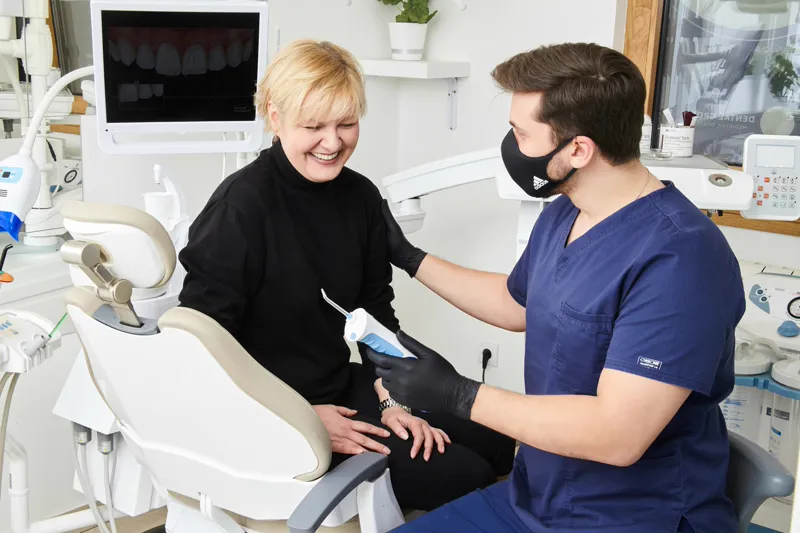
At DCDC, a sensitivity assessment is included with every dental cleaning appointment. We work with 20+ insurance partners — including Daman, AXA, Bupa, MetLife, and Cigna — offering direct billing so you can focus on your treatment rather than paperwork. For self-pay patients, we provide transparent pricing with no hidden fees before any treatment begins.
Suffering From Tooth Sensitivity? Get Expert Relief at DCDC
Stop avoiding your favourite foods and drinks. Our dental team at Doctors Clinic Diagnostic Center in Dubai Healthcare City will diagnose the cause of your sensitivity and recommend the most effective treatment — from professional fluoride application to advanced restorative solutions. Dental cleaning with sensitivity assessment available with 20+ insurance partners.
Book your appointment today, contact us on WhatsApp, or walk in during clinic hours (Sat–Thu 8 AM–10 PM, Fri 9 AM–9 PM).
What to Expect at DCDC: Your Sensitivity Assessment
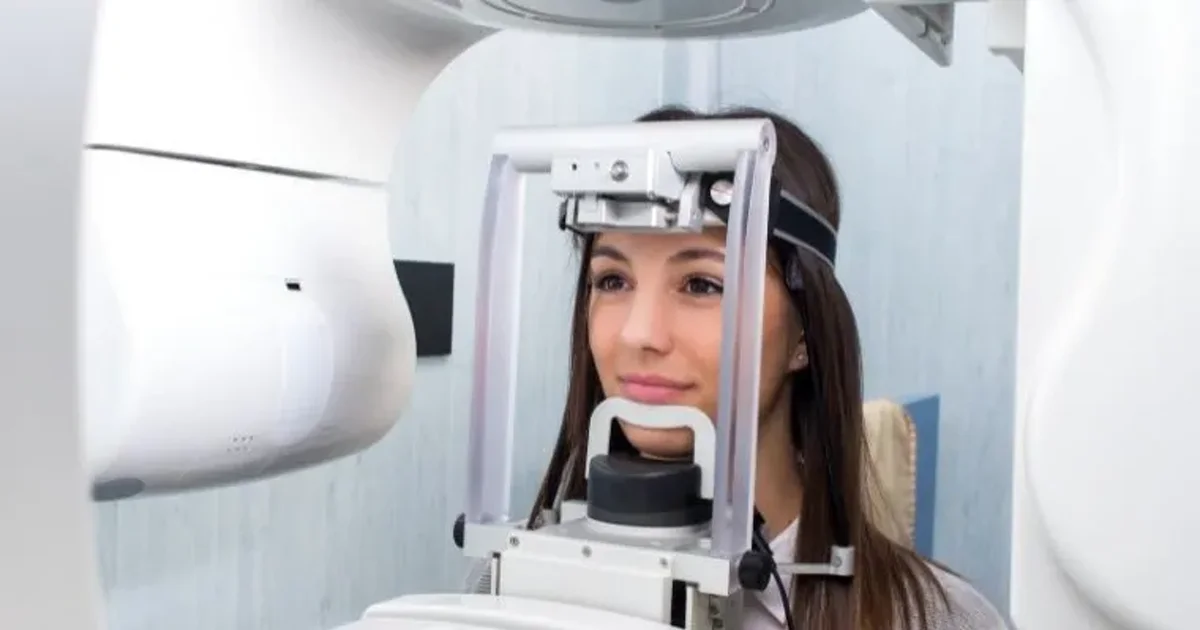
When you visit Doctors Clinic Diagnostic Center for tooth sensitivity, here is what your appointment will involve, step by step. Our MOHAP-licensed clinic (License No. NIMY7VY5-240925) in Building 64, Block A, Al Razi Medical Complex, Dubai Healthcare City, is equipped with on-site CBCT and OPG imaging and digital X-rays that reduce radiation by up to 80 percent compared to conventional films.
- Step 1 — Medical history review: Your dentist reviews your medical and dental history, including any medications you take, previous dental treatments, dietary habits, and the specific pattern and triggers of your sensitivity.
- Step 2 — Clinical examination: A thorough visual and tactile examination of all teeth and gums is performed. The dentist checks for signs of enamel erosion, gum recession, cavities, cracks, failing restorations, and plaque accumulation. An oral cancer screening is included as part of every comprehensive examination at DCDC.
- Step 3 — Sensitivity testing: Specific diagnostic tests are used to identify the affected teeth and assess the severity of sensitivity. These may include an air blast test (a gentle puff of air directed at the tooth), cold test (application of a cold stimulus), and probing of the gum line to measure recession.
- Step 4 — Diagnostic imaging: Digital X-rays or OPG (panoramic) imaging may be taken to check for hidden cavities, bone loss, cracks, or other pathology that is not visible clinically. Our digital X-ray technology reduces radiation exposure by up to 80 percent.
- Step 5 — Diagnosis and treatment plan: Based on the findings, your dentist will explain the cause of your sensitivity, recommend the most appropriate treatment options, and provide a clear cost estimate — including insurance coverage details — before any treatment begins.
- Step 6 — Immediate treatment (if applicable): Many sensitivity treatments — such as fluoride varnish application, desensitising agent application, or dental bonding — can be performed during the same visit, so you may leave with immediate relief.
With free dedicated on-site parking, six or more dental specialists on staff, and sedation options available for anxious patients, DCDC is designed to make your dental visit as comfortable and efficient as possible.
Preventing Tooth Sensitivity in Dubai: Practical Tips
Prevention is always better than treatment. The following strategies are specifically tailored to life in Dubai, where the hot climate, dietary habits, and lifestyle factors create unique challenges for dental health.
- Use a soft-bristled toothbrush and gentle technique: Replace your toothbrush every three months and brush with light pressure using small circular motions. An electric toothbrush with a pressure sensor can help prevent over-brushing.
- Use fluoride toothpaste (or desensitising toothpaste if already sensitive): Fluoride strengthens enamel and helps remineralise early areas of erosion. If you already have sensitivity, switch to a toothpaste containing both fluoride and potassium nitrate.
- Limit acidic food and drink exposure: Reduce consumption of citrus juices, carbonated drinks, energy drinks, and vinegar-based foods. When you do consume them, use a straw to minimise contact with teeth and rinse your mouth with water immediately after.
- Wait 30 minutes before brushing after acidic foods: Acid temporarily softens enamel. Brushing immediately after acid exposure can abrade the softened enamel. Wait at least 30 minutes or rinse with water first.
- Stay hydrated — especially in summer: Dubai's summer temperatures can exceed 45°C, and air-conditioned environments further dry the mouth. Drink at least two to three litres of water daily to maintain adequate saliva flow. Saliva is your mouth's primary defence against acid erosion.
- Wear a night guard if you grind your teeth: If you wake up with jaw pain, headaches, or notice flat or worn tooth surfaces, talk to your dentist about a custom night guard to prevent bruxism-related enamel loss.
- Avoid extreme temperature transitions: Going from 45°C outdoor heat directly to a very cold drink subjects your teeth to thermal shock. Allow your body to cool down before consuming ice-cold beverages.
- Attend regular dental check-ups: Professional cleanings every six months remove tartar buildup and allow your dentist to catch early signs of erosion, recession, or decay before they cause sensitivity. Read our guide on what to expect during a dental checkup to prepare for your visit.
- Use a fluoride mouthwash before bed: An alcohol-free fluoride rinse provides an extra layer of enamel protection overnight, when saliva flow naturally decreases.
Tooth Sensitivity and Teeth Whitening: What You Need to Know
One of the most common causes of temporary tooth sensitivity in Dubai is teeth whitening. Up to 78 percent of patients experience some degree of sensitivity during or after professional whitening treatments. The hydrogen peroxide or carbamide peroxide used in bleaching agents can temporarily dehydrate the teeth and increase dentinal tubule permeability, causing short-lived sensitivity that typically resolves within 24 to 72 hours.
At DCDC, our teeth whitening protocols include sensitivity-minimising steps such as pre-treatment desensitising gel application, lower concentration whitening agents for sensitive patients, and post-treatment fluoride application. If you have a history of tooth sensitivity, inform your dentist before whitening so they can adjust the protocol accordingly. In most cases, using a desensitising toothpaste for two weeks before and after whitening can significantly reduce discomfort.
Tooth Sensitivity in Children: A Parent's Guide
Children can experience tooth sensitivity too, though the causes are often different from adults. In children, sensitivity most commonly results from newly erupting teeth, cavities in baby or permanent teeth, enamel hypoplasia (underdeveloped enamel), or aggressive brushing. Children in Dubai are particularly susceptible to enamel erosion from frequent consumption of fruit juices, flavoured milks, and soft drinks.
If your child complains of tooth pain with cold or sweet foods, do not dismiss it as normal. Schedule a dental evaluation to rule out cavities or developmental enamel defects. Our paediatric dental team uses child-friendly techniques and, where needed, sedation options to ensure a comfortable experience. For more information on maintaining your child's dental health, see our comprehensive kids dental care guide.
Dr. Chadi El Masry's Clinical Perspective on Tooth Sensitivity

Cosmetic and Restorative Dentistry
Dr. Chadi El Masry is a Dentist at Doctors Clinic Diagnostic Center (DCDC) in Dubai Healthcare City, specialising in cosmetic and restorative dentistry.
"Tooth sensitivity is one of the conditions I see most frequently in my practice here in Dubai, and in most cases, it is both diagnosable and highly treatable. What I always tell my patients is this: sensitivity is your tooth's way of telling you that its protective barrier has been compromised — whether through enamel erosion, gum recession, a crack, or decay. The sooner we identify the cause, the simpler and more affordable the treatment. A patient who comes in at the first sign of cold sensitivity might only need a fluoride varnish application and a change in brushing technique. A patient who ignores the same symptom for a year may end up needing a crown or even root canal treatment. The Dubai lifestyle — cold drinks in extreme heat, acidic juices, air-conditioned dry air — creates a unique set of risk factors that I discuss with every patient during their check-up. My advice is straightforward: if your teeth are sensitive, do not simply switch toothpaste and hope for the best. Come in for a proper assessment so we can address the root cause, not just the symptom."
Insurance Coverage for Tooth Sensitivity Treatment in Dubai
Most comprehensive dental insurance plans in the UAE cover the diagnosis and treatment of tooth sensitivity, though the level of coverage depends on the specific plan and the treatment required.
- Diagnostic consultation and X-rays: Virtually all dental insurance plans cover the initial consultation and diagnostic imaging needed to assess sensitivity.
- Fluoride varnish application: Covered as a preventive benefit by most plans, often with two applications per year included.
- Dental fillings: Covered under basic restorative benefits. Composite fillings for cavities causing sensitivity are typically fully covered for front teeth, with possible co-payments for back teeth.
- Dental crowns: Covered under major restorative benefits, usually at 50 to 80 percent. Pre-authorisation is typically required.
- Night guards (bruxism): Coverage varies widely. Some plans include custom night guards under preventive or prosthetic benefits; others do not cover them at all.
- Gum grafting: Covered as a periodontal surgical procedure by comprehensive plans. Pre-authorisation is required.
At DCDC, we work with over 20 insurance providers — including Daman, AXA, Bupa, MetLife, and Cigna — and offer direct billing so you pay only your co-payment or deductible at the time of treatment. Our reception team verifies your coverage before your appointment and explains any out-of-pocket costs in advance.
Get Your Tooth Sensitivity Assessed Today — Most Insurance Accepted
Do not let sensitive teeth control what you eat and drink. Book a dental consultation at DCDC in Dubai Healthcare City and get a proper diagnosis with a personalised treatment plan. Our 6+ dental specialists, on-site advanced imaging, and 20+ insurance partners with direct billing make expert care accessible and hassle-free.
Call, WhatsApp, book online, or simply walk in — Sat–Thu 8 AM–10 PM, Fri 9 AM–9 PM. Free on-site parking available.
Verwandte Leistungen im DCDC
Fachkundige Betreuung und moderne Diagnostik in Dubai Healthcare City
Frequently Asked Questions
Final Thoughts
Tooth sensitivity is one of the most common dental complaints, but it should never be ignored or simply endured. Whether your sensitivity is triggered by cold coffee, hot soup, sweet treats, or even the blast of air conditioning on a Dubai summer day, understanding the underlying cause is the first step toward lasting relief. In most cases, treatment is straightforward, affordable (starting from AED 150 for professional fluoride application), and highly effective.
At Doctors Clinic Diagnostic Center in Dubai Healthcare City, our team of 6+ dental specialists — led by experienced practitioners like Dr. Chadi El Masry — provides comprehensive sensitivity assessment and treatment using advanced diagnostic imaging and evidence-based protocols. With a 4.8/5 Google rating from 1,000+ reviews, 20+ insurance partners with direct billing, free on-site parking, and extended clinic hours (Sat–Thu 8 AM–10 PM, Fri 9 AM–9 PM), expert dental care is accessible when you need it. Do not let sensitive teeth dictate your diet or diminish your quality of life — book your assessment today.
Quellen und Referenzen
Dieser Artikel wurde von unserem medizinischen Team überprüft und bezieht sich auf folgende Quellen:
- BMC Oral Health — Pathogenesis, Diagnosis and Management of Dentin Hypersensitivity: An Evidence-Based Overview for Dental Practitioners
- Applied Sciences (MDPI) — Dentin Hypersensitivity: Etiology, Diagnosis and Contemporary Therapeutic Approaches
- PMC — Management of Dentin Hypersensitivity by Practitioners in the National Dental Practice-Based Research Network
- American Dental Association — Sensitive Teeth: Causes and Treatment
- Cleveland Clinic — Tooth Sensitivity: Causes, Remedies and Treatment
- PMC — Effectiveness of Fluoride Varnish, Diode Laser, and Their Combination in Treatment of Dentin Hypersensitivity
Medizinische Inhalte auf dieser Website werden von DHA-lizenzierten Ärzten überprüft. Siehe unsere redaktionelle Richtlinien für weitere Informationen.
Verfasst von
Dr. Chadi El Masry
Cosmetic and Restorative Dentistry
DDS
Dr. Chadi El Masry is a Dentist at Doctors Clinic Diagnostic Center (DCDC) in Dubai Healthcare City.
Related Articles
Dental Cleaning Cost Dubai: From AED 200 (2026)
Toothache Dubai: Causes & When to See a Dentist
Dental Fillings Cost Dubai: From AED 150 (2026)
Teeth Grinding Dubai: Bruxism Signs & Care
Gum Disease Treatment Dubai: From AED 1,000 (2026)
More in Dental
Tooth Filling vs Crown Dubai: Which One? (2026)
Weiterlesen
Dental Crowns vs Veneers Dubai: Guide (2026)
WeiterlesenDentures vs Dental Implants Dubai (2026)
Weiterlesen
Dental Veneers Cost Dubai: From AED 500 (2026)
WeiterlesenRoot Canal vs Tooth Extraction Dubai (2026)
WeiterlesenDental Inlays & Onlays Dubai: Cost Guide (2026)
Weiterlesen© 2026 Doctors Clinic Diagnostic Center (DCDC), Dubai Healthcare City. Originally published at https://doctorsclinicdubai.ae/blog/tooth-sensitivity-causes-dubai. All rights reserved. Unauthorized reproduction is prohibited.