Wichtigste Erkenntnisse
- Shingles (herpes zoster) is caused by reactivation of the varicella-zoster virus that remains dormant in your nerve cells after chickenpox. Over 99% of adults born before 1980 carry this virus, meaning almost every adult over 45 is at risk of developing shingles at some point in their life.
- Early shingles symptoms appear 1-5 days before the rash: localised burning, tingling, or shooting pain on one side of the body, often with fatigue and headache. Recognising these prodromal signs is critical because antiviral treatment is most effective when started within 72 hours of rash onset.
- The shingles rash follows a predictable pattern: red patches that develop into fluid-filled blisters over 3-5 days, then crust over within 7-10 days and heal in 2-4 weeks. The rash almost always appears in a band on one side of the torso, face, or neck — never crossing the midline.
- Postherpetic neuralgia (PHN) — nerve pain lasting months or years after the rash heals — affects approximately 1 in 5 shingles patients and becomes more common and severe with age. PHN is the primary reason prevention is so important.
- SHINGRIX (recombinant, adjuvanted) is over 90% effective at preventing both shingles and postherpetic neuralgia, with protection maintained for at least 7 years. It requires two doses given 2-6 months apart and is recommended for all adults aged 50 and over.
- At DCDC Dubai Healthcare City, SHINGRIX vaccination and shingles treatment are available with same-day appointments, direct insurance billing with 20+ partners, and extended hours until 10 PM — making it convenient for working adults to get protected.
That burning, tingling pain on one side of your torso that appeared out of nowhere — could it be shingles? If you are over 50 and had chickenpox as a child (and statistically, you almost certainly did), the varicella-zoster virus is dormant in your nerve cells right now, waiting for an opportunity to reactivate. Shingles (herpes zoster) affects roughly one in three adults during their lifetime, causing a painful blistering rash that can lead to weeks of misery and, in some cases, months or years of chronic nerve pain. The good news: shingles is both treatable and preventable. This guide covers everything Dubai residents need to know — from the earliest warning signs and rash stages to treatment options, risk factors, and how the SHINGRIX vaccine can reduce your risk by over 90%.
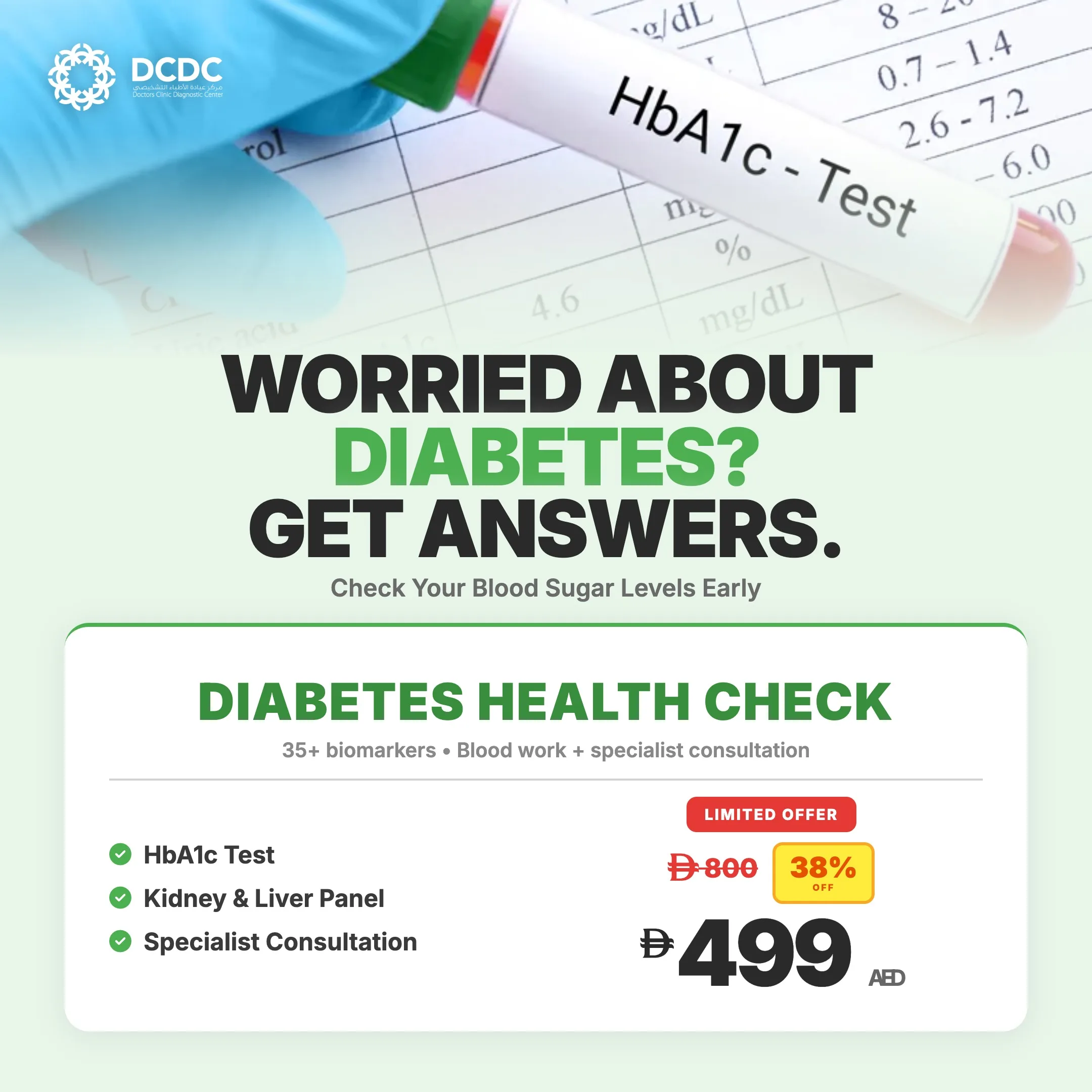
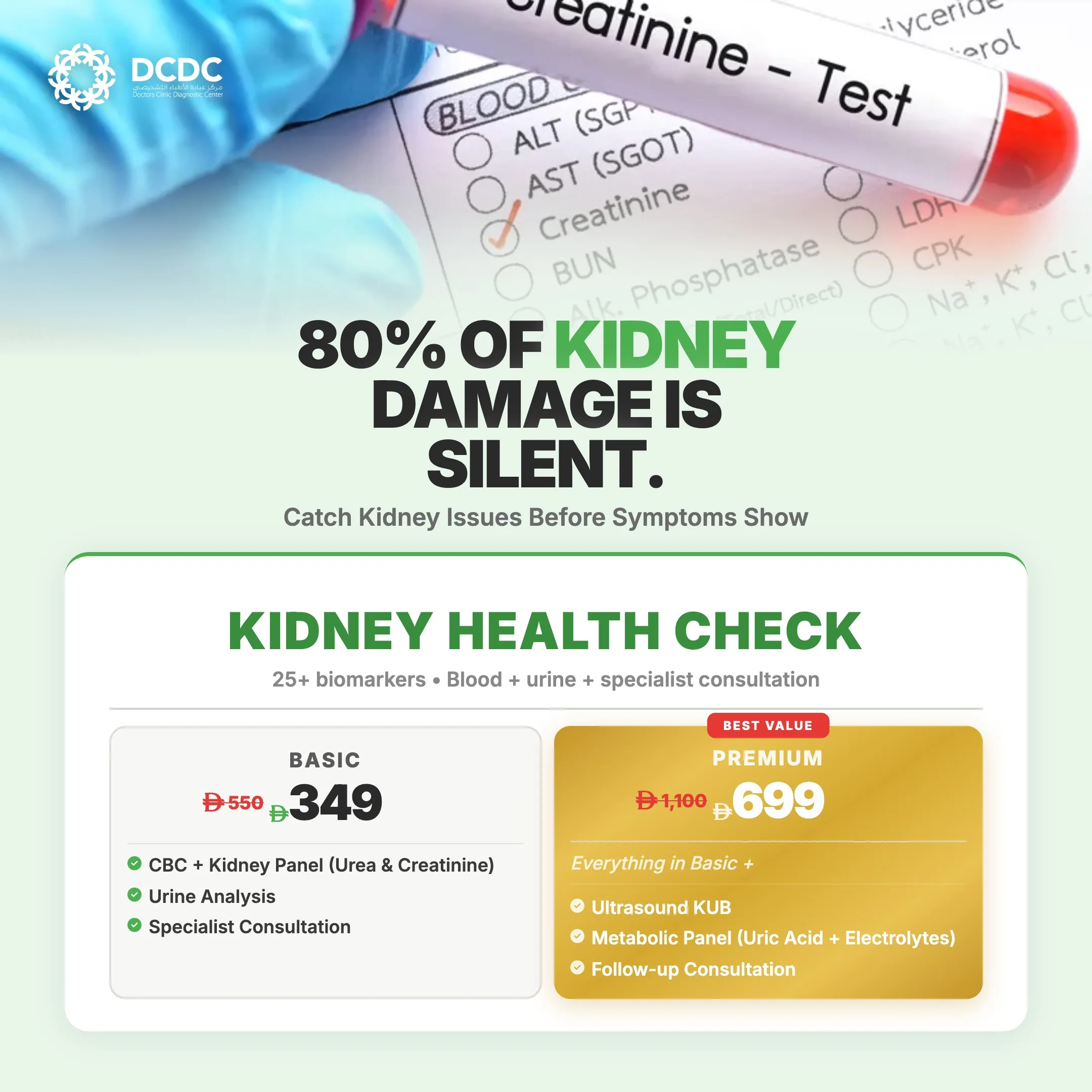
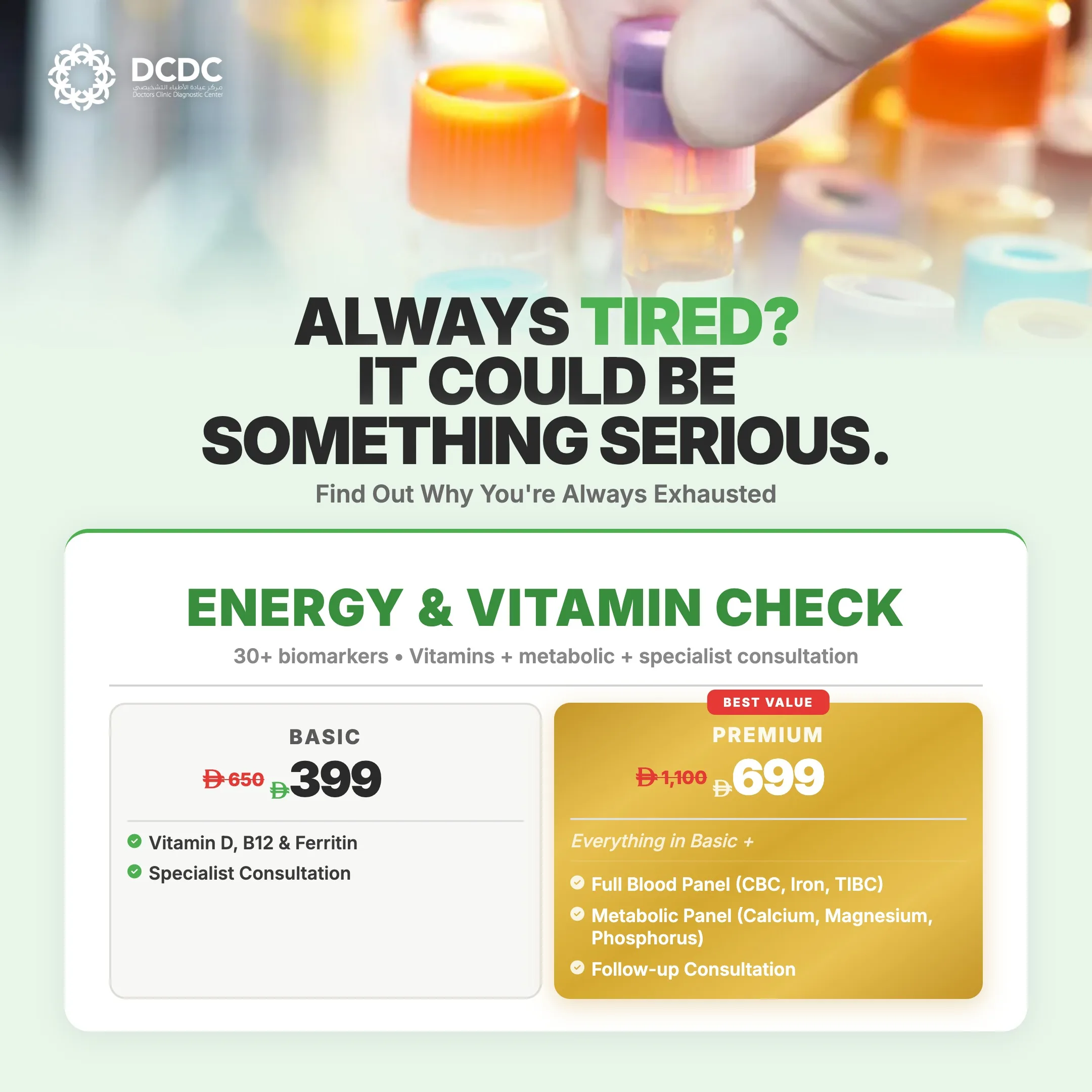
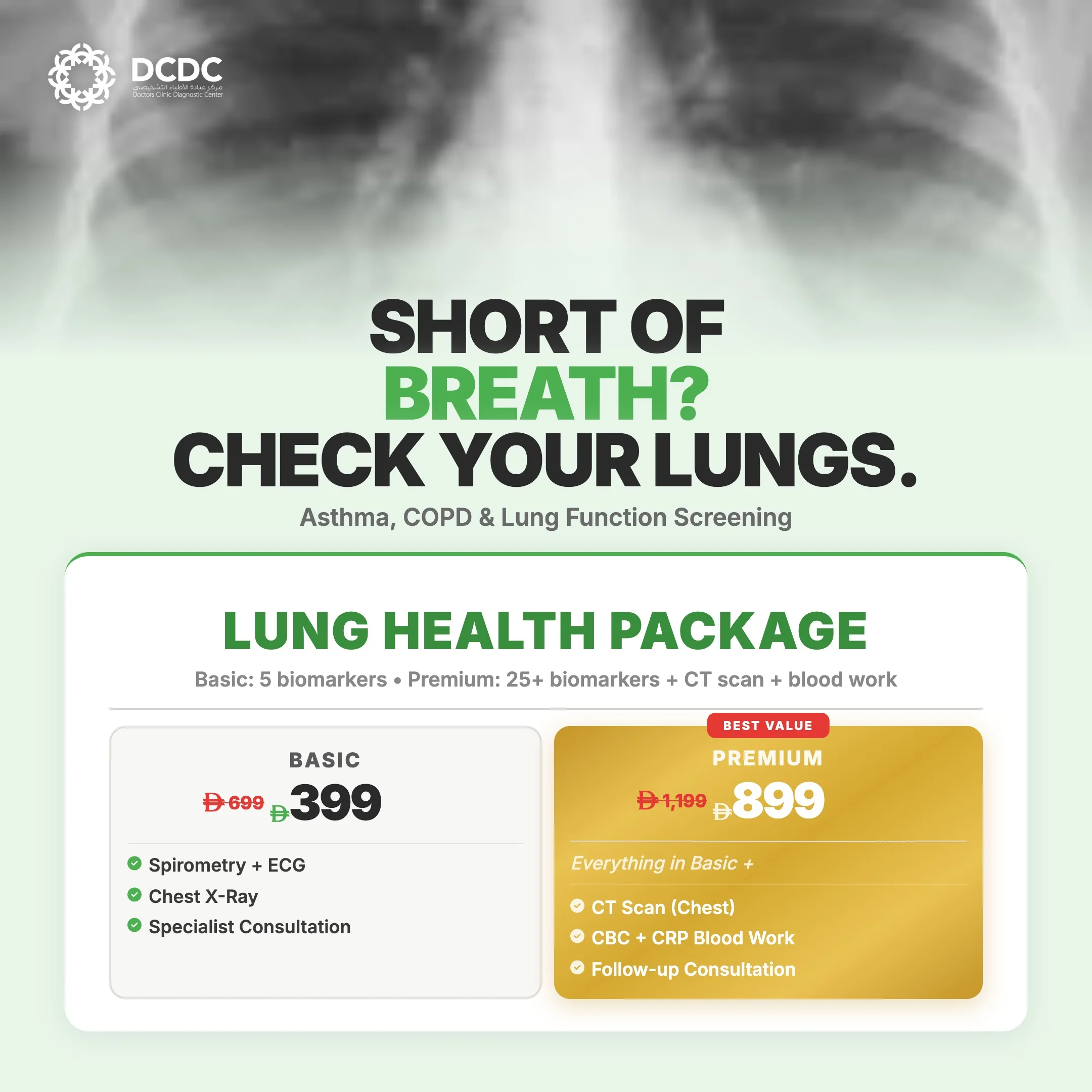
Health Screening Packages
Save with our bundled screening packages — specialist consultation included


What Is Shingles (Herpes Zoster)?
Shingles, medically known as herpes zoster, is a viral infection caused by the reactivation of the varicella-zoster virus (VZV) — the same virus that causes chickenpox. After you recover from chickenpox (usually in childhood), the virus does not leave your body. Instead, it retreats into the dorsal root ganglia — clusters of nerve cells near the spinal cord — where it lies dormant, kept in check by your immune system, for decades.
When your immune system weakens — due to ageing, stress, illness, or immunosuppressive medication — the virus can reactivate. It travels along nerve fibres to the skin, causing the characteristic painful, blistering rash confined to the area (dermatome) served by that nerve. Unlike chickenpox, which spreads across the entire body, shingles almost always affects one side of the body only, typically in a band-like pattern across the torso, although it can also appear on the face, neck, or eye area.
Shingles is remarkably common. The World Health Organization estimates that approximately one in three people who have had chickenpox will develop shingles during their lifetime. In the United States alone, about one million cases occur annually. The risk increases significantly after age 50, with more than half of all shingles cases occurring in adults over 60. Crucially, over 99% of adults born before 1980 carry the dormant varicella-zoster virus — whether or not they remember having chickenpox.
Shingles Symptoms: Early Warning Signs
Recognising shingles symptoms early is essential because antiviral treatment works best when started within 72 hours of rash onset. The earlier you recognise what is happening, the sooner you can seek treatment — and the better your outcome will be.
Prodromal Phase (Days 1-5 Before Rash)
Shingles typically begins with prodromal symptoms — warning signs that appear 1-5 days before any visible rash. These early signs are often the most confusing because there is nothing to see on the skin yet, leading many patients to dismiss the symptoms or attribute them to other causes.
- Localised pain, burning, or tingling: The hallmark early symptom. A defined area on one side of the body begins to feel unusually sensitive — described as burning, stinging, tingling, or shooting pain. The pain can range from mild to severe and may feel like an electric shock
- Numbness or itching: Some patients describe the area as feeling numb or intensely itchy rather than painful
- Skin sensitivity (allodynia): The affected area may become hypersensitive to touch — even the brush of clothing against the skin can be painful
- Flu-like symptoms: Low-grade fever, headache, fatigue, and general malaise can accompany the localised pain, often leading patients to believe they have a mild viral illness
- Stomach upset: Some patients experience nausea or gastrointestinal discomfort during the prodromal phase
According to Dr. Hadeel Elnur, "The prodromal phase is when shingles is most often missed. Patients come in describing a burning sensation on one side of their chest or back, sometimes thinking it is a muscle strain or a heart problem. When I hear 'burning pain on one side,' especially in a patient over 50, shingles is immediately on my differential — even before the rash appears. Early recognition can make the difference between a manageable episode and months of chronic nerve pain."
Shingles Rash Stages and Progression
Once the prodromal phase ends, the visible shingles rash stages follow a predictable timeline. Understanding what does shingles look like at each stage helps you identify the condition and seek prompt treatment.
Stage 1: Red Patches (Days 1-2)
Red, inflamed patches appear on the skin in the area where the prodromal pain was felt. These patches are typically flat, warm to the touch, and confined to one dermatome — a strip of skin supplied by a single spinal nerve. The most common locations are the trunk (chest, abdomen, or back), but shingles can affect any dermatome including the face, neck, and limbs.
Stage 2: Fluid-Filled Blisters (Days 3-5)
The red patches rapidly develop into clusters of small, fluid-filled vesicles (blisters). These blisters are filled with clear fluid that contains active varicella-zoster virus — making this the most contagious stage. The blisters typically appear in groups or clusters, following the path of the nerve, and new clusters may continue to form for 3-5 days.
Stage 3: Crusting and Scabbing (Days 7-10)
The blisters begin to dry out, flatten, and form yellow or brown crusts. This is the stage at which the rash begins to stop being contagious — once all blisters have crusted over, the virus can no longer be transmitted through direct contact. The crusting process typically takes 7-10 days from the initial appearance of blisters.
Stage 4: Healing (Weeks 2-4)
The scabs gradually fall off, and the skin underneath heals. Most patients see complete skin healing within 2-4 weeks, although some may take up to 6 weeks. The newly healed skin may appear lighter or darker than the surrounding area (post-inflammatory hypo- or hyperpigmentation), which usually normalises over several months. Importantly, the pain may persist long after the skin has healed — this is when postherpetic neuralgia becomes a concern.
For Dubai residents concerned about skin conditions, understanding how to identify shingles accurately is important — particularly since it can be confused with other common rashes. If you are also managing chronic skin conditions, our adult vaccination guide covers how vaccines like SHINGRIX fit into your broader preventive health plan.
Who Is at Risk: Shingles Risk Factors Over 50
Anyone who has had chickenpox can develop shingles, but certain factors significantly increase the risk. Understanding your personal risk profile helps you make informed decisions about prevention.
Age
Age is the single greatest risk factor. The immune system naturally weakens with age (a process called immunosenescence), reducing its ability to keep the varicella-zoster virus dormant. Shingles incidence approximately doubles after age 50 and continues to rise with each decade. By age 85, roughly 50% of adults will have experienced at least one episode.
Weakened Immune System
- HIV/AIDS: People living with HIV are at significantly higher risk due to compromised T-cell immunity
- Cancer treatment: Chemotherapy and radiation therapy suppress the immune system, increasing reactivation risk
- Organ transplant recipients: Long-term immunosuppressive drugs (tacrolimus, mycophenolate, cyclosporine) substantially increase shingles risk
- Autoimmune diseases: Conditions such as rheumatoid arthritis, lupus, and inflammatory bowel disease — and the immunosuppressive medications used to treat them (methotrexate, biologics, corticosteroids) — raise the risk
- Chronic corticosteroid use: Prolonged courses of oral prednisolone or similar steroids suppress immune function
Other Risk Factors
- Chronic stress: Sustained psychological stress is a well-documented risk factor for shingles reactivation, as stress hormones (cortisol) suppress immune surveillance
- Physical trauma or surgery: Major surgery or significant physical trauma to the area where the virus lies dormant can trigger reactivation
- Previous shingles episode: Having had shingles once does not prevent it from recurring — recurrence rates are estimated at 1-6% within several years
- Gender: Women are slightly more likely to develop shingles than men, although the reasons are not fully understood
- Having had chickenpox before age 1: Early chickenpox infection is associated with higher reactivation risk
For Dubai's expatriate population, the stress of relocation, demanding work schedules, and the extreme climate may contribute to immune system strain — making proactive prevention through vaccination particularly relevant.
Shingles vs Other Skin Conditions: How to Tell the Difference
Shingles is frequently confused with other skin conditions, especially in its early stages. The following comparison table highlights the key differences between shingles and conditions it is commonly mistaken for.
| Feature | Shingles (Herpes Zoster) | Eczema (Atopic Dermatitis) | Contact Dermatitis | Hives (Urticaria) |
|---|---|---|---|---|
| Pattern | Unilateral — one side of the body only, following a nerve (dermatomal band) | Bilateral — affects both sides of the body symmetrically | Localised to area of contact with irritant/allergen | Widespread — can appear anywhere, moves around the body |
| Appearance | Fluid-filled blisters in clusters on a red base | Dry, rough, scaly, cracked patches — may weep in acute flares | Red, itchy area with blisters (e.g. from poison ivy) or dry, scaly patches | Raised, red or skin-coloured welts (wheals) — smooth surface |
| Pain vs Itch | Intensely painful — burning, shooting, electric-shock pain is the primary symptom | Primarily itchy — pain only from cracked or infected skin | Primarily itchy — mild stinging or burning possible | Primarily itchy — not typically painful |
| Duration | Acute episode: 2-4 weeks from rash onset to healing | Chronic — lasts months to years with flare-and-remission cycles | Days to weeks — resolves after removing the trigger | Individual welts last less than 24 hours — episode may last days to weeks |
| Cause | Reactivation of dormant varicella-zoster virus in nerve cells | Genetic skin barrier dysfunction + immune overactivity | Direct contact with an irritant or allergen | Immune reaction to allergens, stress, medications, or infections |
| Contagious? | Yes — can transmit chickenpox to non-immune individuals via blister fluid | No | No | No |
| Age Group | Primarily adults over 50; can occur at any age | Any age — most common in children, often improves with age | Any age | Any age |
Shingles vs eczema, contact dermatitis, and hives: key differentiating features
The most reliable way to distinguish shingles from other rashes is the unilateral dermatomal pattern combined with significant pain. If a rash appears on both sides of the body, it is almost certainly not shingles. If itching is the dominant symptom with minimal pain, eczema or another condition is more likely.
Complications: Postherpetic Neuralgia and Beyond
While many shingles episodes resolve without lasting consequences, the condition can cause serious complications — particularly in older adults and immunocompromised patients. The most feared complication is postherpetic neuralgia (PHN).
Postherpetic Neuralgia (PHN)
PHN is defined as nerve pain persisting 90 or more days after the shingles rash onset. It is the most common shingles complication, affecting approximately 1 in 5 patients overall. The risk increases sharply with age: roughly 10-13% of patients aged 50-59 develop PHN, rising to 25-30% in those over 70.
PHN pain is described as constant burning, throbbing, or stabbing in the area where the rash appeared. It can be severe enough to interfere with sleep, daily activities, appetite, and emotional wellbeing. Some patients experience PHN for months; others endure it for years. The pain arises from nerve damage caused by the virus during reactivation — even though the skin has healed, the underlying nerves remain scarred and dysfunctional.
Treatment for postherpetic neuralgia includes topical lidocaine patches, capsaicin cream, oral gabapentin or pregabalin, tricyclic antidepressants (amitriptyline), and in refractory cases, nerve blocks. However, PHN can be difficult to treat — many patients achieve only modest symptom relief despite multimodal therapy. This is precisely why prevention through vaccination is so important.
Other Serious Complications
- Herpes zoster ophthalmicus (HZO): When shingles affects the ophthalmic branch of the trigeminal nerve (the forehead and eye area), it can cause corneal ulcers, chronic ocular inflammation, glaucoma, and permanent vision loss. HZO accounts for approximately 10% of all shingles cases and requires urgent ophthalmological assessment
- Ramsay Hunt syndrome: Shingles involving the facial nerve (near the ear) can cause facial paralysis, hearing loss, and severe ear pain. The blisters may appear in or around the ear canal
- Disseminated zoster: In severely immunocompromised patients, the virus can spread beyond a single dermatome to affect multiple areas or internal organs (lungs, liver, brain). This carries a case fatality rate of 5-15%
- Bacterial superinfection: Open shingles blisters can become infected with bacteria, leading to cellulitis or, rarely, necrotising fasciitis
- Neurological complications: Meningitis, encephalitis, and myelitis are rare but potential complications, particularly in immunocompromised individuals
If shingles pain persists after the rash has healed, it is important to seek specialist care. Nerve pain conditions like PHN share treatment approaches with other neuropathic conditions — if you are dealing with chronic nerve symptoms, our eczema treatment guide also explains how to differentiate between skin conditions that may be confused with shingles or its aftermath.
When to See a Doctor Urgently for Shingles
Shingles always warrants medical attention, but certain situations require urgent or emergency care. Seek immediate medical assessment if:
- The rash involves the eye or forehead: Herpes zoster ophthalmicus can cause permanent vision loss if not treated promptly with antivirals
- The rash is widespread: If blisters appear on multiple areas of the body (not just one dermatomal band), disseminated zoster is possible, especially in immunocompromised patients
- You are immunocompromised: Patients on chemotherapy, organ transplant medications, long-term steroids, or living with HIV need urgent antiviral treatment to prevent life-threatening dissemination
- You are over 60: Older adults have a higher risk of complications including PHN. Early treatment significantly reduces this risk
- The pain is severe: If pain is not manageable with over-the-counter analgesics, prescription pain relief and antivirals are needed
- There are signs of secondary infection: Increasing redness, warmth, swelling, pus, or fever developing after the blisters have formed may indicate bacterial superinfection
- You experience facial weakness or hearing changes: These may indicate Ramsay Hunt syndrome, which requires urgent treatment with antivirals and corticosteroids
- You are pregnant: Chickenpox (which an unvaccinated pregnant woman could contract from shingles blisters) poses serious risks to the unborn baby
The critical treatment window is within 72 hours of rash onset. However, treatment may still benefit patients presenting later, especially if new blisters are still forming. Do not wait to see if the rash resolves on its own — shingles requires antiviral medication for optimal outcomes.
Shingles Treatment Options in Dubai
Shingles treatment in Dubai focuses on three goals: shortening the outbreak, reducing pain severity, and preventing complications — particularly postherpetic neuralgia.
Antiviral Medications
Antiviral drugs are the cornerstone of shingles treatment. Three medications are used, all with comparable clinical efficacy:
- Valacyclovir (Valtrex): Often the preferred choice due to simpler dosing — 1,000 mg three times daily for 7 days. Studies show a median zoster-associated pain duration of 44 days when started within 48 hours
- Acyclovir (Zovirax): 800 mg five times daily for 7 days. Equally effective but requires more frequent dosing. Median pain duration of 51 days when started within 48 hours. Available at a lower cost
- Famciclovir (Famvir): 500 mg three times daily for 7 days. Similar efficacy to valacyclovir with the same convenient dosing schedule
The critical window for maximum benefit is within 72 hours of rash onset, with treatment started within 24-48 hours yielding the best outcomes. However, antivirals may still be prescribed beyond 72 hours if new blisters are forming, if the patient is immunocompromised, or if shingles affects the eye. Antiviral medication courses in Dubai typically cost from AED 100-350.
Pain Management
- Over-the-counter analgesics: Paracetamol and ibuprofen for mild to moderate pain
- Prescription pain relief: Gabapentin or pregabalin for neuropathic pain; tramadol or codeine-based combinations for severe acute pain
- Topical treatments: Calamine lotion to soothe itching; lidocaine patches for localised pain relief
- Corticosteroids: Short courses of oral prednisolone may be prescribed alongside antivirals in some cases to reduce inflammation and acute pain
- Cool compresses: Applying cool, damp cloths to the blisters can provide temporary relief from pain and itching
Wound Care
Keep the rash clean and dry. Avoid scratching or picking at blisters to reduce the risk of bacterial infection and scarring. Loose-fitting, breathable clothing (cotton) reduces irritation — particularly important in Dubai's heat. Do not apply adhesive bandages directly to blisters. Showering is fine, but avoid scrubbing the affected area.
How to Prevent Shingles: The SHINGRIX Vaccine
Prevention is the most effective strategy against shingles and its complications. The SHINGRIX vaccine (recombinant, adjuvanted) represents a major advance over the older Zostavax vaccine and is now the global standard for shingles prevention.
How SHINGRIX Works
SHINGRIX is not a live vaccine — it contains a recombinant form of glycoprotein E (a protein found on the surface of the varicella-zoster virus) combined with a powerful adjuvant (AS01B) that stimulates a strong, lasting immune response. Because it is not a live vaccine, SHINGRIX is safe for immunocompromised patients — a significant advantage over the older Zostavax, which contained live attenuated virus and could not be given to many of the patients who needed it most.
Efficacy
- Over 90% efficacy against shingles in clinical trials across all age groups 50 and older
- Over 90% efficacy against postherpetic neuralgia — meaning even if a vaccinated person develops shingles, the debilitating chronic nerve pain is extremely unlikely
- Protection maintained for at least 7 years in follow-up studies, with minimal decline in efficacy
- Effective in adults 70+: Unlike Zostavax, whose efficacy dropped significantly in older adults, SHINGRIX maintains over 89% efficacy even in those aged 70 and above
Who Should Get SHINGRIX?
- All adults aged 50 and over — regardless of whether they remember having chickenpox
- Immunocompromised adults aged 19 and over — including those with HIV, on chemotherapy, or taking immunosuppressive medications
- Adults who have already had shingles — vaccination prevents recurrence
- Adults who previously received the older Zostavax vaccine — SHINGRIX provides stronger, longer-lasting protection
Dosing Schedule and What to Expect
SHINGRIX is given as two intramuscular injections in the deltoid muscle (upper arm). The second dose is administered 2-6 months after the first. Both doses are required for full protection. Common side effects are generally mild and resolve within 2-3 days: injection site soreness (the most common — reported by approximately 78% of recipients), fatigue, muscle aches, headache, and occasionally mild gastrointestinal symptoms. In clinical studies, about 17% of participants reported grade 3 reactions (symptoms that interfered with daily activities), but all were self-limiting.
SHINGRIX vaccination at clinics in Dubai typically costs from AED 800-1,500 per dose, with the full two-dose series totalling AED 1,600-3,000. Many insurance plans cover preventive vaccinations — check with your provider and DCDC's insurance team for direct billing eligibility.
For patients already living with nerve pain from a previous shingles episode, treatment approaches overlap with other neuropathic conditions. Our neuropathy treatment guide covers the medications, therapies, and specialist options available for managing chronic nerve pain in Dubai.
Protect Yourself Against Shingles
SHINGRIX vaccination is available at DCDC Dubai Healthcare City with same-day appointments, direct insurance billing with 20+ partners, and extended hours until 10 PM. Both doses can be conveniently scheduled 2-6 months apart.
Call, WhatsApp, or book online — Sat-Thu 8 AM-10 PM, Fri 9 AM-9 PM
What to Expect at DCDC: Shingles Vaccination and Treatment
At Doctors Clinic Diagnostic Center (DCDC) in Dubai Healthcare City, both shingles treatment and SHINGRIX vaccination are available under one roof. Here is what to expect:
For Shingles Treatment
- Same-day GP consultation: See a doctor promptly — the average wait time at DCDC is 15 minutes. Early diagnosis within the critical 72-hour window is a priority
- Clinical diagnosis: Shingles is typically diagnosed by its characteristic appearance. Your GP will assess the rash, confirm the dermatomal pattern, and prescribe antiviral medication immediately
- Prescription management: Antivirals (valacyclovir or acyclovir), pain relief, and wound care instructions are provided during the same visit
- Follow-up and monitoring: If you develop signs of complications (eye involvement, PHN, secondary infection), your GP can refer you to the appropriate specialist
For SHINGRIX Vaccination
- No lengthy preparation required: SHINGRIX does not require fasting or blood tests before administration
- Quick procedure: The injection takes less than a minute. You will be asked to wait 15 minutes after the injection for observation, as is standard practice for all vaccines
- Second dose scheduling: Your second dose will be scheduled 2-6 months after the first. DCDC's team will send a reminder so you do not miss the window
- Extended hours for working adults: With clinic hours until 10 PM on weekdays and 9 PM on Fridays, busy professionals can schedule their vaccination around their work commitments
DCDC is located in Building 64, Block A, Al Razi Medical Complex, Dubai Healthcare City — with free dedicated on-site parking. The clinic's multilingual staff (Arabic, English, Farsi, Urdu, Hindi) ensures clear communication throughout your visit.
Insurance Coverage for Shingles Vaccine in Dubai
Many comprehensive health insurance plans in Dubai cover the SHINGRIX vaccine as a preventive health benefit, particularly for adults in the recommended age group (50+). Coverage varies by insurer and plan tier, so it is important to verify with your specific provider.
DCDC partners with over 20 insurance companies for direct billing, including Daman, AXA, Bupa, MetLife, and Cigna. This means you may not need to pay out of pocket — the clinic's insurance coordination team can verify your coverage and process the claim directly. For patients without insurance coverage, SHINGRIX is available at self-pay rates from AED 800-1,500 per dose.
If your insurance does not cover SHINGRIX, consider the cost-benefit analysis: the two-dose vaccination series (AED 1,600-3,000) is a fraction of the potential cost of treating a shingles episode and its complications — which can include GP consultations, antiviral medications, specialist referrals, neuropathic pain medications for months or years, and significant lost productivity.
Shingles Contagious: How Long and Who Is at Risk?
A common concern among shingles patients in Dubai is whether they can spread the infection to family members, colleagues, or household staff. Understanding how shingles contagious periods work helps you protect vulnerable people around you.
Shingles itself cannot be "caught" from another person — it arises exclusively from reactivation of dormant virus already present in the patient's own nerve cells. However, a person with active shingles can transmit the varicella-zoster virus to someone who has never had chickenpox and has not been vaccinated against it. That person would then develop chickenpox (not shingles). Transmission occurs through direct contact with fluid from open shingles blisters — not through coughing, sneezing, or casual contact.
The contagious period lasts from the appearance of the first blisters until all blisters have fully crusted over — typically 7-10 days. During this period, people with active shingles should avoid close contact with:
- Pregnant women who have never had chickenpox (varicella poses serious risks to the fetus)
- Newborns and infants
- Immunocompromised individuals (cancer patients, organ transplant recipients, people on immunosuppressive therapy)
- Anyone who has never had chickenpox or received the varicella vaccine
Covering the rash with a non-adhesive bandage and wearing clothing over the affected area reduces (but does not eliminate) transmission risk. Good hand hygiene is essential. In Dubai's multigenerational households, where grandparents often live with young children and domestic staff, this is particularly relevant.
Doctor's Perspective: Shingles Prevention in Dubai

General Practitioner
Arabic, English
Dr. Hadeel Elnur is a General Practitioner at Doctors Clinic Diagnostic Center (DCDC) in Dubai Healthcare City. She provides expert care for adult vaccination, shingles treatment, and preventive health, helping patients reduce their risk of vaccine-preventable diseases.
"In my practice at DCDC, I see shingles across all age groups — but the cases that concern me most are in patients over 50 who develop postherpetic neuralgia. I have had patients come back months after their rash healed, still in significant pain that interferes with their sleep and daily life. That is a conversation I wish we had had before the shingles episode — about the SHINGRIX vaccine."
"What I tell my patients is this: if you are 50 or older, you almost certainly carry the varicella-zoster virus. The question is not whether you are at risk — you are. The question is whether you are going to take the simple step of getting two vaccine doses to reduce that risk by over 90%. The side effects of SHINGRIX are mild and temporary — a sore arm and maybe a day of fatigue. Compare that to 2-4 weeks of a painful rash and the possibility of months of nerve pain afterwards. The choice is straightforward."
"I especially encourage patients who are about to start immunosuppressive therapy — for cancer treatment, organ transplant, or autoimmune disease — to complete their SHINGRIX series beforehand. Once your immune system is suppressed, the risk of shingles goes up dramatically, and prevention becomes even more critical."
Book Your SHINGRIX Vaccination Today
DCDC Dubai Healthcare City offers SHINGRIX vaccination for adults 50+ with same-day appointments available. Our MOHAP-licensed clinic has a 4.8/5 rating from over 1,000 verified patient reviews and partners with 20+ insurers for direct billing.
Call, WhatsApp, or book online — free parking on-site
Verwandte Leistungen im DCDC
Fachkundige Betreuung und moderne Diagnostik in Dubai Healthcare City
Häufig gestellte Fragen
Final Thoughts
Shingles is one of those conditions that most people do not think about until it happens to them — and by then, the window for optimal treatment is already closing. The burning pain, the blistering rash, and the very real possibility of months of postherpetic neuralgia make shingles a condition that deserves proactive attention, not a reactive response.
The medical facts are clear: if you are over 50 and had chickenpox at any point in your life (and over 99% of adults born before 1980 did), the virus that causes shingles is dormant in your nerve cells right now. Your risk of reactivation increases with every passing decade. The SHINGRIX vaccine, with over 90% efficacy that is maintained for at least seven years, is the single most effective tool available to prevent this painful condition and its most feared complication — postherpetic neuralgia.
At Doctors Clinic Diagnostic Center in Dubai Healthcare City, our team provides both shingles treatment (including same-day antiviral prescriptions within the critical 72-hour window) and SHINGRIX vaccination — with same-day appointments, direct insurance billing with over 20 partners, and extended clinic hours that accommodate working professionals. If you are 50 or older, or if you have a condition that weakens your immune system, talk to your GP about getting vaccinated. Two doses now could save you weeks of pain later.
Quellen und Referenzen
Dieser Artikel wurde von unserem medizinischen Team überprüft und bezieht sich auf folgende Quellen:
- Centers for Disease Control and Prevention (CDC) — Shingles (Herpes Zoster): Clinical Overview
- World Health Organization (WHO) — Shingles (Herpes Zoster) Fact Sheet
- Mayo Clinic — Shingles: Symptoms and Causes
- National Institute on Aging (NIA) — Shingles
- PubMed Central — Herpes Zoster Vaccination: Insights into Efficacy, Safety, and Guidelines (2025)
- Cleveland Clinic — Postherpetic Neuralgia: Symptoms, Causes, and Treatment
- American Academy of Ophthalmology (AAO) — Herpes Zoster Ophthalmicus
Medizinische Inhalte auf dieser Website werden von DHA-lizenzierten Ärzten überprüft. Siehe unsere redaktionelle Richtlinien für weitere Informationen.
Verfasst von
Dr. Hadeel Elnur
General Practitioner
MD, General Practice
Dr. Hadeel Elnur is a General Practitioner at Doctors Clinic Diagnostic Center (DCDC) in Dubai Healthcare City. She provides expert care for adult vaccination, shingles treatment, and preventive health, helping patients understand and reduce their risk of vaccine-preventable diseases.
Related Articles
Adult Vaccines Dubai: Schedule & Cost

Eczema Treatment Dubai: Triggers & Care

Neuropathy Treatment Dubai
Peripheral Neuropathy Symptoms Dubai
Mehr in Preventive Health

Flu Vaccine Cost Dubai: Guide & Prices (2026)
WeiterlesenHPV Vaccine Dubai: Gardasil 9 Cost & Guide (2026)
Weiterlesen
Hepatitis B Test Dubai: Screening Guide (2026)
Weiterlesen
Full Body Checkup Cost Dubai: From AED 249 (2026)
WeiterlesenPSA Test Dubai: Prostate Screening Guide (2026)
WeiterlesenPremarital Screening Dubai: Tests & Cost (2026)
Weiterlesen© 2026 Doctors Clinic Diagnostic Center (DCDC), Dubai Healthcare City. Originally published at https://doctorsclinicdubai.ae/blog/shingles-symptoms-treatment-dubai. All rights reserved. Unauthorized reproduction is prohibited.