Wichtigste Erkenntnisse
- Dubai and the UAE are malaria-free — you only need protection when traveling TO endemic regions like Sub-Saharan Africa or South Asia
- WHO-approved malaria vaccines (RTS,S and R21/Matrix-M) are designed for children in endemic African countries, NOT routinely recommended for adult travelers
- Antimalarial tablets (chemoprophylaxis) plus bite prevention remain the standard of care for travelers from Dubai
- Atovaquone-proguanil (Malarone) is the most popular choice for short trips due to fewest side effects and shortest post-travel course
- Start your travel consultation at least 2-4 weeks before departure — some antimalarials need to be started weeks in advance
- Fever within 3 months of returning from a malaria-endemic area is a medical emergency — seek testing immediately
- DCDC offers GP travel consultations from AED 150, antimalarial prescriptions, and rapid malaria testing in Dubai Healthcare City
Searching for a malaria vaccine in Dubai? Here is the reality most websites won't tell you upfront: the WHO-approved malaria vaccines are designed for children living in endemic African countries, not for adult travelers heading abroad on holiday or business. If you are a Dubai resident planning a trip to Africa, India, or Southeast Asia, your protection comes from antimalarial tablets and bite-prevention strategies. A travel health consultation at DCDC in Dubai Healthcare City will ensure you leave with the right prescription, the right advice, and the confidence to travel safely.
Malaria kills over 600,000 people every year, mostly children under five in Sub-Saharan Africa. For travelers from Dubai, the disease is entirely preventable with the right preparation. Yet every year, clinics across the UAE see returning travelers who skipped prophylaxis because they thought a quick trip wouldn't be risky, or because they assumed a vaccine would handle it. This guide explains exactly what works, what the vaccines actually do, who they are for, and how to protect yourself and your family before your next trip. Whether you are heading to Lagos for business, Nairobi for safari, or Goa for a family holiday, the information below could save your life.
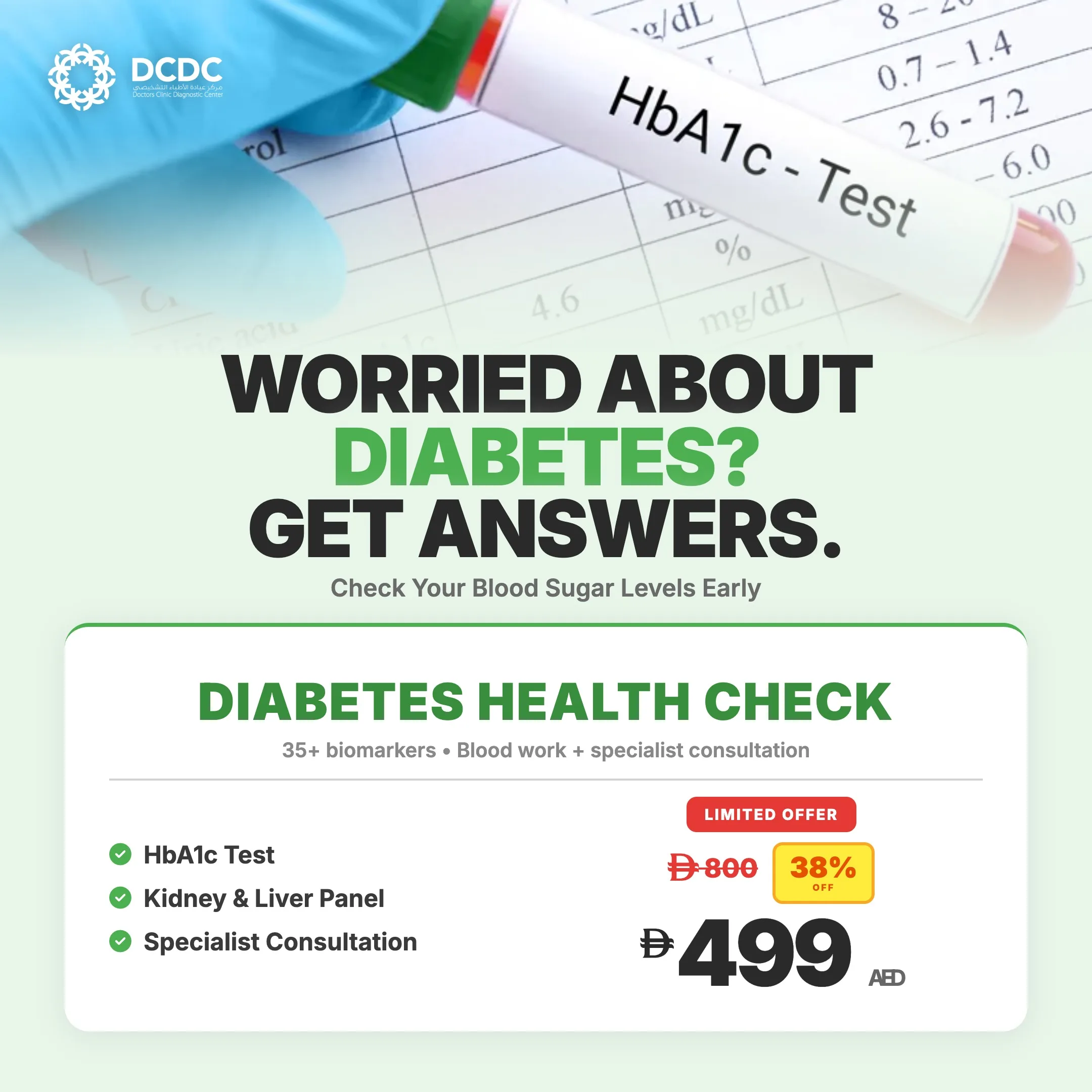
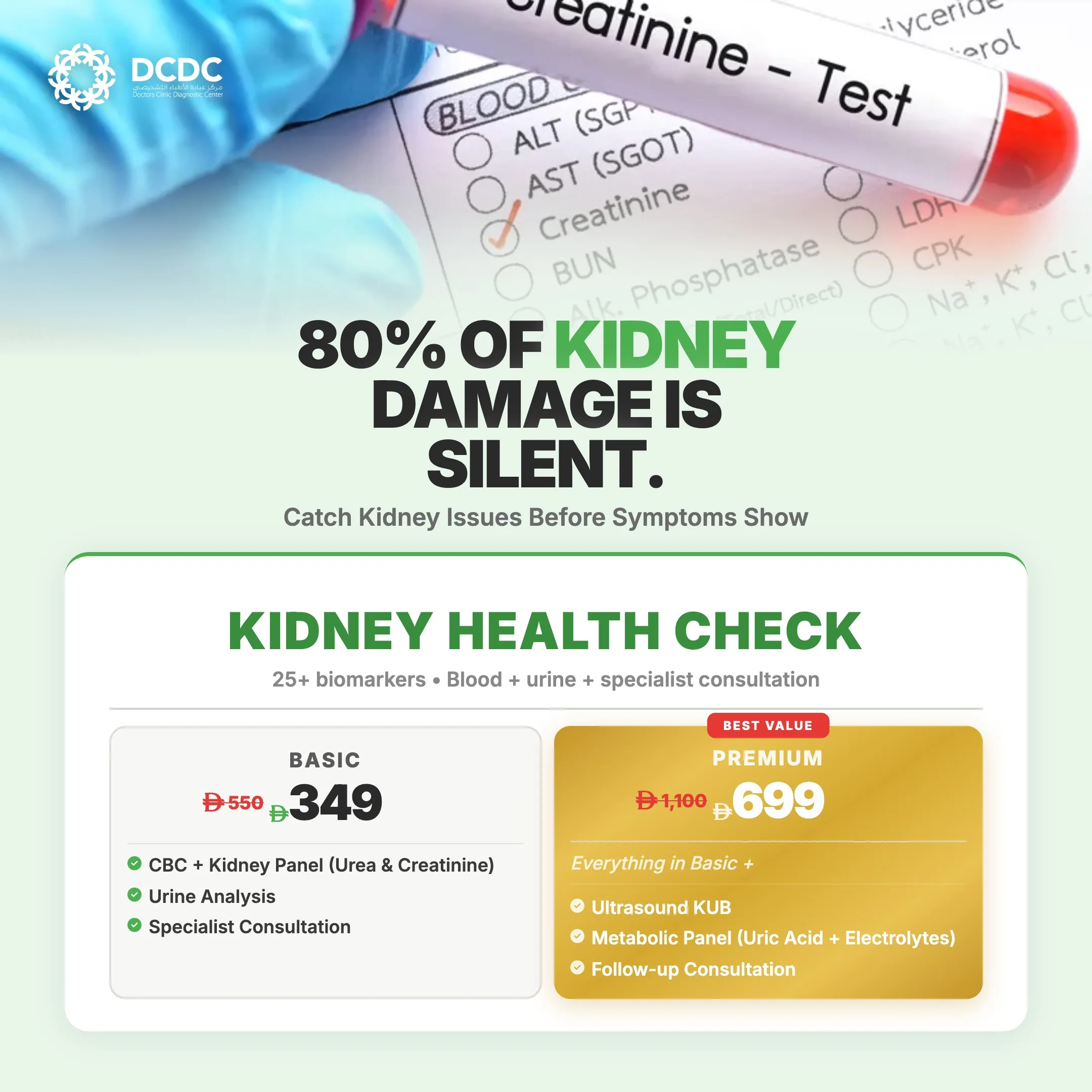
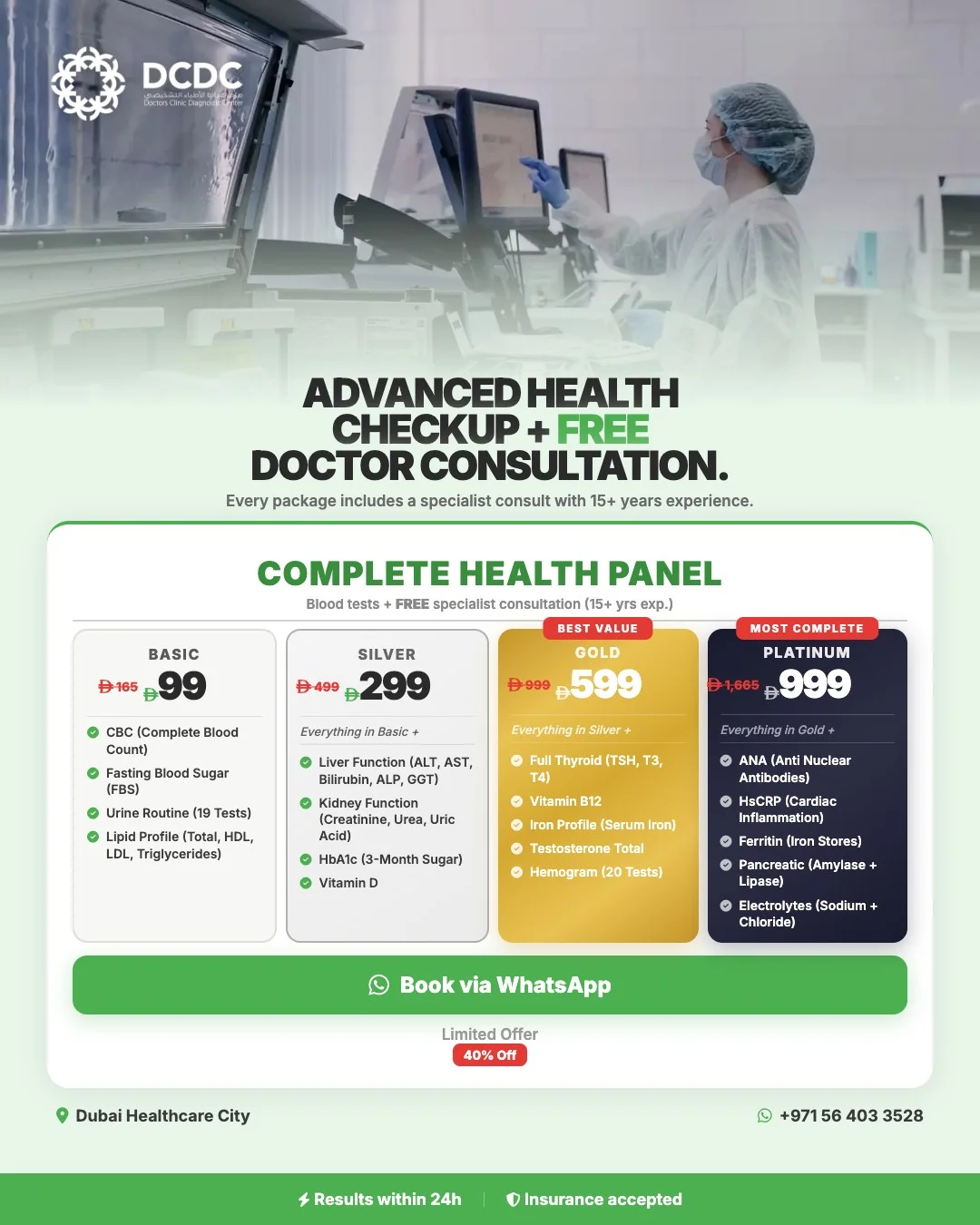
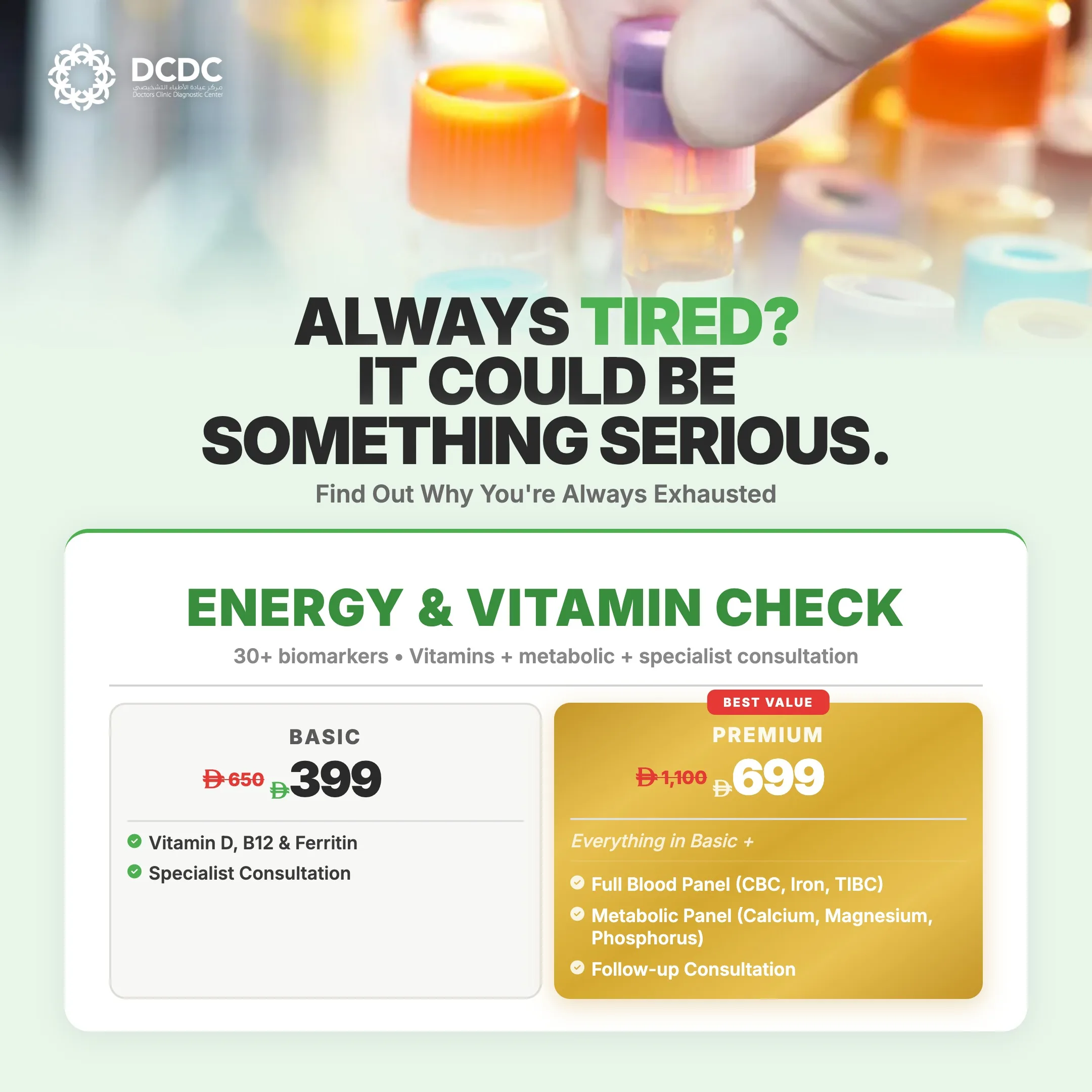
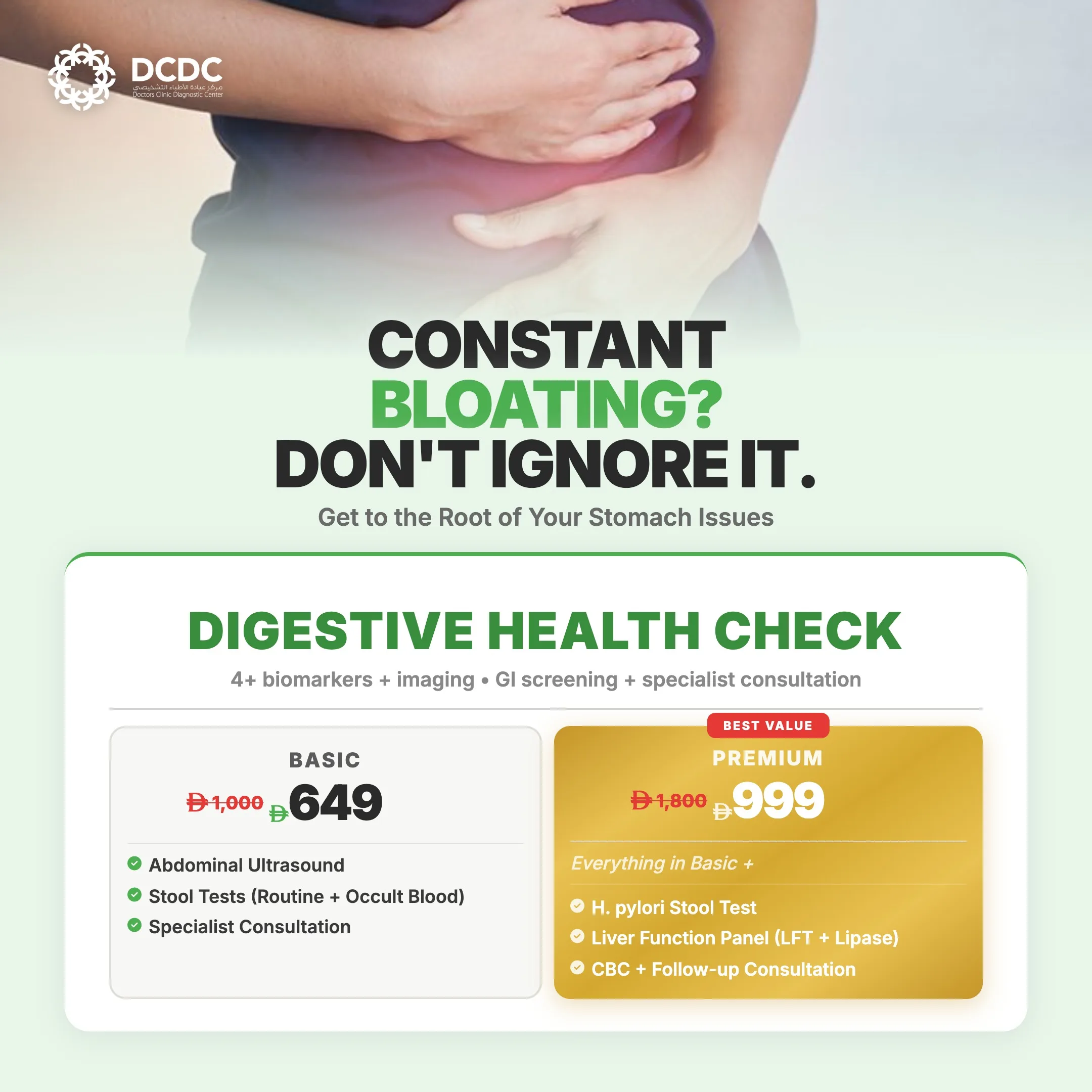
Health Screening Packages
Save with our bundled screening packages — specialist consultation included

Understanding Malaria: Why Dubai Travelers Need Protection
Malaria is a life-threatening disease caused by Plasmodium parasites, transmitted through the bites of infected female Anopheles mosquitoes. There are five species that infect humans, but Plasmodium falciparum is the deadliest and the one most commonly encountered by travelers to Africa. Plasmodium vivax is more common in South and Southeast Asia and can relapse months or even years after the initial infection.
The World Health Organization reported 249 million malaria cases and approximately 608,000 deaths in 2022 alone. The overwhelming majority of these cases occur in Sub-Saharan Africa, but significant transmission also happens in parts of South Asia, Southeast Asia, and Central and South America. Dubai and the entire UAE have been certified malaria-free by the WHO, which means there is zero local transmission. However, the UAE's position as a global travel hub means thousands of residents travel to endemic countries every week for business, tourism, family visits, and religious pilgrimage.
This is why malaria prevention matters for Dubai residents: you are not at risk at home, but you become vulnerable the moment you step off the plane in an endemic country. The mosquitoes that carry malaria bite primarily between dusk and dawn, and a single bite from an infected mosquito is all it takes. Symptoms typically appear 7 to 30 days after the bite, though some Plasmodium species can remain dormant for months. Without treatment, falciparum malaria can progress to severe illness and death within 24 to 48 hours.
Malaria Vaccines in 2026: RTS,S, R21 and What Travelers Should Know
There has been tremendous excitement in the global health community about malaria vaccines, and rightfully so. Two vaccines have now received WHO recommendation: RTS,S/AS01 (Mosquirix), approved in 2021, and R21/Matrix-M, approved in 2023. Both represent landmark achievements in the fight against a disease that has plagued humanity for millennia. However, there is a critical distinction that many people searching for a malaria vaccine in Dubai need to understand.
Who Are Malaria Vaccines For?
Both RTS,S and R21/Matrix-M are designed and recommended specifically for children aged 5 to 36 months living in regions with moderate to high Plasmodium falciparum transmission. These vaccines are being rolled out across endemic African countries — including Ghana, Kenya, Malawi, Burkina Faso, and Nigeria — as part of routine childhood immunization programs. They require multiple doses (a primary series plus boosters) and reduce severe malaria cases in young children by approximately 30-75% depending on the vaccine and dosing schedule.
These vaccines are not routinely recommended for adult travelers. They were not designed for short-term travel protection, their efficacy in adults has not been established for this purpose, and they are not available at travel clinics in Dubai or anywhere else outside endemic-country immunization programs. If you have read headlines about a malaria vaccine and assumed you could get a shot before your trip to Kenya, that is unfortunately not how it works — at least not yet.
The Future of Travel Malaria Vaccines
Research is ongoing into vaccines that could protect travelers, including next-generation candidates targeting different stages of the parasite's lifecycle. Some candidates in clinical trials show promise for providing short-term protection suitable for travelers. However, as of 2026, no malaria vaccine is licensed or recommended for use in adult travelers. The standard of care remains antimalarial chemoprophylaxis combined with personal protective measures.
Antimalarial Tablets: The Traveler's Main Defense
Since vaccines are not an option for travelers, antimalarial tablets (chemoprophylaxis) are your primary medical defense against malaria. These medications work by killing the malaria parasites in your bloodstream before they can multiply and cause disease. When taken correctly, antimalarial prophylaxis is highly effective — reducing the risk of malaria by 90% or more.
The choice of antimalarial depends on your destination (different regions have different drug-resistance patterns), the length of your trip, your medical history, and your budget. Your doctor at DCDC will prescribe the most appropriate option during your pre-travel consultation. It is important to understand that no antimalarial provides 100% protection, which is why combining tablets with bite-prevention measures is essential. If you are also planning other travel vaccines in Dubai for your trip, you can address everything in a single consultation.
How Antimalarials Work
Antimalarial prophylaxis works at different stages of the parasite's lifecycle. Some drugs kill parasites in the blood (blood schizonticides), while others target the liver stage where parasites first develop after a mosquito bite (causal prophylactics). Atovaquone-proguanil and doxycycline act on both stages, which is why they can be stopped relatively soon after leaving an endemic area. Mefloquine and chloroquine only target the blood stage, so they must be continued for longer after travel to catch parasites emerging from the liver.
Comparing Antimalarial Medications: Side Effects and Efficacy
Four main antimalarial medications are prescribed for travelers. Each has distinct advantages and disadvantages, and the best choice depends on your individual circumstances. Here is a detailed comparison:
| Medication | Dosing Schedule | Common Side Effects | Best For |
|---|---|---|---|
| Atovaquone-proguanil (Malarone) | Daily. Start 1-2 days before, continue during trip, 7 days after return | Mild nausea, headache, abdominal pain (generally well tolerated) | Short trips, last-minute travelers, those wanting fewest side effects |
| Doxycycline | Daily. Start 1-2 days before, continue during trip, 28 days after return | Sun sensitivity (photosensitivity), nausea, yeast infections, esophageal irritation | Budget-conscious travelers, long trips, also protects against some bacterial infections |
| Mefloquine (Lariam) | Weekly. Start 2-3 weeks before, continue during trip, 4 weeks after return | Vivid dreams, dizziness, anxiety, rare neuropsychiatric effects | Long trips (weekly dosing is convenient), travelers who cannot take other options |
| Chloroquine | Weekly. Start 1-2 weeks before, continue during trip, 4 weeks after return | Nausea, headache, itching, blurred vision at higher doses | Limited use: only effective in chloroquine-sensitive areas (parts of Central America, Caribbean) |
Comparison of antimalarial medications for travelers (2026)
Atovaquone-Proguanil (Malarone): The Most Popular Choice
Malarone is the most commonly prescribed antimalarial for travelers from Dubai, and for good reason. It has the fewest side effects of all the options, the shortest lead time (start just 1-2 days before travel), and the shortest post-travel continuation period (only 7 days after leaving the endemic area). This makes it particularly convenient for short trips. The main downside is cost — it is the most expensive option — but for trips of 1-2 weeks, most travelers find the convenience and tolerability well worth it.
Doxycycline: The Budget Option
Doxycycline is significantly cheaper than Malarone and equally effective against malaria. It also provides bonus protection against some bacterial infections, including traveler's diarrhea and leptospirosis. The main drawbacks are the 28-day post-travel continuation period and photosensitivity — your skin will be much more sensitive to sunlight, which is a significant consideration for travelers heading to tropical beach destinations. It must be taken with a full glass of water while sitting upright to avoid esophageal irritation. Doxycycline is not suitable for children under 8 or pregnant women.
Mefloquine: For Longer Stays
Mefloquine's weekly dosing schedule makes it appealing for travelers spending months in endemic areas, since daily pills are easy to forget over extended periods. However, it must be started 2-3 weeks before travel (partly to check for side effects, which can include vivid dreams, anxiety, and rare but serious neuropsychiatric reactions). It is not prescribed for people with a history of depression, anxiety disorders, seizures, or certain cardiac conditions. If you tolerate the test doses well, mefloquine is a reliable long-term option.
Which Countries Require Malaria Prevention from Dubai?
No country legally requires you to take antimalarial medication (unlike Yellow Fever vaccination, which is mandatory for entry to some nations). However, malaria prevention is strongly recommended — and frankly essential — for travel to endemic regions. Here are the high-risk destinations most commonly visited by Dubai residents:
High-Risk Destinations
| Region | Countries | Dominant Parasite | Risk Level |
|---|---|---|---|
| West Africa | Nigeria, Ghana, Senegal, Sierra Leone, Mali | P. falciparum | Very High — prophylaxis essential year-round |
| East Africa | Kenya, Tanzania, Uganda, Ethiopia, Mozambique | P. falciparum | High — prophylaxis essential, some urban areas lower risk |
| South Asia | India (especially rural), Pakistan, Bangladesh | P. vivax and P. falciparum | Moderate to High — varies by region and season |
| Southeast Asia | Myanmar, Cambodia, Laos, rural Vietnam, Indonesia (some areas) | P. falciparum and P. vivax | Low to Moderate — varies significantly by area |
| Central/South America | Brazil (Amazon), Peru, Colombia, Venezuela | P. vivax (mostly), P. falciparum in some areas | Low to Moderate — mostly in Amazon basin |
Malaria risk by region for travelers from Dubai
Risk can vary dramatically within a single country. For example, Nairobi and Addis Ababa are at high altitude with minimal malaria risk, while coastal and rural areas of Kenya and Ethiopia carry significant risk. Similarly, major Indian cities like Delhi and Mumbai have lower risk than rural Rajasthan or Odisha. Your doctor will assess risk based on your specific itinerary, not just the country name.
How to Prevent Malaria Beyond Medication
Antimalarial tablets are only part of the equation. Personal protective measures to prevent mosquito bites are equally important, and they should be used alongside medication, not instead of it. Anopheles mosquitoes are most active between dusk and dawn, so your protection strategy should focus heavily on the evening and nighttime hours.
Bite Prevention Strategies
- DEET-based insect repellent (20-50% concentration): Apply to all exposed skin from late afternoon onwards. Reapply every 4-6 hours or as directed. DEET is safe for adults and children over 2 months when used as directed.
- Permethrin-treated clothing: Treat your shirts, trousers, and socks with permethrin spray before your trip. The treatment lasts through several washes and kills mosquitoes on contact. You can also buy pre-treated clothing.
- Long sleeves and trousers at dusk and dawn: Cover as much skin as possible during peak biting hours. Light-colored clothing is preferable as mosquitoes are attracted to dark colors.
- Insecticide-treated bed nets: Use every night if your accommodation does not have screened windows or reliable air conditioning. Tuck the net under your mattress and check for holes.
- Air-conditioned rooms with screened windows: Mosquitoes are less active in cool environments. Keep windows and doors closed, and use air conditioning when available.
- Avoid stagnant water areas: Mosquitoes breed in standing water. Avoid accommodation near swamps, rice paddies, or stagnant pools when possible.
If you are also getting a yellow fever vaccination for your trip to Africa, remember that Yellow Fever is transmitted by daytime-biting Aedes mosquitoes. This means you need protection around the clock — DEET repellent during the day for Yellow Fever mosquitoes, and all of the above measures during evening and night for malaria-carrying Anopheles mosquitoes.
Traveling to a Malaria-Endemic Country? Get Protected Before You Go
Our GP travel consultations cover antimalarial prescriptions, bite-prevention advice, and any other travel vaccines you need — all in a single visit at Dubai Healthcare City. Book your travel consultation today.
GP travel consultations from AED 150. Antimalarial prescriptions and travel health advice provided same day.
Pre-Travel Consultation: What to Expect at DCDC Dubai
A pre-travel consultation is the single most important step in malaria prevention. At DCDC in Dubai Healthcare City, our general practitioners conduct thorough travel risk assessments tailored to your specific itinerary, health history, and travel style. Here is what happens during your appointment:
During Your Consultation
- Itinerary review: Your doctor will assess malaria risk based on your exact destinations, the time of year (rainy season means higher risk), altitude, and whether you will be in urban or rural areas.
- Medical history review: Certain antimalarials are not suitable if you have a history of seizures, depression, cardiac arrhythmias, or liver problems. Pregnancy and breastfeeding also affect the choice of medication.
- Antimalarial prescription: Based on the above, your doctor will prescribe the most appropriate antimalarial and explain exactly how and when to take it.
- Bite prevention counseling: Practical advice on DEET repellent, treated clothing, bed nets, and behavioral strategies for your specific destination.
- Additional travel vaccines: If you need Yellow Fever, Typhoid, Hepatitis A/B, or other vaccines for your trip, these can be administered during the same visit.
- Emergency plan: What to do if you develop fever during or after your trip, including which symptoms require immediate medical attention.
We recommend booking your consultation at least 2-4 weeks before departure. This ensures time for mefloquine test doses (if prescribed), completing any multi-dose vaccine series, and allowing vaccines to reach full effectiveness. However, even last-minute travelers benefit enormously from a consultation — Malarone can be started just 1-2 days before travel.
Malaria Prevention Cost in Dubai: Pricing Guide (2026)
Cost is a common concern, but malaria prevention is one of the most cost-effective investments in travel health. Treating a malaria infection — which can require hospitalization, IV medications, and ICU care for severe cases — costs exponentially more than prevention. Here is a breakdown of typical costs in Dubai:
| Service | Cost in Dubai | Notes |
|---|---|---|
| GP travel consultation at DCDC | from AED 150 | Includes risk assessment, prescription, and bite-prevention counseling |
| Atovaquone-proguanil (Malarone) course | AED 100-300 per course | Price varies by trip length; most popular choice for short trips |
| Doxycycline prophylaxis course | AED 30-80 per course | Most affordable option; price varies by trip duration |
| Travel medicine consultation (Dubai average) | AED 150-500 | Varies by clinic and specialist; DCDC offers competitive pricing |
| Malaria rapid diagnostic test | AED 50-150 | Results within 15-20 minutes; recommended for post-travel fever |
| Comprehensive travel health package | AED 500-1,500 | Includes consultation, vaccines, antimalarials, and follow-up |
Malaria prevention and testing costs in Dubai (2026)
Some Dubai health insurance plans cover travel consultations and antimalarial prescriptions, particularly for work-related travel. Check with your insurer before your appointment. Even without insurance, the total cost of a consultation plus antimalarial tablets is typically under AED 500 for a standard two-week trip — a small price for protection against a potentially fatal disease. If you need additional blood tests in Dubai as part of your pre-travel workup, these can be arranged during the same visit.
Children and Pregnant Women: Special Malaria Prevention Needs
Children and pregnant women are at higher risk of severe malaria and its complications, including severe anemia, cerebral malaria, low birth weight, and miscarriage. If possible, travel to high-risk malaria areas should be avoided during pregnancy and with very young infants. When travel cannot be avoided, specialized prevention is essential.
Malaria Prevention in Children
- Atovaquone-proguanil: Can be used in children weighing 5 kg or more. Pediatric tablets are available. This is often the preferred choice for children.
- Mefloquine: Can be used in children weighing over 5 kg. The weekly dosing can be easier for parents to manage than daily pills.
- Doxycycline: Not recommended for children under 8 years of age due to risk of permanent tooth discoloration.
- Chloroquine: Safe in children but only effective in the few remaining chloroquine-sensitive areas.
- DEET repellent: Safe for children over 2 months of age. Use 10-30% concentration. Do not apply to hands that children may put in their mouths.
- Bed nets: Particularly important for young children who go to sleep earlier, during peak mosquito activity hours.
Malaria Prevention in Pregnancy
Pregnant women should ideally avoid travel to malaria-endemic areas entirely. Malaria in pregnancy carries serious risks including severe maternal anemia, premature birth, low birth weight, and fetal loss. If travel is unavoidable, mefloquine is considered the safest antimalarial option during all trimesters of pregnancy. Chloroquine is also safe where it remains effective. Doxycycline is contraindicated in pregnancy, and atovaquone-proguanil has limited safety data. A detailed consultation with your doctor is essential to weigh the risks and benefits.
What to Do If You Get Malaria Symptoms After Travel
This section could save your life. Any fever occurring within 3 months of returning from a malaria-endemic area must be treated as malaria until proven otherwise. This is not an exaggeration — it is the standard medical guidance from the WHO, CDC, and every major infectious disease organization. Falciparum malaria can progress from mild symptoms to life-threatening illness within 24-48 hours.
Symptoms to Watch For
- Fever and chills: Often cyclical (every 48-72 hours), but can be continuous, especially with falciparum malaria
- Severe headache: Often described as the worst headache of one's life
- Muscle and joint pain: Generalized body aches similar to severe flu
- Fatigue and malaise: Extreme tiredness and feeling unwell
- Nausea, vomiting, and diarrhea: Can mimic gastroenteritis, leading to misdiagnosis
- Sweating: Profuse sweating following fever spikes
If you experience any of these symptoms after returning from an endemic area, go to a hospital or clinic immediately and tell the medical staff that you have recently traveled to a malaria-endemic region. Do not wait to see if the fever resolves on its own. Do not assume it is just a cold or flu. Early diagnosis and treatment are critical — treated promptly, malaria is almost always curable.
Danger Signs Requiring Emergency Care
- Confusion, drowsiness, or altered consciousness (possible cerebral malaria)
- Difficulty breathing or respiratory distress
- Severe vomiting or inability to keep fluids down
- Dark or cola-colored urine (possible hemolysis)
- Jaundice (yellowing of eyes or skin)
- Seizures or convulsions
Malaria Testing and Diagnosis in Dubai
Dubai has excellent diagnostic facilities for malaria, which is important given the number of travelers passing through the city. At DCDC, we offer rapid malaria testing with results available within 15-20 minutes, as well as laboratory confirmation through blood film microscopy.
Diagnostic Methods
- Malaria Rapid Diagnostic Test (RDT): A finger-prick blood test that detects malaria antigens in approximately 15-20 minutes. Highly accurate for P. falciparum. Available at DCDC from AED 50-150.
- Blood film microscopy (thick and thin smear): The gold standard for malaria diagnosis. A trained microscopist examines your blood under a microscope to identify the species and quantify the parasite load. Results typically take 1-2 hours.
- PCR testing: The most sensitive test, capable of detecting very low levels of parasites. Usually reserved for cases where microscopy is inconclusive or for confirming species identification.
If the initial test is negative but clinical suspicion remains high (you have a fever and recent travel to an endemic area), your doctor may repeat the test 12-24 hours later. Parasite levels can fluctuate, and a single negative test does not completely exclude malaria. This is why telling your doctor about your travel history is so critical — it changes the entire diagnostic approach. If you need a broader workup, our visa medical checks and general health screening services can be scheduled alongside your malaria evaluation.
Planning Your Trip: A Malaria Prevention Checklist
Use this checklist to ensure you have covered all aspects of malaria prevention before your trip. Print it out or save it on your phone and work through each item systematically.
4-6 Weeks Before Travel
- Book a pre-travel consultation at DCDC or your travel clinic
- Confirm your itinerary details (specific cities, rural vs. urban areas, duration)
- Start mefloquine if prescribed (requires 2-3 weeks of test doses before travel)
- Schedule any required travel vaccines (Yellow Fever needs 10 days to become valid)
- Check your health insurance coverage for travel medicine and evacuation
1-2 Weeks Before Travel
- Fill your antimalarial prescription and understand the dosing schedule
- Purchase DEET insect repellent (20-50% concentration)
- Treat clothing with permethrin spray or buy pre-treated garments
- Pack long-sleeved shirts and long trousers for evening wear
- Consider packing a portable bed net if staying in basic accommodation
1-2 Days Before Departure
- Start atovaquone-proguanil or doxycycline (if prescribed)
- Set daily phone alarms as reminders to take your medication
- Pack antimalarials in your carry-on luggage (not checked baggage)
- Save the contact details of medical facilities at your destination
During Travel
- Take your antimalarial at the same time every day (or weekly for mefloquine)
- Apply DEET repellent to exposed skin from late afternoon onwards
- Wear long sleeves and trousers during dusk and dawn
- Sleep under a treated bed net if windows are not screened
- Seek medical attention immediately if you develop a fever
After Returning to Dubai
- Complete the full course of antimalarials (7 days for Malarone, 28 days for doxycycline or 4 weeks for mefloquine)
- Monitor for symptoms for 3 months after return
- Seek immediate medical attention if you develop fever, chills, or flu-like symptoms
- Always tell your doctor about your recent travel to a malaria area
Book Your Pre-Travel Malaria Consultation at DCDC
Protect yourself and your family before your next trip to Africa, Asia, or South America. Our experienced GPs provide antimalarial prescriptions, travel vaccines, and personalized prevention plans. Schedule your appointment at Dubai Healthcare City.
Consultations from AED 150. Same-day prescriptions. Walk-ins welcome, booking recommended.
Verwandte Leistungen im DCDC
Fachkundige Betreuung und moderne Diagnostik in Dubai Healthcare City
Frequently Asked Questions
Final Thoughts
The search for a malaria vaccine in Dubai is understandable — we all wish there were a single shot that could protect us before a trip to Africa or Asia. The reality is that while malaria vaccines represent a historic breakthrough for children in endemic countries, they are not yet available or appropriate for adult travelers. Your protection relies on a proven combination of antimalarial tablets and mosquito bite prevention. This approach, when followed correctly, reduces your risk of malaria by over 90%.
At Doctors Clinic Diagnostic Center in Dubai Healthcare City, our general practitioners see travelers heading to malaria-endemic destinations every day. A pre-travel consultation takes just 15-20 minutes and gives you everything you need: the right antimalarial prescription for your destination, practical bite-prevention advice, any additional travel vaccines, and a clear plan for what to do if you feel unwell during or after your trip. Do not leave your health to chance. Book your appointment before you fly.
Quellen und Referenzen
Dieser Artikel wurde von unserem medizinischen Team überprüft und bezieht sich auf folgende Quellen:
- World Health Organization - Malaria Fact Sheet
- CDC - Malaria Information for Travelers
- WHO - Malaria Vaccine Implementation Programme
- NHS - Malaria Prevention and Antimalarial Medication
- CDC - Choosing a Drug to Prevent Malaria
- World Health Organization - World Malaria Report 2023
- Dubai Health Authority - Travel Health Advisory
Medizinische Inhalte auf dieser Website werden von DHA-lizenzierten Ärzten überprüft. Siehe unsere redaktionelle Richtlinien für weitere Informationen.

Verfasst von
Dr. Hadeel Elnur
General Practitioner
MD, General Practice
Dr. Hadeel Elnur is a General Practitioner at Doctors Clinic Diagnostic Center (DCDC) in Dubai Healthcare City.
Related Articles

Travel Vaccines Dubai: Required Shots by Destination (2026)
Yellow Fever Vaccine Dubai: Cost & Guide (2026)
Blood Test Dubai: Types, Cost & Fasting Guide (2026)
Dubai Visa Medical: Cost, Tests & Requirements (2026)

Annual Health Checkup: Tests You Need by Age (2026)
More in General Health

Post-Surgical Care at Home Dubai: Guide (2026)
Weiterlesen
Corporate Wellness Dubai: Programs & Cost (2026)
Weiterlesen
Pre Employment Medical Test Dubai: Cost (2026)
Weiterlesen
Bronchitis Treatment Dubai: Symptoms & Care (2026)
Weiterlesen
Wound Care at Home Dubai: Full Guide (2026)
Weiterlesen
Dizziness Causes Dubai: When to Get Checked (2026)
Weiterlesen© 2026 Doctors Clinic Diagnostic Center (DCDC), Dubai Healthcare City. Originally published at https://doctorsclinicdubai.ae/blog/malaria-vaccine-dubai-guide. All rights reserved. Unauthorized reproduction is prohibited.