Wichtigste Erkenntnisse
- IT band syndrome causes pain on the outer (lateral) knee and is different from runner's knee (patellofemoral pain), which affects the front of the knee
- The IT band is a thick fascial band, not a muscle -- traditional "stretching" does not significantly lengthen it. Treatment must target the hip muscles that control it
- Weak hip abductors (especially gluteus medius) are the primary cause in most cases, allowing the knee to collapse inward during running
- Training errors are the most common trigger: sudden mileage increases, running on cambered roads, excessive downhill running, and inadequate recovery
- Foam rolling provides temporary symptom relief but does not treat the underlying cause -- it should be combined with, not replace, hip strengthening
- Return to running follows a graduated programme starting with walk-run intervals once pain-free lateral knee tests are achieved
- Recovery takes 4-8 weeks with proper rehabilitation; attempting to run through it typically extends recovery to months
- IT band syndrome must be differentiated from lateral meniscus injury, which causes swelling, locking, and pain with twisting -- different condition, different treatment
Your knee was fine for the first three kilometres, then a sharp pain appeared on the outer side and got worse with every step. You stopped, walked home, and the pain disappeared. Next run, same thing -- maybe even earlier. This is the classic pattern of iliotibial band syndrome, the second most common running injury after runner's knee (patellofemoral pain). While runner's knee affects the front of the knee, IT band syndrome is all about the outside. Our Physiotherapy service at DCDC offers same-day appointments in Dubai Healthcare City.
IT band syndrome accounts for 12% of all running injuries, and it is notoriously frustrating because rest alone does not fix it -- the pain returns as soon as you resume running unless the underlying cause is addressed. The good news is that physiotherapy has a high success rate, but the approach may surprise you: the treatment focuses primarily on your hips, not your knee.

What Is the IT Band and Why Does It Cause Knee Pain?
The iliotibial band is a thick strip of connective tissue (fascia) that runs from the outside of the hip (tensor fasciae latae and gluteus maximus) down the outside of the thigh to just below the outer knee (Gerdy's tubercle on the tibia). Unlike muscles, the IT band is not designed to stretch or contract significantly. It functions as a tension cable that stabilises the knee during running, particularly during the stance phase when your full body weight is on one leg.
IT band syndrome occurs when the band compresses or irritates the tissues between it and the lateral femoral epicondyle (the bony bump on the outer side of your knee). This happens primarily at around 30 degrees of knee flexion -- the angle your knee passes through with every running stride during foot strike. This is why the pain is so predictable: it comes on at the same point in every run.
Why Does Stretching the IT Band Not Work?
This is one of the most important concepts in IT band treatment and one of the most commonly misunderstood. The IT band is a fascial structure with the tensile strength of soft steel -- biomechanical studies show it would require 2,000 newtons of force to elongate it by just 1%. Traditional "IT band stretches" actually stretch the muscles above and below the band, not the band itself. Attempting to stretch it aggressively can even irritate the tissues further.
The real question is not "how do I stretch my IT band?" but "why is my IT band under excessive tension?" The answer, in most cases, is weak hip abductors. When the gluteus medius and gluteus minimus are weak, the hip drops and the knee collapses inward during the stance phase of running, increasing tension and compression at the outer knee.
What Training Errors Cause IT Band Syndrome?
IT band syndrome is almost always triggered by a change in training load or conditions. Identifying and correcting the training error is as important as the rehabilitation exercises. The most common triggers include: For related information, see our guide on Runner's Knee: Physio Treatment & Recovery.
- Sudden mileage increases: The "10% rule" (increasing weekly volume by no more than 10%) exists for a reason. IT band syndrome frequently appears 2-3 weeks after a significant mileage jump
- Running on cambered roads: Roads slope toward the kerb for drainage. Always running on the same side of the road means one leg is effectively running slightly "uphill," increasing IT band stress on the lower leg
- Excessive downhill running: Downhill running increases knee flexion angle at foot strike, creating more IT band compression at the lateral knee
- Narrow stride width: Running with feet crossing the midline (like running on a tightrope) increases IT band tension. This is common in runners who were told to "run in a straight line"
- Worn-out shoes: Shoes that have lost their lateral support allow excessive foot pronation, which drives knee valgus (inward collapse)
- Speed work or hill repeats: Adding intensity before the body has adapted to the base volume
What Is the Best Treatment for IT Band Syndrome?
The evidence is clear: hip abductor and gluteal strengthening is the most effective treatment for IT band syndrome. A 2019 study in the Journal of Orthopaedic and Sports Physical Therapy found that a 6-week hip strengthening programme resolved symptoms in 92% of runners. Treatment at our sports rehabilitation clinic follows a progressive approach.
Phase 1: Pain Reduction (Weeks 1-2)
- Relative rest from running (cross-training with cycling or swimming is usually pain-free)
- Ice for 15-20 minutes after aggravating activity
- Foam rolling above and below the painful area (NOT directly on the lateral knee) for temporary relief
- Begin non-weight-bearing hip strengthening (side-lying exercises)
Phase 2: Hip Strengthening Programme (Weeks 2-6)
- Side-lying hip abduction: Lie on your side, top leg straight, lift toward the ceiling. 3 sets of 15. Avoid rotating the hip outward -- keep toes pointing forward
- Clamshells with resistance band: Side-lying, knees bent, feet together, open the top knee against band resistance. 3 sets of 15. Progress by moving the band from above knees to around ankles
- Single-leg bridge: Lying on your back, one leg raised, push through the grounded foot to lift hips. 3 sets of 12 each side. This targets glute max and hip extensors
- Single-leg squat (controlled): Stand on one leg, squat to 45 degrees while keeping the knee tracking over the second toe. Watch for knee collapse inward. 3 sets of 10
- Side-step with band: Band around ankles, maintain a half-squat position, step sideways for 10 steps each direction. Repeat 3 sets
- Single-leg deadlift: Stand on one leg, hinge forward at the hip with a straight back, extend the other leg behind. 3 sets of 10. This trains hip stability and posterior chain strength
Phase 3: Running-Specific Rehabilitation (Weeks 4-8)
- Running gait analysis and modification (widening stride, increasing cadence by 5-10%)
- Graduated return-to-running programme: walk-run intervals progressing to continuous running
- Maintain hip strengthening 3 times per week alongside running
- Address training errors identified in the assessment
Does Foam Rolling Help IT Band Syndrome?
Foam rolling the lateral thigh is one of the most common self-treatments runners use for IT band pain, and it deserves an honest assessment. Foam rolling can provide temporary pain relief by reducing neural sensitivity and increasing blood flow to the area. However, it does not change the length or tension of the IT band, and it does not address the underlying hip weakness that caused the problem.
Use foam rolling as a complement to your strengthening programme, not a replacement. Roll the quadriceps, hamstrings, and glutes rather than grinding directly on the painful lateral knee area. The most important 15 minutes of your recovery is spent on hip exercises, not the foam roller.
How Do You Differentiate IT Band Syndrome from a Lateral Meniscus Injury?
Both conditions cause outer knee pain, but they are very different problems requiring different treatment. If there is any doubt, an orthopaedic assessment with examination and potentially MRI can differentiate them accurately. You may also find our Carpal Tunnel: Non-Surgical Treatment Dubai helpful.
| Feature | IT Band Syndrome | Lateral Meniscus Injury |
|---|---|---|
| Pain location | Lateral femoral epicondyle (bony bump on outer knee) | Joint line (slightly lower, in the "crease" of the knee) |
| Swelling | Usually none | Often present, knee feels "puffy" |
| Locking or catching | No | Yes -- knee may lock or catch during movement |
| Pain pattern | Predictable: starts at same point in every run, worsens, resolves with rest | Variable: aggravated by twisting, squatting, stairs |
| Pain with twisting | Minimal | Significant -- pain with pivot movements |
| Ober's test / Noble's compression test | Positive | Negative |
| McMurray's test / Thessaly test | Negative | Positive |
Clinical tests should be performed by a trained physiotherapist or orthopaedic specialist for accurate diagnosis.
How Long Does IT Band Syndrome Take to Heal?
With proper physiotherapy, most runners return to pain-free running within 4-8 weeks. Attempting to run through the pain without addressing the cause typically extends recovery to 3-6 months or longer, as the tissue becomes increasingly sensitised. Here is a realistic timeline for a committed rehabilitation programme.
| Week | Expected Progress | Running Status |
|---|---|---|
| Weeks 1-2 | Pain reduction, begin hip strengthening, cross-train | No running |
| Weeks 3-4 | Pain-free walking and stairs, hip strength improving | Begin walk-run intervals if pain-free |
| Weeks 5-6 | Passing lateral knee tests, good single-leg control | Graduated running (short, flat, easy pace) |
| Weeks 7-8 | Running increasing distance without symptoms | Return to normal running volume (not intensity yet) |
| Weeks 9-12 | Full return including speed work and hills | Maintain hip exercises 2-3x/week ongoing |
Progression depends on consistent completion of hip strengthening. Skipping exercises and returning too early is the most common reason for relapse.
Outer Knee Pain Stopping Your Running?
IT band syndrome is highly treatable with the right approach. Our sports physiotherapy team at DCDC Dubai Healthcare City will identify the cause, strengthen the right muscles, and get you back to running. Most runners return to pain-free running within 6-8 weeks.
Book a Running Injury Assessment
Verwandte Leistungen im DCDC
Fachkundige Betreuung und moderne Diagnostik in Dubai Healthcare City
Frequently Asked Questions
Final Thoughts
IT band syndrome is a solved problem in sports physiotherapy. The evidence clearly shows that hip strengthening, training error correction, and a graduated return to running resolves symptoms in the vast majority of runners. The trap that many runners fall into is foam rolling and stretching the IT band while ignoring the weak hips that are actually causing the problem.
If you are dealing with outer knee pain that appears during your runs, stop trying to stretch your way out of it. Our sports physiotherapy team at DCDC Dubai Healthcare City will assess your hip strength, analyse your running pattern, and build a programme that gets you back on the road. Most runners return to full training within 6-8 weeks.
Quellen und Referenzen
Dieser Artikel wurde von unserem medizinischen Team überprüft und bezieht sich auf folgende Quellen:
- Journal of Orthopaedic & Sports Physical Therapy - Hip Strengthening for IT Band Syndrome in Runners (2019)
- British Journal of Sports Medicine - Iliotibial Band Syndrome: A Systematic Review (2020)
- Sports Medicine - Biomechanics of Iliotibial Band Syndrome (2018)
- Journal of Biomechanics - IT Band Tensile Properties and Foam Rolling (2017)
- American Journal of Sports Medicine - Running Injuries: Epidemiology and Risk Factors
Medizinische Inhalte auf dieser Website werden von DHA-lizenzierten Ärzten überprüft. Siehe unsere redaktionelle Richtlinien für weitere Informationen.

Verfasst von
Dr. Hadi Komshi
Specialist Internal Medicine
MD, DHA-Licensed
Dr. Hadi Komshi is a DHA-licensed Internal Medicine Specialist at Doctors Clinic Diagnostic Center in Dubai Healthcare City, with extensive experience in managing acute and chronic medical conditions including musculoskeletal pain and rehabilitation.
Related Articles
Complete Guide to Physiotherapy in Dubai: Types, Costs & What to Expect
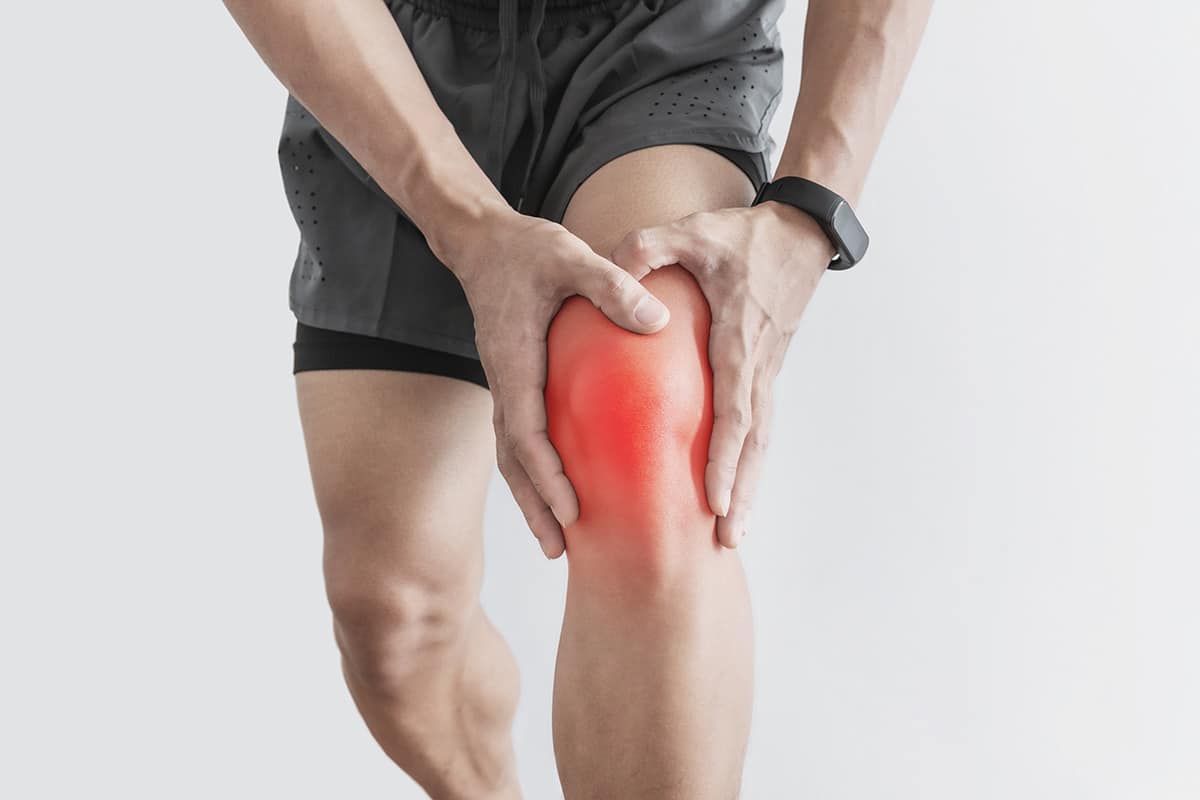
Runner's Knee Treatment: Physiotherapy Approach

Sports Physiotherapy in Dubai: Complete Guide

Plantar Fasciitis: How Physiotherapy Can Help
More in Physiotherapy
Physiotherapy Packages Dubai: Save 20%+ (2026)
Weiterlesen
Shoulder Pain Dubai: 7 Causes & When to Worry (2026)
Weiterlesen
PRP vs Cortisone Dubai: Which Injection? (2026)
Weiterlesen
PRP Injection for Joints Dubai: From AED 1,500 (2026)
WeiterlesenPhysiotherapy Cost Dubai: AED 250–500/Session (2026)
WeiterlesenPhysiotherapy Dubai: Types, Cost & Guide (2026)
Weiterlesen© 2026 Doctors Clinic Diagnostic Center (DCDC), Dubai Healthcare City. Originally published at https://doctorsclinicdubai.ae/blog/it-band-syndrome-physiotherapy. All rights reserved. Unauthorized reproduction is prohibited.