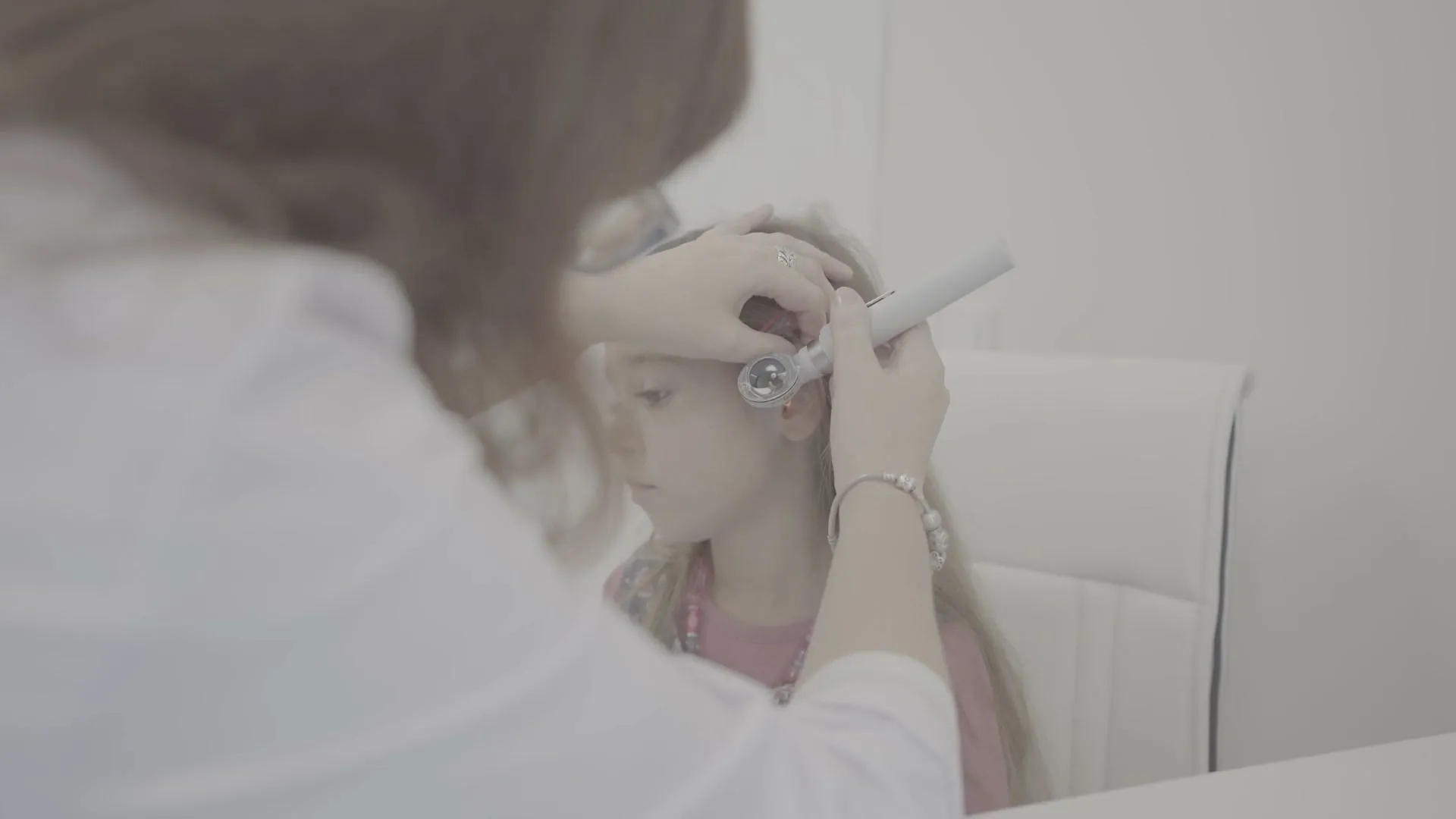

Advanced Newborn Care in Dubai
Newborn Screening, Jaundice Check & Feeding Support

احجز موعدك
تقييمات موثقة من مرضى مركز الأطباء التشخيصي في دبي
تقييمات موثقة وقصص حقيقية من مرضى مدينة دبي الطبية
أنا راضية جداً عن هذه العيادة الطبية. أجريت أول فحص حمل لي هنا. كان السعر معقولاً والخدمة احترافية للغاية. كان أخصائي الأشعة مرحباً ولطيفاً وجعل التجربة رائعة.
أيزان توكمانبيتوفا
أصبت ركبتي ليلة الجمعة وحصلت على موعد للرنين المغناطيسي مساء الأحد (حجزت بعد ظهر الأحد). انتظرت حوالي دقيقتين وانتهيت في أكثر من 30 دقيقة بقليل. كان الفريق رائعاً وودوداً وفعالاً.
كيرستن إيفانز
كان فريق الدكتور أسامة لطيفاً ورائعاً. بعد تجربة سيئة في مكان آخر، كان فحص الحوض هنا أكثر احترافية بكثير. تقرير ممتاز ودقيق للغاية.
ماري



Newborn Care in Dubai: Comprehensive Screening, Jaundice Assessment & Early Feeding Support
Expert Paediatric Care for Your Baby's Critical First Weeks

Metabolic Screening
Complete newborn screening panel within the first days of life
Jaundice Assessment
Bilirubin monitoring with phototherapy referral when needed
Feeding Support
Breastfeeding assessment, latch guidance, and formula advice
The first weeks of life represent a critical period for your baby's health and development. Newborn care at Doctors Clinic Diagnostic Center in Dubai Healthcare City provides comprehensive medical assessment during this vital time, including newborn metabolic screening, jaundice evaluation, weight monitoring, breastfeeding support, and administration of the first recommended vaccines. Our paediatricians guide new parents through every aspect of early infant care with clinical expertise and practical, evidence-based advice.
Newborn metabolic screening is one of the most important preventive health interventions in the first days of life. This simple heel-prick blood test screens for a panel of rare but serious metabolic, endocrine, and haematological conditions including phenylketonuria (PKU), congenital hypothyroidism, sickle cell disease, cystic fibrosis, and other inborn errors of metabolism. Early detection through screening allows treatment to begin before irreversible damage occurs, making the difference between normal development and severe disability. The UAE national newborn screening program covers an expanded panel of conditions, and our paediatricians ensure that every baby is screened within the recommended timeframe and that results are properly followed up.
Jaundice affects the majority of newborns to some degree and is usually physiological, resolving without treatment within the first two weeks. However, pathological jaundice, caused by excessive bilirubin levels, can lead to serious complications including kernicterus if left untreated. Our paediatricians assess every newborn for jaundice through clinical examination and transcutaneous or serum bilirubin measurement when indicated. We determine whether the jaundice is physiological or pathological, identify risk factors for severe hyperbilirubinaemia such as prematurity, ABO incompatibility, or glucose-6-phosphate dehydrogenase (G6PD) deficiency, and initiate phototherapy referral when bilirubin levels exceed treatment thresholds.
Weight monitoring in the first weeks is essential to confirm that your baby is feeding adequately and growing appropriately. Most newborns lose up to 7 to 10 percent of their birth weight in the first few days before beginning to regain weight, typically returning to birth weight by 10 to 14 days of age. Our paediatricians track your baby's weight trajectory closely, identifying feeding difficulties early and providing interventions before significant weight loss or failure to thrive occurs. Regular weight checks in the first month give parents confidence that their feeding approach is working and provide an opportunity to address any emerging concerns.
Breastfeeding support is a cornerstone of our newborn care program. While breastfeeding is natural, it is not always easy, and many new mothers face challenges including latch difficulties, nipple pain, insufficient milk supply concerns, and engorgement. Our paediatricians assess breastfeeding technique, evaluate your baby's latch and suck pattern, and provide practical guidance on positioning, frequency, and duration of feeds. For mothers who choose or need to use formula, we offer guidance on appropriate formula selection, preparation, and feeding volumes. The first vaccines, including Hepatitis B and BCG, are administered during the newborn period according to the DHA immunization schedule, and our team ensures your baby starts their vaccination journey on time.

Metabolic Screening
Complete newborn screening panel within the first days of life
Jaundice Assessment
Bilirubin monitoring with phototherapy referral when needed
Feeding Support
Breastfeeding assessment, latch guidance, and formula advice
Newborn Care in Dubai: Comprehensive Screening, Jaundice Assessment & Early Feeding Support
Expert Paediatric Care for Your Baby's Critical First Weeks
The first weeks of life represent a critical period for your baby's health and development. Newborn care at Doctors Clinic Diagnostic Center in Dubai Healthcare City provides comprehensive medical assessment during this vital time, including newborn metabolic screening, jaundice evaluation, weight monitoring, breastfeeding support, and administration of the first recommended vaccines. Our paediatricians guide new parents through every aspect of early infant care with clinical expertise and practical, evidence-based advice.
Newborn metabolic screening is one of the most important preventive health interventions in the first days of life. This simple heel-prick blood test screens for a panel of rare but serious metabolic, endocrine, and haematological conditions including phenylketonuria (PKU), congenital hypothyroidism, sickle cell disease, cystic fibrosis, and other inborn errors of metabolism. Early detection through screening allows treatment to begin before irreversible damage occurs, making the difference between normal development and severe disability. The UAE national newborn screening program covers an expanded panel of conditions, and our paediatricians ensure that every baby is screened within the recommended timeframe and that results are properly followed up.
Jaundice affects the majority of newborns to some degree and is usually physiological, resolving without treatment within the first two weeks. However, pathological jaundice, caused by excessive bilirubin levels, can lead to serious complications including kernicterus if left untreated. Our paediatricians assess every newborn for jaundice through clinical examination and transcutaneous or serum bilirubin measurement when indicated. We determine whether the jaundice is physiological or pathological, identify risk factors for severe hyperbilirubinaemia such as prematurity, ABO incompatibility, or glucose-6-phosphate dehydrogenase (G6PD) deficiency, and initiate phototherapy referral when bilirubin levels exceed treatment thresholds.
Weight monitoring in the first weeks is essential to confirm that your baby is feeding adequately and growing appropriately. Most newborns lose up to 7 to 10 percent of their birth weight in the first few days before beginning to regain weight, typically returning to birth weight by 10 to 14 days of age. Our paediatricians track your baby's weight trajectory closely, identifying feeding difficulties early and providing interventions before significant weight loss or failure to thrive occurs. Regular weight checks in the first month give parents confidence that their feeding approach is working and provide an opportunity to address any emerging concerns.
Breastfeeding support is a cornerstone of our newborn care program. While breastfeeding is natural, it is not always easy, and many new mothers face challenges including latch difficulties, nipple pain, insufficient milk supply concerns, and engorgement. Our paediatricians assess breastfeeding technique, evaluate your baby's latch and suck pattern, and provide practical guidance on positioning, frequency, and duration of feeds. For mothers who choose or need to use formula, we offer guidance on appropriate formula selection, preparation, and feeding volumes. The first vaccines, including Hepatitis B and BCG, are administered during the newborn period according to the DHA immunization schedule, and our team ensures your baby starts their vaccination journey on time.

Dr. Saira Ambreen
خدمات Newborn Care لدينا
خدمات newborn care الشاملة في مركز DCDC بمدينة دبي الطبية.

جميع الخدمات تقدم بواسطة متخصصين مرخصين من هيئة الصحة
من يجب أن يحصل على Newborn Care؟
Newborn care visits are essential for all babies in the first weeks and months of life. The following situations highlight when a newborn assessment is particularly important.
All newborns within the first 3 to 5 days of life for metabolic screening (heel-prick test) and initial health assessment
Newborns with visible yellowing of the skin or eyes requiring jaundice assessment and bilirubin monitoring
Babies who have lost more than 7 percent of birth weight or are not regaining weight as expected
Mothers experiencing breastfeeding difficulties including latch problems, nipple pain, or milk supply concerns
Newborns due for their first Hepatitis B and BCG vaccinations according to the DHA schedule
Babies born prematurely or with low birth weight requiring closer monitoring and specialised feeding guidance
Why Choose DCDC for Newborn Care in Dubai?
MOHAP-licensed paediatric clinic in Dubai Healthcare City providing comprehensive newborn assessment, metabolic screening, jaundice monitoring, breastfeeding support, and first vaccines in a welcoming environment for new families.
MOHAP Licensed Clinic
Licensed DHCC facility (MOHAP license NIMY7VY5-240925) with paediatricians experienced in newborn assessment and early infant care.
Newborn Expertise
Comprehensive newborn physical examination covering cardiac, musculoskeletal, neurological, and sensory systems.
Metabolic Screening
Full UAE national newborn screening panel with timely follow-up of results and specialist referral when needed.
Jaundice Monitoring
Clinical assessment with transcutaneous and serum bilirubin testing to identify pathological jaundice early.
Feeding Support
Breastfeeding assessment, latch guidance, formula advice, and weight monitoring to ensure adequate nutrition.
Prime DHCC Location
Building 64, Block A, Dubai Healthcare City — easily accessible from Oud Metha, Bur Dubai, and Umm Hurair 2.
زيارتك المريحة
عملية Newborn بسيطة خطوة بخطوة مصممة للراحة والسرعة والدقة.
Newborn Care Fees in Dubai
تختلف أسعار Newborn في دبي حسب نوع الخدمة والتغطية التأمينية لـ أنواع الخدمات المختلفة.
- يختلف السعر حسب نوع الفحص وما إذا كان يتطلب صبغة
- تغطية التأمين مقبولة مع الإحالة والتحقق
- أسعار شفافة للدفع الذاتي متاحة مع عرض سعر فوري عند الطلب
التحقق من التأمين خلال دقائق • بدون رسوم مخفية • استجابة سريعة على واتساب
دليل المريض
What to Expect at Your Newborn Care Visit
Our paediatricians conduct a thorough assessment of your newborn while providing practical support and guidance to new parents during this important transition.
التأمين والموقع
شركاء التأمين
- •أكثر من 20 شركة تأمين في دبي بما في ذلك ضمان، أكسا، أدنيك وغيرها
- •دعم الموافقة المسبقة والفوترة المباشرة (حيثما ينطبق)
- •التحقق من التغطية قبل موعدك في عيادتنا بمدينة دبي الطبية
- •أسعار شفافة بدون رسوم مخفية لخدمات newborn care
زرنا في مدينة دبي الطبية
مركز الأطباء التشخيصي
المبنى 64، البلوك أ، مجمع الرازي الطبي، مدينة دبي الطبية، دبي، الإمارات
قرب طريق عود ميثاء · سهولة الوصول من بر دبي، داون تاون دبي، الخليج التجاري · مواقف مجانية مخصصة متاحة
ساعات العمل
السبت-الخميس: 8 صباحاً - 10 مساءً | الجمعة: 9 صباحاً - 9 مساءً
كيف يعمل التأمين في DCDC
تحقق من التغطية
تحقق من أن خطتك تغطي Newborn Care
احصل على إحالة
بعض شركات التأمين تتطلب إحالة من طبيب عام — يمكننا مساعدتك
الموافقة المسبقة
نتعامل مع الموافقة المسبقة مباشرة مع شركة التأمين
الفوترة المباشرة
لا دفع مقدم — نحن نفوتر شركة التأمين مباشرة
الدفع المشترك فقط
تدفع فقط أي مبلغ مشترك مطبق في العيادة
تحقق من التغطية
تحقق من أن خطتك تغطي Newborn Care
احصل على إحالة
بعض شركات التأمين تتطلب إحالة من طبيب عام — يمكننا مساعدتك
الموافقة المسبقة
نتعامل مع الموافقة المسبقة مباشرة مع شركة التأمين
الفوترة المباشرة
لا دفع مقدم — نحن نفوتر شركة التأمين مباشرة
الدفع المشترك فقط
تدفع فقط أي مبلغ مشترك مطبق في العيادة
أخصائيك

Dr. Saira Ambreen
General Practitioner
MD, General Practitioner
الإنجليزية · الأردية · الهندية
دليل المريض
Understanding Newborn Care: Why the First Weeks Matter for Lifelong Health
The neonatal period, defined as the first 28 days of life, is the most vulnerable time in a child's life and sets the foundation for long-term health outcomes. During these critical weeks, a newborn adapts to life outside the womb: establishing breathing, regulating temperature, initiating feeding, and beginning the rapid growth and neurological development that will continue throughout infancy and childhood. Medical assessment during this period serves to confirm that these transitions are proceeding normally, to detect conditions that require early intervention, and to support parents in establishing effective feeding and caregiving routines.
Newborn metabolic screening represents one of the great success stories of preventive medicine. Before universal screening programs were implemented, many children with treatable metabolic conditions such as phenylketonuria (PKU) and congenital hypothyroidism were not diagnosed until they had already suffered irreversible brain damage. Today, a simple heel-prick blood test performed in the first days of life can detect these and many other conditions, allowing treatment to begin before any harm occurs. The UAE has one of the most comprehensive newborn screening panels in the region, and ensuring that every baby receives this screening within the recommended timeframe is a fundamental responsibility of newborn care.
Neonatal jaundice is the most common condition requiring medical assessment in the first two weeks of life, affecting approximately 60 percent of term newborns and 80 percent of premature infants. Physiological jaundice results from the normal breakdown of fetal haemoglobin combined with the newborn liver's limited capacity to conjugate and excrete bilirubin. In most cases, it resolves spontaneously without treatment. However, pathological jaundice, which may be caused by blood group incompatibility, G6PD deficiency, infection, or other conditions, can lead to dangerously high bilirubin levels. Severe unconjugated hyperbilirubinaemia can cause bilirubin encephalopathy (kernicterus), a devastating condition causing permanent neurological damage. Timely assessment, accurate bilirubin measurement, and appropriate intervention with phototherapy when thresholds are exceeded are essential components of evidence-based newborn care.
Establishing successful feeding in the first weeks is perhaps the most impactful aspect of newborn care for long-term child health. Breast milk provides optimal nutrition for newborns and confers significant immunological, developmental, and bonding benefits. However, breastfeeding initiation and establishment can be challenging, and difficulties in the first days and weeks are a leading reason for early discontinuation. Clinical assessment of breastfeeding technique, early identification and management of common problems such as poor latch, tongue-tie, or nipple trauma, and supportive guidance from experienced clinicians can make the difference between successful breastfeeding and premature cessation. For mothers who choose or need to use formula, informed guidance on appropriate formula selection and preparation ensures that their baby receives safe and adequate nutrition.
Newborn Conditions Assessed and Managed at DCDC
Neonatal Jaundice
Assessment using clinical examination and bilirubin measurement (transcutaneous and serum), with risk stratification and phototherapy referral for bilirubin levels exceeding age-specific thresholds.
Newborn Metabolic Disorders
Heel-prick screening for PKU, congenital hypothyroidism, galactosaemia, sickle cell disease, cystic fibrosis, and other inborn errors of metabolism with timely result follow-up.
Feeding Difficulties
Breastfeeding assessment including latch evaluation, suck-swallow coordination, and positioning guidance, with formula feeding advice when needed.
Neonatal Weight Loss
Serial weight monitoring to identify excessive weight loss exceeding 10 percent of birth weight, with feeding interventions to support adequate weight regain.
Tongue-Tie (Ankyloglossia)
Clinical assessment of frenulum length and its impact on breastfeeding, with referral for frenotomy when tongue-tie is causing significant feeding difficulty.
Umbilical Cord Complications
Assessment of cord stump for signs of infection (omphalitis), delayed separation, or granuloma formation, with treatment and care guidance provided.
مقالات ذات صلة
Newborn Screening Tests in Dubai: What Every Parent Should Know
Everything parents need to know about newborn screening tests in the UAE, from metabolic screening to hearing tests and follow-up care.
Child Health Check-Up in Dubai: Complete Guide for Parents
A comprehensive guide to well-baby and child check-ups in Dubai, including what to expect, recommended schedules, and developmental milestones.
Child Vaccination Schedule Dubai: Complete DHA Guide for Parents
A comprehensive guide to the DHA-recommended immunization schedule from birth to age 18, including mandatory vaccines and school entry requirements.
خدمات ذات صلة
استكشف خدمات التشخيص والاستشارات الأخرى المتوفرة في عيادتنا بمدينة دبي الطبية.
الأسئلة الشائعة
أسئلة شائعة حول Newborn Care في دبي.
We recommend scheduling your newborn's first paediatric visit within 3 to 5 days of birth, or within 24 to 48 hours of hospital discharge if your baby was discharged early. This initial visit allows us to perform the newborn metabolic screening test if not already completed at the hospital, assess jaundice levels, monitor weight trajectory, evaluate breastfeeding, conduct a thorough physical examination, and administer the first vaccines if they were not given at birth. Earlier visits may be recommended for premature babies, babies with jaundice noted at discharge, or those with any identified health concerns.
The newborn metabolic screening test, commonly called the heel-prick test, involves collecting a few drops of blood from your baby's heel onto a special filter paper card. This sample is tested for a panel of rare but serious metabolic, endocrine, and haematological conditions including phenylketonuria (PKU), congenital hypothyroidism, galactosaemia, sickle cell disease, cystic fibrosis, and other inborn errors of metabolism. Early detection is critical because many of these conditions can cause severe developmental disability or death if untreated, but have excellent outcomes when treatment begins in the first weeks of life. The test is ideally performed between 48 hours and 7 days of age.
Jaundice causes a yellowing of the skin and whites of the eyes, starting from the face and progressing downward to the chest, abdomen, and legs as bilirubin levels rise. Mild jaundice appearing after 24 hours of age is common and usually physiological, resolving by 10 to 14 days. You should seek medical assessment if jaundice appears within the first 24 hours of life, if the yellowing extends below the navel or to the limbs, if your baby is excessively sleepy and difficult to wake for feeds, if feeding is poor, or if jaundice persists beyond 14 days. Our paediatricians measure bilirubin levels using transcutaneous or blood tests and determine whether phototherapy or further investigation is needed.
Most healthy newborns lose between 5 and 7 percent of their birth weight in the first 3 to 5 days of life as they adjust to feeding outside the womb and pass meconium. Weight loss up to 10 percent can occur, particularly in exclusively breastfed babies, but losses beyond 10 percent require clinical assessment and feeding support. Babies should begin regaining weight by day 4 to 5 and typically return to their birth weight by 10 to 14 days of age. Our paediatricians track your baby's weight closely during the first weeks and provide guidance if weight gain is slower than expected.
Absolutely. Breastfeeding difficulties are extremely common and our paediatricians are experienced in assessing and supporting breastfeeding mothers. During your visit, we observe a feed to evaluate your baby's latch, suck pattern, and swallowing. We assess for conditions that may affect feeding such as tongue-tie, high palate, or poor muscle tone. We provide practical advice on positioning, frequency, and duration of feeds, and address common concerns including engorgement, nipple pain, perceived low supply, and cluster feeding behaviour. If needed, we can discuss supplementation strategies that support continued breastfeeding and referral to a lactation consultant for more intensive support.
According to the DHA immunization schedule, newborns receive their first vaccines within the first days of life. The Hepatitis B vaccine is typically administered within 24 hours of birth, and the BCG vaccine (against tuberculosis) is given before hospital discharge or at the first newborn visit. If these vaccines were not administered at the hospital, our paediatricians will give them at your first visit. The next scheduled vaccines on the DHA calendar are at 2 months of age, including DTaP, IPV, Hib, PCV13, and rotavirus. We provide parents with a clear vaccination schedule and reminders for upcoming doses.
While most newborns are healthy, parents should be aware of danger signs that require immediate medical attention. These include fever above 38 degrees Celsius or temperature below 36 degrees Celsius, rapid or laboured breathing, blue discolouration of the lips or face, persistent vomiting or refusal to feed for more than 8 hours, fewer than 6 wet nappies per day after day 4, blood in the stool or vomit, extreme lethargy or inability to wake for feeds, persistent high-pitched crying, and seizures. If any of these occur, seek medical attention immediately. Our clinic is available for urgent newborn assessment during opening hours, and we provide guidance on when to attend the emergency department.
Yes, vitamin D supplementation is recommended for all newborns in the UAE, regardless of whether they are breastfed or formula-fed. Breast milk contains very little vitamin D, and while formula is supplemented, most infants do not consume sufficient volumes in the early weeks to meet requirements. The high prevalence of vitamin D deficiency in the UAE population, combined with recommendations to limit direct sun exposure for newborns, makes supplementation particularly important. Our paediatricians will advise on the appropriate dose and formulation based on your baby's feeding method and risk factors, and monitor vitamin D status at subsequent well-baby check-ups.
المراجعة والإشراف الطبي
جميع الخدمات تقدم تحت إشراف متخصصين طبيين مرخصين في منشأتنا المعتمدة من وزارة الصحة.