
احجز موعدك
تقييمات موثقة من مرضى مركز الأطباء التشخيصي في دبي
تقييمات موثقة وقصص حقيقية من مرضى مدينة دبي الطبية
أنا راضية جداً عن هذه العيادة الطبية. أجريت أول فحص حمل لي هنا. كان السعر معقولاً والخدمة احترافية للغاية. كان أخصائي الأشعة مرحباً ولطيفاً وجعل التجربة رائعة.
أيزان توكمانبيتوفا
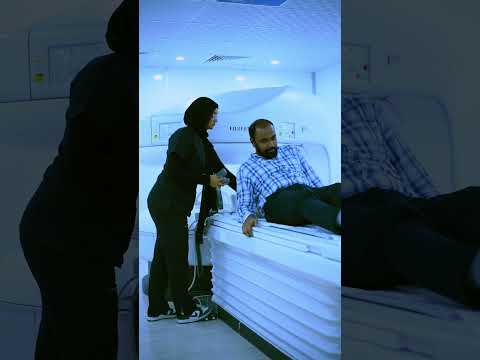
أصبت ركبتي ليلة الجمعة وحصلت على موعد للرنين المغناطيسي مساء الأحد (حجزت بعد ظهر الأحد). انتظرت حوالي دقيقتين وانتهيت في أكثر من 30 دقيقة بقليل. كان الفريق رائعاً وودوداً وفعالاً.
كيرستن إيفانز
كان فريق الدكتور أسامة لطيفاً ورائعاً. بعد تجربة سيئة في مكان آخر، كان فحص الحوض هنا أكثر احترافية بكثير. تقرير ممتاز ودقيق للغاية.
ماري


تحليل السائل المنوي في دبي: تقييم شامل للخصوبة الذكورية
تحليل السائل المنوي وفق معايير WHO 2021 لتقييم دقيق للخصوبة الذكورية وتخطيط العلاج
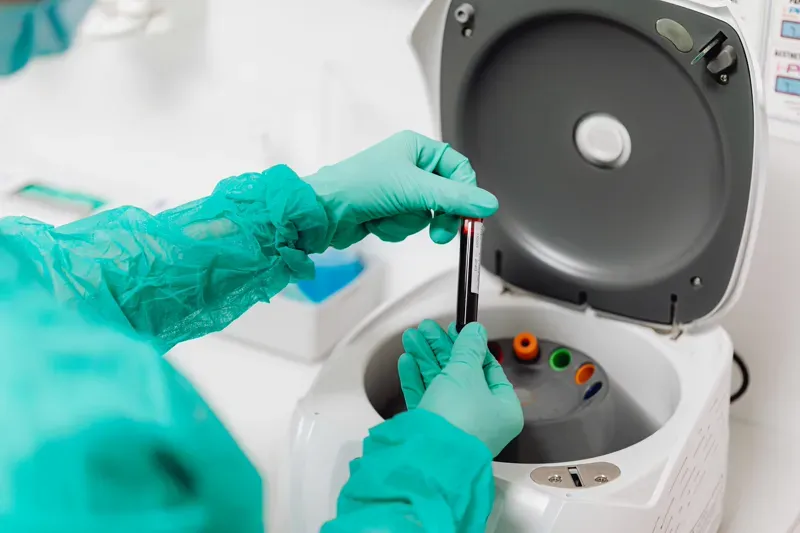
معايير WHO 2021
تحليل يُجرى وفق أحدث المعايير المرجعية الدولية
أكثر من 15 معياراً
تقييم شامل لجميع خصائص السائل المنوي ذات الأهمية السريرية
غرفة جمع خاصة
مرافق خاصة مخصصة لجمع العينة بشكل مريح وسري
مراجعة أخصائي أندرولوجيا
تفسير سريري من متخصصين في صحة الجهاز التناسلي الذكوري
تحليل السائل المنوي في دبي هو حجر الأساس في تقييم الخصوبة الذكورية والفحص الأول الضروري لأي زوجين يُواجهان صعوبة في الإنجاب. رغم أهميته المحورية، كثيراً ما يُهمَل أو يُؤجَّل ويُركَّز بدلاً منه على الشريكة الأنثوية مبكراً. بينما العامل الذكوري يُشكّل نحو 40-50% من جميع حالات العقم. في DCDC بدبي هيلث كير سيتي، نُجري التحليل وفق معايير منظمة الصحة العالمية 2021، المعيار الذهبي الحالي الذي يُفسَّر في ضوء أحدث الأدلة العلمية.
يُقيّم التحليل الشامل معايير متعددة من عينة واحدة. يقيس تركيز الحيوانات المنوية وعددها الإجمالي. تُقيّم الحركة التقدمية نسبة الحيوانات التي تسبح للأمام بشكل هادف — وهي ضرورية للوصول إلى البويضة وتخصيبها. تُقيّم الشكلية الصارمة (معايير Kruger) البنية الطبيعية للرأس والجسم الوسطي والذيل، إذ لا تستطيع تخصيب البويضة إلا الحيوانات ذات الشكل الطبيعي. يُعطي حجم السائل المنوي والرقم الهيدروجيني وزمن التمييع واللزوجة معلومات عن صحة البروستاتا والحويصلات المنوية.
قيم الحد الأدنى المرجعي وفق WHO 2021 تشمل: تركيز الحيوانات أعلى من 16 مليون/مل، والحركة الكلية أعلى من 42%، والحركة التقدمية أعلى من 30%، والشكل الطبيعي أعلى من 4%. النتائج دون هذه الحدود تُشير إلى قلة الحيوانات المنوية (Oligozoospermia) أو ضعف حركتها (Asthenozoospermia) أو شذوذ شكلها (Teratozoospermia).
معايير WHO 2021
تحليل يُجرى وفق أحدث المعايير المرجعية الدولية
أكثر من 15 معياراً
تقييم شامل لجميع خصائص السائل المنوي ذات الأهمية السريرية
غرفة جمع خاصة
مرافق خاصة مخصصة لجمع العينة بشكل مريح وسري
مراجعة أخصائي أندرولوجيا
تفسير سريري من متخصصين في صحة الجهاز التناسلي الذكوري
تحليل السائل المنوي في دبي: تقييم شامل للخصوبة الذكورية
تحليل السائل المنوي وفق معايير WHO 2021 لتقييم دقيق للخصوبة الذكورية وتخطيط العلاج
تحليل السائل المنوي في دبي هو حجر الأساس في تقييم الخصوبة الذكورية والفحص الأول الضروري لأي زوجين يُواجهان صعوبة في الإنجاب. رغم أهميته المحورية، كثيراً ما يُهمَل أو يُؤجَّل ويُركَّز بدلاً منه على الشريكة الأنثوية مبكراً. بينما العامل الذكوري يُشكّل نحو 40-50% من جميع حالات العقم. في DCDC بدبي هيلث كير سيتي، نُجري التحليل وفق معايير منظمة الصحة العالمية 2021، المعيار الذهبي الحالي الذي يُفسَّر في ضوء أحدث الأدلة العلمية.
يُقيّم التحليل الشامل معايير متعددة من عينة واحدة. يقيس تركيز الحيوانات المنوية وعددها الإجمالي. تُقيّم الحركة التقدمية نسبة الحيوانات التي تسبح للأمام بشكل هادف — وهي ضرورية للوصول إلى البويضة وتخصيبها. تُقيّم الشكلية الصارمة (معايير Kruger) البنية الطبيعية للرأس والجسم الوسطي والذيل، إذ لا تستطيع تخصيب البويضة إلا الحيوانات ذات الشكل الطبيعي. يُعطي حجم السائل المنوي والرقم الهيدروجيني وزمن التمييع واللزوجة معلومات عن صحة البروستاتا والحويصلات المنوية.
قيم الحد الأدنى المرجعي وفق WHO 2021 تشمل: تركيز الحيوانات أعلى من 16 مليون/مل، والحركة الكلية أعلى من 42%، والحركة التقدمية أعلى من 30%، والشكل الطبيعي أعلى من 4%. النتائج دون هذه الحدود تُشير إلى قلة الحيوانات المنوية (Oligozoospermia) أو ضعف حركتها (Asthenozoospermia) أو شذوذ شكلها (Teratozoospermia).
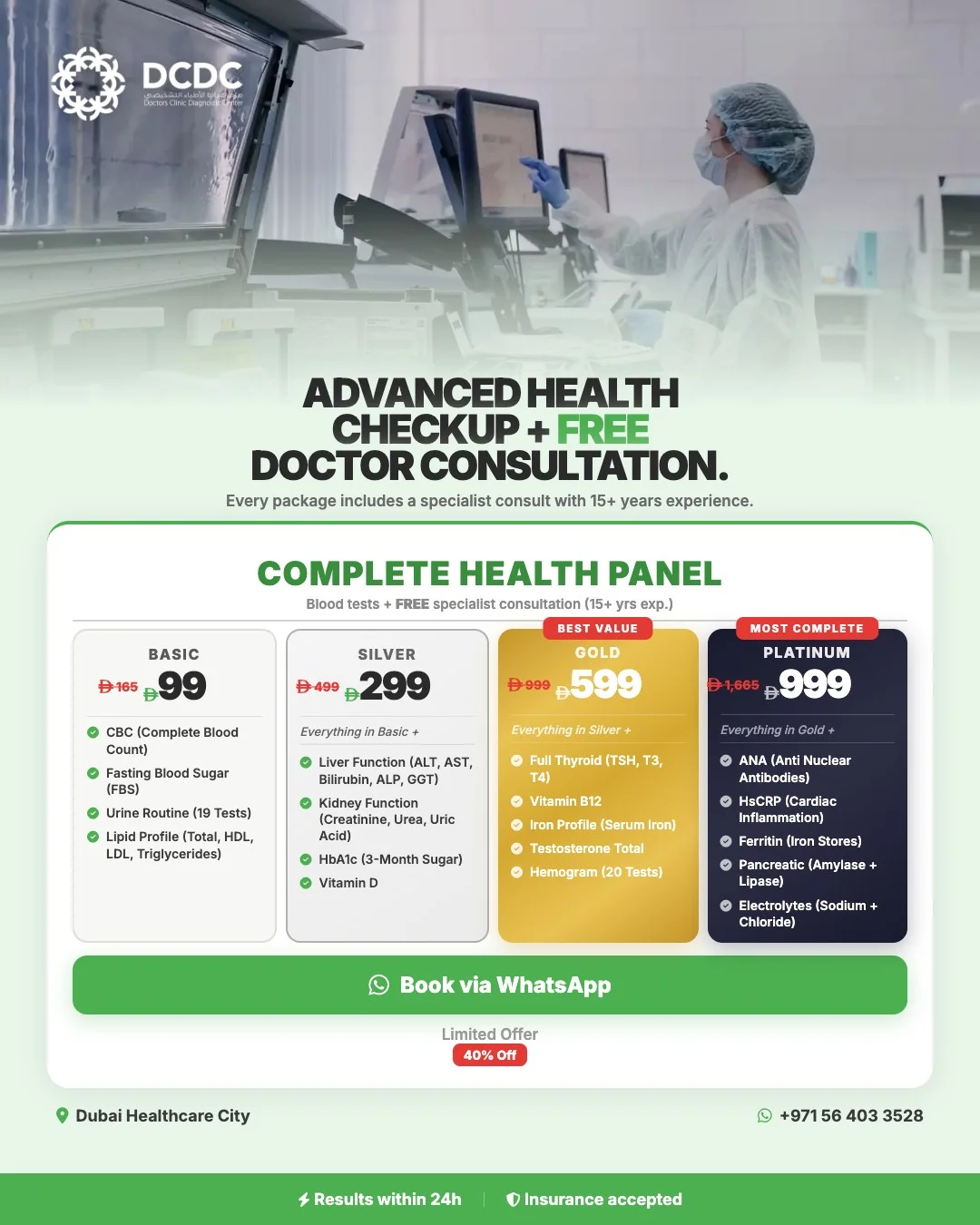
Complete Health Panel
Advanced health checkup with FREE specialist consultation. 4 tiers from basic blood work to full-body screening with 40+ biomarkers.
10–40+ tests included
What's Included
Who is this for?
Anyone wanting a comprehensive baseline health check with specialist consultation
استكشف خدماتنا
خدمات تحليل السائل المنوي الشاملة في مركز DCDC بمدينة دبي الطبية.
تحليل السائل المنوي الأساسي
عدد الحيوانات المنوية والحركة والشكلية والحجم والرقم الهيدروجيني وفق WHO 2021.
تحليل السائل المنوي المتقدم
لوحة موسّعة تشمل الحيوية والأجسام المضادة للحيوانات المنوية ومؤشر تشتت الحمض النووي.
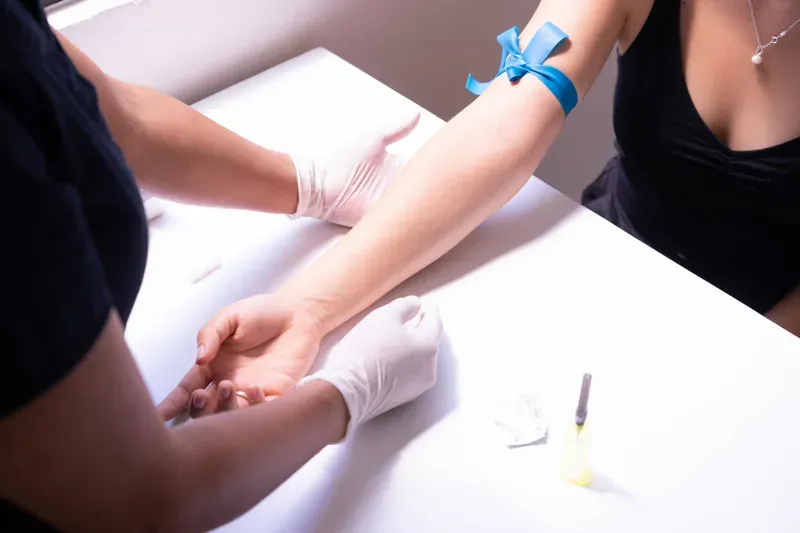
اختبارات الهرمونات
FSH وLH والتستوستيرون والبرولاكتين لتقييم الخصوبة الهرمونية الذكورية.
جميع الخدمات تقدم بواسطة متخصصين مرخصين من هيئة الصحة
من يجب أن يحصل على تحليل السائل المنوي؟
تحليل السائل المنوي هو الفحص الأول لأي رجل لم يُنجب بعد 12 شهراً من العلاقة الزوجية المنتظمة غير المحمية، أو أبكر عند وجود عوامل خطر. يُستخدم أيضاً لتأكيد نجاح قطع قناة الإخراج ومراقبة علاجات الخصوبة.
الأزواج الذين يُواجهون صعوبة في الإنجاب بعد 12 شهراً من العلاقة المنتظمة
الأزواج الذين يسعون لتقييم الخصوبة بعد 6 أشهر حين تكون الشريكة فوق 35 عاماً
الرجال الذين لديهم تاريخ من الخصية غير النازلة في الطفولة
تاريخ صدمة خصوية أو التواء أو جراحة خصوية سابقة
دوالي خصية مُشخَّصة سريرياً أو بالموجات الصوتية
علاج كيميائي أو إشعاعي سابق يؤثر على الجهاز التناسلي
لماذا تختار DCDC لتحليل السائل المنوي في دبي؟
مختبر معتمد من MOHAP يُجري التحليل وفق بروتوكولات WHO 2021 بأجهزة معايَرة وسرية تامة
معايير WHO 2021
نُجري التحليل وفق أحدث معايير منظمة الصحة العالمية 2021، الأشمل والأكثر دقة من معايير 2010 السابقة.
غرفة جمع خاصة
غرفة جمع عينة خاصة ومريحة في المنشأة مع معالجة فورية للحفاظ على دقة قياس الحركة.
مراجعة أخصائي أندرولوجيا
تُفسَّر النتائج من قِبَل أخصائيين في صحة الجهاز التناسلي الذكوري مع توصيات وخطوات علاجية واضحة.
سرية تامة
النتائج سرية بالكامل ولا تُكشَف إلا للطبيب المُحيل والمريض. فوترة سرية تضمن خصوصيتك.
زيارتك المريحة
عملية تحليل بسيطة خطوة بخطوة مصممة للراحة والسرعة والدقة.
تكلفة تحليل السائل المنوي في دبي
تختلف أسعار تحليل في دبي حسب نوع الخدمة والتغطية التأمينية لـ أنواع الخدمات المختلفة.
- يختلف السعر حسب نوع الفحص وما إذا كان يتطلب صبغة
- تغطية التأمين مقبولة مع الإحالة والتحقق
- أسعار شفافة للدفع الذاتي متاحة مع عرض سعر فوري عند الطلب
التحقق من التأمين خلال دقائق • بدون رسوم مخفية • استجابة سريعة على واتساب
دليل المريض
تجربة تحليل السائل المنوي في DCDC
خاصة ومهنية ومُعالَجة بتكتم في كل خطوة.
التأمين والموقع
شركاء التأمين
- •أكثر من 20 شركة تأمين في دبي بما في ذلك ضمان، أكسا، أدنيك وغيرها
- •دعم الموافقة المسبقة والفوترة المباشرة (حيثما ينطبق)
- •التحقق من التغطية قبل موعدك في عيادتنا بمدينة دبي الطبية
- •أسعار شفافة بدون رسوم مخفية لخدمات تحليل السائل المنوي








زرنا في مدينة دبي الطبية
مركز الأطباء التشخيصي
المبنى 64، البلوك أ، مجمع الرازي الطبي، مدينة دبي الطبية، دبي، الإمارات
قرب طريق عود ميثاء · سهولة الوصول من بر دبي، داون تاون دبي، الخليج التجاري · مواقف مجانية مخصصة متاحة
ساعات العمل
الإثنين-الخميس، السبت: 8 ص - 10:30 م | الأحد: 8:30 ص - 10:30 م | الجمعة: 9 ص - 10 م
كيف يعمل التأمين في DCDC
تحقق من التغطية
تحقق من أن خطتك تغطي تحليل السائل المنوي
احصل على إحالة
بعض شركات التأمين تتطلب إحالة من طبيب عام — يمكننا مساعدتك
الموافقة المسبقة
نتعامل مع الموافقة المسبقة مباشرة مع شركة التأمين
الفوترة المباشرة
لا دفع مقدم — نحن نفوتر شركة التأمين مباشرة
الدفع المشترك فقط
تدفع فقط أي مبلغ مشترك مطبق في العيادة
تحقق من التغطية
تحقق من أن خطتك تغطي تحليل السائل المنوي
احصل على إحالة
بعض شركات التأمين تتطلب إحالة من طبيب عام — يمكننا مساعدتك
الموافقة المسبقة
نتعامل مع الموافقة المسبقة مباشرة مع شركة التأمين
الفوترة المباشرة
لا دفع مقدم — نحن نفوتر شركة التأمين مباشرة
الدفع المشترك فقط
تدفع فقط أي مبلغ مشترك مطبق في العيادة
Your Specialist

Dr. Hadi Komshi
Specialist Internal Medicine
MD, Specialist Internal Medicine
Persian · Arabic · English
دليل المريض
Understanding Male Fertility and Semen Parameters
Male fertility depends on the continuous production, maturation, and transport of healthy sperm cells. Spermatogenesis, the process of sperm production in the testicles, takes approximately 72 to 74 days from initial stem cell division to mature sperm capable of fertilisation. This extended cycle means that any insult to testicular function — whether from infection, heat, toxins, or hormonal imbalance — may not manifest in semen parameters for two to three months after the event. Understanding this timeline is essential when interpreting results and planning lifestyle or treatment interventions.
The WHO 2021 fifth edition manual for semen analysis represents a significant update from the previous 2010 criteria, establishing reference limits from a larger, more geographically diverse population of fertile men. The new criteria adjusted the lower reference limit for morphology from 3 percent to 4 percent and revised concentration thresholds. These reference limits represent the fifth percentile of fertile men, meaning approximately 5 percent of men who achieved conception within 12 months would fall below these thresholds. They should be interpreted as population-based thresholds rather than absolute cut-offs determining individual fertility status.
Male Fertility Conditions Assessed Through Semen Analysis
Oligozoospermia
Sperm concentration below 16 million/mL (WHO 2021), ranging from mild to severe, affecting the probability of natural conception and guiding treatment decisions from lifestyle modification to assisted reproduction.
Asthenozoospermia
Progressive motility below 30 percent or total motility below 42 percent, impairing the ability of sperm to reach and penetrate the egg, diagnosed by WHO-compliant motility assessment.
Teratozoospermia
Normal morphology below 4 percent by strict Kruger criteria, with head, midpiece, or tail defects reducing fertilisation potential, investigated further with DNA fragmentation index.
Azoospermia
Complete absence of sperm in the ejaculate, classified as obstructive or non-obstructive, each with distinct causes and treatment pathways including surgical sperm retrieval for ICSI.
Varicocele-related Infertility
Dilated testicular veins raising scrotal temperature and impacting spermatogenesis, often presenting as oligoasthenoteratozoospermia on semen analysis, potentially reversible with varicocelectomy.
Retrograde Ejaculation
Backward flow of semen into the bladder rather than anterograde ejaculation, causing absent or low-volume ejaculate, diagnosed by post-ejaculate urine analysis revealing sperm.
خدمات ذات صلة
استكشف خدمات التشخيص والاستشارات الأخرى المتوفرة في عيادتنا بمدينة دبي الطبية.
الأسئلة الشائعة
أسئلة شائعة حول تحليل السائل المنوي في دبي.
يقيس التحليل الشامل أكثر من 15 معياراً تشمل: تركيز الحيوانات المنوية (مليون/مل)، العدد الإجمالي لكل قذفة، الحركة التقدمية، الحركة الكلية، الشكلية الصارمة وفق معايير Kruger، حجم السائل المنوي، الرقم الهيدروجيني، زمن التمييع، واللزوجة. تشمل اللوحات المتقدمة الحيوية واختبار الأجسام المضادة ومؤشر تشتت الحمض النووي. جميع النتائج تُقارَن بقيم مرجعية وفق WHO 2021.
توصي إرشادات WHO 2021 بالامتناع 2-5 أيام قبل جمع العينة. الامتناع أقل من يومين يُقلل العدد والحجم، وأكثر من 5 أيام يُقلل الحركة. الثبات في فترة الامتناع مهم عند تكرار الاختبار للمقارنة.
حددت WHO 2021 حدوداً مرجعية دنيا من رجال خصيبين أنجبوا خلال 12 شهراً. النتائج دون هذه الحدود تُشير إلى ضعف محتمل في الخصوبة لكنها لا تعني العقم المطلق. كثير من الرجال ذوي النتائج دون المرجعية يُنجبون بشكل طبيعي.
التركيز هو عدد الحيوانات لكل مليلتر، والحد المرجعي لـ WHO 2021 هو 16 مليون/مل. العدد الإجمالي هو التركيز مضروباً في الحجم ويُمثّل العدد الكلي لكل قذفة (حد مرجعي 39 مليون). العدد الإجمالي أكثر أهمية سريرياً في بعض الحالات.
نعم. يُقيّم التحليل القياسي الكمية والحركة الأساسية لكن لا يُقيّم سلامة الحمض النووي للحيوانات المنوية. مؤشر تشتت الحمض النووي (DFI) اختبار أكثر تقدماً يكشف كسور الحمض النووي التي قد تُسبب الإجهاض المتكرر وفشل IVF حتى مع معايير قياسية طبيعية.
تتفاوت معايير السائل المنوي بشكل طبيعي بين العينات. نتيجة شاذة واحدة يجب تأكيدها بتحليل متكرر بعد 4-6 أسابيع مراعاةً لدورة إنتاج الحيوانات البالغة 72 يوماً. إذا كان كلا التحليلين شاذَّين، يستلزم الأمر مزيداً من التقييم.
النتائج الشاذة تُوجّه مساراً تشخيصياً منظماً. يُقيّم الفحص الهرموني (FSH، LH، التستوستيرون، البرولاكتين) وظائف الخصية. تُحدد الموجات الصوتية الدوالي والانسدادات. يُوصف الفحص الجيني لحالات نقص الحيوانات الشديد أو انعدامها. خيارات العلاج تتراوح بين إصلاح الدوالي والعلاج الهرموني وحتى الإنجاب بمساعدة طبية.
انعدام الحيوانات المنوية يُصيب نحو 1% من الرجال و10-15% من المصابين بالعقم. قد يكون انسدادياً (الإنتاج طبيعي لكن يوجد انسداد) أو غير انسدادي (ضعف في الإنتاج). الانعدام الانسدادي يُعالَج جراحياً في الغالب؛ بعض الحالات غير الانسدادية تستجيب للعلاج الهرموني أو يُسترجع الحيوان مباشرة من الخصية لـ ICSI.
الحقائق الأساسية
المراجعة والإشراف الطبي
جميع الخدمات تقدم تحت إشراف متخصصين طبيين مرخصين في منشأتنا المعتمدة من وزارة الصحة.