
احجز موعدك
تقييمات موثقة من مرضى مركز الأطباء التشخيصي في دبي
تقييمات موثقة وقصص حقيقية من مرضى مدينة دبي الطبية
أنا راضية جداً عن هذه العيادة الطبية. أجريت أول فحص حمل لي هنا. كان السعر معقولاً والخدمة احترافية للغاية. كان أخصائي الأشعة مرحباً ولطيفاً وجعل التجربة رائعة.
أيزان توكمانبيتوفا
أصبت ركبتي ليلة الجمعة وحصلت على موعد للرنين المغناطيسي مساء الأحد (حجزت بعد ظهر الأحد). انتظرت حوالي دقيقتين وانتهيت في أكثر من 30 دقيقة بقليل. كان الفريق رائعاً وودوداً وفعالاً.
كيرستن إيفانز
كان فريق الدكتور أسامة لطيفاً ورائعاً. بعد تجربة سيئة في مكان آخر، كان فحص الحوض هنا أكثر احترافية بكثير. تقرير ممتاز ودقيق للغاية.
ماري
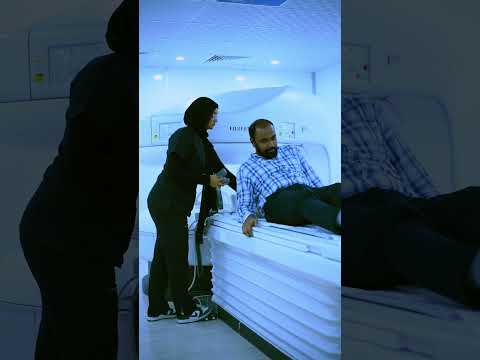

علاج فقر الدم في دبي: التشخيص وعلاج الحديد وصحة الدم
رعاية شاملة لجميع أنواع فقر الدم

متخصصو الدم
تشخيص دقيق لجميع أنواع فقر الدم بما يشمل فحص الثلاسيميا
علاج وريدي بالحديد
حقن الحديد الوريدي في العيادة للتصحيح السريع عند الحاجة
فحوصات في اليوم ذاته
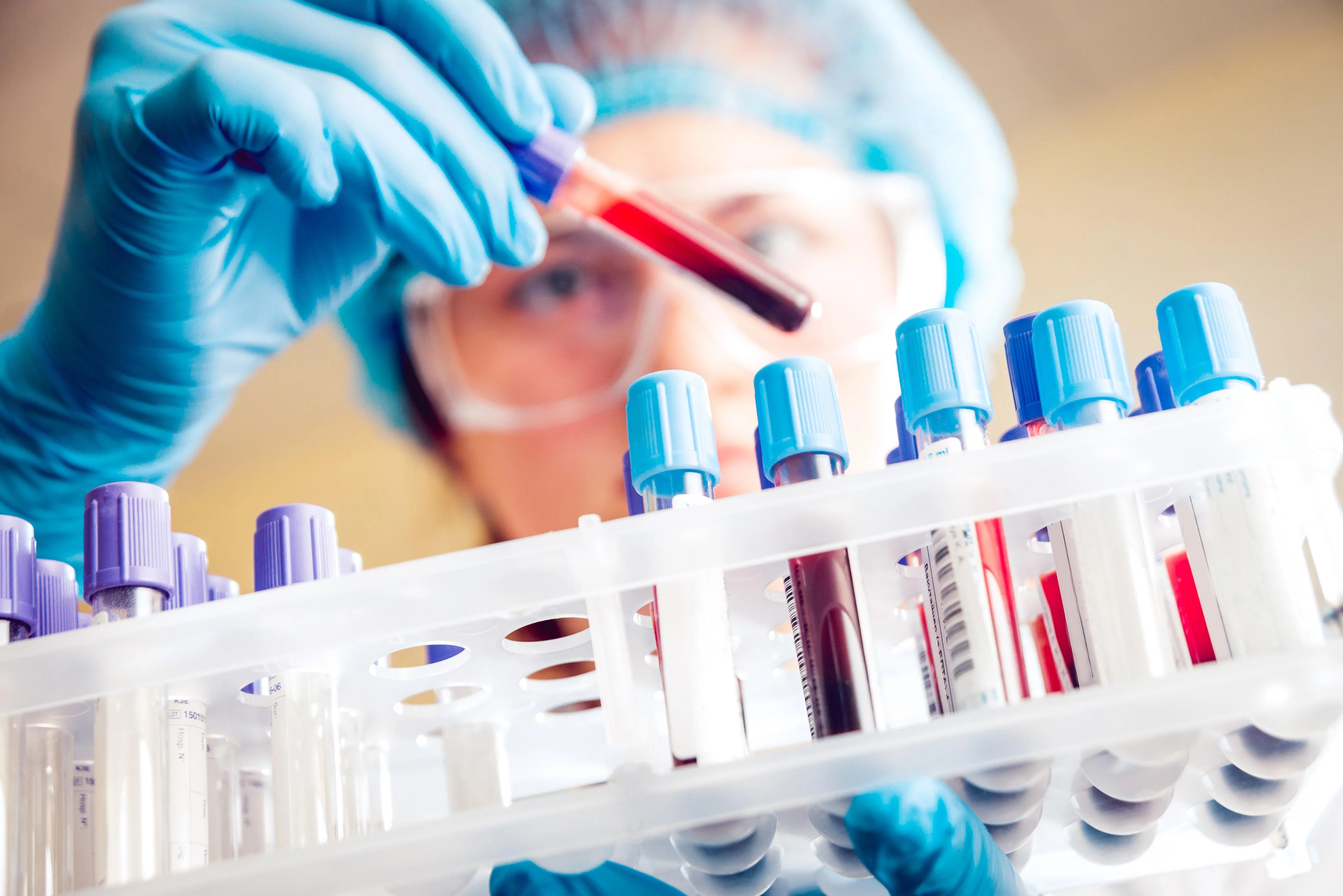
نتائج فحوصات الدم والمواعيد في اليوم ذاته بمدينة دبي الصحية
علاج فقر الدم في دبي أمر ضروري — فقر الدم أحد أكثر الحالات الصحية انتشاراً في الإمارات، إذ يؤثر على شريحة واسعة من السكان. في مركز DCDC بمدينة دبي الصحية، نقدم تقييماً شاملاً وعلاجاً مبنياً على الأدلة لجميع أنواع فقر الدم، بما يشمل نقص الحديد، ونقص فيتامين B12، ونقص حمض الفوليك، وفقر دم الأمراض المزمنة، وسمة الثلاسيميا الشائعة في المنطقة.
فهم نوع فقر الدم وسببه ضروري للعلاج الفعّال. لذلك نُجري فحصاً شاملاً للدم يشمل صورة الدم الكاملة، مسحة الدم الطرفية، مستويات الحديد وFerritin وB12 وحمض الفوليك، وعدد الخلايا الشبكية، والمؤشرات الالتهابية، وكهربة الهيموغلوبين عند الحاجة.
يتميز سكان دبي بعوامل خطر فريدة لفقر الدم تشمل: انتشار نقص فيتامين D، وأنماط الحياة المغلقة، والتنوع الجيني. يُقدم DCDC برنامجاً متكاملاً يشمل الحقن الوريدي للحديد، وحقن B12 العضلي، والإرشاد الغذائي، والمتابعة الدورية.
متخصصو الدم
تشخيص دقيق لجميع أنواع فقر الدم بما يشمل فحص الثلاسيميا
علاج وريدي بالحديد
حقن الحديد الوريدي في العيادة للتصحيح السريع عند الحاجة
فحوصات في اليوم ذاته
نتائج فحوصات الدم والمواعيد في اليوم ذاته بمدينة دبي الصحية
علاج فقر الدم في دبي: التشخيص وعلاج الحديد وصحة الدم
رعاية شاملة لجميع أنواع فقر الدم
علاج فقر الدم في دبي أمر ضروري — فقر الدم أحد أكثر الحالات الصحية انتشاراً في الإمارات، إذ يؤثر على شريحة واسعة من السكان. في مركز DCDC بمدينة دبي الصحية، نقدم تقييماً شاملاً وعلاجاً مبنياً على الأدلة لجميع أنواع فقر الدم، بما يشمل نقص الحديد، ونقص فيتامين B12، ونقص حمض الفوليك، وفقر دم الأمراض المزمنة، وسمة الثلاسيميا الشائعة في المنطقة.
فهم نوع فقر الدم وسببه ضروري للعلاج الفعّال. لذلك نُجري فحصاً شاملاً للدم يشمل صورة الدم الكاملة، مسحة الدم الطرفية، مستويات الحديد وFerritin وB12 وحمض الفوليك، وعدد الخلايا الشبكية، والمؤشرات الالتهابية، وكهربة الهيموغلوبين عند الحاجة.
يتميز سكان دبي بعوامل خطر فريدة لفقر الدم تشمل: انتشار نقص فيتامين D، وأنماط الحياة المغلقة، والتنوع الجيني. يُقدم DCDC برنامجاً متكاملاً يشمل الحقن الوريدي للحديد، وحقن B12 العضلي، والإرشاد الغذائي، والمتابعة الدورية.
استكشف خدماتنا
خدمات علاج فقر الدم الشاملة في مركز DCDC بمدينة دبي الطبية.

تقييم نقص الحديد
لوحة كاملة للحديد مع الفيريتين وTIBC ونسبة تشبع الترانسفيرين للتشخيص الدقيق.

حقن الحديد الوريدي
علاج بالحديد الوريدي في الموقع للتصحيح السريع لنقص الحديد الشديد أو المقاوم.
جميع الخدمات تقدم بواسطة متخصصين مرخصين من هيئة الصحة
من يجب أن يحصل على علاج فقر الدم؟
أي شخص يعاني من أعراض فقر الدم أو لديه عوامل خطر لاضطرابات الدم يجب أن يطلب تقييماً متخصصاً.
التعب المستمر والضعف وانعدام الطاقة التي لا تتحسن مع الراحة
شحوب الجلد أو الأظافر أو الجفون الداخلية
ضيق التنفس خلال الأنشطة اليومية أو المجهود الخفيف
الدوخة أو الدوار أو الصداع المتكرر بدون سبب واضح
الحيض الغزير الذي يستمر أكثر من سبعة أيام
المرأة الحامل أو من تخطط للحمل وهي في خطر نقص التغذية
لماذا تختار DCDC لعلاج فقر الدم في دبي؟
عيادة مرخصة من وزارة الصحة في مدينة دبي الصحية تقدم تقييماً شاملاً لفقر الدم، وعلاجاً وريدياً بالحديد في الموقع، وإدارة صحة الدم بشكل شخصي. تتوفر فحوصات في اليوم ذاته بطاقة محدودة.
مرخص من MOHAP
منشأة مرخصة في مدينة دبي الصحية (رخصة MOHAP رقم NIMY7VY5-240925) مع معايير حوكمة سريرية وجودة صارمة.
أطباء ذوو خبرة
متخصصون في الطب الباطني بخبرة واسعة في تشخيص وعلاج جميع أنواع فقر الدم واضطرابات الدم.
نتائج في اليوم ذاته
تتوفر فحوصات واستشارات في اليوم ذاته؛ تُعطى الأولوية لحالات فقر الدم العاجلة للتقييم السريع.
علاج وريدي بالحديد في الموقع
حقن الحديد الوريدي بأمان في عيادتنا للمرضى الذين يحتاجون إلى تعويض سريع للحديد أو لا يتحملون المكملات الفموية.
موقع مميز في مدينة دبي الصحية
مبنى 64، كتلة A، مع وقوف سيارات مجاني وسهولة الوصول.
البحث عن السبب الجذري
فحص شامل للتعرف على السبب الكامن لفقر الدم ومعالجته، لا مجرد معالجة الأعراض.
زيارتك المريحة
عملية علاج بسيطة خطوة بخطوة مصممة للراحة والسرعة والدقة.
رسوم علاج فقر الدم
تختلف أسعار علاج في دبي حسب نوع الخدمة والتغطية التأمينية لـ أنواع الخدمات المختلفة.
- يختلف السعر حسب نوع الفحص وما إذا كان يتطلب صبغة
- تغطية التأمين مقبولة مع الإحالة والتحقق
- أسعار شفافة للدفع الذاتي متاحة مع عرض سعر فوري عند الطلب
التحقق من التأمين خلال دقائق • بدون رسوم مخفية • استجابة سريعة على واتساب
دليل المريض
ماذا تتوقع خلال استشارة فقر الدم
تقييم منظم لصحة الدم مع فحوصات شاملة وتشخيص دقيق وعلاج مخصص في عيادة DCDC.
التأمين والموقع
شركاء التأمين
- •أكثر من 20 شركة تأمين في دبي بما في ذلك ضمان، أكسا، أدنيك وغيرها
- •دعم الموافقة المسبقة والفوترة المباشرة (حيثما ينطبق)
- •التحقق من التغطية قبل موعدك في عيادتنا بمدينة دبي الطبية
- •أسعار شفافة بدون رسوم مخفية لخدمات علاج فقر الدم








زرنا في مدينة دبي الطبية
مركز الأطباء التشخيصي
المبنى 64، البلوك أ، مجمع الرازي الطبي، مدينة دبي الطبية، دبي، الإمارات
قرب طريق عود ميثاء · سهولة الوصول من بر دبي، داون تاون دبي، الخليج التجاري · مواقف مجانية مخصصة متاحة
ساعات العمل
الإثنين-الخميس، السبت: 8 ص - 10:30 م | الأحد: 8:30 ص - 10:30 م | الجمعة: 9 ص - 10 م
كيف يعمل التأمين في DCDC
تحقق من التغطية
تحقق من أن خطتك تغطي علاج فقر الدم
احصل على إحالة
بعض شركات التأمين تتطلب إحالة من طبيب عام — يمكننا مساعدتك
الموافقة المسبقة
نتعامل مع الموافقة المسبقة مباشرة مع شركة التأمين
الفوترة المباشرة
لا دفع مقدم — نحن نفوتر شركة التأمين مباشرة
الدفع المشترك فقط
تدفع فقط أي مبلغ مشترك مطبق في العيادة
تحقق من التغطية
تحقق من أن خطتك تغطي علاج فقر الدم
احصل على إحالة
بعض شركات التأمين تتطلب إحالة من طبيب عام — يمكننا مساعدتك
الموافقة المسبقة
نتعامل مع الموافقة المسبقة مباشرة مع شركة التأمين
الفوترة المباشرة
لا دفع مقدم — نحن نفوتر شركة التأمين مباشرة
الدفع المشترك فقط
تدفع فقط أي مبلغ مشترك مطبق في العيادة
Your Specialist
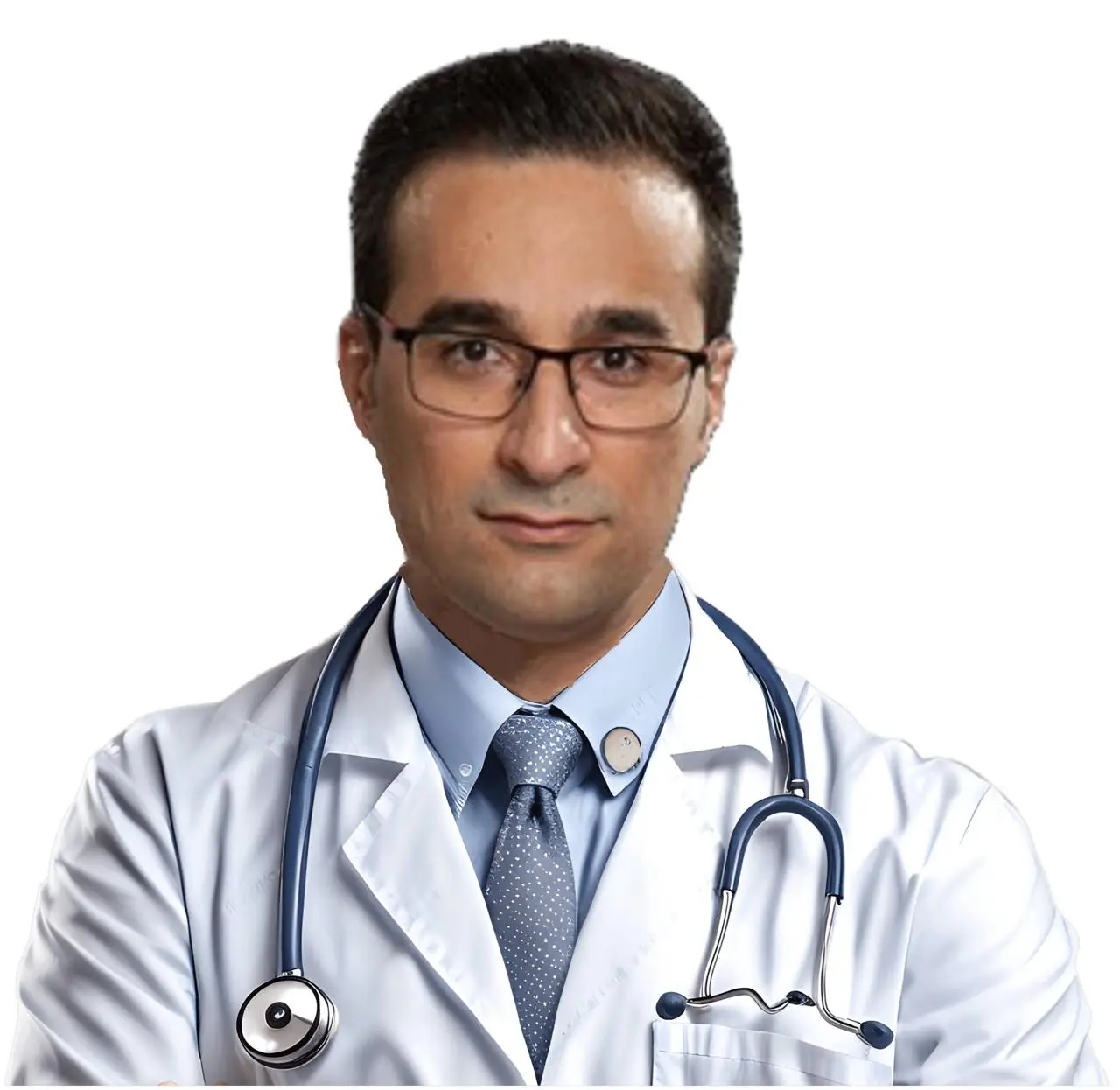
Dr. Hadi Komshi
Specialist Internal Medicine
MD, Specialist Internal Medicine
Persian · Arabic · English
دليل المريض
فهم فقر الدم: الأنواع والأسباب والعلاج الحديث
Anaemia is defined as a reduction in hemoglobin concentration or red blood cell mass below the normal range for age and sex, resulting in decreased oxygen-carrying capacity of the blood. The World Health Organization defines anaemia as hemoglobin below 13 g/dL in men and below 12 g/dL in non-pregnant women. Globally, anaemia affects approximately 1.6 billion people, with depleted iron stores being the single most common cause. In the UAE and broader Middle East region, anaemia prevalence is particularly high, driven by a combination of dietary factors, genetic predisposition to hemoglobin disorders, high rates of vitamin D deficiency that impair iron metabolism, and lifestyle factors including limited sun exposure and reduced physical activity during the hot months.
Iron depletion anaemia develops through a progressive sequence of stages. Initially, iron stores become depleted (low ferritin) while hemoglobin remains normal, a stage called iron depletion or latent iron depletion. Patients at this stage may already experience symptoms including fatigue, difficulty concentrating, hair thinning, and restless legs. As iron stores become further exhausted, iron supply to the bone marrow becomes inadequate, leading to iron-depleted erythropoiesis, where new red blood cells are produced but smaller and paler than normal. Finally, frank anaemia from depleted iron stores develops with low hemoglobin, low MCV (microcytic anaemia), and characteristic symptoms including profound fatigue, pallor, shortness of breath, dizziness, and pica (cravings for non-food items like ice). Treatment depends on the stage and cause, ranging from oral supplementation with vitamin C to enhance absorption, to intravenous iron treatment for severe cases or patients with absorption difficulties.
Vitamin B12 and folate deficiency anaemia produce a different pattern than low iron, causing macrocytic anaemia (large red blood cells with high MCV). B12 deficiency is common in vegetarians and vegans since B12 is found almost exclusively in animal products, in older adults due to reduced stomach acid production, and in patients with pernicious anaemia (an autoimmune condition destroying the stomach cells that produce intrinsic factor needed for B12 absorption). Beyond anaemia, B12 deficiency can cause neurological symptoms including peripheral neuropathy (numbness and tingling in hands and feet), balance problems, cognitive changes, and mood disturbances. Folate deficiency is seen with inadequate dietary intake of leafy greens and legumes, increased demands during pregnancy, malabsorption conditions, and certain medications. Both deficiencies are readily treatable with appropriate supplementation, but B12 deficiency requires prompt treatment to prevent irreversible neurological damage.
Thalassemia and other inherited hemoglobin disorders deserve special attention in the UAE context. Beta-thalassemia trait is estimated to affect 5 to 10 percent of the UAE population, with even higher rates in certain ethnic groups. Carriers typically have a mild, lifelong microcytic anaemia that does not respond to iron supplementation and is often misdiagnosed as low iron, leading to unnecessary and potentially harmful iron therapy. Hemoglobin electrophoresis is the key diagnostic test that distinguishes thalassemia trait from depleted iron stores. Preconception screening for thalassemia and sickle cell trait is strongly recommended in the UAE to prevent the birth of children with severe hemoglobin disorders. Our clinic provides carrier screening, counseling on inheritance patterns, and referral to genetic counseling services when both partners are found to be carriers.
حالات فقر الدم التي نديرها
فقر الدم الناجم عن نقص الحديد
النوع الأكثر شيوعاً من فقر الدم حول العالم، ويحدث بسبب عدم كفاية تناول الحديد أو ضعف الامتصاص أو فقدان الدم المزمن. نقدم علاج الحديد الفموي وعلاج الحديد الوريدي عند الحاجة، ونبحث عن السبب الكامن لمنع التكرار.
نقص فيتامين B12
فقر الدم الضخم الكريات الناجم عن عدم كفاية تناول B12 من الغذاء أو فقر الدم الخبيث أو سوء الامتصاص. يشمل العلاج حقن B12 العضلية أو مكملات فموية عالية الجرعة مع مراقبة دورية للمستويات وصورة الدم.
نقص حمض الفوليك
فقر الدم الناجم عن عدم كفاية تناول حمض الفوليك أو زيادة الطلب عليه أثناء الحمل أو سوء الامتصاص. يُدار بمكملات حمض الفوليك والإرشاد الغذائي لزيادة استهلاك الأطعمة الغنية بالفولات.
فقر دم الأمراض المزمنة
فقر الدم المرتبط بالحالات الالتهابية المزمنة وأمراض الكلى واضطرابات المناعة الذاتية والعدوى. تركز الإدارة على علاج الحالة الكامنة مع دعم صحة الدم من خلال تدخلات موجَّهة.
سمة الثلاسيميا
حمل الجين المورث لثلاسيميا بيتا، وهو شائع في سكان الشرق الأوسط وجنوب آسيا وحوض البحر الأبيض المتوسط. نوفر الفحص والتمييز عن نقص الحديد وإحالات الإرشاد الجيني والتوصيات بفحص الشريك.
سمة فقر الدم المنجلي
حمل جين مرض فقر الدم المنجلي، وهو موجود في سكان أفريقيا والشرق الأوسط وجنوب آسيا. نقدم الفحص والإرشاد حول مخاطر الوراثة والتوجيه للحاملين الذين يخططون لتكوين أسرة.
خدمات ذات صلة
استكشف خدمات التشخيص والاستشارات الأخرى المتوفرة في عيادتنا بمدينة دبي الطبية.
الأسئلة الشائعة
أسئلة شائعة حول علاج فقر الدم في دبي.
أكثر الأنواع شيوعاً التي نعالجها تشمل نقص الحديد، ونقص فيتامين B12، ونقص حمض الفوليك، وفقر دم الأمراض المزمنة، وسمة الثلاسيميا. كل نوع يتطلب فحوصات وعلاجاً مستهدفاً. تواصل معنا للحجز.
تتفاوت تكاليف علاج نقص الحديد في DCDC بحسب الحالة وأسلوب العلاج. معظم خطط التأمين تغطي الفحوصات والعلاج بما يشمل الحقن الوريدي. تواصل مع عيادتنا لمعرفة الأسعار الحالية.
يستغرق حقن الحديد الوريدي عادةً من 30 إلى 60 دقيقة، ثم فترة مراقبة لمدة 30 دقيقة. يعتمد عدد الجلسات على شدة نقص الحديد ووزن الجسم.
قد يبقى الفيريتين منخفضاً رغم النظام الغذائي الجيد بسبب نزيف مزمن خفي، وحيض غزير، وضعف امتصاص الحديد، وزيادة الطلب أثناء الحمل، أو الالتهاب المزمن.
نقص الحديد يعني استنزاف مخازن الحديد (فيريتين منخفض) ويمكن أن يحدث قبل فقر الدم. فقر الدم يحدث عندما تنخفض مستويات الهيموغلوبين. يجب علاج نقص الحديد قبل أن يتطور إلى فقر دم.
يعتمد على السبب: حقن B12 العضلية لمشاكل الامتصاص أو مكملات فموية عالية الجرعة للنقص الغذائي.
نعم. سمة الثلاسيميا تعني حمل نسخة واحدة فقط وتسبب فقر دم خفيفاً لا يحتاج علاجاً، بينما مرض الثلاسيميا (الكبرى) يتطلب نقل دم منتظماً.
نعم، نقص الحديد من أكثر الأسباب الغذائية شيوعاً لتساقط الشعر لدى النساء. يساعد تعويض الحديد في استعادة نمو الشعر خلال ثلاثة إلى ستة أشهر.
الحقائق الأساسية
المراجعة والإشراف الطبي
جميع الخدمات تقدم تحت إشراف متخصصين طبيين مرخصين في منشأتنا المعتمدة من وزارة الصحة.