
النقاط الرئيسية
- التهابات الجهاز التنفسي والتهاب المعدة والأمعاء والتهابات الأذن هي أكثر أمراض الأطفال شيوعًا في عيادات دبي، مع ارتفاعات موسمية في الصيف (أمراض المعدة) وفي الشتاء (نزلات البرد والإنفلونزا)
- تُزيد حرارة دبي الشديدة من مايو إلى سبتمبر بشكل ملحوظ من خطر الجفاف وطفح الحرارة والتهاب المعدة والأمعاء المنقول بالغذاء لدى صغار الأطفال
- الأعراض التحذيرية التي تتطلب اهتمامًا طبيًا فوريًا تشمل: الحمى المستمرة فوق 39.5 درجة مئوية، ورفض شرب السوائل لأكثر من 8 ساعات، وصعوبة التنفس، والخمول غير المعتاد، والطفح الذي لا يبيض عند الضغط
- تُتيح التشخيصات في الموقع مثل تحاليل صورة الدم الكاملة ومؤشرات الالتهاب والأشعة السينية والتصوير بالموجات فوق الصوتية لأطباء الأطفال تشخيص الأمراض الشائعة بسرعة دون الإحالة للمستشفى
- معظم أمراض الأطفال فيروسية ومحدودة ذاتيًا تتعافى في غضون 3 إلى 7 أيام بالرعاية الداعمة، لكن العدوى البكتيرية قد تستلزم مضادات حيوية بوصفة طبية
- التدابير الوقائية بما في ذلك الترطيب المناسب ونظافة اليدين والتطعيمات المحدّثة والحدّ من التعرض للشمس خلال ساعات الذروة يمكن أن تُقلّل من تكرار وحدّة أمراض الأطفال في دبي
يمرض الأطفال في دبي في المتوسط من 6 إلى 10 مرات سنويًا، وبالنسبة للعائلات التي تعيش في مناخ صحراوي شبه استوائي، كثيرًا ما يختلف نمط المرض عمّا اعتاد عليه الوالدان في بلدانهم الأصلية. من الجفاف المرتبط بالحرارة صيفًا إلى التهابات الجهاز التنفسي التي تنتشر في الحضانات خلال أشهر البرد، يساعدك فهم الأمراض الشائعة عند الأطفال على الاستجابة بهدوء والحصول على الرعاية المناسبة في الوقت المناسب. يوفر فريق طب الأطفال في DCDC بمدينة دبي الطبية زيارات للأطفال المرضى في نفس اليوم لمن هم في سن حديثي الولادة حتى 18 عامًا، مع تحاليل دم وأشعة سينية وتصوير بالموجات فوق الصوتية في المكان ذاته ليحظى طفلك بالتشخيص والعلاج تحت سقف واحد.



أكثر أمراض الأطفال شيوعًا في دبي
رغم أن الأطفال في كل مكان عرضة لعدوى مماثلة، فإن مناخ دبي وكثافة الأطفال في الحضانات والمدارس وعوامل نمط الحياة تُفرز أنماطًا مميزة. تُسهم البيئات الداخلية المكيّفة والحرارة الخارجية الشديدة والمجتمع الوافد المتنوع في تحديد أنواع أمراض الأطفال وتوقيتها. يلخّص الجدول أدناه الأمراض التي يراها أطباؤنا في DCDC بصورة متكررة، مع أبرز أعراضها ومستوى الإلحاح.
| المرض | الأعراض الرئيسية | موسم الذروة | درجة الإلحاح |
|---|---|---|---|
| التهاب الجهاز التنفسي العلوي (نزلة البرد) | سيلان الأنف، العطاس، سعال خفيف، حمى منخفضة الدرجة | أكتوبر إلى مارس | منخفضة — الرعاية المنزلية عادةً كافية |
| الإنفلونزا (الأنفلونزا الموسمية) | حمى مرتفعة، آلام في الجسم، إرهاق، صداع، سعال | نوفمبر إلى فبراير | متوسطة — راجع الطبيب إذا استمرت الحمى فوق 3 أيام |
| التهاب المعدة والأمعاء (المعدة) | قيء، إسهال، تشنج بطني، حمى | مايو إلى سبتمبر | متوسطة إلى مرتفعة — خطر الجفاف في الحرارة |
| التهاب الأذن الوسطى الحاد (عدوى الأذن) | ألم في الأذن، شد الأذن، تهيج، حمى، اضطراب النوم | على مدار العام | متوسطة — يُوصى بزيارة الطبيب |
| التهاب القصيبات | أزيز، تسرّع في التنفس، ضعف الرضاعة، سعال | ديسمبر إلى مارس | متوسطة إلى مرتفعة — انتبه لصعوبة التنفس |
| مرض اليد والقدم والفم | قرح في الفم، طفح في راحتي اليدين وأخمصي القدمين، حمى، ضعف الشهية | على مدار العام (فاشيات الحضانات) | منخفضة إلى متوسطة — شديد العدوى |
| التهاب الأنف التحسسي والربو | عطاس، أزيز، سعال ليلي، دموع | طوال العام (الغبار)، الربيع (حبوب اللقاح) | متوسطة — يتطلب خطة إدارة مستمرة |
| طفح الحرارة (الدُّخَن) | بثور حمراء على الرقبة والصدر والفخذ، حكة | مايو إلى سبتمبر | منخفضة — برّد الجلد وابقِه جافًا |
| التهاب الملتحمة (العين الحمراء) | عيون حمراء وحاكّة، إفراز، تقشّر على الجفون | على مدار العام | منخفضة إلى متوسطة — زيارة الطبيب إذا كانت بكتيرية |
| التهاب المسالك البولية | ألم عند التبول، تكرار التبول، حمى، بول ذو رائحة كريهة | على مدار العام | متوسطة — يتطلب فحص بول وعلاجًا |
عدوى الجهاز التنفسي عند الأطفال
تمثّل التهابات الجهاز التنفسي الغالبية العظمى من زيارات الأطفال المرضى في دبي. يُسبّب نزلة البرد الشائعة أكثر من 200 فيروس مختلف، وتتجلى عادةً في سيلان الأنف وسعال خفيف وحمى منخفضة الدرجة تدوم من 7 إلى 10 أيام. وعلى الرغم من إزعاجها، تتعافى معظم نزلات البرد دون علاج. أما الإنفلونزا فهي أشد حدةً، إذ تُسبّب حمى مرتفعة (غالبًا فوق 39 درجة مئوية) وآلام في الجسم وإرهاقًا شديدًا قد يُلازم الطفل الفراشَ لعدة أيام.
التهاب القصيبات والخانوق
يُصيب التهاب القصيبات، الذي يُسببه في معظم الأحيان الفيروس المخلوي التنفسي (RSV)، الرضع والأطفال الصغار دون سن عامين. يبدأ كنزلة برد لكنه يتطور إلى أزيز وتسرّع في التنفس مع التهاب المسالك الهوائية الصغيرة. أما الخانوق فيتميز بسعال نابح مميز وصوت خشن حاد أثناء شهيق الطفل (ضيق التنفس الشهيقي). وعلى الرغم من أن هذين الحالتين قد تُثيران الخوف لدى الوالدين، فإن الغالبية العظمى من الحالات تُعالج في المنزل مع المراقبة الدقيقة.
متى تستدعي أعراض الجهاز التنفسي الرعاية الطبية
- صعوبة التنفس: ظهور الأضلاع مع كل نفس، اتساع فتحتي الأنف، أو أصوات أنين
- زرقة الشفتين أو الأظافر: تدل على نقص الأكسجين وتستوجب رعاية طارئة
- حمى تتجاوز 39.5 درجة مئوية لا تستجيب للباراسيتامول أو الإيبوبروفين
- رفض شرب السوائل لأكثر من 8 ساعات، خاصةً عند الرضع
- ضيق التنفس الشهيقي أثناء الراحة: صوت تنفس مزعج حين يكون الطفل هادئًا لا عند البكاء فحسب
- تفاقم الأعراض بعد اليوم الخامس: معظم العدوى الفيروسية تتحسن بحلول اليوم الخامس — التفاقم يُشير إلى عدوى بكتيرية ثانوية
يستطيع أطباؤنا في DCDC إجراء أشعة سينية على الصدر وتحاليل دم (CBC مع التفريق و CRP) في الموقع ذاته لتحديد ما إذا كانت عدوى الجهاز التنفسي فيروسية أم بكتيرية، مما يُساعد في تجنب المضادات الحيوية غير الضرورية مع ضمان تلقّي العدوى البكتيرية العلاج الفوري. لمزيد من التوجيهات التفصيلية حول التعامل مع الحمى في المنزل، اقرأ دليلنا حول التعامل مع حمى الأطفال.
التهاب المعدة والأمعاء عند الأطفال
يُعدّ التهاب المعدة والأمعاء — المعروف بـ "التهاب المعدة" — أحد أكثر أمراض الأطفال إثارةً للقلق لدى الوالدين في دبي، ولسبب وجيه. إذ يخلق مزيجُ القيء والإسهال والحرارة الصيفية الشديدة في دبي بيئةً مثالية للجفاف السريع. يروتافيروس ونوروفيروس والبكتيريا مثل السالمونيلا هي الأسباب الأكثر شيوعًا، وتنتشر الفاشيات بسرعة في الحضانات والمدارس.
عامل الحرارة في دبي
خلال أشهر الصيف (من مايو إلى سبتمبر)، حين تتجاوز درجات الحرارة الخارجية 45 درجة مئوية بانتظام، يفقد الأطفال مزيدًا من السوائل عبر العرق حتى قبل أن يمرضوا. والطفل الذي يبدأ في التقيؤ أو الإسهال في هذه البيئة يمكن أن يُصاب بالجفاف بسرعة أكبر بكثير مقارنةً بالأشهر الأكثر برودة. لهذا السبب يستلزم التهاب المعدة والأمعاء خلال صيف دبي مراقبةً أكثر دقة وعتبةً أقل للبحث عن العناية الطبية.
التعامل مع التهاب المعدة والأمعاء في المنزل
- محلول الإماهة الفموي (ORS): رشفات صغيرة ومتكررة كل 5 إلى 10 دقائق — لا تُعطِ كميات كبيرة دفعةً واحدة لأن ذلك قد يُثير المزيد من القيء
- الاستمرار في الرضاعة الطبيعية: للرضع المرضعون طبيعيًا، استمر في الرضاعة حسب التحمّل
- نظام BRAT الغذائي: بمجرد توقف القيء، قدِّم الموز والأرز وصلصة التفاح والخبز المحمص قبل العودة إلى الغذاء الطبيعي
- تجنّب المشروبات السكرية: العصائر والمشروبات الغازية تُفاقم الإسهال بسبب التأثير الأوزموزي
- مراقبة إخراج البول: يجب أن يتبوّل الطفل كل 6 إلى 8 ساعات على الأقل — قلة الحفاضات المبلّلة علامة تحذير على الجفاف
متى تطلب الرعاية الطبية لالتهاب المعدة والأمعاء
- دم في القيء أو البراز
- لا حفاضة مبلّلة أو تبوّل لمدة 8 ساعات أو أكثر
- غؤور العيون أو اليافوخ (البقعة الطرية) عند الرضع
- قيء مستمر يمنع تناول أي سوائل لأكثر من 6 ساعات
- حمى تتجاوز 39 درجة مئوية تستمر أكثر من 48 ساعة
- خمول أو نعاس غير عادي يفوق ما تتوقعه من التعب العادي
التهابات الأذن عند الأطفال: العلامات والعلاج
يُعدّ التهاب الأذن الوسطى الحاد من أكثر الأسباب شيوعًا التي تدفع الوالدين لأخذ أطفالهم إلى الطبيب، لا سيما بين سن 6 أشهر و3 سنوات. إذ إن قناة أوستاكيوس عند صغار الأطفال أقصر وأكثر أفقية مقارنةً بالبالغين، مما يُسهّل انتقال البكتيريا من نزلة برد أو التهاب الحلق إلى الأذن الوسطى.
التعرف على التهابات الأذن
يستطيع الأطفال الأكبر سنًا إخبارك بأن أذنهم تؤلمهم، لكن الرضّع والأطفال الصغار يتواصلون بطريقة مختلفة. انتبه إلى شدّ الأذن أو سحبها، والتهيج الزائد (خاصةً عند الاستلقاء)، وصعوبة النوم، وتراجع الشهية، وتسرّب سائل من الأذن. كثيرًا ما تتبع التهابات الأذن نزلةَ برد، لذا فإن الطفل الذي تبدو أعراض برده في تحسّن ثم يُصاب فجأة بالحمى والبكاء قد يكون أصيب بالتهاب أذن ثانوي.
نهج العلاج
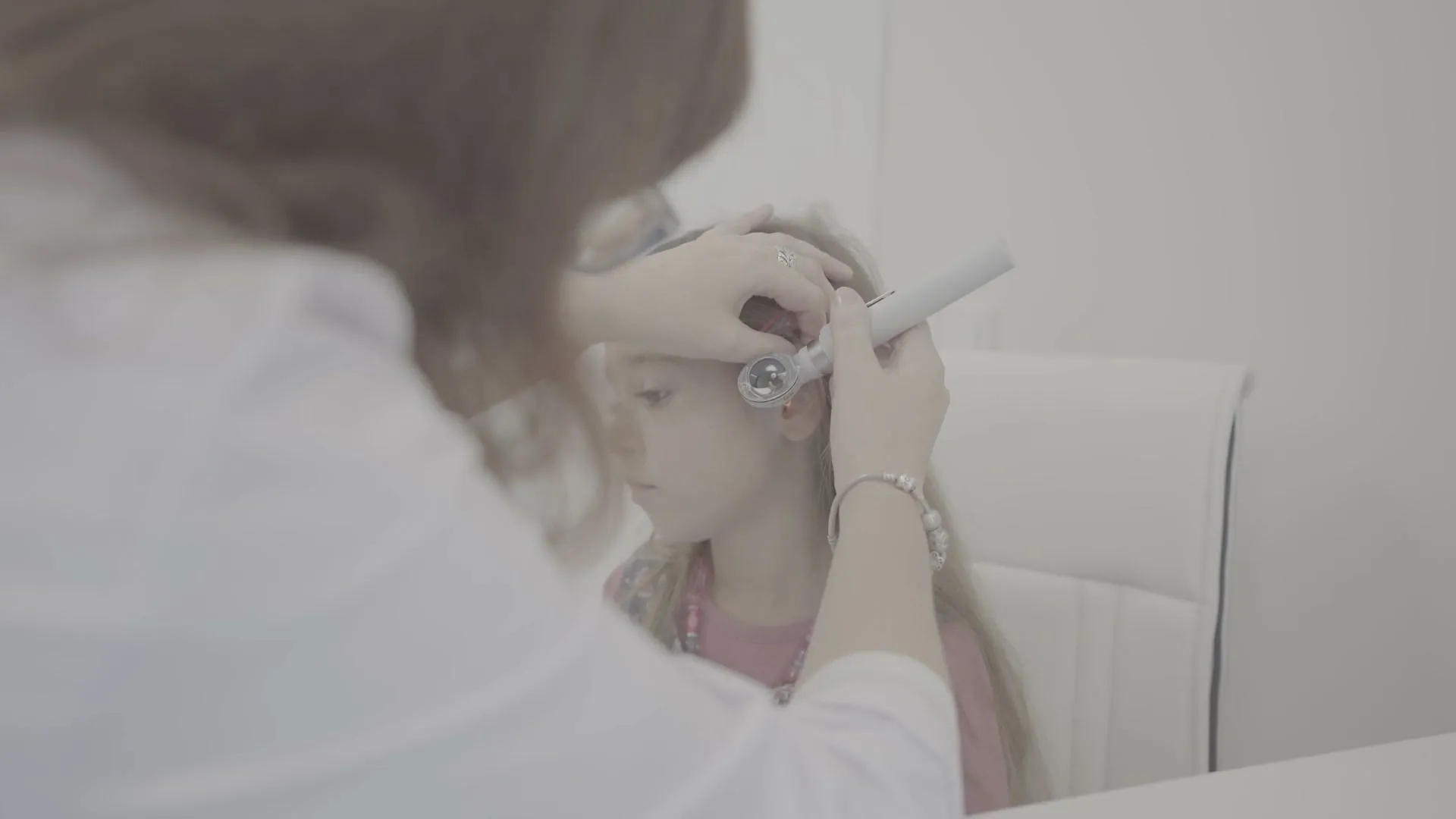
لا تتطلب جميع التهابات الأذن مضادات حيوية. توصي الإرشادات الحالية بنهج "الانتظار اليقظ" للأطفال فوق سن عامين مع أعراض خفيفة، إذ تتعافى كثير من التهابات الأذن من تلقاء نفسها خلال 48 إلى 72 ساعة. وتكون إدارة الألم بالباراسيتامول أو الإيبوبروفين هي الأولوية. غير أن المضادات الحيوية تُوصف عادةً للأطفال دون سن عامين أو المصابين بعدوى في الأذنين أو ذوي الأعراض الشديدة أو الحمى المرتفعة. يستطيع طبيبك في DCDC فحص طبلة الأذن بالمنظار الأذني واتخاذ القرار المناسب.
حساسية الأطفال والربو في دبي
تُفرز بيئة دبي تحديات فريدة للأطفال المصابين بالحساسية والربو. تزدهر عثّة الغبار الداخلية في الرطوبة التي يُوجدها التكييف، ويكون غبار البناء حاضرًا دائمًا، وقد تُثير العواصف الرملية أعراضًا حادة. كثيرًا ما يُلاحظ الوالدان تفاقم حساسية طفلهم بعد الانتقال إلى دبي، أو ظهور مشاكل تنفسية لم يسبق أن عانى منها الطفل.
المحفزات الشائعة في دبي
- عثّة الغبار: تزدهر في المنازل المُكيَّفة ذات السجاد — أكثر مسببات الحساسية الداخلية شيوعًا في الإمارات
- العفن: رطوبة الحمامات والمطابخ، خاصةً في الصيف حين يكون تكثّف مياه التكييف مستمرًا
- الغبار الخارجي والعواصف الرملية: جزيئات دقيقة تخترق مجاري الهواء
- التغيرات المفاجئة في درجات الحرارة: الانتقال بين حرارة 45 درجة خارجية وتكييف 20 درجة داخلي يضغط على مجاري الهواء
- وبر الحيوانات الأليفة: شائع في المنازل التي تضم قططًا وكلابًا، خاصةً في المساحات سيئة التهوية
متى يستدعي الأزيز الاهتمام العاجل
الأزيز الخفيف المتقطع أثناء نزلة البرد أمر شائع وغالبًا ما يمكن السيطرة عليه بجهاز استنشاق موصوف. غير أنه إذا كان طفلك يتنفس بسرعة، أو يستخدم عضلات البطن في التنفس، أو لا يستطيع الكلام بجمل كاملة، أو كانت شفتاه تميل إلى الزرقة، فاطلب الرعاية الطارئة فورًا. يجب أن يمتلك الأطفال المعروفون بالإصابة بالربو خطة عمل محدّثة من طبيبهم، ويجب أن يعرف الوالدان كيفية استخدام جهاز التخفيف بصورة صحيحة.
إبقاء لقاحات طفلك محدّثةً هو أحد أكثر الطرق فعاليةً لمنع الأمراض التنفسية الخطيرة. اطّلع على دليلنا الكامل لـ جدول تطعيمات الأطفال في دبي للحصول على التوصيات حسب كل فئة عمرية.
مرض اليد والقدم والفم
يُسبّب مرض اليد والقدم والفم (HFMD) فيروسُ كوكساكي وينتشر بسرعة في الحضانات والمدارس. يُصيب عادةً الأطفال دون سن الخامسة، وإن كان الأطفال الأكبر سنًا وحتى البالغون يمكنهم الإصابة به. يبدأ المرض بحمى والتهاب في الحلق، يعقبه خلال يوم إلى يومين قرح مؤلمة في الفم وطفح مميز من بثور صغيرة على راحتي اليدين وأخمصي القدمين.
التعامل مع مرض HFMD في المنزل
- تسكين الألم: الباراسيتامول أو الإيبوبروفين للحمى وآلام الفم
- الأطعمة الباردة: المثلجات والزبادي والحليب البارد تُهدّئ قرح الفم — تجنّب الأطعمة الحامضة أو المالحة
- الترطيب: أكبر مشكلة هي رفض الشرب بسبب قرح الفم المؤلمة — قدّم سوائل باردة بشكل متكرر
- النظافة: غسيل اليدين بانتظام، مناشف منفصلة، وتطهير الألعاب والأسطح
- العزل: تشترط معظم الحضانات في دبي بقاء الأطفال في المنزل حتى تتقشّر جميع البثور، عادةً 7 إلى 10 أيام
مرض HFMD خفيف في الغالب ومحدود ذاتيًا. الخطر الرئيسي هو الجفاف الناجم عن ضعف تناول السوائل. إذا رفض طفلك جميع السوائل لأكثر من 8 ساعات أو أظهر علامات الجفاف، فاصطحبه للتقييم الطبي.
أمراض الجلد الشائعة في مناخ دبي
تُهيّئ حرارة دبي ورطوبتها ظروفًا مثالية للعديد من أمراض جلد الأطفال. يُساعد فهم هذه الحالات الوالدين على تجنّب القلق غير الضروري مع التعرّف على متى يلزم العلاج.
طفح الحرارة (الحصف)
يظهر طفح الحرارة على شكل بثور حمراء صغيرة، وعادةً على الرقبة والصدر والظهر والفخذ حيث يتجمّع العرق. يحدث حين تنسدّ قنوات العرق، مما يحبس العرق تحت الجلد. العلاج بسيط: انقل الطفل إلى بيئة باردة، والبسه ملابس قطنية فضفاضة، واترك الجلد يجفّ في الهواء. تجنّب الكريمات أو المستحضرات الثقيلة التي تزيد من انسداد المسام. يزول طفح الحرارة عادةً خلال 24 إلى 48 ساعة بمجرد أن يبرد الجلد.
نوبات الإكزيما
كثيرًا ما يُعاني الأطفال المصابون بالإكزيما (التهاب الجلد التأتبي) في دبي. إذ يمكن أن يُثير مزيجُ تكييف الهواء الذي يُقلّل من رطوبة الجلد وأحواض السباحة المُكلورة وتهيّج العرق نوبات مستمرة. ويُعدّ التزام روتين ترطيب منتظم باستخدام مُلطّفات خالية من العطور ومنظّفات لطيفة خالية من الصابون مع معالجة النوبات فورًا بالكريمات الموصوفة أمرًا ضروريًا لإدارة الإكزيما في هذا المناخ.
عدوى الجلد الفطرية
تزدهر القوباء الحلقية وقدم الرياضي وغيرها من العدوى الفطرية في البيئات الدافئة الرطبة. الأطفال الذين يمارسون السباحة أو الفنون القتالية أو أي نشاط يشمل الأسطح المشتركة هم أكثر عرضةً للخطر. ابحث عن بقع دائرية متقشّرة تتّسع تدريجيًا (القوباء الحلقية)، أو جلد متهيّج ومتقشّر بين أصابع القدم (قدم الرياضي). الكريمات المضادة للفطريات المتوفرة في صيدليات الإمارات فعّالة عادةً، لكن ينبغي تقييم العدوى المستمرة أو المنتشرة من قِبَل طبيب.
متى تأخذ طفلك إلى الطبيب
من أصعب القرارات التي يواجهها أي والد معرفةُ متى يحتاج الطفل المريض إلى عناية طبية متخصصة ومتى يكون الانتظار المنزلي مناسبًا. يُصنّف الدليل الإرشادي أدناه الأعراض إلى ثلاثة مستويات لمساعدتك على اتخاذ هذا القرار بثقة.
| مستوى الإلحاح | الأعراض | الإجراء المطلوب |
|---|---|---|
| أحمر — طارئ (اذهب الآن) | صعوبة في التنفس أو زرقة الشفتين؛ عدم الاستجابة أو صعوبة شديدة في الإيقاظ؛ طفح لا يبيض عند الضغط (اختبار الزجاج)؛ نوبة تشنج تستمر أكثر من 5 دقائق؛ حمى عند رضيع دون 3 أشهر؛ جفاف شديد مع غياب الدموع وجفاف الفم وغؤور العيون | توجّه فورًا إلى أقرب قسم طوارئ أو اتصل بالرقم 998 (إسعاف الإمارات) |
| أصفر — زيارة عاجلة في نفس اليوم | حمى تتجاوز 39.5 درجة مئوية لا تستجيب للدواء؛ قيء مستمر يمنع تناول السوائل لـ6 ساعات أو أكثر؛ انخفاض إخراج البول (لا حفاضة مبلّلة لـ8 ساعات)؛ ألم في الأذن مع حمى؛ أزيز لا يخفّ بالجهاز الاستنشاقي؛ خمول غير عادي حتى بعد انخفاض الحمى | احجز موعدًا في نفس اليوم في عيادة مثل DCDC — لا تنتظر حتى اليوم التالي |
| أخضر — مراقبة في المنزل | حمى خفيفة دون 38.5 درجة مئوية مع شرب الطفل وتحركه؛ سيلان أنف خفيف وسعال دون صعوبة في التنفس؛ نوبة قيء واحدة دون أعراض أخرى؛ طفح حرارة خفيف؛ براز لين دون دم مع تناول كافٍ للسوائل | قدّم رعاية داعمة في المنزل وراقب الحالة — راجع الطبيب إذا تفاقمت الأعراض أو استمرت لأكثر من 3 إلى 5 أيام |
تقول الدكتورة هديل النور: "العيش في مناخ دبي الحار يعني أنني أشهد أنماطًا موسمية في أمراض الأطفال — إذ يرتفع التهاب المعدة والأمعاء والجفاف كل صيف، بينما تتركّز عدوى الجهاز التنفسي في الأشهر الأكثر برودة حين يقضي الأطفال وقتًا أطول في الداخل مع التكييف. بوصفي طبيبةً عامة، أقول للوالدين دائمًا إن معرفة العلامات التحذيرية — الحمى المرتفعة المستمرة أو رفض شرب السوائل أو الخمول غير المعتاد — يمكن أن تُحدث الفرق بين تعافٍ اعتيادي وحالة طارئة طبية."
ما يمكن توقّعه في DCDC لزيارات الأطفال المرضى
قد يكون أخذ طفل مريض إلى العيادة أمرًا مُجهِدًا، خاصةً إذا كنت جديدًا في دبي أو غير مألوف بالنظام الصحي. إليك ما يحدث بالضبط حين تزور مركز دكتورز كلينيك للتشخيص (DCDC) في مدينة دبي الطبية لزيارة طب الأطفال.
الخطوة الأولى: الحجز والوصول
اتصل بالعيادة أو أرسل رسالة واتساب لحجز موعد في نفس اليوم. تُعطى زيارات الأطفال المرضى الأولوية، لذا نسعى لاستيعاب الأطفال غير المرتاحين بسرعة حتى في أوقات الذروة. يقع DCDC في المبنى 64، المجمع A، مجمع الرازي الطبي، DHCC — مع توفر مواقف سيارات مجانية. تفتح العيادة من السبت إلى الخميس من الساعة 8 صباحًا حتى 10 مساءً، ومن الجمعة من 9 صباحًا حتى 9 مساءً، مما يوفر ساعات عمل مُمتدة ذات قيمة خاصة حين يمرض طفلك خارج أوقات العمل الرسمية.
الخطوة الثانية: التسجيل والتأمين
في مكتب الاستقبال، سيتولى الفريق معالجة تأمينك (يتعاون DCDC مع أكثر من 20 شركة تأمين تشمل Daman وAXA وBupa وMetLife وCigna للفوترة المباشرة) وجمع المعلومات الأساسية. إذا كانت هذه أول زيارة لطفلك، فأحضر هويته الإماراتية أو جواز سفره وبطاقة التأمين وأي سجلات طبية سابقة أو كتيّب التطعيمات.
الخطوة الثالثة: التقييم السريري
سيعاين طفلك طبيب ذو خبرة في رعاية الأطفال. تشمل الاستشارة أخذ تاريخ مفصّل (متى بدأت الأعراض، ومسارها، وأي أدوية أُعطيت في المنزل)، وفحصًا جسديًا، وتقييمًا سريريًا. المقاربة لطيفة وصديقة للطفل — فريق DCDC مدرَّب على تهدئة الأطفال القلقين بفحوصات هادئة وغير متسرّعة.
الخطوة الرابعة: التشخيص في الموقع (إذا لزم)
إذا استوجبت أعراض طفلك مزيدًا من الفحوصات، يُقدّم DCDC تحاليل الدم في الموقع (CBC و CRP ومؤشرات الالتهاب) والأشعة السينية والتصوير بالموجات فوق الصوتية — كلها في المبنى ذاته. لا حاجة للانتقال إلى مختبر أو مركز تصوير منفصل، وهذا أمر بالغ الأهمية حين يكون طفلك في حالة يرثى لها. تتوفر نتائج تحاليل الدم العاجلة عادةً خلال ساعة إلى ساعتين، مما يُتيح لطبيبك وضع التشخيص وبدء العلاج في الزيارة ذاتها.
الخطوة الخامسة: التشخيص وخطة العلاج والمتابعة
بمجرد مراجعة النتائج، سيشرح طبيبك التشخيص ويصف الأدوية اللازمة (يستطيع DCDC إرسال وصفات إلكترونية إلى صيدليتك المفضّلة)، ويُقدّم تعليمات الرعاية المنزلية ويُحدّد موعد متابعة إذا لزم. يُقيّم الوالدون هذا الأسلوب الشامل والتواصلي بدرجة عالية باستمرار — إذ يحتفظ DCDC بتقييم 4.8 من 5 على جوجل من أكثر من 1000 تقييم ومعدل رضا مرضى 98%.
للحصول على معلومات تفصيلية حول تكاليف استشارات طب الأطفال، بما في ذلك تغطية التأمين والأسعار من الجيب الخاص، اطّلع على دليلنا حول تكاليف طبيب الأطفال في دبي.
الوقاية من أمراض الأطفال في دبي
وإن كان من المستحيل الوقاية من كل مرض في مرحلة الطفولة، فإن الاستراتيجيات العملية تُقلّل بشكل ملحوظ من تكرار الإصابات وحدّتها. هذه التدابير الوقائية مهمة بصفة خاصة خلال أشهر الصيف في دبي حين تبلغ الحالات المرتبطة بالحرارة والأمراض المنقولة بالغذاء ذروتها.
الترطيب والتغذية
- تناول الماء: يحتاج الأطفال إلى سوائل أكثر في حرارة دبي — شجّعهم على شرب الماء بانتظام لا عند الشعور بالعطش فحسب
- توازن الكهارل: للأطفال النشطين، أضف ماء جوز الهند أو ORS المخفَّف خلال اللعب المكثف في الهواء الطلق
- سلامة الغذاء: ضع الأطعمة القابلة للتلف في الثلاجة فورًا، وتجنّب طعام الشارع في الحرارة الشديدة، وتأكد من وجود أكياس جليد في حقائب غداء المدرسة
- فيتامين د: بشكل مفارق، نقص فيتامين د شائع في دبي لأن الأطفال يمكثون داخل المنازل خلال الحرارة الشديدة — فكِّر في المكملات بعد مناقشة الأمر مع طبيب الأطفال
النظافة الشخصية ومكافحة العدوى
- غسل اليدين: علِّم الأطفال غسل اليدين لمدة 20 ثانية بالصابون، خاصةً بعد استخدام الحمام وقبل الأكل
- آداب السعال: السعال أو العطس في الكوع لا في اليدين
- تجنّب المشاركة: لا يجب مشاركة زجاجات الماء والأدوات والمناشف في الحضانة أو المدرسة
- تنظيف الأسطح: طهِّر الأسطح كثيرة اللمس بانتظام كمقابض الأبواب ومفاتيح الإضاءة والألعاب
التدابير البيئية ونمط الحياة
- الحدّ من التعرض للهواء الطلق: تجنّب اللعب في الخارج بين الساعة 10 صباحًا و4 مساءً خلال أشهر الصيف (مايو إلى سبتمبر)
- صيانة التكييف: نظِّف فلاتر التكييف بانتظام للحد من التعرض لعثّة الغبار والعفن
- الحماية من الشمس: استخدم واقي شمس بعامل حماية 50 أو أعلى وقبعات ذات حافة عريضة وملابس واقية من الأشعة فوق البنفسجية لأي نشاط خارجي
- أحواض السباحة: استحم قبل السباحة وبعدها، وتأكد من عدم ابتلاع الأطفال لماء الحوض، وجفِّف الأذنين جيدًا لمنع التهاب الأذن الخارجية
- التطعيمات: حافظ على تحديث جدول التطعيم في الإمارات — اللقاحات تمنع أمراضًا خطيرة بما فيها الحصبة والسعال الديكي والتهاب المعدة والأمعاء بالروتا فيروس
تكلفة زيارات الأطفال المرضى في دبي
يُساعد فهم تكلفة رعاية الأطفال الوالدين على التخطيط المسبق وتجنّب المفاجآت. في DCDC، تبدأ استشارة طبيب الأطفال أو الطبيب العام من AED 300. إذا تطلّب الأمر فحوصات تشخيصية، تتراوح تحاليل الدم (CBC و CRP) عادةً بين AED 149 و AED 400 حسب اللوحة، بينما تبدأ الأشعة السينية من AED 200. بالنسبة للمرضى المؤمّنين، تغطّي معظم الاستشارات والفحوصات التشخيصية تحت مزايا طب الأطفال القياسية مع الفوترة المباشرة — أي أنك لا تدفع سوى نسبة المشاركة أو المبلغ القابل للخصم وقت الزيارة.
DCDC منشأة مرخصة من وزارة الصحة ووقاية المجتمع (رقم الترخيص NIMY7VY5-240925) وتتعاون مع أكثر من 20 شركة تأمين بما في ذلك Daman وAXA وBupa وMetLife وCigna. إذا لم تكن متأكدًا من تغطية تأمينك لزيارات الأطفال المرضى، يستطيع فريق استقبال DCDC التحقق من مزاياك قبل موعدك.
طفلك مريض؟ احجز موعدًا في نفس اليوم
في مركز أطباء العيادة التشخيصي بمدينة دبي الصحية، تُعطى الأولوية لزيارات الأطفال المرضى مع توفر مواعيد في نفس اليوم. يُقدم أطباؤنا تقييمات لطيفة وشاملة للأطفال من حديثي الولادة حتى 18 عامًا، مدعومة بتحاليل دم وأشعة سينية وتصوير بالموجات فوق الصوتية في الموقع للتشخيص السريع. تبدأ استشارات طب الأطفال من 300 درهم مع الفوترة المباشرة للتأمين.
أرسل لنا رسالة واتساب: 'مرحبًا، طفلي غير مرتاح وأريد حجز موعد طب أطفال في DCDC.'
مخاطر الصيف الخاصة بالأطفال في دبي
يُفرز صيف دبي تحديات صحية خاصة للأطفال تستحق اهتمامًا بالغًا. بين مايو وسبتمبر، حين تتجاوز درجات الحرارة 45 درجة مئوية بانتظام وقد تتخطى الرطوبة 90%، تتضاعف مخاطر الأمراض المرتبطة بالحرارة مع العدوى الاعتيادية عند الأطفال.
الجفاف
الأطفال أكثر عرضةً للجفاف من البالغين لأن نسبة سطح جسمهم إلى وزنه أعلى، ويفقدون السوائل بسرعة أكبر عبر العرق، وقد لا يُدركون العطش أو يُعبّرون عنه. تشمل علامات الجفاف عند الأطفال: بول داكن اللون، وجفاف الشفتين واللسان، وضعف الطاقة، والبكاء دون دموع، وأقل من 4 حفاضات مبلّلة في 24 ساعة للرضّع. في الصيف، اعرض الماء بشكل استباقي كل 30 دقيقة خلال أي نشاط في الهواء الطلق.
الإجهاد الحراري وضربة الشمس
يتجلى الإجهاد الحراري في التعرق الغزير والجلد الشاحب أو البارد والغثيان والصداع والدوخة. إذا لم يُعالج، قد يتطور إلى ضربة شمس — وهي حالة طارئة طبية تتسم بدرجة حرارة جسم تتجاوز 40 درجة مئوية وجلد ساخن وجاف (يتوقف التعرق) وارتباك وخطر فقدان الوعي. انقل الطفل فورًا إلى الظل أو مكان مكيّف، وضع ماءً باردًا (ليس متجمدًا) على جسمه، واطلب الرعاية الطارئة إذا لم تنخفض الحرارة أو إذا كان الطفل مرتبكًا أو لا يستجيب.
الأمراض المنقولة بالغذاء
تتكاثر البكتيريا بسرعة في الطعام المتروك على درجة حرارة الغرفة في حرارة دبي. وجبات المدرسة المعبّأة وطعام النزهات والبقايا المحفوظة بطريقة غير صحيحة هي مصادر شائعة للتسمم الغذائي عند الأطفال. استخدم حقائب غداء مُعزولة مع أكياس جليد مجمّدة، وتخلّص من أي طعام قابل للتلف ظل مكشوفًا لأكثر من ساعة في درجات حرارة تتجاوز 35 درجة مئوية، وتأكد من طهو اللحوم والبيض جيدًا.
بناء المناعة لدى طفلك
رغم أن الهدف ليس منع كل مرض بسيط — إذ يُسهم التعرض للفيروسات الشائعة فعلًا في بناء جهاز المناعة لدى الطفل — فإن ثمة استراتيجيات مبنية على الدليل العلمي لدعم الصحة المناعية العامة للأطفال المقيمين في دبي.
- نوم كافٍ: يحتاج الأطفال الصغار (1-3 سنوات) 11 إلى 14 ساعة، وما قبل المدرسة 10 إلى 13 ساعة، والأطفال في سن المدرسة 9 إلى 12 ساعة في اليوم
- غذاء متوازن: أضف الفواكه والخضروات والبروتينات الخفيفة والحبوب الكاملة — النظام الغذائي المتنوع يُوفر الفيتامينات والمعادن الضرورية لوظيفة المناعة
- النشاط البدني: الرياضة المنتظمة تُعزز الاستجابة المناعية؛ اهدف إلى 60 دقيقة على الأقل من اللعب النشط يوميًا، مع الانتقال إلى الداخل خلال ساعات الذروة الصيفية
- تقليل الإجهاد: الأطفال المجدولون بإفراط بالأنشطة اللاصفية يصابون بالإنهاك — تأكد من توفر وقت فراغ كافٍ ولعب حر غير منظم
- صحة الجهاز الهضمي: أضف الأطعمة الغنية بالبروبيوتيك كالزبادي والأطعمة المخمّرة، التي تدعم ميكروبيوم الأمعاء والدفاع المناعي
قلق على صحة طفلك؟
سواء كان طفلك يعاني من مرض حاد أو تريد إجراء فحص صحي عام، فريق DCDC في مدينة دبي الصحية هنا للمساعدة. نستقبل الأطفال من حديثي الولادة حتى 18 عامًا لكل شيء من الحمى والسعال إلى إدارة الحساسية ولقاحات اللحاق. احجز عبر الإنترنت أو اتصل بنا أو راسلنا عبر واتساب اليوم.
المبنى 64، الجناح A، مجمع الرازي الطبي، DHCC. مفتوح من السبت إلى الخميس 8 ص - 10 م، الجمعة 9 ص - 10 م. مواقف مجانية.
خدمات ذات صلة في DCDC
رعاية متخصصة وتشخيص متقدم في مدينة دبي الطبية
الأسئلة الشائعة
خلاصة القول
يمرض الأطفال — وهذا جزء لا مفر منه من النمو، وكل مرض يُسهم في بناء مرونة المناعة مستقبلًا. ما يهم أكثر هو قدرتك على التعرف على متى يسير المرض في مساره الطبيعي ومتى يستلزم شيء ما عناية طبية. الإرشادات في هذا المقال، من جداول الأعراض إلى ترميز الإلحاح بالألوان، مُصمَّمة لمنحك تلك الثقة.
إذا كان طفلك غير مرتاح وكنت غير متأكد من احتياجه لرؤية طبيب، فأخطئ في جانب الحذر. يمكن لاستشارة وجيزة أن توفر الطمأنينة وتُكشف المضاعفات مبكرًا وتمنحك خطة واضحة لإدارة المرض في المنزل. في DCDC بمدينة دبي الطبية، تتوفر مواعيد طب الأطفال في نفس اليوم بشكل متكرر، وتشخيصاتنا في الموقع تعني إجابات أسرع، ويُخصص أطباؤنا الوقت لشرح كل شيء بوضوح. احجز زيارة عبر الهاتف أو الإنترنت أو الواتساب — نحن هنا من السبت إلى الخميس من 8 صباحًا حتى 10 مساءً ومن الجمعة من 9 صباحًا حتى 9 مساءً.

كتبه
Dr. Hadeel Elnur
طبيبة رعاية أولية
دكتوراه في الطب، الطب العام
الدكتورة هديل النور طبيبة رعاية أولية في مركز أطباء العيادة التشخيصي (DCDC) بمدينة دبي الصحية.
مقالات ذات صلة

حمى الأطفال: متى تقلق وماذا تفعل
جدول تطعيمات الأطفال في دبي: الدليل الكامل
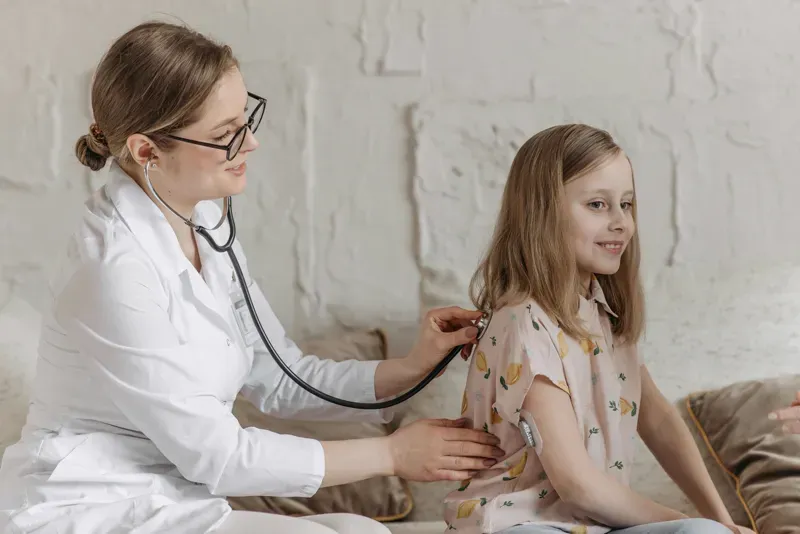
تكلفة طبيب الأطفال في دبي: ما تتوقعه
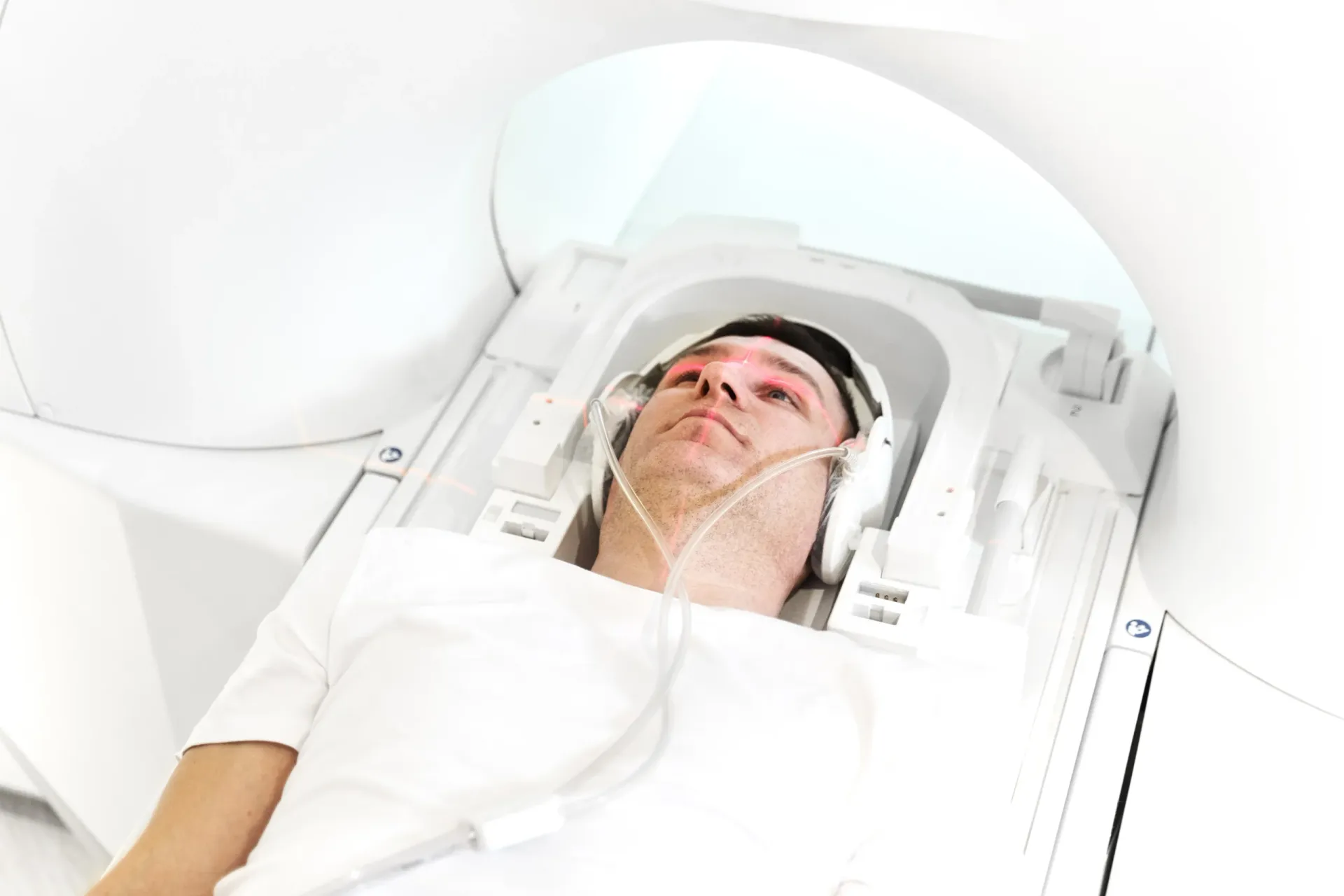
سلامة التصوير التشخيصي للأطفال: دليل الآباء

أعراض الجفاف وعلاجه في دبي
المزيد في General Health
Epilepsy Treatment Dubai: Symptoms & Care (2026)
اقرأ المزيد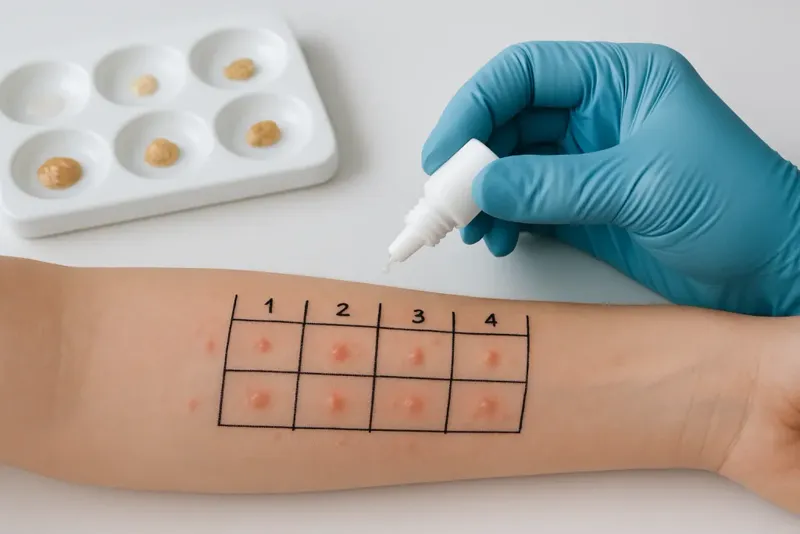
Food Allergy vs Food Intolerance Dubai (2026)
اقرأ المزيد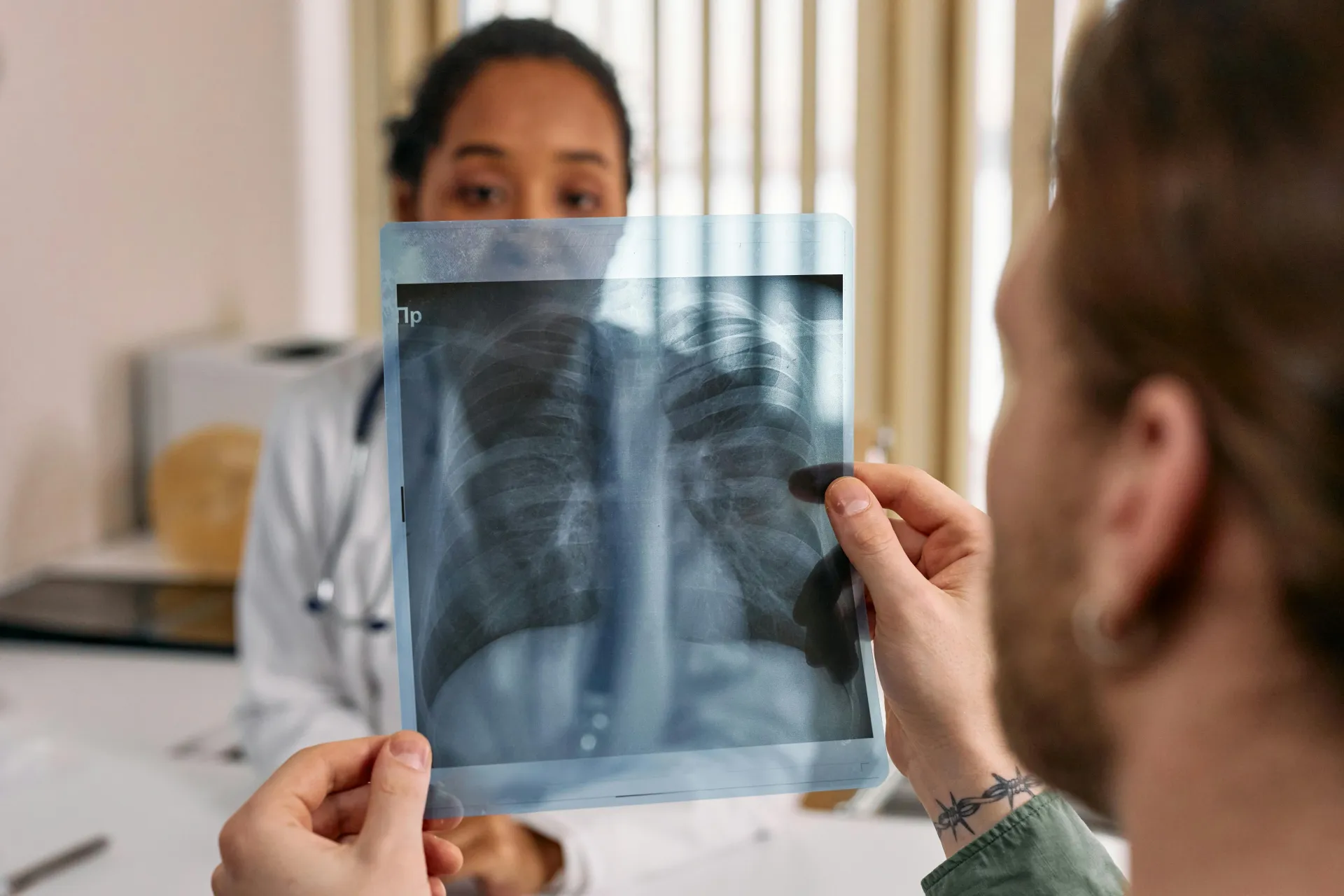
Pneumonia vs Flu Dubai: Key Differences (2026)
اقرأ المزيدSwollen Lymph Nodes Dubai: When to Worry (2026)
اقرأ المزيدFlu vs Cold Dubai: How to Tell the Difference (2026)
اقرأ المزيد
Sleep Study Cost Dubai: Tests & Pricing (2026)
اقرأ المزيد© 2026 Doctors Clinic Diagnostic Center (DCDC), Dubai Healthcare City. Originally published at https://doctorsclinicdubai.ae/blog/common-childhood-illnesses-dubai. All rights reserved. Unauthorized reproduction is prohibited.