
Prenez votre rendez-vous
Avis verifies des patients du centre de diagnostic DCDC a Dubai
Avis verifies et temoignages reels de patients de Dubai Healthcare City
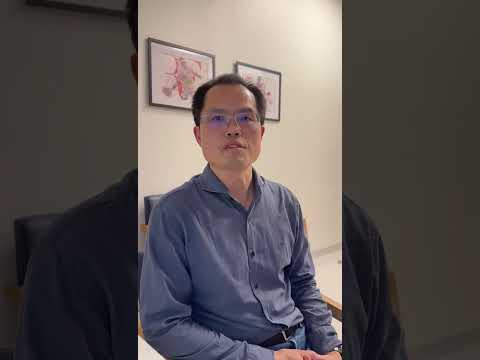
Je suis très satisfaite de cette clinique médicale. J'ai fait mon premier dépistage de grossesse ici. C'était abordable et très professionnel. Le radiologue était accueillant, gentil et a rendu l'expérience formidable.
Aizhan Tokmanbetova
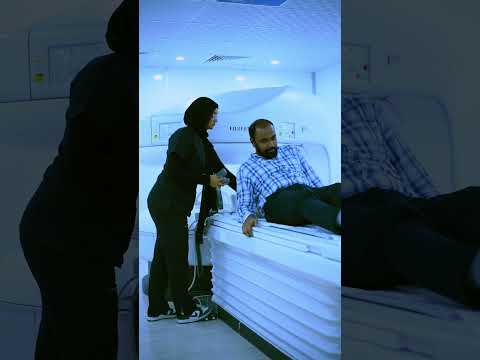
Je me suis blessée au genou vendredi soir et j'ai obtenu un rendez-vous IRM dimanche soir (réservé dimanche après-midi). J'ai attendu environ 2 minutes et c'était terminé en un peu plus de 30 minutes. L'équipe était incroyable, sympathique et efficace.
Kirsten Evans
L'équipe du Dr Osama était douce et incroyable. Après une mauvaise expérience ailleurs, mon examen pelvien ici était beaucoup plus professionnel. Excellent rapport et très précis.
Mary



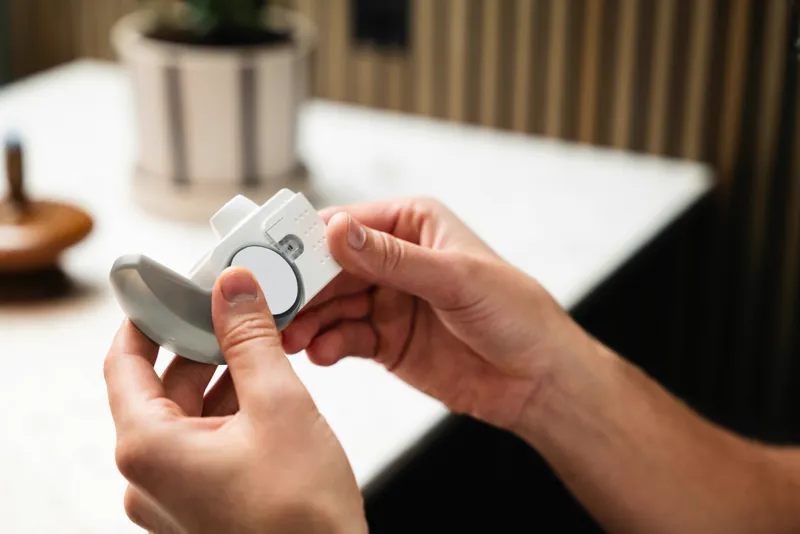
Diabetes Testing in Dubai: Comprehensive Blood Sugar Screening
Early detection and monitoring for optimal diabetes management
Soins spécialisés
Diabetes Testing au DCDC Dubai Healthcare City
Comprehensive diabetes screening in Dubai Healthcare City. HbA1c, fasting glucose, OGTT, and insulin resistance testing. Same-day results available. Book now.
Soins spécialisés
Diabetes Testing au DCDC Dubai Healthcare City
Diabetes Testing in Dubai: Comprehensive Blood Sugar Screening
Early detection and monitoring for optimal diabetes management
Comprehensive diabetes screening in Dubai Healthcare City. HbA1c, fasting glucose, OGTT, and insulin resistance testing. Same-day results available. Book now.

Dr. Hadi Komshi
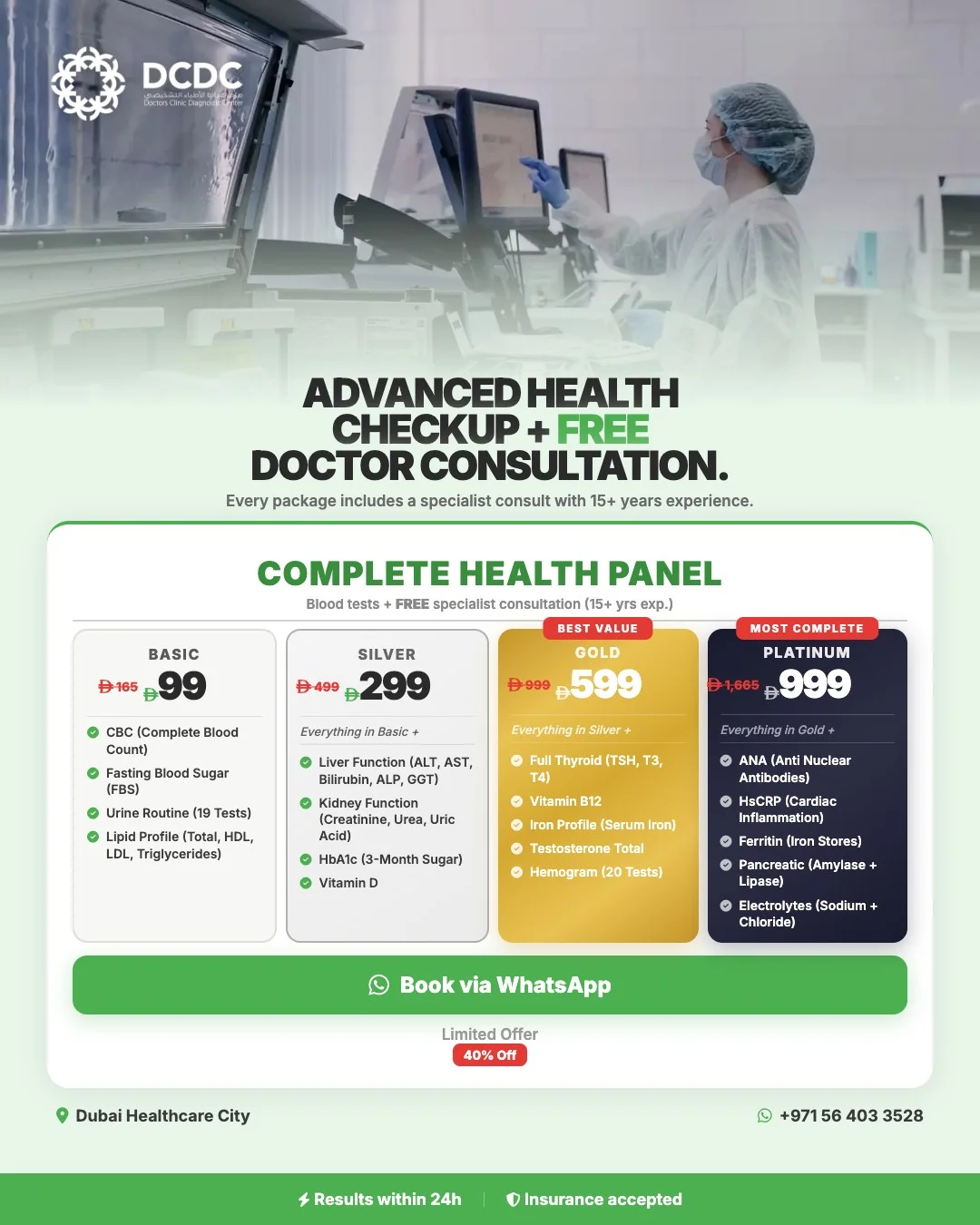
Complete Health Panel
Advanced health checkup with FREE specialist consultation. 4 tiers from basic blood work to full-body screening with 40+ biomarkers.
10–40+ tests included
What's Included
Who is this for?
Anyone wanting a comprehensive baseline health check with specialist consultation
Découvrez nos services
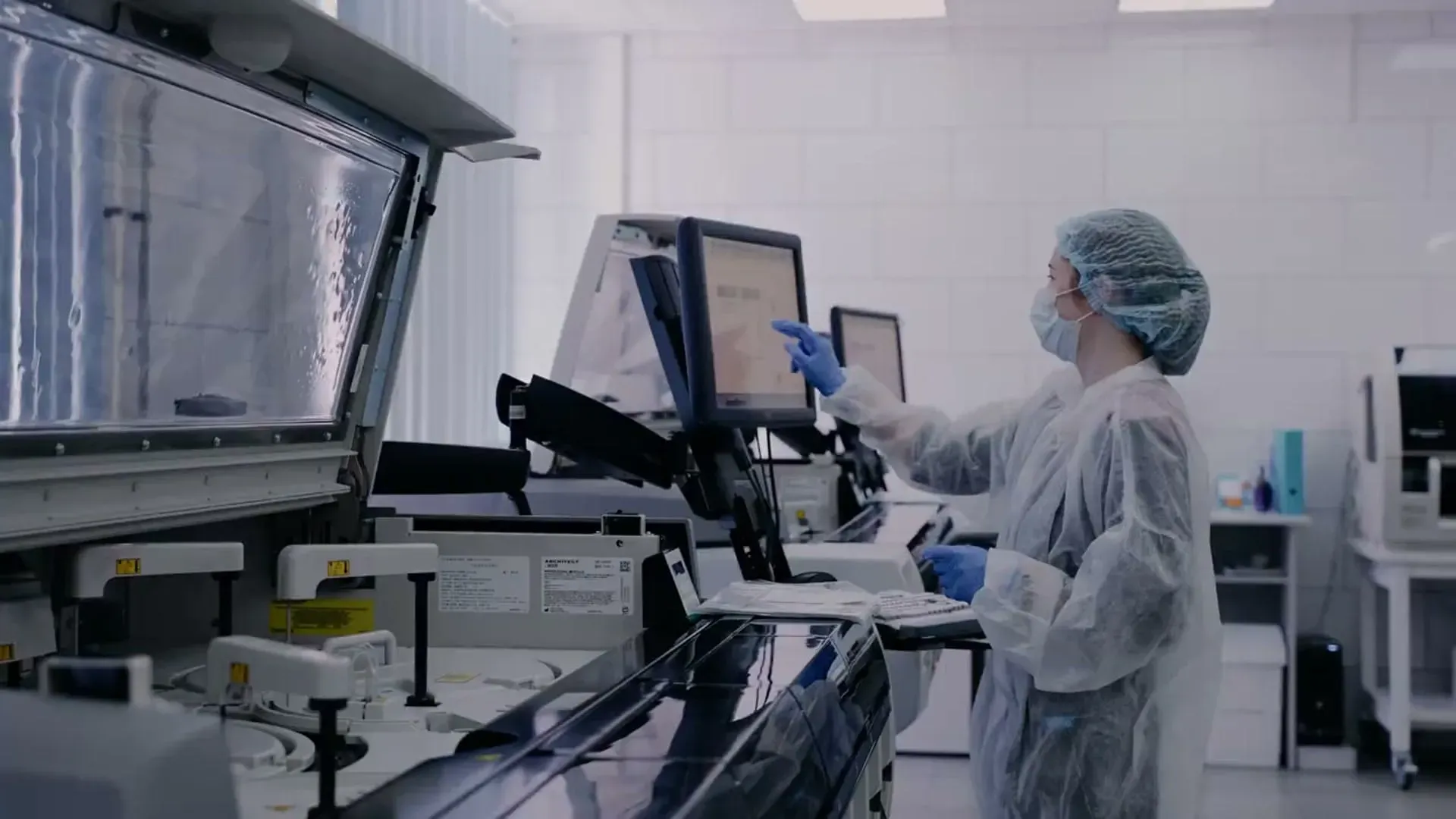
Services tests diabete complets au DCDC Dubai Healthcare City.
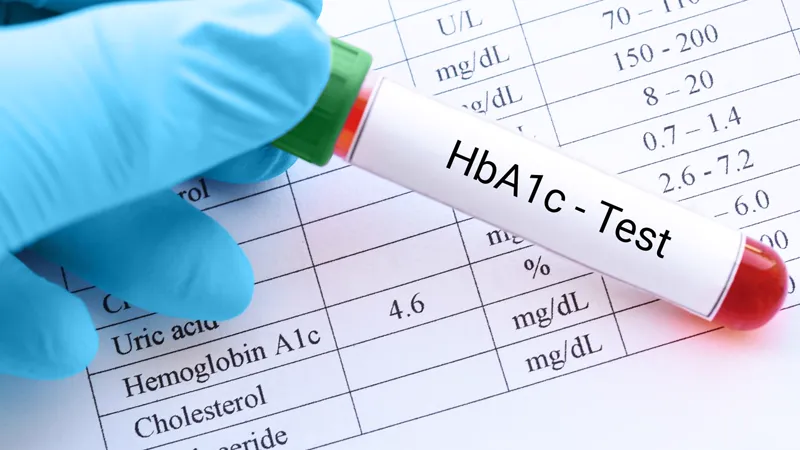
Glycémie à jeun
Mesure du glucose après 8 heures de jeûne. Référence pour le diagnostic et la surveillance.

HbA1c
Glycémie moyenne des 2-3 derniers mois. Étalon-or pour la gestion du diabète.
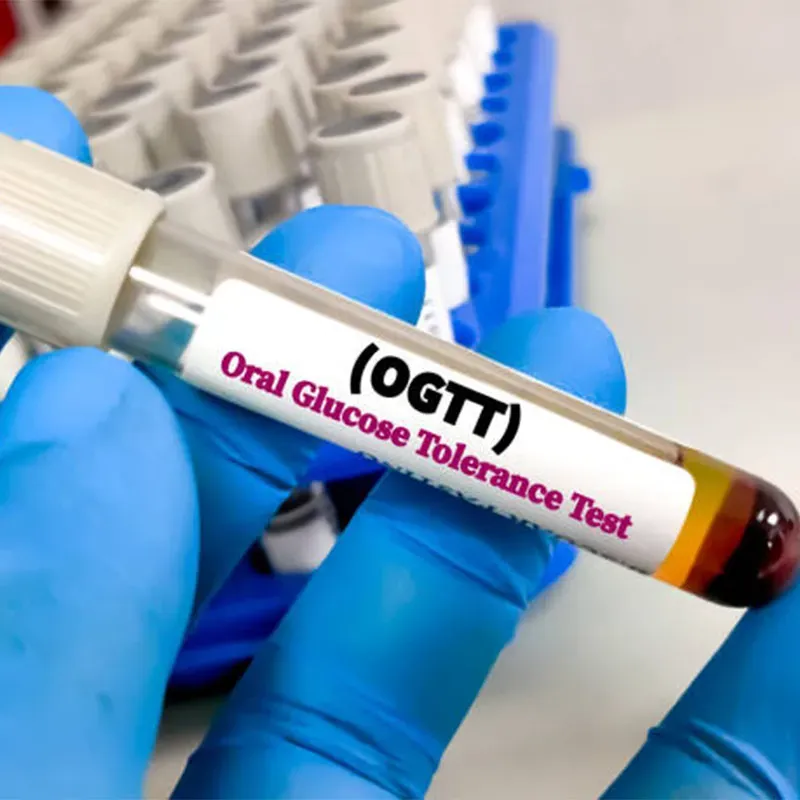
Test de tolérance au glucose (OGTT)
Détecte le prédiabète et le diabète gestationnel après ingestion de glucose.
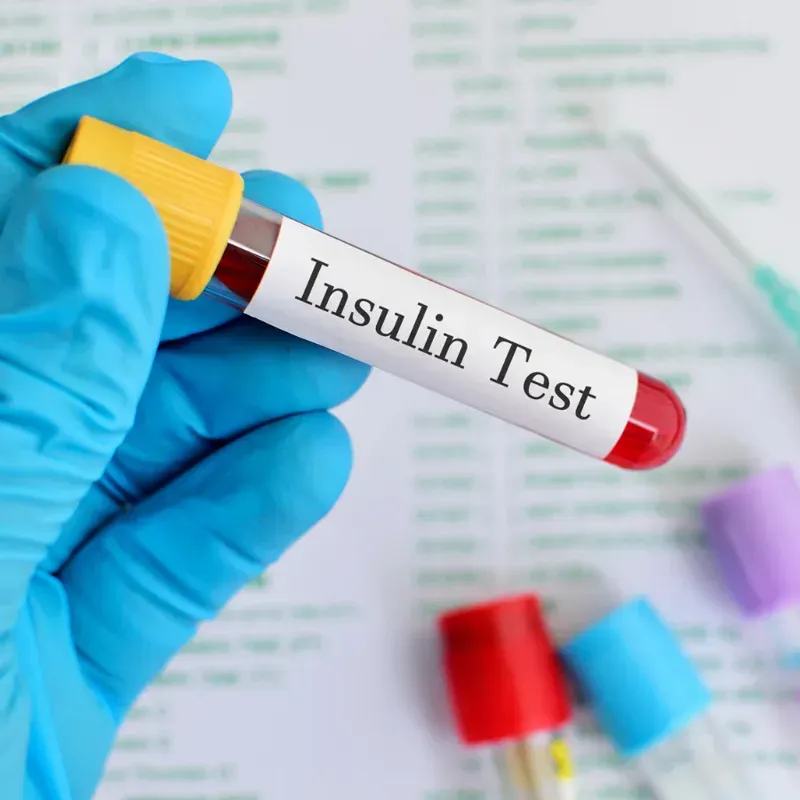
Insuline et C-Peptide
Mesure la production d'insuline endogène et distingue les deux types de diabète.
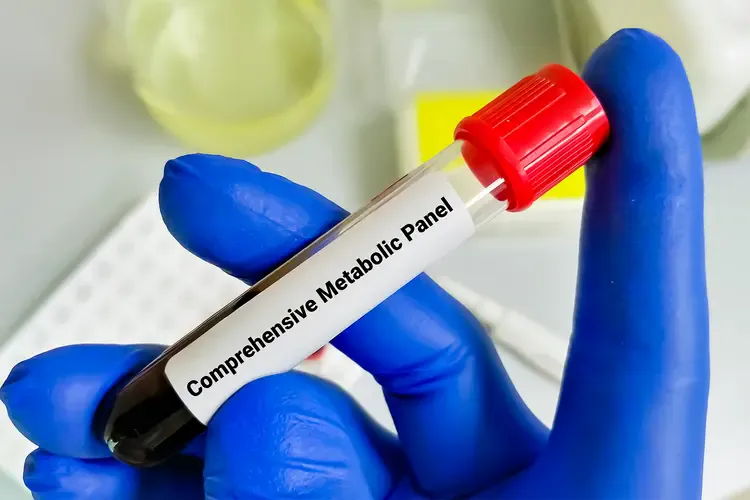
Tous les services realises par des specialistes agrees DHA
Diabetes Testing
Comprehensive diabetes screening in Dubai Healthcare City. HbA1c, fasting glucose, OGTT, and insulin resistance testing. Same-day results available. Book now.
Adults over 45 years for routine screening
Family history of diabetes (parent or sibling)
Overweight or obese individuals (BMI >25)
Symptoms like increased thirst, frequent urination, or fatigue
History of gestational diabetes or polycystic ovary syndrome
Existing diabetes patients for monitoring and management
Diabetes Testing au DCDC Dubai Healthcare City
Soins spécialisés
MOHAP Licensed
Accredited diagnostic laboratory with certified diabetes testing protocols.
Fast Results
Most diabetes tests ready within 24 hours for timely management decisions.
Insurance Support
Direct billing with 20+ insurers. Diabetes screening often covered as preventive care.
Convenient Location
Building 64, Block A in Dubai Healthcare City. Early morning fasting slots available.
Advanced Testing
NGSP-certified HbA1c analyzers for internationally standardized results.
Integrated Care
Direct pathway to diabetes specialists and nutritionists for comprehensive management.
Votre visite en tout confort
Un processus d'examen Diabetes simple, etape par etape, concu pour le confort, la rapidite et la precision.
Diabetes Testing
Les tarifs Diabetes à Dubaï varient selon le type de service et la couverture d'assurance pour différents types de tests.
- Les tarifs varient selon le type d'examen et la necessite de produit de contraste
- Couverture d'assurance acceptee avec ordonnance et verification
- Tarifs transparents pour paiement direct avec devis instantane sur demande
Verification d'assurance en quelques minutes - Pas de frais caches - Reponse rapide sur WhatsApp
Guide du patient
Diabetes Testing
Comprehensive diabetes screening in Dubai Healthcare City. HbA1c, fasting glucose, OGTT, and insulin resistance testing. Same-day results available. Book now.
Assurance et localisation
Partenaires d'assurance
- •Plus de 20 assureurs à Dubaï dont Daman, AXA, ADNIC et d'autres
- •Assistance pré-autorisation et facturation directe (le cas échéant)
- •Vérification de la couverture avant votre rendez-vous dans notre clinique de Dubai Healthcare City
- •Tarification transparente sans frais cachés pour les services de diabetes testing







Rendez-nous visite a Dubai Healthcare City
Doctors Clinic Diagnostic Center
Batiment 64, Bloc A, Al Razi Medical Complex, Dubai Healthcare City, Dubai, EAU
Pres de Oud Metha Road - Acces facile depuis Bur Dubai, Downtown Dubai, Business Bay - Parking gratuit dedie disponible
Horaires d'ouverture
Lun-Jeu, Sam : 8h - 22h30 | Dim : 8h30 - 22h30 | Ven : 9h - 22h
Comment fonctionne l'assurance chez DCDC
Vérifier la couverture
Vérifiez que votre plan couvre Diabetes Testing
Obtenir une référence
Certains assureurs exigent une référence du médecin — nous pouvons vous guider
Pré-autorisation
Nous gérons la pré-autorisation directement avec votre assureur
Facturation directe
Pas de paiement initial — nous facturons directement votre assureur
Co-paiement uniquement
Vous ne payez que le co-paiement applicable à la clinique
Vérifier la couverture
Vérifiez que votre plan couvre Diabetes Testing
Obtenir une référence
Certains assureurs exigent une référence du médecin — nous pouvons vous guider
Pré-autorisation
Nous gérons la pré-autorisation directement avec votre assureur
Facturation directe
Pas de paiement initial — nous facturons directement votre assureur
Co-paiement uniquement
Vous ne payez que le co-paiement applicable à la clinique
Your Specialist
Dr. Hadi Komshi
Specialist Internal Medicine
MD, Specialist Internal Medicine
Persian · Arabic · English
Conditions diagnostiquées par les tests du diabète
Diabète de type 2
Forme la plus courante, caractérisée par la résistance à l'insuline et une sécrétion d'insuline réduite. Diagnostiqué par FBS, HbA1c et OGTT.
Prédiabète
Stade intermédiaire avec légère élévation de la glycémie sans atteindre le seuil diagnostique, nécessitant des changements de mode de vie pour prévenir la progression.
Diabète gestationnel
Hyperglycémie pendant la grossesse augmentant les risques pour la mère et l'enfant, nécessitant une surveillance étroite.
Diabète de type 1
Maladie auto-immune avec destruction des cellules bêta et carence en insuline, nécessitant une insulinothérapie à vie.
Suivi des patients diabétiques
Mesure régulière de l'HbA1c tous les trois mois pour évaluer l'efficacité du traitement et ajuster les doses médicamenteuses.
Complications du diabète
L'hyperglycémie chronique endommage les reins, les yeux, les nerfs et le cœur. Le diagnostic précoce atténue la gravité des complications.
Services connexes
Decouvrez d'autres services de diagnostic et de consultation disponibles dans notre clinique de Dubai Healthcare City.
Questions frequentes
Questions courantes sur Diabetes Testing a Dubai.
Nous proposons Diabetes Testing à Dubai Healthcare City. Notre équipe de spécialistes expérimentés est disponible pour un examen et une consultation complète. Contactez-nous pour plus d'informations.
La durée varie selon chaque cas individuel. Notre équipe vous informera à l'avance du temps exact nécessaire. Contactez-nous pour prendre un rendez-vous.
La plupart des grandes assurances à Dubaï couvrent Diabetes Testing. Nous proposons une facturation directe avec plus de 20 compagnies d'assurance, dont Daman, AXA et Bupa. Contactez-nous pour vérifier votre couverture.
Notre équipe vous donnera des instructions de préparation spécifiques avant votre rendez-vous. En général, nous recommandons d'apporter tous vos médicaments actuels et vos dossiers médicaux pertinents.
Chez DCDC, nous proposons Diabetes Testing avec des spécialistes expérimentés, des équipements de pointe et des soins aux patients de premier ordre à Dubai Healthcare City. Notre établissement est agréé par MOHAP et suit des normes cliniques strictes.
Vous pouvez prendre rendez-vous pour Diabetes Testing par téléphone au +971 54 219 5008 ou via notre système de réservation en ligne. Nous proposons des horaires flexibles, y compris des rendez-vous le jour même si disponibles.
Faits cles
Supervision medicale
Tous les services sont fournis sous la supervision de professionnels medicaux agrees dans notre etablissement accredite MOHAP.