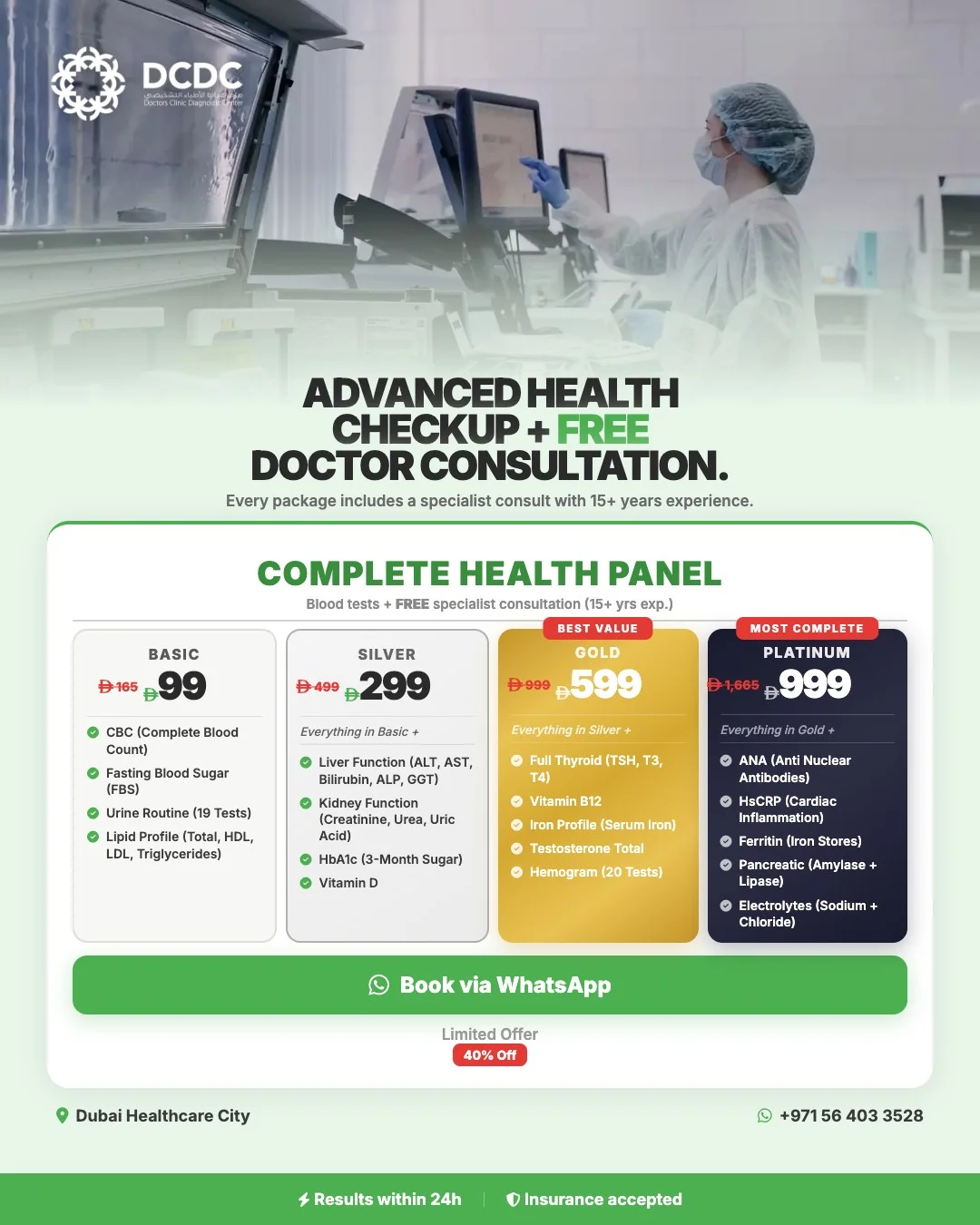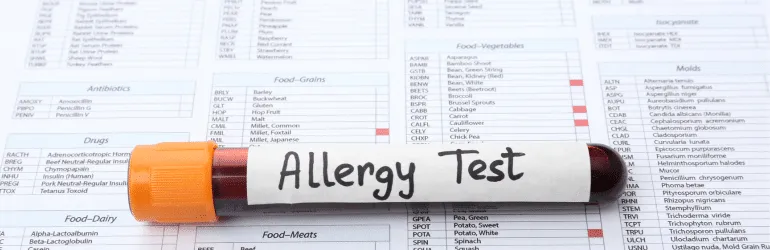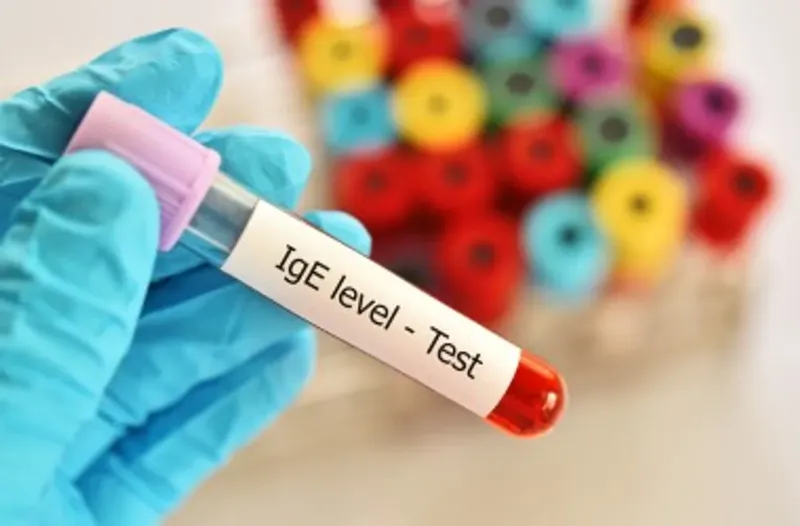

آزمایش پانل آلرژی پیشرفته
غربالگری IgE توسط متخصصان در دبی

رزرو نوبت
نظرات تأیید شده بیماران مرکز تشخیصی DCDC در دبی
نظرات تأیید شده و داستانهای واقعی بیماران از شهر سلامت دبی
از این کلینیک پزشکی بسیار راضی هستم. اولین غربالگری بارداری خود را اینجا انجام دادم. قیمت مناسب و بسیار حرفهای بود. رادیولوژیست خوشامدگو، مهربان بود و تجربه عالیای داشتم.
آیژان توکمانبتووا
جمعه شب زانویم آسیب دید و یکشنبه عصر وقت MRI گرفتم (یکشنبه بعدازظهر رزرو کردم). حدود ۲ دقیقه صبر کردم و در کمتر از ۳۰ دقیقه کارم تمام شد. تیم فوقالعاده، دوستانه و کارآمد بود.
کریستن اوانز
تیم دکتر اسامه مهربان و فوقالعاده بود. بعد از یک تجربه بد در جای دیگر، معاینه لگن من اینجا بسیار حرفهایتر بود. گزارش عالی و بسیار دقیق.
ماری




تستهای آلرژی در دبی: غربالگری جامع پانل IgE
عوامل تحریککننده آلرژی را با آزمایش خون دقیق شناسایی کنید

آزمایش آلرژی پیشرفته
آزمایش پانل آلرژی در مرکز DCDC شهر بهداشت دبی
تستهای آلرژی جامع در شهر بهداشت دبی. پانلهای IgE برای آلرژی غذایی، آلرژنهای محیطی و تنفسی. شناسایی دقیق عوامل تحریککننده و رزرو موعد.

آزمایش آلرژی پیشرفته
آزمایش پانل آلرژی در مرکز DCDC شهر بهداشت دبی
تستهای آلرژی در دبی: غربالگری جامع پانل IgE
عوامل تحریککننده آلرژی را با آزمایش خون دقیق شناسایی کنید
تستهای آلرژی جامع در شهر بهداشت دبی. پانلهای IgE برای آلرژی غذایی، آلرژنهای محیطی و تنفسی. شناسایی دقیق عوامل تحریککننده و رزرو موعد.
خدمات آزمایش پانل آلرژی ما
خدمات جامع آزمایش پانل آلرژی در DCDC شهر سلامت دبی.
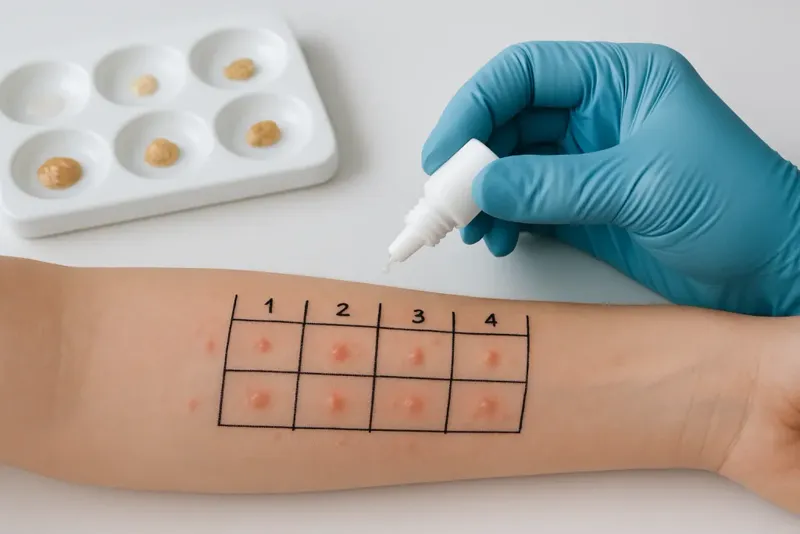
تمام خدمات توسط متخصصان دارای مجوز DHA انجام میشود
چه کسی نیاز به تست آلرژی دارد
توصیه میشود افرادی که دارای علائم آلرژی مکرر یا نامشخص هستند، تست آلرژی انجام دهند.
Unexplained skin rashes, hives, or eczema
Chronic nasal congestion, sneezing, or itchy eyes
Suspected food allergies or digestive symptoms after eating
Asthma symptoms or breathing difficulties
Family history of allergies or atopic conditions
Before starting immunotherapy or allergy shots
چرا DCDC را برای تست آلرژی انتخاب کنید
تجربه پزشکی قابلاعتماد در زمینه آلرژی
مجاز از MOHAP
تأیید شده توسط هیئت بهداشت دبی و مقامات اماراتی
متخصصان معتبر
تیم پزشکی متخصص در تشخیص و درمان آلرژی
تکنولوژی نوین
جدیدترین تجهیزات و آزمایشها برای تشخیص دقیق
Convenient Location
Building 64, Block A in Dubai Healthcare City. Walk-ins welcome.
Safe Testing
Blood-based IgE testing - no skin reactions or antihistamine restrictions.
Specialist Integration
Direct pathway to allergy and immunology specialists for comprehensive management.
مراجعه راحت شما
فرآیند اسکن آزمایش ساده و گام به گام که برای راحتی، سرعت و دقت طراحی شده است.
قیمتگذاری تست آلرژی
قیمت آزمایش در دبی بسته به نوع خدمت و پوشش بیمه برای انواع مختلف خدمات متفاوت است.
- قیمتها بسته به نوع اسکن و نیاز به ماده حاجب متفاوت است
- پوشش بیمه با ارجاع و تأیید پذیرفته میشود
- نرخهای شفاف پرداخت نقدی با قیمتگذاری فوری در صورت درخواست
تأیید بیمه در چند دقیقه • بدون هزینه پنهان • پاسخ سریع در واتساپ
راهنمای بیمار
چه انتظار داشته باشید از آزمایش
آزمایش ساده و ایمن است و از طریق گرفتن نمونه خون کوچک برای تحلیل در آزمایشگاه انجام میشود.
بیمه و موقعیت
شرکای بیمه
- •بیش از ۲۰ شرکت بیمه در دبی از جمله ضمان، آکسا، ادنیک و دیگران
- •پشتیبانی پیشتأیید و صورتحساب مستقیم (در صورت امکان)
- •بررسی پوشش بیمه قبل از نوبت شما در کلینیک ما در شهر بهداشت دبی
- •قیمتگذاری شفاف بدون هزینه پنهان برای خدمات آزمایش پانل آلرژی

به ما در شهر سلامت دبی سر بزنید
مرکز تشخیصی کلینیک پزشکان
ساختمان ۶۴، بلوک A، مجتمع پزشکی الرازی، شهر سلامت دبی، دبی، امارات متحده عربی
نزدیک جاده عود متحا · دسترسی آسان از بر دبی، داونتاون دبی، بیزینس بی · پارکینگ اختصاصی رایگان موجود
ساعات کاری
شنبه-پنجشنبه: ۸ صبح - ۱۰ شب | جمعه: ۹ صبح - ۹ شب
نحوه عملکرد بیمه در DCDC
بررسی پوشش
بررسی کنید که بیمه شما آزمایش پانل آلرژی را پوشش میدهد
دریافت ارجاع
برخی بیمهها نیاز به ارجاع پزشک عمومی دارند — ما راهنمایی میکنیم
پیشتأیید
ما پیشتأیید را مستقیماً با بیمهگر انجام میدهیم
فاکتور مستقیم
بدون پرداخت اولیه — ما مستقیماً با بیمهگر تسویه میکنیم
فقط سهم بیمار
فقط سهم بیمار قابل اعمال را در کلینیک پرداخت میکنید
بررسی پوشش
بررسی کنید که بیمه شما آزمایش پانل آلرژی را پوشش میدهد
دریافت ارجاع
برخی بیمهها نیاز به ارجاع پزشک عمومی دارند — ما راهنمایی میکنیم
پیشتأیید
ما پیشتأیید را مستقیماً با بیمهگر انجام میدهیم
فاکتور مستقیم
بدون پرداخت اولیه — ما مستقیماً با بیمهگر تسویه میکنیم
فقط سهم بیمار
فقط سهم بیمار قابل اعمال را در کلینیک پرداخت میکنید
راهنمای بیمار
Understanding Allergies: Causes, Testing, and Management
Allergies occur when the immune system overreacts to normally harmless substances called allergens, producing immunoglobulin E (IgE) antibodies that trigger inflammatory responses. When a sensitised individual encounters their allergen, IgE antibodies bound to mast cells and basophils trigger the release of histamine and other inflammatory mediators, causing symptoms ranging from sneezing, itching, and hives to potentially life-threatening anaphylaxis. Allergies are among the most common chronic conditions worldwide, affecting an estimated 30 to 40 percent of the global population, with prevalence increasing in urbanised environments due to environmental changes and the hygiene hypothesis.
Allergies are broadly categorised into food allergies, respiratory or environmental allergies, drug allergies, insect venom allergies, and contact allergies. Food allergies affect approximately 6 to 8 percent of children and 2 to 3 percent of adults, with the most common triggers being peanuts, tree nuts, cow's milk, eggs, wheat, soy, fish, and shellfish. Respiratory allergies including allergic rhinitis (hay fever) and allergic asthma are triggered by airborne allergens such as dust mites, pollen, mould spores, and animal dander. In Dubai, the combination of desert dust, high humidity in coastal areas, and prevalence of air conditioning creates a unique allergen landscape that affects both long-term residents and newcomers.
IgE blood testing, also known as specific IgE or RAST testing, has evolved significantly in accuracy and scope. Modern immunoassay platforms can quantify specific IgE levels for hundreds of individual allergens from a single blood sample. The quantitative results, reported in kU/L (kilo units per litre) and categorised into severity classes from 0 to 6, provide a graduated assessment of sensitisation rather than a simple positive or negative answer. Component-resolved diagnostics represent the latest advancement, testing for specific protein molecules within allergens to distinguish primary sensitisation from cross-reactivity, providing more precise information for dietary guidance and risk assessment.
Effective allergy management combines accurate identification of triggers through laboratory testing with a multi-faceted approach to treatment. Allergen avoidance remains the cornerstone of management, particularly for food allergies where there is no cure. Environmental modification including HEPA filtration, dust mite covers, humidity control, and pet management can significantly reduce respiratory allergen exposure. Pharmacotherapy with antihistamines, nasal corticosteroids, and leukotriene inhibitors controls symptoms in many patients. For those with persistent symptoms despite optimal medical therapy, allergen immunotherapy offers the potential for long-term tolerance by gradually desensitising the immune system. At DCDC, our comprehensive allergy testing provides the foundation for all these management strategies, ensuring treatment is targeted and effective.
Allergic Conditions We Test For
Food Allergies
IgE-mediated reactions to specific foods including nuts, dairy, eggs, wheat, seafood, soy, and sesame, with quantitative sensitisation levels.
Allergic Rhinitis
Hay fever caused by airborne allergens including dust mites, pollen, mould, and pet dander, identified through environmental allergy panels.
Allergic Asthma
Respiratory allergen triggers contributing to asthma symptoms, identified to guide environmental control and treatment strategies.
Atopic Dermatitis and Eczema
Identification of food and environmental allergen triggers exacerbating skin inflammation and chronic eczema.
Urticaria (Hives)
Investigation of allergen triggers causing acute or chronic hives, helping distinguish allergic from non-allergic causes.
Insect Venom Allergy
Testing for bee, wasp, and hornet venom IgE in patients with history of sting reactions to guide immunotherapy decisions.
مقالات مرتبط
Pediatric Imaging Safety: What Parents Should Know
Learn about safe diagnostic approaches for children, including blood-based allergy testing as an alternative to skin prick methods.
Child Fever Management: A Parent's Guide
Understand how allergies can contribute to childhood illness and when allergy testing may be recommended for recurrent symptoms.
Travel Vaccines Dubai Guide
Discover how identifying allergies before travel helps prepare for new environmental exposures and potential allergen encounters abroad.
خدمات مرتبط
سایر خدمات تشخیصی و مشاورهای موجود در کلینیک ما در شهر سلامت دبی را کاوش کنید.
سؤالات متداول
سؤالات متداول درباره آزمایش پانل آلرژی در دبی.
IgE blood tests measure specific allergy antibodies circulating in your blood from a single venous sample, while skin prick tests introduce small amounts of allergens directly into the skin surface and observe the reaction. Blood tests offer several advantages: they carry no risk of triggering an allergic reaction, are not affected by antihistamine use, can be performed on patients with severe eczema or skin conditions, and test for many allergens simultaneously from one sample. Skin prick tests provide faster results and may be more sensitive for certain allergens. Your physician will recommend the most appropriate method based on your clinical situation.
No, this is one of the key advantages of IgE blood testing over skin prick testing. Antihistamines, corticosteroids, and other allergy medications do not affect the measurement of specific IgE antibodies in your blood, so you can continue taking all your regular medications before the test. Skin prick tests, by contrast, require antihistamines to be stopped for several days beforehand. This makes blood testing particularly convenient for patients who cannot safely discontinue their allergy medications or who rely on antihistamines for daily symptom control.
Our standard food allergy panel tests for the most common allergenic foods including peanut, tree nuts such as almond, cashew, hazelnut, and walnut, cow's milk proteins, egg white and yolk, wheat, soy, fish, shellfish including shrimp and crab, sesame, and mustard. Extended panels can include additional foods such as banana, kiwi, avocado, celery, and specific spices. We can also customise panels to target specific suspected allergens based on your dietary history and symptoms. Each allergen is reported with a quantitative specific IgE level indicating the degree of sensitisation.
A food allergy involves the immune system producing IgE antibodies against specific food proteins, causing reactions that can range from hives and swelling to anaphylaxis. Reactions typically occur within minutes to hours of exposure. Food intolerance, such as lactose intolerance, involves digestive mechanisms rather than immune responses, causing bloating, gas, diarrhoea, or abdominal pain without IgE involvement. IgE blood tests identify true immune-mediated allergies only. Intolerances require different diagnostic approaches including elimination diets, hydrogen breath tests, or enzyme activity tests. Our physicians can guide you toward the appropriate testing based on your symptoms.
A positive specific IgE result indicates that your immune system has produced antibodies against that particular allergen, a process called sensitisation. However, sensitisation does not always correlate with clinical symptoms. Some individuals test positive but tolerate the allergen without problems. Results must be interpreted alongside your symptom history, timing of reactions, and exposure patterns. Higher IgE levels generally correlate with a greater likelihood of clinical allergy. Your physician will explain which positive results are clinically significant and develop a practical management plan including avoidance strategies, emergency preparedness, and potential treatment options.
Modern specific IgE blood tests are highly accurate for detecting allergen sensitisation, with sensitivity and specificity varying by allergen type. Higher IgE levels correlate with increased probability of true clinical allergy. The tests are most accurate when interpreted in the context of your clinical history by an experienced physician. False positives can occur due to cross-reactivity between related allergens, such as birch pollen and certain fruits. False negatives are uncommon but can occur with very low levels of sensitisation. For ambiguous results, additional testing such as component-resolved diagnostics or supervised oral food challenges may be recommended.
Dubai's desert climate and urban environment create a specific allergen profile. Dust mites are the most prevalent indoor allergen, thriving in air-conditioned environments with soft furnishings. Desert sand dust and date palm pollen are significant outdoor triggers, particularly during spring and autumn. Cat and dog dander affect pet-owning households. Mould spores from humid bathrooms and air conditioning systems are another common trigger. Cockroach allergens are present in many urban environments. Our environmental allergy panel is designed to cover the allergens most relevant to the UAE, helping identify triggers specific to your living and working conditions.
Yes, IgE blood testing is safe and appropriate for children of all ages, including infants. It is often the preferred method for young children because it requires only a single blood draw rather than multiple skin pricks, causes no allergic reactions, and is not affected by antihistamine use. Paediatric food allergy testing is particularly important for identifying common childhood allergens such as cow's milk, egg, peanut, and wheat. Early identification allows for appropriate dietary management and emergency preparedness. Our experienced paediatric phlebotomists ensure the blood collection process is as comfortable as possible for young patients.
اطلاعات کلیدی
نظارت پزشکی
تمام خدمات تحت نظارت متخصصین پزشکی دارای مجوز در مرکز معتبر وزارت بهداشت ارائه میشود.