نکات کلیدی
- Colorectal cancer screening should begin at age 45 for average-risk adults — the ACS lowered the age from 50 in 2018 due to rising rates in younger people
- Colonoscopy remains the gold standard because it both detects and removes precancerous polyps in a single procedure, effectively preventing cancer
- If you cannot or prefer not to do colonoscopy, FIT (faecal immunochemical test) done annually is a proven alternative with high sensitivity for colorectal cancer
- People with a first-degree relative with colorectal cancer should start screening at age 40 or 10 years before the relative's diagnosis age — whichever is earlier
- Colorectal cancer has a 91% five-year survival rate when detected at stage I, dropping to just 14% at stage IV — screening closes this gap
Colorectal cancer is the second most common cancer in the UAE and the third most common cancer worldwide. It is also one of the most preventable cancers in existence — and that paradox is entirely about screening. During a colonoscopy, doctors can find and remove precancerous polyps before they ever become cancer. A simple stool test done at home can detect blood invisible to the naked eye, signalling the need for further investigation. Yet despite these effective screening tools, colorectal cancer rates in people under 50 have been rising steadily for the past two decades, prompting the American Cancer Society to lower the recommended screening start age from 50 to 45 in 2018. If you are 45 or older and have not been screened, this guide will help you understand your options, make an informed choice, and take action. Our Health Checkup service at DCDC offers same-day appointments in Dubai Healthcare City.
The number of screening options can feel overwhelming: colonoscopy, CT colonography, FIT, FOBT, Cologuard, sigmoidoscopy. Each has different advantages, limitations, costs, and recommended frequencies. This evidence-based guide compares all available methods, explains who needs early screening, walks through the risk factors and warning symptoms, and provides a clear decision framework to help you choose the right test. Your health checkup consultation at DCDC can include a personalised colorectal cancer risk assessment.
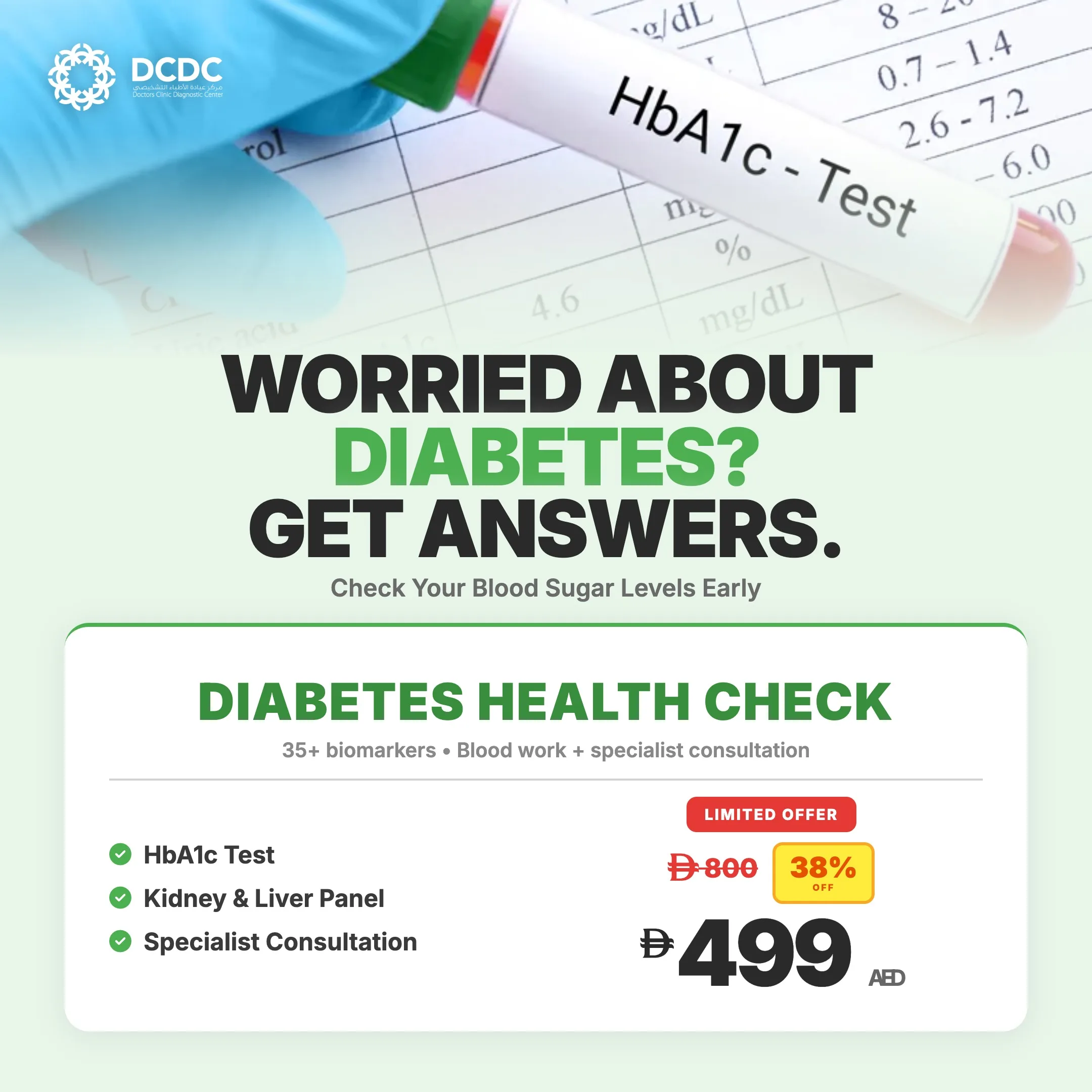
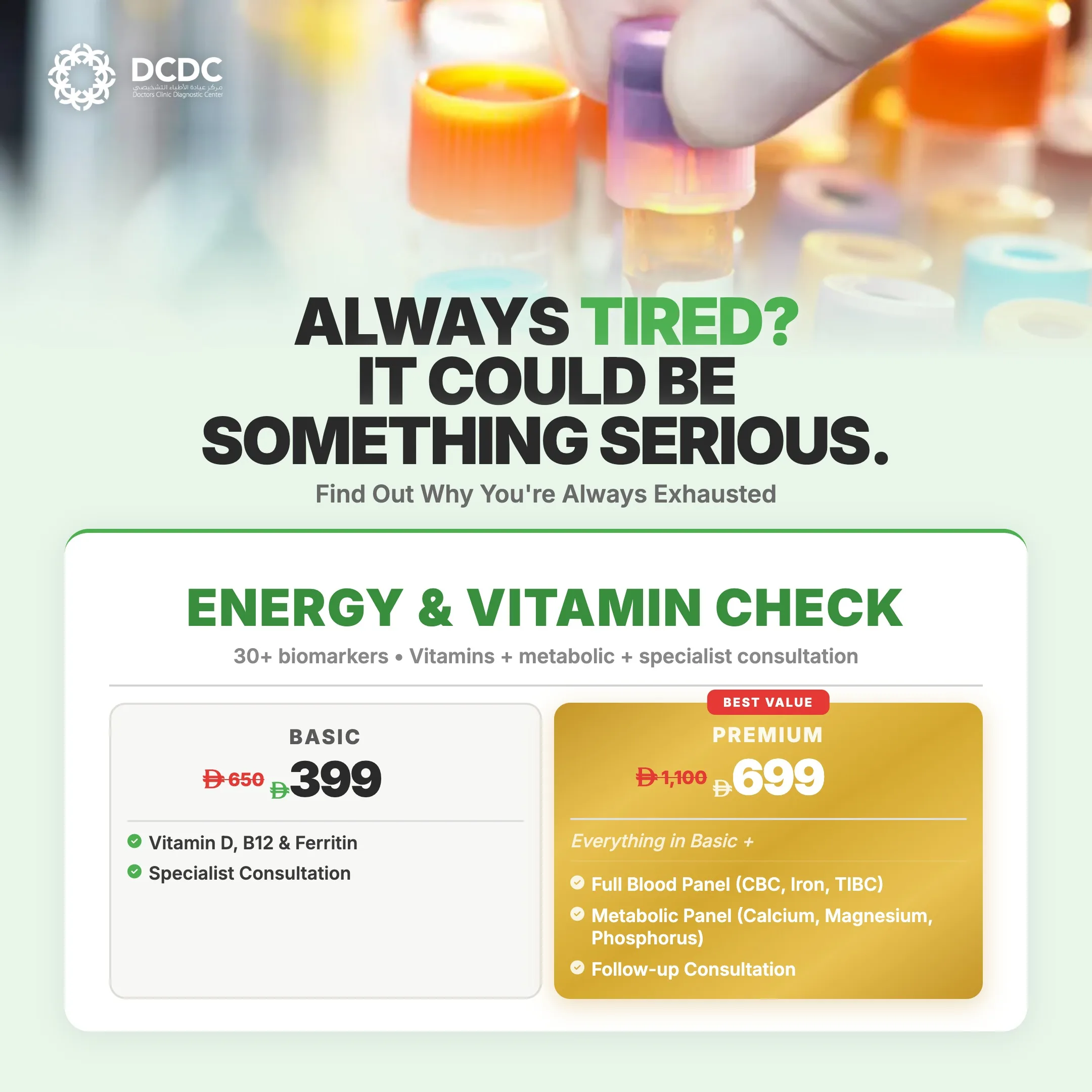
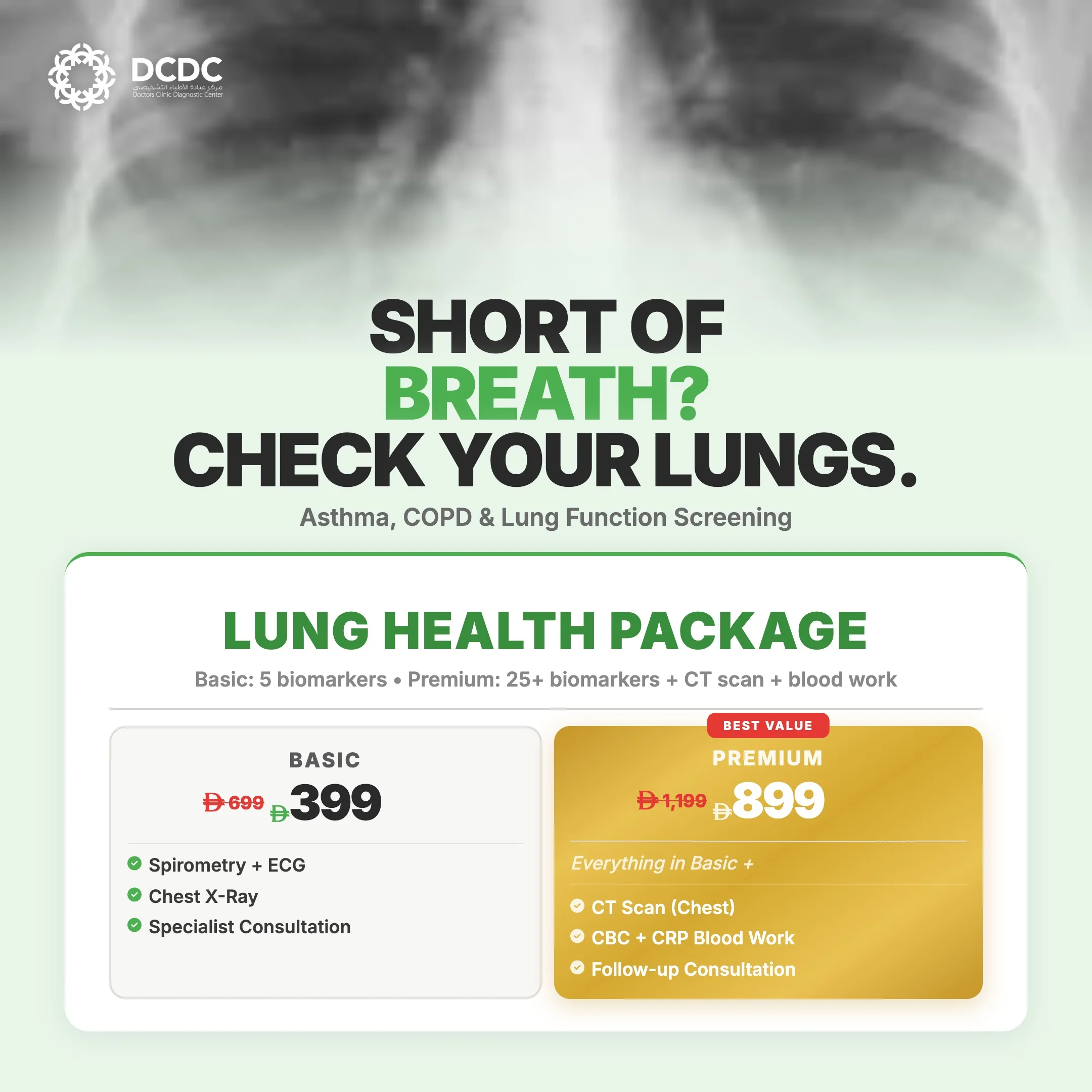
Health Screening Packages
Save with our bundled screening packages — specialist consultation included



Why Colorectal Cancer Is One of the Most Preventable Cancers
Unlike most cancers, colorectal cancer follows a predictable progression from normal tissue to precancerous polyp to invasive cancer over a period of 10 to 15 years. This slow progression creates a uniquely large window for intervention. During a colonoscopy, a gastroenterologist can identify adenomatous polyps — the type that have the potential to become cancerous — and remove them on the spot through a painless procedure called polypectomy. Once a polyp is removed, it can never become cancer. This is why colonoscopy is not just a screening test but a cancer prevention procedure.
The evidence for this prevention effect is striking. A landmark study published in the New England Journal of Medicine found that removing adenomatous polyps during colonoscopy reduced colorectal cancer incidence by 76-90% and colorectal cancer mortality by 53% over long-term follow-up. Population-level data from countries with established screening programmes shows consistent declines in both colorectal cancer incidence and mortality as screening rates increase. In the United States, colorectal cancer death rates have fallen by more than 50% since 1970, largely attributable to screening.
The survival statistics tell an equally compelling story. Stage I colorectal cancer has a five-year survival rate of 91%. Stage II drops to 72%. Stage III is 65%. And stage IV — when the cancer has spread to distant organs like the liver or lungs — plummets to just 14%. Screening shifts diagnoses toward earlier stages, and that shift directly saves lives. Every year you delay screening after becoming eligible is a year in which a growing polyp could cross the line from precancerous to cancerous.
Screening Methods Compared: Colonoscopy, CT Colonography, FIT, and Cologuard
There is no single "best" colorectal cancer screening test — the best test is the one you actually do. That said, the available methods differ significantly in their accuracy, convenience, invasiveness, and cost. Understanding these differences will help you make an informed choice with your doctor.
Colonoscopy
Colonoscopy is the gold standard for colorectal cancer screening. A gastroenterologist inserts a flexible, lighted scope through the rectum and examines the entire colon, from the rectum to the caecum. The procedure takes 30-60 minutes and is performed under sedation — most patients report no discomfort and have little memory of the procedure. The major advantage is that colonoscopy is both diagnostic and therapeutic: if polyps are found, they are removed immediately, eliminating any cancer risk from those polyps. Colonoscopy detects 95% of large polyps (10mm or larger) and 75-93% of advanced adenomas. If the results are completely normal (no polyps found), the screening interval is 10 years.
The downside of colonoscopy is the preparation: the day before the procedure, you must drink a bowel preparation solution that causes diarrhoea to empty the colon completely. Most patients find the prep more unpleasant than the procedure itself. There is also a small but real risk of complications — perforation occurs in approximately 1 in 1,000 to 1 in 2,500 procedures, and significant bleeding occurs in about 1 in 100 polypectomies. These risks are low but not zero, which is why colonoscopy is recommended at intervals rather than annually.
CT Colonography (Virtual Colonoscopy)
CT colonography, sometimes called virtual colonoscopy, uses a CT scanner to create detailed 3D images of the colon. It requires the same bowel preparation as a traditional colonoscopy but does not require sedation, takes only 10-15 minutes, and has no risk of perforation from the scope. CT colonography detects about 90% of polyps 10mm or larger, making it comparable to colonoscopy for large polyps. However, it cannot remove polyps — if something suspicious is found, you will still need a traditional colonoscopy for polypectomy. The recommended screening interval is every 5 years. CT colonography is a good option for patients who cannot undergo sedation, are on blood thinners, or prefer a less invasive approach.
FIT (Faecal Immunochemical Test)
FIT is a simple stool test you can do at home. It detects hidden blood (occult blood) in the stool using antibodies specific to human haemoglobin. Colorectal cancers and large polyps often bleed intermittently, and FIT can detect this microscopic blood. FIT has a sensitivity of approximately 74-79% for colorectal cancer (meaning it catches about three-quarters of cancers) and 24-30% for advanced adenomas per single test. However, because it is done annually, the cumulative sensitivity over several years of testing approaches that of colonoscopy. FIT requires no bowel preparation, no dietary restrictions, no time off work, and is completely painless. A positive FIT result always requires follow-up colonoscopy.
Stool DNA Test (Cologuard)
Cologuard combines FIT with DNA markers shed by colorectal cancer and advanced polyps into the stool. It has higher sensitivity than FIT alone — approximately 92% for colorectal cancer and 42% for advanced adenomas — but also a higher false positive rate (about 13% in people without cancer or advanced adenomas). The recommended interval is every 3 years. Like FIT, a positive result requires follow-up colonoscopy. Cologuard is more expensive than FIT but offers better single-test sensitivity.
| Screening Method | Sensitivity (Cancer) | Interval | Prep Required | Sedation | Approximate Cost (Dubai) |
|---|---|---|---|---|---|
| Colonoscopy | 95% | Every 10 years | Yes (bowel prep) | Yes | AED 3,000-6,000 |
| CT colonography | 90% (large polyps) | Every 5 years | Yes (bowel prep) | No | AED 1,500-3,000 |
| FIT | 74-79% | Every year | No | No | AED 100-300 |
| Cologuard (stool DNA) | 92% | Every 3 years | No | No | AED 1,500-3,000 |
| gFOBT | 62-79% | Every year | Dietary restrictions | No | AED 50-150 |
| Flexible sigmoidoscopy | 70% (only lower colon) | Every 5-10 years | Minimal prep | Optional | AED 1,500-3,000 |
Comparison of colorectal cancer screening methods
When to Start Screening: Age 45 Is the New 50
For decades, colorectal cancer screening was recommended starting at age 50. In 2018, the American Cancer Society lowered the starting age to 45 based on alarming data: colorectal cancer incidence in adults aged 20-49 had been rising by approximately 2% per year since the mid-1990s. By 2030, colon cancer incidence is projected to increase by 90% in people aged 20-34 and by 28% in people aged 35-49. The causes of this increase in younger adults are not fully understood but likely include changes in diet, obesity rates, sedentary lifestyles, and gut microbiome composition. For related information, see our guide on Lung Cancer Screening: LDCT Early Detection.
The USPSTF followed suit in 2021, issuing a B recommendation for screening all adults aged 45-49 (a significant upgrade from the previous C recommendation). This means that screening at 45 is now endorsed by both the ACS and USPSTF — the two most influential guideline bodies in preventive medicine. Insurance coverage in the US now typically includes screening from age 45, and this trend is gradually extending to international insurance plans in Dubai.
- Average risk, age 45+: Begin screening with colonoscopy every 10 years, FIT annually, or another approved method at appropriate intervals
- Family history (first-degree relative): Start at age 40, or 10 years before the relative's age at diagnosis — whichever is earlier. Colonoscopy every 5 years is recommended
- Lynch syndrome or FAP: Colonoscopy starting at age 20-25 (FAP) or 20-25 (Lynch), with intervals of 1-2 years depending on findings
- Inflammatory bowel disease: Colonoscopy beginning 8-10 years after diagnosis, then every 1-3 years depending on extent and severity of disease
- Personal history of polyps: Follow-up colonoscopy in 3-5 years depending on the number, size, and histology of polyps removed
- Prior colorectal cancer: Surveillance colonoscopy at 1 year after surgical resection, then at 3 years, then every 5 years if normal
Discuss Your Screening Options
Not sure which colorectal screening test is right for you? Book a health checkup consultation at DCDC Dubai Healthcare City for a personalised risk assessment.
Risk Factors and Warning Symptoms You Should Not Ignore
While screening is designed for people without symptoms, understanding the risk factors for colorectal cancer helps determine when to start screening and which method to choose. Similarly, recognising warning symptoms ensures you seek evaluation promptly rather than waiting for your next scheduled screening.
Risk Factors
- Age: Risk increases significantly after age 45, with the majority of cases diagnosed after age 50
- Family history: Having a first-degree relative with colorectal cancer or advanced adenomas doubles your risk; multiple affected relatives or early-onset family cases increase risk further
- Genetic syndromes: Lynch syndrome (hereditary nonpolyposis colorectal cancer) carries a 40-80% lifetime risk; familial adenomatous polyposis (FAP) causes near-100% risk without intervention
- Inflammatory bowel disease: Crohn's disease or ulcerative colitis involving the colon significantly increases risk, proportional to duration and extent of disease
- Diet: High consumption of red meat (especially processed meat), low fibre intake, and diets high in ultra-processed foods are associated with increased risk
- Obesity and sedentary lifestyle: BMI above 30 increases colorectal cancer risk by 30%; regular physical activity reduces risk by 20-25%
- Smoking and alcohol: Long-term smoking increases risk by 18%; heavy alcohol consumption (more than 2 drinks daily) increases risk by 20-40%
- Type 2 diabetes: Independent risk factor, increasing colorectal cancer risk by approximately 30%
Warning Symptoms
If you experience any of the following symptoms, see a doctor promptly regardless of your age or screening status. These symptoms do not necessarily mean you have cancer — most have benign explanations — but they warrant medical evaluation: a change in bowel habits lasting more than two weeks (persistent diarrhoea, constipation, or narrowing of stool), rectal bleeding or blood in the stool (even if you have haemorrhoids, new bleeding should be evaluated), persistent abdominal cramping, gas, or pain, unexplained weight loss, fatigue and weakness not explained by other conditions, or a feeling that the bowel does not empty completely.
How to Choose the Right Screening Test for You
The decision tree for choosing a colorectal cancer screening test is simpler than it may seem. The most important principle is that any screening is better than no screening. If cost, fear, or inconvenience has kept you from getting screened, a simple FIT test at home is vastly better than doing nothing. That said, here is a framework for choosing:
- If you are average risk and willing to do prep: Colonoscopy every 10 years is the most thorough option — it both detects and prevents cancer in one procedure
- If you are average risk and want a non-invasive option: Annual FIT testing is well-validated and catches the vast majority of cancers over time — just remember to do it every year
- If you want higher accuracy without colonoscopy: Stool DNA test (Cologuard) every 3 years offers better single-test sensitivity than FIT
- If you have elevated risk (family history, IBD, prior polyps): Colonoscopy is strongly recommended — stool tests are not adequate for high-risk individuals
- If you cannot undergo sedation: CT colonography every 5 years provides colonoscopy-level detection for large polyps without sedation
- If cost is a primary concern: FIT is the most affordable option at AED 100-300 per year and is available at DCDC's laboratory
At your health checkup at DCDC Dubai Healthcare City, our physicians will assess your individual risk profile — including family history, personal medical history, lifestyle factors, and any symptoms — and recommend the most appropriate screening strategy. We coordinate referrals for colonoscopy and provide FIT testing and laboratory workup in-house, ensuring a seamless screening experience.
Screening Costs in Dubai and Insurance Coverage
The cost of colorectal cancer screening in Dubai varies significantly by method. FIT is the most affordable at AED 100-300 per test. CT colonography typically costs AED 1,500-3,000. Colonoscopy is the most expensive, ranging from AED 3,000-6,000 depending on the facility, whether polyps are removed, and the type of sedation used. However, when considering cost, remember that a single colonoscopy every 10 years (AED 3,000-6,000 total) costs less over a decade than annual FIT testing (AED 1,000-3,000 cumulative) plus the colonoscopy you will likely need if any FIT returns positive. You may also find our Blood Tests for Cancer: Tumor Markers Explained helpful.
Most DHA-compliant insurance plans in Dubai cover preventive cancer screening, including colonoscopy and FIT, when ordered by a physician. Coverage may require a referral letter, pre-authorisation (especially for colonoscopy), and documentation of age-based eligibility or risk factors. The Dubai Health Authority mandates that all basic insurance plans include preventive care benefits, though specific coverage varies between plans. At DCDC, our team can help verify your insurance coverage before your appointment and coordinate any necessary pre-authorisations.
Regardless of insurance, the cost of screening pales in comparison to the cost of treating advanced colorectal cancer, which can exceed AED 200,000-500,000 for chemotherapy, surgery, and ongoing care. Early detection through screening is not just better medicine — it is also dramatically more cost-effective.
Book Your Colorectal Cancer Screening
Whether you prefer colonoscopy or a simple stool test, DCDC Dubai Healthcare City can get you started with the right screening for your risk level.
FIT testing and specialist referrals available
خدمات مرتبط در DCDC
مراقبت تخصصی و تشخیص پیشرفته در شهر بهداشت دبی
Frequently Asked Questions
The Screening Test That Prevents Cancer
Colorectal cancer screening is unique in medicine because it does not just detect cancer early — it can actually prevent cancer by finding and removing precancerous polyps before they transform. No other common cancer screening test offers this prevention benefit. A colonoscopy at age 45 that removes a polyp could prevent a cancer that would otherwise develop at age 55. That is not early detection — that is prevention.
If the thought of colonoscopy prep puts you off, remember that a FIT test done at home every year is a perfectly valid alternative for average-risk individuals. The key is to do something. Doing nothing is the only truly bad option. Every year of delay after age 45 is a year in which a growing polyp could become cancer — and once it does, the survival odds change dramatically.
At DCDC Dubai Healthcare City, we offer comprehensive colorectal cancer risk assessment as part of our health checkup programme. Whether you need FIT testing, a specialist referral for colonoscopy, or simply want to discuss your risk factors and screening options, our team is here to guide you through the process. Do not let uncertainty or procrastination cost you the advantage that screening provides.
منابع و مراجع
این مقاله توسط تیم پزشکی ما بررسی شده و به منابع زیر ارجاع میدهد:
- American Cancer Society — Colorectal Cancer Screening Guidelines (2018)
- USPSTF — Colorectal Cancer Screening Recommendation (2021)
- National Cancer Institute — SEER Cancer Statistics
- New England Journal of Medicine — Colonoscopy and Prevention of Colorectal Cancer
- American Gastroenterological Association — CRC Screening Guidelines
محتوای پزشکی این سایت توسط پزشکان دارای مجوز DHA بررسی میشود. مشاهده سیاست تحریریه برای اطلاعات بیشتر.

نوشته شده توسط
Dr. Hadi Komshi
Specialist Internal Medicine
MD, Internal Medicine Specialist
Dr. Hadi Komshi is a Specialist in Internal Medicine with expertise in preventive health, chronic disease management, and executive wellness programs. He practices at DCDC Dubai Healthcare City.
Related Articles
Cancer Screening in Dubai: Tests, Costs & What You Need
Blood Tests for Cancer: Tumor Markers Explained
Executive Health Checkup: Why You Need One

Health Checkup Cost Dubai: Complete Guide
More in Preventive Health

Flu Vaccine Cost Dubai: Guide & Prices (2026)
بیشتر بخوانیدFull Body Checkup Cost Dubai: From AED 249 (2026)
بیشتر بخوانید
PSA Test Dubai: Prostate Screening Guide (2026)
بیشتر بخوانید
Premarital Screening Dubai: Tests & Cost (2026)
بیشتر بخوانیدHPV Vaccine Dubai: Gardasil 9 Cost & Guide (2026)
بیشتر بخوانید
Men's Health Screening Dubai: Tests by Age (2026)
بیشتر بخوانید© 2026 Doctors Clinic Diagnostic Center (DCDC), Dubai Healthcare City. Originally published at https://doctorsclinicdubai.ae/blog/colon-cancer-screening-guide. All rights reserved. Unauthorized reproduction is prohibited.