
Zum Hauptinhalt springen
DCDC, Dubai Healthcare City, Dubai, VAE
DCDC
4.8

Termin vereinbaren

VERIFIZIERTE PATIENTENBERICHTE

Verifizierte Patientenbewertungen des DCDC Diagnosezentrum in Dubai

Verifizierte Bewertungen und echte Patientenberichte aus Dubai Healthcare City

4.8 / 5aus über 1.000 Bewertungen

Ich bin sehr zufrieden mit dieser medizinischen Klinik. Ich hatte hier mein erstes Schwangerschaftsscreening. Es war erschwinglich und sehr professionell. Der Radiologe war einladend, freundlich und machte die Erfahrung großartig.

A

Aizhan Tokmanbetova

Verifizierter Patient

Am Freitagabend habe ich mir das Knie verletzt und am Sonntagabend einen MRT-Termin bekommen (am Sonntagnachmittag gebucht). Ich habe etwa 2 Minuten gewartet und war in etwas mehr als 30 Minuten fertig. Das Team war erstaunlich, freundlich und effizient.

K

Kirsten Evans

Verifizierter Patient

Das Team von Dr. Osama war sanft und erstaunlich. Nach einer schlechten Erfahrung anderswo war meine Beckenuntersuchung hier viel professioneller. Toller Bericht und sehr präzise.

M

Mary

Verifizierter Patient

Ausgezeichneter Service und hilfsbereite Rezeption. Frau Cleous hat alles reibungslos organisiert, und Dr. Ziryab war sachkundig und professionell.

D

Dominic Patino

Verifizierter Patient

Hervorragende MRT-Erfahrung, saubere Einrichtung, freundliches Personal, klare Erklärungen und ein reibungsloser Ablauf. Die Ergebnisse waren schnell und detailliert, und der Radiologe nahm sich Zeit, die Befunde zu erklären.

M

Mahmoud Mounir

Verifizierter Patient

Tolle Ultraschallerfahrung, freundliches Personal und angemessene Preise. Qualitätsversorgung zu erschwinglichen Kosten.

K

Komal Ahmed

Verifizierter Patient
Verifizierter Patientenbericht

Diabetes Testing in Dubai: Comprehensive Blood Sugar Screening

Early detection and monitoring for optimal diabetes management
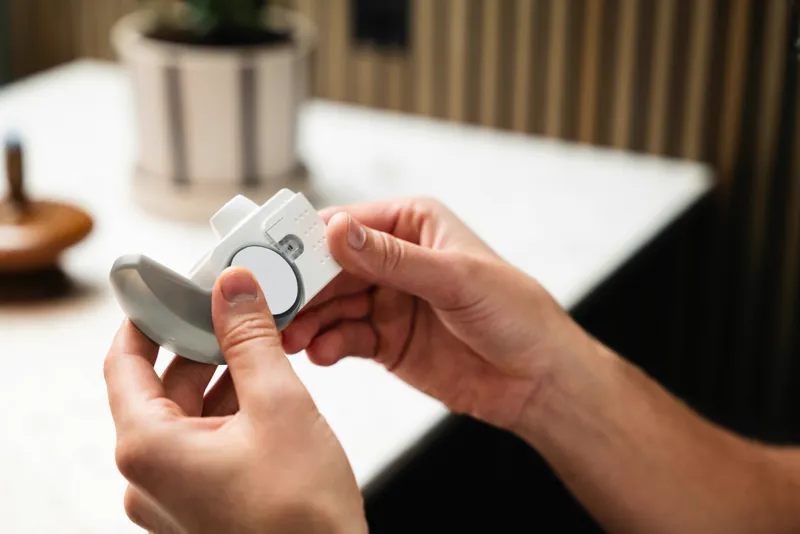
Diabetes Testing bei DCDC Dubai Healthcare City
Ergebnisse am selben Tag

Fachärztliche Versorgung

Diabetes Testing bei DCDC Dubai Healthcare City

Termin für Diabetestest buchen

Comprehensive diabetes screening in Dubai Healthcare City. HbA1c, fasting glucose, OGTT, and insulin resistance testing. Same-day results available. Book now.

Unsere Diabetestest Leistungen

Umfassende diabetestest Leistungen im DCDC Dubai Healthcare City.
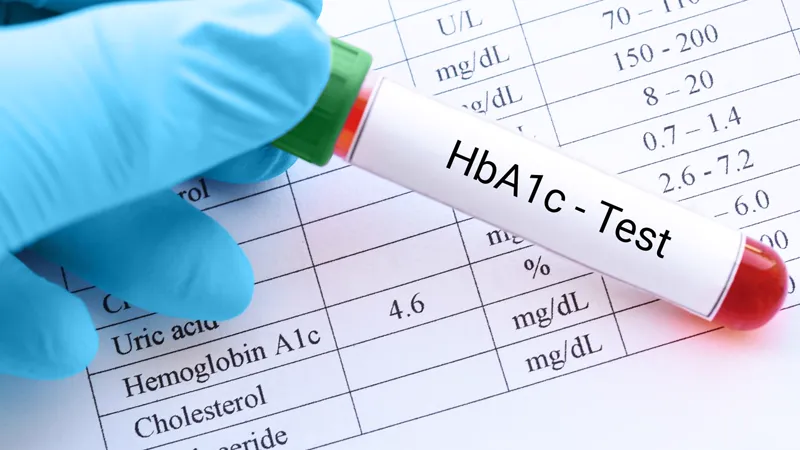
HbA1c Test - DCDC

HbA1c Test

Glycated hemoglobin showing 3-month average blood sugar control.

Fasting Glucose - DCDC

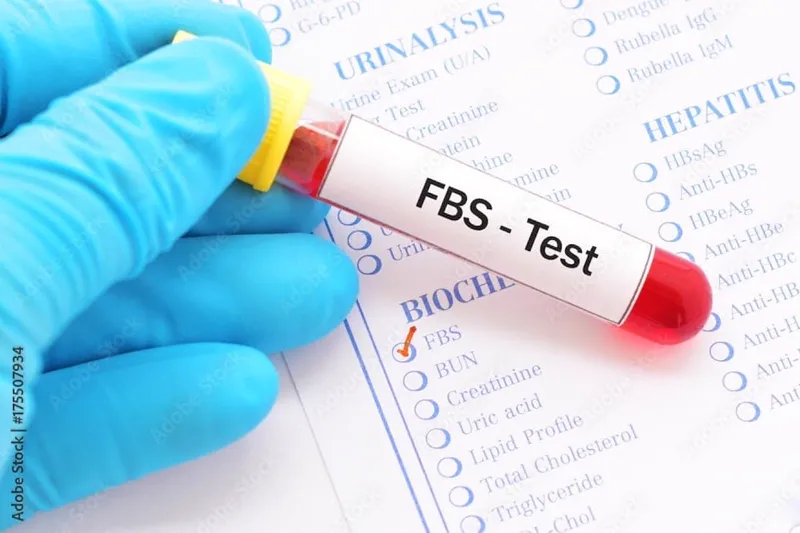
Fasting Glucose

Baseline blood sugar measurement after 8-12 hour fast.

OGTT - DCDC

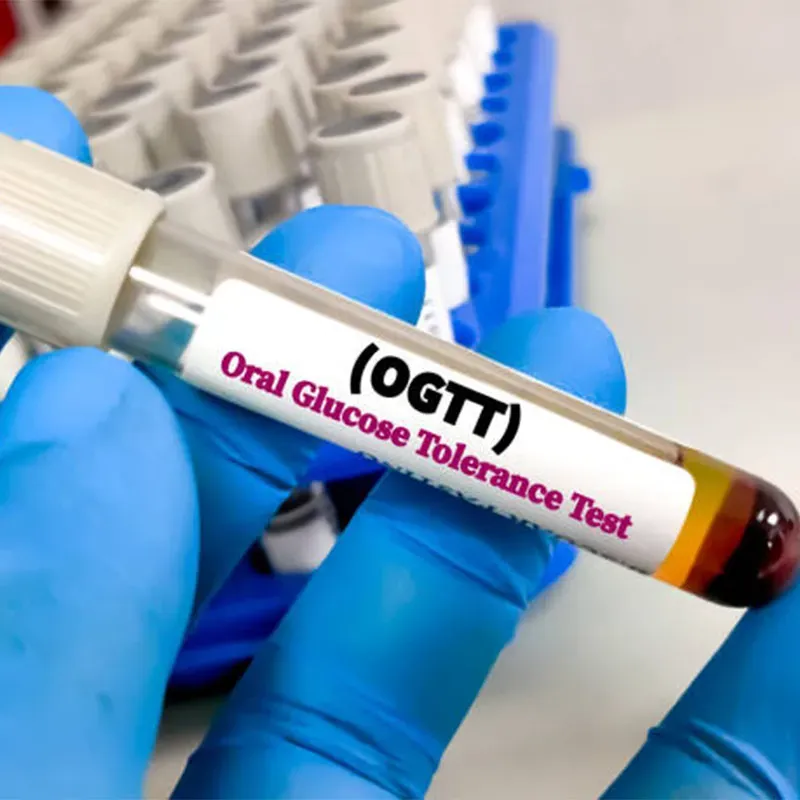
OGTT

Oral Glucose Tolerance Test for detailed diabetes diagnosis.

Insulin Resistance - DCDC

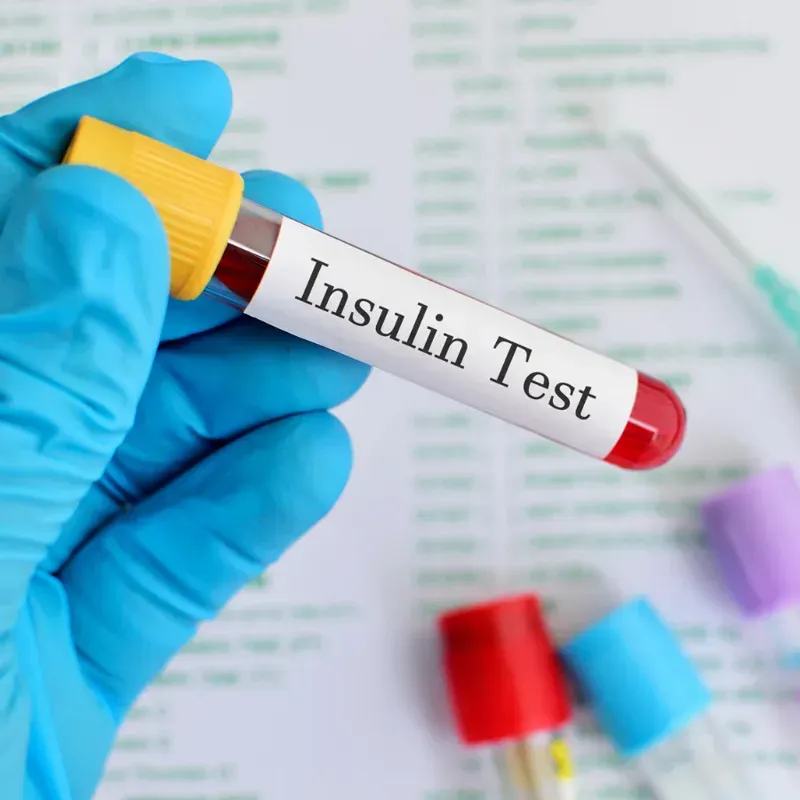
Insulin Resistance

Fasting insulin and HOMA-IR for metabolic assessment.

Diabetes Panel - DCDC

Diabetes Panel

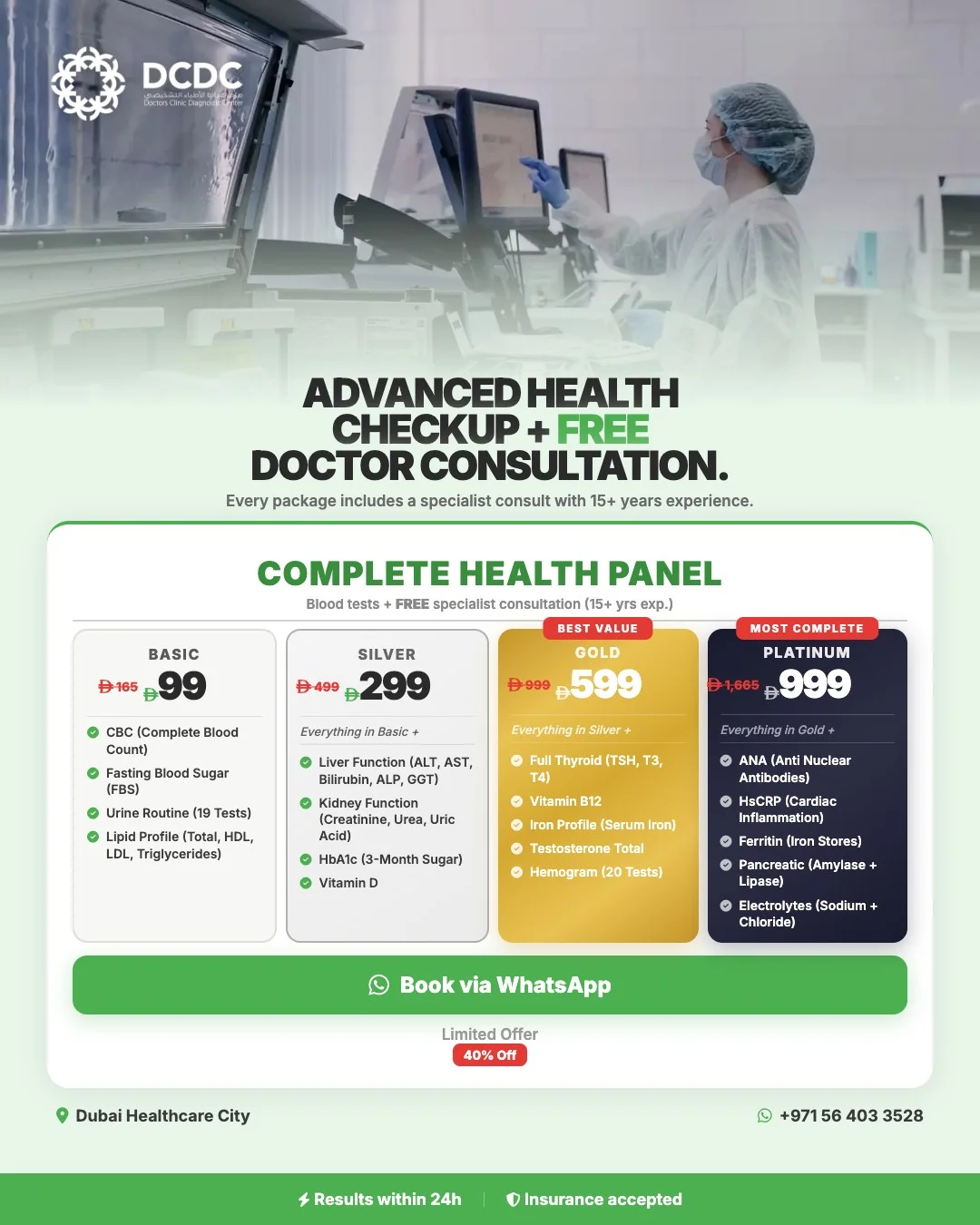
Complete panel including glucose, HbA1c, lipids, and kidney function.

Alle Leistungen werden von DHA-lizenzierten Spezialisten durchgeführt

Diabetes Testing

Comprehensive diabetes screening in Dubai Healthcare City. HbA1c, fasting glucose, OGTT, and insulin resistance testing. Same-day results available. Book now.

Am häufigsten

Adults over 45 years for routine screening

Am häufigsten

Family history of diabetes (parent or sibling)

Overweight or obese individuals (BMI >25)

Symptoms like increased thirst, frequent urination, or fatigue

History of gestational diabetes or polycystic ovary syndrome

Existing diabetes patients for monitoring and management

Previous gestational diabetes with follow-up testing

Unexplained weight loss despite normal appetite

Blurred vision or recurrent infections

Dark skin patches on neck or armpits (acanthosis nigricans)

Metabolic syndrome with central obesity and high blood pressure

Diabetes Testing bei DCDC Dubai Healthcare City

Fachärztliche Versorgung

MOHAP Licensed

Accredited diagnostic laboratory with certified diabetes testing protocols.

Fast Results

Most diabetes tests ready within 24 hours for timely management decisions.

Insurance Support

Direct billing with 20+ insurers. Diabetes screening often covered as preventive care.

Convenient Location

Building 64, Block A in Dubai Healthcare City. Early morning fasting slots available.

Advanced Testing

NGSP-certified HbA1c analyzers for internationally standardized results.

Integrated Care

Direct pathway to diabetes specialists and nutritionists for comprehensive management.

Ihr angenehmer Besuch

Ein einfacher, schrittweiser Diabetes-Untersuchungsprozess für Komfort, Schnelligkeit und Genauigkeit.

1

Book

Schedule early morning appointment for fasting tests.

2

Fast

No food for 8-12 hours; water is allowed.

3

Test

Quick blood draw by experienced phlebotomist.

4

Results

Report ready within 24 hours with clear interpretation.

5

Action

Follow-up with specialist if needed.

Diabetes Testing

Die Diabetes-Preise in Dubai variieren je nach Leistungsart und Versicherungsdeckung für verschiedene Testtypen.

  • Preise variieren je nach Untersuchungsart und Kontrastmittelbedarf
  • Versicherungsdeckung akzeptiert mit Überweisung und Verifizierung
  • Transparente Selbstzahlerpreise mit sofortigem Angebot auf Anfrage

Versicherungsverifizierung in Minuten • Keine versteckten Gebühren • Schnelle Antwort auf WhatsApp

Patientenratgeber

Diabetes Testing

Comprehensive diabetes screening in Dubai Healthcare City. HbA1c, fasting glucose, OGTT, and insulin resistance testing. Same-day results available. Book now.

Before Your Test

  • Proper preparation is essential.
  • Fasting:Most diabetes tests require 8-12 hours fasting. Water is allowed.
  • HbA1c:No fasting required for HbA1c alone, but often combined with fasting tests.
  • Medications:Continue regular medications unless your doctor advises otherwise.
  • Timing:Book early morning for convenience after overnight fast.

During the Test

  • Quick and straightforward.
  • Standard tests:Simple blood draw taking 5-10 minutes.
  • OGTT:Drink glucose solution, then blood draws at intervals over 2-3 hours.
  • Comfortable wait:Seating area available for OGTT with refreshments after testing.
  • No restrictions:Resume normal eating after blood collection.

After Your Test

  • Fast results for timely action.
  • Results:Most tests ready within 24 hours.
  • Interpretation:Normal, prediabetes, or diabetes ranges clearly indicated.
  • Follow-up:Abnormal results can be discussed with our diabetes specialists.

Versicherung & Standort

MOHAP-Lizenz: Vollständig lizenziertes Diagnosezentrum in Dubai Healthcare City

Versicherungspartner

  • Über 20 Versicherungsanbieter in Dubai einschließlich Daman, AXA, ADNIC und andere
  • Vorabgenehmigung-Unterstützung und Direktabrechnung (falls zutreffend)
  • Deckungsüberprüfung vor Ihrem Termin in unserer Klinik in Dubai Healthcare City
  • Transparente Preisgestaltung ohne versteckte Gebühren für diabetes testing-Leistungen

ADNIC insurance logo
Aetna insurance logo
Al-Buhaira insurance logo
AlMadhalla insurance logo
amity insurance logo
AXA insurance logo
Daman insurance logo
ECARE insurance logo
Alle Versicherungspartner anzeigen

Besuchen Sie uns in Dubai Healthcare City

Doctors Clinic Diagnostic Center

Gebäude 64, Block A, Al Razi Medical Complex, Dubai Healthcare City, Dubai, VAE

Nahe der Oud Metha Road · Einfacher Zugang von Bur Dubai, Downtown Dubai, Business Bay · Kostenlose Patientenparkplätze verfügbar

Öffnungszeiten

Sa-Do: 8:00 - 22:00 Uhr | Fr: 9:00 - 21:00 Uhr

So funktioniert die Versicherung bei DCDC

Deckung prüfen

Überprüfen Sie, ob Ihr Plan Diabetes Testing abdeckt

Überweisung erhalten

Einige Versicherer verlangen eine Überweisung — wir helfen Ihnen gerne

Vorab-Genehmigung

Wir übernehmen die Vorab-Genehmigung direkt mit Ihrem Versicherer

Direktabrechnung

Keine Vorauszahlung — wir rechnen direkt mit Ihrem Versicherer ab

Nur Eigenanteil

Sie zahlen nur den anfallenden Eigenanteil in der Klinik

Patientenratgeber

Diabetes Testing: Understanding Screening, Diagnosis, and Monitoring

Diabetes mellitus is a group of metabolic disorders characterized by chronic hyperglycemia resulting from defects in insulin secretion, insulin action, or both. Type 1 diabetes is an autoimmune condition that destroys insulin-producing cells, while type 2 diabetes involves progressive insulin resistance and eventual beta cell failure. Type 2 accounts for approximately 90 percent of all diabetes cases and is strongly linked to lifestyle factors including obesity, physical inactivity, and unhealthy diet. Understanding these mechanisms helps explain why different tests measure different aspects of the disease.

The diagnostic criteria for diabetes have evolved over decades as our understanding of the disease has improved. HbA1c was added as a diagnostic criterion because it provides a more stable, long-term measure of glucose control that is less affected by day-to-day variations. However, certain conditions can affect HbA1c accuracy, including hemoglobin variants common in some ethnic groups, iron deficiency anemia, pregnancy, and chronic kidney disease. In these situations, glucose-based testing (fasting glucose or OGTT) provides more reliable results. Our laboratory team ensures appropriate test selection based on individual patient factors.

Prediabetes represents a critical intervention window that offers perhaps the greatest opportunity in preventive medicine. Large clinical trials have demonstrated that lifestyle interventions in prediabetic individuals can reduce the risk of progression to diabetes by up to 58 percent. These interventions are more effective than medication and have lasting benefits even after the intensive intervention period ends. The key components are modest weight loss (five to seven percent of body weight), regular physical activity (150 minutes per week), and a balanced diet emphasizing whole grains, vegetables, and lean proteins while limiting refined carbohydrates and sugary beverages.

For patients living with diabetes, regular monitoring through HbA1c testing is essential for optimal management. Each one percent reduction in HbA1c is associated with significant reductions in diabetic complications: approximately 37 percent reduction in microvascular complications and 21 percent reduction in diabetes-related death. Our integrated approach connects laboratory testing with specialist consultation, ensuring that test results translate directly into actionable treatment adjustments. We also monitor for diabetes-related complications through regular kidney function tests, lipid panels, and coordination of eye and foot examinations.

Diabetes-Related Conditions We Screen For

Type 2 Diabetes

The most common form of diabetes, diagnosed when HbA1c is 6.5 percent or higher, fasting glucose is 126 mg/dL or higher, or OGTT two-hour glucose is 200 mg/dL or higher.

Prediabetes

Elevated blood sugar below the diabetes threshold, indicating high risk for progression, identified through screening and managed with lifestyle interventions.

Gestational Diabetes

Diabetes developing during pregnancy, screened with OGTT between 24 and 28 weeks, requiring monitoring and management to protect mother and baby.

Insulin Resistance

Reduced cellular response to insulin detected by elevated fasting insulin and HOMA-IR, an early indicator of metabolic dysfunction preceding diabetes.

Metabolic Syndrome

A cluster of conditions including central obesity, high blood sugar, high blood pressure, and abnormal lipids that together significantly increase diabetes and cardiovascular risk.

Diabetic Kidney Disease

Kidney damage from chronic diabetes detected through blood creatinine, eGFR, and urine albumin testing, requiring early intervention to slow progression.

Häufig gestellte Fragen

Häufige Fragen zu Diabetes Testing in Dubai.

HbA1c (glycated hemoglobin) measures the percentage of hemoglobin in your red blood cells that has glucose attached to it, reflecting your average blood sugar levels over the past two to three months. It is considered the gold standard for diabetes diagnosis and monitoring because it provides a longer-term view than a single glucose measurement. Normal HbA1c is below 5.7 percent, prediabetes is 5.7 to 6.4 percent, and diabetes is 6.5 percent or higher. For diagnosed diabetics, HbA1c targets are typically below 7 percent, though individual targets may vary.

No, fasting requirements vary by test type. HbA1c does not require fasting and can be done at any time of day, making it very convenient. Fasting glucose requires 8 to 12 hours of fasting (water allowed). The Oral Glucose Tolerance Test (OGTT) also requires fasting. Fasting insulin requires fasting for accurate interpretation. When tests are combined, which we often recommend for comprehensive assessment, fasting is needed to accommodate the glucose and insulin tests. We provide specific preparation instructions when you book your appointment.

Fasting glucose measures your blood sugar concentration at a single point in time after an overnight fast, providing a snapshot of your current glucose level. HbA1c reflects your average blood sugar over the preceding two to three months. Both tests are valuable for different reasons: fasting glucose can detect acute hyperglycemia and is useful for immediate management decisions, while HbA1c provides a more comprehensive picture of overall glucose control and is less affected by day-to-day variations, stress, or recent meals. Using both together gives the most complete assessment of your diabetes status.

Prediabetes is a metabolic state where blood sugar levels are higher than normal but not yet high enough to be classified as type 2 diabetes. It is diagnosed when fasting glucose is between 100 and 125 mg/dL, HbA1c is between 5.7 and 6.4 percent, or OGTT two-hour glucose is between 140 and 199 mg/dL. Prediabetes is a critical warning sign because approximately 5 to 10 percent of people with prediabetes progress to diabetes annually. However, with lifestyle modifications including weight loss of 5 to 7 percent, regular physical activity, and dietary changes, progression can be prevented or significantly delayed.

Testing frequency depends on your risk profile and current status. For adults over 45 with normal results, testing every three years is recommended. High-risk individuals (family history, overweight, previous gestational diabetes, or PCOS) should test annually or more frequently. Those with prediabetes should test at least annually with HbA1c and fasting glucose. For diagnosed diabetes, HbA1c testing every three months is recommended until targets are consistently met, then every six months for stable patients. Your doctor will customize the testing schedule based on your individual circumstances.

The OGTT is a more sensitive test for detecting diabetes and impaired glucose tolerance. After fasting overnight, a baseline blood glucose is measured, then you drink a standardized glucose solution (75 grams). Blood glucose is measured at one hour and two hours after drinking the solution. Normal two-hour glucose is below 140 mg/dL, impaired glucose tolerance is 140 to 199 mg/dL, and diabetes is 200 mg/dL or higher. The OGTT is particularly important for diagnosing gestational diabetes during pregnancy and for detecting diabetes that might be missed by fasting glucose alone.

Insulin resistance occurs when your body's cells become less responsive to insulin, the hormone that helps glucose enter cells for energy. The pancreas compensates by producing more insulin, resulting in high insulin levels even when glucose may still be in the normal range. This state often precedes type 2 diabetes by years. We can assess insulin resistance by measuring fasting insulin and calculating the HOMA-IR index. Identifying insulin resistance early allows for lifestyle interventions that can prevent progression to diabetes, including weight loss, exercise, and dietary modifications.

Gestational diabetes develops during pregnancy when hormonal changes increase insulin resistance beyond the body's ability to compensate. It typically develops in the second or third trimester and is diagnosed with OGTT screening, usually between 24 and 28 weeks of gestation. Gestational diabetes increases risks for both mother and baby but is highly manageable with dietary modification, blood sugar monitoring, and occasionally insulin therapy. Women who have had gestational diabetes have a significantly increased lifetime risk of developing type 2 diabetes and should undergo regular screening postpartum.

Wichtige Fakten

Modalität:
Diabetestest
Hauptindikation:
Diabetes screening, diagnosis, and monitoring
Dauer:
5-10 minutes for standard tests; 2-3 hours for OGTT
Vorbereitung:
Fasting required for most tests (8-12 hours)
Befundzeit:
Most results within 24 hours
Standort:
Dubai Healthcare City
Versicherung:
Most major insurance accepted (Daman, AXA, Bupa, etc.)

Medizinische Aufsicht

Alle Leistungen werden unter Aufsicht lizenzierter medizinischer Fachkräfte in unserer MOHAP-akkreditierten Einrichtung erbracht.