Wichtigste Erkenntnisse
- Gallstones affect 10-15% of adults in Western populations, and Dubai's high-fat dietary patterns and sedentary lifestyles contribute to increasing prevalence across all age groups living in the UAE.
- Approximately 80% of people with gallstones are completely asymptomatic ("silent gallstones"), meaning the stones are discovered incidentally on imaging. Only symptomatic gallstones typically require treatment.
- The hallmark symptom of gallstones is biliary colic: sudden, intense pain in the upper right abdomen that often follows a fatty meal and lasts from 30 minutes to several hours before gradually subsiding.
- Abdominal ultrasound is the gold standard for gallstone diagnosis, detecting stones with over 95% sensitivity. At DCDC, on-site ultrasound is available from AED 300 with same-day results.
- Emergency warning signs include fever combined with gallbladder pain, yellowing of the skin or eyes (jaundice), and persistent vomiting. These symptoms suggest complications such as cholecystitis or a blocked bile duct and require urgent medical evaluation.
- At DCDC in Dubai Healthcare City, gallstone evaluation starts with a GP consultation from AED 150, includes same-day blood tests (liver function, CBC, amylase) processed in our on-site laboratory, and on-site abdominal ultrasound, providing a complete diagnostic workup in a single visit.
Upper right abdominal pain after meals, nausea, and bloating are among the most frequent complaints that bring patients to our GP consultation clinic at Doctors Clinic Diagnostic Center (DCDC) in Dubai Healthcare City. In many cases, these symptoms point to gallstones, one of the most common gastrointestinal conditions worldwide. Gallstones are hardened deposits that form inside the gallbladder, a small pear-shaped organ beneath the liver that stores bile. While the majority of gallstones cause no symptoms at all, those that do can produce episodes of intense pain that significantly affect quality of life and, in some cases, lead to serious complications requiring emergency treatment.
This comprehensive guide covers everything you need to know about gallstones in Dubai: what they are and why they form, the full range of symptoms from mild discomfort to emergency warning signs, how gallstones are diagnosed, the treatment options available, what the costs look like at Dubai clinics in 2026, and practical steps for prevention. We also explain exactly what to expect during a gallstone evaluation at DCDC and how our team coordinates your care from initial assessment through treatment planning.
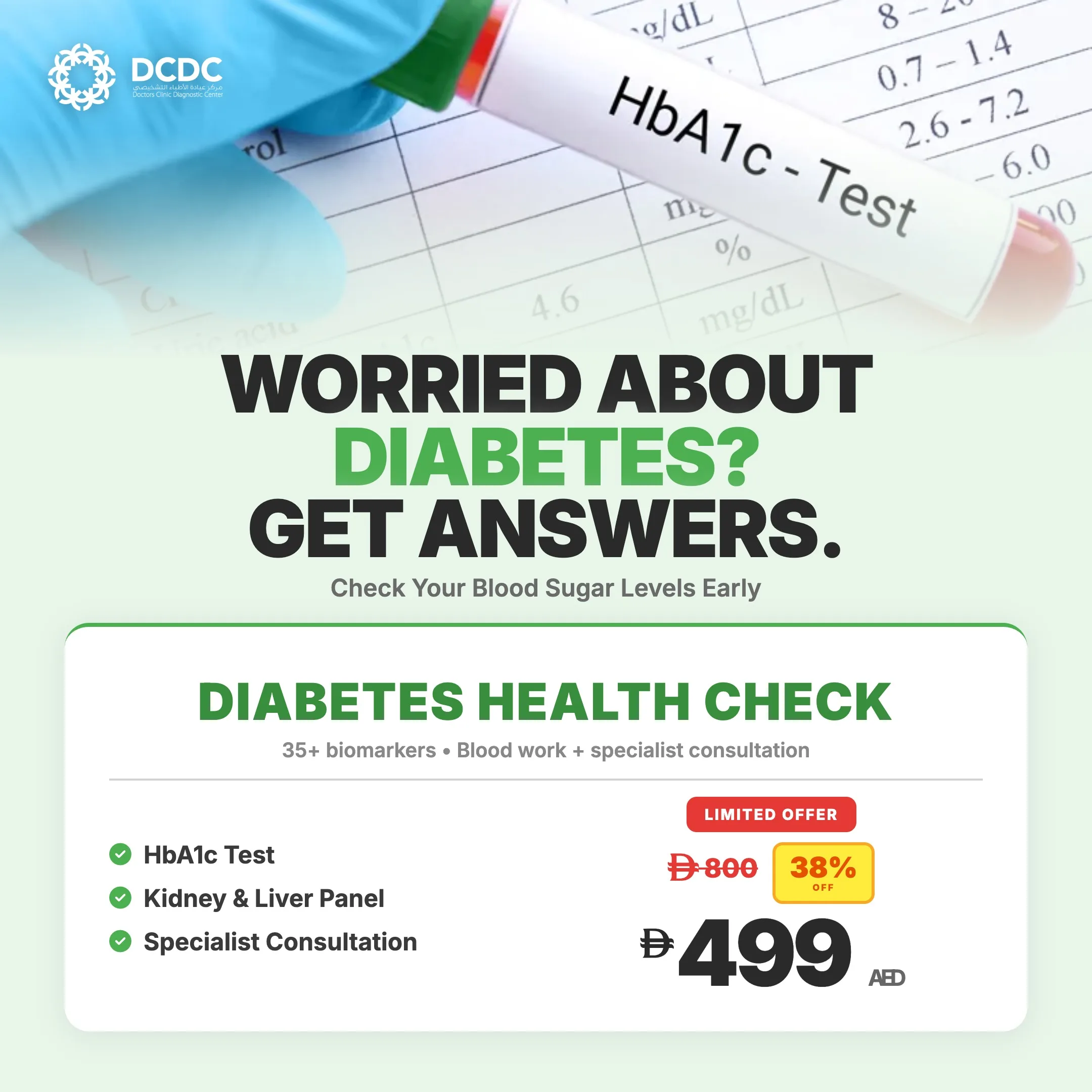
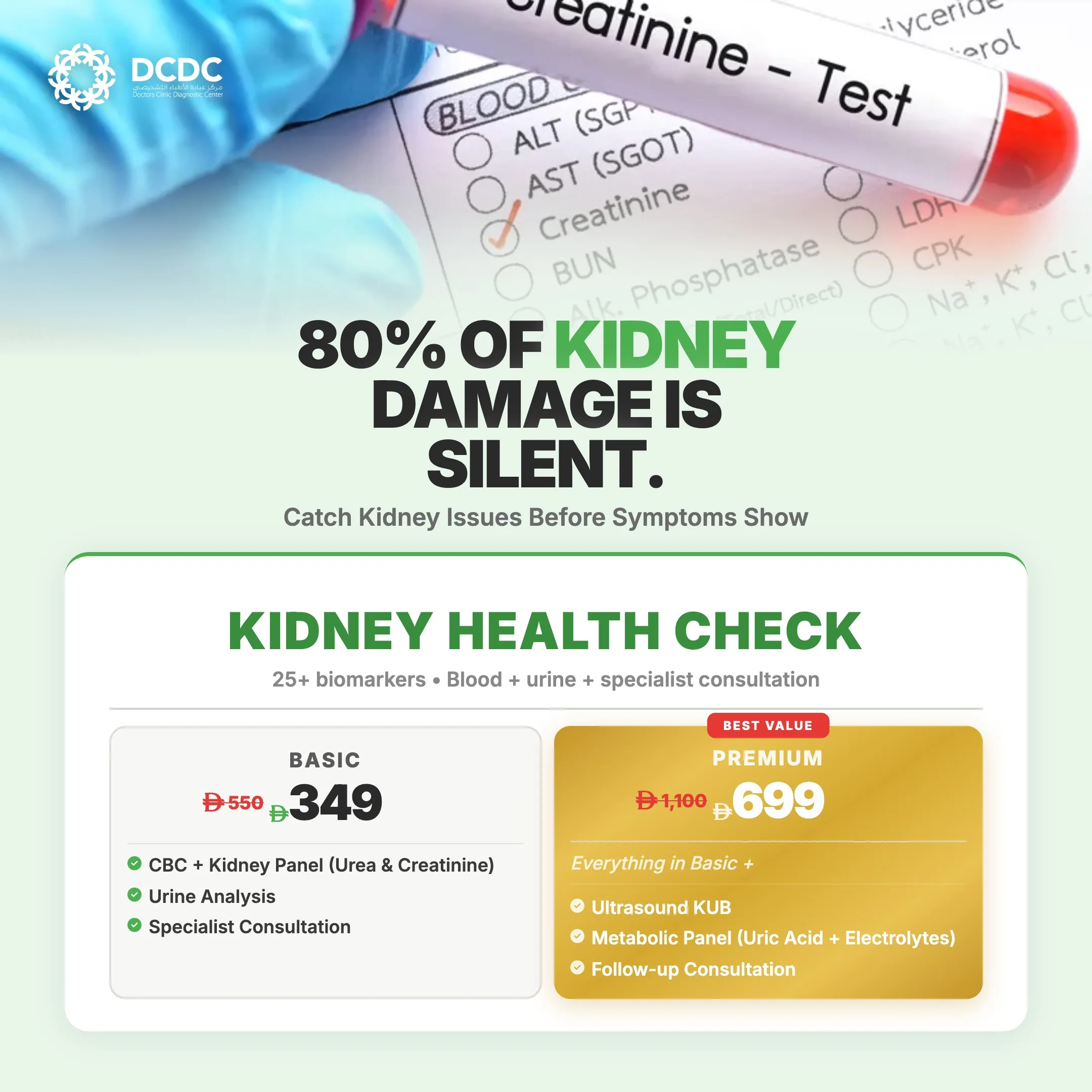
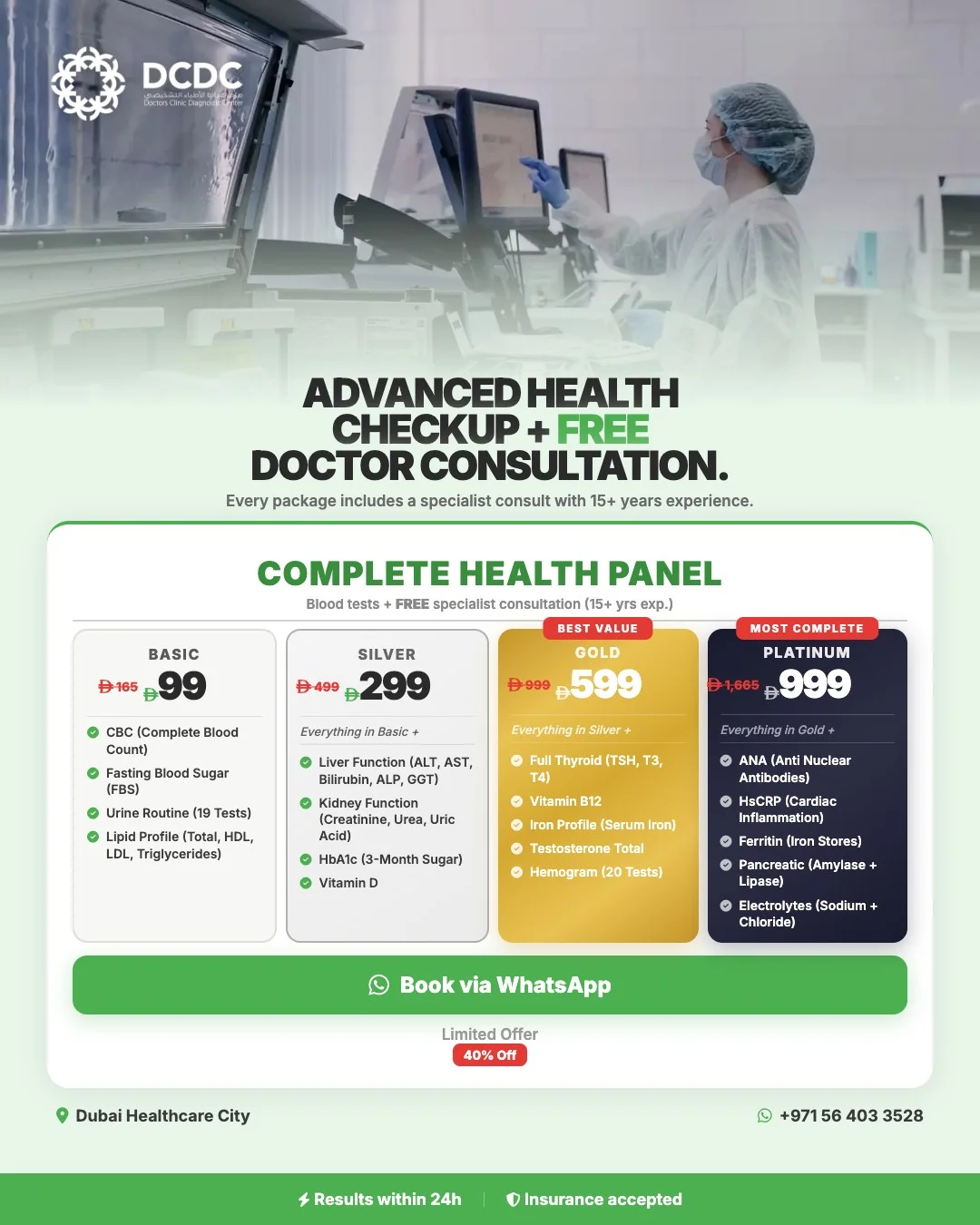
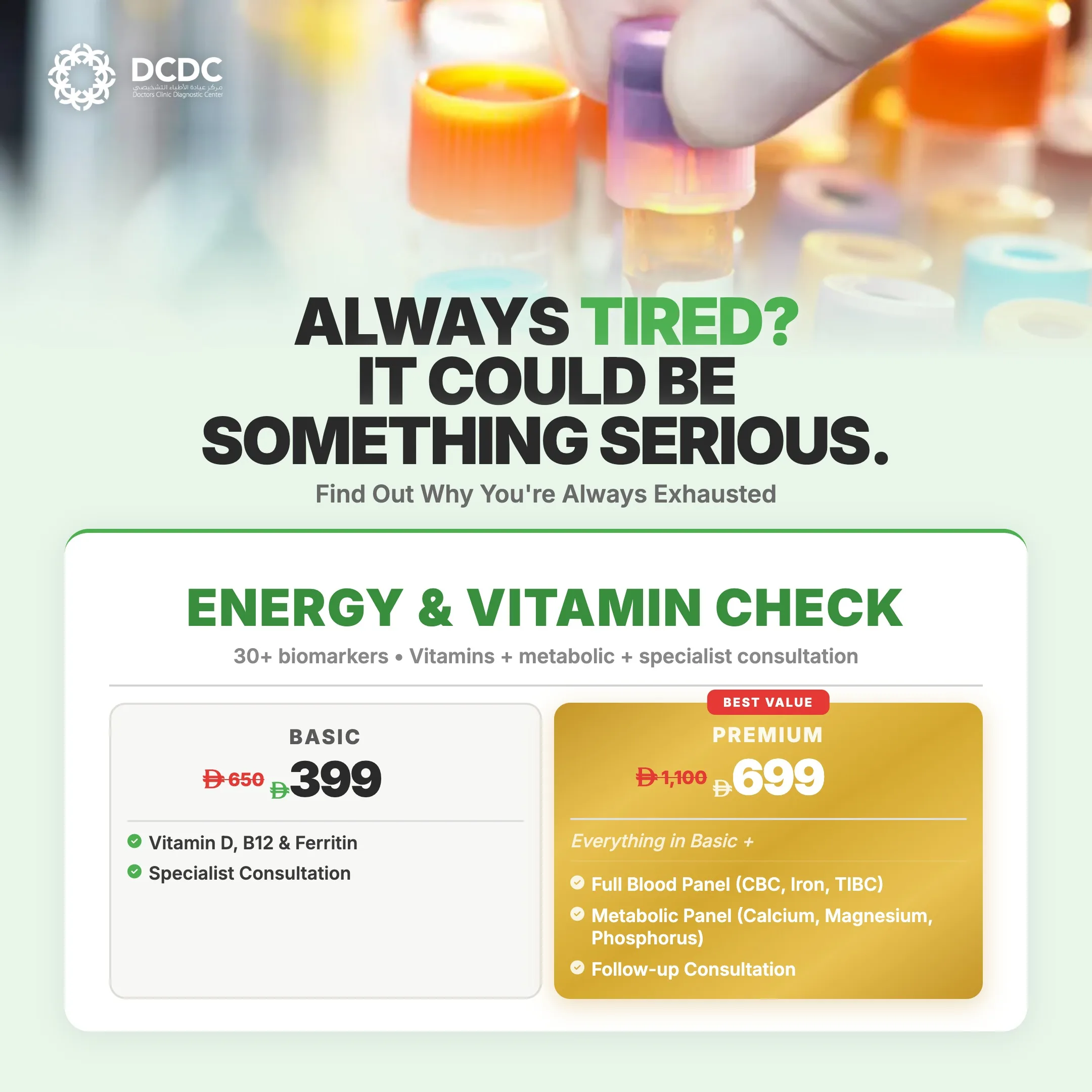
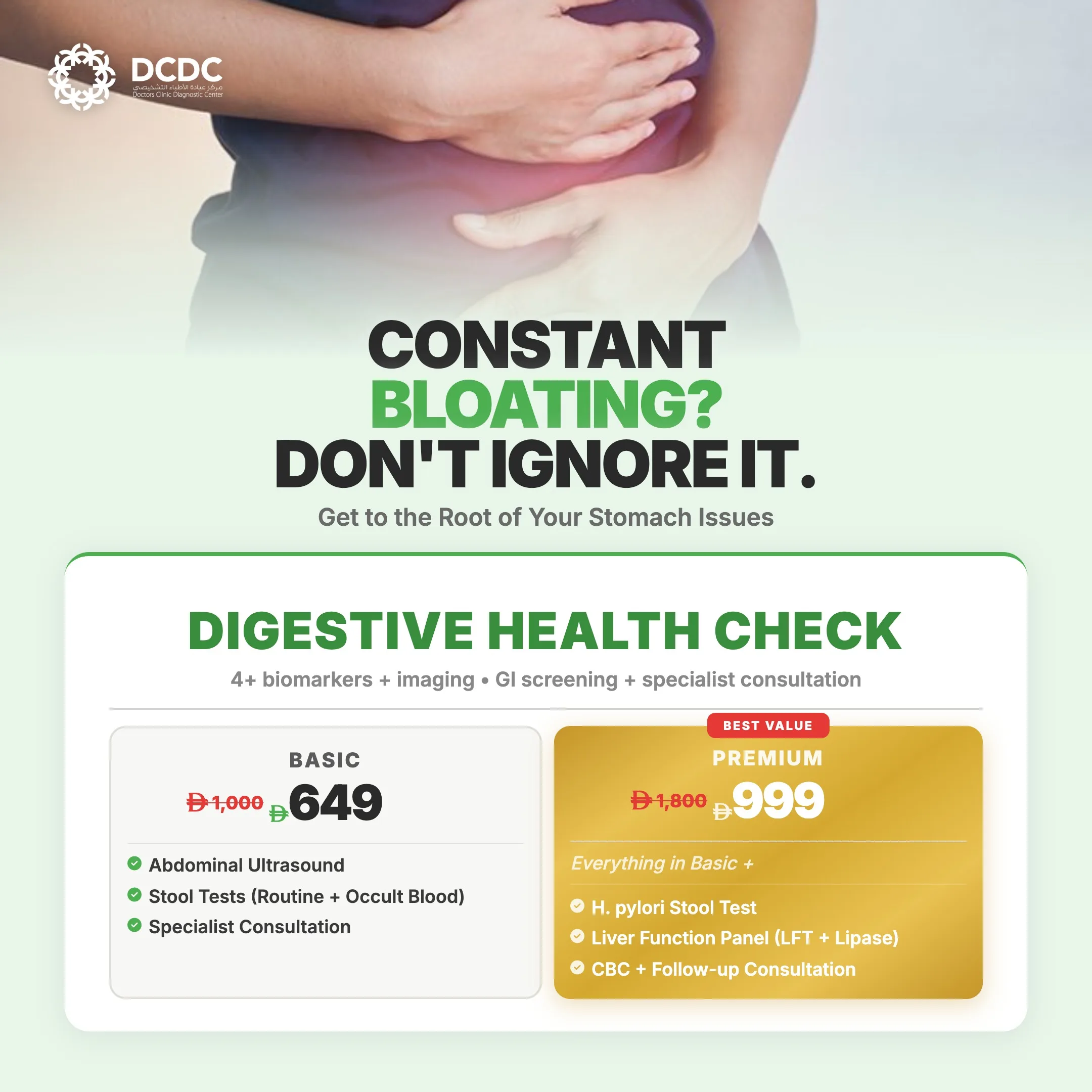
Health Screening Packages
Save with our bundled screening packages — specialist consultation included

What Are Gallstones? Understanding Gallbladder Disease
Gallstones (cholelithiasis) are solid, pebble-like deposits that form inside the gallbladder when substances in bile, particularly cholesterol and bilirubin, crystallise and harden. The gallbladder is a small organ located beneath the liver on the right side of the abdomen. Its primary function is to store and concentrate bile, a digestive fluid produced by the liver that helps break down dietary fats in the small intestine. When you eat a fatty meal, the gallbladder contracts and releases bile through the cystic duct into the common bile duct and then into the duodenum.
Gallstones range in size from as small as a grain of sand to as large as a golf ball. Some people develop a single large stone, while others may have hundreds of tiny stones, or a combination of both. The stones themselves are not dangerous while they remain inside the gallbladder. Problems arise when a stone migrates out of the gallbladder and becomes lodged in one of the bile ducts, blocking the normal flow of bile. This obstruction is what produces the characteristic intense pain of a gallbladder attack and can lead to potentially serious complications including infection, inflammation, and pancreatitis.
According to the National Institute for Health and Care Excellence (NICE), gallstones are present in approximately 10-15% of the adult population in Western countries. In the UAE and wider Gulf region, rising rates of obesity, metabolic syndrome, and high-fat dietary patterns have contributed to an increasing prevalence of gallstone disease. Dubai's multicultural population means that gastroenterologists and general practitioners in the city encounter the full spectrum of gallstone presentations, from incidental findings on routine imaging to acute biliary emergencies.
Gallstone Symptoms: Warning Signs to Watch For
One of the most important things to understand about gallstones is that the majority cause no symptoms whatsoever. Studies consistently show that approximately 80% of people with gallstones are asymptomatic, meaning the stones sit quietly in the gallbladder without causing pain, inflammation, or complications. These "silent gallstones" are often discovered incidentally when imaging is performed for unrelated reasons, such as a routine abdominal ultrasound or CT scan.
When gallstones do cause symptoms, the clinical picture can range from mild and intermittent to sudden and severe. Recognising these warning signs is crucial because early medical evaluation can prevent complications and guide you toward the right treatment.
Common Gallstone Symptoms
- Biliary colic (gallbladder pain): The most characteristic symptom. A sudden, steady, intense pain in the upper right abdomen or upper centre of the abdomen (epigastrium) that may radiate to the right shoulder blade or back. The pain typically begins within an hour of eating a large or fatty meal, builds to a peak over 15-30 minutes, and lasts from 30 minutes to several hours. It then gradually subsides as the stone either passes through the duct or falls back into the gallbladder.
- Nausea and vomiting: Commonly accompany biliary colic episodes. The nausea is often intense and may precede or follow the onset of pain.
- Bloating and indigestion: A sensation of fullness, gassiness, or general abdominal discomfort, particularly after meals. While these symptoms are non-specific and overlap with many other digestive conditions, recurrent post-meal bloating should prompt evaluation.
- Intolerance to fatty foods: Many patients with gallstones notice that greasy, fried, or high-fat foods consistently trigger discomfort, nausea, or pain. This occurs because fat stimulates gallbladder contraction, which pushes stones toward the duct opening.
- Referred pain to the right shoulder or back: The pain from gallbladder irritation can be felt in areas distant from the gallbladder itself due to shared nerve pathways (referred pain). Pain between the shoulder blades or in the right shoulder tip is particularly suggestive of a gallbladder origin.
Symptom Urgency Guide
| Severity | Symptoms | Action Required |
|---|---|---|
| Mild | Occasional bloating after fatty meals, mild upper abdominal discomfort lasting under 30 minutes, indigestion | Schedule a GP appointment within 1-2 weeks for evaluation |
| Moderate | Recurrent episodes of biliary colic (upper right pain after meals lasting 30 min to several hours), nausea, vomiting, pain radiating to shoulder or back | See a GP within 1-3 days; ultrasound and blood tests recommended |
| Emergency | Severe unrelenting abdominal pain lasting over 6 hours, fever or chills with abdominal pain, jaundice (yellowing skin/eyes), persistent vomiting, rapid heartbeat | Go to the nearest emergency department immediately |
When to seek care for gallbladder symptoms
Gallbladder Attack: What Happens During Biliary Colic
A gallbladder attack, medically known as biliary colic, occurs when a gallstone temporarily blocks the cystic duct or the neck of the gallbladder. This obstruction prevents bile from flowing out of the gallbladder, causing it to distend and contract forcefully against the blockage. The result is the characteristic intense, cramping pain that defines a gallbladder attack.
Understanding the typical pattern of a gallbladder attack helps distinguish it from other causes of abdominal pain. If you have experienced an episode matching this description, it is important to seek medical evaluation even if the pain has resolved, because attacks tend to recur and can progress to complications. Our guide to abdominal pain causes and diagnosis in Dubai provides additional context on how doctors differentiate between the many possible sources of upper abdominal pain.
Typical Pattern of a Gallbladder Attack
- Trigger: Most attacks follow a large or fatty meal. The fat content of the meal stimulates the release of cholecystokinin (CCK), a hormone that causes the gallbladder to contract. The contraction pushes a stone into the duct opening.
- Onset: Pain typically begins 30-60 minutes after eating. It starts in the upper right abdomen or epigastrium and rapidly intensifies.
- Peak: The pain reaches maximum intensity within 15-30 minutes and is often described as a deep, squeezing, or pressuring sensation rather than a sharp, stabbing pain. It is constant (not colicky despite the name) and unrelieved by changes in position, antacids, or passing gas.
- Duration: A typical episode lasts 1-5 hours. Pain lasting less than 30 minutes is less likely to be biliary colic, while pain persisting beyond 6 hours raises concern for a complication such as acute cholecystitis.
- Resolution: The pain gradually subsides as the stone either falls back into the gallbladder or passes through the duct. After an attack, patients often feel sore, fatigued, and nauseous for several hours.
- Recurrence: Once a person has had one episode of biliary colic, there is a 50-70% chance of recurrence within two years, with attacks often becoming more frequent and more severe over time.
Types of Gallstones and Their Causes
Not all gallstones are the same. They are classified into three main types based on their chemical composition, and understanding the type can help guide treatment decisions and prevention strategies. The formation of gallstones is a complex process that involves an imbalance in the chemical components of bile.
| Type | Frequency | Composition | Common Causes | Appearance |
|---|---|---|---|---|
| Cholesterol stones | ~80% of all gallstones | Primarily hardened cholesterol (>50% cholesterol by weight) | High-cholesterol diet, obesity, rapid weight loss, oestrogen therapy, genetic predisposition | Yellow-green, round, waxy texture, can grow quite large (up to 3-4 cm) |
| Pigment stones | ~15-20% of all gallstones | Calcium bilirubinate and other calcium salts | Chronic haemolytic anaemias (sickle cell disease, thalassaemia), cirrhosis, biliary infections | Dark brown or black, small, irregular, often multiple |
| Mixed stones | Subset of above categories | Combination of cholesterol, calcium salts, and bilirubin | Combined risk factors from both categories | Variable in colour and size, layered appearance on cross-section |
Comparison of gallstone types
Cholesterol gallstones, by far the most common type, form when bile contains too much cholesterol relative to the amount of bile salts and lecithin (phospholipids) available to keep the cholesterol dissolved. When the bile becomes supersaturated with cholesterol, microscopic crystals form, gradually accumulating into larger stones over months to years. This process is accelerated by gallbladder stasis, meaning any condition that reduces the frequency or effectiveness of gallbladder emptying allows crystals more time to aggregate.
Risk Factors for Developing Gallstones
Multiple factors contribute to gallstone formation. Some are modifiable through lifestyle changes, while others are fixed characteristics. Understanding your personal risk profile can help you take preventive steps and recognise symptoms early if they develop.
Non-Modifiable Risk Factors
- Female sex: Women are two to three times more likely than men to develop cholesterol gallstones, primarily due to the effects of oestrogen. Oestrogen increases hepatic cholesterol secretion and reduces gallbladder motility, both of which promote stone formation.
- Age over 40: Gallstone prevalence increases steadily with age. By age 60, approximately 20-25% of women and 10-15% of men have gallstones.
- Family history and genetics: Gallstone disease has a strong hereditary component. First-degree relatives of gallstone patients have a 2-4 times higher risk. Certain genetic variants affecting cholesterol metabolism and bile composition have been identified.
- Ethnicity: Prevalence varies significantly by ethnic background. Native American and Hispanic populations have the highest rates, while Asian and African populations have lower but increasing rates.
Modifiable Risk Factors
- Obesity and metabolic syndrome: Obesity is one of the strongest risk factors for cholesterol gallstones. It increases hepatic cholesterol synthesis and secretion into bile. The risk is proportional to BMI, with a particularly strong association in women.
- Rapid weight loss: Paradoxically, losing weight too quickly (more than 1.5 kg per week) significantly increases gallstone risk. Crash diets, very-low-calorie diets, and bariatric surgery all carry elevated risk because rapid fat mobilisation floods the liver with cholesterol.
- Diet: High intake of refined carbohydrates, saturated fats, and low fibre intake are associated with increased gallstone risk. Conversely, diets rich in fibre, fruits, vegetables, and healthy fats appear protective.
- Sedentary lifestyle: Physical inactivity reduces gallbladder motility and is independently associated with higher gallstone risk. Regular exercise helps maintain healthy gallbladder function.
- Pregnancy: The hormonal changes of pregnancy (elevated oestrogen and progesterone) increase cholesterol saturation of bile and reduce gallbladder emptying. Gallstones develop in up to 5-12% of pregnancies, though many resolve postpartum.
- Diabetes mellitus: Type 2 diabetes is associated with increased gallstone risk due to insulin resistance, elevated triglycerides, and impaired gallbladder motility.
- Dehydration: Chronic insufficient fluid intake, particularly relevant in Dubai's hot climate, can contribute to bile concentration and gallstone formation. Staying well-hydrated is a simple but important preventive measure.
In Dubai, the combination of a high-fat dietary culture, sedentary office-based lifestyles, summer heat leading to chronic dehydration, and a relatively young but rapidly growing population with rising obesity rates creates a perfect environment for gallstone development. Clinicians at DCDC regularly see gallstone presentations across all demographics, from young professional women in their 30s to older patients with multiple metabolic risk factors.
How Gallstones Are Diagnosed in Dubai
Accurate diagnosis of gallstones involves a systematic approach combining clinical assessment, laboratory testing, and imaging studies. The goal is not only to confirm the presence of gallstones but also to identify any complications and rule out other conditions that can mimic gallstone symptoms. For a broader understanding of how blood work supports diagnostic evaluation, our liver function test guide explains the specific markers that help assess gallbladder and liver health.
Clinical Assessment
Your doctor will begin with a thorough medical history and physical examination. Key elements include the character, location, and timing of your pain, its relationship to meals (particularly fatty foods), associated symptoms like nausea or vomiting, and any personal or family history of gallstones. During the physical examination, the doctor will palpate the abdomen, specifically checking for tenderness in the right upper quadrant. A positive Murphy's sign (pain on deep inspiration while the doctor presses below the right rib cage) strongly suggests gallbladder inflammation.
Laboratory Tests
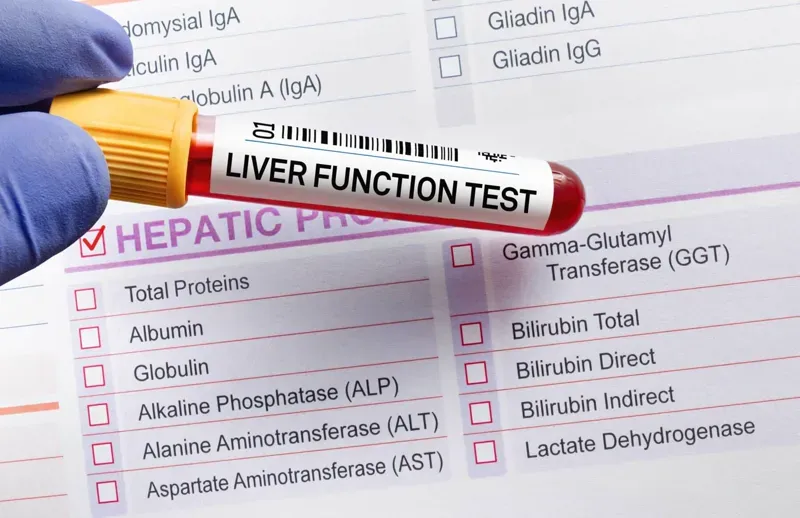
- Liver function tests (LFTs): Including bilirubin (total and direct), alkaline phosphatase (ALP), gamma-glutamyl transferase (GGT), ALT, and AST. Elevated bilirubin and ALP suggest bile duct obstruction. LFTs are essential for distinguishing uncomplicated gallstones from those causing duct blockage.
- Complete blood count (CBC): An elevated white blood cell count suggests infection or inflammation, as seen in acute cholecystitis. CBC also helps rule out other conditions.
- Serum amylase and lipase: Elevated levels indicate pancreatitis, which can be a complication of gallstones when a stone blocks the pancreatic duct.
- C-reactive protein (CRP): An inflammatory marker that helps gauge the degree of inflammation and infection in complicated gallstone disease.
Imaging Studies
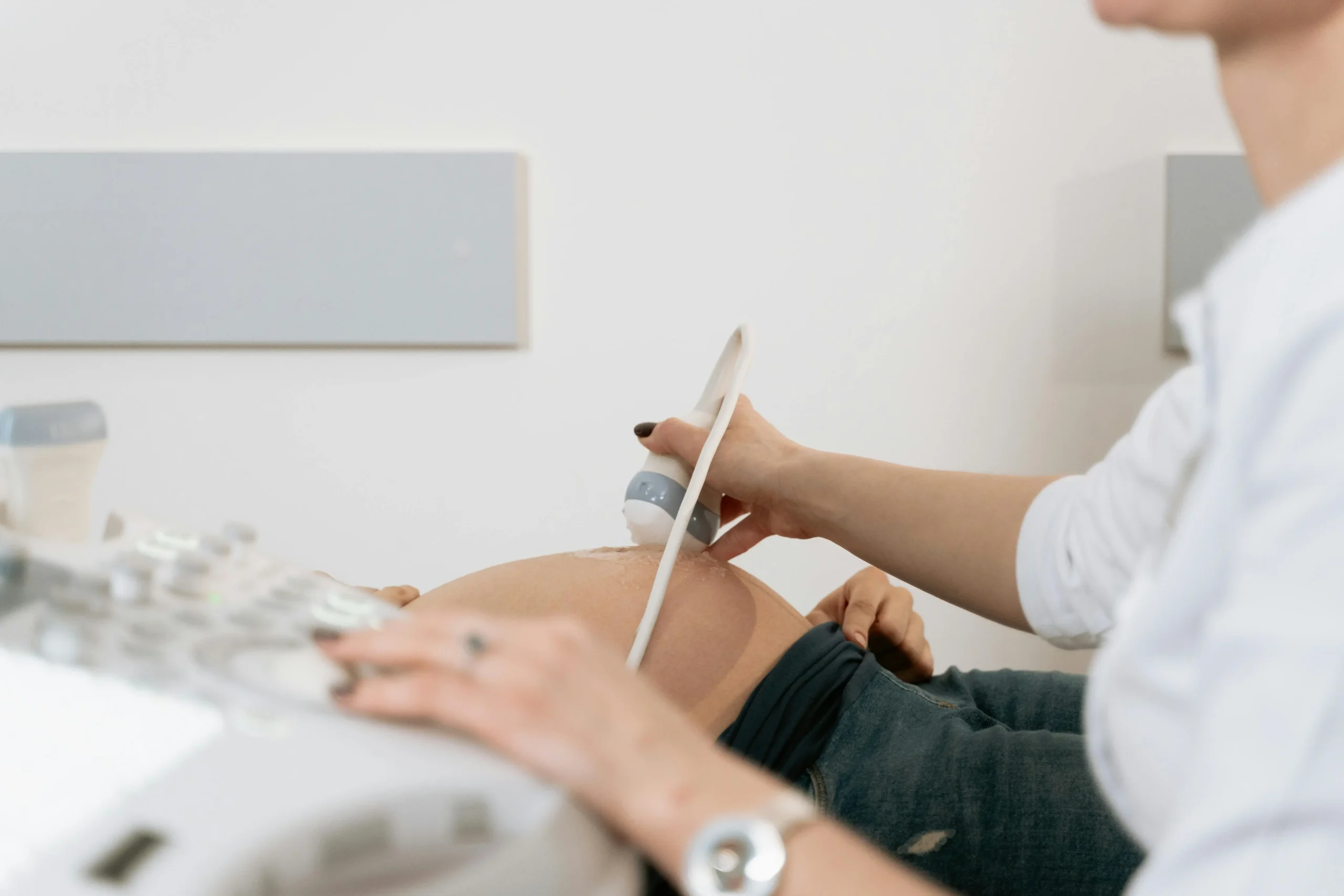
- Abdominal ultrasound: The first-line investigation and gold standard for detecting gallbladder stones. Ultrasound identifies gallstones with over 95% sensitivity and 95% specificity. It also visualises gallbladder wall thickening (suggesting cholecystitis), bile duct dilatation (suggesting obstruction), and pericholecystic fluid. The test is non-invasive, radiation-free, quick (15-20 minutes), and affordable. Our detailed abdominal ultrasound complete guide explains how to prepare for your scan and what the results mean.
- CT scan of the abdomen: Not as sensitive as ultrasound for detecting gallstones (only about 75% sensitivity) because many cholesterol stones are radiolucent (not visible on CT). However, CT is valuable for identifying complications such as cholecystitis, pancreatitis, or bile duct stones, and for ruling out other causes of abdominal pain.
- MRCP (Magnetic Resonance Cholangiopancreatography): A specialised MRI scan that provides detailed images of the bile ducts and pancreatic duct. MRCP is the non-invasive investigation of choice when bile duct stones are suspected. It can detect stones as small as 2-3 mm in the common bile duct.
- HIDA scan (hepatobiliary iminodiacetic acid scan): A nuclear medicine scan that evaluates gallbladder function. It is particularly useful when acute cholecystitis is suspected but ultrasound findings are equivocal. Non-visualisation of the gallbladder on HIDA scan is highly suggestive of acute cholecystitis.
"When a patient presents with upper abdominal pain, particularly in the right upper quadrant after meals, I follow a systematic approach," explains Dr. Hadeel Elnur, General Practitioner at DCDC. "We start with a focused clinical assessment and same-day blood work, including liver function tests, CBC, and amylase. If the clinical picture suggests gallstones, we arrange an abdominal ultrasound on the same visit. This one-stop approach means patients often have a clear diagnosis and management plan within a single appointment, rather than waiting days or weeks for results from different facilities."
Gallstones Treatment Options in Dubai
The treatment of gallstones depends on whether the stones are causing symptoms, the type and severity of those symptoms, the presence of complications, and the patient's overall health and preferences. Treatment ranges from conservative management and watchful waiting to surgical removal of the gallbladder.
Watchful Waiting (Expectant Management)
For asymptomatic gallstones discovered incidentally, the standard approach is watchful waiting with no active treatment. International guidelines, including those from NICE and the American College of Gastroenterology (ACG), agree that silent gallstones do not require prophylactic cholecystectomy. The annual risk of asymptomatic gallstones becoming symptomatic is approximately 1-2%, and the risks of surgery outweigh the benefits for most asymptomatic patients. Your doctor will advise on dietary modifications and schedule periodic reviews.
Medical Management
- Pain management: NSAIDs (such as diclofenac) are the first-line analgesics for biliary colic, as they reduce gallbladder inflammation and contraction. Paracetamol can be used for mild episodes. Opioid analgesics may be needed for severe pain but are generally avoided when possible.
- Antispasmodics: Medications such as hyoscine butylbromide can help relieve the spasmodic component of biliary pain.
- Ursodeoxycholic acid (UDCA): An oral bile acid that can gradually dissolve small cholesterol gallstones (under 10 mm) in patients with a functioning gallbladder. Treatment takes 6-24 months and is only effective in about 50% of carefully selected patients. The stones frequently recur after stopping the medication. UDCA is typically reserved for patients who cannot undergo surgery.
- Dietary modifications: Reducing dietary fat intake, eating smaller and more frequent meals, maintaining adequate hydration, and avoiding trigger foods can reduce the frequency and severity of biliary colic episodes.
Surgical Treatment
Laparoscopic cholecystectomy (keyhole removal of the gallbladder) is the gold standard treatment for symptomatic gallstones. It is one of the most commonly performed surgical procedures worldwide, with an excellent safety profile. The procedure involves making 3-4 small incisions in the abdomen through which a camera and surgical instruments are inserted. The gallbladder is detached from the liver and removed along with all the stones inside it.
- Recovery time: Most patients go home the same day or within 24 hours. Return to normal activities within 1-2 weeks, with full recovery in 4-6 weeks.
- Success rate: Over 95% of patients experience complete resolution of biliary colic symptoms after cholecystectomy.
- Living without a gallbladder: The body adapts well to the absence of the gallbladder. Bile flows directly from the liver into the small intestine rather than being stored. Most patients notice no long-term dietary restrictions, although some may experience looser stools temporarily.
- ERCP (Endoscopic Retrograde Cholangiopancreatography): Used to remove stones trapped in the common bile duct. A flexible endoscope is passed through the mouth into the duodenum, where the bile duct opening is widened and stones are extracted. ERCP is often performed before or alongside cholecystectomy when bile duct stones are present.
Experiencing Gallbladder Symptoms? Get Diagnosed Today
Book a same-day GP consultation at DCDC from AED 150. Our on-site ultrasound and laboratory mean you can have blood tests, imaging, and a clear diagnosis in a single visit.
MOHAP-licensed clinic in Dubai Healthcare City with direct insurance billing for 20+ providers
Gallstone Diagnosis and Treatment Cost in Dubai (2026)
Understanding the costs associated with gallstone diagnosis and treatment helps you plan ahead and reduces uncertainty during what can be an anxious time. At DCDC, we maintain transparent pricing and offer direct billing with over 20 insurance providers. Below is a breakdown of typical costs for gallstone-related services in Dubai.
| Service | Cost at DCDC (2026) | Notes |
|---|---|---|
| GP Consultation | From AED 150 | Initial assessment, clinical evaluation, and treatment plan |
| Abdominal Ultrasound | From AED 300 | Gold standard for gallstone detection, on-site, results same day |
| Liver Function Tests (LFTs) | From AED 150 | Bilirubin, ALP, GGT, ALT, AST panel |
| Complete Blood Count (CBC) | From AED 80 | White cell count, haemoglobin, platelets |
| Serum Amylase / Lipase | From AED 100 | To check for gallstone pancreatitis |
| CT Scan (Abdomen) | AED 1,500-3,000 | If complications suspected, referral arranged |
| MRCP | AED 2,500-4,500 | Specialised bile duct imaging, referral arranged |
| Surgical Referral (Laparoscopic Cholecystectomy) | AED 15,000-35,000 | Hospital-based, varies by facility and insurance; DCDC coordinates referral |
Indicative costs for gallstone evaluation in Dubai, 2026. Insurance may cover part or all of these costs.
DCDC operates as a one-stop diagnostic center, meaning the initial consultation, blood tests, and ultrasound can all be completed in a single visit. Our on-site laboratory provides same-day results for routine blood tests, eliminating the wait associated with external labs. For patients with insurance, we process direct billing with over 20 providers, and our administrative team can confirm your coverage before your appointment. For a broader perspective on diagnostic costs, our health checkup cost guide covers the full range of tests available at DCDC.
What to Expect at DCDC for Gallstone Evaluation
Knowing what happens during your visit reduces anxiety and helps you prepare. Here is a step-by-step guide to the gallstone evaluation process at DCDC in Dubai Healthcare City.
Step 1: GP Consultation
Your visit begins with a consultation with Dr. Hadeel Elnur or another member of our GP team. During this appointment, your doctor will take a detailed history of your symptoms, including the character, location, timing, and severity of your pain, its relationship to food, and any associated symptoms. A thorough abdominal examination follows, focusing on the right upper quadrant. Based on the clinical assessment, your doctor will determine which investigations are needed.
Step 2: Same-Day Blood Tests
Blood samples are collected on-site at our laboratory. The standard gallstone workup includes liver function tests, a complete blood count, and inflammatory markers. If pancreatitis is suspected, amylase and lipase are added. Our on-site sample collection and same-day results for routine tests mean you do not need to visit a separate lab or wait days for results.
Step 3: Abdominal Ultrasound
If gallstones are suspected, an abdominal ultrasound is performed the same day in our on-site radiology department. The scan takes approximately 15-20 minutes and is completely painless. You will be asked to fast for 6-8 hours before the scan (ideally done first thing in the morning) to ensure the gallbladder is fully distended and stones are clearly visible. The sonographer will examine the gallbladder for stones, wall thickening, and fluid, as well as the bile ducts for dilatation.
Step 4: Results and Management Plan
Once all results are available, typically within the same visit or by end of day, your doctor will discuss the findings with you, explain the diagnosis, and outline a management plan. This may include pain management, dietary advice, medication, or referral to a specialist surgeon for cholecystectomy. DCDC coordinates referrals to trusted surgeons and hospitals in Dubai, ensuring continuity of care.
With a 4.8/5 Google rating based on over 1,000 reviews and a 98% patient satisfaction score, DCDC is one of the most trusted diagnostic clinics in Dubai Healthcare City. We are located in Building 64, Block A, DHCC, with free parking and an average wait time of just 15 minutes. Our extended hours (Saturday to Thursday 8 AM to 10 PM, Friday 9 AM to 9 PM) mean you can be seen promptly, even outside standard business hours.
Gallstones vs Other Conditions: Differential Diagnosis
Several conditions can mimic the symptoms of gallstones, and an accurate differential diagnosis is essential for appropriate treatment. The following table outlines the key conditions that your doctor will consider when evaluating upper abdominal pain.
| Condition | Key Distinguishing Features | Investigation |
|---|---|---|
| Gallstones (biliary colic) | RUQ pain after fatty meals, lasts 30 min to 5 hours, resolves between episodes | Abdominal ultrasound, LFTs |
| Acute cholecystitis | Persistent RUQ pain > 6 hours, fever, tenderness with guarding, positive Murphy's sign | Ultrasound (gallbladder wall thickening), CBC (elevated WBC), CRP |
| Gastritis / peptic ulcer | Burning epigastric pain, related to meals (worse or better), history of NSAID use or H. pylori | Endoscopy, H. pylori test, trial of PPI therapy |
| Pancreatitis | Severe epigastric pain radiating to back, nausea, vomiting, triggered by alcohol or gallstones | Serum amylase/lipase (markedly elevated), CT scan |
| GERD / acid reflux | Burning retrosternal pain (heartburn), worse lying down, sour taste, chronic cough | Trial of PPI, endoscopy if persistent |
| Kidney stones (right) | Severe flank pain radiating to groin, haematuria, restlessness | CT KUB, urinalysis |
| Cardiac event | Chest tightness, shortness of breath, pain radiating to left arm or jaw, risk factors for heart disease | ECG, troponin, urgent cardiac evaluation |
Differential diagnosis for upper abdominal and right upper quadrant pain
Our gastritis treatment guide provides detailed information on one of the conditions most commonly confused with gallstones. A systematic approach with appropriate investigations ensures that the correct diagnosis is reached and the right treatment is started promptly.
Preventing Gallstones: Diet and Lifestyle Changes
While not all gallstones can be prevented, particularly those related to genetics, age, or sex, there are evidence-based dietary and lifestyle modifications that can significantly reduce your risk. These strategies are especially relevant for Dubai residents, where dietary patterns and environmental factors can increase susceptibility.
Dietary Recommendations
- Increase fibre intake: Whole grains, fruits, vegetables, and legumes help regulate cholesterol metabolism and support healthy bile composition. Aim for at least 25-30 grams of fibre daily.
- Choose healthy fats: Replace saturated and trans fats with monounsaturated and polyunsaturated fats found in olive oil, avocados, nuts, and oily fish. These fats support gallbladder function rather than overloading it.
- Limit refined carbohydrates and sugars: High intake of refined sugars and white flour increases triglycerides and promotes insulin resistance, both of which contribute to cholesterol gallstone formation.
- Eat regular, moderately-sized meals: Skipping meals or fasting for long periods leads to bile stasis in the gallbladder. Eating at regular intervals promotes healthy gallbladder emptying.
- Stay well-hydrated: Particularly important in Dubai's hot climate. Adequate water intake helps maintain bile fluidity. Aim for at least 2-3 litres of water daily, more during summer months and if you exercise.
- Moderate coffee consumption: Moderate coffee intake (2-3 cups daily) has been associated with reduced gallstone risk in several studies, possibly due to its stimulating effect on gallbladder contraction and bile flow.
Lifestyle Modifications
- Maintain a healthy weight: Obesity is one of the strongest modifiable risk factors. Aim for a BMI within the healthy range (18.5-24.9) through a balanced diet and regular physical activity.
- Lose weight gradually: If weight loss is needed, aim for no more than 0.5-1 kg per week. Avoid crash diets and very-low-calorie regimes (below 800 calories/day) as these dramatically increase gallstone risk.
- Exercise regularly: At least 150 minutes of moderate-intensity aerobic activity per week (e.g., brisk walking, cycling, swimming). Regular physical activity reduces gallstone risk by 20-40% according to multiple large cohort studies.
- Manage underlying conditions: If you have diabetes, high cholesterol, or metabolic syndrome, working with your doctor to optimise these conditions reduces your gallstone risk.
When to Seek Emergency Care for Gallbladder Symptoms
Most gallstone symptoms can be managed through a scheduled GP appointment and elective investigations. However, certain symptoms indicate potentially life-threatening complications that require immediate emergency department attendance. Understanding these red-flag symptoms could save your life or prevent serious harm.
Go to the Emergency Department Immediately If You Have
- Severe abdominal pain lasting more than 6 hours: Biliary colic that persists beyond 6 hours suggests the stone is not passing and complications such as acute cholecystitis (gallbladder inflammation and infection) may be developing.
- Fever or chills with abdominal pain: The combination of abdominal pain and fever (temperature above 38 degrees C) suggests acute cholecystitis or ascending cholangitis (infection of the bile ducts), both of which require urgent antibiotic treatment and may need emergency surgery.
- Jaundice (yellowing of the skin or eyes): Yellow discolouration indicates that a stone is blocking the common bile duct, preventing bilirubin from being excreted. Obstructive jaundice requires prompt intervention to relieve the blockage and prevent liver damage.
- Persistent vomiting with inability to keep fluids down: This can lead to dehydration and may indicate a more serious complication such as pancreatitis or complete bile duct obstruction.
- Rapid heart rate and feeling faint or confused: These signs may indicate sepsis (a systemic infection), which is a life-threatening emergency. Cholangitis-related sepsis requires immediate IV antibiotics and, often, emergency bile duct decompression.
- Dark urine and pale stools: Combined with abdominal pain, these suggest bile duct obstruction. The dark urine results from excess bilirubin being excreted by the kidneys, while pale stools indicate that bile is not reaching the intestine.
Complications of Untreated Gallstones
- Acute cholecystitis: Inflammation and infection of the gallbladder wall caused by a stone obstructing the cystic duct. Requires hospitalisation, IV antibiotics, and usually cholecystectomy within 72 hours.
- Choledocholithiasis: A stone migrates from the gallbladder into the common bile duct, causing obstruction. Presents with jaundice, pain, and abnormal liver function tests. Requires ERCP to remove the stone.
- Cholangitis: Bacterial infection of the bile ducts secondary to obstruction. A medical emergency characterised by Charcot's triad (fever, jaundice, right upper quadrant pain) or the more severe Reynolds' pentad (adding confusion and hypotension). Mortality is high without prompt treatment.
- Gallstone pancreatitis: A stone blocks the pancreatic duct at its junction with the bile duct, causing acute pancreatitis. This is one of the most serious gallstone complications, requiring hospitalisation, IV fluids, pain management, and often cholecystectomy during the same admission.
- Gallbladder empyema: Collection of pus within the gallbladder. A severe form of cholecystitis requiring emergency drainage or surgery.
Don't Ignore Upper Abdominal Pain: Book Your Assessment
DCDC offers same-day GP consultations, on-site blood tests, and abdominal ultrasound all under one roof. Direct billing with 20+ insurance providers available.
Open Saturday-Thursday 8 AM-10:30 PM, Friday 9 AM-10 PM. Free parking at Building 64, Block A, Dubai Healthcare City.
Verwandte Leistungen im DCDC
Fachkundige Betreuung und moderne Diagnostik in Dubai Healthcare City
Frequently Asked Questions
Taking Charge of Your Gallbladder Health in Dubai
Gallstones are one of the most common digestive conditions worldwide, and their prevalence is increasing in Dubai and the wider UAE due to changing dietary habits, rising obesity rates, and sedentary lifestyles. While the majority of gallstones remain silent and require no treatment, recognising the warning signs of symptomatic gallstone disease, particularly the characteristic biliary colic, is essential for seeking timely medical care and preventing complications.
The good news is that gallstones are highly diagnosable and highly treatable. A simple abdominal ultrasound, performed in under 20 minutes, can detect gallstones with over 95% accuracy. Blood tests help identify complications. And for those who need it, laparoscopic cholecystectomy offers a safe, effective, and definitive cure with a short recovery time.
At DCDC in Dubai Healthcare City, we are committed to making the diagnostic process as efficient and straightforward as possible. Our one-stop approach, with GP consultation, on-site blood tests, and abdominal ultrasound all available in a single visit, means you can go from initial concern to clear diagnosis and management plan in one appointment. If you are experiencing any of the symptoms described in this guide, we encourage you to book a consultation. Early evaluation provides peace of mind and, when treatment is needed, leads to better outcomes.
Quellen und Referenzen
Dieser Artikel wurde von unserem medizinischen Team überprüft und bezieht sich auf folgende Quellen:
- NICE Clinical Knowledge Summary: Gallstones (2024)
- NHS: Gallstones — Overview, Symptoms, Causes, Treatment
- Mayo Clinic: Gallstones — Symptoms and Causes
- Cleveland Clinic: Gallstones — Causes, Symptoms, Treatment
- American College of Gastroenterology: Gallstone Disease Guidelines
Medizinische Inhalte auf dieser Website werden von DHA-lizenzierten Ärzten überprüft. Siehe unsere redaktionelle Richtlinien für weitere Informationen.

Verfasst von
Dr. Hadeel Elnur
General Practitioner
MD, General Practice
Dr. Hadeel Elnur is a General Practitioner at Doctors Clinic Diagnostic Center (DCDC) in Dubai Healthcare City. As a first point of contact for patients with abdominal symptoms, she coordinates comprehensive diagnostic workups including blood tests, imaging, and specialist referrals. Her systematic approach to upper abdominal pain ensures patients receive an accurate diagnosis and clear management plan efficiently.
Related Articles on Digestive and Abdominal Health
Abdominal Ultrasound: Complete Guide

Abdominal Pain: Causes and Diagnosis in Dubai
Liver Function Test Guide Dubai

Gastritis Treatment in Dubai
Fatty Liver Disease Treatment Dubai
Blood Test Dubai: Complete Guide
More in General Health

Nurse at Home Dubai: Cost & Services (2026)
Weiterlesen
Stomach Infection Treatment Dubai (2026)
Weiterlesen
Cholesterol Levels by Age Dubai: Chart (2026)
Weiterlesen
IV Drip Therapy Dubai: Costs, Types & Benefits (2026)
WeiterlesenPre-Surgery Tests Dubai: What You Need (2026)
Weiterlesen
Hearing Loss Dubai: Causes & Treatment (2026)
Weiterlesen© 2026 Doctors Clinic Diagnostic Center (DCDC), Dubai Healthcare City. Originally published at https://doctorsclinicdubai.ae/blog/gallstones-symptoms-treatment-dubai. All rights reserved. Unauthorized reproduction is prohibited.